
Subscribe!
Subscribe!
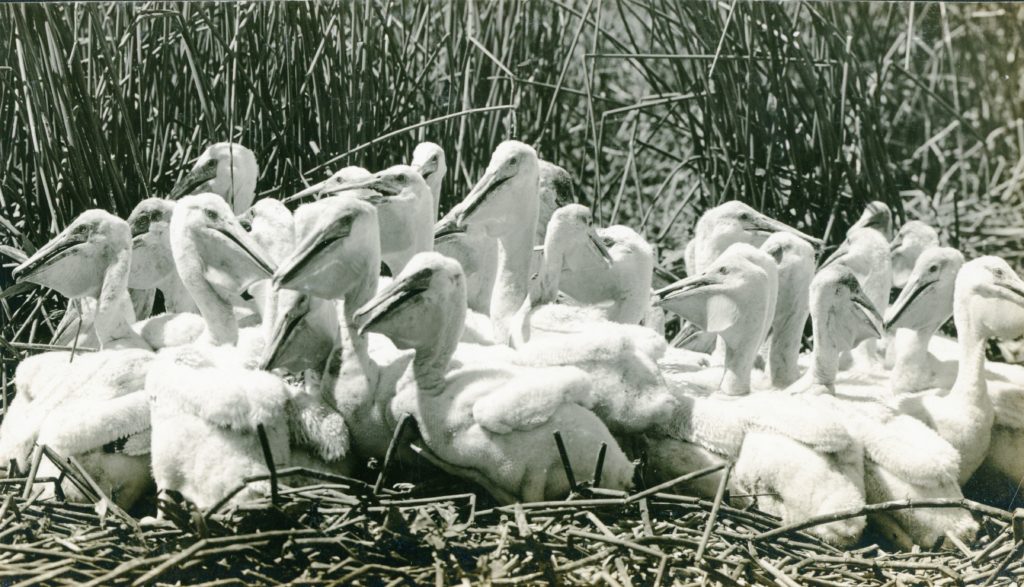
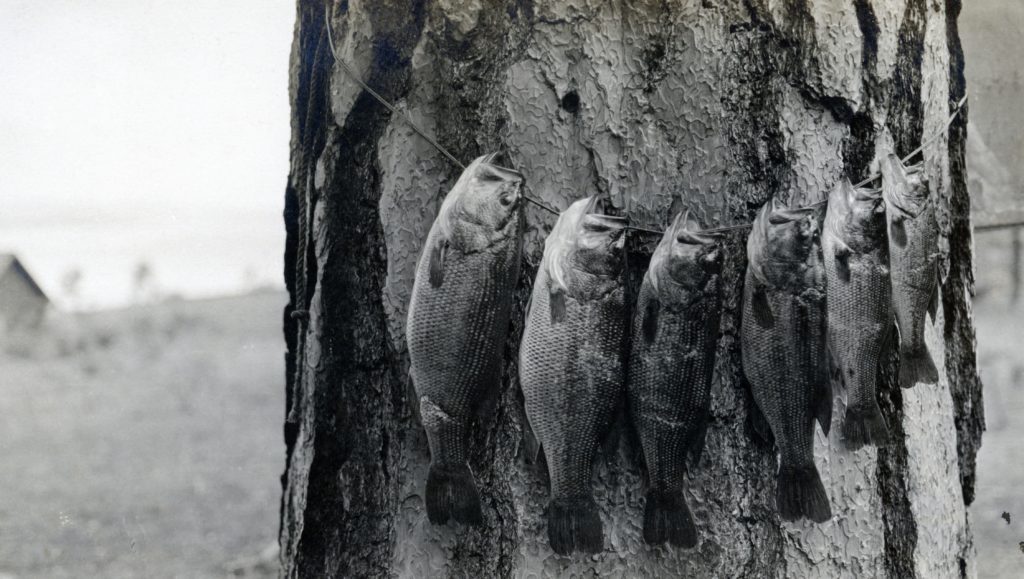
“It is well known fact that Lassen County offers the sportsman the greatest hunting and fishing in the West today. In the mountains are to be found the mule-tail and black-tail deer, grouse, quail and an occasional black or brown bear. In the valleys are to be found the sage hen, quail, doves, ducks, geese, rabbits, etc., and in the mountain streams and lakes one may find ideal fishing, varying from brook trout to black bass, weighing as much as ten pounds.”
Support!

On October 21, 2015 Jake Martin an archaeologist for the Eagle Lake Ranger District wrote: I use your Lassen County Almanac all the time to supplement my report writing with historical information! In the past I have run across an interesting note about the etymology of Poison Lake. This was found within the journal of Gorham Gates Kimball who was driving sheep to Idaho [in 1865], annotated by Edward N. Wentworth. It mentioned that Poison Lake ‘was so named from the effect of the bites of small red spiders which frequented the surface of the water.’ Apparently, merely washing your face and hands was enough to receive bites and experience red inflammation.
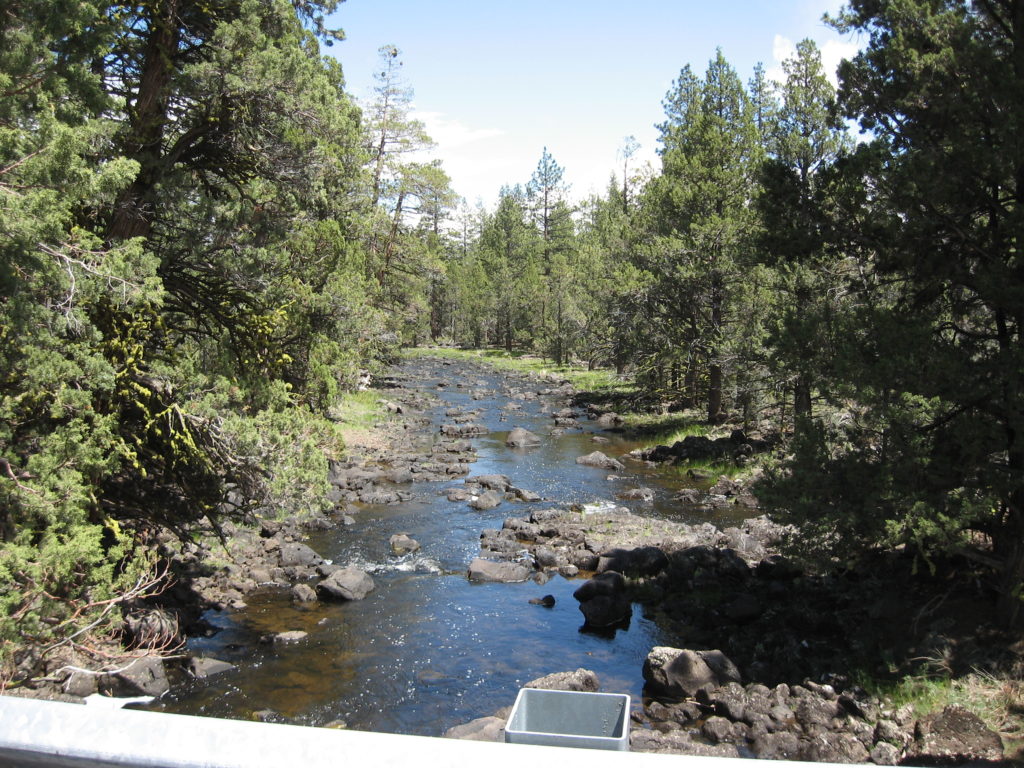
Unfortunately, my copy of that sheep drive has no reference to Poison Lake. It does make reference to being attacked by horse flies along Pine Creek.
Support!
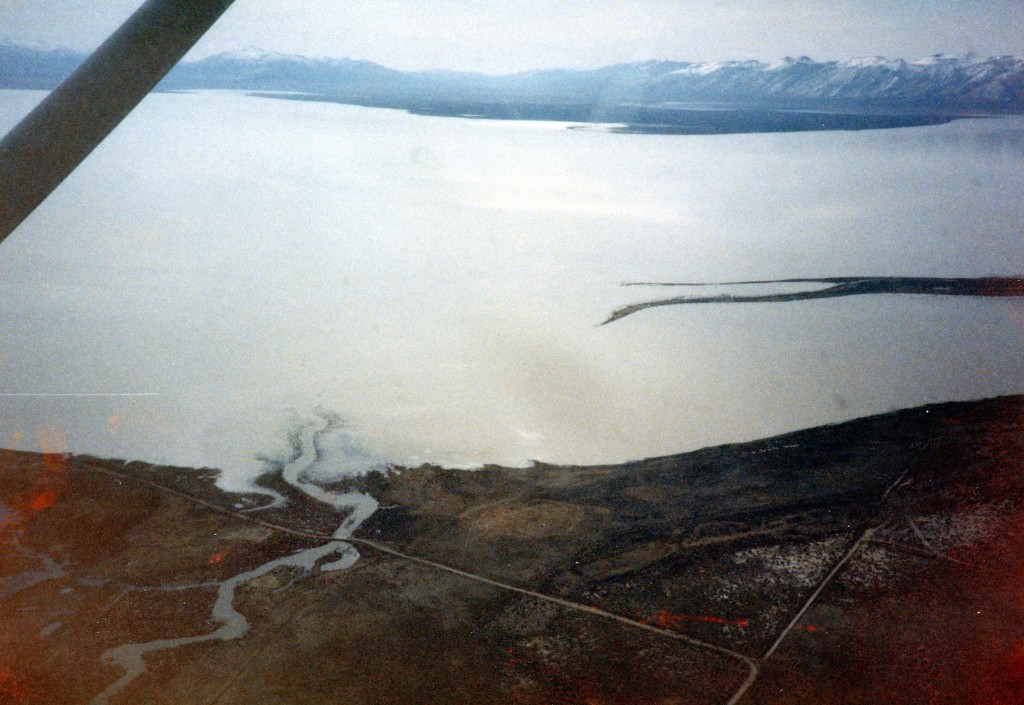
The winter of 1906-07 ushered in a notorious wet cycle. March of 1907 was rather dramatic with over 12 inches precipitation—sometimes in the form and rain, and other times as snow. In January 1911, witnessed the first of two “big snows” wherein Susanville received 8 feet; Standish five feet, Wendel 8 feet. The lake flooded vast sections of land past Standish. This prompted B.F. Gibson of Litchfield to propose a canal from Honey Lake to Pyramid Lake as way to rid the area of excess water.
Support!
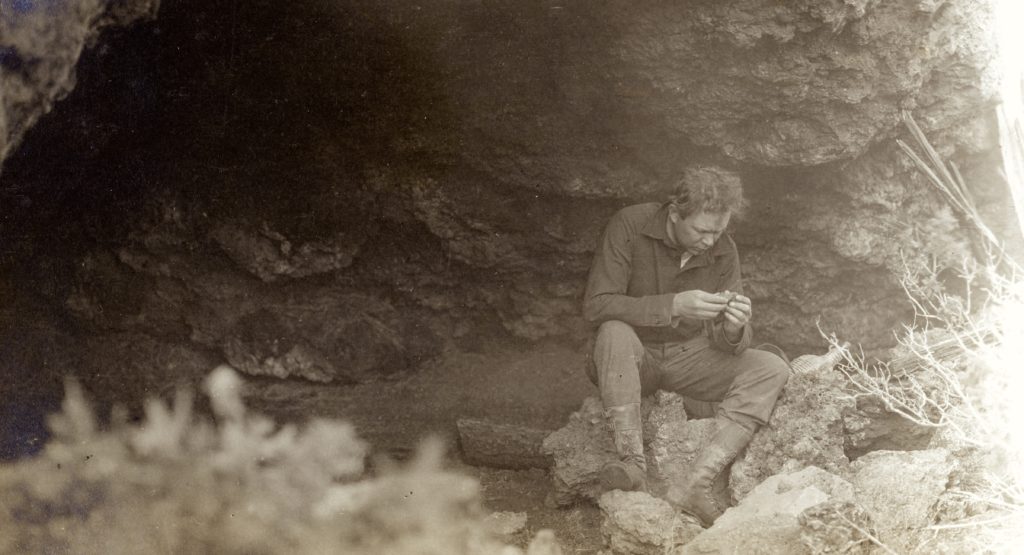
“To the west of Spalding lies what is known as the ‘Lava Bed county,” about seven miles long and three or four miles wide. This is the wildest region in this section, and excepting the vegetation, it is almost as when the lava first cooled. It is full of caverns, wells and cracks, one of the latter being five miles long and three to twenty feet wide. In one place it has been sounded to a depth of 160 feet and no bottom found. In this crack there is an ice cave where plenty of ice may be obtained any year until August and some years throughout the entire summer.”
Support!

When the Fruit Growers Supply Company gave serious thought in locating a second mill in Lassen County they were initially perplexed as to where to locate it. The timber they examined was to the west of Eagle Lake. They wanted a mill in the center of the timber to reduce the freight costs. Continue reading Pine Creek Millsite?
Support
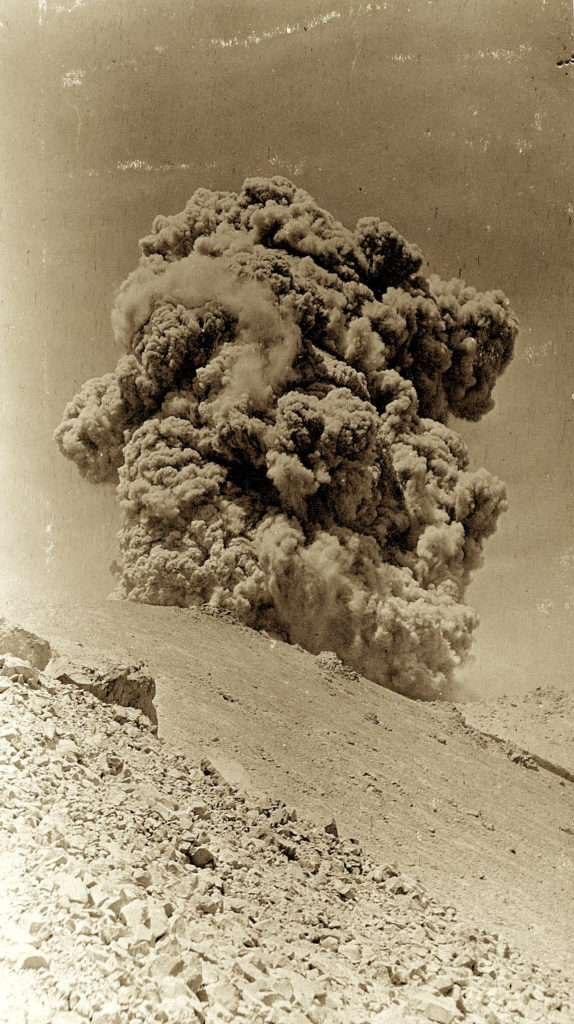
When Lassen Peak came to life in 1914, those residing to the east due to prevailing winds had to contend with the volcanic ash fallout. On the morning of May 22 1915, the most dramatic eruption occurred. The mountain was reported to be in a continual state of eruption. At 4:30 p.m. Lassen burst forth in a spectacular display, spewing forth a mushroom cloud of volcanic ash some four miles into the atmosphere. The eruption, recorded as number 174, lasted nearly an hour, dropping ash from the sky all the way east to Winnemucca, Nevada, nearly 300 miles distant. After the big eruption, activity greatly subsided, and for the remainder of the year there were only thirty-four eruptions cited.
Susanville resident, Med Arnold, happened to be fishing at Eagle Lake at the time of the eruption. Arnold stated the whole region was covered with volcanic ash, giving the appearance that it was coated with alkali dust. Arnold further noted enough ash fell from the sky to muddy the lake’s water. Janesville resident Gordon Rice, was optimistic about the situation, stated, “Lassen Peak is good to Lassen County; volcanic ash is a splendid fertilizer.”
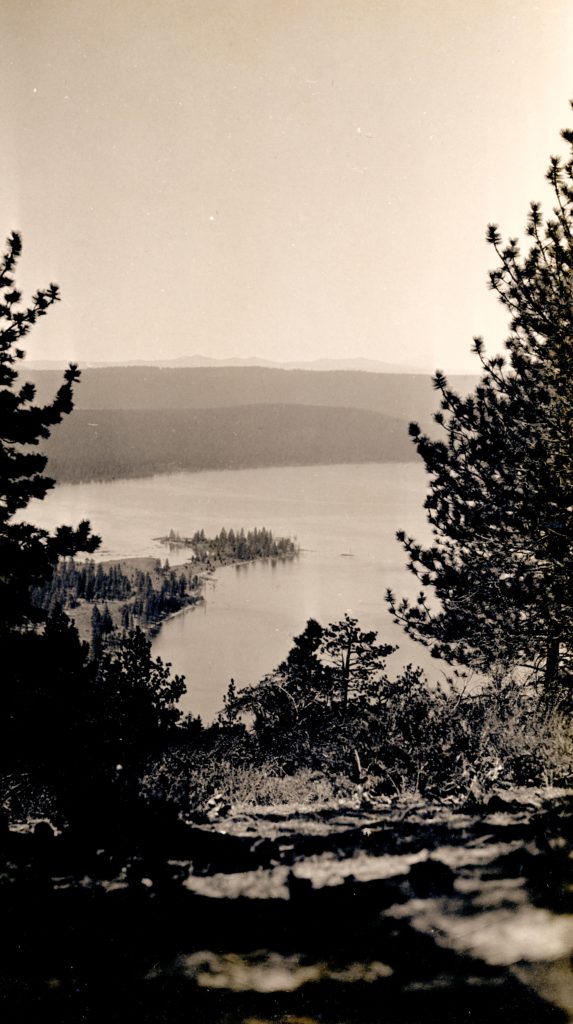
Eagle Lake Nature Programs Presents “Snakes at the Lake with Dr. Amanda Sparkman,” Saturday, June 17, 7:00 p.m. Merrill Amphitheater, County Road A1, Eagle Lake, South Shore. (in the event of rain, event will be postponed or canceled).
Eagle Lake Nature Programs kicks off its 2017 Summer Programs with, “Snakes at the Lake with Dr. Amanda Sparkman.” Dr. Sparkman, of Westmont University in Santa Barbara, California, and currently doing field study at Eagle Lake, has been involved in researching Eagle Lake garter snakes since 2005, but the original study of these snakes began 40 years ago. “We’re interested in the ecology and evolution of these snakes, including how they’ve adapted their growth rates, reproduction, lifespan, and behavior to different habitats surrounding Eagle Lake, as well as how they are responding genetically, physiologically, and demographically to current environmental change.” This year it will be particularly interesting to see how or if the increased precipitation has affected the snakes at all. Continue reading Eagle Lake Nature Programs