Tag Archives: Natural History

The Great Lassen Peak Mudflow

The May 1915 Lassen Peak Mudflow

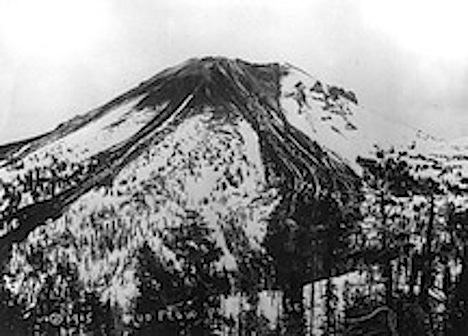
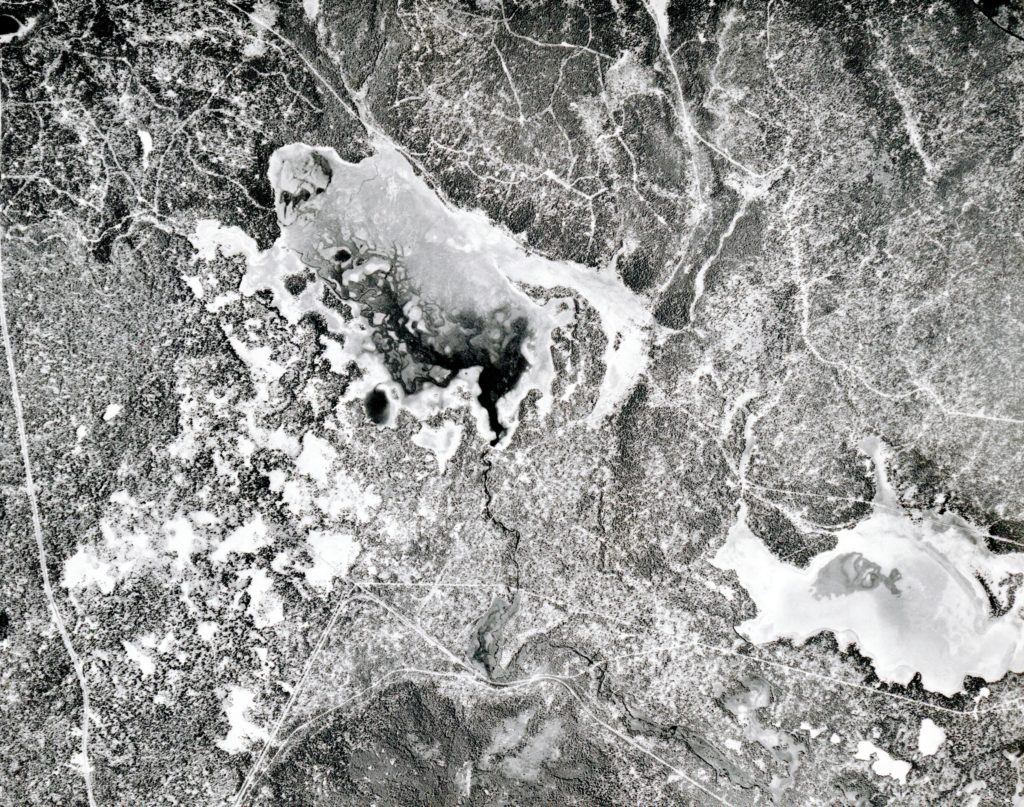
On the night of May 19, 1915 lava overflowed from crater of Lassen Peak. It was most acute on the northeast side. The lava in turn melted snow, causing a cascade of water, that was soon transformed of a stream of mud and debris headed towards Hat and Lost Creeks.

Around 11 o’clock that night, Harvey Wilcox who had a cabin on upper Hat Creek was first person to witness the catastrophic event. He was awakened by the sounds of horses running past his cabin. He ventured out to see what happened, and in the nick of time barely escaped the mudflow, only to watch his cabin swallowed up by the mud flow. His neighbor, Elmer Sorahan was awakened by his barking dog. He, too, escaped and alerted the Hall family downstream.

This was just a preview of things to come. On May 22, 1915 witnessed Lassen Peak’s greatest eruption.
Spread the word, and encourage a friend to subscribe

Bear Hunting Resumes

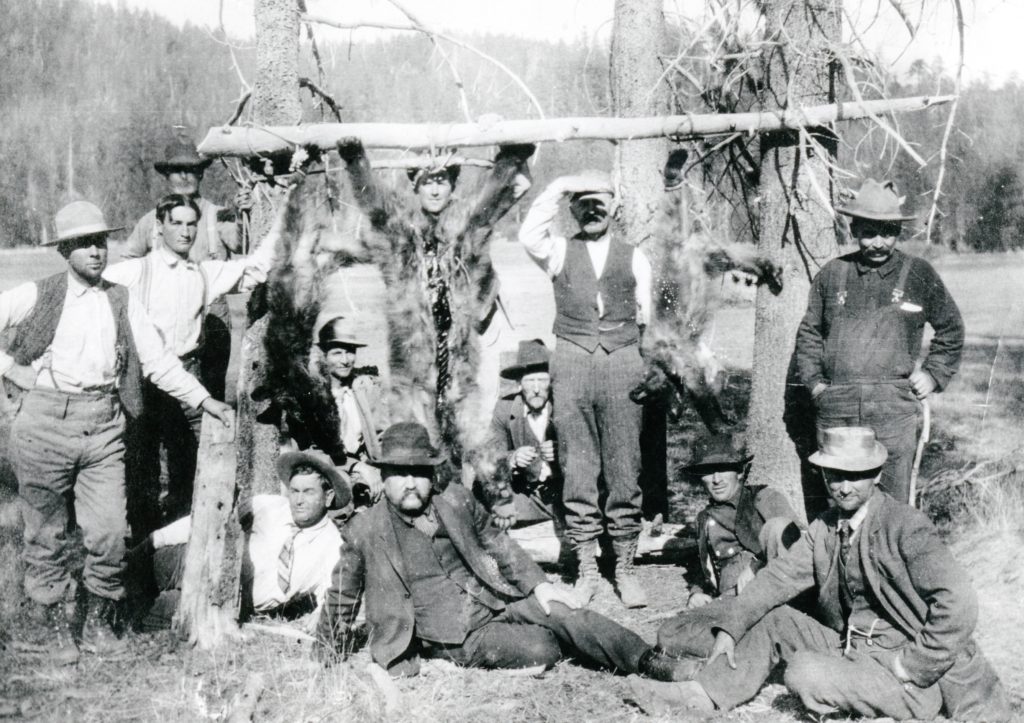
Pacific Coast Bear Club at Grizzly Valley, Plumas County,,1907. Courtesy of Ted Johnson

In 1917, California reclassified the black bear as fur-bearers, from which they were formerly game animals. The designation prohibited the hunting of bears. This, however, did not prevent the killing of bears if they were deemed predatory.

For local sportsmen this was not good news. The two prime hunting areas were the southeastern area of Eagle Lake and the west slope of the Diamond Mountain Range, such as Last Chance, Murdock Crossing etc.

In time, it was Plumas County officials who sought for a reclassification of the black bear to game animals to restore hunting, the bears being plentiful in that area. They succeeded. On November 1, 1935 bear season opened for a two month period.

Support


Sagebrush Extract

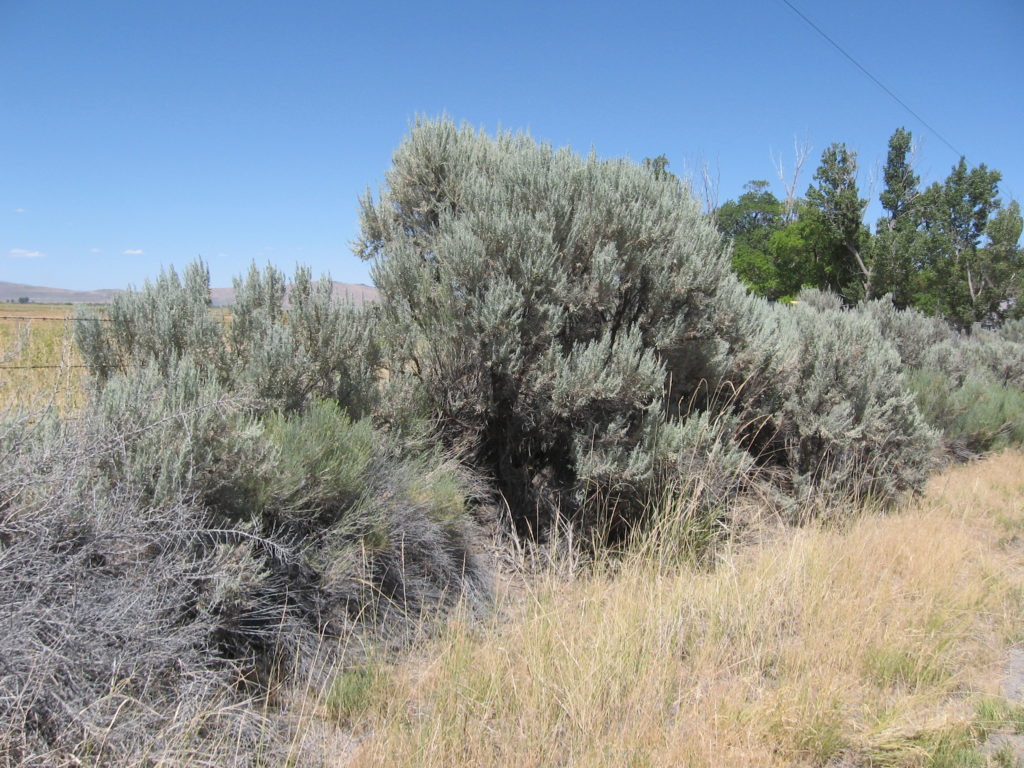
A sagebrush specimen, Tanner Ranch, Honey Lake Valley, July 14, 2020.

Since we reside on the western edge of what is some times referred to as the Sagebrush Ocean, the mighty sagebrush is a dominant feature of the Intermountain West. Of course when that region was being settled in the late 1800s there were always individuals who experimented with the plant to see what it could be use.

Of course, in the 1870s, Susanville pharmacist, Dr. R.F. Moody developed his successful patent medicine, Sagebrush Liniment It did not contain a single ounce of any kind of sagebrush extract, it was in essence fortified alcohol.

In 1916, what appeared to be a promising break through use for sagebrush was announced. Inn theory it was thought that sagebrush produced an oil that could be used in ore reduction. It fizzled and soon to be forgotten.

Spread the word, and encourage a friend to subscribe

.

Fire (Suppression) Trains

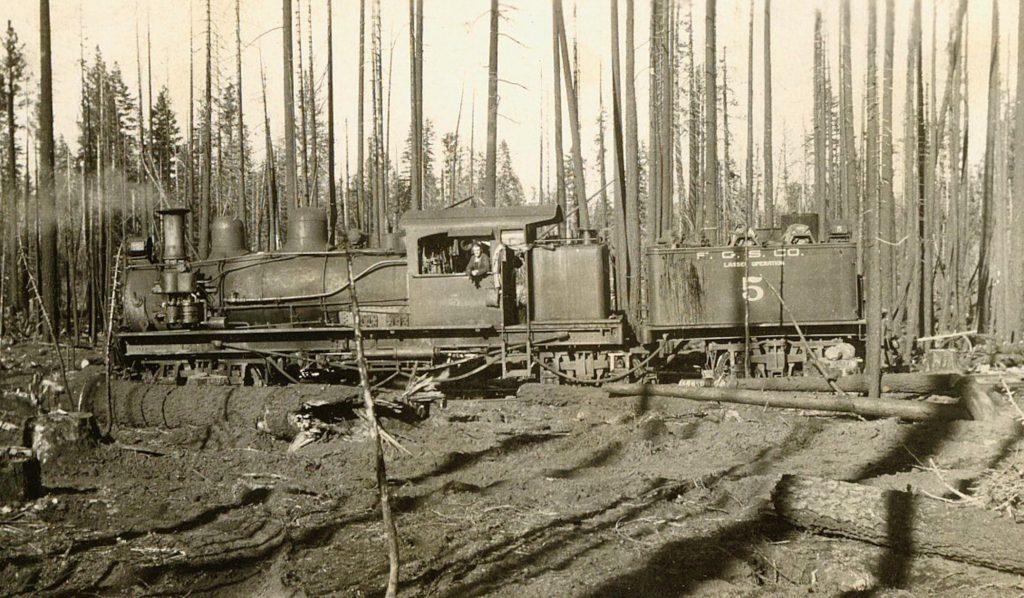
Westwood's Fire Train courtesy of Doug Luff
Westwood’s Fire Train courtesy of Doug Luff

It is interesting to note that the Union Pacific Railroad has a fire train, which was deployed during the recent (2020) North Complex fire, or more specifically that of the Claremont Fire near Quincy, Many may not realize, the Red River Lumber Company had their own fire train.

The winter of 1923-24,  was one of the driest on record in California. That summer another record would be broken–forest fires. It was June, 1924, when the Red River Lumber Company having been in operation for over a decade experienced its first major forest fire. The fire broke out at Chester Flats between Camps 34 and 38 and burned a narrow strip of land, eight miles in length. Red River’s loss was minimal as the fire burned recently logged over land and the only significant damage was 500 cords of wood burned along 1,000 feet of railroad track. Red River considered its biggest loss was to the men fighting the fire which cost the company a $1,000 a day in wages, and it took a week to contain the fire.

Continue reading Fire (Suppression) Trains

A Red River Fish Story

The dam at Walker Lake—-David Zoller

In October 1931, the Red River Lumber Company disclosed a whopper of a fish story. First a little background. In the summer of 1922, Red River built the Indian Ole dam on Hamilton Branch just a short distance south of Westwood. The main purpose was to provide water power for a hydro-electric plant located along Hamilton Branch where it enters Lake Almanor. The newly formed reservoir created by the dam was officially named Mountain Meadows Reservoir, but the locals referred to it as Walker Lake. Whatever the case may be, fish flourished there, especially catfish.

Walker Lake aka Mountain Meadows Reservoir—David Zoller

In mid-October 1931, Red River needed to drain the reservoir to make some necessary changes and repairs to the dam. Of course, lots of catfish were sent cascading down Hamilton Branch, or so everyone thought. It turned out the catfish decided to take a short cut and went down to the penstock that feeds the power plant. All of a sudden the turbines at the plant came to an abrupt stop. Upon investigation, it turned out the turbines were clogged with catfish, and a lot. When things were all said and done there was a pile of catfish that measured twelve feet square and five feet deep. A new control gate was installed so that in the future, all fish would be detoured to the natural channel of Hamilton Branch.

Spread the word, and encourage a friend to subscribe

Manzanita Lake Mudflows

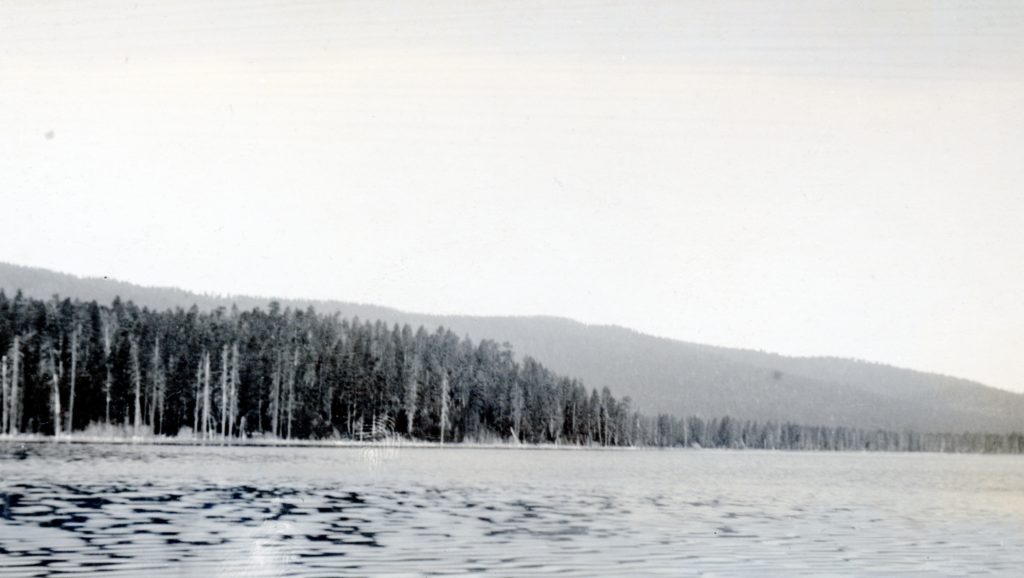
Manzanita Lake

During the first half of 1916, Lassen Peak’s eruptions had greatly subsided since the major eruption of 1915. Then things changed suddenly. In August 1916, when Lassen became a national park, the peak began to perform again, as if the mountain’s reputation was at stake.

By fall, ashy mud began flowing in a steady stream from the crater of Lassen Peak and pouring into Manzanita Lake. This continued for several weeks. Lassen National Forest Ranger Fred Seaborn was so alarmed, that he stated if the flow continued at the rate experienced so far that Manzanita Lake would be obliterated within eighteen months. By November the mud flows stopped, as if someone turned off the spigot.

Spread the word, and encourage a friend to subscribe

1924’s Duck Season Runs Afowl

Eagle Lake, early 1920s—Wyn Wachhorst

The 1919 Federal Migratory Bird Treaty Act, allowed the California Department of Fish & Game to create a large number of game refuges. It should be noted, California led the nation in wildlife conservation. Many may not realize that in 1869, Lake Merritt in Oakland was declared a game refuge, a first in the nation.

By the early 1920s there was a proliferation of state game refuges. Locally, one of the best known was Blacks Mountain. Another was Skedaddle which extended from that mountain range north to Shinn Peaks. There was a quirk in these refuges because they included private property. One of the lesser known was the Brockman Flat Lava Beds region on the west side of Eagle Lake. In the fall of 1924, Fish and Game Warden, C.O. Fisher announced duck hunting along the west shore of Eagle Lake from Christie’s Eagle Lake Resort to Spaulding Tract was prohibited, it in essence being a part of the Eagle Lake Game Refuge.

Subscribe

1929 Lassen National Forest Fire Report

The.aftermath of the fire at Camp D, 1924 —-FGS Co.

After a good cool rain storm over Northern California, W.G. Durbin, Supervisor of the Lassen National Forest declared that on the Lassen the fire season was over on October 11, 1929. At that time the fire protection force, save for two men with lookout duties, were laid off.

Durbin provided some interesting statistics comparing the 1928 and 1929 fire seasons. In 1928 there were 109 fires and 49 in 1929. In 1928 fires consumed 31,634 acres; in 1929 only 3,492 acres. Another noticeable fact was suppression costs $34,674 to $4,168.

Lightning and careless smokers attributed to the bulk of the fire origins for those two years.

Fast forward to 2021 the suppression costs of the Dixie Fire is mind boggling being pegged at nearly $600 million.

Support