Tag Archives: Eagle Lake

Malvena Gallatin’s Eagle Lake

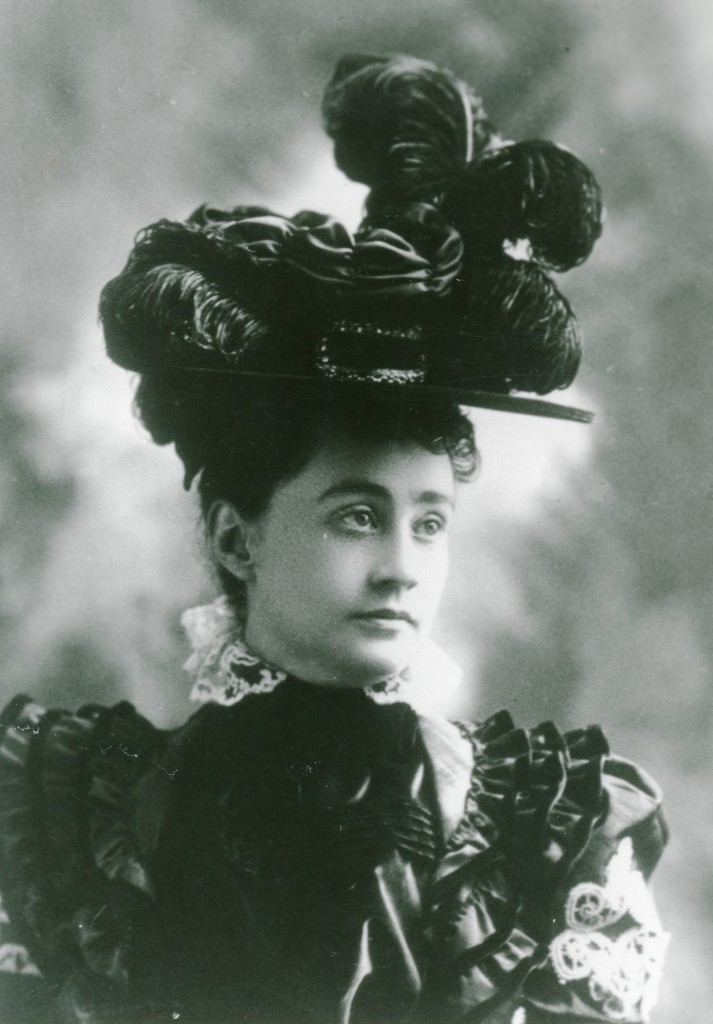
Malvena Gallatin. Courtesy of Wyn Wachhorst

In 1884, Malvena Robin married the divorced Albert Gallatin. To this union they had one child, Leta. In 1905, Albert Gallatin passed away at age of 69, and the bulk of his estate he left to Malvena. At the time of his death he owned 4,962 acre of land surrounding Eagle Lake. It was purely economical for the land used for livestock grazing.
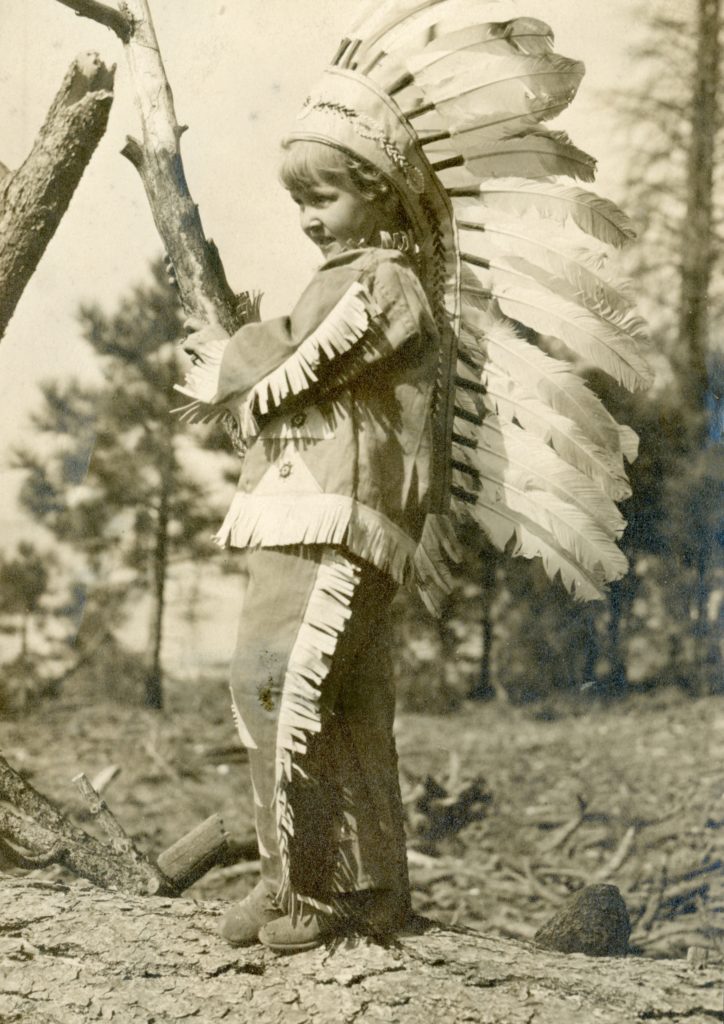
Norma Harvey at Eagle Lake. Courtesy of Wyn Wachhorst

In 1910, Malvena became a grandmother to Norma Virginia Harvey. Norma had a big impact on Malvena, to say the least. In 1913, Malvena had a summer home constructed at the southeast corner of the lake. Beginning in the summer of 1914, Malvena and her family entourage, with special guest of honor, Norma, spent the summers at Eagle Lake for nearly a  decade.  In this same time, period, Malvena was approached by different parties to subdivide the south shore for summer home sites. She declined the offers. However, she did allow the public to camp on her property, the most popular spot would became known as Gallatin Beach.

Time changes and the Gallatin clan became infrequent visitors to the lake. So much, they hired J. Burt Christie as a caretaker for the summer home.  In 1944, Malvena’s granddaughter, Norma Harvey Wachhorst died.  Deeply saddened by this loss, Malvena returned once more t Eagle Lake, to spend a quiet Christmas at her summer home.

In 1946, Malvena sold all her Eagle Lake holdings except a 1.96 parcel that included her summer home. She wanted that parcel with her home to go to her only great grandchild, Wyn Wachhorst.

Subscribe
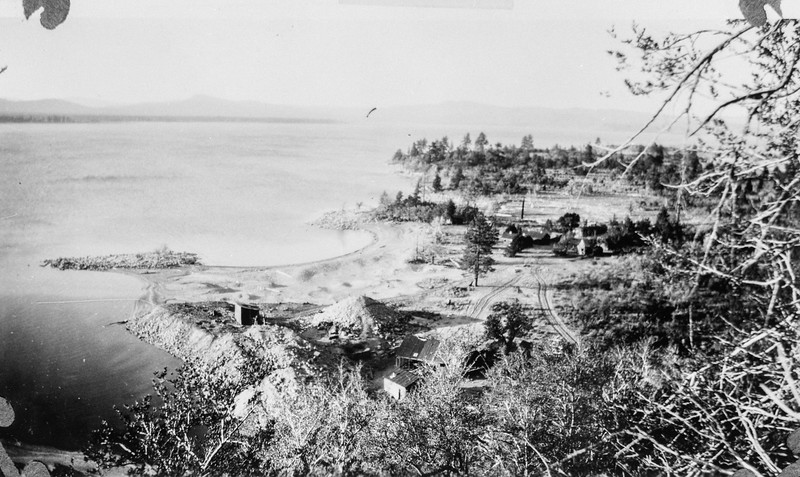
 

Bly Tunnel Works, Eagle Lake

Bly Tunnel Works, Eagle Lake, 1922-Lola Tanner

First, and foremost I am grateful for a volunteer to scan my collection of negatives. This particular photograph, I do have an original print and negative. I did a light search of this site’s photograph collection, and it did not appear.

Those new subscribers may not be familiar with the Bly Tunnel at Eagle Lake. In a nutshell, Leon Bly, a civil engineer, devised a plan to tap Eagle Lake to reclaim sagebrush lands in the Honey Lake Valley. He succeeded to organize the farmers to form irrigation districts, and they would in turn sell bonds to finance the same.

In 1920, initial construction of the tunnel began on the Willow Creek side. In 1921, a second construction camp was set up on the lake side. One can see the camp, that is the site of the former Chico State Eagle Lake Biological Station. It is my understanding that the property is now owned by the Susanville Indian Rancheria. Anyhow, I thought certain individuals would like to see the layout, and, of course, the high water level of the lake.

Tim

An Eagle Lake Ice Cave Description

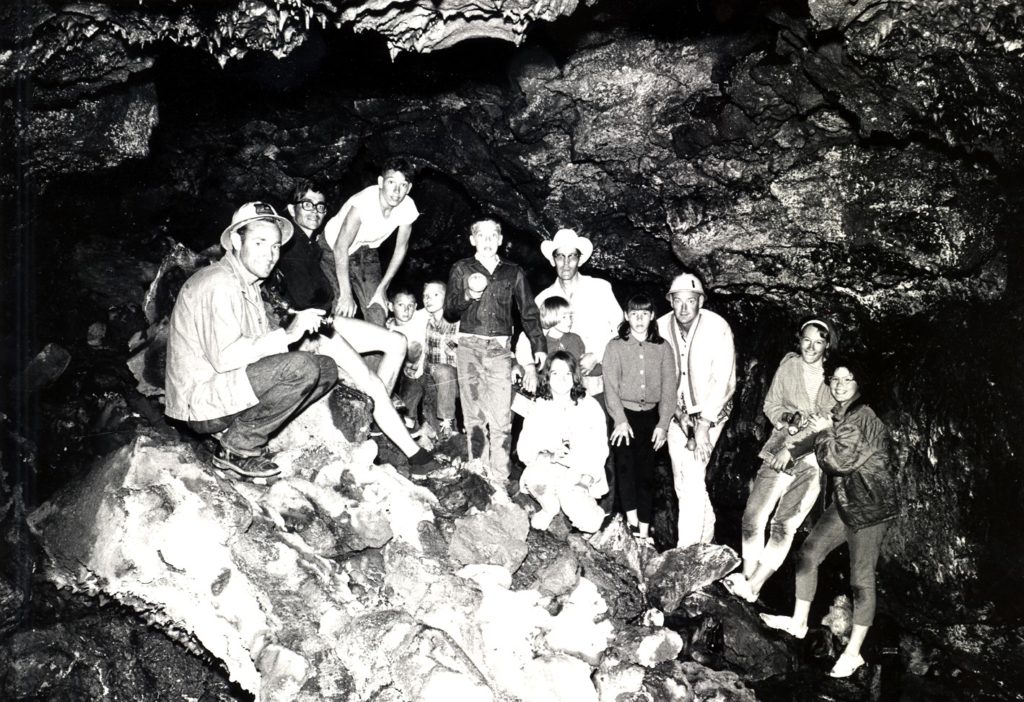
Interior view of an Eagle Lake ice cave, 1966.

It is a rarity to come across early day descriptions of the various ice caves on the west side of Eagle Lake. The following account was a part of Ada Gerking York’s memoirs (1877-1936). She was raised in Willow Creek Valley and spent most of her life in Grasshopper Valley.

”Eagle Lake is surrounded by many wonders, especially on the west side, great lava beds of which little is known.  A great volcanic crack extends for ten miles; some places 10 to 15 feet deep, others bridged and so on. The place where I visited had a bridge upon which I went; I found a small hole in the ground and dropped a rock down. It struck far below then rolled, clattering among other rocks, fell again, and was some moments before all was quiet again. One of the party went into the crack and found an entrance to the cave under the bridge, but cannot be explored on account of its depth. Another time I visited the caves, how many I forgotten, and I think there are many yet unexplored; some of them had monstrous holes as openings, and in entering I found large rooms, some of which were exquisitely shaped. One known as “The Grottos” had many stalactites and stalagmites; some have more than one opening and some several apartments. One contains ice and is known as the Ice Cave and ice may be had any time of the year.”

Donate.


Those Careless Cigarette Smokers

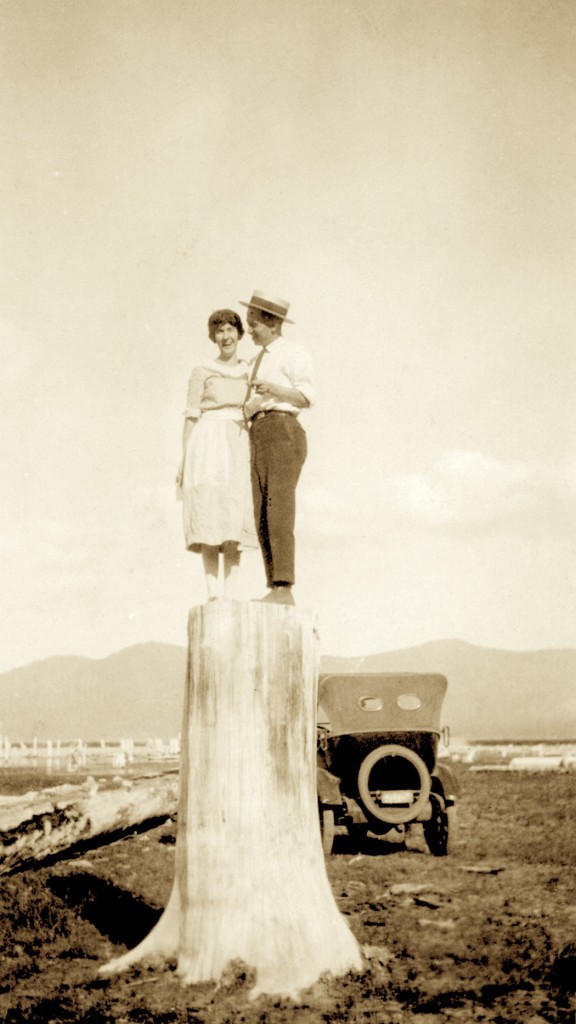
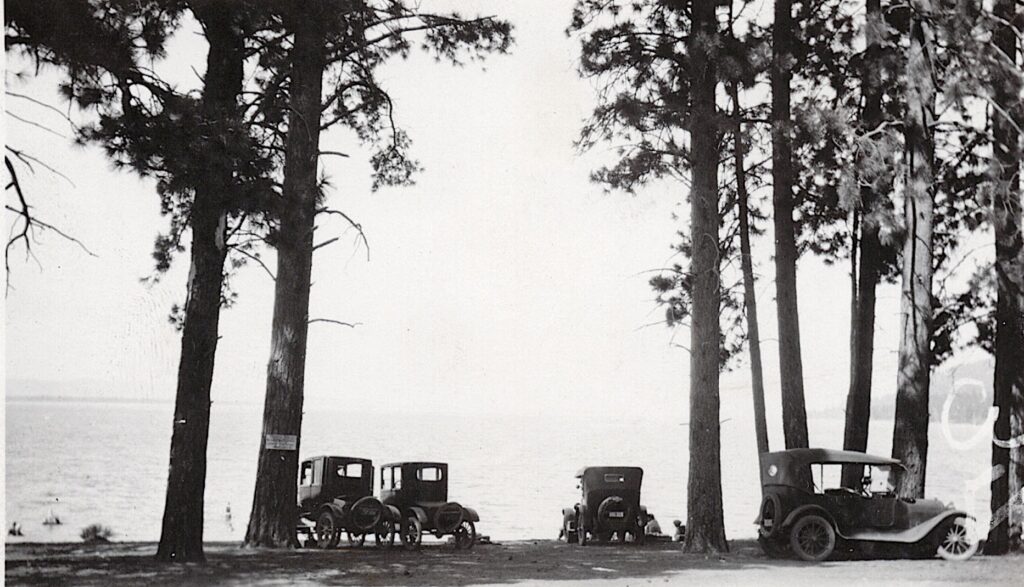
Gallatin Beach, 1922
Gallatin Beach, 1922. Courtesy of Lydia Odette

By the end of World War I cigarette smoking gained in popularity. In 1920s, advertisers promoted as stylish among other traits. On the flip side carless cigarette smokers routinely threw their lighted cigarette butts out of the car window. By the early 1920s the California made it a law to prohibit tossing lighted objects from an an automobile, but citizens ignored it. By the mid-1920s it got out of hand and was a major cause of forest fires.

On June 11, 1925 the first forest of season, locally occurred at Eagle Lake’s Gallatin Beach. Luckily, it was quickly contained as group of forty men, composed a campers and day visitors, quickly extinguished the fire. The fire’s origin was a caused by a discarded cigarette.

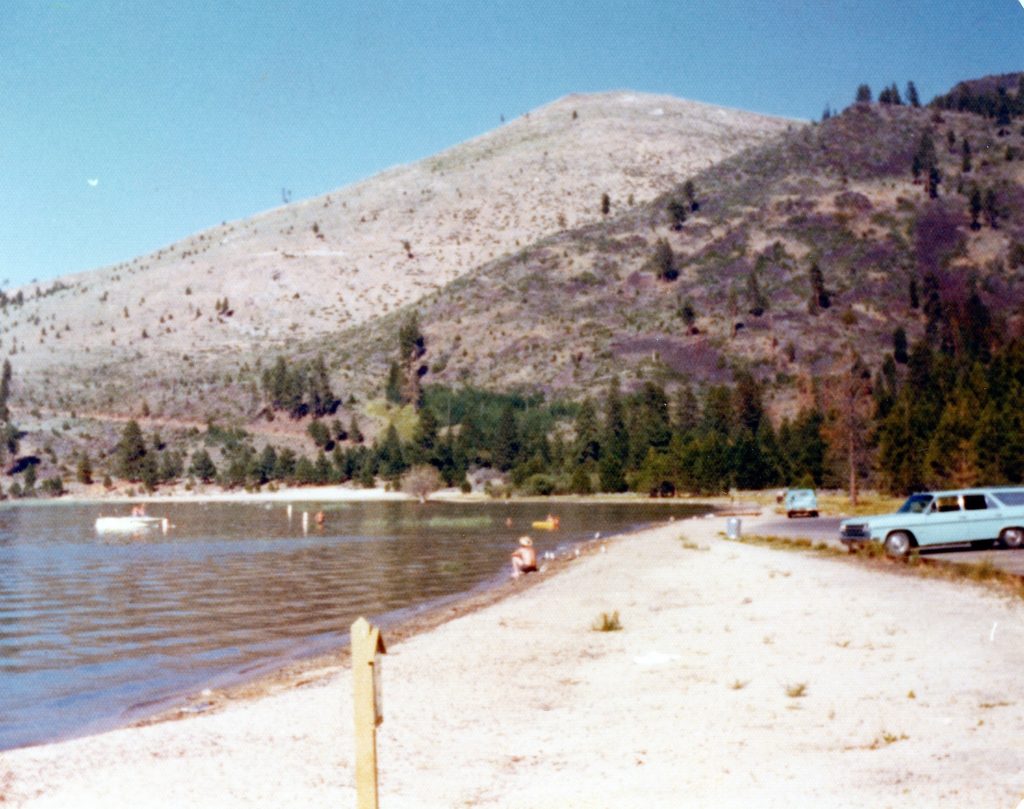
Gallatin Beach and Peak, July 22, 1974.

Menacing problem of cigarettes igniting forest fires continued for decades. Locally, for instance, on July 17, 1951 a 760-acre fire consumed the majority of timber on Gallatin Peak. The cause a careless cigarette smoker.

Tim


A Spaulding Tract Revival

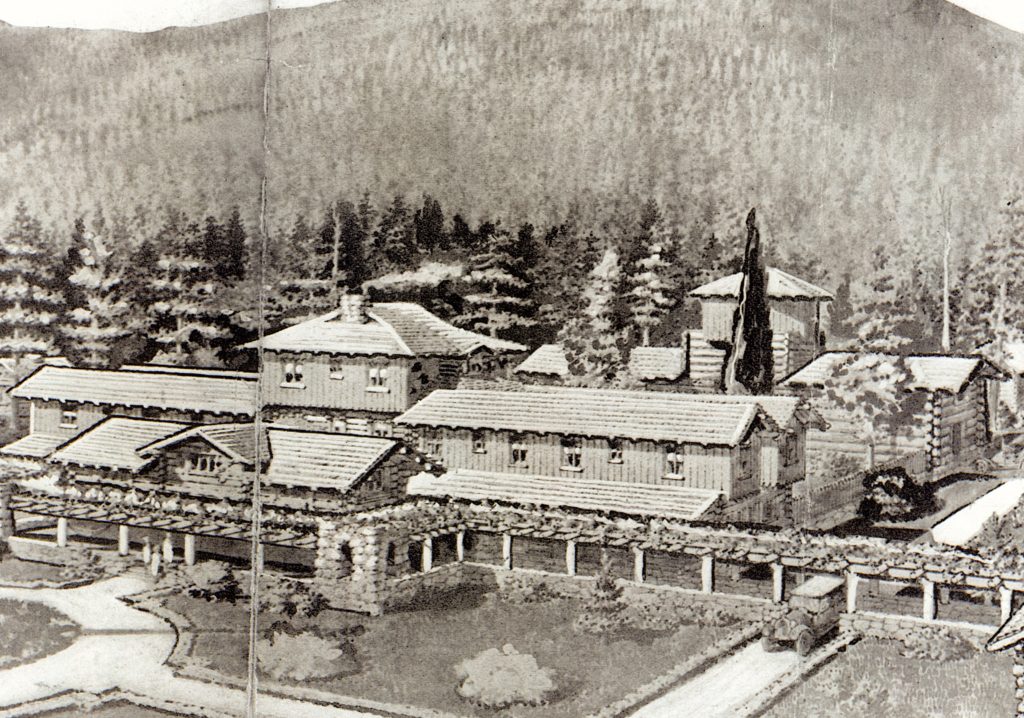
An artist’s rendering of the proposed hotel at Spaulding Tract

In 1914, John Spalding subdivided his brother-in-law’s Jules Hurlbut homestead for summer homes. While many took notice, the sales were dismal. Ten years later, W.J. Spalding, John’s son, revamped the subdivision to what is today.

Spalding enlisted the aid some real estate promoters from Southern California and formed the Eagle Lake Cabin Site Company. They had grandiose plans, at least on paper. There was a  proposed $100,000 resort complex, that the Eagle Lake Lodge was to resemble the Grand Canyon’s El Tovar Inn. In June 1925 the Company informed Spalding that sales were a doing great. Some 2,800 lots had been sold at $50 each “to a very desirable class of people.”. The sales remained brisk for the year.

1926, was a different story, as in buyers remorse. Some of last year’s buyers came to inspect Spaulding Tract. First they had to deal with poor road conditions and upon arrival there was no grand lodge or even a cabin. Needless, to say the lot owners were angry had invested in non-existent resort community. Over the ensuing decades lots at Spaulding could be had at bargain prices via delinquent tax sales. In 1950, Lassen County sold 524 lots during a delinquent tax sale that saw prices range from twenty cents to twenty dollars a lot.

Support


Eagle Lake Petroglyphs

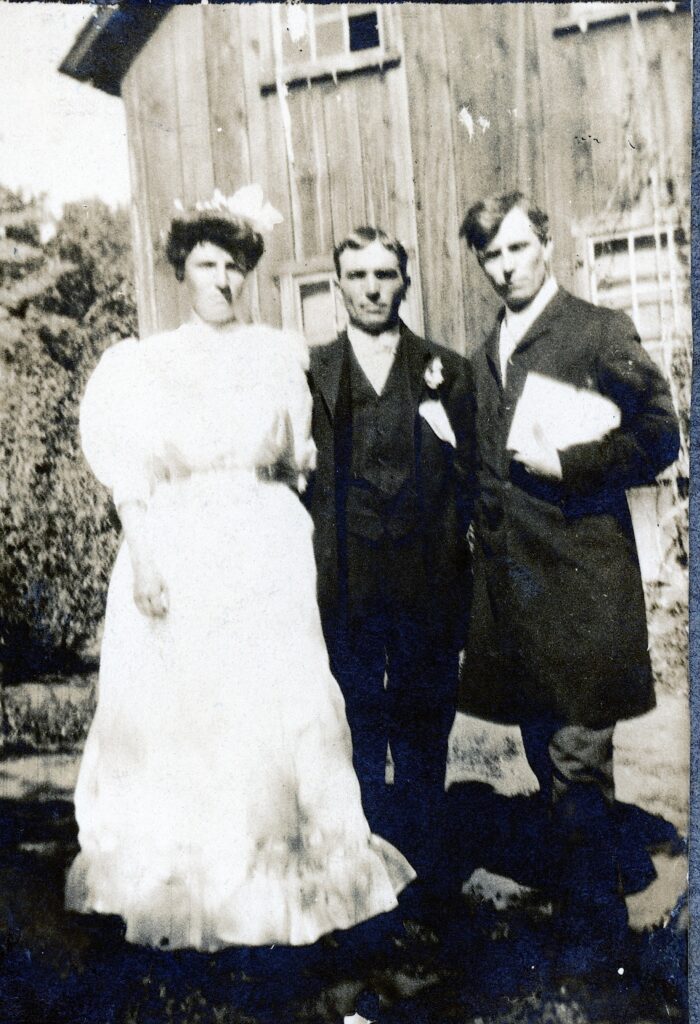
David and Theda (Williams) Fritter wedding portrait 1906.

Some years back, I received an unexpected call from the Eagle Lake Ranger District, Lassen National Forest. There are petroglyphs on the west side of Eagle Lake that are on the forest service land. Over century ago, two Eagle Lake residents, Dave Fritter and Charles Spalding etched their names along side of the petroglyphs. The forest service wanted who those two individuals were.  I obliged.

There are petroglyphs on the east side of Eagle Lake. Personally, I have not observed them, but I have never done due diligence to locate them.

Closer to home, i.e. Susanville there are a handful of petroglyphs. Most on private property, but one site is owned by the City of Susanville.

Tim


Tuesday Tidbit – Eagle Lake, 1921

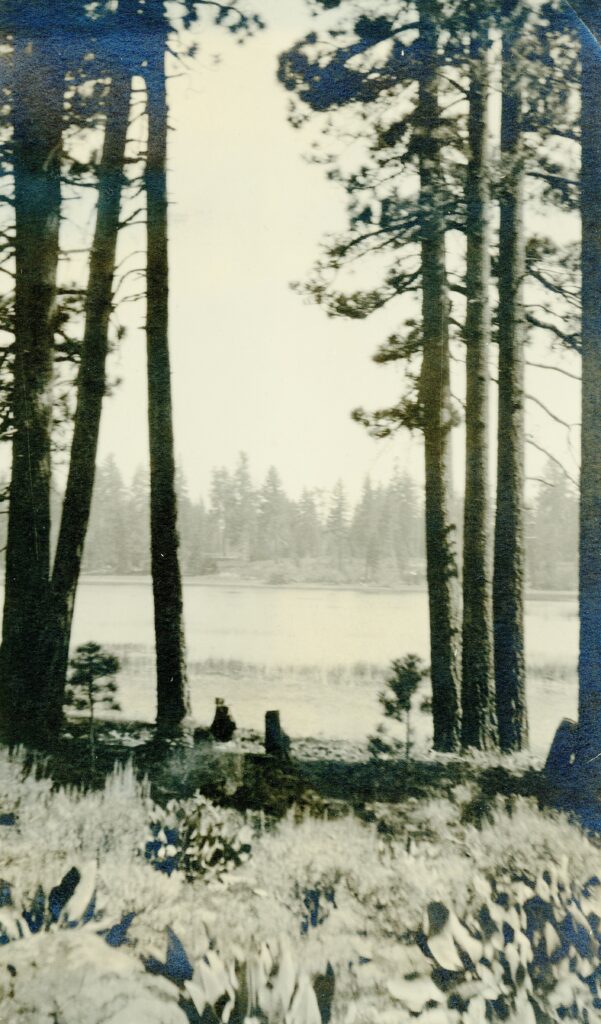
Eagle Lake, 1921–Joe Odette Collection

First, I happen to like this photograph taken at the south shore of Eagle Lake. Second, I do not have any knowledge about the picture. Third, in June I had a bought an Epson V39II Scanner. Last week a forced myself to use  it. It has been a challenge, but slowly and surely I shall overcome the learning obstacles. Anyhow, to make a long story short, the above was the first scan.

Tim

Mahogany Lake, Lassen County

Mahogany Lake, 1920-Wyn Wachhorst

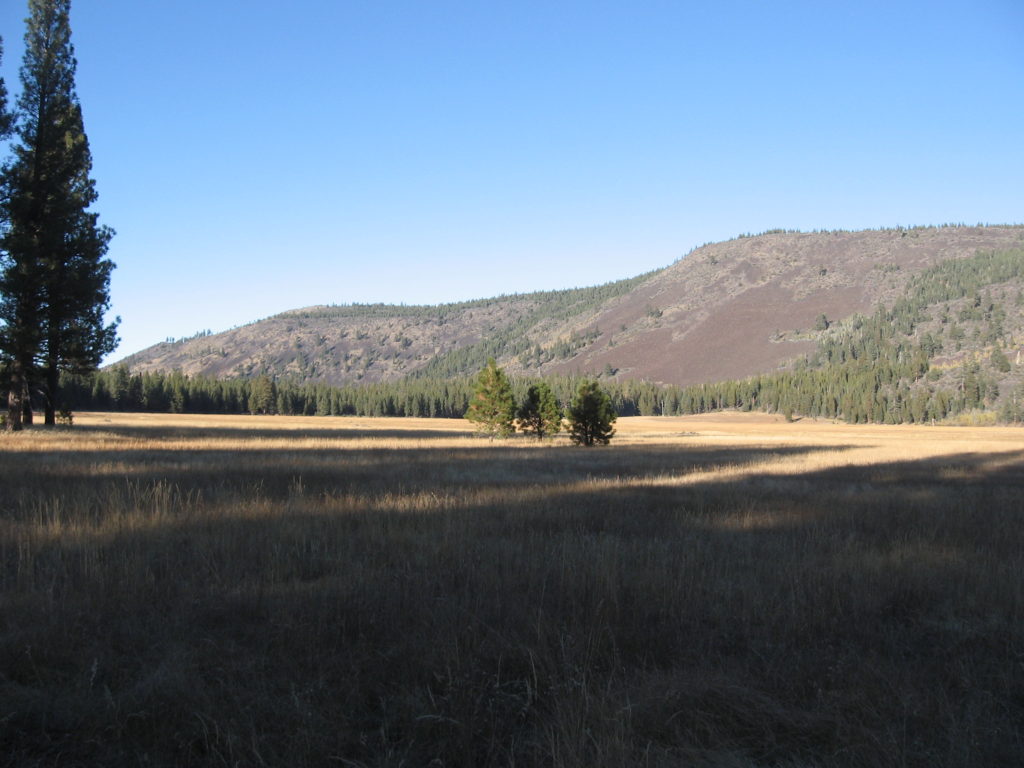
Mahogany Lake is a small twenty-acre  shallow body of water, more or less, that is situated on Mahogany Ridge east of Eagle Lake. Since it has no inlet or outlet it is susceptible of going dry. When that it occurs it appears to be  a grassy meadow.

Papoose Meadows, with Mahogany Ridge in the background October 13, 2017

The lake was originally named Walters. after George William Walters (1865-1923). Walters was a one-time employee of Albert Gallatin who used Eagle Lake for summer livestock grazing. In 1887, Walters sold the 40 acre parcel that encompassed the lake to Gallatin for $300. The property remained in the Gallatin family’possession for decades. In 1947, the Lassen National Forest Service acquired the Gallatin property. It is quite possible that forest service changed the lake’s name.

Tim


Then There Was Eagle Lake

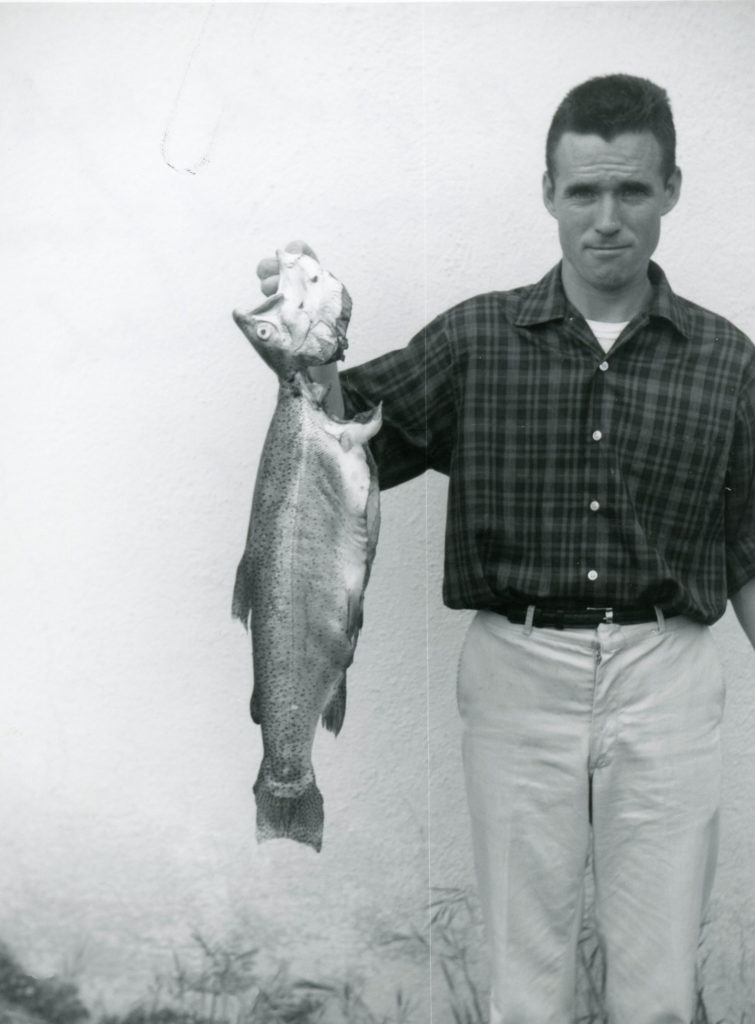
James Stokes holding “Old Lady of the Lake, a 8 pound Eagle Lake Trout caught in 1961.

It was interesting in  yesterday’s post that in the. late 1800s and early 1900s Pyramid Lake Paiutes would sale Lahontan Cutthroat trout in Susanville. On the other hand it was common for the Anglo settlers during the spring of catch and haul wagon loads of Eagle Lake trout to sale on the streets of Susanville for twenty-five cents a pound. Yet, the local Native American populace did not harvest the trout like their counterparts of Pyramid Lake. This practice of harvesting Eagle Lake trout came to abrupt halt in 1917 when the State of California adopted. legislation, making it illegal to sell trout (excluding domesticated stock) from lakes and streams.

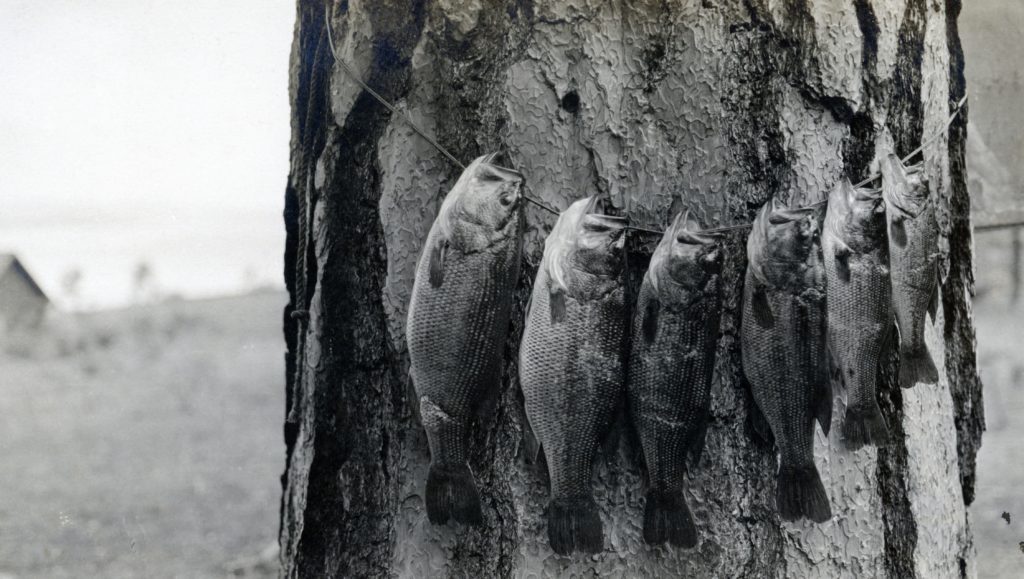
An Eagle Lake “catch,” 1916. Courtesy of Wyn Wachhorst

In the early 1900s bass were planted in Eagle Lake and they thrived. Some ambitious fishermen would from time to time would sale their bounty catches. It should be noted, that the bass population was greatly diminished and finally disappeared the lake in the 1930s. This was due in part of the lake’s water quality, with an increased alkaline content and reduction of marsh areas where the bass thrived caused by the lowering effects of Bly’s tunnel and the drought years.

Support by subscribing.


Levi Button-Eagle Lake’s First Resident

McClellabd’s Summer Camp at Eagle Lake, 1912-Pierce & Elburna McCleland

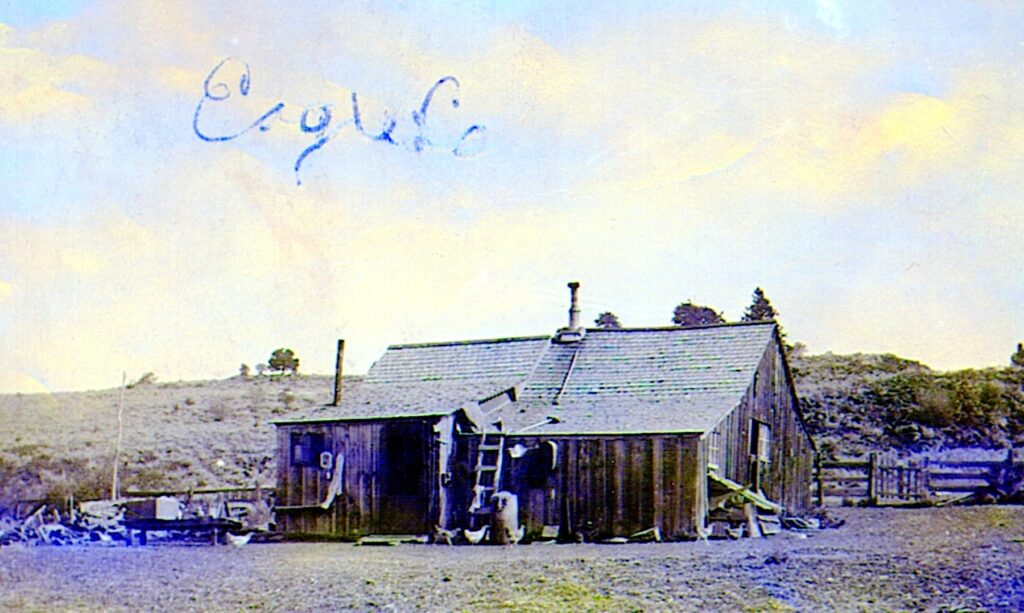
Eagle Lake’s first settler was.a thirty-three old New Yorker by the name of Levi Button, who recorded a claim to 160-acres on the northwestern shore on January 4, 1870. Button had resided in Lassen County since 1863, making living from prospecting and trapping. He built himself a cabin at the lake and resided there periodically until 1875. He then departed for eastern Oregon. Before leaving he remarked that the wildlife had greatly diminished due to the influx of livestock grazing on the surrounding mountains.

A number of individuals had become occupants of Button’s abandoned homestead. In a five years period, Isaac Adams, Frank Day, Samuel C. Dibble, Hiram Sewall and Daniel Cramer claimed possession of the place, but none them remained there for any length of time and failed to gain. title.

In the early 1880s, a German immigrant, Adolph Schuler took up Button’s abandoned claim. He had several improvements and secured 166-acre federal land patent. In 1885, Schuler sold the property to James D. Byers who had an extensive livestock operation in the Honey Lake Valley. Byers incorporated the property for summer grazing. Schuler worked as a ranch hand and. reminded on the property for most of his life. Byers who died in 1902, was a bachelor and he left the bulk of his estate to his nephew’s wife, Sarah McCleland. Since then, has it remained in the McClelland family.

To Support, Please Donate or Subscribe