Tag Archives: Agricultural

Standish Water Company

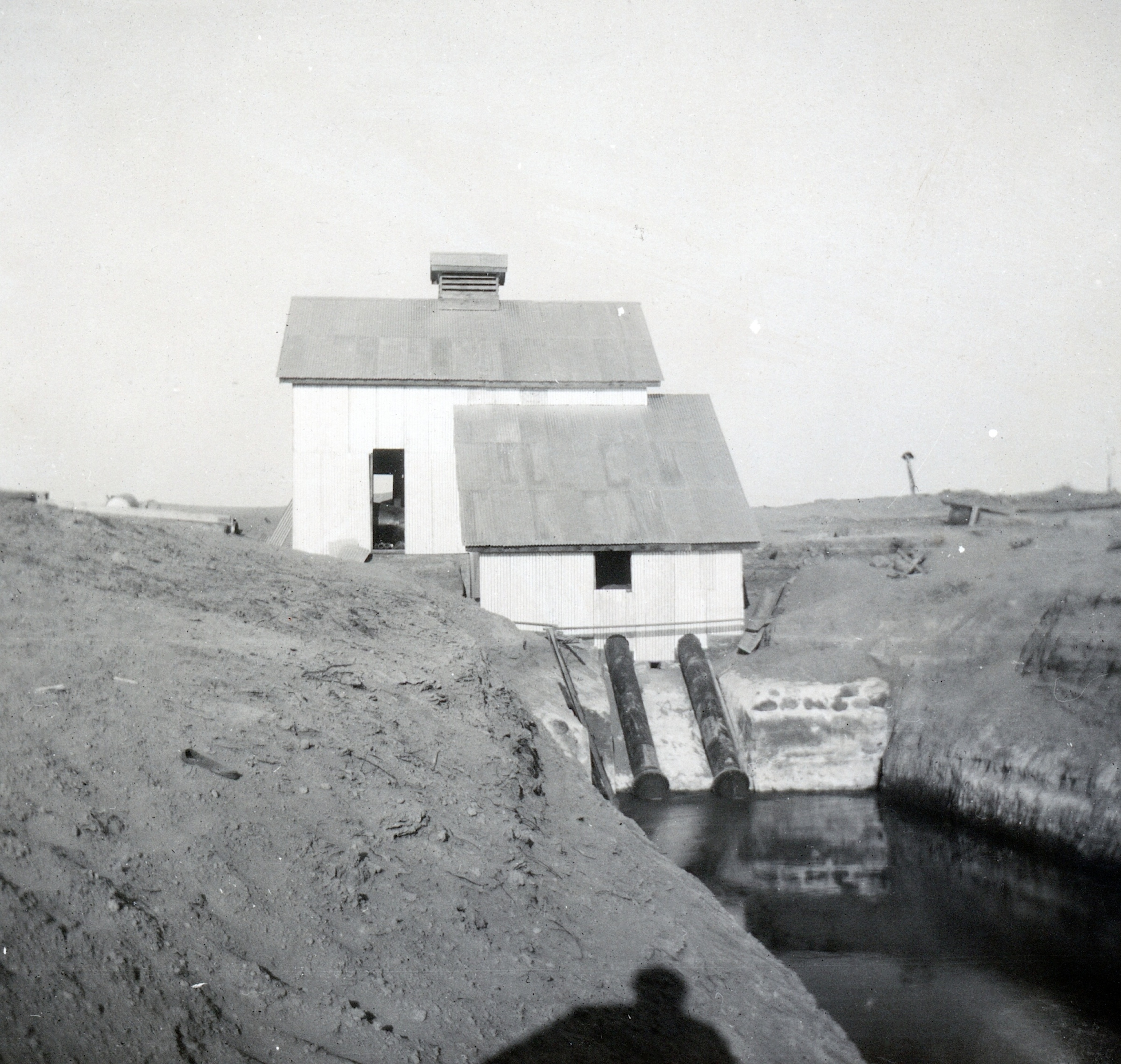
Standish Water Company's pumping plant. C.R. Caudle collection
Standish Water Company’s pumping plant. C.R. Caudle collection

When Honey Lake is full it is an impressive body of water. There have been those over the years who thought it could be put towards a beneficial use. In 1878, Captain Charles Merrill came up with the first proposal to use water from the lake to irrigate the sagebrush lands on the lake’s eastern shore. Others, too, looked at lake’s potential for irrigation, but nothing materialized.

In the Standish district, two families who were joined by marriage—Hartson and Holmes—made plans to utilize the lake’s water for irrigation. In 1909, they formed the Standish Water Company. The Company was successful in attracting investors, one of whom was Carl Caudle. Caudle was a civil engineer, who had a homestead at Stacy on the east side of Honey Lake. Not only was Caudle instrumental in designing the project, he also invested $22,000.

In April 1910, construction began on a pumping plant on the east shore of Honey Lake, about two miles south of Amedee. A 150 horsepower Fairbanks Morse engine with a 24-inch centrifugal pump powered the pump house. Eleven miles of canals were constructed in an effort to irrigate 4,000 acres.

On October 4, 1910, on one of those beautiful falls days the region is noted for, set the mood for the inauguration of the pumping plant. During the morning people began arriving from around the Honey Lake Valley to partake in the festivities. Of course, the customary local dignitaries were on hand to provide their accolades. Shortly after noon, the visitors were instructed to assemble along the banks of the main canal to anxiously watch awaited event of pumping water into the main canal. At one o’clock the whistle blew from the engine house, and within moments water burst through the pipes to fill the canal.

On the surface it appeared the Company was off to a successful start. In addition, Mother Nature contributed to their efforts, when a snowstorm in January 1911 dumped eight feet of snow there! Actually, the weather gods for the next several years were very kind to the east shore residents by providing higher than normal precipitation.

In the Company’s first year 1,000 acres had been planted with sugar beets, with a successful harvest. The following year was a success, too. This changed in 1913, in one of those bureaucratic snafus. The Standish Water Company sold water to individuals who were homesteading on federal lands. Once those individuals met the government’s requirements they could acquire the land for a nominal fee. Disputes occurred, usually from neighbors. In this particular instant, Thomas Philbin contested John Ramsey’s request for a final proof for his 160 acre homestead. The United States Government Land Office (GLO) investigated Philbin’s claim, which they dismissed. However, when it was learned Ramsey’s source of water supply was Honey Lake, it raised a concern.
To be continued.

Never miss a story. click here.

Eastern Honey Lake Valley

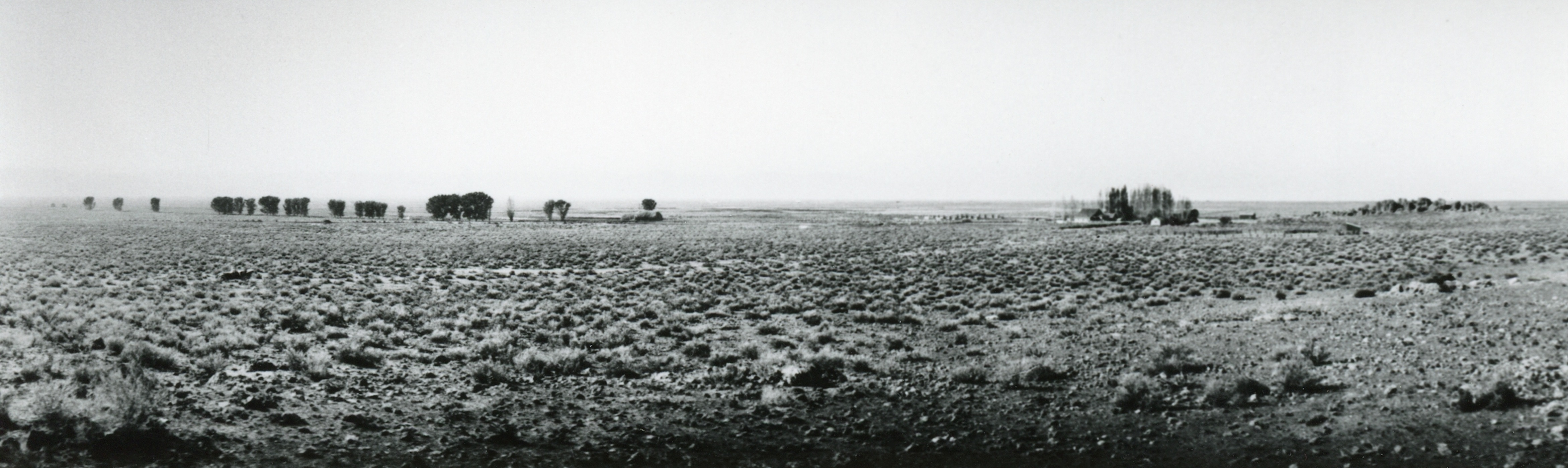
Eastern Honey Lake Valley, near High Rock Ranch, 1916. Courtesy of Betty Barry Deal

In the 1800s and early 1900s there were a lot of dreamers and schemers whose desire to transform the sagebrush lands of eastern Honey Lake Valley into productive farm lands. It first began with Capt. Charles A. Merrill, who in 1878, proposed to use water from Honey Lake to irrigate the same. It should be noted that this is the same Merrill who worked relentlessly for twenty-five years to tap Eagle Lake for irrigation of the Honey Lake Valley. By 1891, there were so many reclamation projects underway, it was remarked that the Eagle Lake water would not be needed for irrigation, but it could be used to keep Honey Lake full for the pleasure of the members of the Amedee Yacht Club, among others.

In the future, we will explore a number of these projects such as Lake Greeno, Skedaddle Dam and the Standish Water Company’s Honey Lake pumping plant.

Never miss a story, click here.

Susanville Ranch Park, Part II

The ranch as it appeared in 1922, when Fruit Growers owned it.

On October 30,1919, the Fruit Growers Supply Company purchased it from McKissick Cattle Company, for approximately $29,000. Fruit Growers anticipated using Bagwell Springs for a water supply and they would use the ranch land to provide winter pasture for the horses they used in logging. Fruit Growers constructed a water pipeline from the ranch to the mill, but it was never used due to litigation filed by other water right users. Fruit Growers briefly operated their own dairy there and, in 1923, leased it to the O’Kelly family who operated Lassen Dairy through the 1950s. In 1934, Fruit Growers offered to sell the ranch to the City of Susanville. Fruit Growers cited it would make an ideal golf course, that the money received from the golf course could be used to develop the remainder of the property into a park. The City liked the idea, but said no. In 1935, Fruit Growers sold the ranch to the Republic Electric Power Company who wanted to acquire Bagwell Springs as an additional water supply for Susanville. Over the years, that Company went through numerous reorganizations and became CP National. In 1984, CP National donated the ranch to Lassen County, and it is now a county park.

An interesting footnote to the story is that Lassen Community College examined the property for a future campus back in the 1960s, but the asking price was too expensive.

It is never too late, subscribe today and enjoy tomorrow with daily notifications. You can also surprise someone with a gift subscription.

Desert Homesteaders

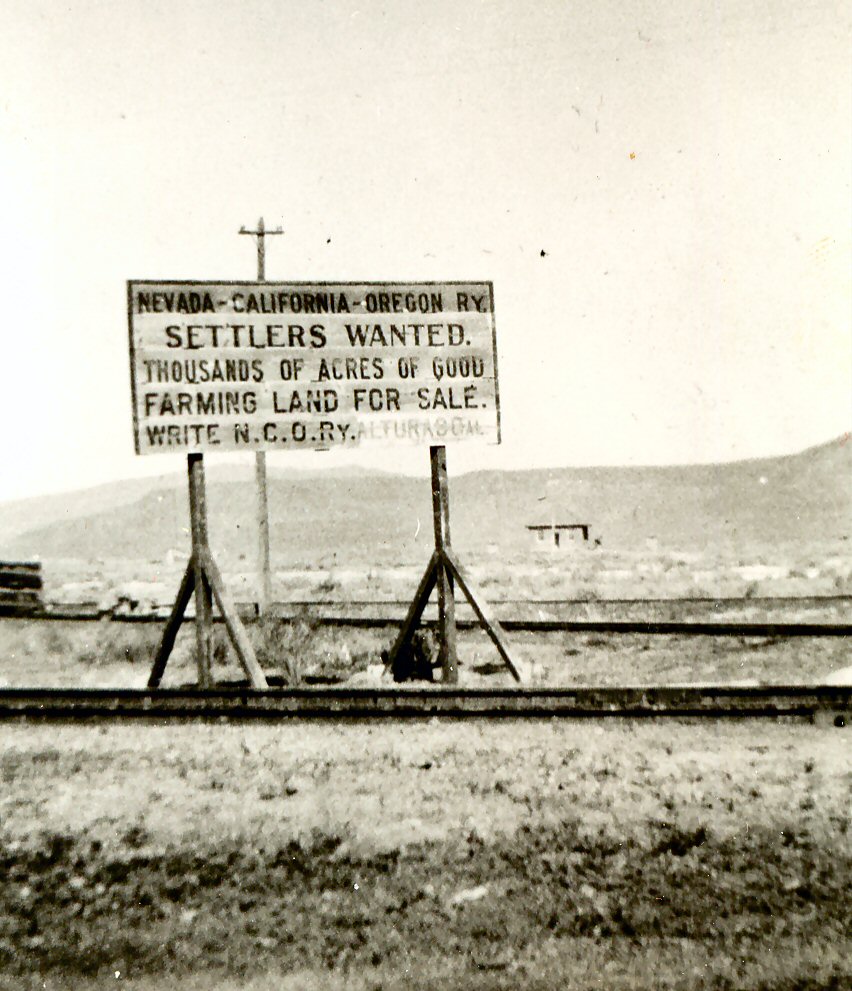
This weathered sign of the NCO was updated to show that its headquarters had moved from Reno to Alturas. Photograph taken by Lassen County Librarian Lenala Martin at Wendel, 1920.

Amedee served as a hub for a number of reclamation projects that all held the belief that they were going to transform the eastern portion of the Honey Lake Valley into a garden oasis. These companies were persistent with their proposals. Initially, the optimism ran so high that the water from Eagle Lake would not be needed from the other reservoirs being constructed that its water could keep Honey Lake full for the Amedee Yacht Club.  However after several decades reality set in and the region would remain a vast sagebrush plain.

In the early 1900s there were several other factors that seem to make the desert bloom.  It was like a harmonic convergence where so many things came together at the same. Well-drilling had greatly improved, an extreme wet cycle in annual precipitation, the sugar beet industry, a second railroad and the Standish Water Company irrigation plant and canals. Stay tuned for further developments.

It is never too late, subscribe today and enjoy tomorrow with daily notifications. You can also surprise someone with a gift subscription.

Lassen County – Shinn Ranch

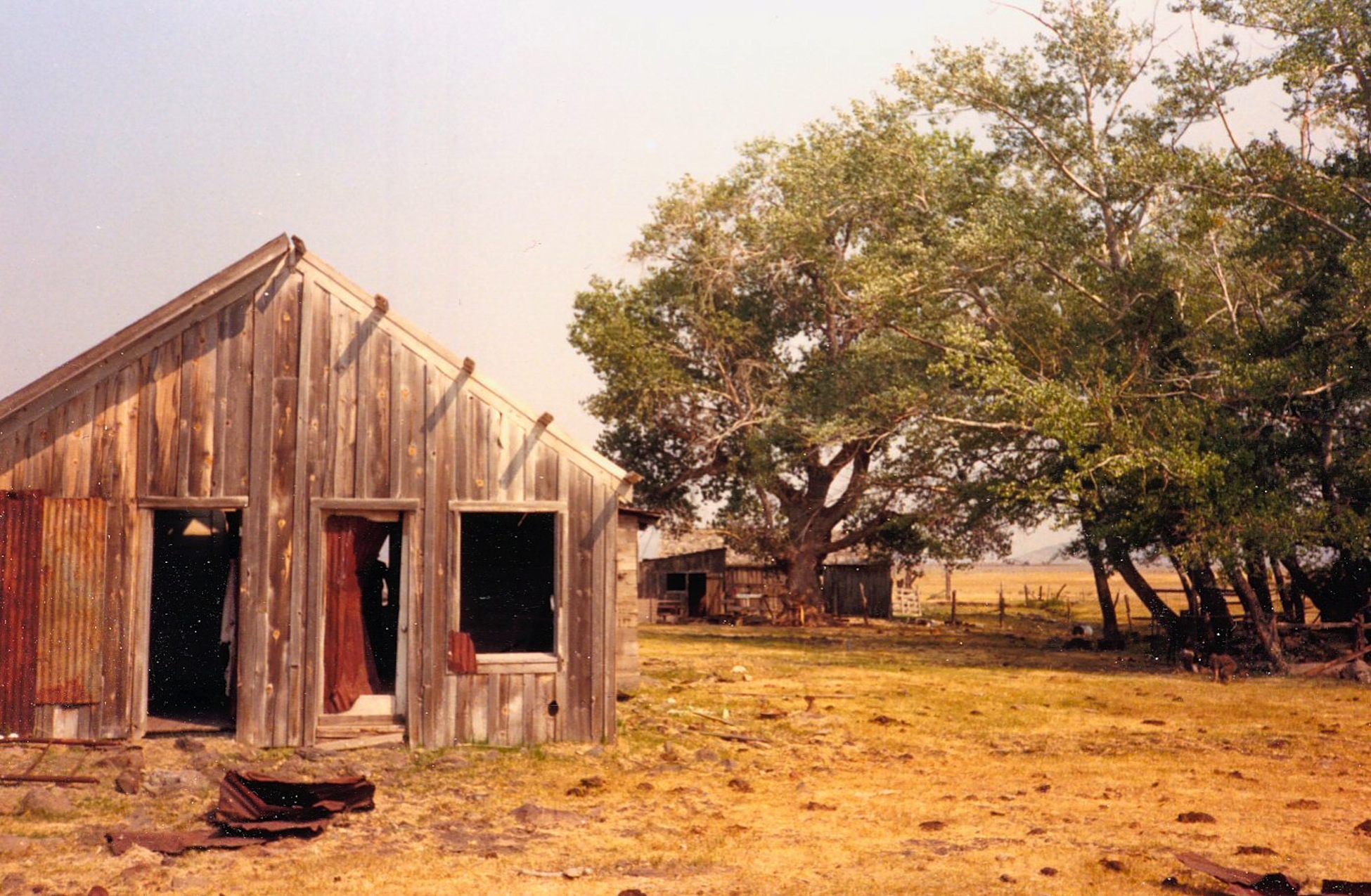
Shinn Ranch, 1987
Shinn Ranch, 1987

The Shinn Ranch in remote eastern Lassen County is not a place one just happens upon. It has been close to twenty years since I was last there with a film crew doing an episode of Off Road California. I have been curious as to what damage it sustained in the 2013 Rush Fire.

It was in 1870, when fifty-year old Oliver Shinn located there with his family of five children from Baker, Oregon. He remained there until his sudden death in 1883. According to his obituary, “Mr. Shinn was awakened from a sound sleep at about 10 o’clock Thursday night by coughing and upon getting out of bed, dropped dead on the floor. It seems that he troubled an aneurism of the pulmonary artery and in his efforts to clear his throat this was ruptured, causing instant death.” The following year, his widow, Louisa Shinn sold the 640-acre ranch to George D. Winters for at that time a substantial sum of $6,000. The Winters family had extensive holdings, which included the nearby Smoke Creek Ranch.

One of the interesting features found there was a grove of cottonwood trees that encompassed some fifteen acres. The trees were planted by Winters in 1889 in order to increase his property holdings there. On April 3, 1893, Winters was issued a 160-acre land patent that he filed under a section of the Timber Culture Act “to encourage growth of timber on the Western Prairie.”

While Oliver and Louisa Shinn kept a low profile, their children did not. More about that in the near future.

It is never too late, subscribe today and enjoy tomorrow with daily notifications. You can also surprise someone with a gift subscription

Lassen Grain & Milling Company

Lassen Grain & Milling
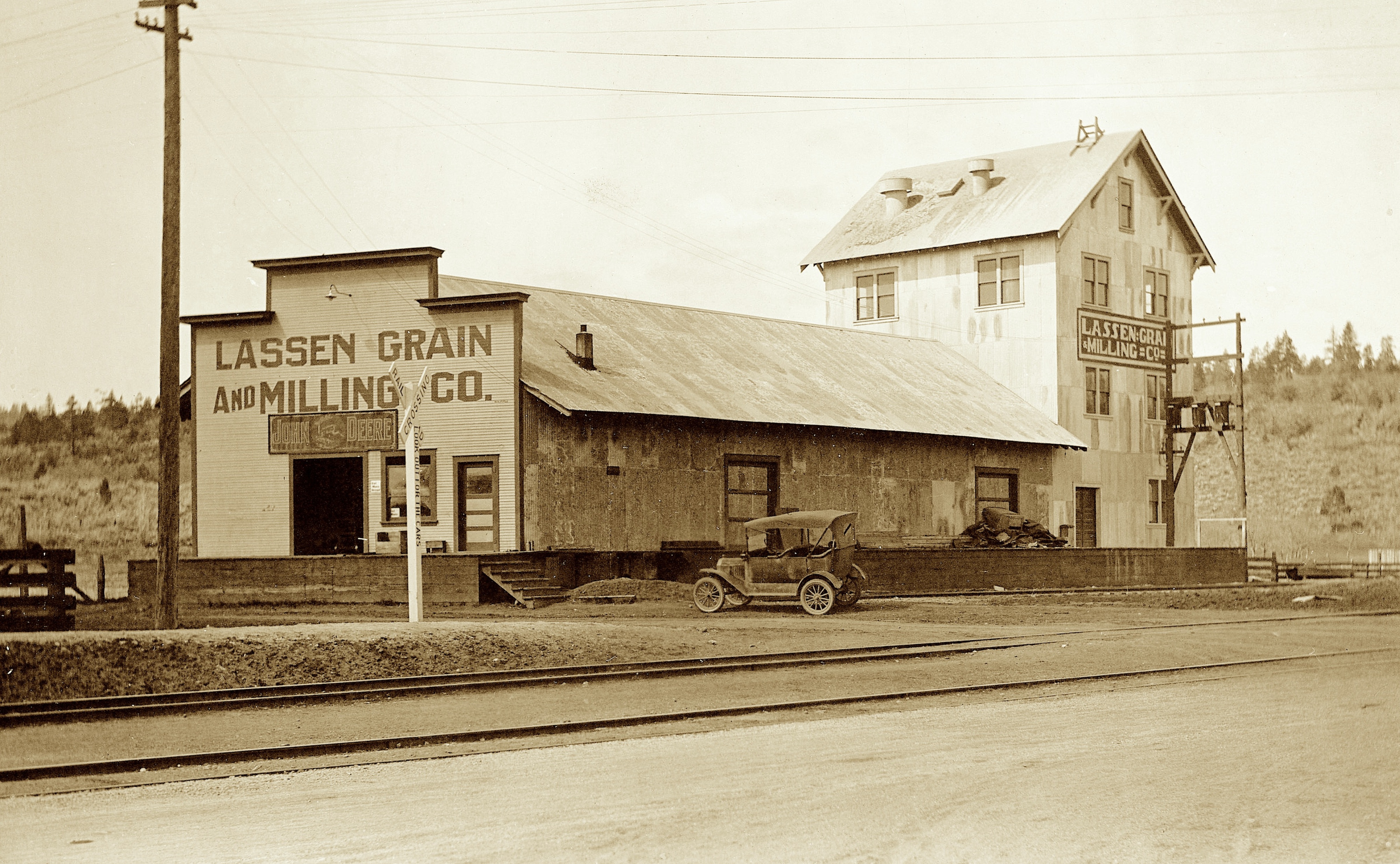
Lassen Grain & Milling Company, circa 1918. Courtesy of Dick & Helen Harrison

In February 1917, this new company was organized with Fred Bagin spearheading it. When the news broke, it made the grain growers of the Honey Lake Valley rejoice. After all, the flour mill at Johnstonville had been closed nearly a decade and the Janesville mill was operating at half capacity, and only during the harvest season. Continue reading Lassen Grain & Milling Company

Milford Creamery

Lakeshore Creamery, Milford, 1903

In the past we have explored various creameries of the Honey Lake Valley such as the ones at Johnstonville and Spoonville.

Around 1901/02 the Wemple Brothers at Milford decided to give it a try and established the Lakeshore Creamery on the Wemple Ranch.

Like the other operations, this, too, was short-lived. As one family member put it that all the brothers wanted to be the boss, so getting the actual work done could be problematic. Thus, due to that unfortunate circumstance, the brothers abandoned the enterprise.


Brand Project Update

Brands
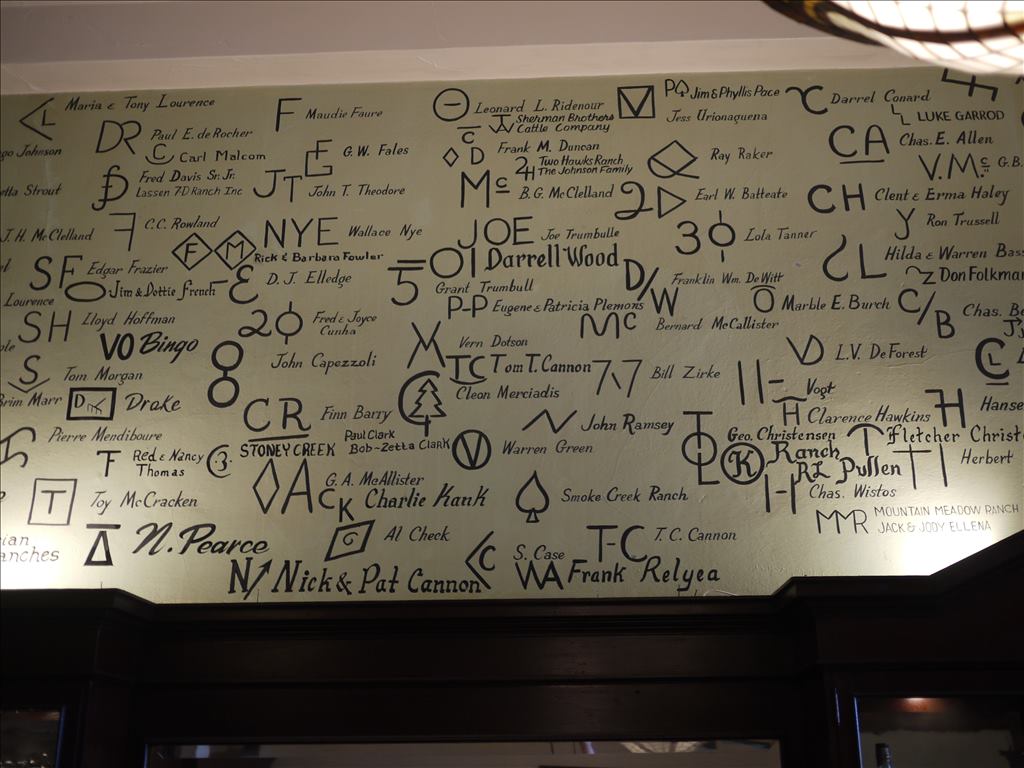
The interior wall at the Pioneer courtesy of Lassen Ale Works

Some time has lapsed since I last provided an update.

While reviewing the draft, it is in need of some work. While there is some real interesting material, my prose, is just a bit on the “dry” side and is in need of some “pizzaz.”

In addition, while I had hoped for a fall 2015 release, it is not going to happen. So, if you had plans to include this on your holiday shopping list, you will need to come up with an alternative, which I will have for you.  However, the 2016 Lassen High Alumni Calendar is in production, which should be available in October.

Help me with my recovery, and subscribe for as a little as $5.00 a month.


Susanville – Richmond Road

Richmond Road
Richmond Road, 1906

Prior to the Fernley & Lassen Railroad’s arrival in 1912, Richmond Road, just across the Susan River was a bucolic dirt road. It consisted primarily the homes of the Cains and Winchesters, with their apple orchards. Though during the 1890s, along the Susan River was the town’s first Catholic Church, its Chinatown and of course the iconic landmark Arnold Planing Mill. Continue reading Susanville – Richmond Road