Category Archives: History

Leon Bly’s Estate

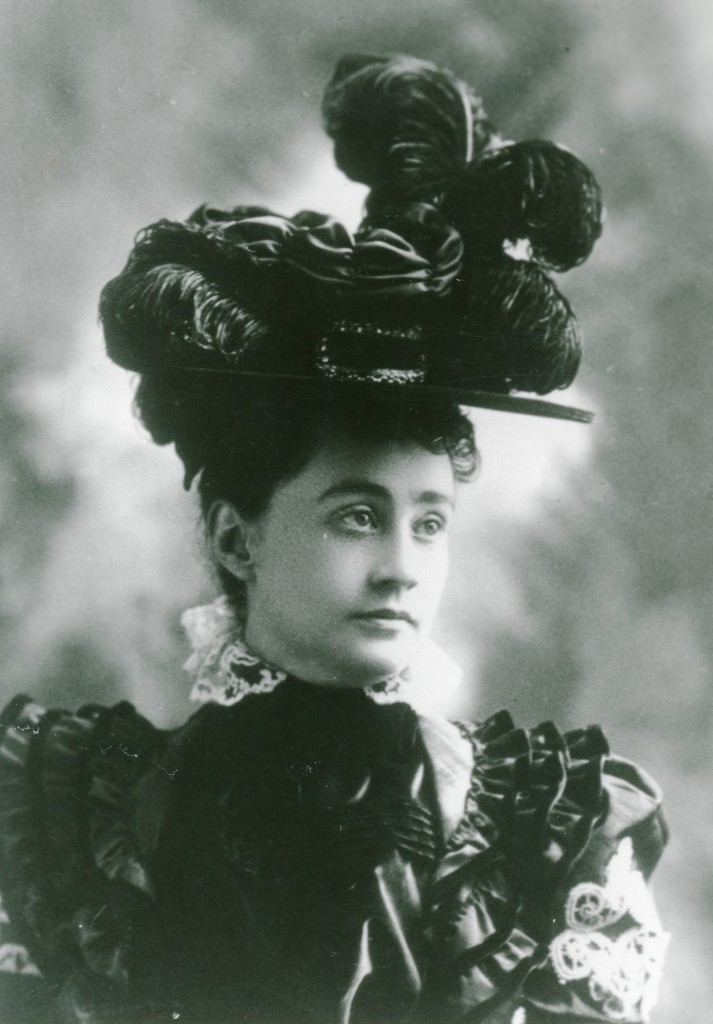
Malvena Gallatin. Courtesy of Wyn Wachhorst

Awhile back I wrote about Leon Bly’s bad karma. During the contested estate hearings, I left out an interesting piece of information. Louise Wick was one of the five beneficiaries to Bly’s Estate. In a letter to the probate judge she stated initially Bly was going to leave a large sum of his estate to Malvena Gallatin. Bly’s housekeeper/nurse Edith Rebhan resented that notion since Gallatin was a “rich woman.” Rebhan also countered she would put in a claim for services as a professional nurse, day and night and at the rate of $18 per day, and this would consume most of the estate. Wick continued, “Nevertheless she [Rebhan] was bitter against the idea of Mrs. Gallatin coming in to anything.” As it turned Rebhan received the bulk of the estate and Gallatin nothing.
Subscribe!

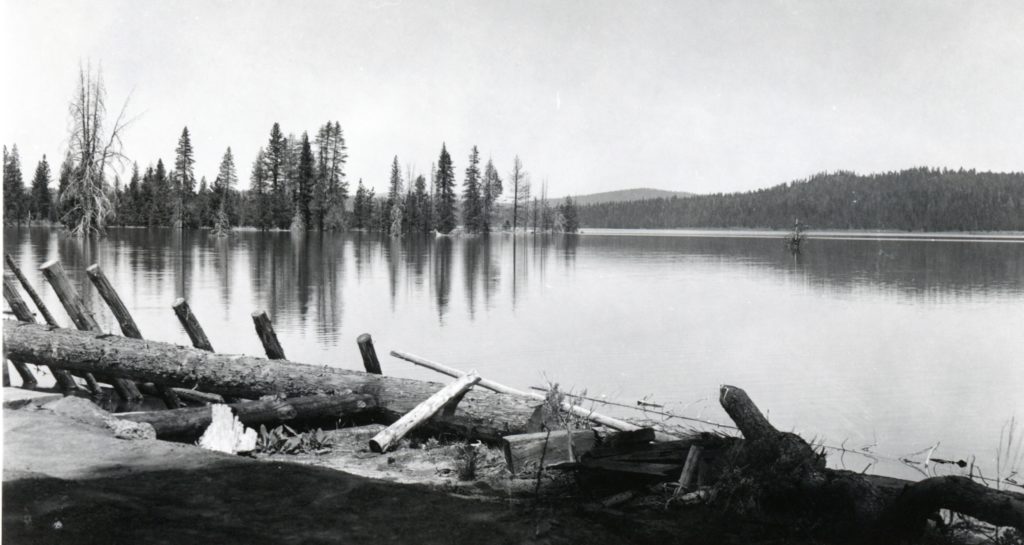
Hog Flat Reservoir – Lassen County

Hog Flat Reservoir, April 1940. Courtesy of Lola L. Tanner

Constructed in 1889 as part of Benjamin Leavitt’s expanding reclamation enterprise and now part of the Lassen Irrigation District. Lassen National Forest Service Supervisor, A. G. Brenneis, wrote an article about the origin of its name that was published in the California Ranger, August 1938: “Many years ago the residents of Honey Lake Valley joined together to start the Susan River Irrigation District and, as a first step, began the construction of the dams at the present sites of Hog Flat and McCoy Flat Reservoirs. The first winter this country received heavy storms and as a result the dam at Hog Flat was destroyed. The entire meadow, which should have been a lake was covered with a rank growth of vegetation and in order to salvage something from the reservoir, the farmers of the district banded together, placed a huge herd of hogs on the meadow, fattened them, and made some money to repay them for the loss of the dam. Ever since then the reservoir has carried its name of Hog Flat.”

 Subscribe!

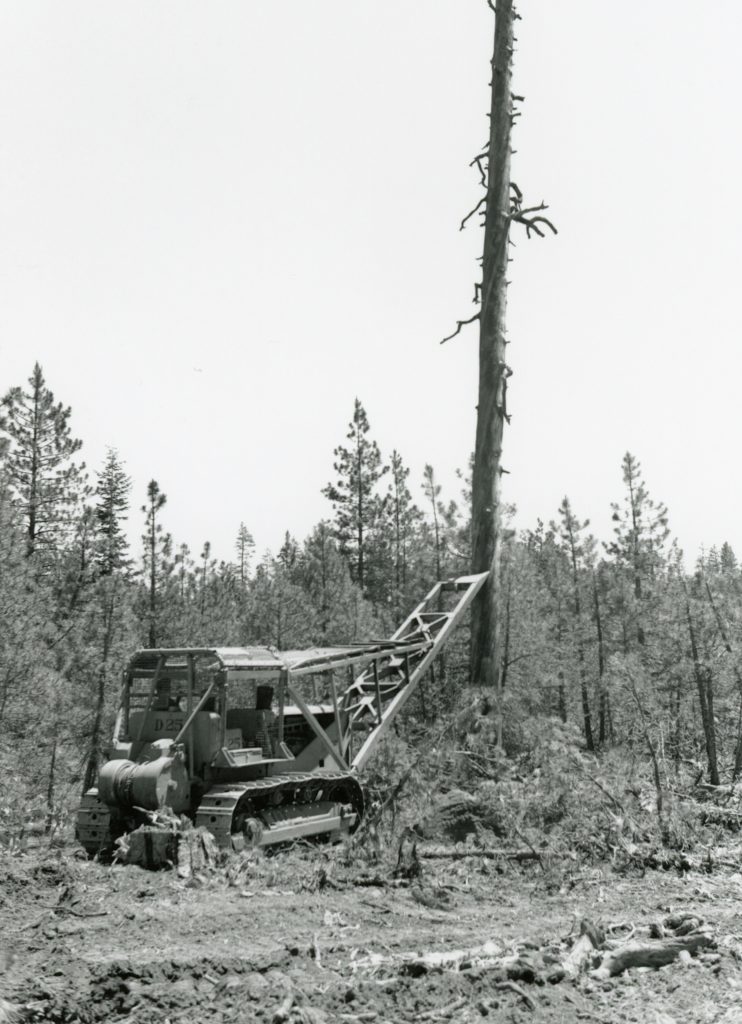
The Snag Pusher

The snag pusher

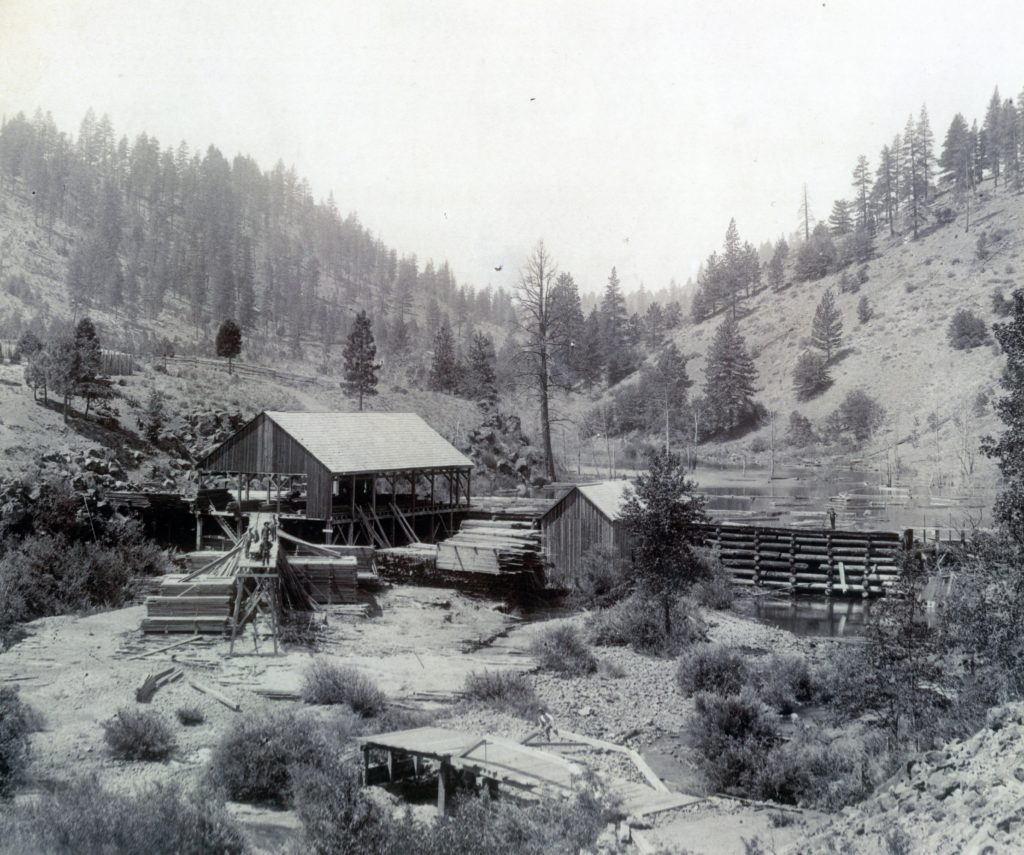
The machine shops of the three lumber companies Fruit Growers Supply, Lassen Lumber & Box and Red River Lumber were amazing operations. When these mills were established it was in a time of transition where within fifteen years logging operations would go from horses to traction engines.  The sawmills themselves were caught in this phase as well.

Whether it was a mill foreman or a logger when a person had an idea, they went to the machinist who in their innovate ways came up with a new tool or machinery component. In the 1950s, Fruit Growers Westwood Operation developed a snag pusher to knock down dead trees deemed a hazard for use on the Lassen Operation (Susanville).

Subscribe!

Where is the Pelican?

el-boating009
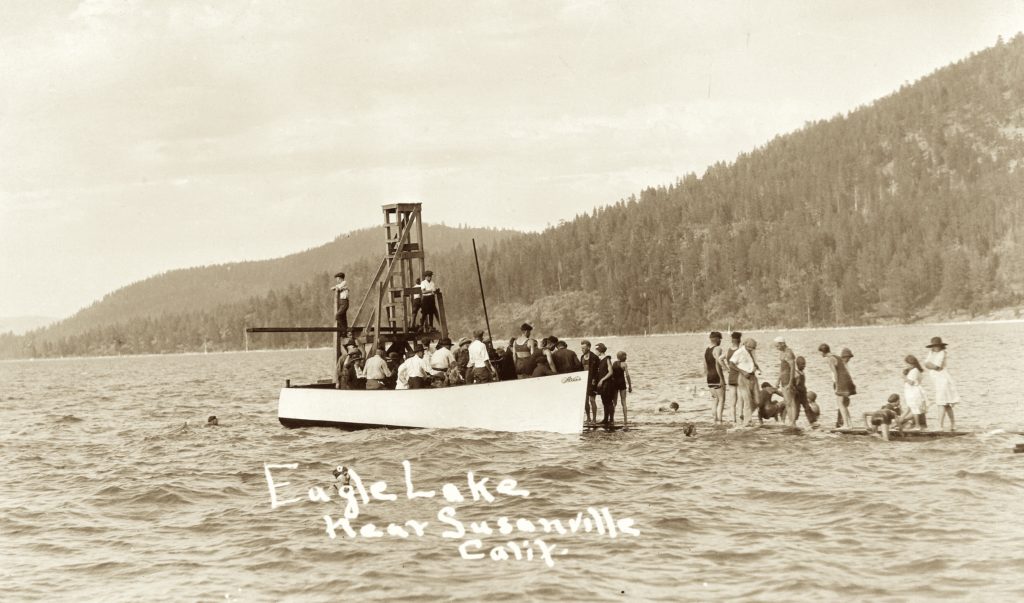
The Pelican shuttling passengers.

Oscar Rankin arrived at Eagle Lake in 1907, and became the first resort owner, laying foundations for the Eagle Lake Resort on the southwest shore. He constructed several boats for patrons to use on the lake. In 1914, he built The Pelican, a twenty-seven foot galvanized metal hull that was power with a While boiler and Stanley Steamer engine.

Sometime around 1953 Glen Seeber found the old hull near Spalding’s and rescued it before deer hunters or someone else might use it for target pratice. It was his intent to restore it. In the February 1996 issue of the Thru-Bolt the newsletter of the Eagle Lake Sailing Association, stated that The Pelican would be on display at the Bengard residence in Janesville at their next meeting. The Sailing Association launched an effort to help Glen and recruited the historical society and Lassen College to assist.  How much restoration work was ever completed or the boat’s whereabouts remain a mystery to me.

Subscribe!


Old Lucy

Old Lucy
Old Lucy

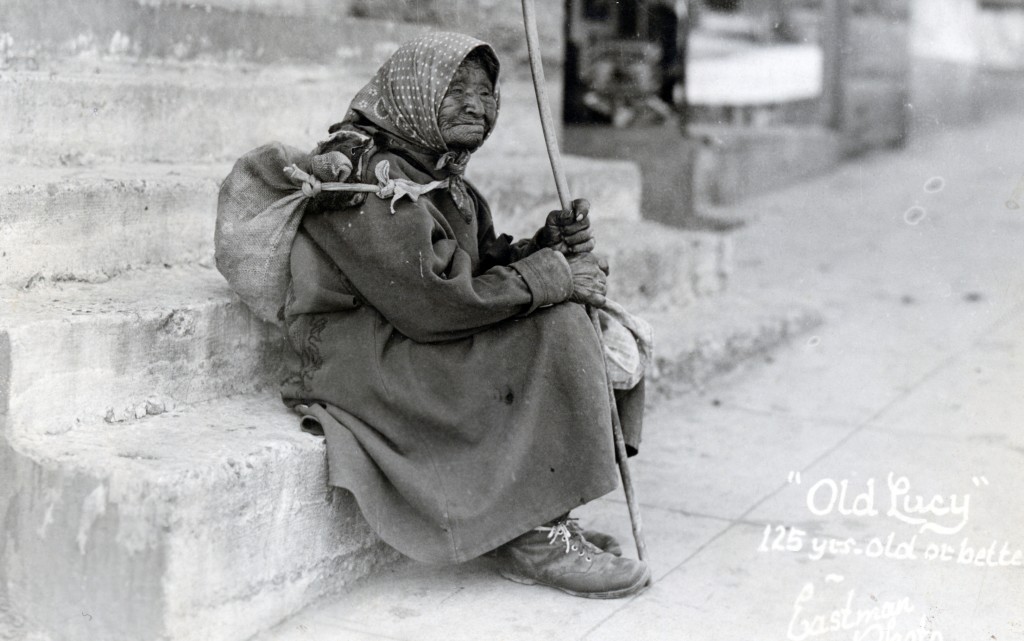
On September 29, 1929 Old Lucy a colorful character on the streets of Susanville passed away, purportedly at the age of 125. While she best known as Old Lucy, she also had another Anglo name, Sally Norman. Dubbed a “picturesque” Native American of the era, she was a familiar sight as she ambled about Susanville, bundled up in numerous clothes, walking with the aid of a stick. People who knew her back in the 1870s considered her old back then. While her age was exaggerated when she died, documents placed her age at around 100. Whether she was born in the Honey Lake Valley is not known, though there accounts that she recalled when Peter Lassen came to valley. In addition, it is stated she was part of the Maidu tribe.

Subscribe!

The Good Samaritan

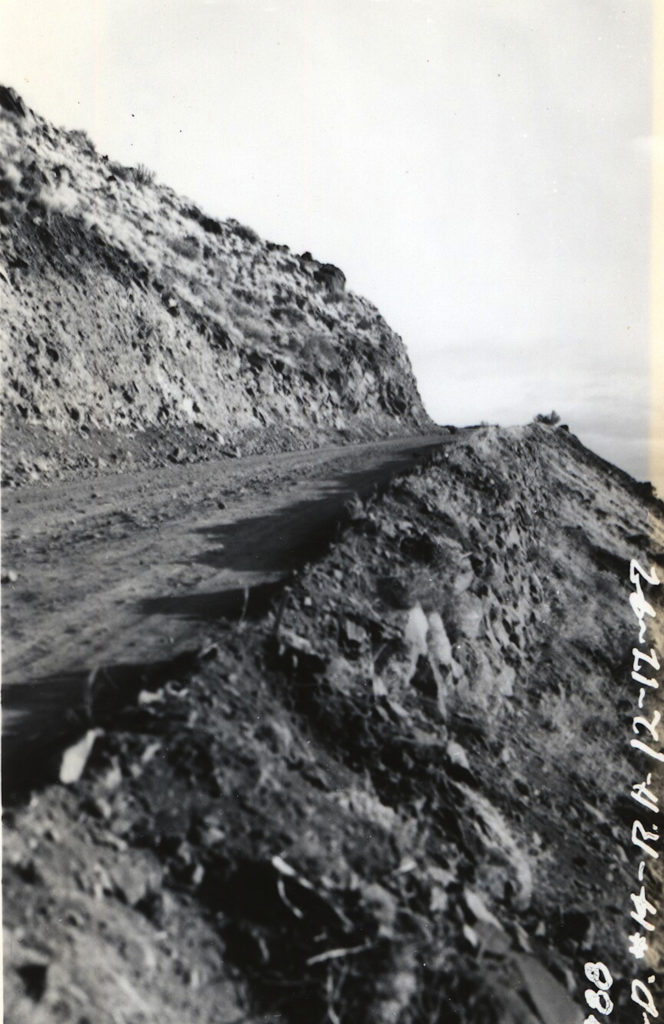
Antelope Grade, 1947

There were a number of Hollywood films that used Lassen County locations in a number of movies. Susanville native, Ephie Asher, had a lot of influence as a Hollywood producer, and members of the Asher family are still in that business. One the last films shot here, was released in 1939 and called “The Good Samaritan.” Featured in the film was Antelope Grade and some scenes near Westwood. I have not an opportunity to research it further to ascertain about its availability.

Subscribe!

Congressman John E. Raker

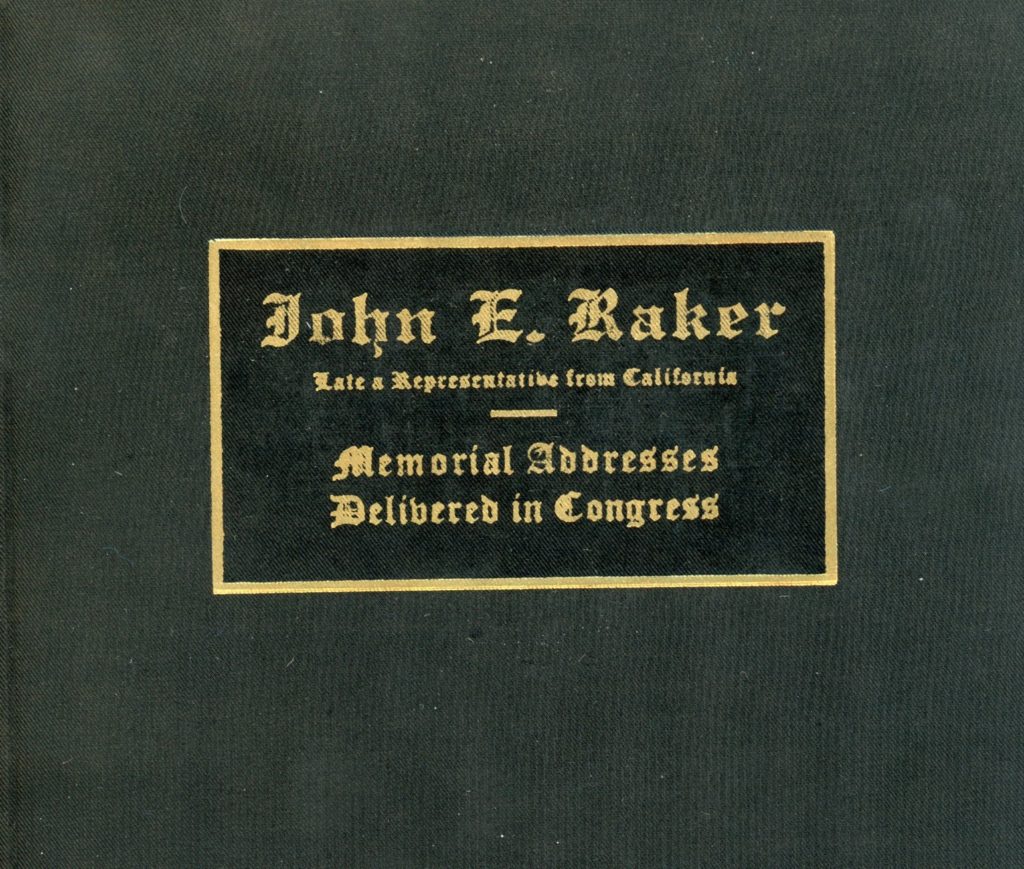
Cover of the published memorial addresses.

Among those interred in the Susanville Cemetery is U.S. Congressman John E. Raker. A native of Illinois he came to California with his parents in 1873 and they settled at Milford, Lassen County. In the early 1880s he studied law and was admitted in the bar in 1885.  In 1889, he married Iva Spencer, daughter of Ephraim and Lucy Spencer of Susanville. From that union, another one was formed, the law firm of Spencer & Raker.

The Rakers made their home in Alturas. Raker was later elected Modoc County District Attorney, and subsequently Superior Court Judge. In the fall of 1910 he decided to run for California’s First Congressional District. Raker ran against a popular incumbent W.F. Englebright. Raker campaigned on the belief that Congress took care of special interest and ignored the general public. Whatever, the case maybe he won by 140 votes. He continued to represent the district for seven more terms until his untimely death in 1926.

In future we will examine the many aspects of Raker’s career.

Subscribe!

Susan River Dams

Bremner Dam, just west of Susanville, 1888.

There have been a variety dams built on the Susan River, and there just as many that were proposed but never built. The earliest dams were for manufacturing, i.e. lumber mills. By the late 1880s the focus was on reservoirs for irrigation. These will all be explored in future posts.

One of the last dams proposed occurred in 1987. The Tudor Engineering of San Francisco released a preliminary study for a hydroelectric power dam on the Susan River. The site selected was Crazy Harry Gulch, about eight miles west of Susanville. The firm proposed to construct a 170-foot high dam, at a cost of $30 million. For whatever reason, the project was never undertaken.

Subscribe!

Lassen County Hospital – Then and Now

Lassen County Hospital, circa 1925.

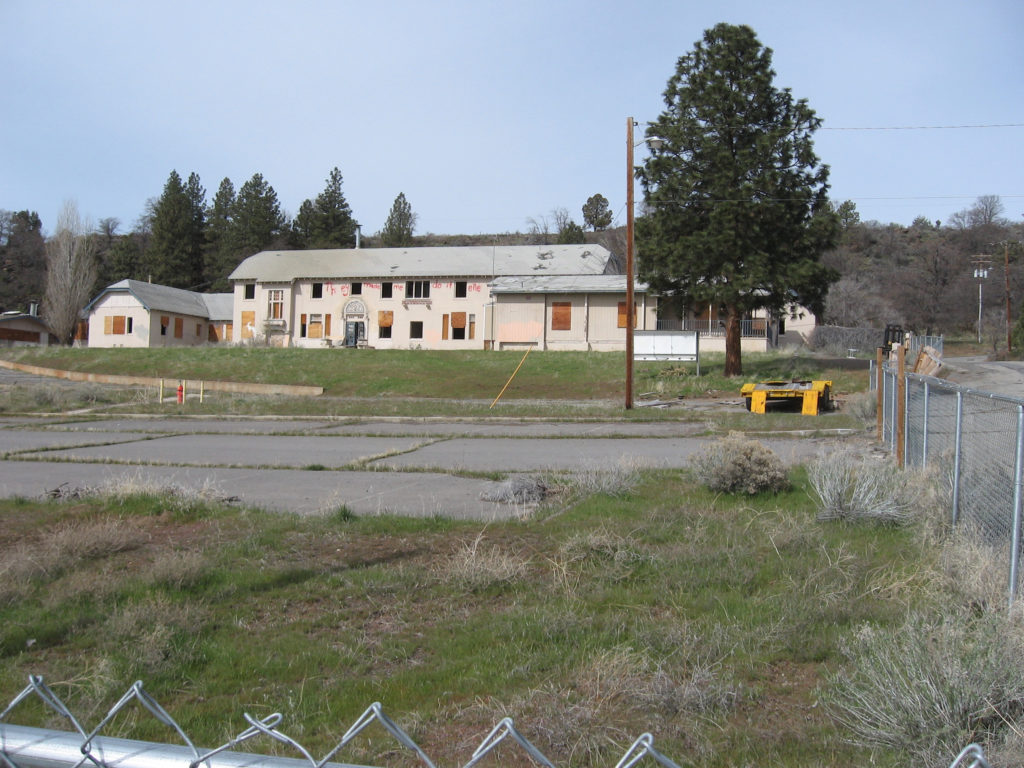
In 1915, Lassen County voters passed a bond measure to approve the construction of a new courthouse and hospital.  The old hospital located along the Susan River was sold in a property exchange and in 1916 the new Lassen County Hospital was completed near Richmond Road. In 1960, it became known as the “annex” as a new facility was built next it. Both hospital buildings has since been abandoned when Banner Lassen was constructed north of Lassen College.

April 15, 2017

Subscribe!

Albert Gallatin’s Vision

Albert Gallatin
Albert Gallatin courtesy of Wyn Wacchorst

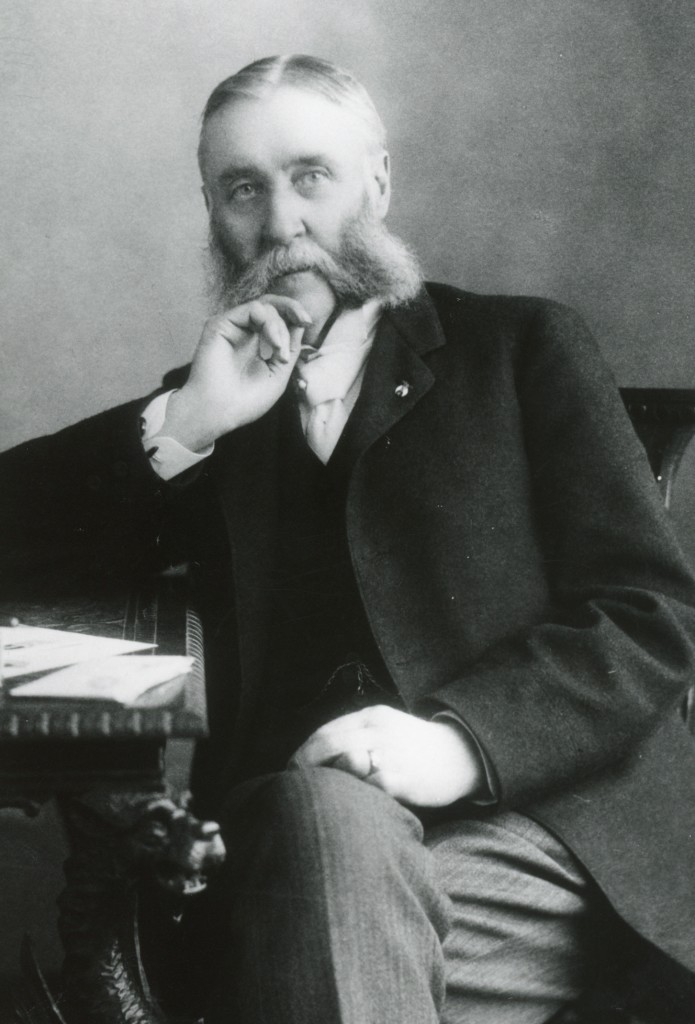
In February 1890, San Francisco resident, Albert Gallatin who owned ranching properties at Eagle and Horse Lakes in Lassen County penned the following opinion piece for the Lassen Advocate:

“When the waters of Lassen County which have heretofore run to waste, shall be utilized for irrigation, when the sage brush plains shall be reclaimed, when tens of thousands of barrels of apples from Horse and Honey Lake valleys shall became a large item of east and west bound freight, when tens of thousands of tons of alfalfa shall be produced from what has heretofore been considered worthless land, and fed to beef cattle for San Francisco and Chicago markets, when your city shall be located on one of the overland railroads, when your immense timber forest shall have been converted into merchantable lumber and transported over one or more overland railroads to market, when Eagle Lake, the Geneva of the Sierras, shall be connected with the outside world by railroad and shall become one of the finest summer resorts of the Pacific Coast, with sail and steam yachts, mountain trails and drives and all the auxiliaries for hunting and fishing, then may Susanville assume metropolitan airs and rival any city from the Sierras to the Rocky Mountains.

“While this picture is largely overdrawn for the present, it will in my judgment be to a greater extent realized before the year 1900.”

Subscribe!