Category Archives: History

Congressman John E. Raker

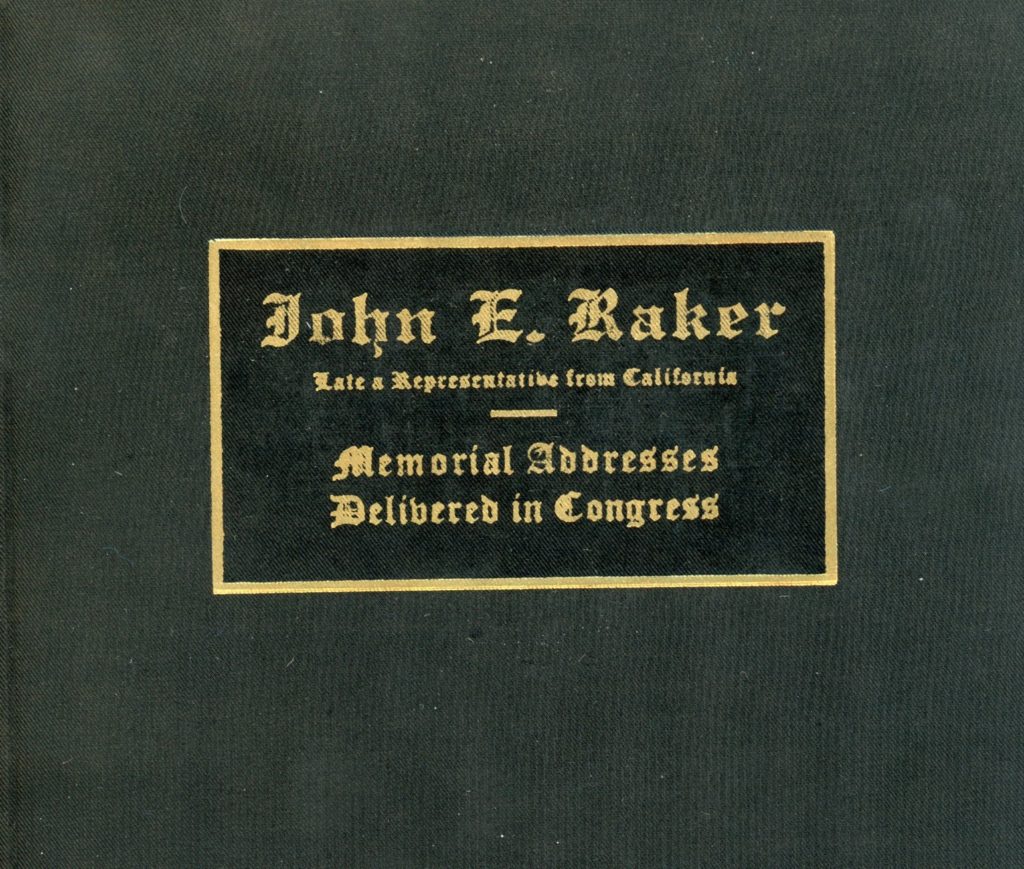
Cover of the published memorial addresses.

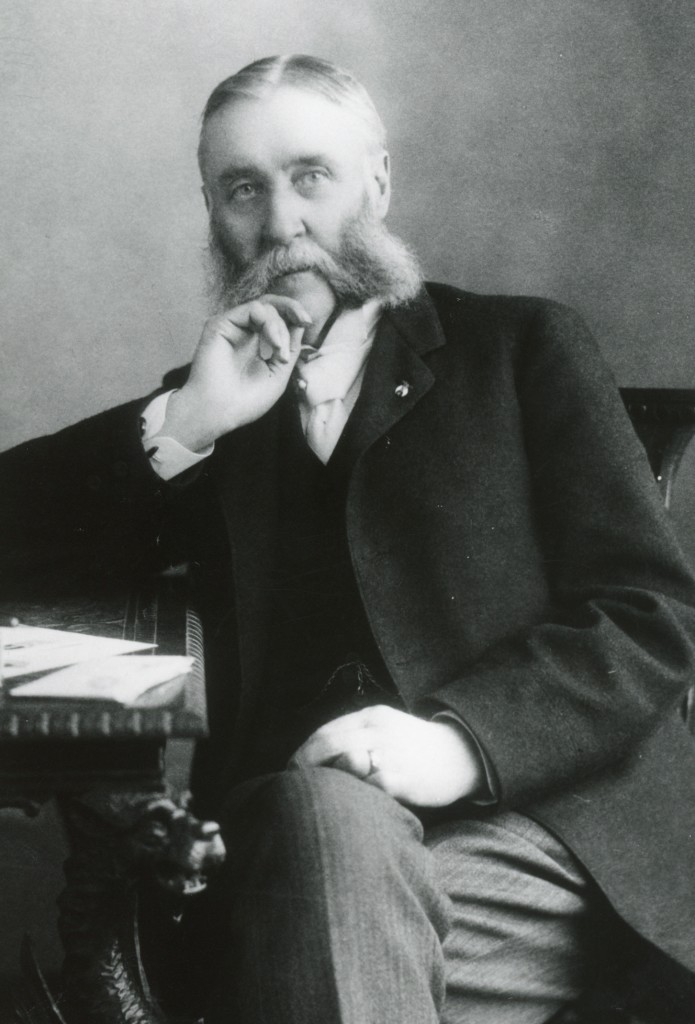
Among those interred in the Susanville Cemetery is U.S. Congressman John E. Raker. A native of Illinois he came to California with his parents in 1873 and they settled at Milford, Lassen County. In the early 1880s he studied law and was admitted in the bar in 1885.  In 1889, he married Iva Spencer, daughter of Ephraim and Lucy Spencer of Susanville. From that union, another one was formed, the law firm of Spencer & Raker.

The Rakers made their home in Alturas. Raker was later elected Modoc County District Attorney, and subsequently Superior Court Judge. In the fall of 1910 he decided to run for California’s First Congressional District. Raker ran against a popular incumbent W.F. Englebright. Raker campaigned on the belief that Congress took care of special interest and ignored the general public. Whatever, the case maybe he won by 140 votes. He continued to represent the district for seven more terms until his untimely death in 1926.

In future we will examine the many aspects of Raker’s career.
Subscribe!

Susan River Dams

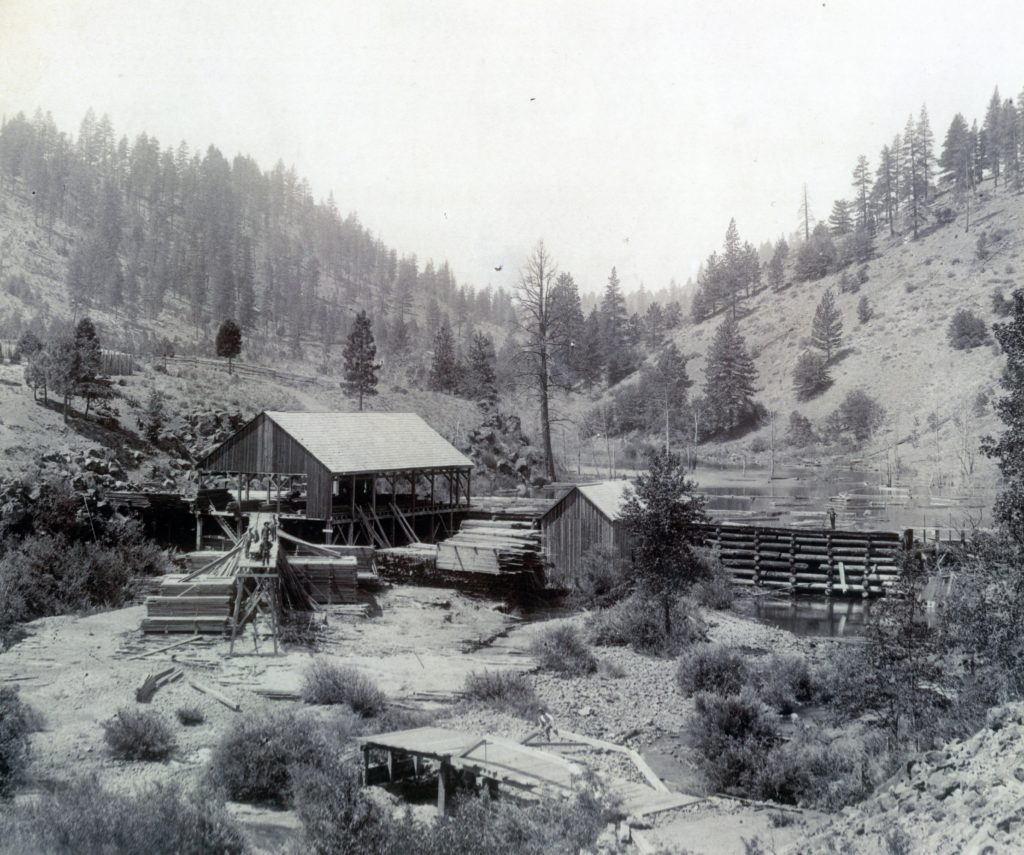
Bremner Dam, just west of Susanville, 1888.

There have been a variety dams built on the Susan River, and there just as many that were proposed but never built. The earliest dams were for manufacturing, i.e. lumber mills. By the late 1880s the focus was on reservoirs for irrigation. These will all be explored in future posts.

One of the last dams proposed occurred in 1987. The Tudor Engineering of San Francisco released a preliminary study for a hydroelectric power dam on the Susan River. The site selected was Crazy Harry Gulch, about eight miles west of Susanville. The firm proposed to construct a 170-foot high dam, at a cost of $30 million. For whatever reason, the project was never undertaken.

Subscribe!

Lassen County Hospital – Then and Now

Lassen County Hospital, circa 1925.

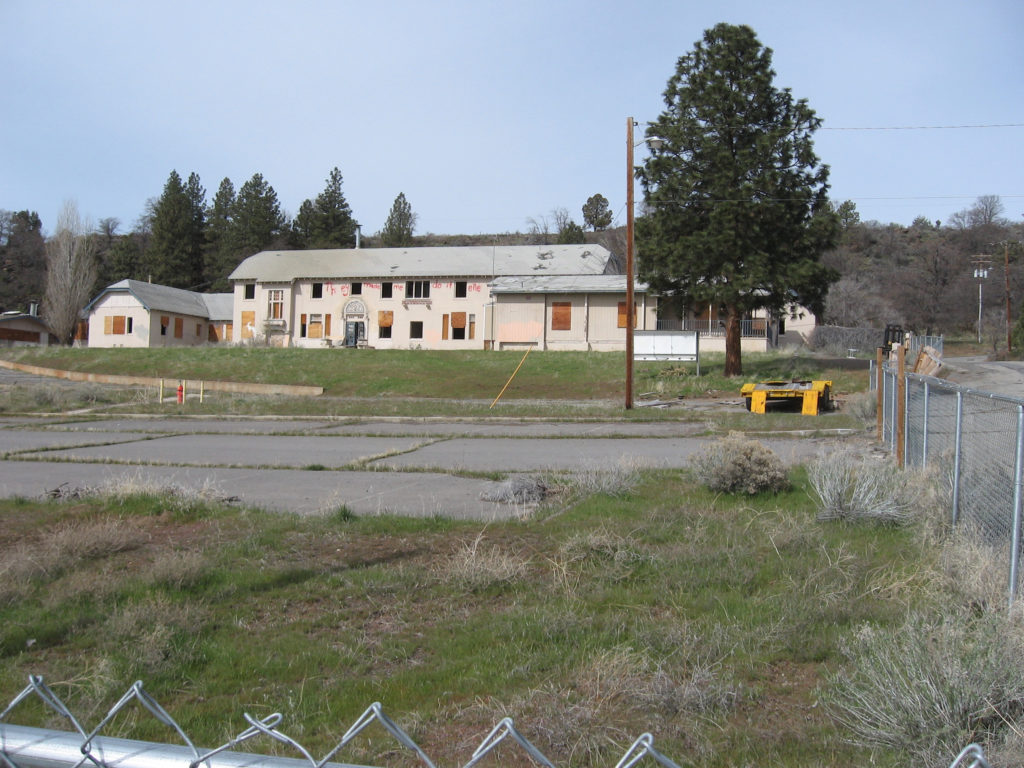
In 1915, Lassen County voters passed a bond measure to approve the construction of a new courthouse and hospital.  The old hospital located along the Susan River was sold in a property exchange and in 1916 the new Lassen County Hospital was completed near Richmond Road. In 1960, it became known as the “annex” as a new facility was built next it. Both hospital buildings has since been abandoned when Banner Lassen was constructed north of Lassen College.

April 15, 2017

Subscribe!

Albert Gallatin’s Vision

Albert Gallatin
Albert Gallatin courtesy of Wyn Wacchorst

In February 1890, San Francisco resident, Albert Gallatin who owned ranching properties at Eagle and Horse Lakes in Lassen County penned the following opinion piece for the Lassen Advocate:

“When the waters of Lassen County which have heretofore run to waste, shall be utilized for irrigation, when the sage brush plains shall be reclaimed, when tens of thousands of barrels of apples from Horse and Honey Lake valleys shall became a large item of east and west bound freight, when tens of thousands of tons of alfalfa shall be produced from what has heretofore been considered worthless land, and fed to beef cattle for San Francisco and Chicago markets, when your city shall be located on one of the overland railroads, when your immense timber forest shall have been converted into merchantable lumber and transported over one or more overland railroads to market, when Eagle Lake, the Geneva of the Sierras, shall be connected with the outside world by railroad and shall become one of the finest summer resorts of the Pacific Coast, with sail and steam yachts, mountain trails and drives and all the auxiliaries for hunting and fishing, then may Susanville assume metropolitan airs and rival any city from the Sierras to the Rocky Mountains.

“While this picture is largely overdrawn for the present, it will in my judgment be to a greater extent realized before the year 1900.”

Subscribe!

What is in a name?

The NCO train near Amedee, January 1916. Courtesy of Marie H. Gould

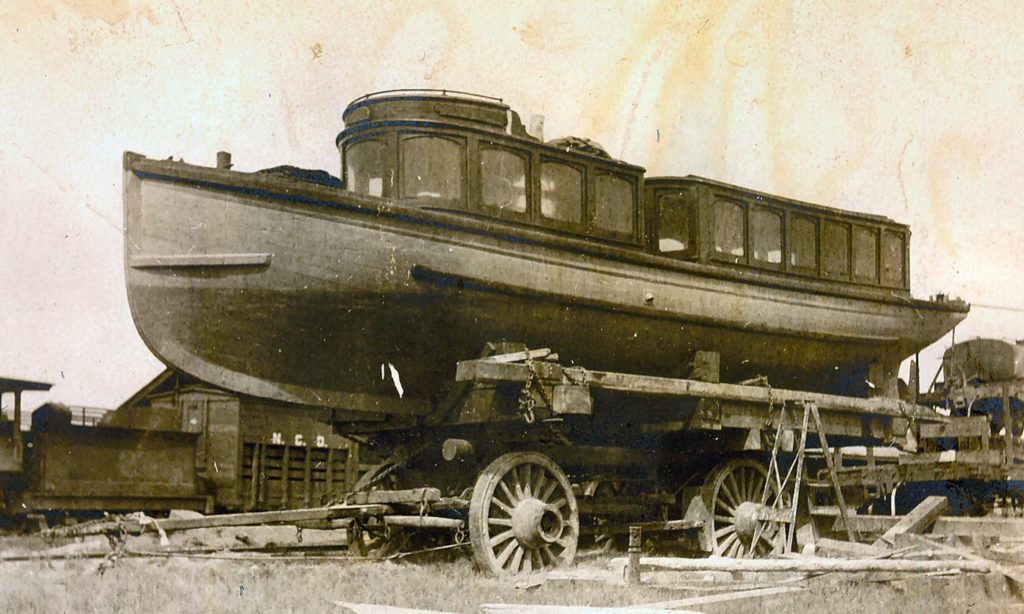
The Nevada-California-Oregon Railroad had many names.  Until the end of 1892 the N-C-O was still subject to operating under the names of the Nevada & Oregon and Nevada & California Railroad due to the fact that some old bonds had not been paid. On January 1, 1893 the name was officially changed to the Nevada-California & Oregon Railway. The initials N-C-O, became a target for criticism of the railroad’s poor service.  The N-C-O received such dreadful titles as the Narrow Crooked & Onery. the Never-Comes-Over  Northern California Outrage and the Nevada-California Occasional.  J.M. Tremain, editor of Susanville’s Lassen Weekly Mail called the N-C-O a “tri-weekly.”  “It goes to Reno one week and tries to return the next.”

Subscribe!

Leon Bly – Bad Karma?

Outlet of the Bly Tunnel, 1924. Courtesy of Lola L. Tanner

On September  1923, an agreement was reached between Leon Bly, the Grant Smith Co. and two irrigation districts, Baxter and Tule that the tunnel and canal system was complete. There would be litigation about the tunnel, but that is another story. Of the $1.25 million project, $300,000 was Bly’s fee, the remainder was construction cost.

Instead of returning to Red Bluff, Bly for the next several years would make his home in San Francisco.  This decision no doubt influenced by Malvena Gallatin, one of his few close friends.  In 1928, Bly returned to Tehama County, and purchased a ranch at Paynes Creek.  He would spend much of the remainder of his life as a recluse. Continue reading Leon Bly – Bad Karma?

Those Bank of America Buildings

The first Bank of America building.

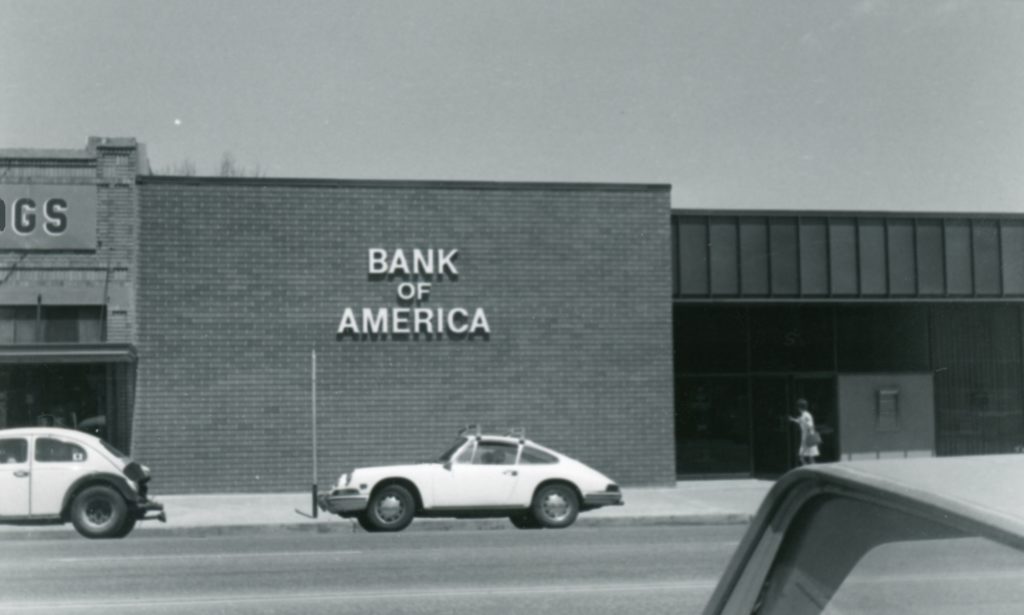
In less than a decade the Susanville Branch of the Bank of America went through three buildings. In 1928, BofA acquired the Lassen Industrial Bank that was located on the corner of Main and Gay Street, which is now the bank’s parking lot. In 1971, the bank announced construction of a new building adjacent to the current one, which was demolished, to the dismay of many, to create a parking lot. Then in April 1978, the bank announced it was going to build the current structure on Gay and Nevada Streets, and the other bank building, like the one it replaced, was demolished, too, to become a parking lot.

The second short-lived bank building.

Subscribe!

The 101 Ranch

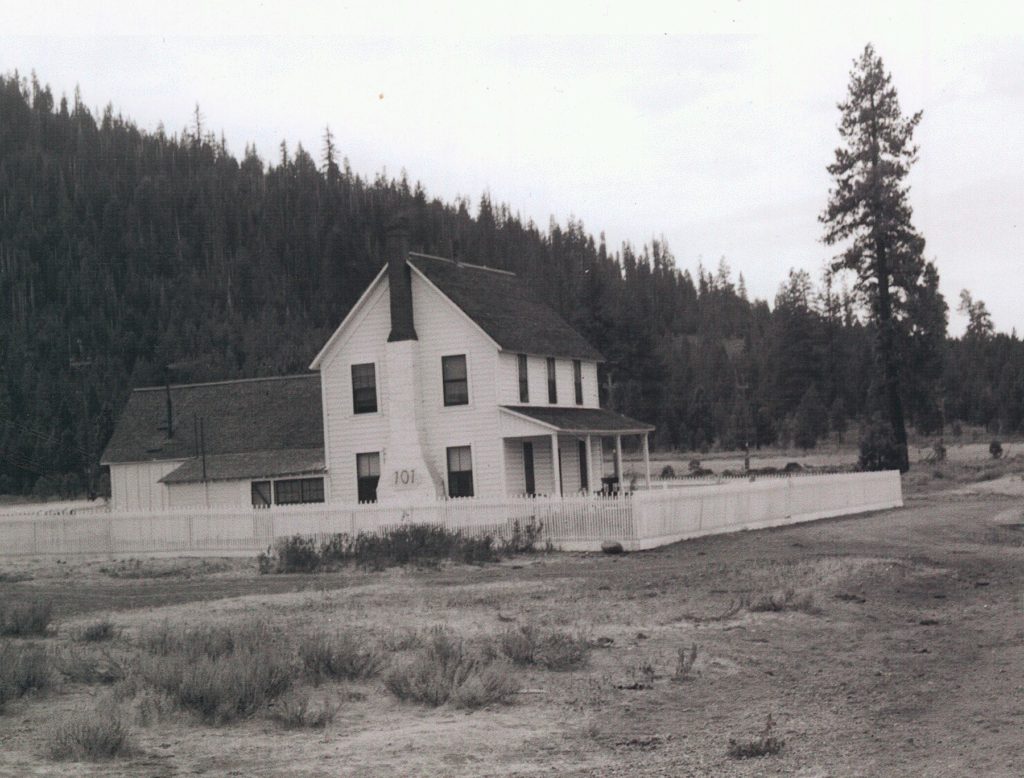
The 101 Ranch.

In 2015, Sierra Pacific Industries purchased the iconic 101 Ranch in Mountain Meadows, near Westwood, from Dye Creek Cattle Company.  The history of ranch dates back to the 1860s, when it was a part of Carlton Goodrich’s ranch there. In 1887, the Goodrich Estate sold to Abner Nanney, and thus the 101 was officially born.

In 1900, Abner’s daughter, Lulu married Bert McKenzie and took over the Mountain Meadows property. Bert died at a young age in 1917 from appendicitis. Lulu with her four children: Thelma, Jack, Abner and Beryl carried on. In 1948, Lulu turned the ranch over to her son and daughter-in-law, Abner and Shirley McKenzie. In 1966, they in turn sold to Dye Creek Cattle Company.

Subscribe!

Lassen County Desert Land Act

The Belfast District, 1898. It was to be the center piece of Merrill’s reclamation project.

In the early 1870s, when Captain Charles A. Merrill proposed to tap Eagle Lake, he found it necessary to have Congress pass a homestead act that focused on arid lands, as nothing existed. Thus, on March 3, 1875, Congress approved the Lassen County Desert Land Act.  Under the Act, an individual could claim up to 640 acres of government land. They had two years to reclaim the land by irrigation, and then could purchase the land from the government for $1.25 per acre. Residence on the land was not a requirement. It proved so popular that in 1877, Congress approved the Desert Land Act, which covered all arid lands in the western United States. The latter Act has had a lasting impact, and is still one of very few homestead acts in existence. In the 1980s when Franklin Jeans proposed his water export scheme of the groundwater on the Nevada side of the Honey Lake Valley, he used the Desert Land Act to increase his holdings and to put more wells to accomplish that goal.

Subscribe!