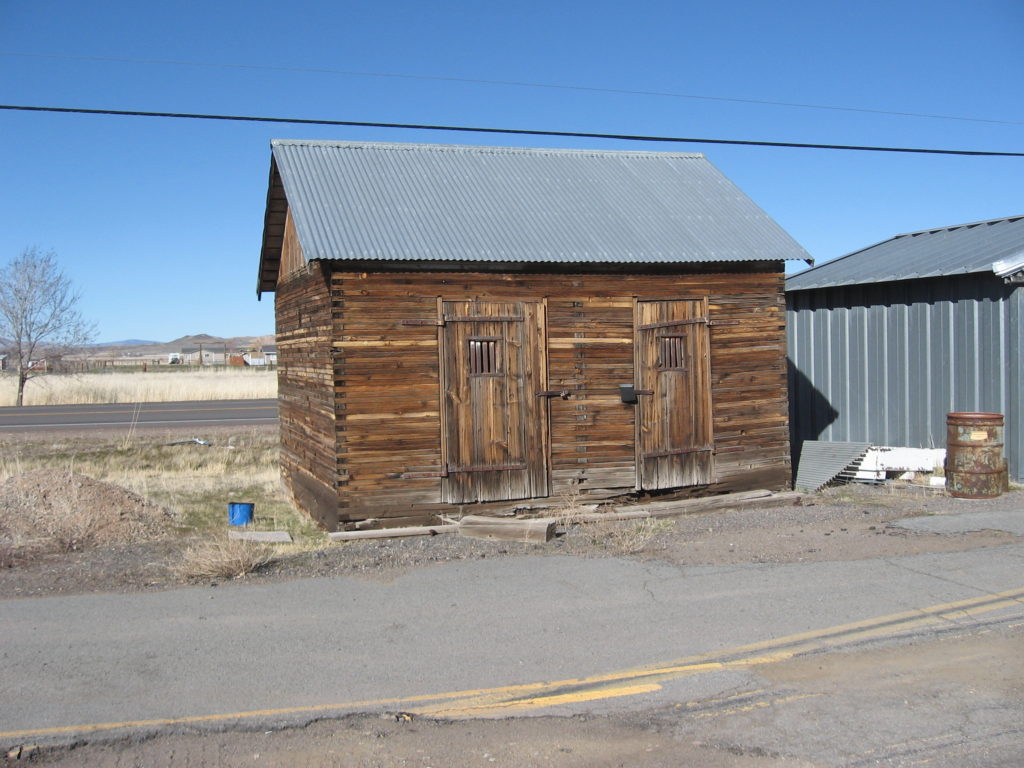
The Standish Jail. There was a similar one at Hayden Hill. There was one at Bieber but it was replaced with a small cement structure in 1931. Unfortunately, I am unable to furnish information about them. I have never been able to locate any records in the Lassen County archives.
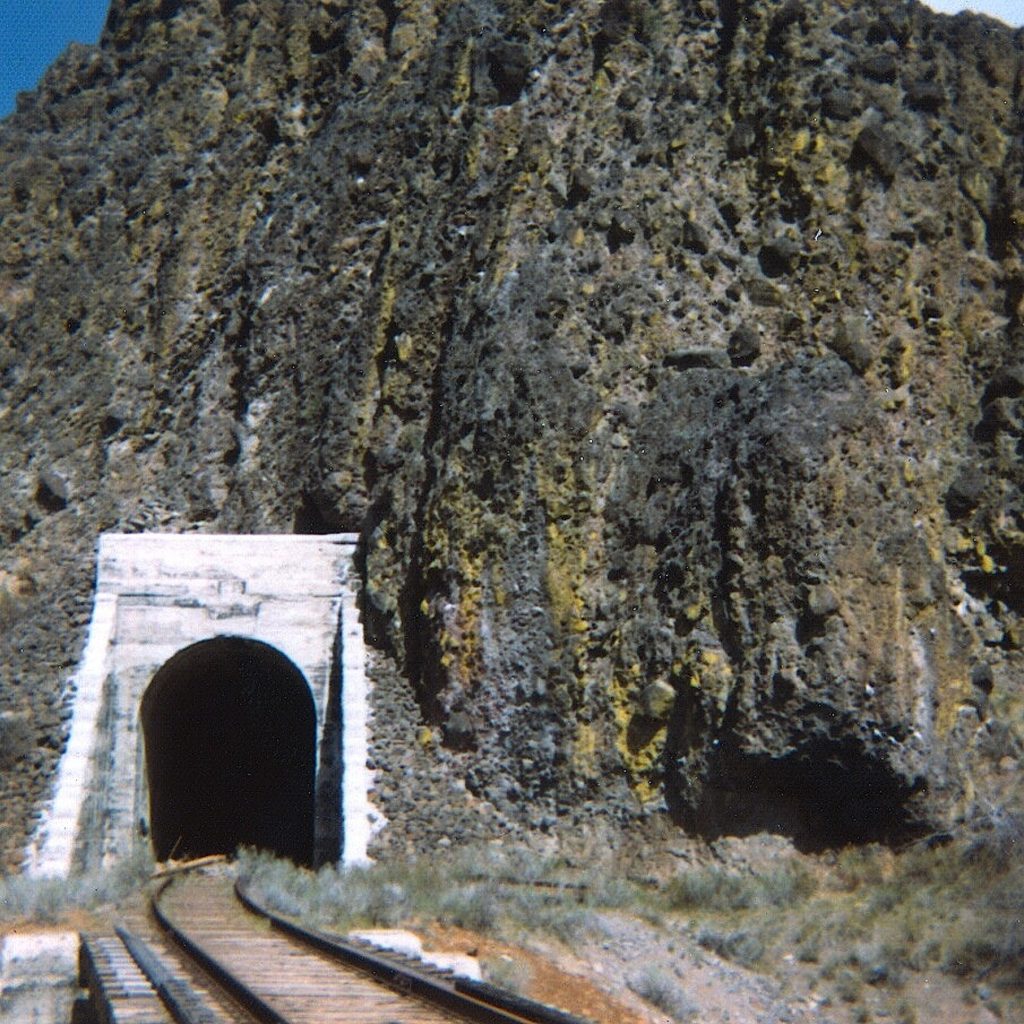
In 1976, after twenty years of non-use the Southern Pacific Railroad filed for the abandonment of its rail line between Susanville and Westwood. The City of Susanville and the Lassen County Board of Supervisors opposed the measure. They feared the loss of a potential transportation corridor. The Lassen County Chamber of Commerce wanted to see it converted into a tourist line, similar to that of Mendocino County’s Skunk Train.
Fast forward two years later and both the city and county embraced the Bureau of Land Management’s proposal to acquire the abandon line for recreational purposes. Thus, the rails to trails program, became part of the local lexicon.
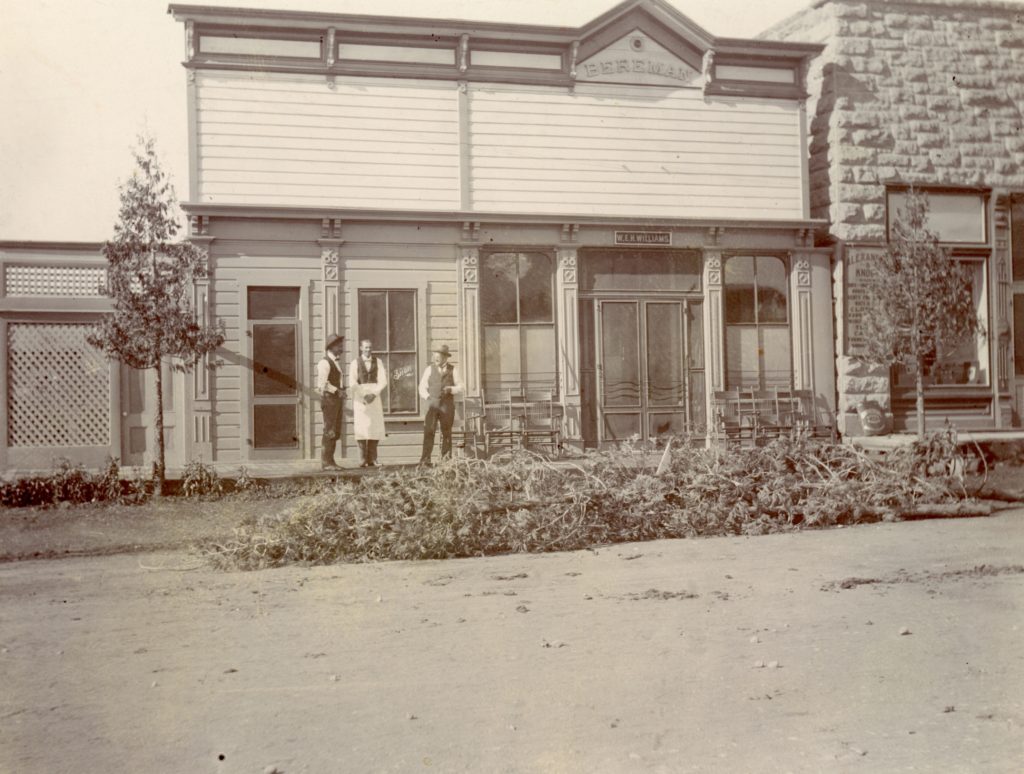
For several years prior to 1912, the Pioneer had a biergarten next door. Courtesy of Philip S. Hall
In 1862, John Burkett opened a saloon at what would later become the address of 724 Main Street. He named his new enterprise the Humboldt Exchange. After all, at this time, a number of Honey Lakers were prospecting in Humboldt County, Nevada where there were a flurry of mining discoveries. The following year, he sold to George Heap and Joe Hale and they renamed it the Pioneer. The Pioneer, now the home of Lassen Ale Works, has operated in the same location all these years, though it has been through several buildings. The back bar, it should be noted is from its 1901 building. Of note, that building still exists and is located on the 900 block of Main Street.
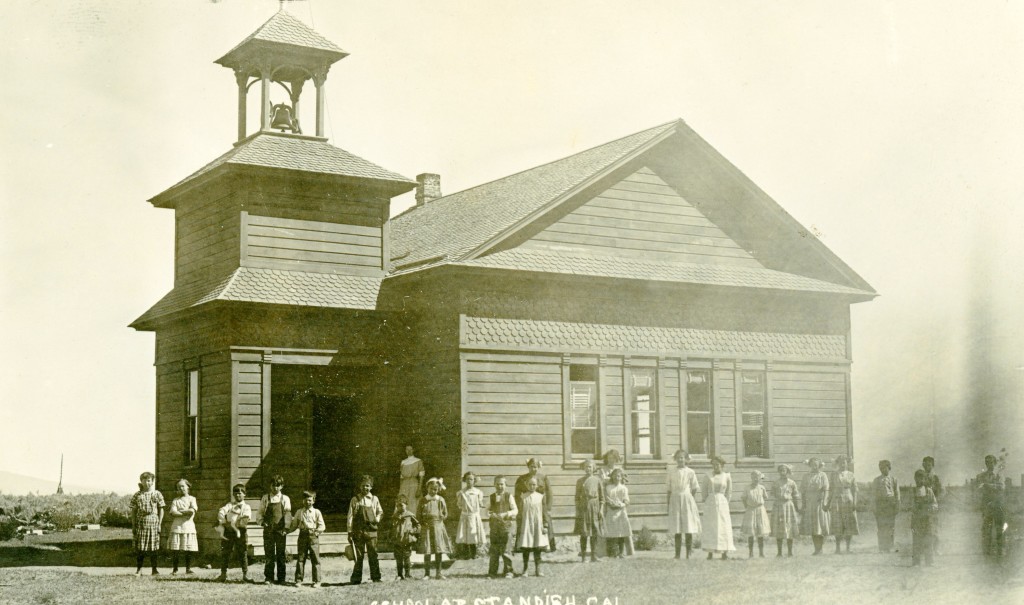
Standish School, 1911. Courtesy of Esther McClelland
In 1920, in the Standish region there were five school districts—Bridgeport, Honey Lake, Poplar, Soldier Bridge and Standish. In the late 1940s, there was a movement to consolidate rural school districts. In 1951, the voters of Bridgeport, Soldier Bridge and Standish Districts agreed to consolidate and form Shaffer Union School District. It should be noted that Poplar School closed in 1935 due to a lack of students. In 1950, Honey Lake School was annexed to Standish.
On July 5, 1935, President Roosevelt signed into law the Wagner Act, one of the most significant labor laws of the 20th century. It’s main beneficiary was union organizers. The Lassen County workforce eagerly adopted it. By 1940, barbers, bartenders, culinary workers and more had their own union. Take for instance the barbers of Susanville, Westwood, Greenville, Quincy and Portola organized a Journeyman’s Barbers Industrial Union of the AFL. In 1941, they adopted a universal fee of sixty-five cents for haircuts.
Used for storage today, what was this small structure originally used for? There were at least three in Lassen County, but this is the only one that remains today.
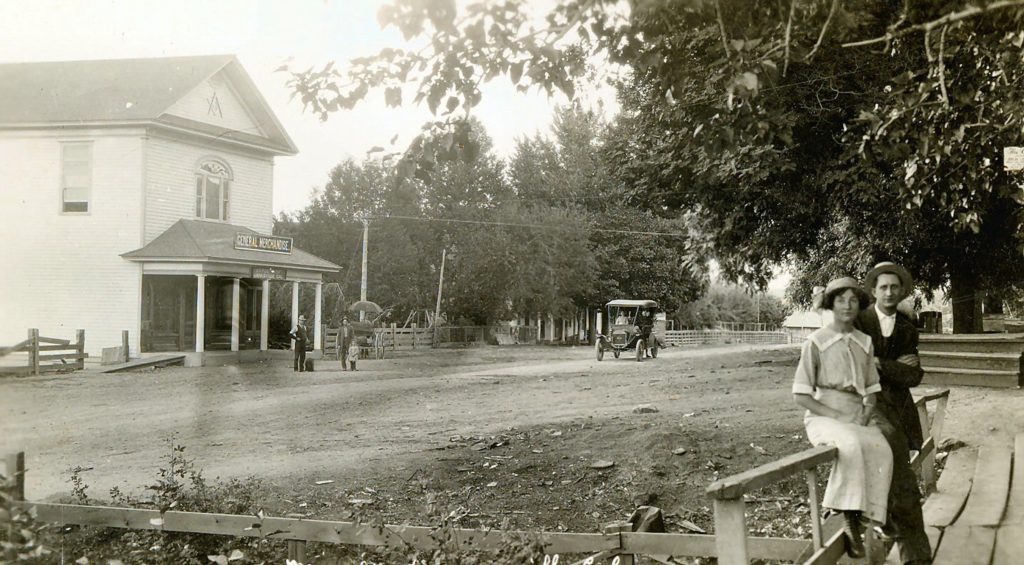
Main Street, Janesville, 1911. Courtesy of Betty Barry Deal
With the pending arrival of the Fernley & Lassen Railroad there was a movement to change many names of communities in the Honey Lake Valley. It was deemed there were too many towns ending with “ville.” Some thought the suffix carried a stigma of a small village. While the movement to change the name of Susanville failed, Janesville did not fare so well. On July 2, 1914, the post office there was renamed Lassen. This did not set well with many of the town’s residents. A petition was sent to the Postmaster General to restore the name, but it was denied. It led to confusion since the town was known as Janesville, but its mail designation was Lassen . In 1923, the residents once again petition the postal authorities to restore the name. It was granted and on September 22, 1923, the Lassen postal designation was dropped.
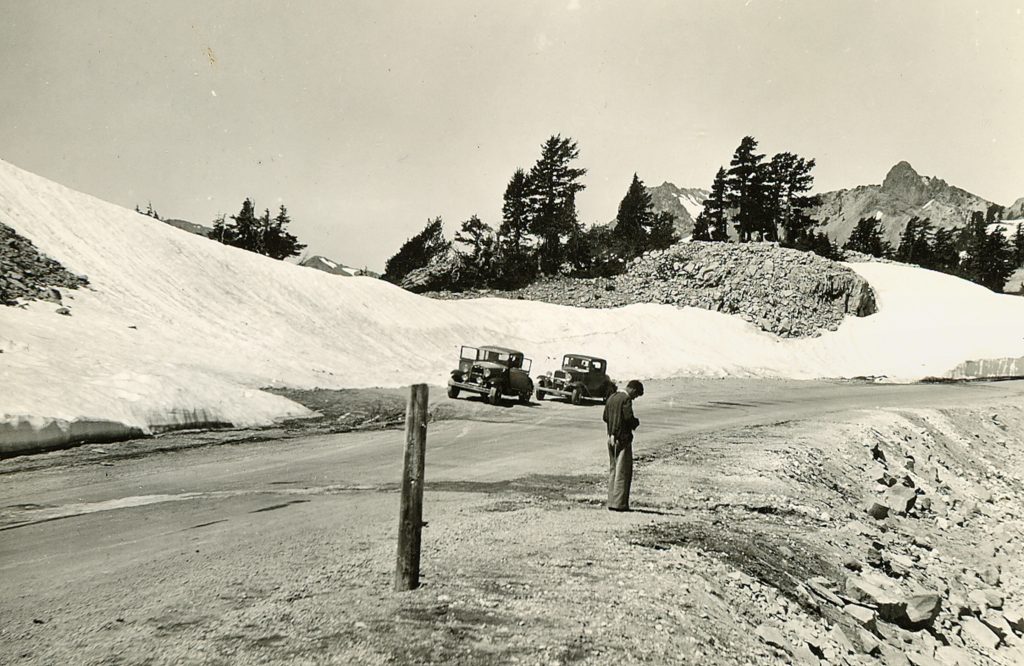
The Loop Highway, 1930. Courtesy of Margaret A. Purdy
Readers may recall earlier this year as to Highway 36 many designations. This is also the case for the Loop Highway through Lassen Volcanic National Park. Work first began in 1925 and it would take nearly six years to complete at a cost of nearly $688,000. The Loop Highway is also designated as State Highway 89 through the park. A little bit of trivia, it is known in the park at US 1.
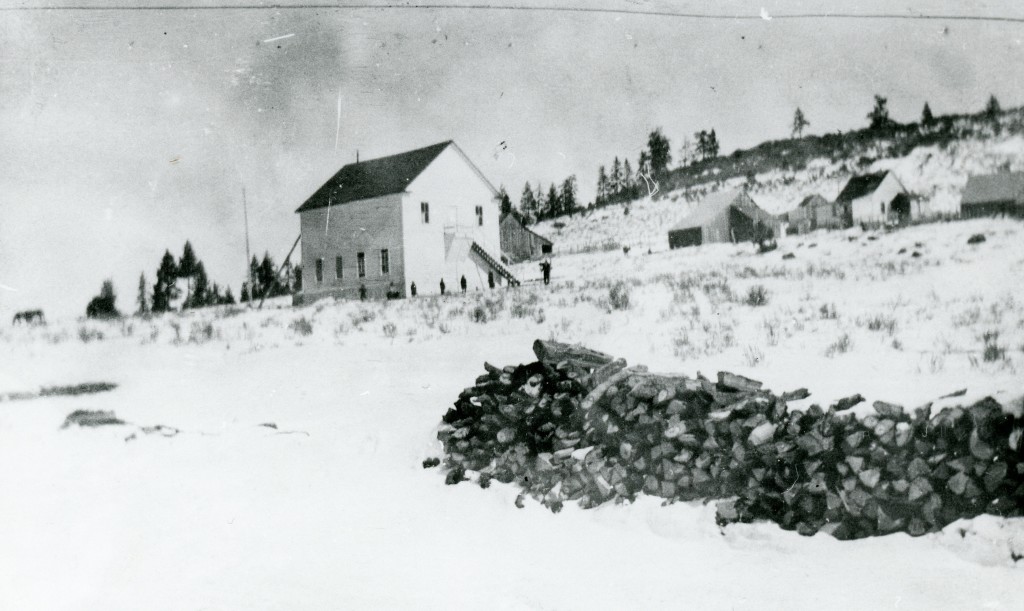
Lassen County’s mining community of Hayden Hill went through many boom and bust cycles. The school closed for the last time in 1925 for lack of students. The fate of the school building is conflicted. On April 18, 1931, long time Hayden Hill resident J.S. Owens offered to purchase the two-story building from Lassen County for $125. It appears the county did not accept the offer, but it did raise awareness. On June 1, 1931 the county placed the school on the market. Fred Bunselmeier and Lloyd Walsh purchased it, but the records did not disclose how much they paid for it.
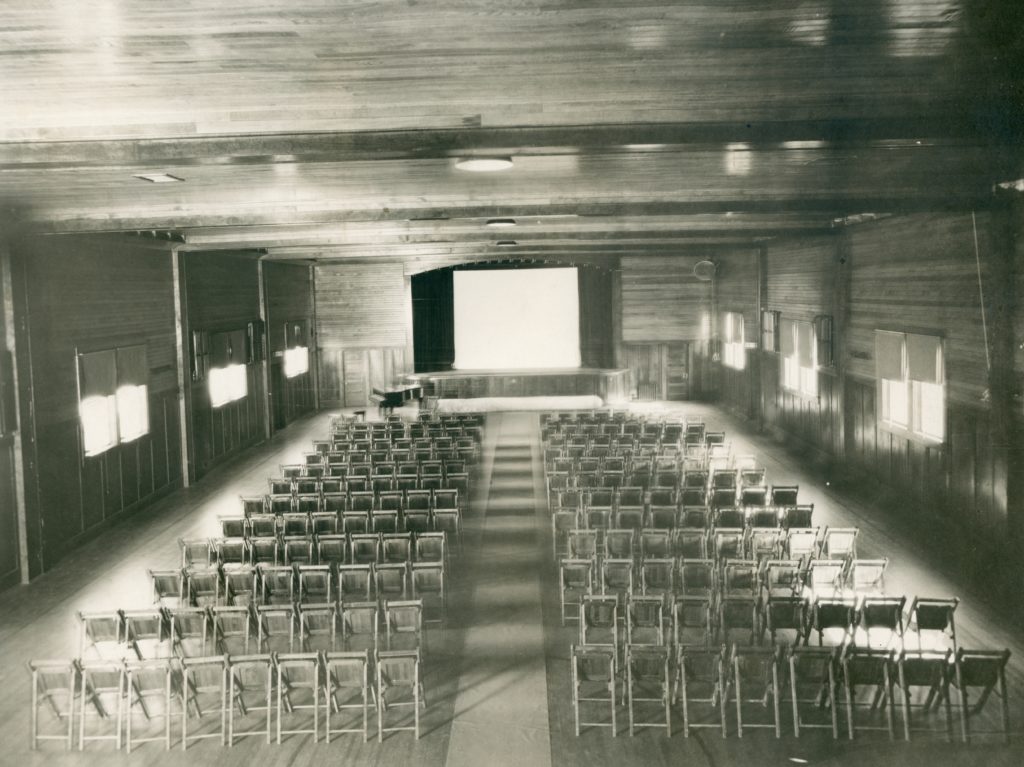
The movie theater in the Story Club, 1923. It was used by many religious denominations for services. Courtesy of Fruit Growers Supply Company.
Like so many religious denominations the Seventh-Day Adventist experienced a rocky road to establish itself in Susanville. It was not so much their faith, but when they first held meetings there in the early 1900s, the population of the community was a meager 1,000 inhabitants, including dogs and cats. For reasons, not known to me they flourished for a brief time and built a church on Main Street, between Hall and McDow Streets. The good times did not last long, and in 1919, the remaining members of the church petitioned the Lassen County Superior Court to sell the property. In their petition, they stated it had not been used for five years. It was granted. Otto Hisaw bought the church and converted it into a pool hall.
A decade later the Seventh-Day Adventist saw a resurgence in Susanville and on September 7, 1928, Elder J.H. McEchern of Reno organized the Susanville. For nearly a decade the congregation would meet in members homes. In 1939, they built a church on the corner of Cedar and Fifth Streets. In 1976, an opportunity arose and they purchased the Chapel of Memories on Johnstonville Road from Jim and Betty Stone which they still occupy. In 1983, the Adventists sold their old church to the Church of the Foursquare Gospel.