Category Archives: History

Susanville Hotel Company

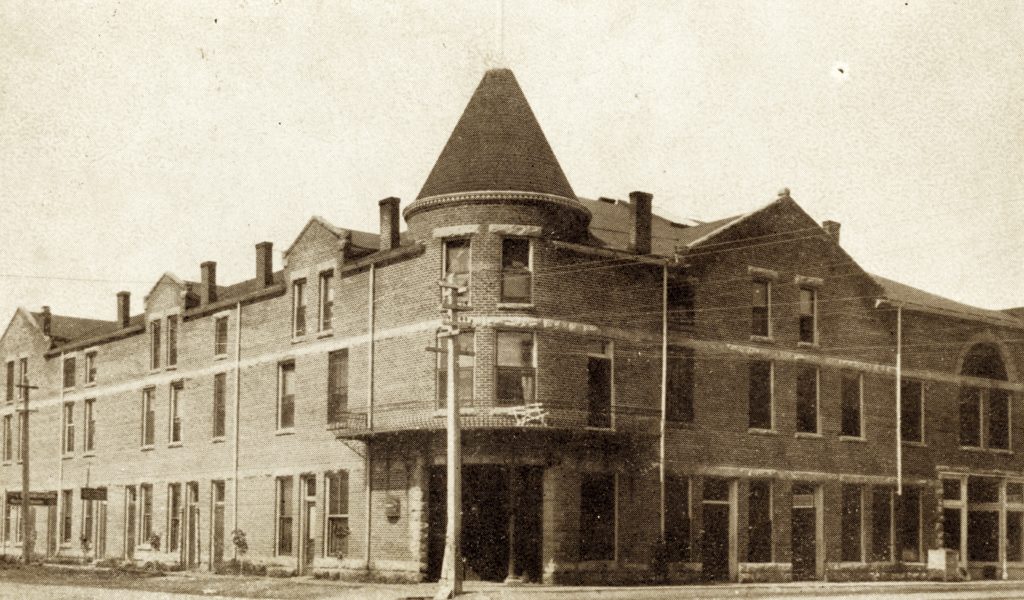
The Emerson Hotel located at Main & Lassen Streets, the current site of the Hotel Mt. Lassen.

In August, 1915, the Susanville’s Emerson Hotel was destroyed by fire. This left a huge void for accommodations, especially with the town which was growing leaps and bounds with the arrival of the railroad two years earlier. Unfortnately, the Emerson would not be ressurrected like the proverbial phoenix due to inadequate insurance coverage.
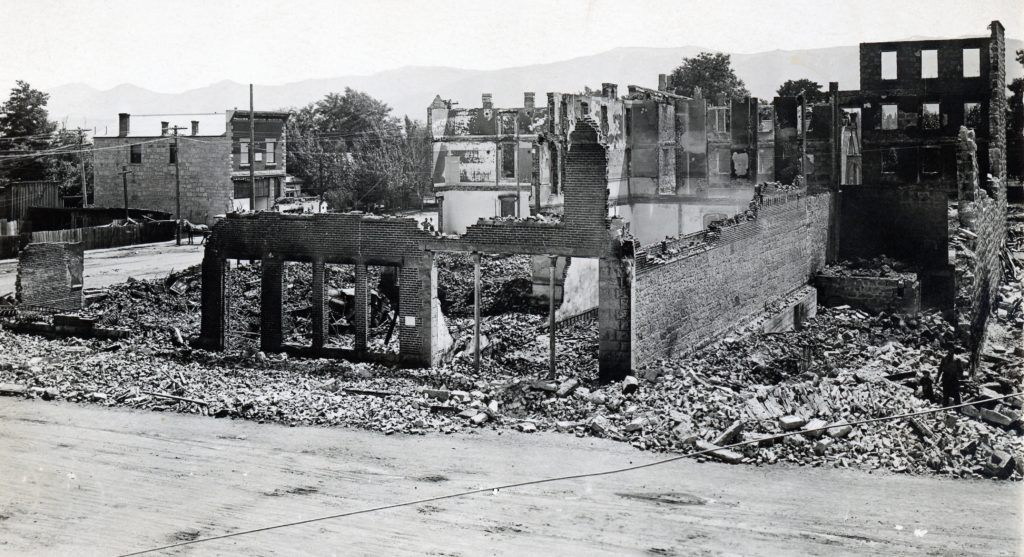
The Emerson Hotel ruins. Courtesy of Vivian Hansen

For years, this prime location remained a vacant lot. While there was interest to build a new hotel there, the lack of funding doomed such proposals. Ironically, Susanville was in the midst of an unprecedented twenty years of expansive growth, so one would not think that financing would be such an obstacle.
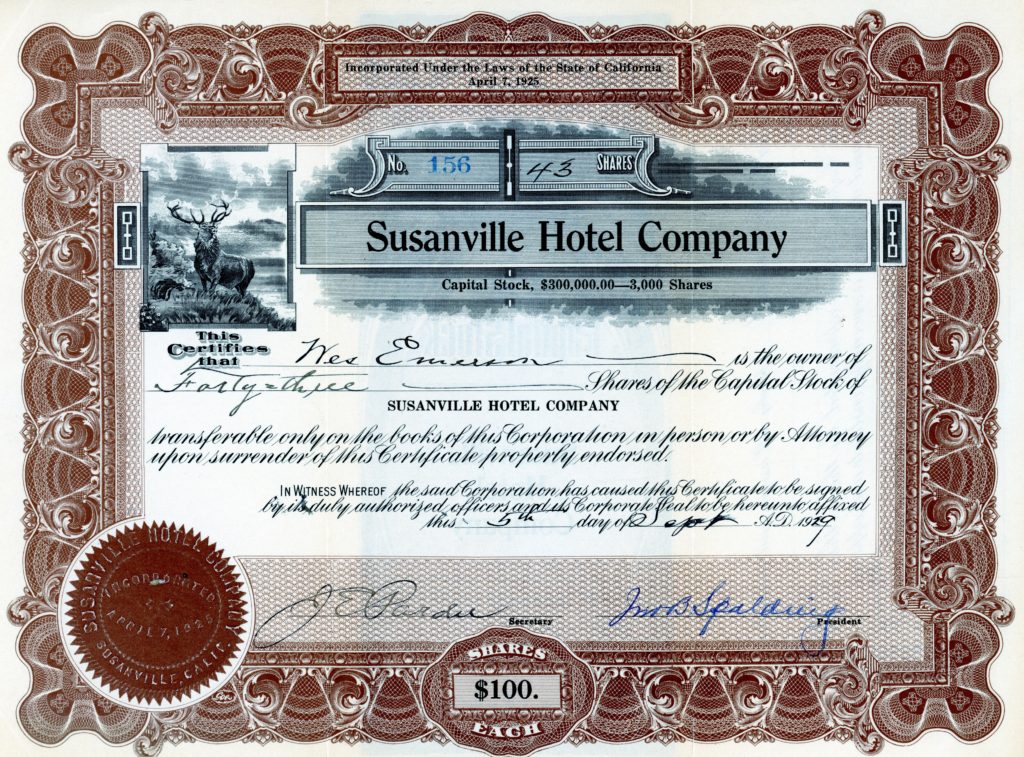
After ten years, something that was thought to be impossible, was on the verge of reality—the city’s bid to host the state American Legion Convention for 1926. Should Susanville be selected there was the issue of how to provide accommodations for 2,500 visitors. On April 7. 1925, a stock company, the Susanville Hotel Company was formed. It was their goal to riase $300,000 in stock to construct a three-story concrete hotel, to contain 70-rooms. Construction began in July, it was estimated the building would cost $155,000. With construction underway, the group had leased the hotel to Frank Coffin for ten years at an annual rate of $7,440. The new facility was named the Hotel Mt. Lassen and opened its doors on April 27, 1926.

The Hotel Mt. Lassen has been shuttered for quite some time now.  Whether it will ever re-open remains to be seen.

Subscribe

A Susanville Rental

A January 1916 photograph of the residence.

Susanville’s iconic Elk’s Lodge had an interesting history way before the Elks acquired it. Built in 1884/85 it was initially the home Dr. J.G. Leonard, a dentist. In 1890, hard times struck Leonard who filed for bankruptcy. Susanville merchant/investor William Greehn purchased the residence. For the next eighteen years it was rental. The monthly rent was ten dollars a month. It should also be duly noted during that time, portions of the house had never been completed, and would not occur until the Swains bought it.

Subscribe

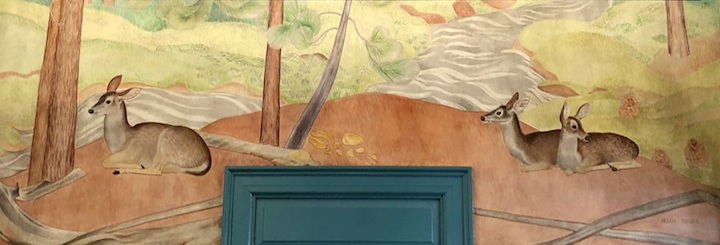
“The Deer”

Photograph courtesy of Jim Chapman

The Susanville Post Office on North Lassen Street adorns one of the older murals in town. While I am slowly working on the mural tour, this particular may not be included due to the hours of operation at the post office.

Construction of the Susanville Post Office began in 1937, and was one of the last Works Projects Administration (WPA) in the area. Another part of Roosevelt’s New Deal projects was Treasury of Fine Arts program. These funds were used to hire artists to adorn federal buildings. In 1939, San Francisco artist, Helen Katherine Forbes (1891-1945) was commissioned to do a mural in the Susanville Post Office entitled, “The Deer.”

Subscribe

Virginia’s Black Face Controversy

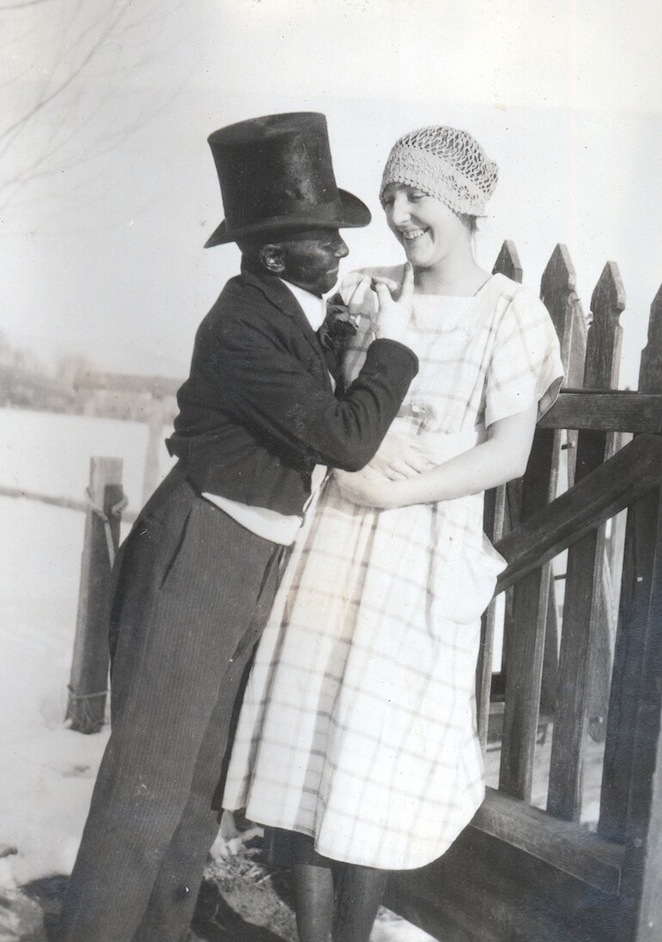
Susanville resident, Fred Brockman, dawning a black face for a 1918 event.

If you have been following the national news, then you aware of the Virginia governor linked to a “black face photograph” in his college yearbook.

So you maybe thinking, what does this have to do with Lassen County history.  In the annals of its history, it is something that was part of the culture across the country over a century ago. Take for instance that on Thanksgiving Day 1900, the Milford Dramatic Club held its first entertainment—a Coon Dance.  While attendees were not required to dawn a “black face,” those who wanted to participate in the “Cake Walk” were required. The cost for attendees was $2.00 that included a midnight supper, and to pay for Susanville’s Pastime Orchestra, who provided the music.

Subscribe

Sno-Go Not Needed

The park’s “Sno-go.”

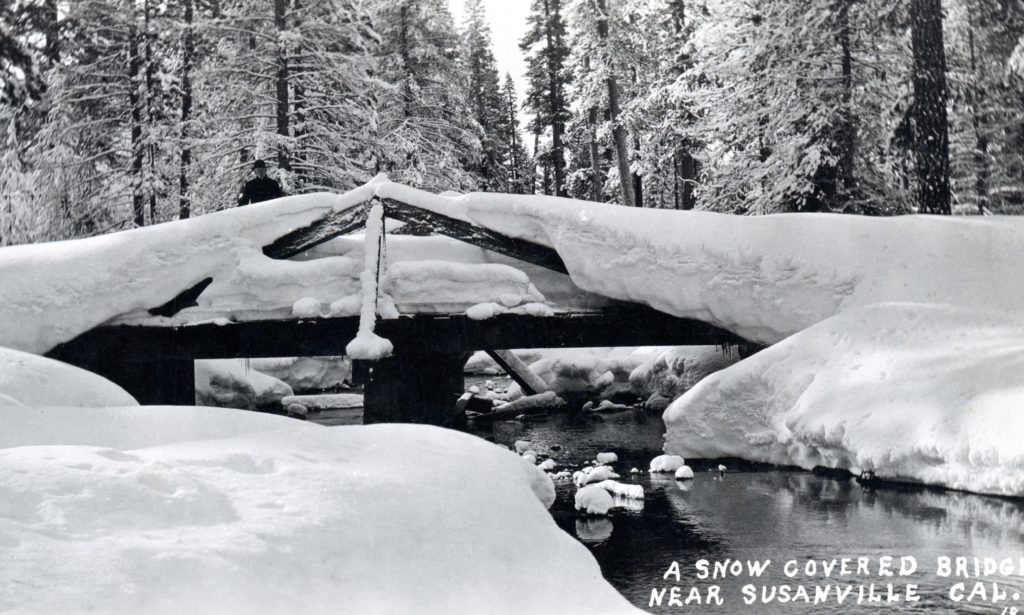
The recent snowstorm did not live up to my or the National Weather Service expectations. I do have to admit at my abode, its an ideal snow for skiing, etc. It would have been nice if Mother Nature was a bit more generous.

One of the annual challenges at Lassen Volcanic National Park each spring is snow removal on the park’s highway. The 1941 road opening provides a glimpse of the work involved. On May 19, work started on the snow removal where the crew literally worked around the clock until the job was completed. In this instance, due to heavy snows, the job was not done until July 9. During those eight weeks, 21 million cubic feet of snow was moved.

Subscribe

Susanville – Alexander Avenue

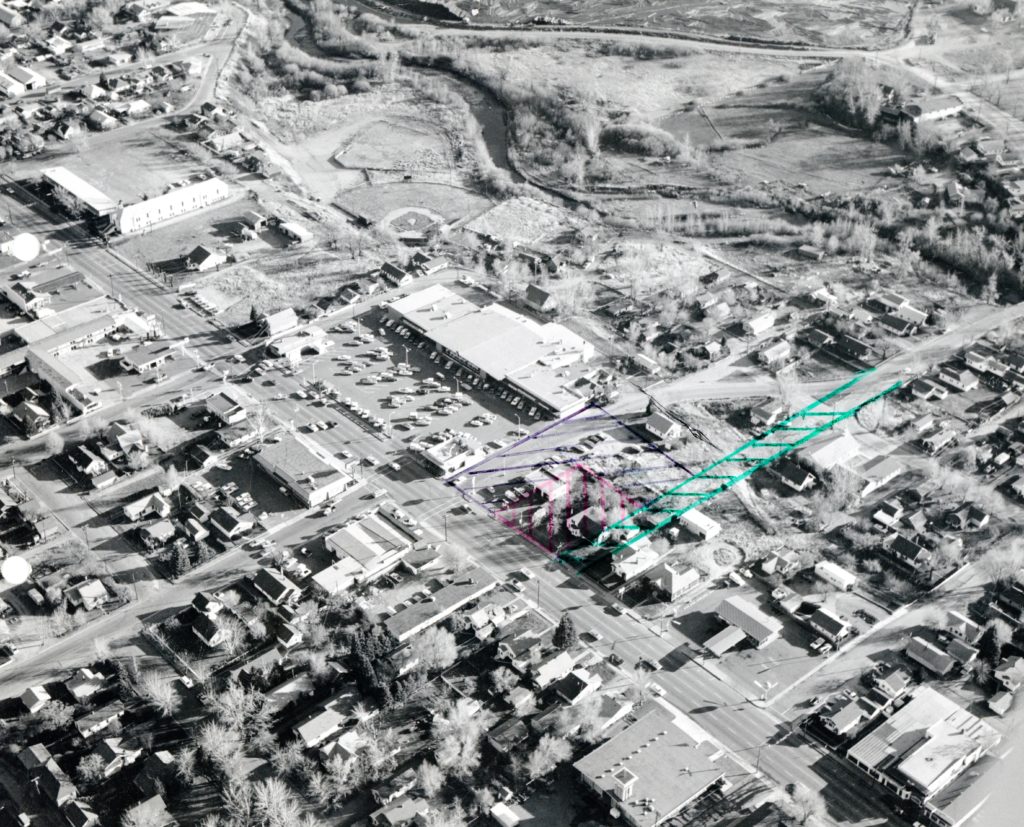
This view shows the proposed realignment.

Alexander Avenue came into existence in 1912 as part of the Lassen Townsite subdivision. It was named for Jules Alexander who came to Susanville in 1877 and eventually became a successful merchant. He left that field, and became involved in banking until his death in 1935.  Alexander was also a major investor in the Lassen Townsite Company.

Alexander Avenue is one of those handful of city streets that witnessed a major realignment. In the early 1970s, the street was straightened between Main and Cornell, thus moving Sherman’s Texaco Station to the other side of the street, as Alexander had separated it from Walker’s.

Then there is the lingering issue, will Alexander Avenue be extended all the way to Richmond Road, as has been suggested in previous planning documents.

Subscribe

Modoc Line – Biscar Reservoir

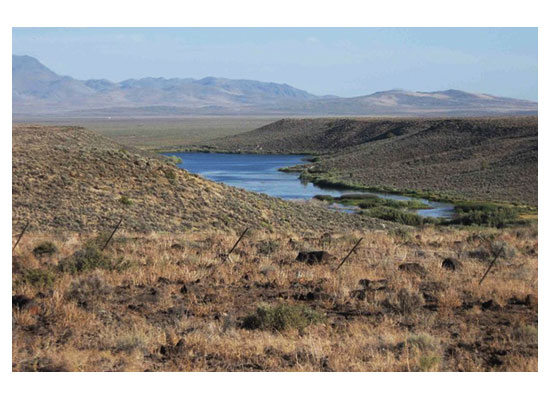
Biscar Reservoir

Last week, we featured the Horse Lake Siding on the abandoned Modoc Line, now a recreational trail. One of the favorite segments of the Modoc Line is that from Karlo to Snowstorm. One of the many interesting features along the route is Biscar Reservoir, as this water oasis standouts among the high desert countryside.

The reservoir was so named for Secret Valley rancher, Pierre “Pete” Biscar, (1881-1947) a native of France who settled there in 1904. In 1909, he constructed the first reservoir at the mouth of Snowstorm Canyon. In 1915, it was washed out by a flood and subsequently rebuilt. Today there are two reservoirs that are a part of the 550-acre Biscar Wildlife Area.  It was initially purchased in the late 1940s by the California Department of Fish and Game as part of a long range plan to obtain water for the department’s Honey Lake Wildlife Area.

Subscribe

Ski A Volcano – Part II

Supan’s Sulphur Ski Works

In 1982, the park granted California Guest Services a twenty-year concession to operate Lassen Ski Area, as it was formally known. This time there was a surprising catch. The contract carried a stipulation that when expired, downhill skiing would be phased out. The termination of downhill skiing came sooner than expected. In the spring of 1993, John Koeberer of California Guest Services contacted the park and asked if it would consider canceling the contract. Koeberer cited financial losses over the previous nine years. A contributing factor to the situation, was for the last five years due to low snow falls. The few cases of heavy storms arrived on weekends, discouraging use by the skiing public. The park obliged, although many regional ski enthusiasts were upset with this abrupt closure. Continue reading Ski A Volcano – Part II

Ski A Volcano

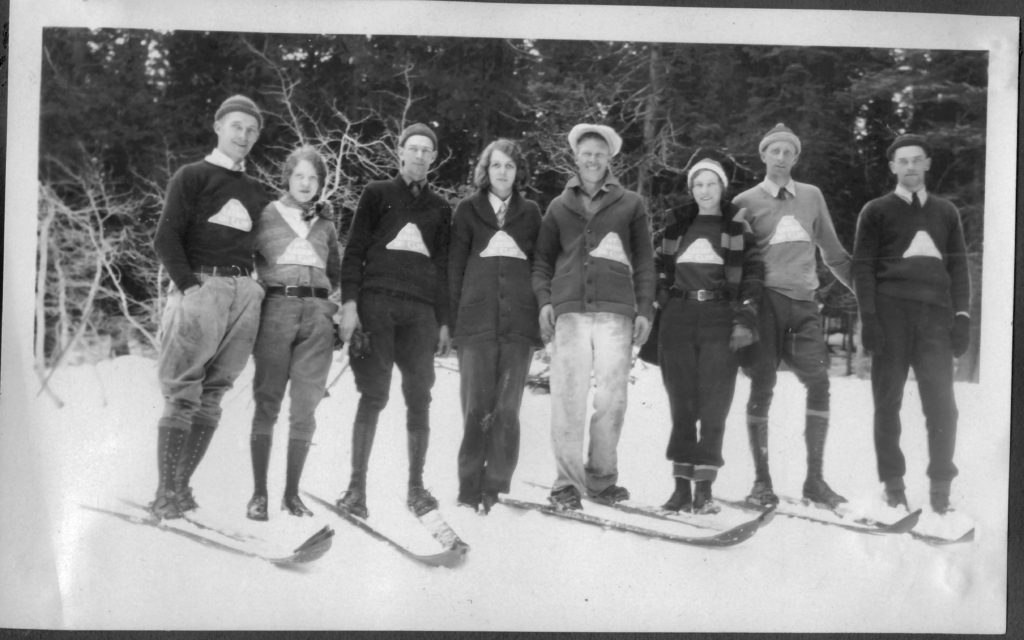
Mt. Lassen Ski Club, 1930

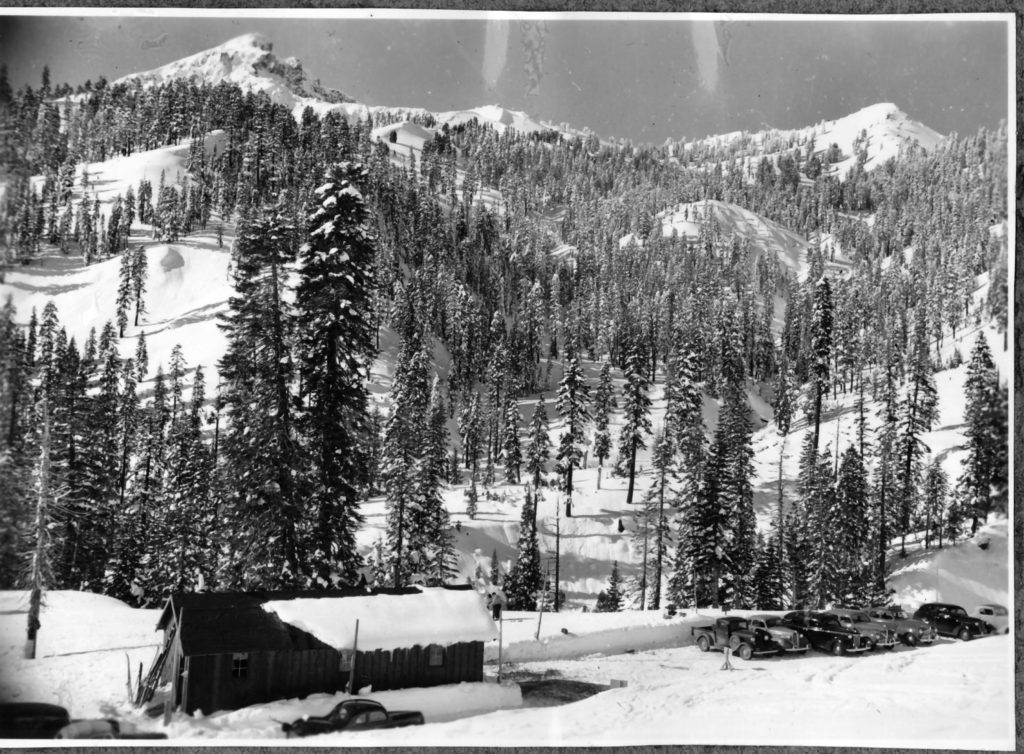
Lassen Volcanic National Park is known for many things, whether  be its wondrous hydrothermal features or that a large segment of park is left in its primitive wilderness state.  Lassen Peak and its surrounding territory is known for its tremendous snowfall. After all, it should be noted that Lassen has an average of over 600 inches of snowfall annually and has some of the highest snowfall accumulations in California.

The 1920s witnessed some dramatic changes to the American lifestyle. Two contributing factors were the affordability of the automobile and development of highways to promote travel. By 1930, Lassen Park was a benefactor of those factors. The first and foremost saw the completion of State Highway 36 that skirts the southern entrance of the park. Equally important came the announcement from the State of California that this route would remain open during the winter months. In the past it was closed whenever it snowed. Continue reading Ski A Volcano