Category Archives: History

The Hayden Hill Fire of 1910

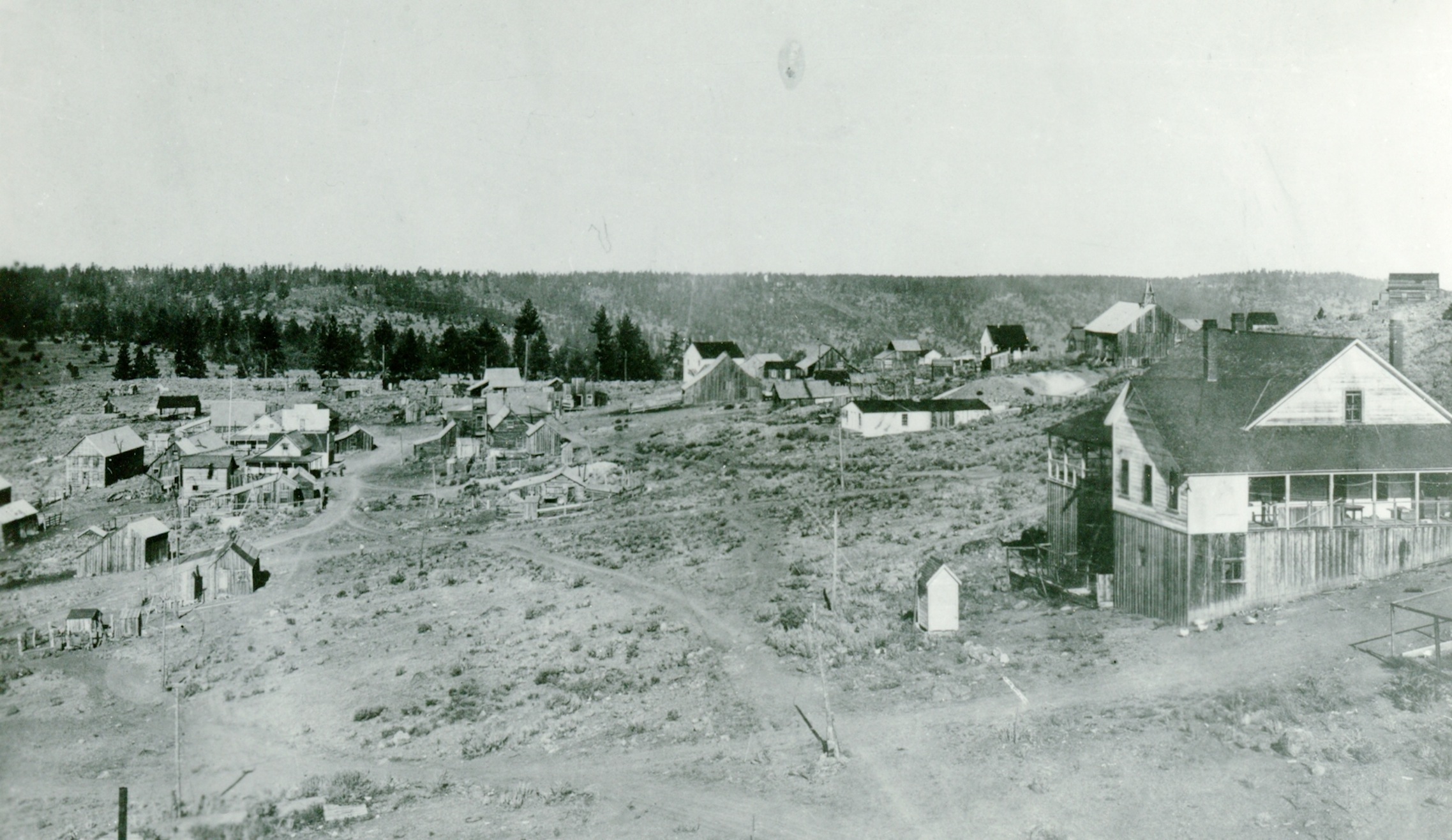
A view of the western portion of Hayden Hill, 1909—Dallas & Joyce Snider

In 1908, a new vein of gold was discovered at Hayden Hill and another resurgence was on its way. The Golden Eagle, the Hill’s largest mine, hired 100 men for the initial operation and more were added to the payroll. In addition, the Lassen Mining Company’s Juniper Mine enjoyed good fortune and they had over 100 men on the payroll.

It was one of the brightest moments in the town’s history, followed by one of its worst disasters. On September 11, 1910, a fire originated at the Lassen Mining Company’s boarding house, which erupted into an inferno. The town had always had an inadequate water supply and there was not much anyone could to do fight the fire, and just watched the majority of the businesses and residential sections on the west side of the Hill go up in flames. The fire resulted in layoffs and over 150 miners left since there was no housing. The town would never fully recover.

On a rather peculiar note, the fire devastated the town’s cemetery. All the markers in the cemetery, including Joseph Hayden’s the town’s namesake, were all made of wood and the fire wiped those out.
Support by subscribing.

Lassen v. Roop or vice versa

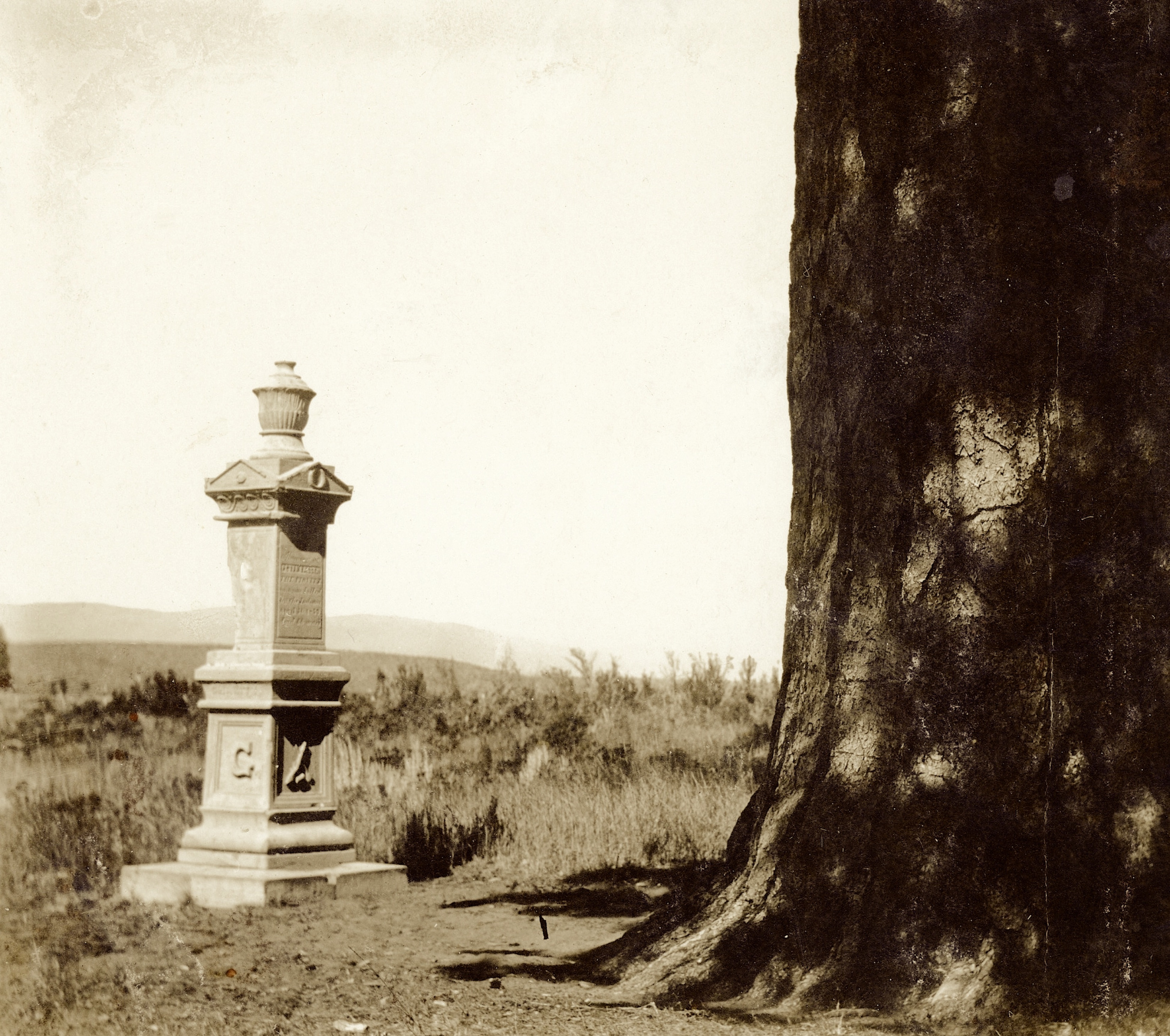
Lassen’s Monument, 1905. Courtesy of Philip S. Hall

There are some, past and present, that have strong opinions of these two men of the pioneer era. Yet, they both shared something in common when they passed away—neither one had a tombstone for some time.

Peter Lassen died on April 25, 1859 while on a mining expedition in the Black Rock Desert. His remains were later brought back and he was buried near a majestic Ponderosa pine tree, where it was stated it was the first place he camped at in the Honey Lake Valley. However, it should be noted, Lassen a bachelor had no family, who would normally  be responsible in marking the grave.. However, Lassen did belong to the fraternal order of Masons. On June 24, 1862 that organization placed a ten-foot tall monument made of native volcanic ash at Lassen’s grave.

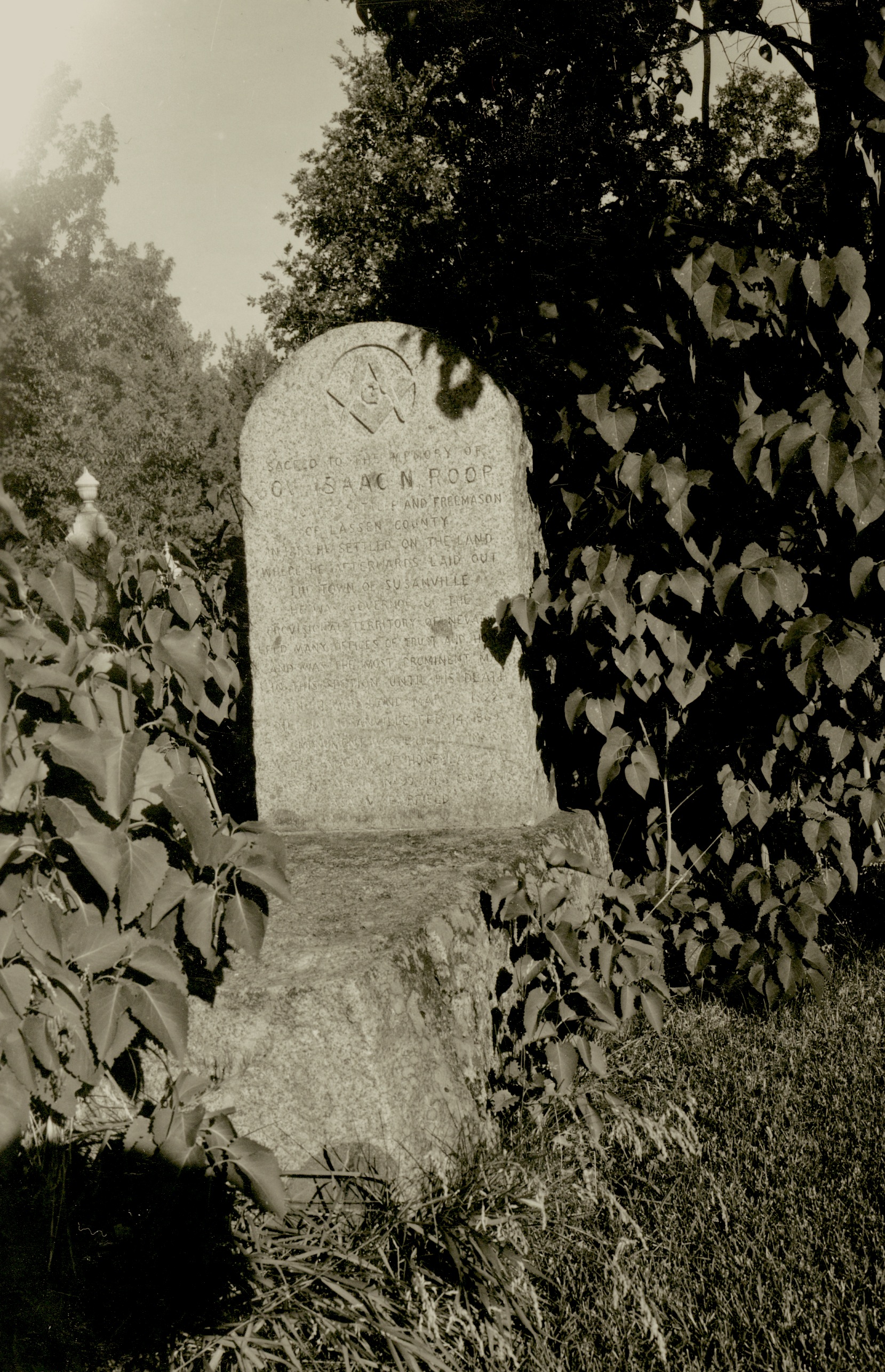
The grave of Isaac N. Roop, Susanville Cemetery, circa 1966.

Isaac Roop who died on February 14, 1869, had three children, though though one son died in the Civil War. However, his daughter, Susan, the town’s namesake resided. there. According to Asa Fairfield, his daughter purchased a tombstone, which ws a destroyed in a fire. This I always found peculiar, a piece of stone demolished by fire. Was this just a ploy by Fairfield to cover for the family, when other factors, such as the family did not have financial means for a tombstone. Considering Roop’s status, and his daughter was expected to have not just a gravestone, but a fitting monument as the founder of Susanville?

Whatever the case may be, nearly five decades after Roop’s death,  it bothered Lassen County historian, Asa M. Fairfield, that his grave remained unmarked. Fairfield recruited the Masonic lodges of Janesville and Susanville and the Lassen Parlor of the Native Sons of the Golden West to rectify the situation. A large granite monument was placed at Roop’s grave.  On California’s Admission Day, 1914 witnessed the unveiling of the Roop Monument. Fairfield was disappointed that only about 70 people attended the ceremony.

Donate

The Incline Works—Bly Tunnel

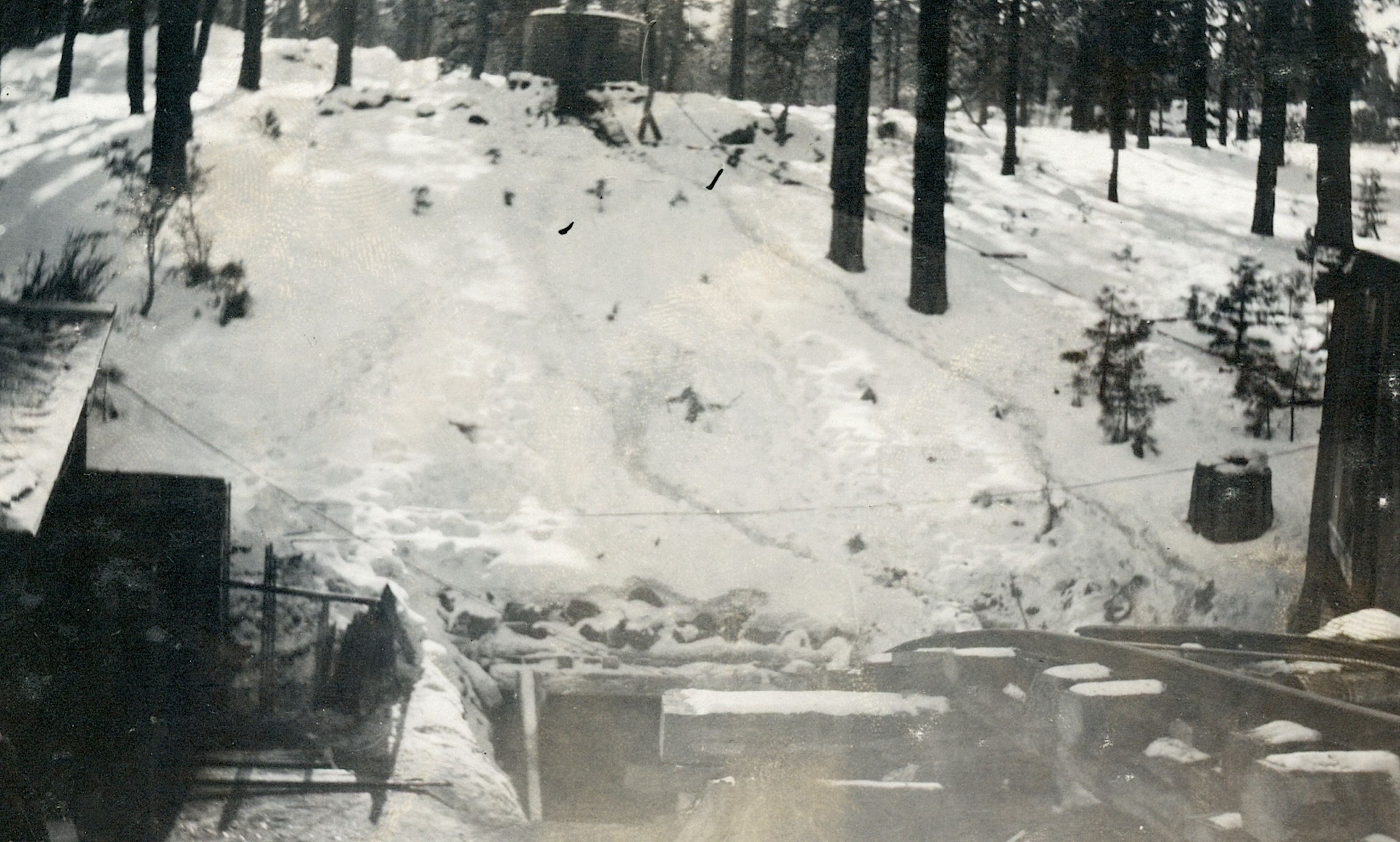
The incline works Bly Tunnel, December 1921–Lola L.Tanner

While sorting through some of my grandmother Lola Murrer Tanner’s photographs, she labeled “Incline Works.” At first, the photograph did not look like much. Then upon further examination, I realized this was the initial work at Bly Tunnel. The tunnel construction began from the outlet side, burrowing its way to the lake. Lola took several photographs at this time, showing the camps at this location and one at the inlet location, which I will scan post in the future.

Tim

Where Are We—Caribou Lake

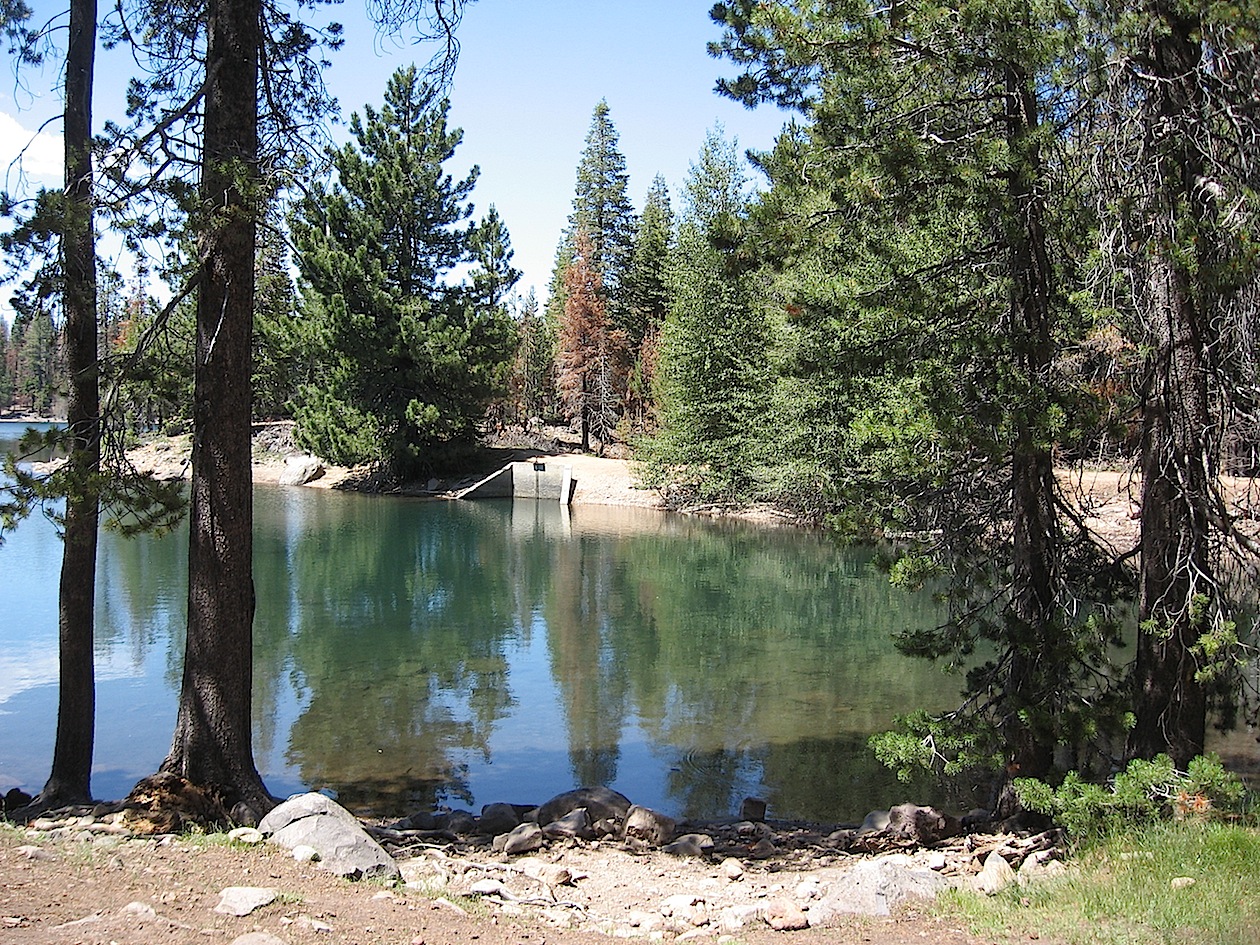
Caribou Lake, July 11, 2022

Caribou Lake, and nearby Silver Lake is the upper watershed of the Susan River. The lake is also a jumping off point for the Caribou Wilderness Area. When gold was discovered in British Columbia in 1858, a number of miners, including some Honey Lakers, rushed there.  It was known as the Cariboo. It should be noted that early records spelled lake’s name the same. One of the mining enterprises there was named the Neversweat.

On August 11, 1883, J.H. Slater filed for the water rights to both Caribou and Silver Lakes, along with the right to install dams and gates. In September 1883, Slater hired 12 men working at Caribou Lake to install the first headgate. It should be noted Slater owned what is today the Fleming Unit, of Honey Lake Wildlife Refuge, and was a civil engineer.

As to the Stella Stiles divorce she was married to Harry Cain. While many may not be familiar with the Stiles name, there are several Stiles descendants who subscribe to this site. Where Monsignor Moran Hall is located in Susanville was purchased from the Stiles family. Willard Hill and the Willards are part of the Stiles clan. One of my favorite Stiles descendants was Philip Hall.

Anyhow back to Harry Cain, Stella’s ex. In the summer 1905, Harry Cain, along with James Wallin and Hi Skadan  went on their annual summer excursion to camp and fish at Silver Lake. A couple days out,  things went wrong. On the morning of July 7, Cain went over to fish Caribou Lake. He had a small folding canvass boat. Wallin and Skadan remained at Silver. That evening Wallin began to prepare dinner, but Cain was not there. The two men went over to Caribou, and found Cain’s boat adrift, but no sight of him. Since it was nearly dark, Wallin and Skadan returned to camp. The next morning, they were back to Caribou, where they found Cain’s body at the bottom of the lake, about twenty feet from shore. The body was retrieved taken to Susanville for an Coroner’s Inquest, and later interred in the Susanville Cemetery.

Donate

Susanville ignores the Volstead Act

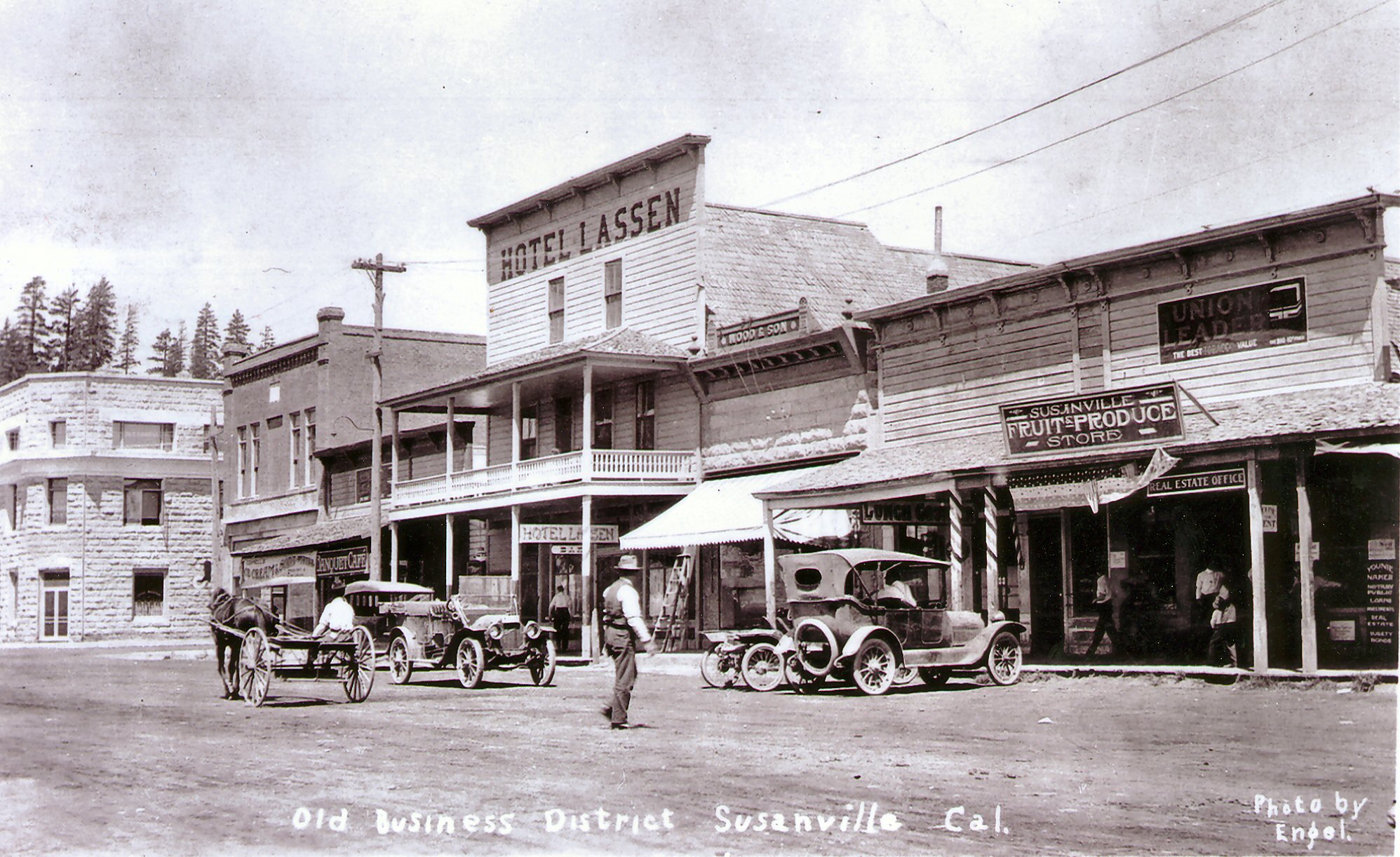
Main Street, Susanville, 1918.

In the 1920s, Prohibition may have been the law of the land, enforcing it in Susanville or in Lassen County—as in most other places was quite a different matter. There was, of course, that local authorities had no arresting powers—bootlegging was a federal offense. To compound matters the region was in an economic boom time, where in less than twenty years the population had tripled.

To understand just how widespread the problem with bootleg joints was, it was summed up by one observer in 1923. Using the nickname “Friendly George” he wrote: “This man’s town has become a beautiful city and as to bootleggers, I just over there a stranger on the Fourth of July. I asked a taxi driver to take me to one. Well, he said, I know 34 places but I don’t known ‘em all. Quite an improvement from four saloons. Yes, it is Prohibition, but hard to convince me it is Temperance.”

Donate

Where Are We?

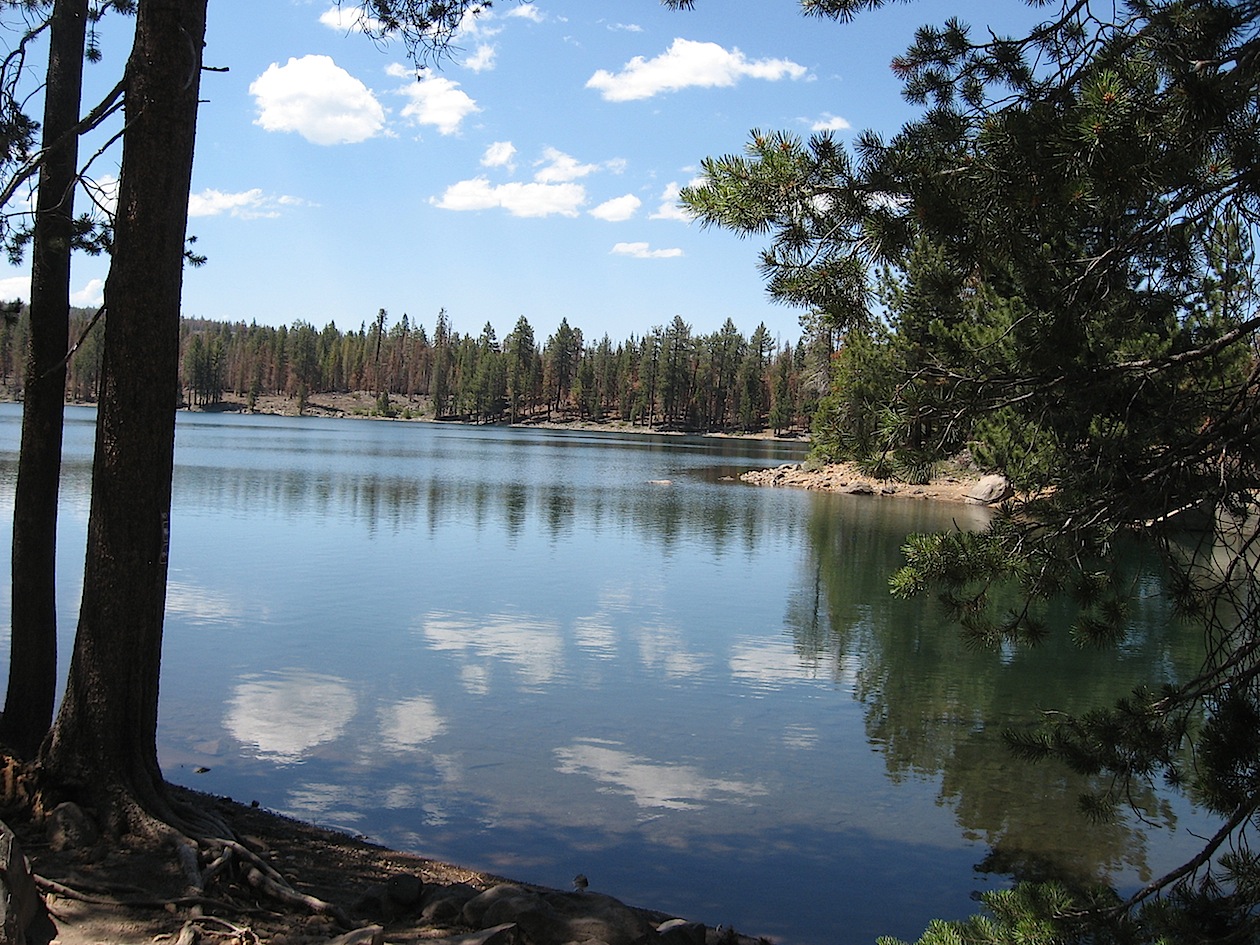
July 11, 2022

The lake was named after mining activity in British Columbia of the late 1850s. It was first tapped for irrigation in 1883. In 1905, Harry Cain, well-known Susanville resident drowned there. Cain was best known as a co-owner of the Susanville WaterWorks and his messy divorce with the former Stella Stiles.

Tim

Piano Player Not Needed

The Gem Saloon, Susanville, 1908. B.R. Zimmerman Collection

Susanville’s Gem Saloon, operated by B.R. Zimmerman was always in search of the latest innovative gadgets to entertain his customers. In the fall of 1907, he installed his latest attraction, which as predicted would garner a lof ot public interest—a electric piano. The Lassen Advocate provided the following description:

”It is of the regulation upright piano size and any performer can perform upon it the same as an ordinary instrument. But should there be no pianist available you only have to ‘push the button’ the electric motor starts and you have only. to look pleasant and listen to a brilliant rendition of the very. latest and best music. The instrument is a beauty and should prove a winner in public favor.”

Tim

Before Hetch Hetchy

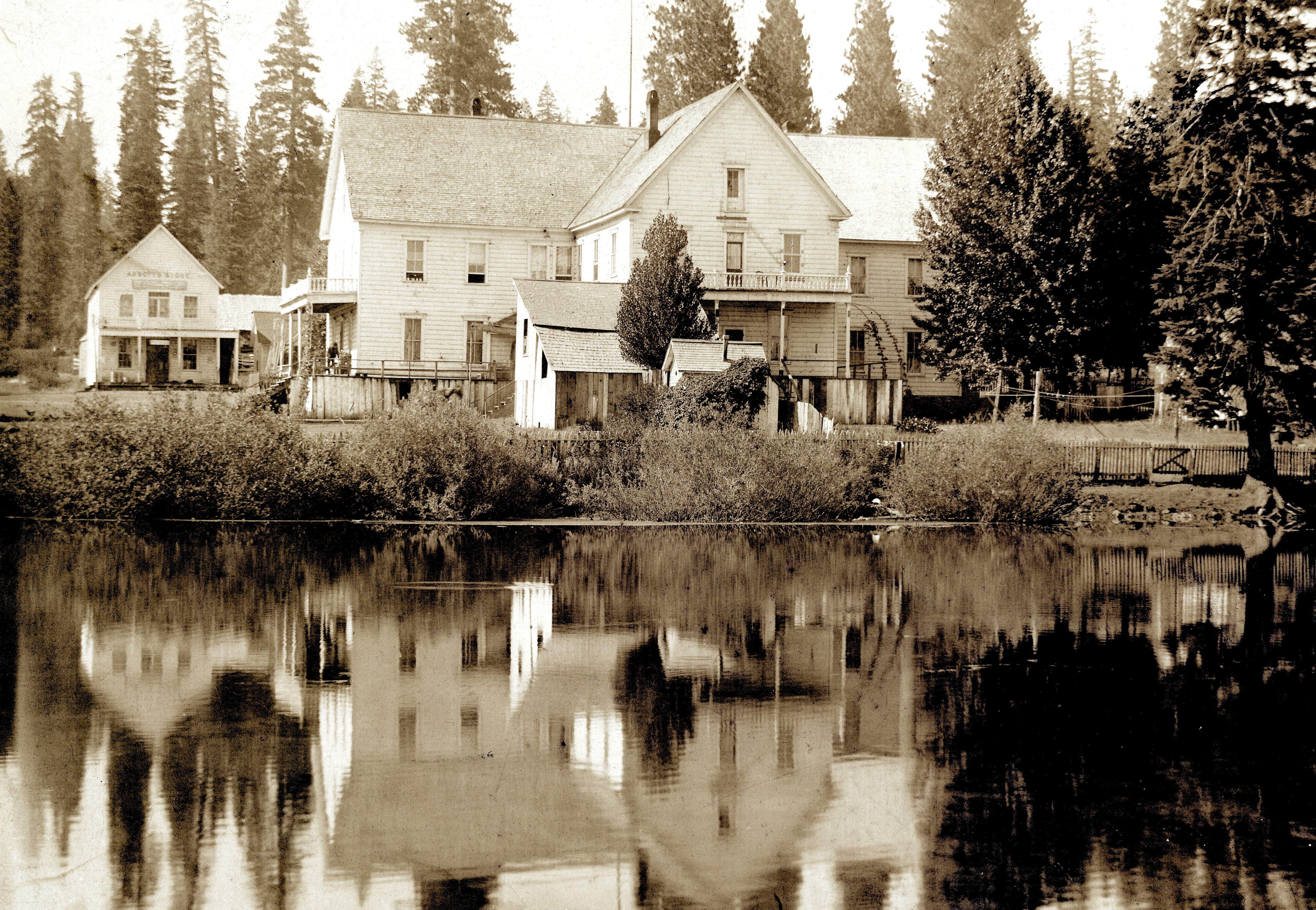
Prattville Hotel, 1899. Mary Dale Folsom

Long before Hetch Hetchy and Lake Almanor, too, there was an episode to use the abundant water resources of northern Plumas County to supply San Francisco with its water. That resource specifically was the numerous springs of Big Meadows, now a part of. Lake Almanor.

The Plumas National newspaper of Quincy on March 1, 1882 contained an article “Lively Times for Prattville.”  An excerpt states “For some time past San Francisco capitalist have been making investigations on Feather River with a view, it is said of taking water from that stream to the city. The sources of the river being enormous springs in and near Big Meadows, it is always clear and pure. The character of the country is such that there is no fear of the water ever being injured by mining above Bidwell’s Bridge (located near present day Canyon Dam). These considerations have led to the scheme of starting a ditch in the canyon below the bridge, the ditch is to be thirty feet wide and six feet deep. This would be continued to some suitable point where piping would be begun for carrying the water to the city. Dam and reservoirs would be unnecessary, the volume of water in the river nearly the same at all seasons. This would be an immense undertaking, but it is said that money enough can be had to carry it through. How the projectors will get the water across the bay to San Francisco has not yet been heard.”

Subscribe

Rural Free Delivery System


Janesville Masonic Hall, circa 1912. The first floor was a combination store and post office.

The Rural Free Delivery system was slow to implement. The whole purpose was to provide mail to those in rural areas, so one would not have to travel miles to obtain their mail at the nearest post office. While approved by Congress in 1896, it was slow in adoption..

Rural Fred Delivery did not reach Lassen County until 1918. When the Edgemont Post Office (located four miles east of Janesville) closed in that year the residents of that region were first to receive Rural Free Delivery. Within twelve years many of the small rural post offices in Lassen County were closed and replaced with Rural Free Delivery.

A number of the rural post offices were either in a store and/or at someone’s one home. The Merrillville Post Office, located some 15 miles north of Susanville in Willow Creek Valley is an interesting example. Established in 1875, it was located at the Folsom Ranch (now Willow Creek Wildlife Area). It would later be relocated to the Hurlbut Ranch, then to Murrer’s and then to the Stone Ranch at Eagle Lake when it was discontinued on November 30, 1928.

Subscribe

The NCO’s Lakeview Car

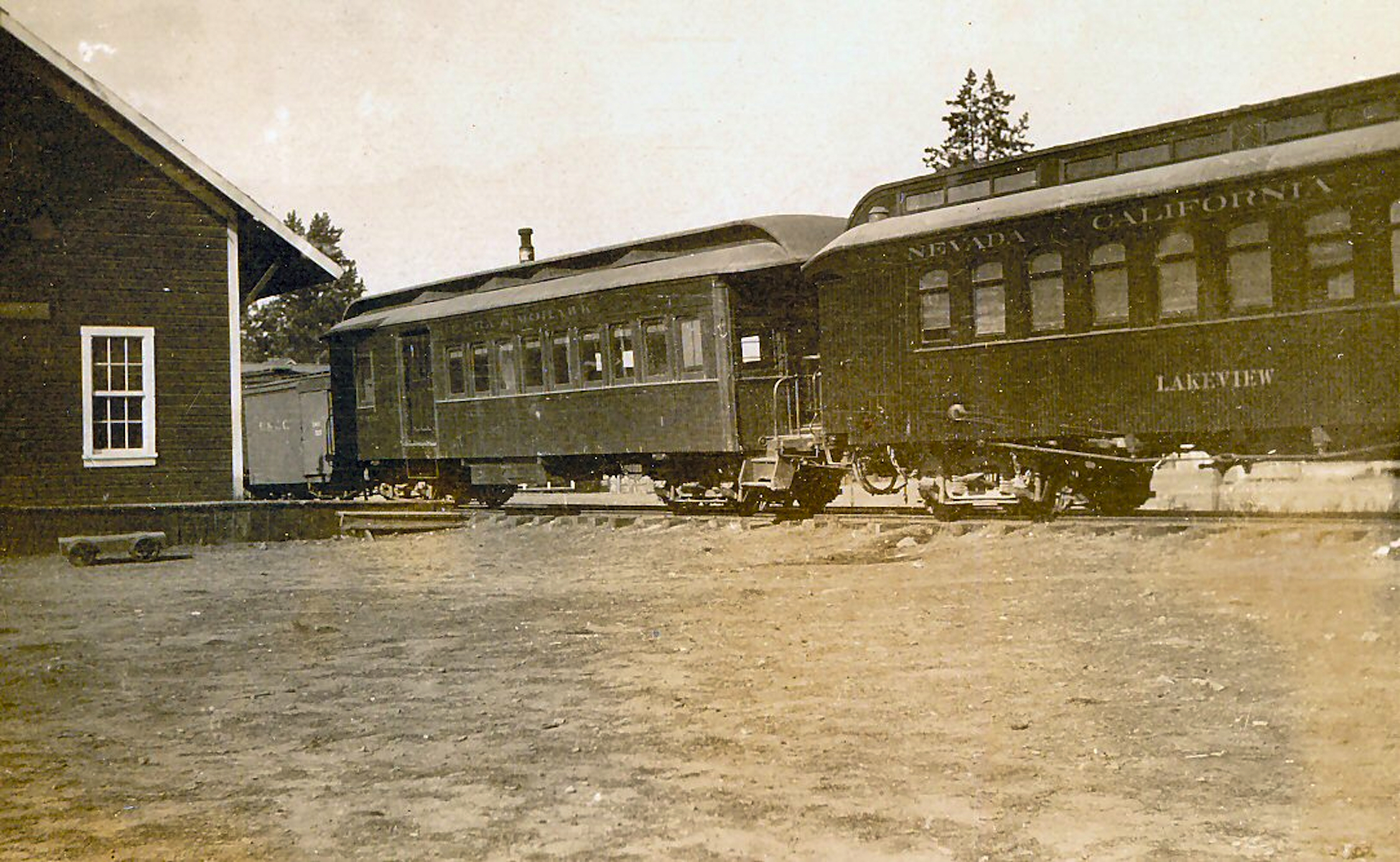
The Lakeview—-Marie Herring Gould

This Tuesday tidbit will be albeit brief. The NCO Railroad had two private cars the Esmeralda and the Lakeview. While the above photograph is hardly the best, some of the rail fans on this site will enjoy it nevertheless. I thought I had some handy notes on the Lakeview, but alas they are not so handy when I need them. When they do surface, I can always update the post, and if someone out there has information to share about the Lakeview that would be appreciated as well.

Tim