New Standish

Litchfield
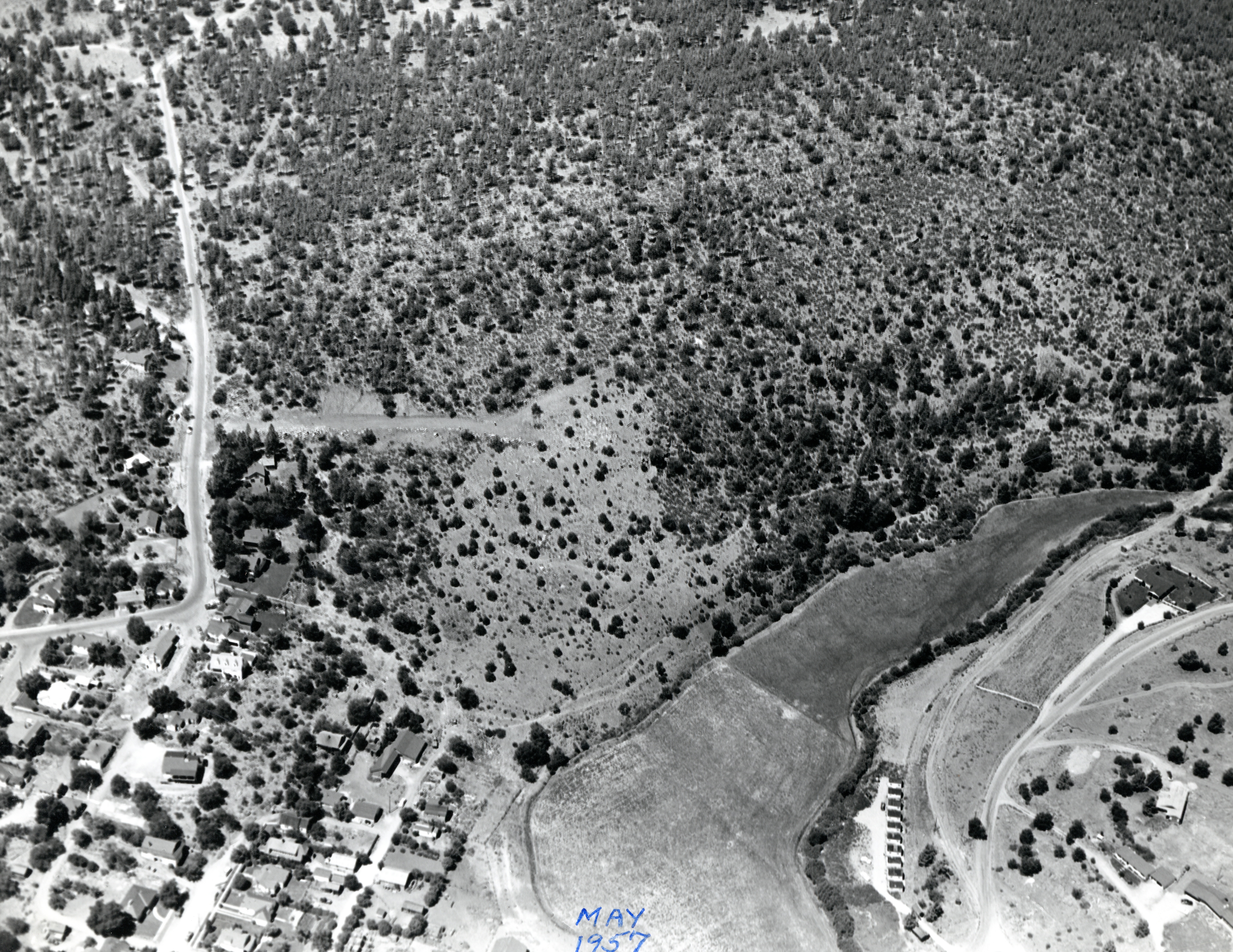
A town is born, Litchfield. Courtesy of John M. Gibson

Even before the first rails were laid on the Fernley & Lassen Railroad, those along the right of way knew exactly where it would be located.  B.F. Gibson and his associate, Los Angeles promoter, B.F. Jackson had an initial plan for a new townsite, not too far from Standish. The new railroad was going through Gibson’s Ranch and its location in that part of the Honey Lake Valley made it a ideal place for a  combination townsite and railroad shipping point.

As Standish was less than three miles away, Gibson offered that community free lots for those willing to relocate, which he dubbed his enterprise, New Standish. However, his offer was not well received, so Gibson named is his new town, Litchfield, in honor of pioneer settler and his father-in-law, Andrew Litch.
Subscribe and support this site for as little as $4.17 a month.

Hallelujah Junction

H Junction
Hallelujah Junction

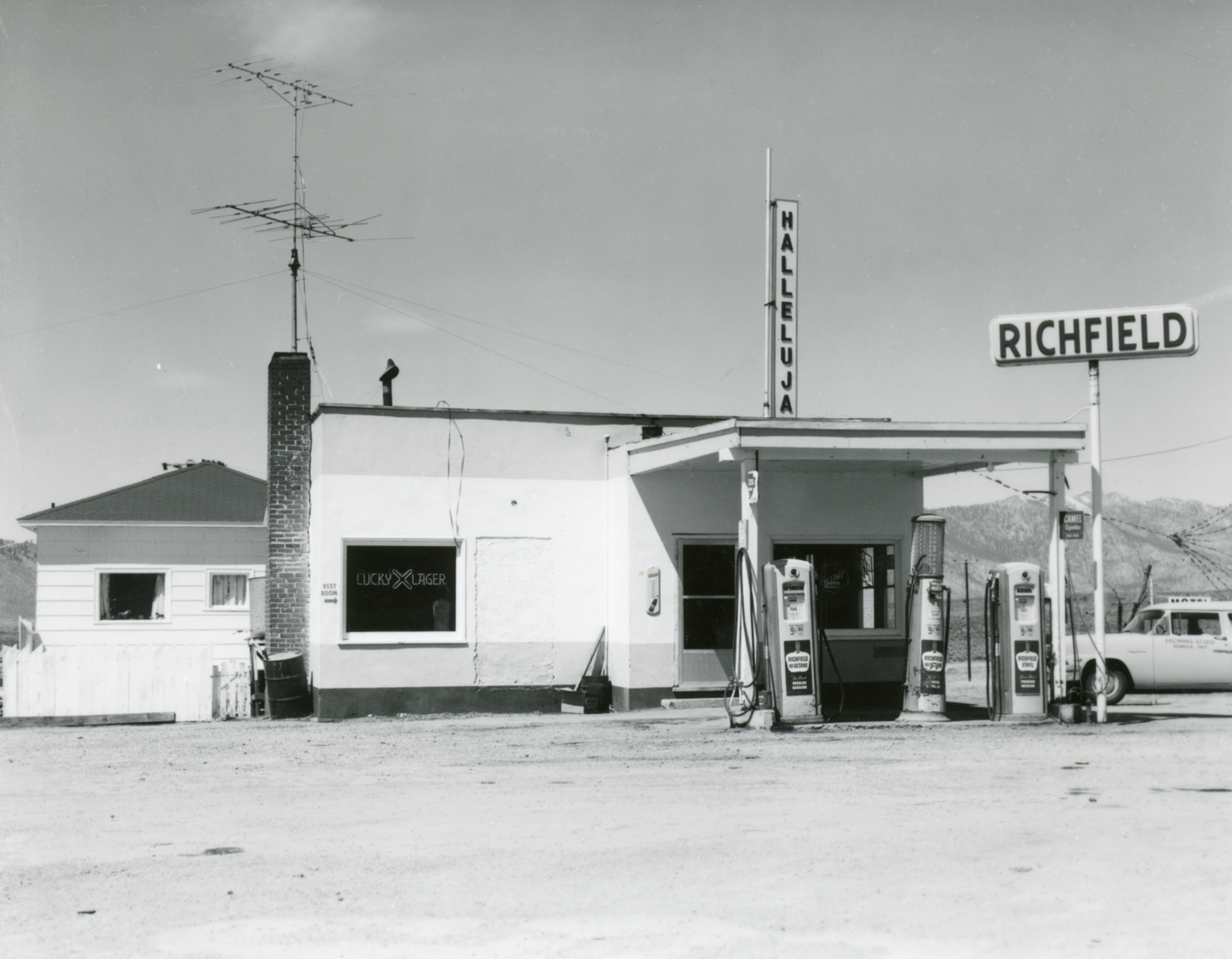
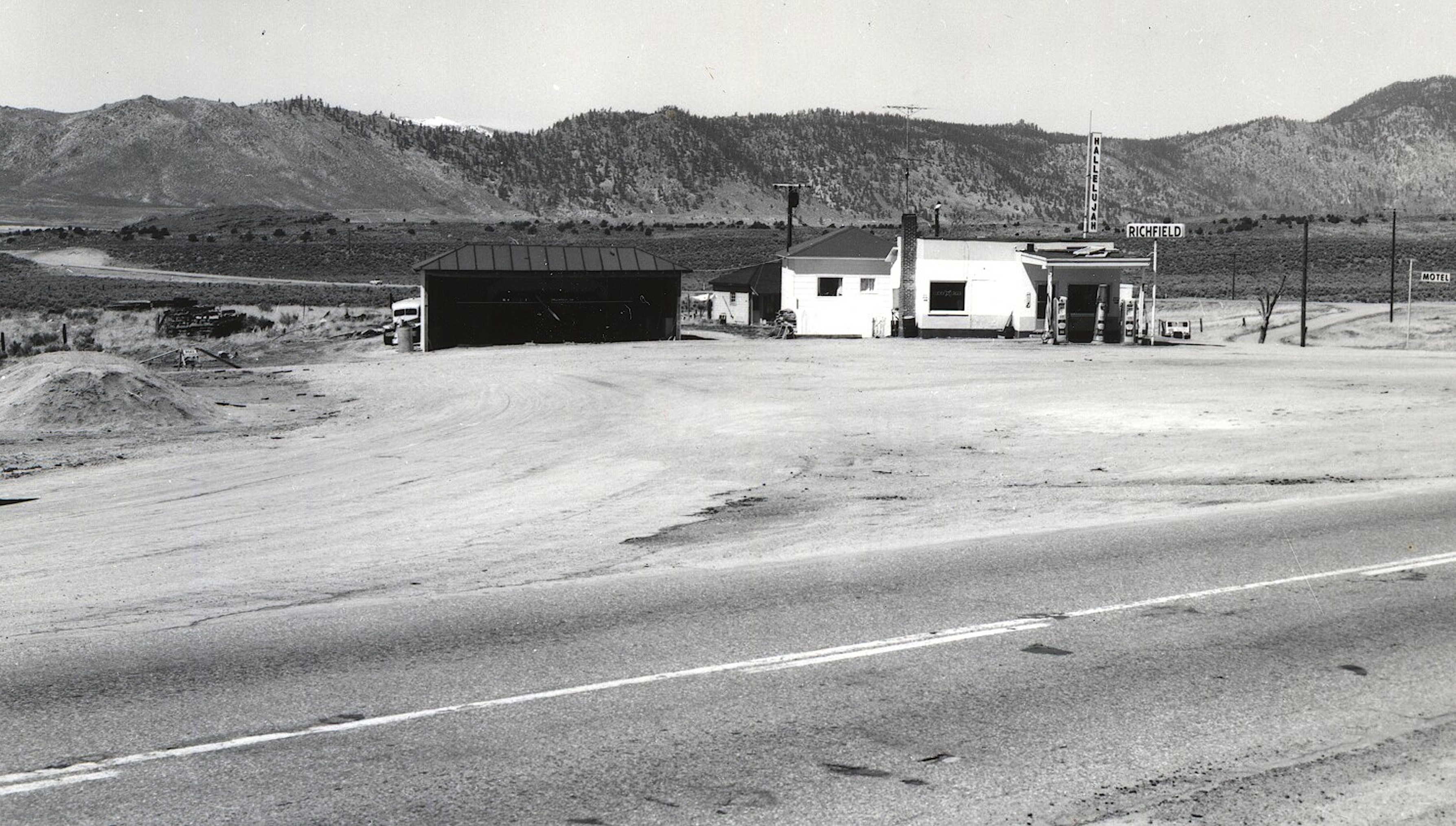
Since the 1850s, the region has always been referred to as a junction to Beckwourth Pass and the Sierra Valley. It has been told that emigrants in the 1850s, when they arrived at this spot, shouted “Hallelujah” whey they saw Beckwourth Pass—at 5228’ its the lowest pass over the Sierra. In 1932, Orville Stoy took up an 80-acre homestead there. Stoy built a gas station and it became a popular stop, known as Hallelujah Junction. In time, a bar, restaurant and motel were constructed. There was even the “Hallelujah International Airport” that consisted of a couple of airplane hangers and a runway that was an abandoned stretch of Highway 70. In 1973, the State of California purchased Hallelujah Junction. It was obliterated for the construction of the four-lane freeway from there to the Nevada State line. In 1991, a gas station and convenience store was built at the junction of Highway 395 and 70.

Hallelujah Junction
Hallelujah Junction

Subscribe today and support this site for as little as $4.17 a month.

Church of Jesus Christ of Latter Day Saints

LDS Church
The Church was located on the corner of Main and North McDow.

In 1911, two missionaries, Elders Harry Janson and L.R. Halverson arrived in Susanville, though it appears their stay was brief. It was not until 1922, that the members of this church organized in Susanville. The initial families included those of Frederick Johnson, W.K. Davis, William Mortimer, Afton White, James C. White, John Heath and Peter F. Olsen.

Initial services were held in member’s homes. By 1924, their numbers had grown and they the hall in the Knoch Building for $2.50 a week. From there they moved to the Orpheum Theater and later to the OddFellows Hall.

On November 13, 1927, discussions were held to build a chapel. The site chosen was the northeast corner of Main and McDow Streets. On November 10, 1929, the church was dedicated by Heber J. Grant, President of the Church of Jesus Christ of Latter Day Saints

Thirty years later the members had outgrown the church. They selected a new site on Richmond Road. On November 5, 1961, groundbreaking ceremonies were held for the $300,000 chapel.

 Subscribe and support this site for as little as $4.17 a month.


Jurgen Jensen Family

Jensen Family
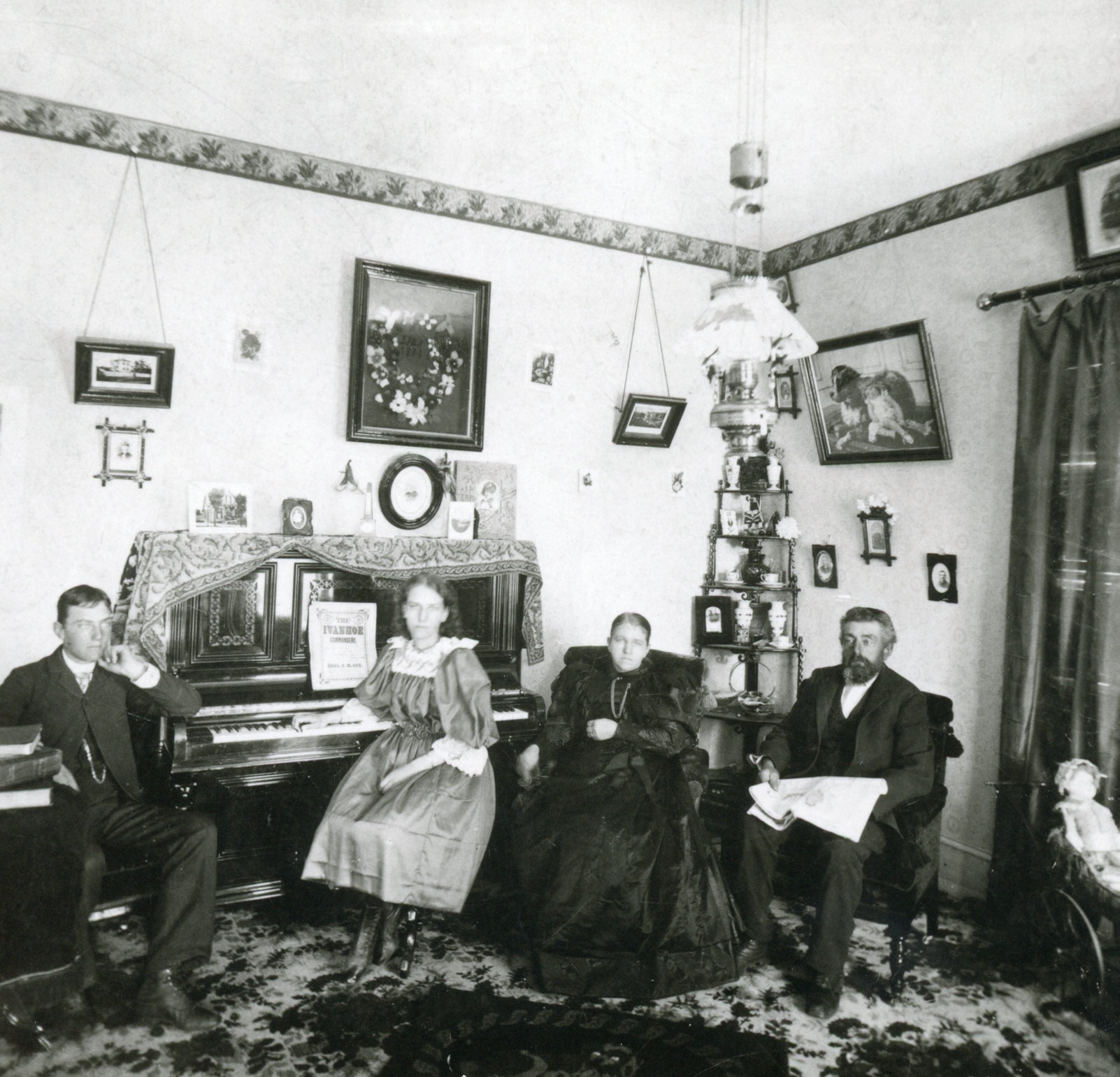
Jurgen Jensen family: Left to right: A.R. “Bert”, Delia, Effie and Jurgen, 1902. Courtesy of Abe Jensen

This being fair week, it is only fitting we salute the Jensen family. Two generations of Jensen’s had a major impact on the Lassen County Fair.

In the summer of 1922, A.R. “Bert” Jensen pushed the resurrection of a fair, the last one held was in 1902. Jensen recruited Russell Brownell, C.E. Lawson, L.E. DeForest and H.H. Ridells and formed the Lassen County Fair Association. Jensen offered the Association 20 acres of his ranch for a fairgrounds at a cost $2,750, though the group could pay him later—this is still the home of the Lassen County Fairgrounds. Continue reading Jurgen Jensen Family

Smoke Creek Desert

Smoke Creek Desert
Smoke Creek Desert looking towards Sheepshead, fall, 1977

Just across the border lies this most interesting desert. It is a favorite of mine, so rich in history. It received its name back in 1844 when John C. Fremont explored the region. His party noted the dust storms created on the playa there cast a smokey hue.

Fremont was not the only explorer to the desert, as he was followed by William H. Nobles who created a new emigrant road that traversed Smoke Creek—it was a direct route to the Northern California mines. In 1865, the military established Fort Bidwell in Surprise Valley. The military plotted an unusual supply route that went along the west side of the Smoke Creek Desert and then followed Smoke Creek in a haphazard manner to Surprise Valley. This route was far from ideal, which was replaced by route through Buffalo Meadows. Traffic would diminish significantly when in 1890 Fort Bidwell was closed.

In forthcoming posts we will explore some of its agricultural and mining history.

Subscribe today and support this site for as little as $4.17 a month.

Eagle Lake Bass

EL Bass
Guy Talbott with his Eagle Lake bass catch, 1918

Between 1879 to 1956 there were officially twelve different exotic (non-native) species of fish planted in Eagle Lake. Yet, that figure could be higher since local anglers were known to have experimented with their own plantings.

Of all the varieties of species planted in the lake, only one truly flourished—the largemouth (black) bass. In 1901 the Lassen County Fish and Game Protective Association planted 147 bass in the lake that it had received from the California Fish & Game Commission. The following year additional bass were planted in the lake. To allow the bass to prosper the State Game Commission prohibited fishing of the bass for a period of four years. Continue reading Eagle Lake Bass

Janesville Flour Mill

Flour Mill
Janesville Flour Mill, 1913.

In the spring of 1882, Hiram Dakin and Hiram McCellan proprietors of the Milford Flour Mill began making plans to build a new mill. After all, the Milford one was constructed in 1861, and it had outlived its purpose.

The first order of business was where to build the new mill—Buntingville or Janesville. Buntingville was just beginning to flourish, it being a popular stop for travelers heading north to Modoc County. After careful consideration Janesville emerged as victor.

On June 8, 1882, construction of the three-story structure began on Main Street, a just a little north of the prominent large oak tree that still remains. When the mill was placed into operation in September, the residents knew it—at seven a.m. every morning the steam whistle blew. In 1886, J.K. Gehring purchased the enterprise known as Honey Lake Mills for $6,000. In 1918, Gehring closed the mill, he being 81 years old, and with the new Honey Lake mill in Susanville, no buyers were interested. In the early 1920s, the mill was dismantled and James H. McClelland purchased the lumber to use on his ranch.

Support this site, Subscribe today!

Black Rock Toll Road

Black Rock Road
Stockton’s recorded map of his proposed toll road.

Three days after the Gold Run Road Company was organized, H.C. Stockton proposed a Honey Lake Black Rock Toll Road. His one page description of his road was quite vague to say the least.  He proposed his new road starting at Wall Spring, and instead of following the old road and going around the base of the Granite Mountains, much like today’s road, he dreamed up some route over these rugged mountains.  Like the Gold Run Road Company, after he had his claim recorded in Humboldt County, Nevada on March 2, 1866, nothing ever materialized.

Stockton is a colorful character of Lassen, and more on him in future posts.

Support this site and Subscribe today!

Steward House

Steward House
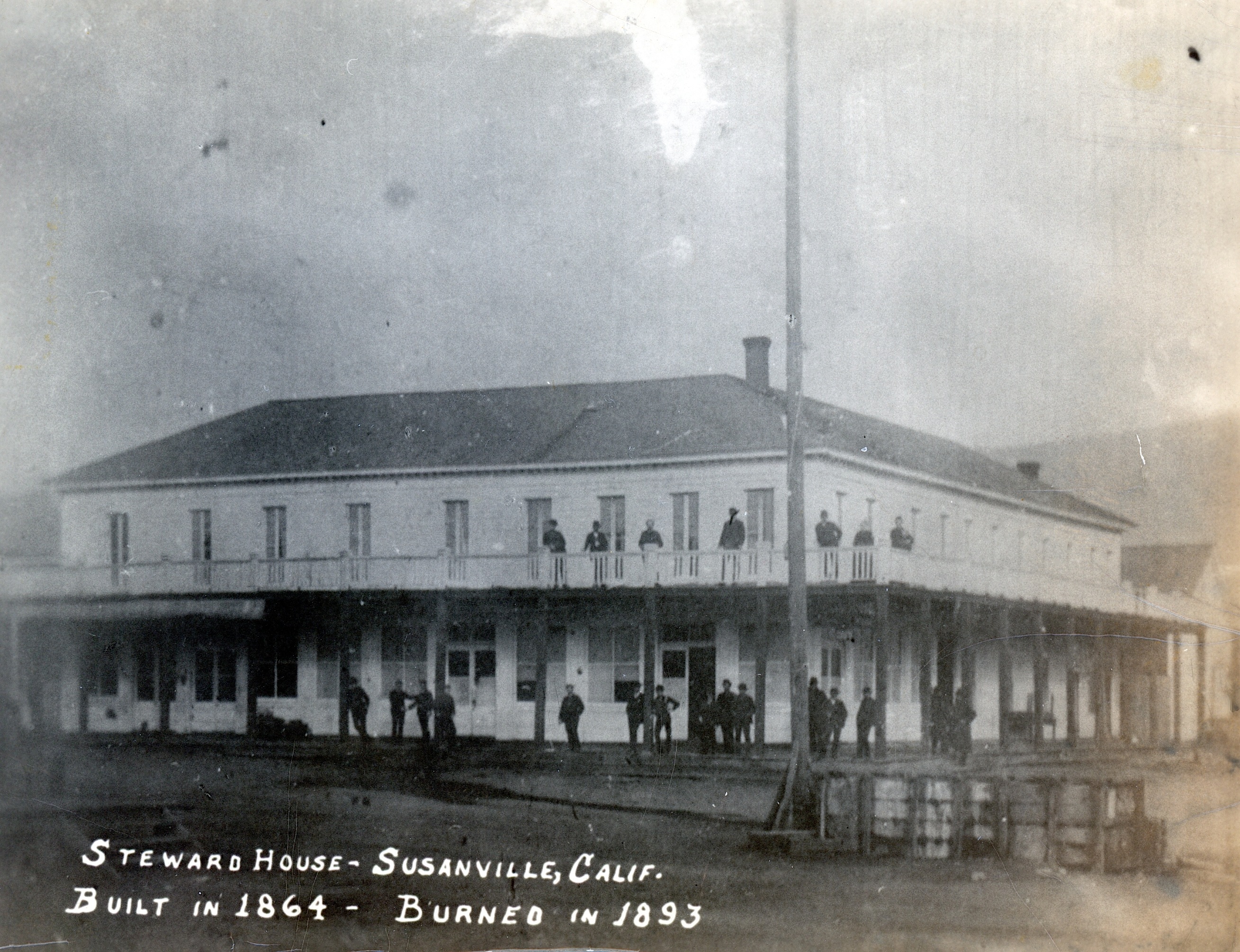
Steward House, date unknown

In the spring of 1864 work began on Susanville’s most elaborate structure to date, Jospeh and Lydia Steward’s two-story hotel on the northwest corner of Main and Gay Streets. It was advertised as, “This new and elegantly furnished hotel stands first in the State for comfort and accommodation for the traveling public, every room being well ventilated and neatly furnished. Even though Steward owned the hotel for less than a year, he sold to Miller & Kingsley for $7,256, the name never change with subsequent ownership.

On Tuesday night, July 18, 1893, a fire broke out in the rear of the Steward House and within minutes the entire building was engulfed in flames. Within a half hour, with erratic winds fanned the fire and the whole block were ablaze. The fire jumped Main Street and now the south side of the business district was on fire. In the end, it worst fire in Susanville’s history, the town’s entire business district was destroyed.

Support this site and subscribe today!

Exploring Lassen County's Past