Chester Causeway

Chester Causeway
Chester Causeway

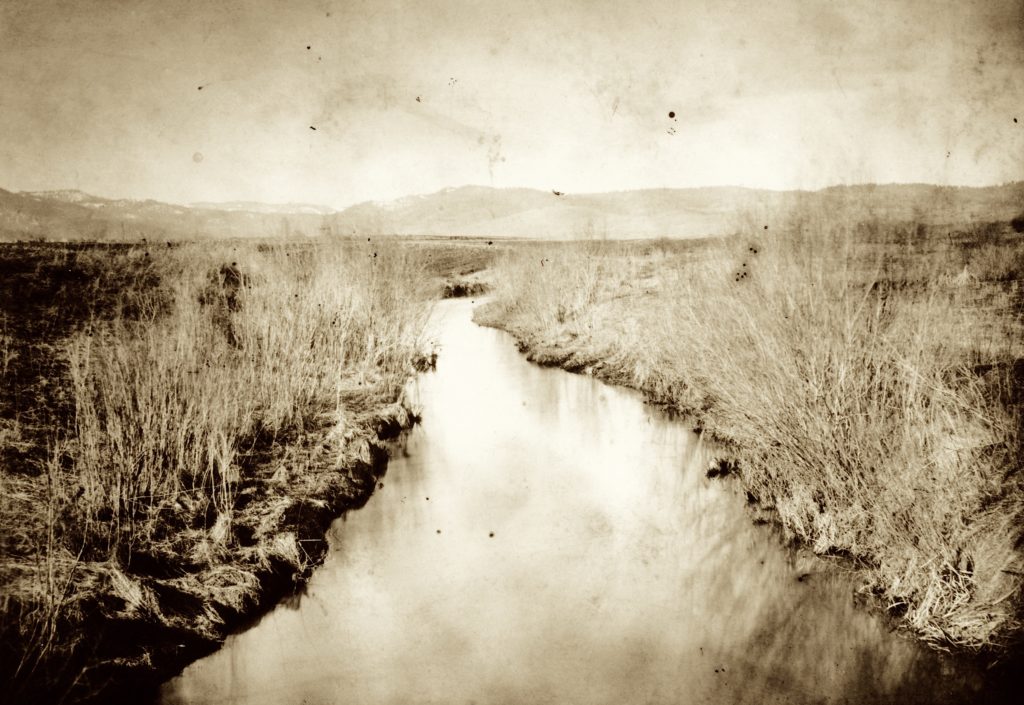
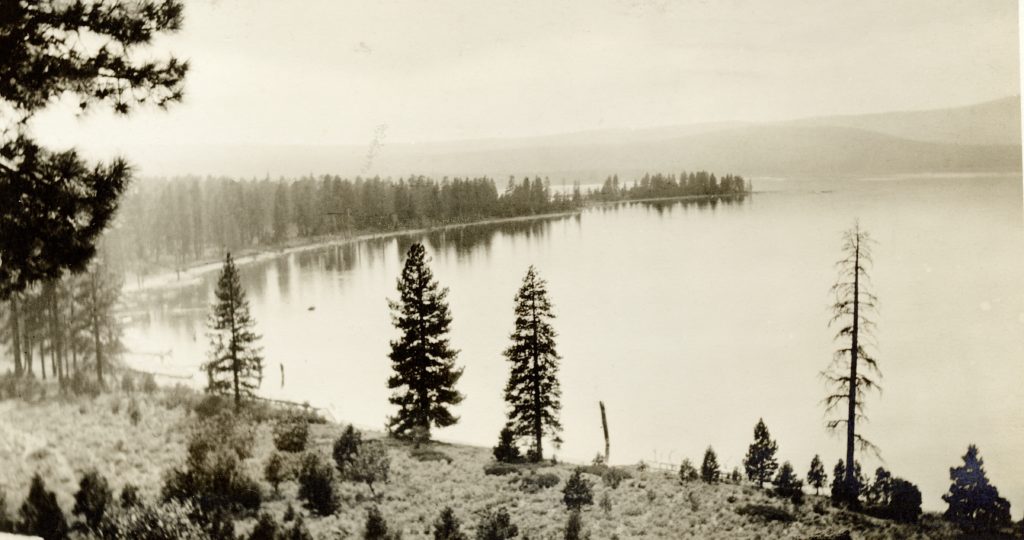
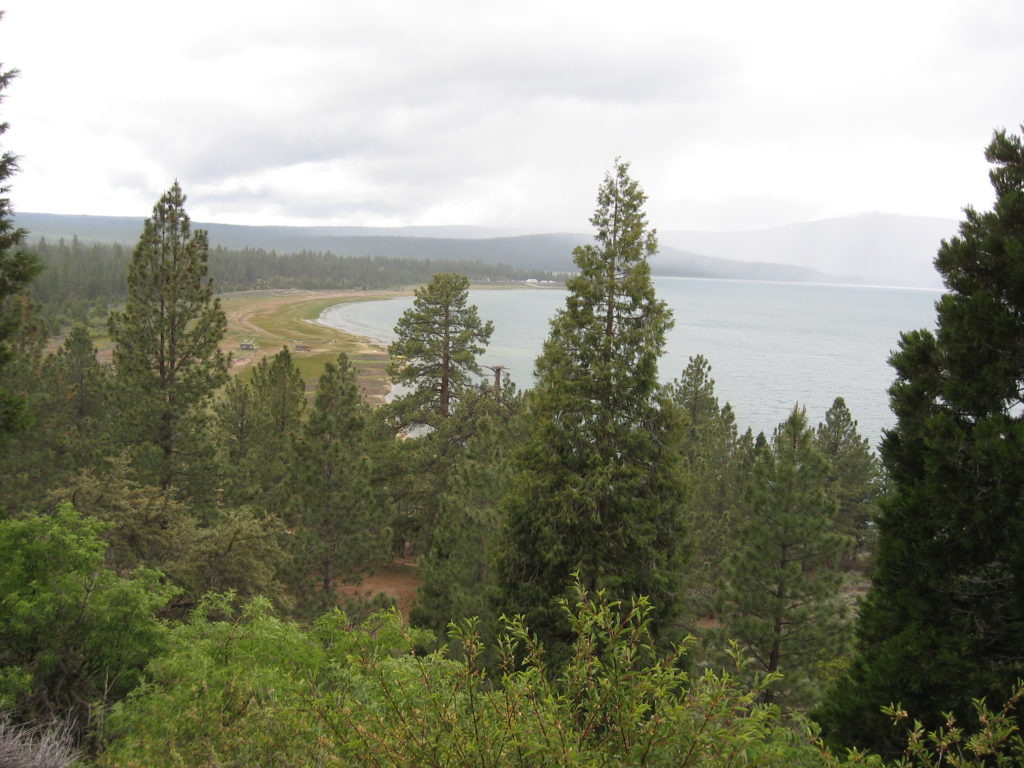
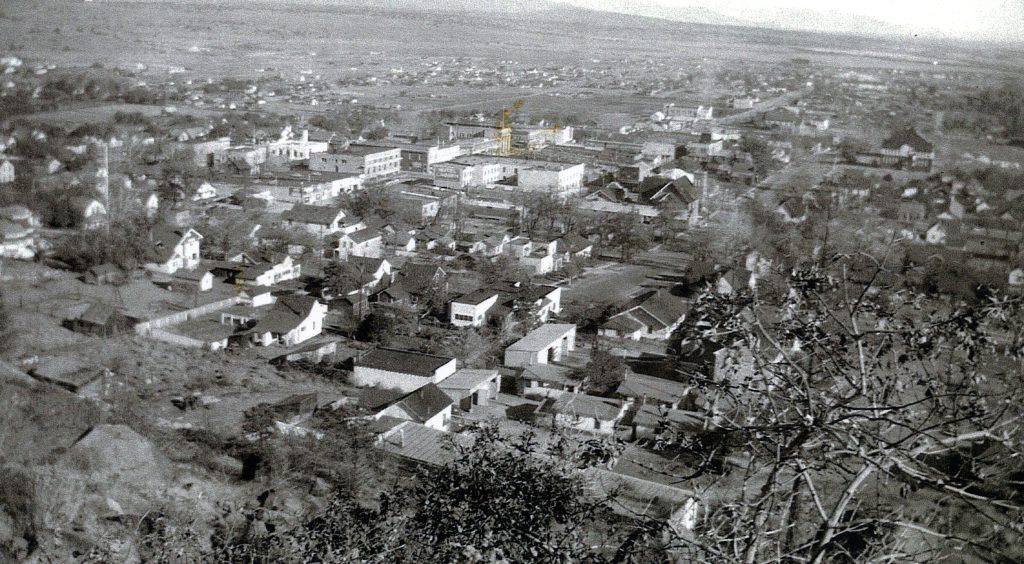
In 1925, Great Western Power Company announced its plans to enlarge Lake Almanor. The raising of the dam would flood a large portion of Chester Flats, thus flooding a number of roads, and also Red River Lumber Company logging railroad network. Controversy arose when Great Western informed the Plumas County Board of Supervisors that the road across Chester Flats would be re-routed to follow the high water contour. The residents of Chester and Westwood were furious, for such a proposal would add an additional seven miles between the two communities. They wanted a causeway in which the current route would remain the same. Great Western balked at the idea. After all, a causeway would cost Great Western $220,00, while to re-route the road would only cost $50,000. To make a long story short the opponents bypassed the Plumas County Board of Supervisors and had the State Highway Department intervene. In 1926, an agreement was made between the State and Great Western that a causeway would be constructed.


Lassen Lawnmowers

Fruit Growers Sheep

The old English proverb necessity is the mother invention was widely adopted locally. For years Fruit Growers searched for an effective way to reduce grass around its millsite for fire protection. In 1937, someone came up with the brilliant idea to bring in a band sheep to graze the mill property. Problem solved and they called the new addition to their workforce “Lassen Lawnmowers.”

Support this site and Subscribe today!

A Rare Giant Felled

Ernest Cluck and Gene Goni standing at the base of the tree. Lassen County Times Nov. 8, 1978

On the front page of the Lassen County Times of November 8, 1978, there was a bit of irony one of the falling a large sugar pine tree, which running next to it a story of the Westwood Cemetery dispute involving logging.

On November 6, 1978 Ernest Cluck felled the 432 foot sugar pine tree that contained 16,000 plus board feet. It was part of timber sale that Beaty & Associates sold to Sierra Pacific of Susanville, though article failed to mention where the tree was located.

Support!

Westwood Cemetery Dispute

The dark grey, County, light is Beaty property.

This was one of the biggest stories of 1978.  It was not only an emotional issue, but a political one, too. It all began, in May, when Beaty & Associates made their intentions known that they would be logging adjacent to the cemetery, but harvesting trees in the cemetery. A group known as the Concerned Citizens of Westwood requested intervention from the Lassen County Board of Supervisors to prevent the logging in the cemetery for they feared it would be transformed into a “valley of stumps.” The County was hesitant to interfere, as they did not have the authority, as the county did not hold title to the property. It was cited even with adverse possession with the burial rights, it did not cover timber or mineral rights. Beaty later rescinded its plan to log the cemetery. Several years later, some large pine trees were removed as a safety issue. One of those trees, had a bronze marker attached to it, to memorialize the 1929 death of Fletcher “Cub” Walker Jr. who died in a airplane crash near the cemetery.

Support!

When will it open?

The park’s “Sno-go.”
The road through Lassen Park is still not open all the way through. Snow removal there is always a daunting task. This year it has been compounded not only by the heavy snowfall, but buried beneath the snow are fallen trees and rocks in the road. The last time the park road opened in July was in 2011 on the 16. And for a little bit of trivia, while the road is part of Highway 89, it is known inside the park as US 1.

Support!

Doyle & Crowder Mill

Doyle & Crowder Mill. Courtesy of Marie Herring Gould

First of all, I disclose that I do not know a lot about this sawmill, but I am working on it. The mill built around 1903, was located in what was referred to as Cannon field near the top of Doyle Grade.  It had one major customer, the Western Pacific Railroad to provide them with railroad ties while the railroad was being constructed through the region.  In 1918, due to the scarcity of machinery brought on by World War I, the Lassen Lumber & Box Company of Susanville purchased and dismantled it to build their new mill in Susanville.  In the 1950s, some people going through the old sawdust pile found several gold coins.

Support!

4th of July

4th of July 1915 celebration at Westwood. Courtesy of the Nevada Historical Society.

A happy fourth of July to all. Remember to use common sense over the holiday week and if you must use fireworks please use carefully. This is not a time for injuries, or setting off a fire.

Support!

Roop County, Nevada

Roop Siding
Roop Siding on the Fernely & Lassen Railroad just north of Pyramid Lake, April 1966. Courtesy of Gil Morrill

After nearly 100 years after Lassen County was created in 1864, some historians thought it really should have been named Roop County. However, that would have been problematic, since across the stateline in Nevada was Roop County. Nevada officials were critical of the Roop name, J. Wells Kelly, who compiled the First Directory of Nevada Territory  questioned the choice of the name and stated that it should have been named Lassen County. Kelly wrote: “Every dictate of gratitude and propriety, suggested the name of Peter Lassen—the noble old pioneer who, the first to enter, finally lost his life in exploring these wild regions—as that which should have been bestowed upon the county.” The after effects of the Sagebrush War reduced Roop County to a long narrow strip of land from Pyramid Lake to the Oregon border. Since it was a sparsely settled territory, with no town, the Nevada Legislature, on February 18, 1864, attached it to Washoe County for judicial and revenue purposes. On January 16, 1883, it was officially abolished and made a part of Washoe County

Spalding vs. Spaulding

John S. Spalding’s second homestead at Eagle Lake, circa 1919. Courtesy of Wyn Wachhorst

From time to time, people ask why Spaulding Tract is not spelled as Spalding after the John Spalding family who was the initial developer of the subdivision on Eagle Lake’s west side. It is more of a technical issue involving property title. In essence, there are two Spalding subdivisions. The 1914 subdivision was smaller in scale and never had any financial success, as only one was lot sold. A decade later, the current Spaulding Tract that we know, overlaps sections of the original one, thus the “u” was inserted into the Spalding name to distinguish the two.

Support!


Exploring Lassen County's Past