A Postcard Story

Courtesy of D.B. Martin

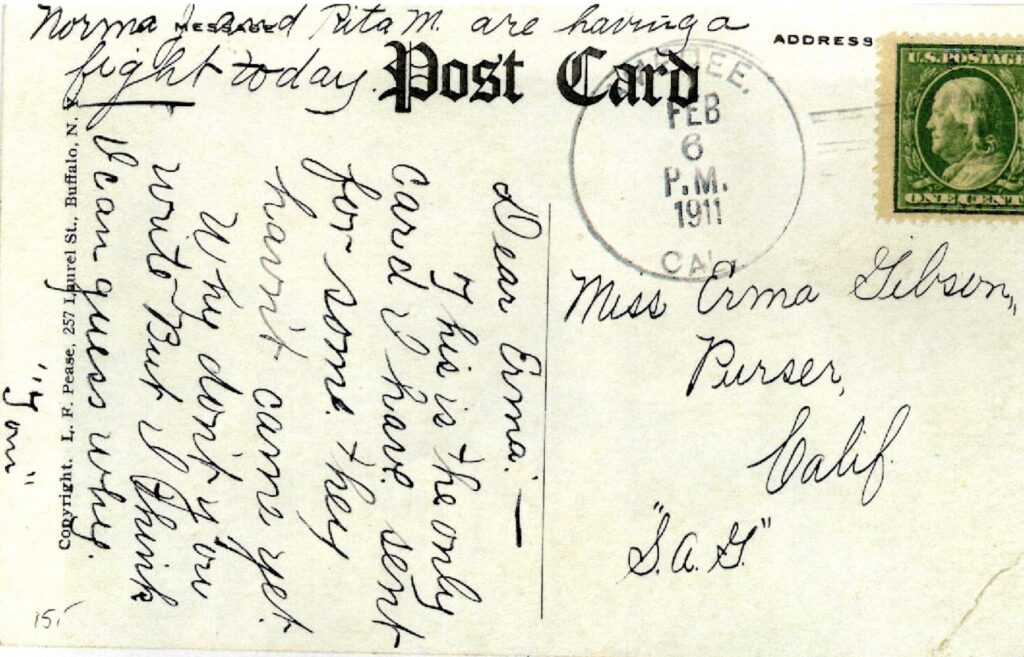
In December 2025 a friend of mine attended a stamp collection gathering. He attended in hopes that post card dealers were there. There were a few. He sent me a copy of this postcard, he purchased as it had the Amedee postmark cancel.

While 99.9% could care less about this postcard, for me it was intriguing. There are some that knew Erma Gibson, but not by her maiden name.* She married Clent Haley and they operated the Gibson/Haley ranch near Litchfield for many years. Their daughter, Clara Beth Green taught at Lassen High School. Clent’s brother, Bill, married Verna Tanner, my mother’s first cousin.
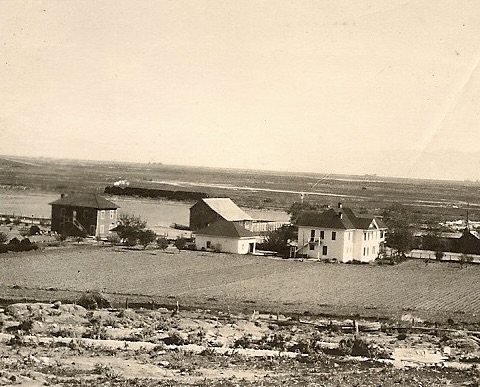
The Gibson/Haley Ranch, near Litchfield—John Gibson

The author of the postcard was Tom Ogilivie who was the Lassen County Surveyor for many years. His notation of Norma J. and R.Martin I can explain. Norma Jeanne James, was Tom’s step-daughter and Rita Martin were classmates at Amedee.  It should be noted that Norma’s mother, Gail H.V. James, was the first Purser postmaster, that would later became known as Wendel.

Tim

*Erma’s mother was Clara Litch and her grandfather was Andrew Litch, for whom town of Litchfield is named for.
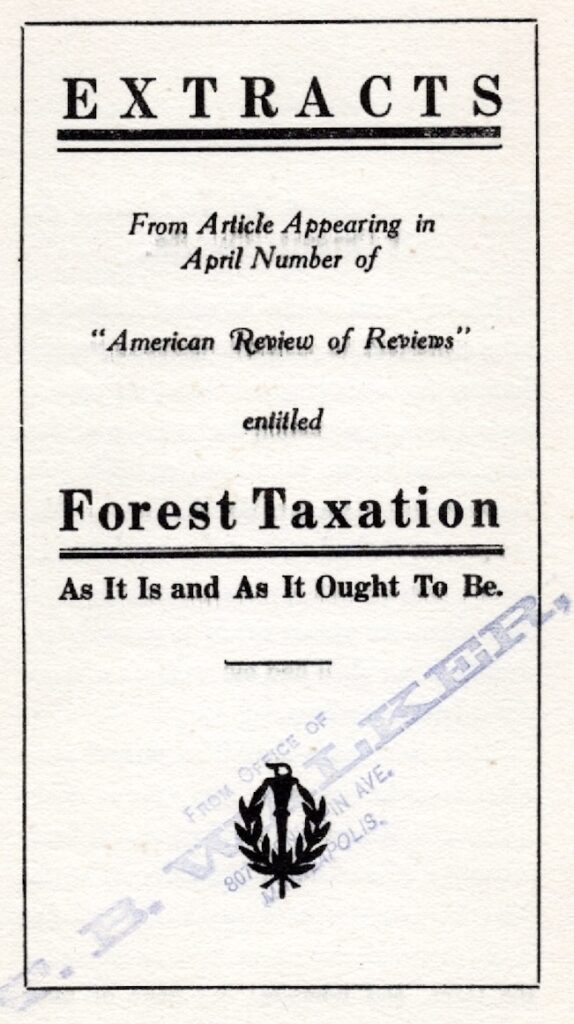
 

The Timber Tax Debate

A 1909 brochure about the debate

In letter dated on April 13, 1909, to the Lassen County Board of Supervisors stated from the Red River Lumber Company stated::

“The few remarks contained in the printed leaflet which I enclose herewith will show to a degree the effect of high taxation on timber conservation, or rather what the results will be if the present methods of taxation are continued. A new and serious consideration now confronts us and all causes which and to destroy the forest should be dispensed with, is possible. Any plan that will tend to conserve the lumber supply should be adopted and enforced.

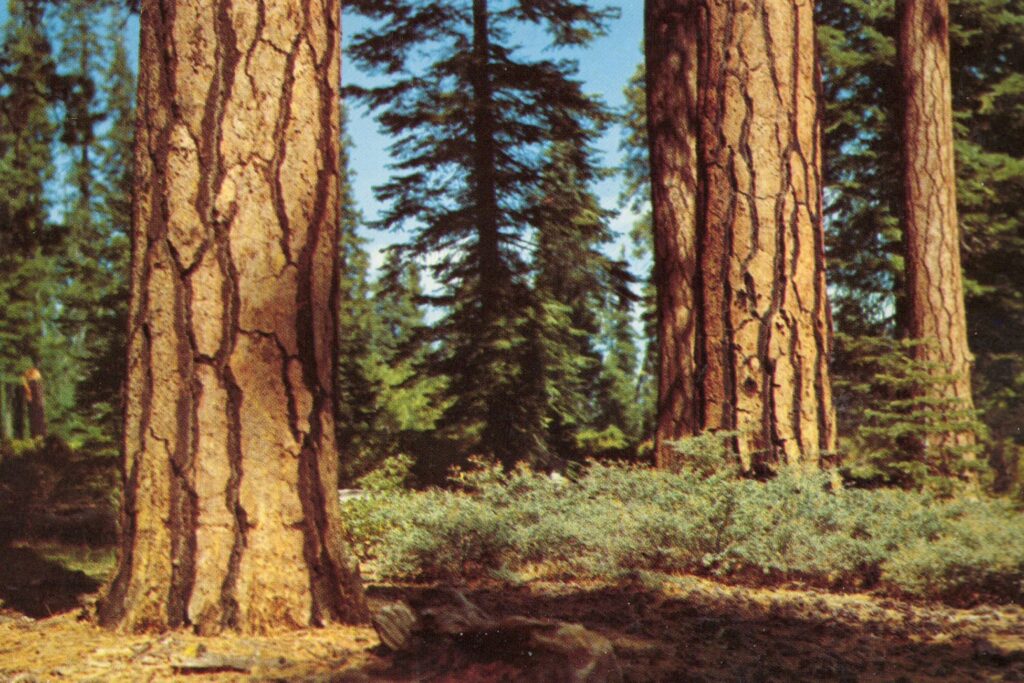
A stand of ponderosa pine.

“Lower taxation and other holding expenses will not necessarily increase the profits of the manufacturer, except as the additional amount of lumber  can market from the same land by cutting the timber when the market is right to justify its economical cutting. The gain to the manufacturer in this respect is also a gain to the consumer. The consumer would some day understand this and be thankful for it. The fulfillment of any plan which conserves the timber is what is needed and the final results will most assuredly inure principally to the benefit of the consumer.”

Very truly yours, E.G. Scammon

A Honey Lake Seiche

Ready to launch near Milford, 1905. Courtesy of Marge C. Foster

While daily email malfunction problems unfolded. I learned something new and not about technical computing. I had came across an article a seiche that occurred on Lake Erie. It is an interesting phenomenon where the wind action is great enough to force high waves and expose the lake bottom.

This occurred on Honey Lake as well. It was documented in the the Lassen Weekly Mail of April 9, 1915,  “ A party from Honey Island consisting of Henry Baughman, W.F Snare, and Alex Norwood were in Susanville yesterday. They made the passage from the Island to the mainland in a rowboat and report a very stormy passage. The waves were so high that the bottom of the lake was often exposed and the boat left stranded on the bottom. The party had to wait each time until the wave came back and floated the boat.”

Tim


The Dry Farming Experiment

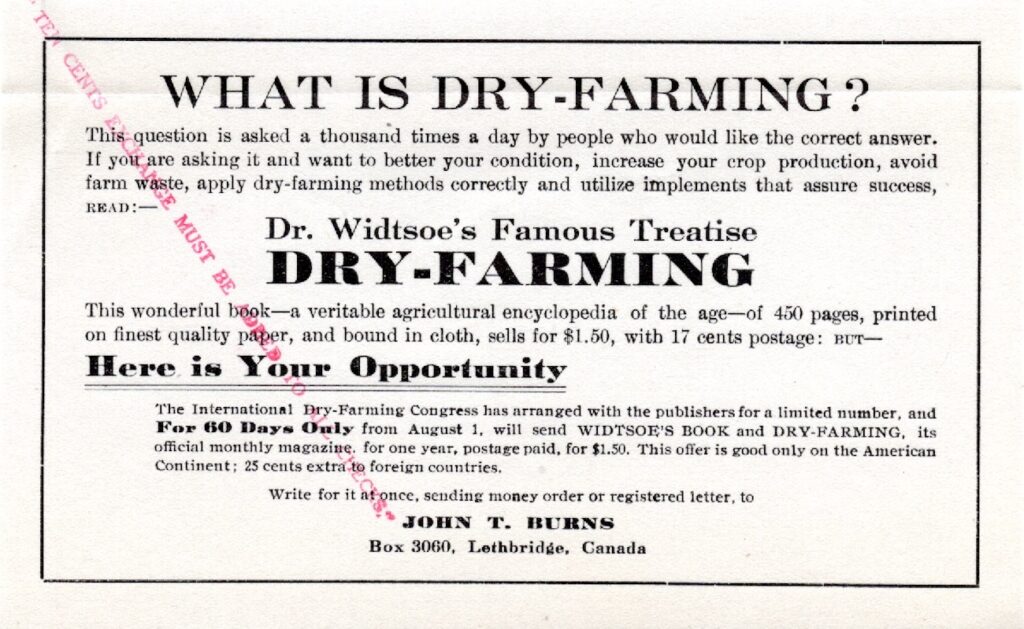
A dry-farming handout, 1912

Dry farming had its origins in the Great Plains since many locales receive from eight to eighteen inches of precipitation annually. The movement grew and spread to the Aird regions of the American West. For land promoters Northeastern California provided a lucrative market for exploitation. Eastern Lassen County with abundant public land available to homesteaders, and proposed irrigation project was an ideal setting.

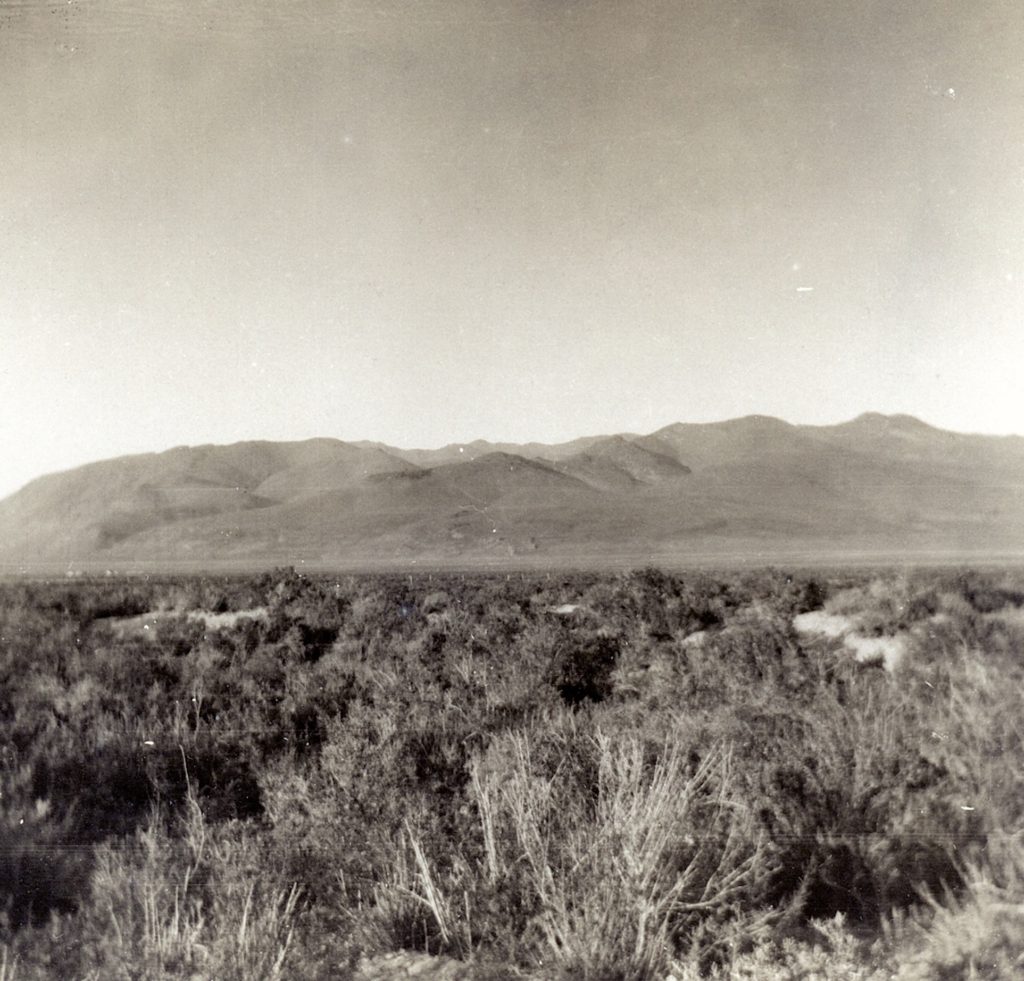
Skedaddle Mountain from Stacy, 1911—C.R. Caudle

By 1910, the region had exploded with desert homesteaders. An interesting segment of those were Scandinavians. The lure for them that one  could actually own land was irrisitable   Upon arrival there was a rude awakening to see vast sagebrush lands. Going back to the homeland was not an option. At least these hardy homesteaders had a benevolent Mother Nature on their side with way above normal precipitation. Things can quickly change and this was no exception. Two things happen in 1917, was the beginning of a severe drought, but a far greater impact was World War I.  By the mid-1920s, eastern Lassen County had been depopulated.

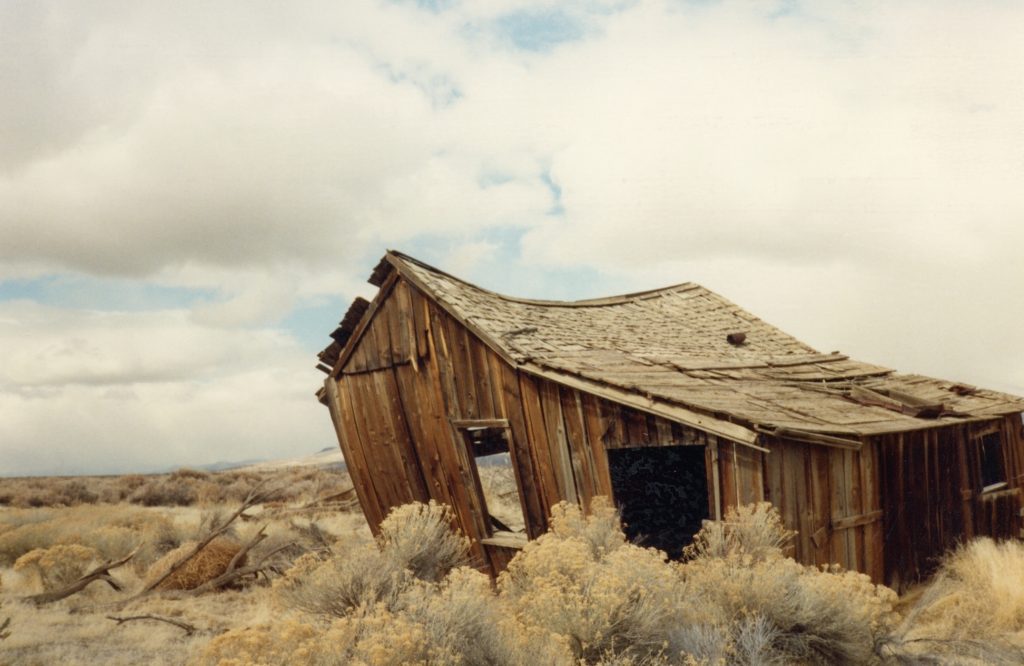
Abandoned homestead near Stacy, eastern Honey Lake Valley, 1987

As late of the mid-1980s numerous deserted homestead cabins were still standing, but that is no longer the case today.

Never miss a story, click here to subscribe.

A Tribute to Congressman Raker

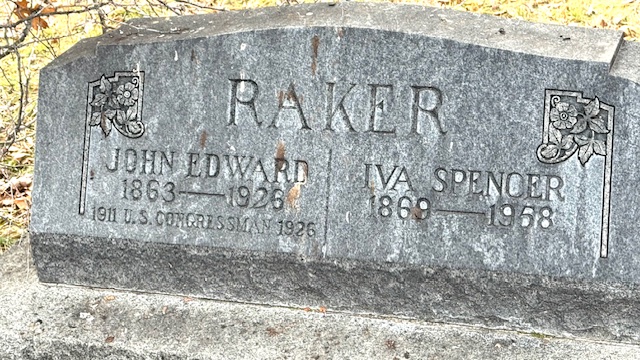
Grave of Congressman Raker, Susanville Cemetery, January 31, 2026-Courtesy of Jim Chapman

A week ago, we explored the 100th anniversary of Congressman John Raker’s funeral held in Susanville. Newspapers across California published memorial tributes. Below this what was the San Francisco Call had to say:

John Raker, Good Bye: In John Raker’s first campaign for election to Congress he stated this creed:

‘My work will to be labor for enactment of laws that will keep this great government  for its 95,000,000 people, and not favored a few-the interests and traits. The people should be permitted to have a full voice in this government of theirs. I stand for progressive legislation, but state and national to that end.’

“No man cay that John Raker did not literally obey the creed of his. He kept his word and was reelected again and again on the basis of his deeds at Washington. .

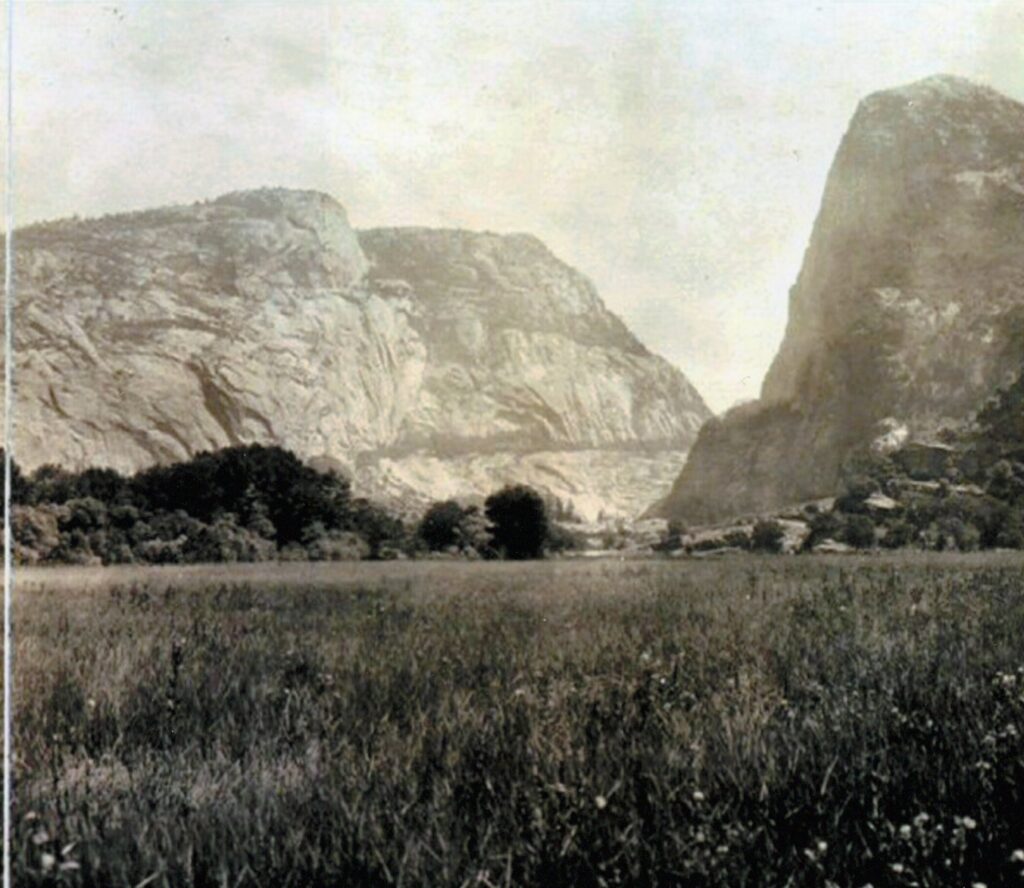
Hetch Hetchy Valley, 1911

“Hetch Hetchy is in great measure a monument to him, for which he was the man who introduced the measure that embodied the great Hetch Hetchy is being constructed. Into the Act the wrote provisions to insure Hetch Hechy to the people forever.”

Tim


The NCO Highline Unloaders

Amedee, 1906-Courtesy of Marie Gould

This is a difficult post, because I am ignorant on the topic. Sometimes for me, I need visuals, but even in this instance I am at a loss. There are some railroad people that subscribe, so may be they will come forward with information on the comment section.

Amedee, 1910 Courtesy of Marie Gould

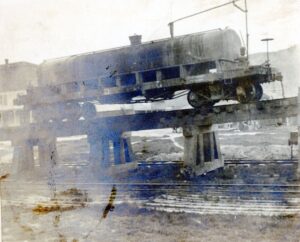
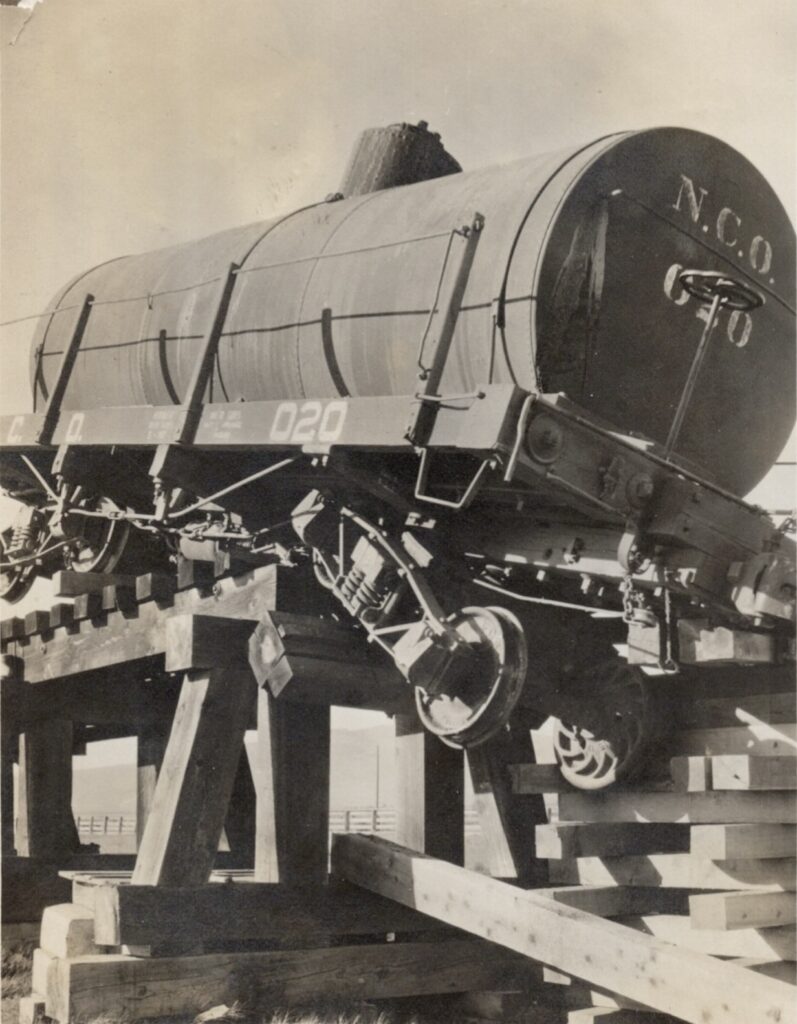
The topic at hand, specifically the NCO railroad were highline gravity unloaders. I understand the concept, but the mechanics involved I am clueless. For instance what was the motor power to position these cars? Tom Armstrong noted there was one uploader at Madeline, two at Wendel, we have photographic evidence of one at Amedee.

Tim


A Tribute To . . .

Roosevelt Pool
Remnants of Roosevelt Pool, February 21, 2015

It was on this date in 2015 that I launched this site. The daily postings were not inaugurated until April, since I was still learning the “how to” of the doing tasks. Early on I had a lot of naysayers, and still do, about this endeavor, so here is to perseverance.. Today, I am grateful  for those individuals after all these years who have supported this site. While we never know what the future holds, it is my intention to carry on to until February 2030.

Tim

Susanville Creamery Company

The creamery building and later Model Laundry, at 435 N. Roop Street, April 1938–Betty B. Deal

On March 5, 1903, Jules Alexander, John Borrette, Isaac Knoch, Sol Nathan and John Spalding formed the Susanville Creamery Company.  It should be noted that these individuals were prominent Susanville merchants. By the end of the month, the newly formed company hired Herman Enhorning and Charles Odette to construct a creamery at the end of Roop Street, near Piute Creek for $1,925. By July the new creamery was in operation, W.T. Mitchell was at helm, he had previously managed to the Diamond Mountain Creamery.. There were problems. There were too many creameries in the area-the others being located at Johnstonville, Spoonville and Standish. Equally important, there was not enough dairy cattle and labor to support all four. In 1911, the Susanville Creamery shut down. It would later re-open and by 1916 it was permanently closed. Continue reading Susanville Creamery Company

The County Hospital Stewards

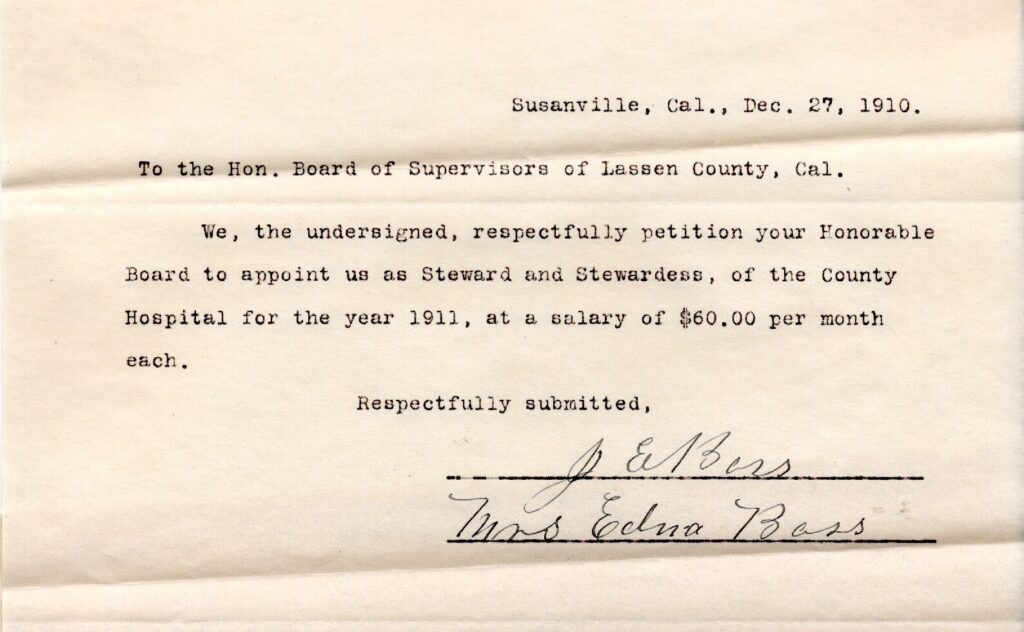
J.E. & Edna Bass application for the job, 1910

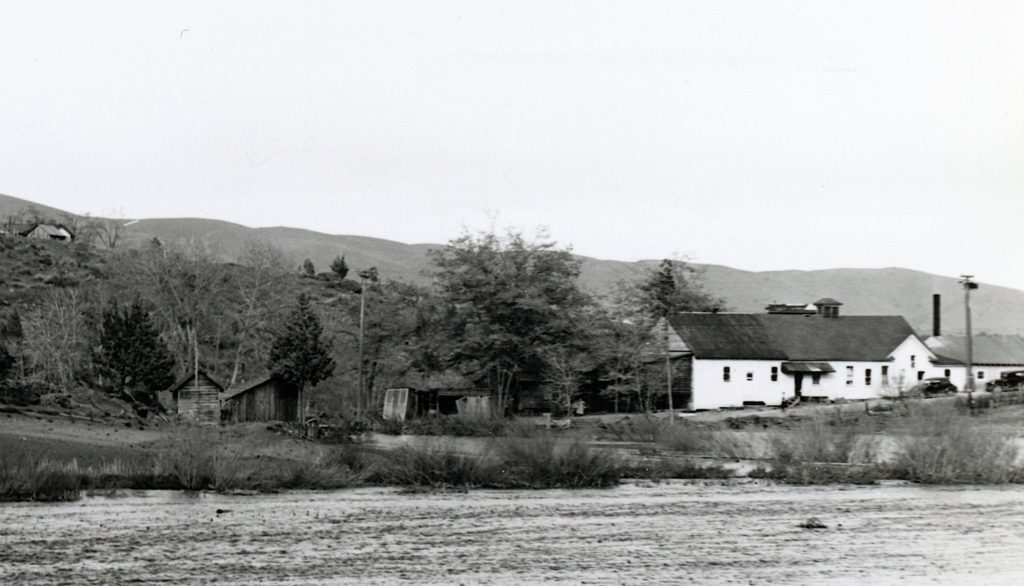
Health care has come a long since 1900. In 1884, Lassen County built a county hospital along Susan River, near the Susanville Cemetery. The board of supervisors were the de facto operators. The supervisors appointed a county physician whose duties included the management of the hospital. The supervisors hired the hospital staff, which consisted of a married couple whose title was Steward and Stewardess. Their duties were to take care of patients and maintain the facility. The above 1910 application of J.E. and Edna Bass for the county hospital position was typical. If one thinks about their bid $6o month each, that works out to $2.00 per day.

The original Lassen County Hospital also served as the poor house and old folks home, 1911. Courtesy of Alphozene Terril

It should be noted that the Lassen County hospital served as a quasi old folks home and often referred then as the poor house for those of indigent means. 

Subscribe

Exploring Lassen County's Past