The Westwood Auditorium

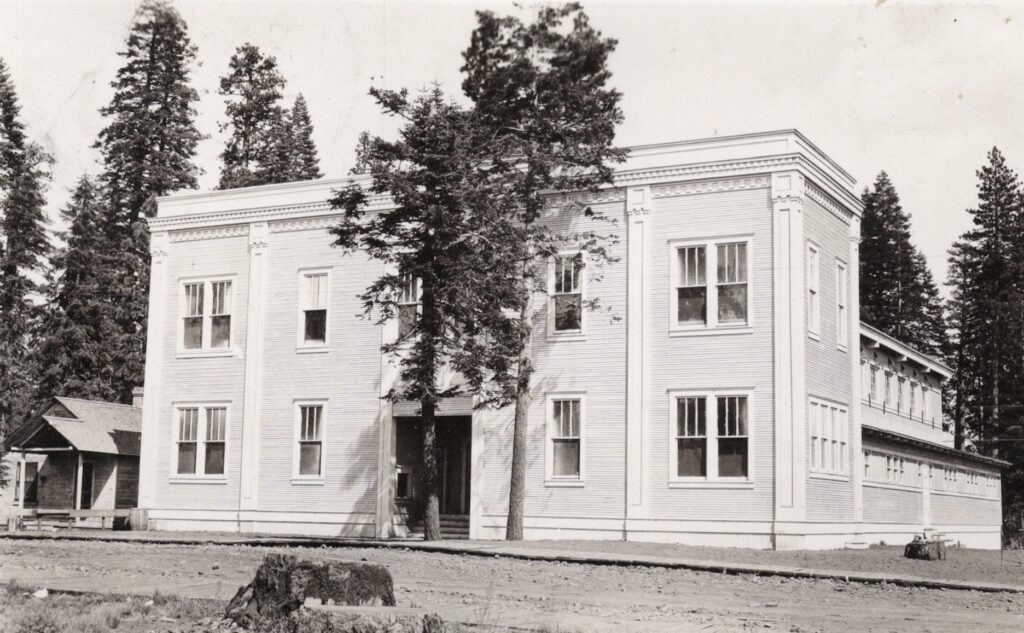
Westwood Auditorium, 1920

One  of Red River Lumber Company’s  early public buildings in Westwood was the auditorium located at northeast corner of Birch and Fourth Streets. It was in December 1917 when Red River unveiled the plans for a multi-purpose building. This much needed facility would house a fully equipped gymnasium, lodge rooms to accommodate its growing fraternal organizations, Billiard rooms and other spaces devoted for readings and meetings. The goal was have it completed by the spring of 1918, but Red River noted it could be delayed for a number of reasons due to the impacts created to meet the needs associated with World War I.

The Auditorium was put on hold, much to dismay of the residents. In January 1920, Garfield Oates, Red River’s resident engineer, announced that the plans for the Auditorium were being modified and construction would begin shortly. On May 29, 1920, the highly anticipated opening of the $30,000 Auditorium was held–by far the most expensive public building built in Westwood to date.

On the first floor was its most notable feature being a large dance floor measuring 48 by 96 feet. In the Auditorium’s later years the dance floor was converted into roller staking rink. By the early 1970s, the building was its showing its age. In 1973 the Lassen County Assessor deemed to building of no value. By the late 1970s the building was demolished. Many Westwood residents could not remember a year, but it has been gone by 1980, when the shuttered nearby Westwood Theater re-opened as the Red River Pub.

Support
 

Lassen Electric Company

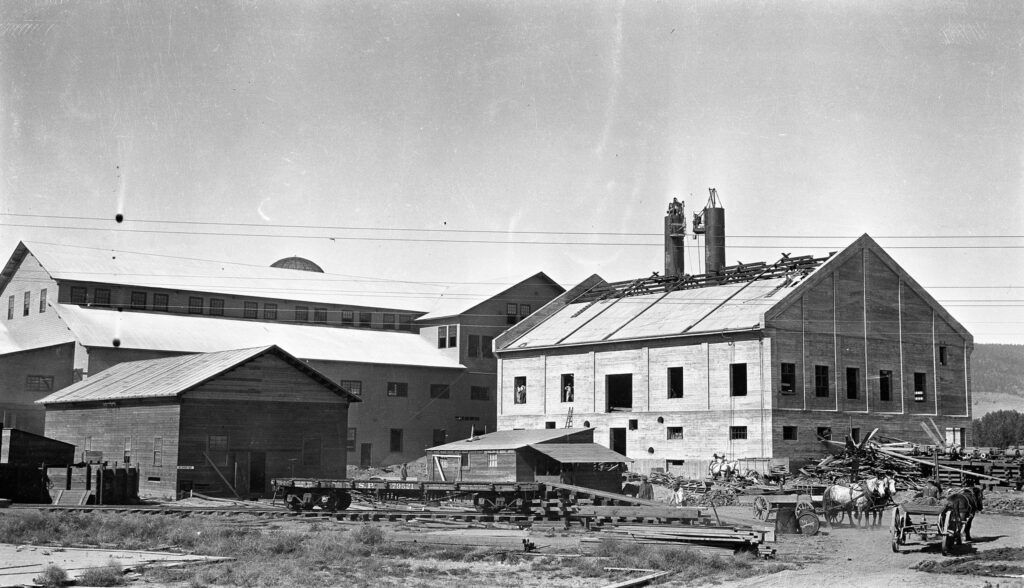
Fruit Growers Powerhouse under construction, 1920 – Courtesy of Ed Standard

In 1910, a partnership was formed between Abel Bunnell, L.R. Cady and J.E. Pardee known as the Lassen Electric Company. It should be noted, in 1901, electrical service were offered to Susanville residents. The anticipated growth with the imminent arrival of the railroad meant a larger more reliable electric plant was needed. A solution was found at Bunnell Springs, six miles west of Susanville The springs could provide sufficient hydro power. A plant was constructed at Bunnell Ranch and placed into operation on June 11, 1910. It had a capacity of 150 kilowatts, twice the capacity of the old system. In 1920, the Lassen Electric was sold to the Red River Lumber Company. This was done to meet the demands of the fast growing community. Red River, after all, had its own  extra power to supply Susanville. In the summer of 1920, Red River spent $100,000 to build the transmission lines from Westwood to Susanville. In 1924, Lassen Electric reached an agreement for Fruit Growers and Lassen Lumber Box to provide for back up power.

Tim.

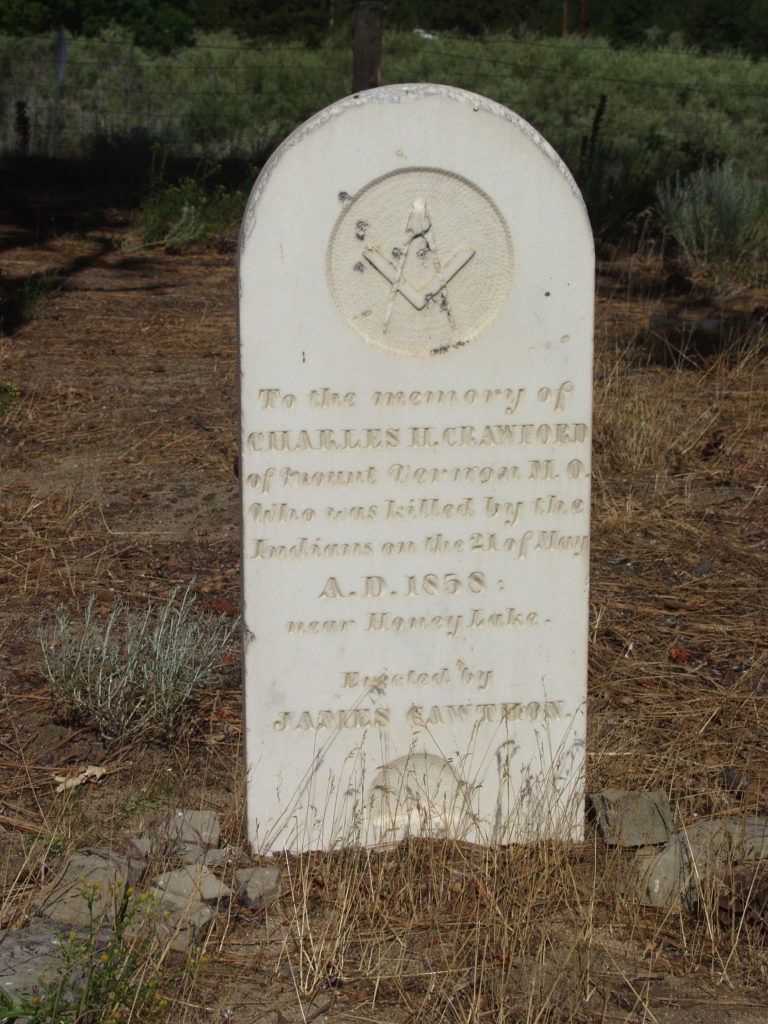
Charles Crawford – Lake Cemetery’s First Internment

The grave of Charles Crawford, July 1, 2020—Larry Plaster

During the spring of 1858 relations between the Maidu and Washo tribes and the Anglo settlers were tense due to the Indians driving away the Anglo’s livestock. In May 1858, the Indians drove a yoke of oxen from Manly Thompson, near Janesville and for whom Thompson Peak is named for. The oxen were driven over the mountain. A posse of nine men formed to search for the animals. Eight traveled on foot, while Charles Crawford, a very heavy set man, rode a mule. Once over the mountain near Last Chance, they encountered an Indian camp, but there were no signs they had anything to do with oxen. Later they encountered another group of Indians, who fled, and a pursuit ensued. Crawford had a encounter with one, who shot him with a arrow, that deeply penetrated his chest to the extent, it nearly went through his body. In the end, the other men made a make shift of stretcher to carry Crawford back over the mountain to Janesville. It was an ordeal for them due to his weight. There was little that could be done to aid in his recovery and he died three days later on May 21, 1858, and his grave became the nucleus of the Lake Cemetery.

Forthcoming is the story of the murder of Harry Gordier, the next internment what would become known as Lake Cemetery,  that later in the  same year, but there is no marker for his grave. Gordier’s lasting legacy is that of  his hidden gold cache that still fascinates treasure hunters to this day.

Subscribe


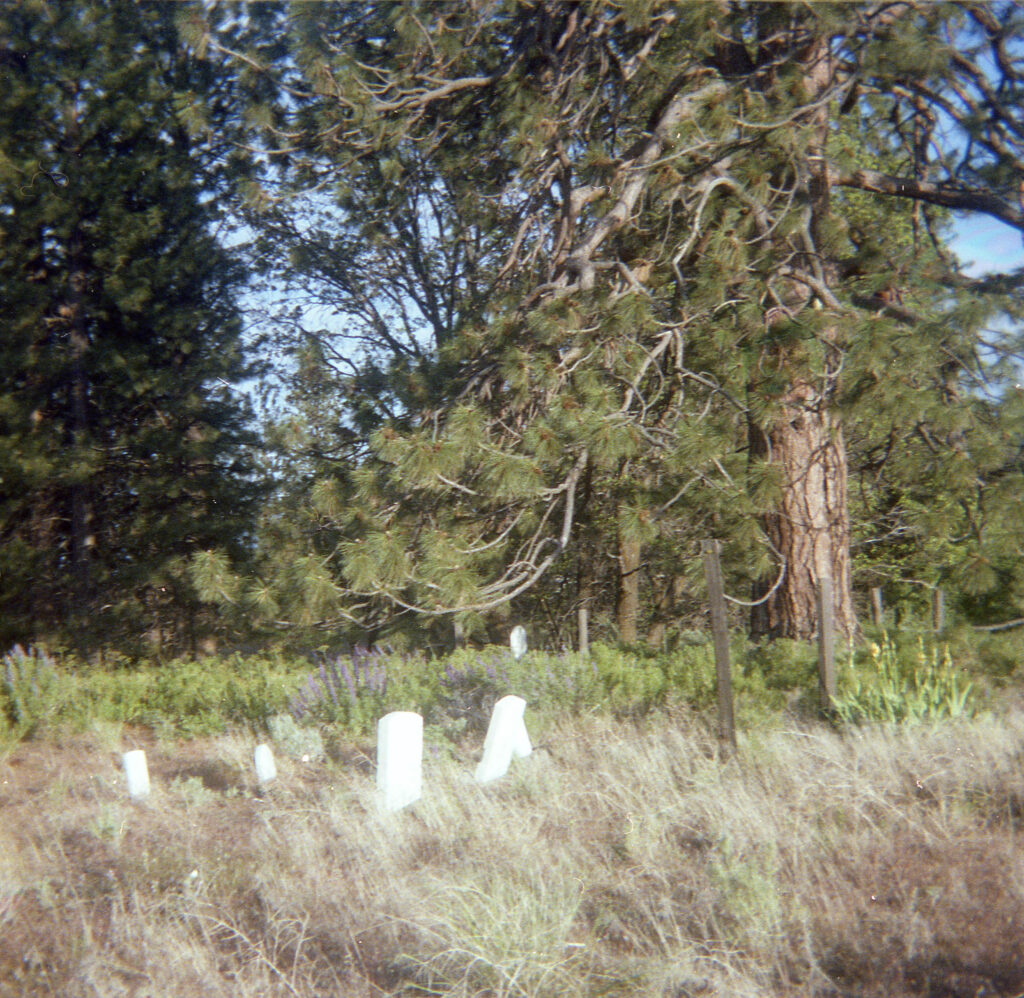
Lake Cemetery Revisited

Lake Cemetery, 1978

As it is Memorial Day, I thought I would share this photograph of the Lake Cemetery a couple miles south of Janesville. It is the oldest cemetery in Lassen County dating back to 1858. In 1916, Asa Fairfield, Lassen County historian, requested that the county fence the cemetery. The Lassen County Board of Supervisors approved Fairfield’s request, and the cemetery was fenced. It should be noted, that it was not a public cemetery per se, and it was located on private property.

Fast forward to 2021, the cemetery was a victim of the Dixie Fire. From my understanding, as I have not been there since the fire, the majestic pine tree and the fence were destroyed. Hence this photograph with the tree.

Tim

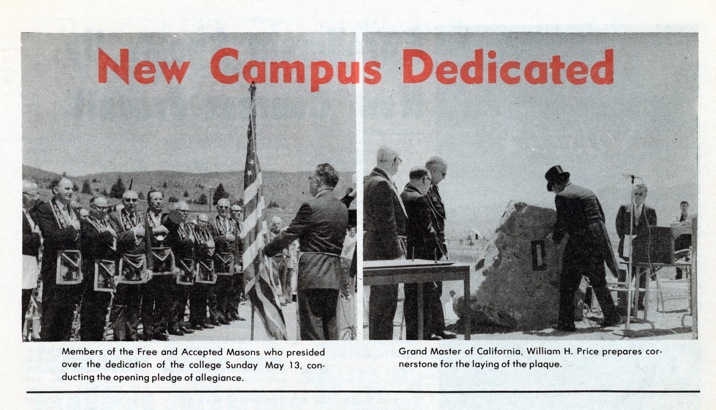
Lassen College Campus Dedication

Courtesy of Jim Chapman

May 13, 1973 was a historic day for Lassen Community College.  A formal dedication ceremony was held for the new campus. At 12:30, it began with the Grand Lodge Officers of the California Free and Accepted Masons with the cornerstone laying ceremony. A time capsule was included to mark the event for posterity. It was then followed by a barbecue. At three p.m. the formal dedication program began at the Sports Center with College President Robert Theiler, as the initial speaker. Theiler was followed by an assortment of dignitaries giving their blessings for the monumental occasion.

Support

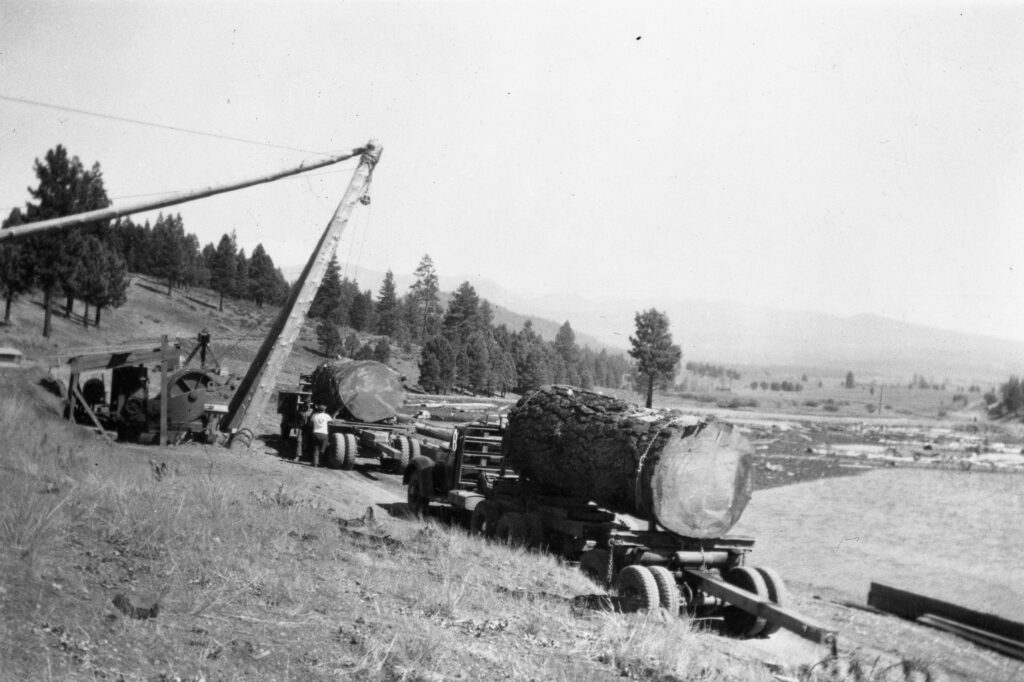
An Old Time Logging Photograph

Purdy Brothers Logging, 1949

Since it is Saturday of the Memorial Day weekend, I am busy making the rounds of the local cemeteries. Today’s photograph is an  interesting scene depicting one log loads was taken in 1949. It was part of the Purdy Brothers Logging operations.  In 1977, while working with my Dad, at that time,  L&M Logging, there was a rare opportunity to harvest a massive sugar pine near Swains Hole. While it was ordeal to put that log on the trailer bunk, that was only half the battle. It turned out, while Dad drove the logging truck to the mill, it was so over weight, that along the way he experienced four blown out tires. Upon arriving at Coin Lumber they were not amused that the size of the log, since over the years the sawmill machinery had been modified for smaller logs.

Tim

Later today, is a subscriber exclusive who  will receive an anecdote story involving Philip Hall, the Lassen Museum and today’s photograph.

It’s Graduation Season

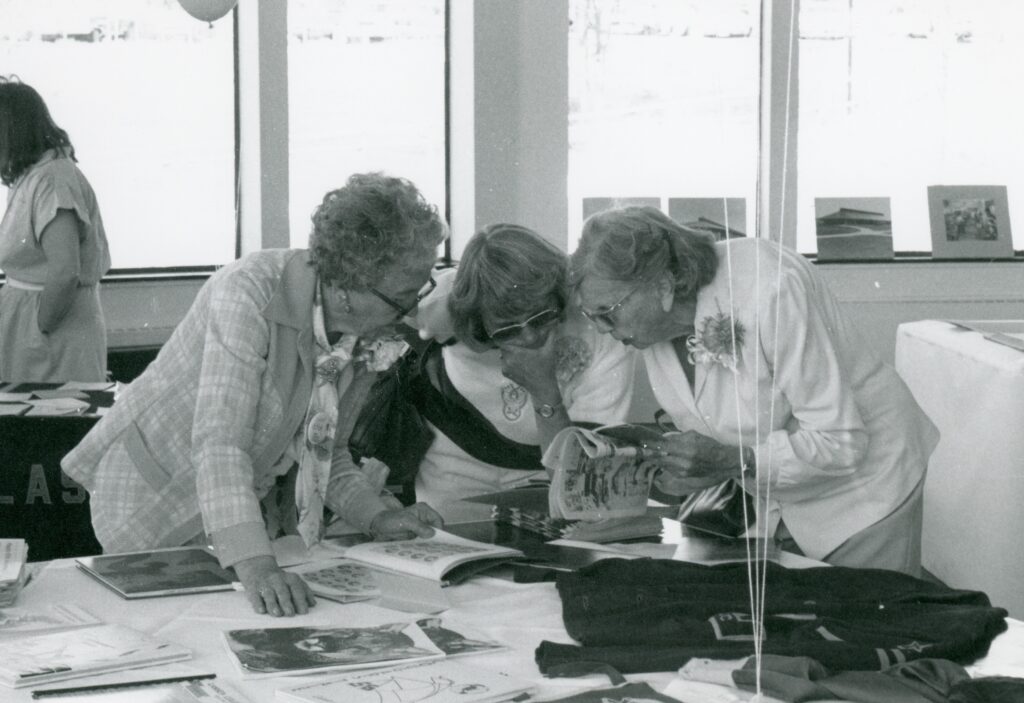
Lef to Right: Olive Murrer, Sally Finefrock and Hilda Bennett at the Lassen College 70th anniversary.. Thank you Linda Kennedy

While Lassen College has been celebrating its centennial this month, this evening will mark its 98th commencent. The college’s centennial gradation and its commencement will occur in 2027. Of note, my Aunt Olive Farwell Murrer was a member of the College Class of 1927. Her sister, Hilda Farwell Bennett a member of the College Class of 1928.

On a personal note, I served on the Lassen College Board Trustees for ten years. Graduation was a special and joyful occasion. As trustee its a wonderful moment, not just to the student’s hard work paying off, but as trustee with the hard work behind scenes made its extremely worthwhile.

Tim

Honey Lake Paiute & More

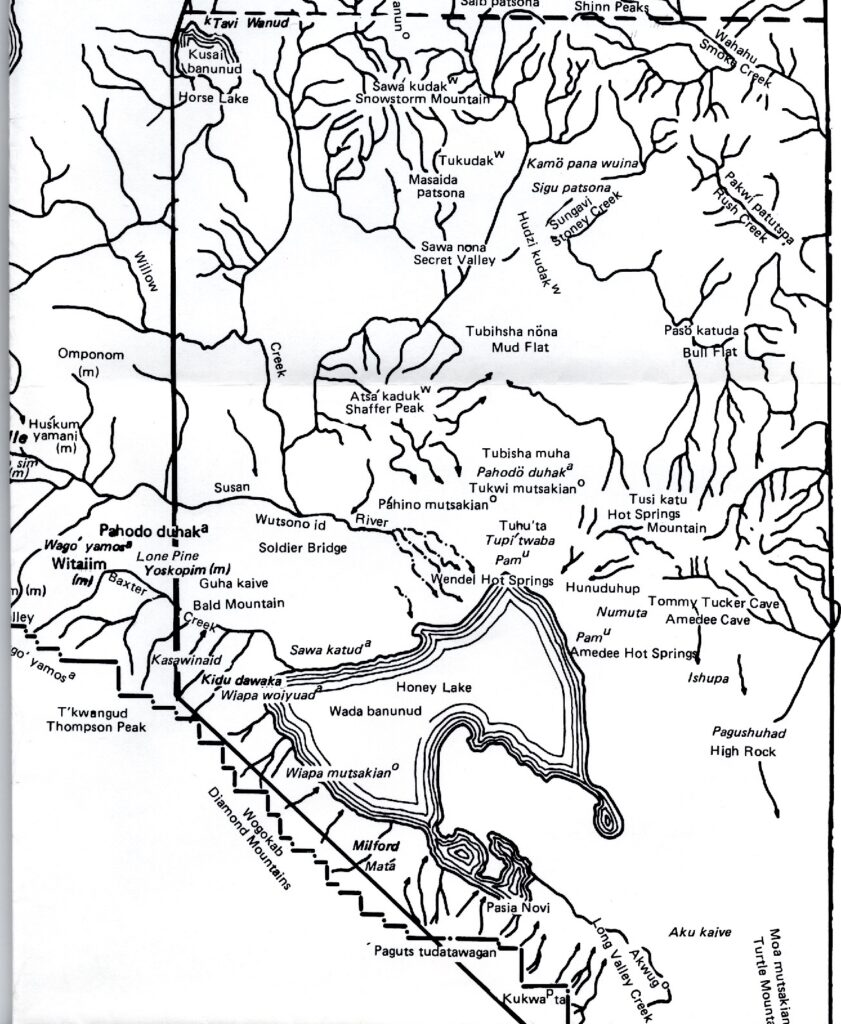
Map of the Honey Lake Paiute territory-Riddell

In 1960, the Nevada State Museum published Francis Riddell’s “Honey Lake Paiute Ethnography” as Anthropological Papers No.  4.  It was widely popular and was soon out of print.

In 1977, the Nevada State Museum Board of Trustees contacted Riddell about a reprint. Riddell agreed, but wanted to revise his original work with a chapter on the general prehistory of the region. Also, Riddell suggested that the volume be expanded to include another paper “Ethnographic Notes on the Honey Lake Maidu” by Williams S. Evans, Jr.  The trustees agreed. The Honey Lake Maidu ethnographic notes were enhanced by notes, photographs and genealogies collected by Riddell and incorporated in this book. As Donald Tuohy, the editor wrote: “The melding of scholarship and talent has led to the production of this excellent volume.” 

I could not agree more. It is your A-Z guide. It will require a bit sleuthing to locate an out or print copy, and it will not be cheap either. By the way, it was published as the Nevada State Museum Occasional Papers No. 3.

Tim

A Geology Lesson

Susan River, February 1972

The average resident may not be aware of Susanville’s unique geographical settings. The Susan River is the natural dividing line of the Sierra Nevada and Cascade. It should be noted, that there is a slop over of Sierra and Cascade. This was confirmed by U.S.G.S. as Gallatin Peak, near the south east shore of Eagle Lake, is of granite composition, a typical Sierra trait.

The same is true of Cascade, the Modoc Plateau. and Great Basin. Secret Valley is a prime example as it is intermingled with characteristics of those three geological regions. Of course, lest we forget the Skedaddle Mountains are located on the western edge of the Great Basin  For those that reside here we are fortunate enough to experience this unique and diverse topography.

Tim


Exploring Lassen County's Past