On October 27, 2018, I attended the memorial service for Stanley Dawson Arnold, something a bit out of character for me. Dawson was born at the Riverside Hospital in Susanville—however with the City of Susanville’s current linear thinking, this institution could not have existed. More about this later—a tale that Dawson would relish. Continue reading Remembering Dawson Arnold→
Not sure what to give that special someone, but want to keep the budget balanced too? Why not a gift membership to tipurdy.org. At five dollars a month it is a bargain. You can decided whether for a month, quarter or even splurge for a year.
The recipient not only receives a daily email notification of the latest topic, but is entitled to hard to find papers on the Eagle Lake Ice Caves, too. On top of that they can partake in members’ tours varying from a summer solstice observance at an ancient solar observatory to a light hearted Halloween Tour. Even if that person on your list is not local, they still receive materials associated with the tours.
Information on subscriptions is found right here. Have a question drop me a line at tim@tipurdy.org.
Hardin “Finn” Barry was a well known Susanville attorney who had a practice there from 1921 until his passing in 1969. In 1935, Finn represented Mrs. Emma Elam, a Maidu, in Plumas County, who was charged with murdering her husband with an ax. According to news reports, Barry won an acquittal for Mrs. Elam and at the end of the trial served an order on the sheriff demanding the return of the woman’s ax. In addition, Barry stipulated that the ax be sharpened because it had dulled while being held for evidence. The demand was so unusual that it made national news.
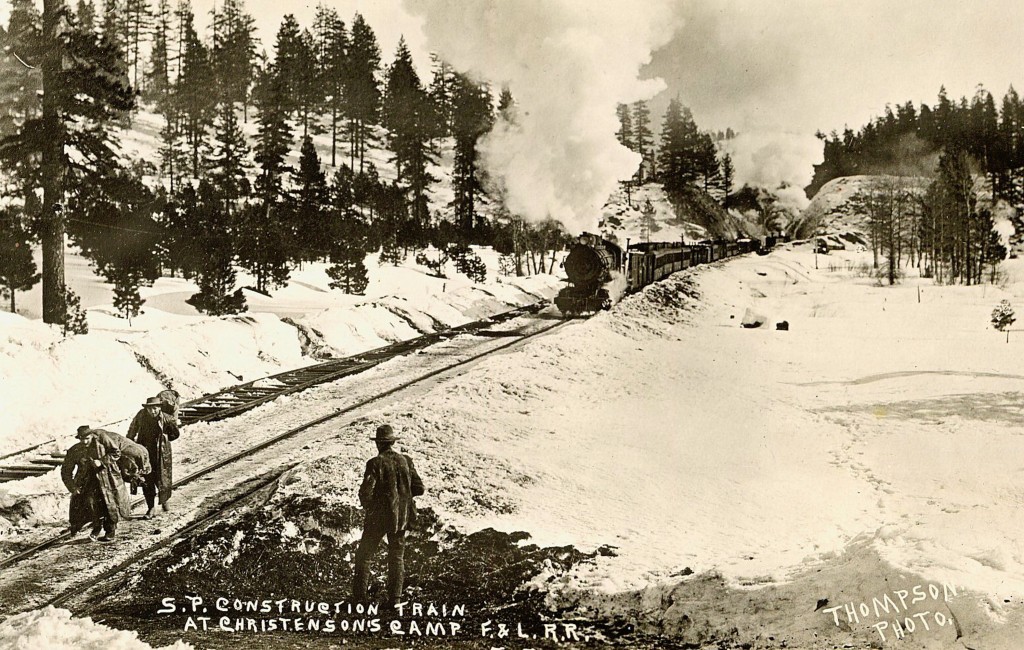
In February 1914, the Fernley & Lassen Railroad reached Westwood. This was welcomed news, since the newly founded community was cut-off from the rest of the world. The first rail shipment to Westwood was a carload of hay. Some today, may find that peculiar. However, the town heavily relied upon horses for most everything. While there were a handful automobiles there, with the heavy snows that winter, they were totally useless. On the other hand, for the railroad’s return trip, 12 million board feet of high grade lumber awaited it. After all, that was the main purpose for the railroad to be constructed in the first place.
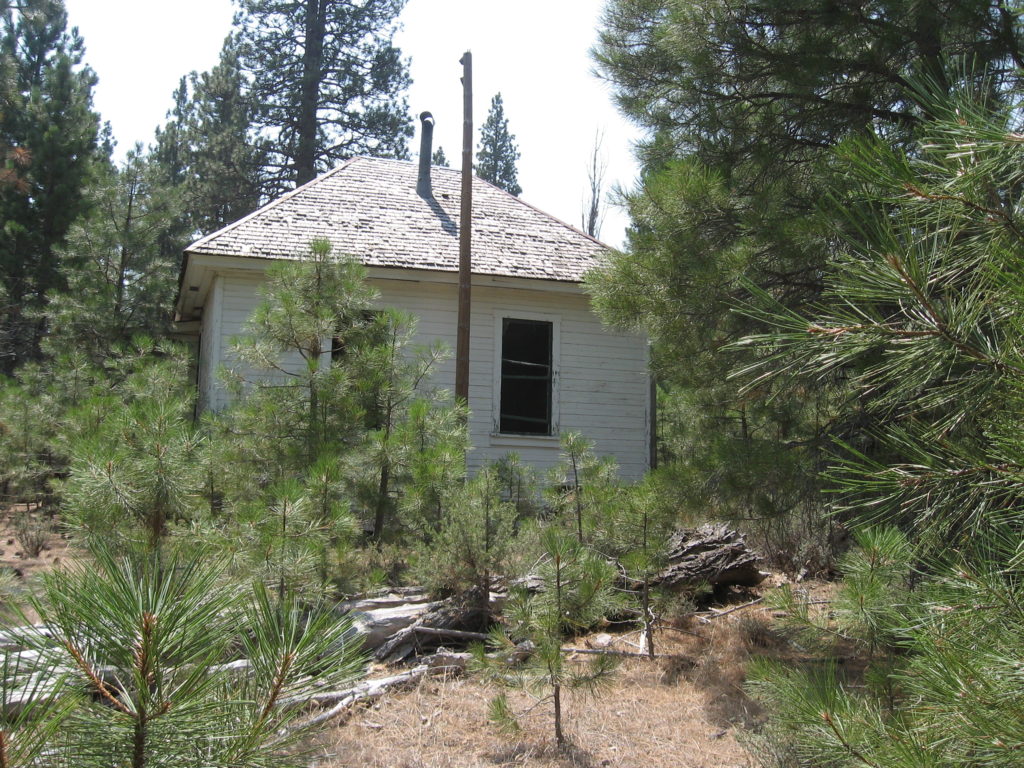
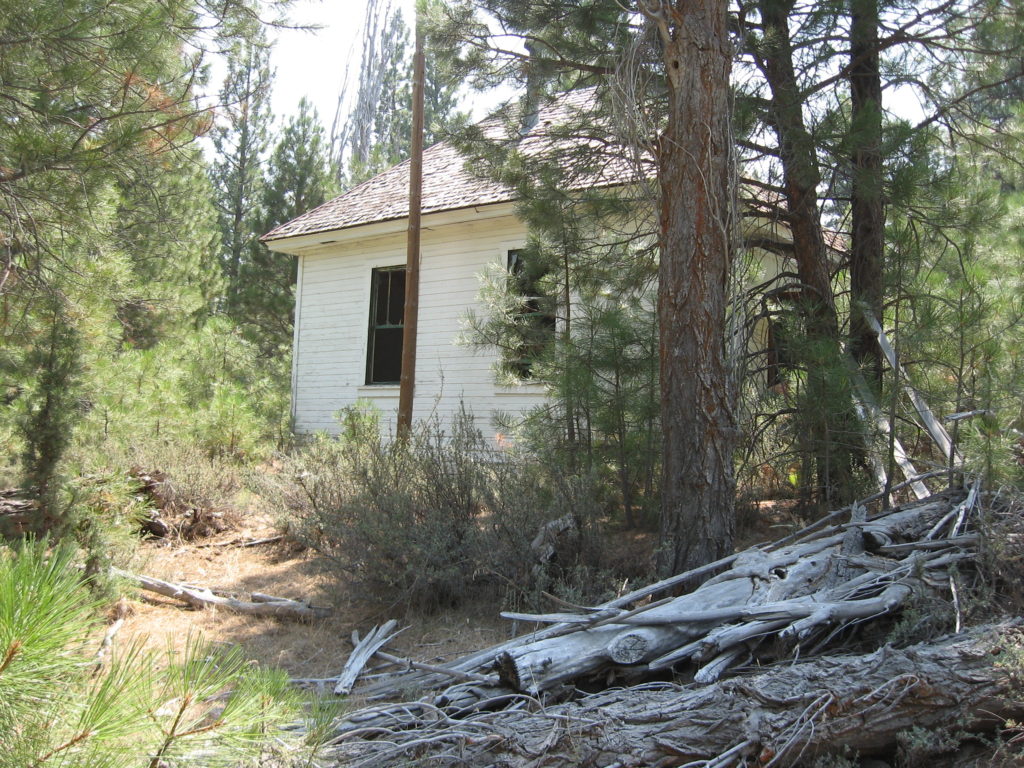
Built circa 1910, as the residence of Charles Hurlbut, whose family operated a nearby sawmill. In 1938, the California Division of Foresty purchased a two-acre parcel of the Hurlbut ranch in the timber just west of Willow Creek Valley. They established a fire station there and operated until the early 1960s. In 1971, the State donated the parcel to Lassen Community College.
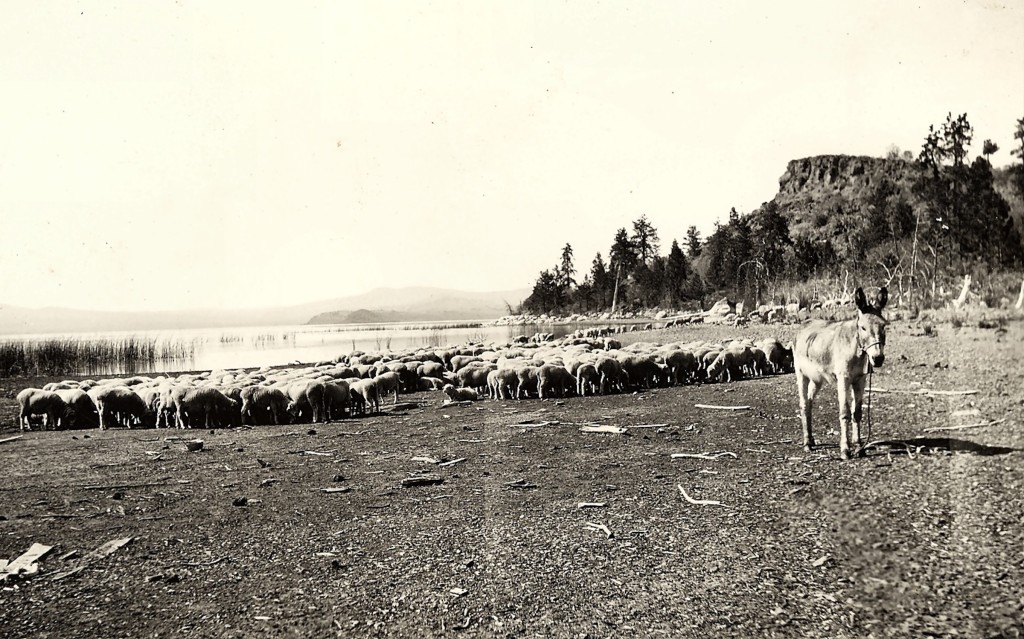
Back in August I wrote about the Laxaltfamily and that Dominique was a tramp/itinerant sheepman. In 1934, the Taylor Grazing Act eliminated that practice. The Act changed grazing practices on federal lands wherein no policy was in place. This basically pertained the sagebrush lands of the intermountain west. It should be noted that federal lands administered by the national forest service had implemented their own grazing policy. In 1946, the Government Land Office and the Taylor Grazing Service were merged to form the Bureau of Land Management.
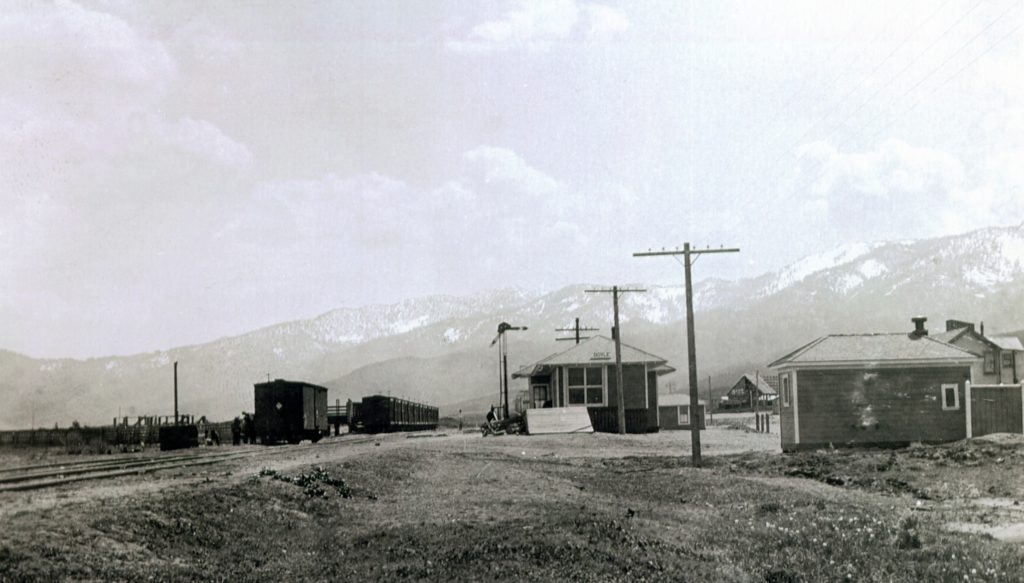
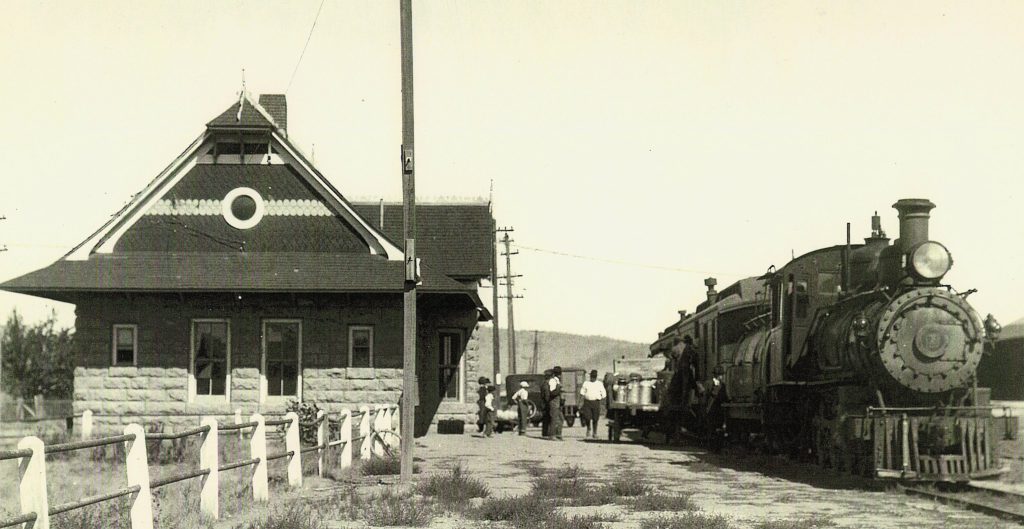
The Western Pacific Depot, Doyle, 1915. Courtesy of Suzanne Pratt
I recently request concerning the Western Pacific Railroad. “Do you have any photos or data about when Long Valley Creek roared and washed out the Western Pacific’s large culvert just north of Doyle during World War II? I remember when it happened, but not the year I remember the trestle built to keep the trains running, while the current structure was being built.” Can anyone help?
In a similar vein, does anyone have photographs of the tracks near Doyle when a portion of the railroad bed was washed away during the floods of January 2017?
In December 1908, the NCO Railroad finally made it all the way north to Alturas. One would think the residents would be thrilled, but with a major increase of frieght rates, it had a chilling effect. Then, when the NCO built its passenger depot on 12th Street, far from everything else in town, the residents complained. To appease the situation, the railroad carefully disassembled the stone depot, numbering each stone, and once dismantled the stones were reassembled at the new location on Fourth Street. The depot closed in 1938, and in 1962, the Alturas Garden Club took over the property and still maintains it.
That was the sideline article that appeared in the Lassen Mail of January 31, 1930. The main headline was the barbaric murder of Robert L. Smith, railroad gang foreman at Karlo. The Mail wrote: “In addition to establishing the record as the most brutal crime in the history of Lassen County, the murder at Karlo last Sunday morning also established a peak of honesty that will stand for some time.
”While Coroner Edenholm was handling the burned body at the scene of the crime, one of the track laborers came up to him and giving him $25, told him that he owed that amount to the dead man.”