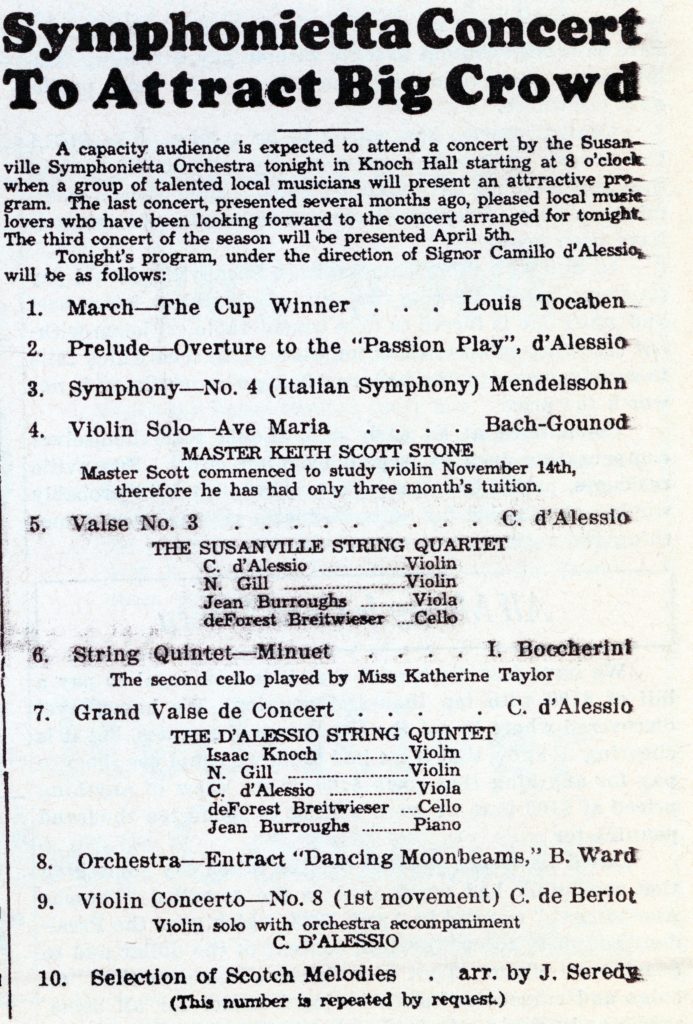
While today we are fortunate to have the Susanville Symphony, it should be noted that in the past there had been other venues. In the 1930s it was the Susanville Symphonietta Orchestra. During the 1960s and 1970s it was the Susanville Community Concert series. It just goes to show that there has always been a lot of talent in the community.
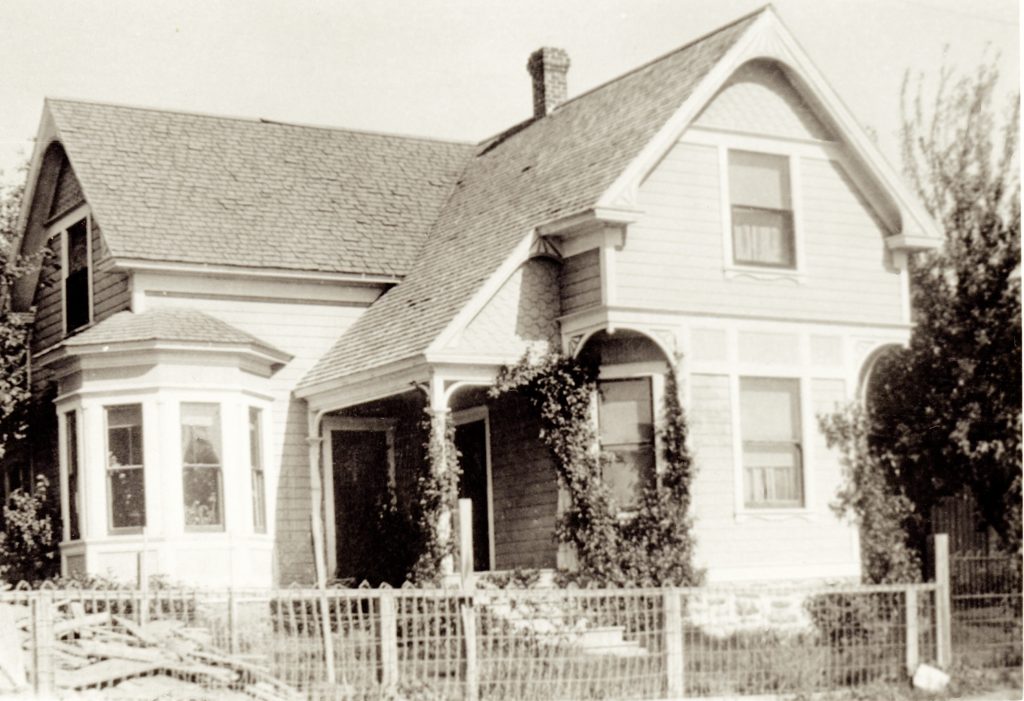
140 N. Roop Street, Susanville, circa 1911. Courtesy of Dick & Helen Harrison.
Constructed in 1906, it was the first house built on the west side of the 100 block of Roop Street. The home was built for Abel and Ella Bunnell. Two years later, his brother L.W. Bunnell had the house built kitty-corner from them. The home was passed down to Abel’s daughter and son-in-law, Georgia and Bert Jensen. At about noon, on Saturday, June 21, 1928, the Jensen’s nearly lost their house to fire. Bert, and his two sons, Jud and Abe, were away working at the family ranch, a few miles east of town. Fortunately, neighbors and onlookers began hauling out the furniture while waiting for the fire department to arrive. It was estimated the fire caused $5,000 worth of damage. The Jensen’s continued to make it their home for several decades. It has since been converted into three apartments.
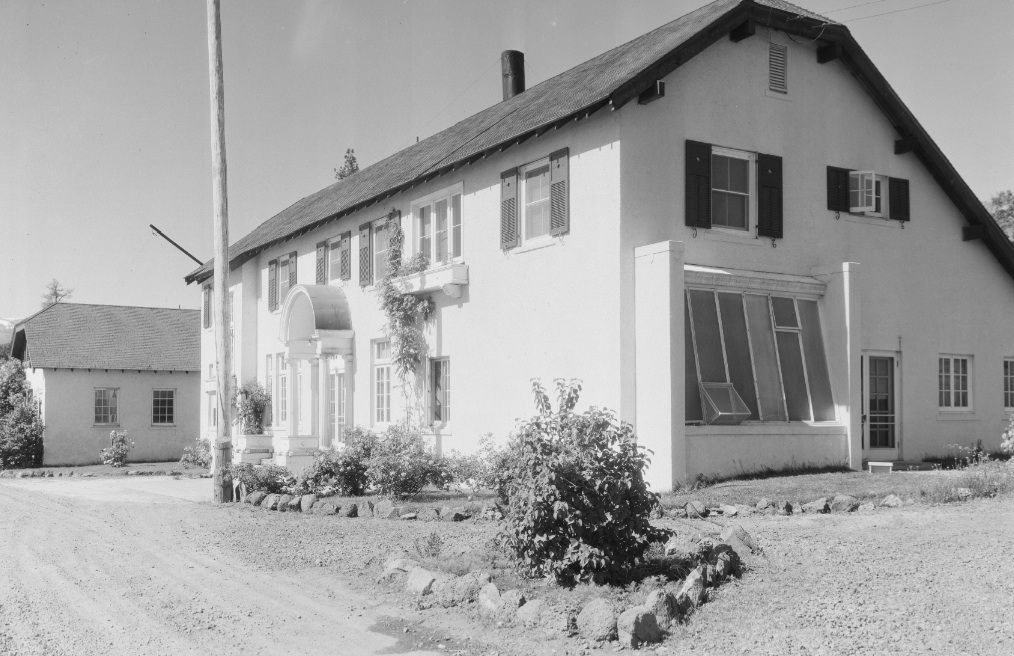
In 1914, when Lassen County and T.A. Ramsey did a land exchange wherein the County obtained thirty acres on Richmond Road and Ramsey the County Hospital property at the end of Miller Road. The County went ahead with initial plan to build a new hospital. The County was also in need of another cemetery, as the Susanville Cemetery was running out of plots. It was the County’s original intention to establish a new cemetery on what would later become the Roosevelt School property.
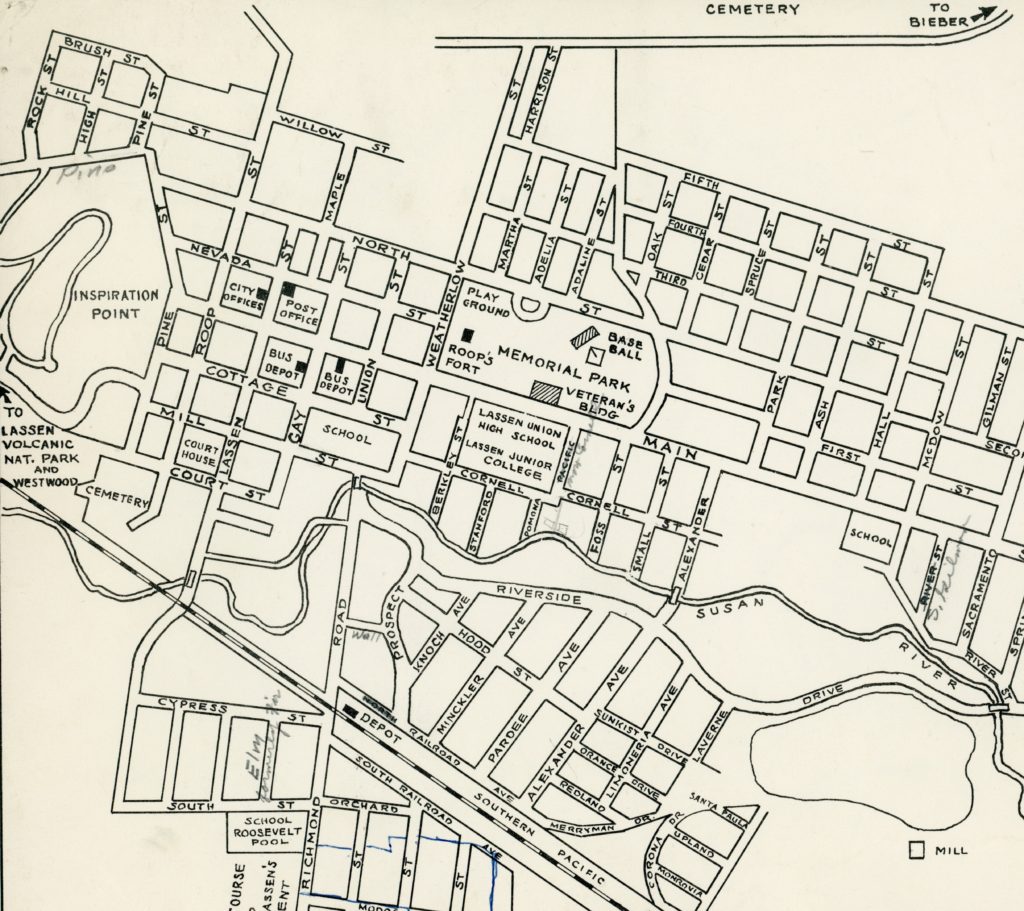
Yesterday, we examined how the city changed the house numbers. Well, there were a few casualties along the way. Some street names were changed. What was originally Fir Street became Elm Street, to avoid conflict with First Street. What was initially Prattville Road became North Pine Street to the end of the city limit. A segment of River Street became South Gilman Street.
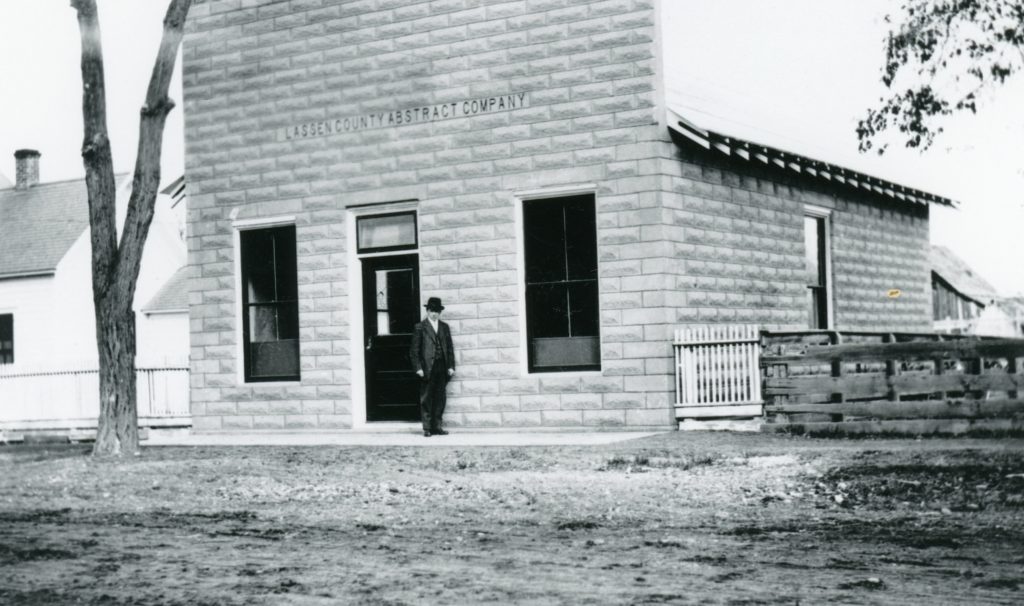
Lassen County Abstract building, constructed in 1911.
Susanville’s house numbering system was done in two separate phases. The first began in 1925, when the postal service announced free mail delivery. Prior to this, everyone went to the post office to pick up their mail. Thus, the city had to install street signs, to assist the mail carrier. Continue reading Susanville’s House Numbering System→
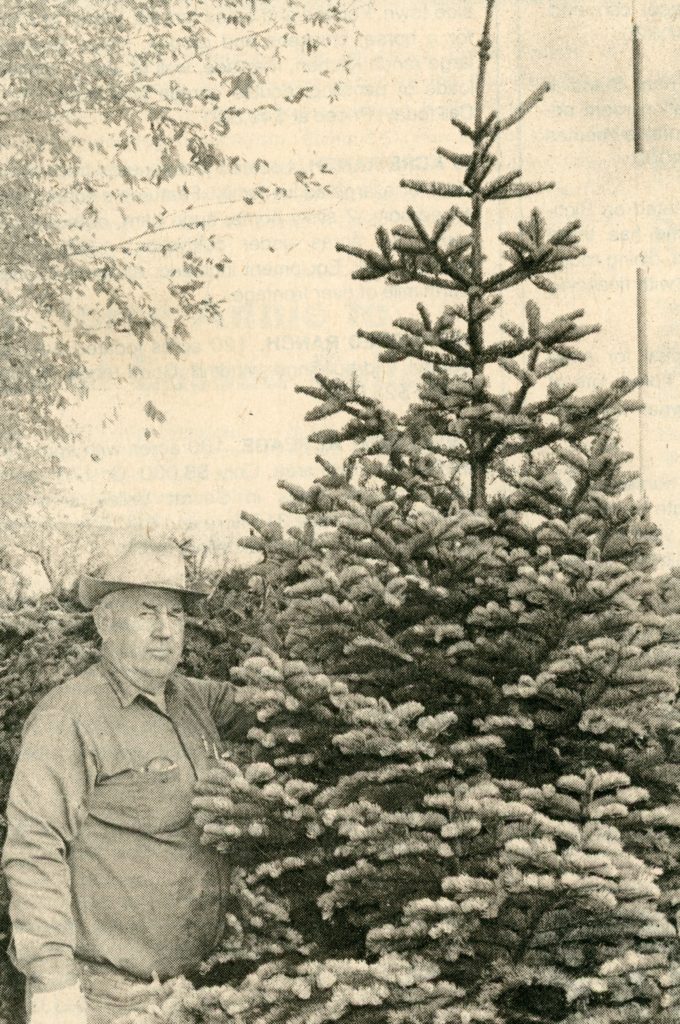
Charles Beckett standing next to a 10 foot silvertip, November, 1976
Well, here it is the day after Thanksgiving and some folks use the holiday weekend to obtain a Christmas tree. A fixture in Susanville for many decades was Beckett’s Christmas trees. In 1938, Charles Beckett founded the enterprise. Beckett had two locations for growing the trees, one locally on Worley, nee Roop Mountain, just west of Susanville, plus 4,000 acres in Siskiyou County, as well as some leased properties. Beckett stated silvertips were the most popular tree, which referred to as “the Cadillac of Christmas trees.” In the 1970s he sold approximately 40,000 trees annually, with some good years that doubled that figure.
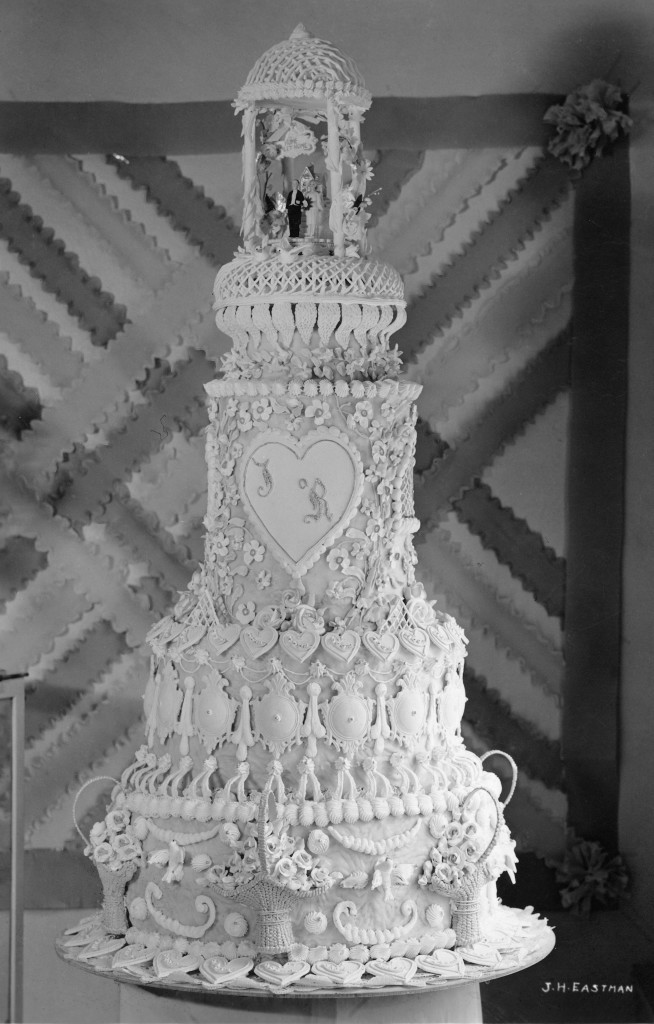
The Sergi-Sacco wedding cake. Courtesy of C. Derek Anderson
On 10:00 a.m. Sunday, November 15, 1936 at Sacred Heart Church, Rose Agnes Sergi and James Sacco were married. The bridesmaids were Louise Saffores, Concha Larrea and Camilla Alosi. The best man was Marion Larrea. After the ceremony a wedding breakfast was held at the Veteran’s Memorial Hall, with 500 guests. The centerpiece at the bride’s table was a magnificent five-foot tall wedding cake, weighing 250 pounds.
One hundred years ago witnessed the worldwide flu pandemic. It caught many by surprise, and Lassen County, like so many others were not prepared how quickly it spread, nor how deadly it was. In early October 1918 the flu made its presence in the communities of Susanville and Westwood. On October 10, forty-year-old Lassen County Surveyor, Thad McKay, became the first victim. A week later, Dr. F.H. Shanks, Lassen County Health Officer issued a statement that yes, the flu was prominent, but a mild one, and citizens to take the necessary precautions of any health crisis. Everything changed quickly with the death of Stephen F. Watson on October 17, shortly followed by two more members of the Watson family. By early November there were over 300 cases of flu in Susanville, roughly one-third of the town’s population. On November 11, 1918, the City held a special session and ordered the closure of the town’s saloons and other public gathering places. The ban was not lifted until November 20, after a decrease in new flu cases.
As a public service announcement, it is not too late to get a flu shot.
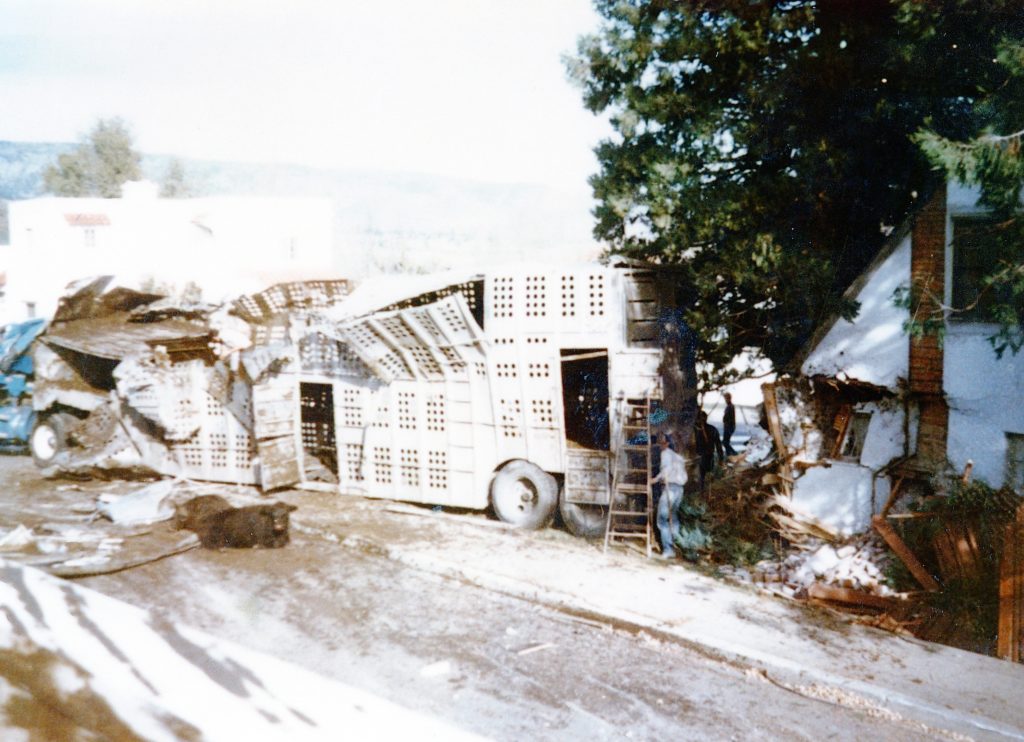
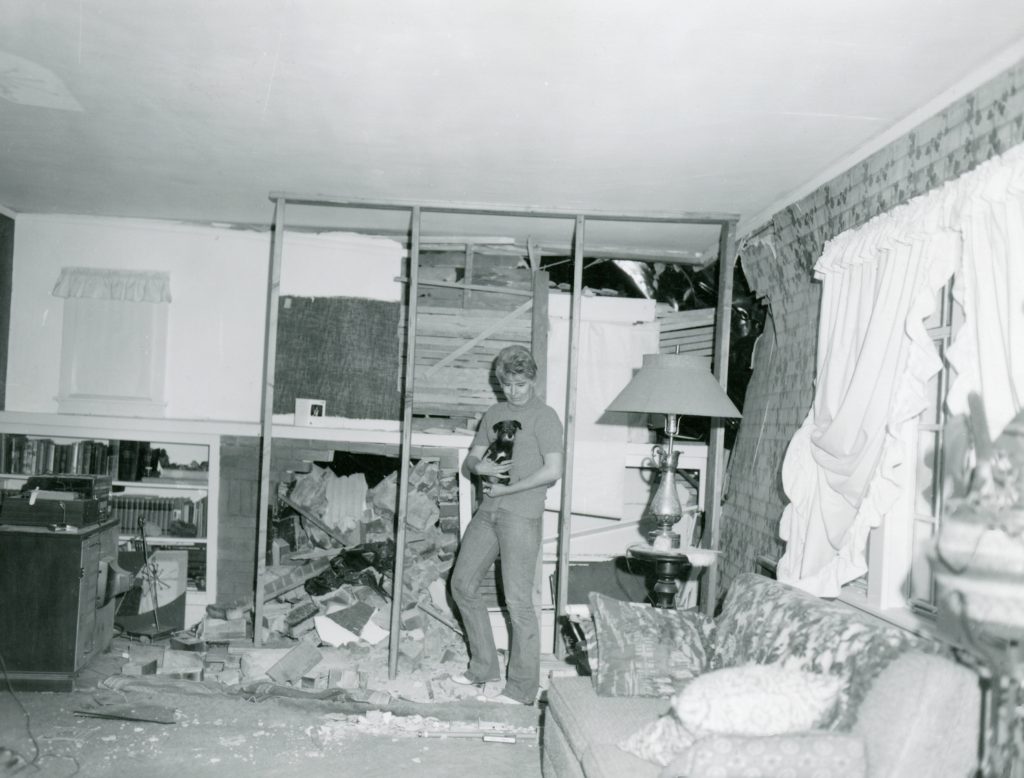
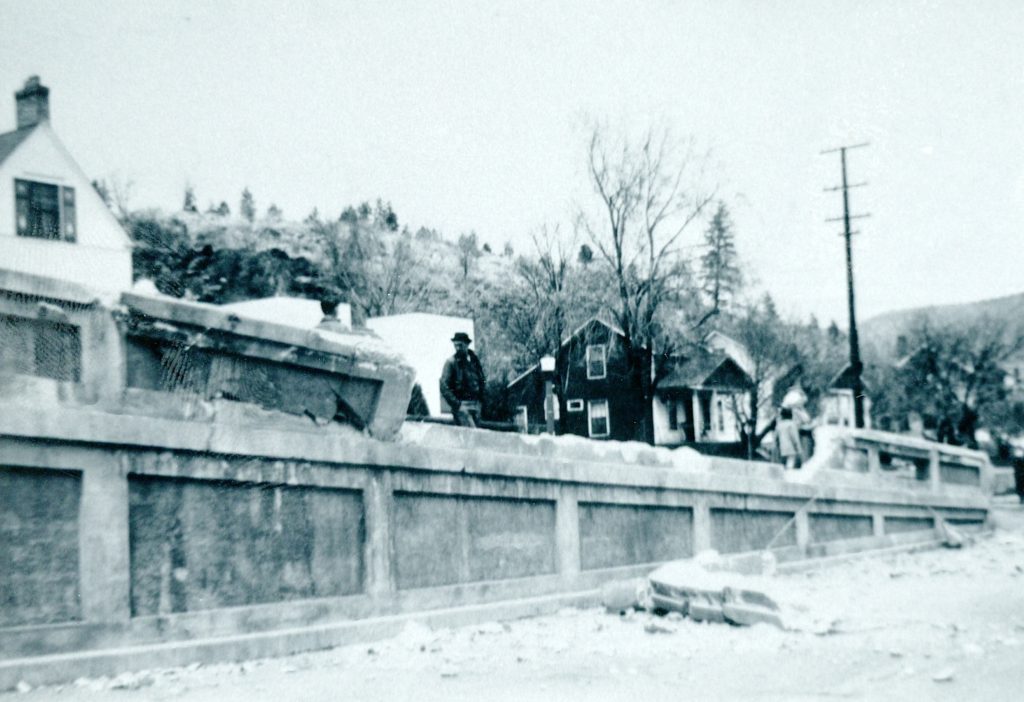
Yesterday, we examined problems with Highway 36 west entrance to Susanville. One of the worst accidents to occur there happened early afternoon of November 12, 1974. Robin Scherbarth was driving a cattle truck on a long haul to Nebraska. The truck hauling 70 head of cattle, had a brake failure and could not navigate the turn, struck the three foot high retaining wall. The weight of cattle shifting causing the truck to jump the wall, did a complete roll over, landing back on its wheels, after it had struck the residence of Ardene Purdy. Scherbarth was ejected from the truck, his injuries were fatal. Amongst the chaos, were the cattle were on loose, some managed to make it over to the Elk’s Lodge to graze on the lawn there. A make shift round up was conducted and eventually the cattle were taken to the old L.C. Smith until another truck could finish the transport to Nebraska. Major damage was done to the living room of the Purdy residence.
One of the many wrecks at the retaining wall entering Susanville.
With the construction of present day Highway 36, there was an issue between the State and City of Susanville as how it would enter the town. It was agreed upon to abandon the old route of Prattville Road and North Pine Street. A new approach was agreed upon to connect South Pine Street. Yet, there were a lot of contentious issues, especially since the State would only construct to the city limit, and the City was responsible for the final approach costs. Furthermore, the City did not like the “S” curve design and considered it dangerous. It was built anyhow, and proved to be an accident prone place.