Support!
Support!
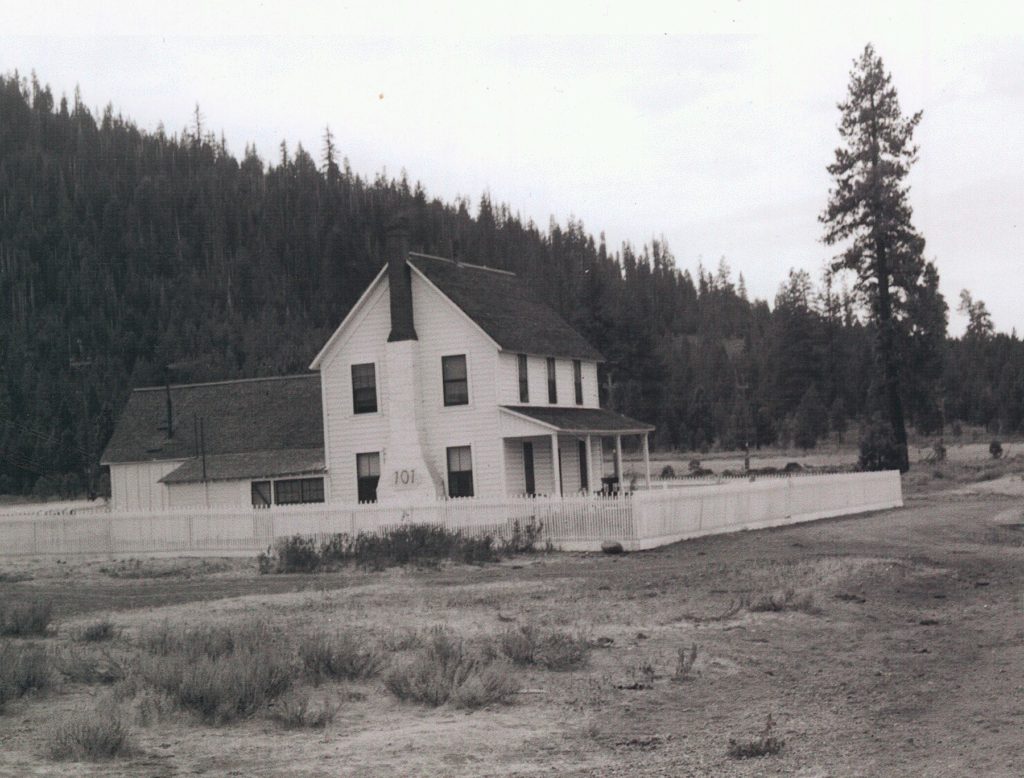
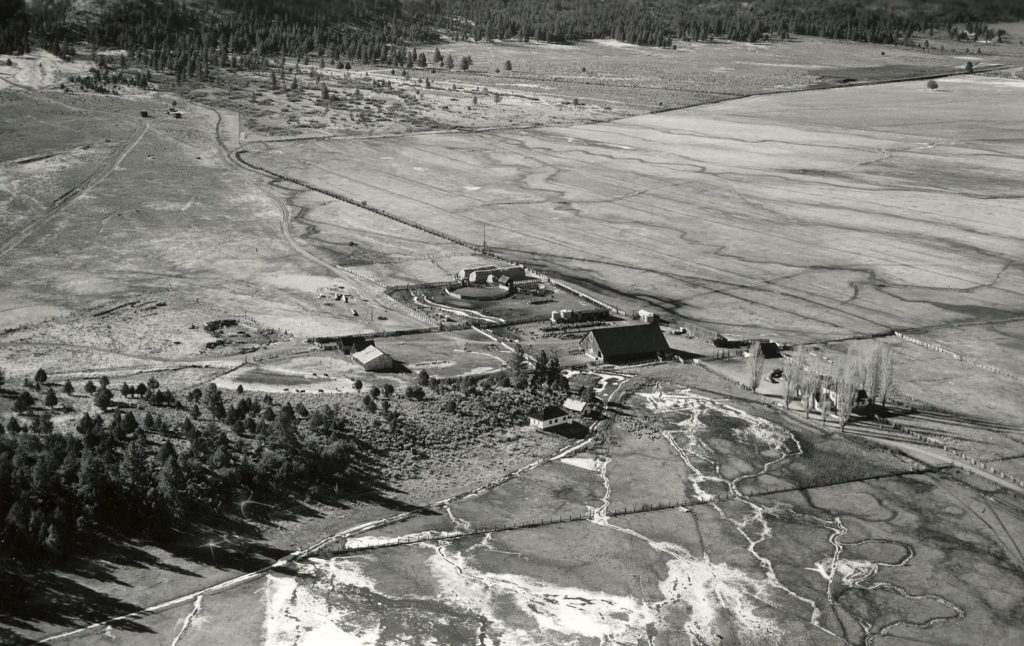
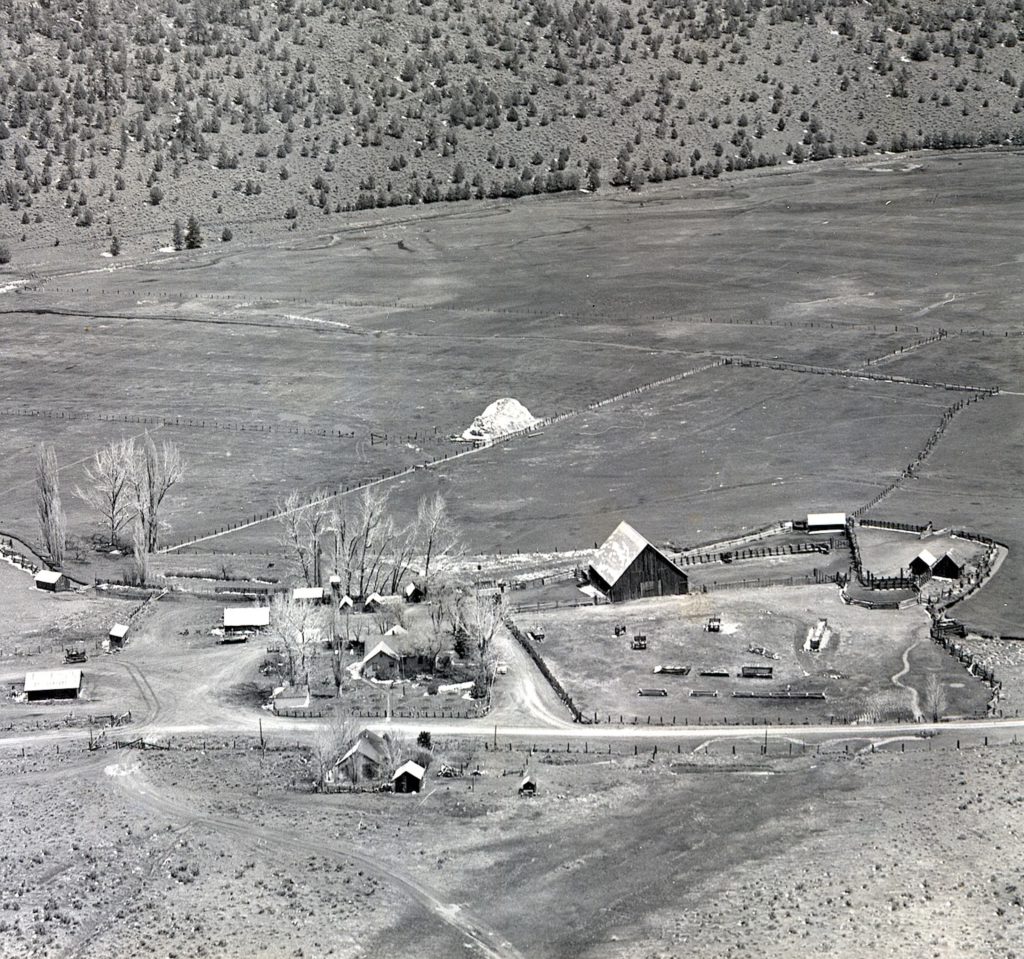
In 2015, Sierra Pacific Industries purchased the iconic 101 Ranch in Mountain Meadows, near Westwood, from Dye Creek Cattle Company. The history of ranch dates back to the 1860s, when it was a part of Carlton Goodrich’s ranch there. In 1887, the Goodrich Estate sold to Abner Nanney, and thus the 101 was officially born.
In 1900, Abner’s daughter, Lulu married Bert McKenzie and took over the Mountain Meadows property. Bert died at a young age in 1917 from appendicitis. Lulu with her four children: Thelma, Jack, Abner and Beryl carried on. In 1948, Lulu turned the ranch over to her son and daughter-in-law, Abner and Shirley McKenzie. In 1966, they in turn sold to Dye Creek Cattle Company.

Note: Margie’s Book Nook has received a couple copies of The Wild Horse Gatherers. First come, first serve. There are some other out of print books that the store has recently received.
A hundred years ago, the wild horse population was kept under control by out of work wranglers. During the winter months, it was not unusual for ranches to let go extra help, especially single men. A number of these men, would take a 160 acre desert homestead to make a home, especially properties with unclaimed springs. To make some extra money, they would catch wild horses and break them. By spring they would sell the horses, and pocket the money. Continue reading Wild Horses
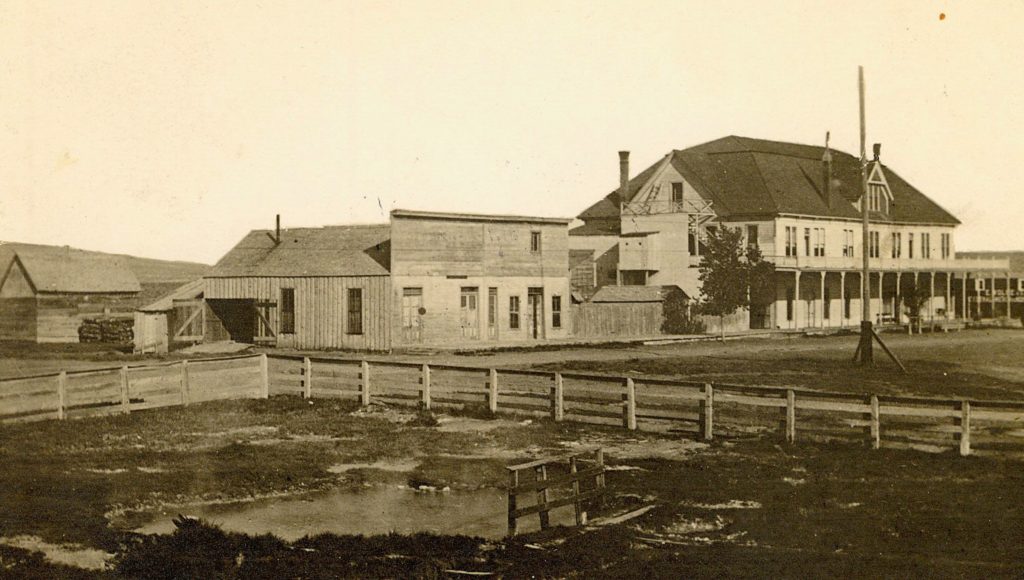
Long Valley pioneer, Jacob McKissick created a large ranching empire in Lassen and Washoe counties. It would all come crashing down with his death in 1900. McKissick was a life-long bachelor, so there was a lot of speculation as to who would receive what. The bulk of his estate he left to his nephew, Benjamin Howard McKissick, who had a spent the greater portion of his life working for his uncle. Of course, this did not set well with other family members, and lawsuits were filed to contest the will. In 1903, Benjamin Howard McKissick could no longer handle the stress of these conflicts and committed suicide in a most painful way, by swallowing carbolic acid.
This event, of course, created even more estate litigation. After nearly ten years, issues were resolved and Jacob McKissick’s vast holdings were sold to H.G. Humphrey, W.H. Moffat and J.L. Humphrey. On February 4, 1914, these men incorporated this enterprise as the McKissick Cattle Company. In the future, we will explore more about the McKissick operations, and this family was the catalyst for my research work in the region’s history.
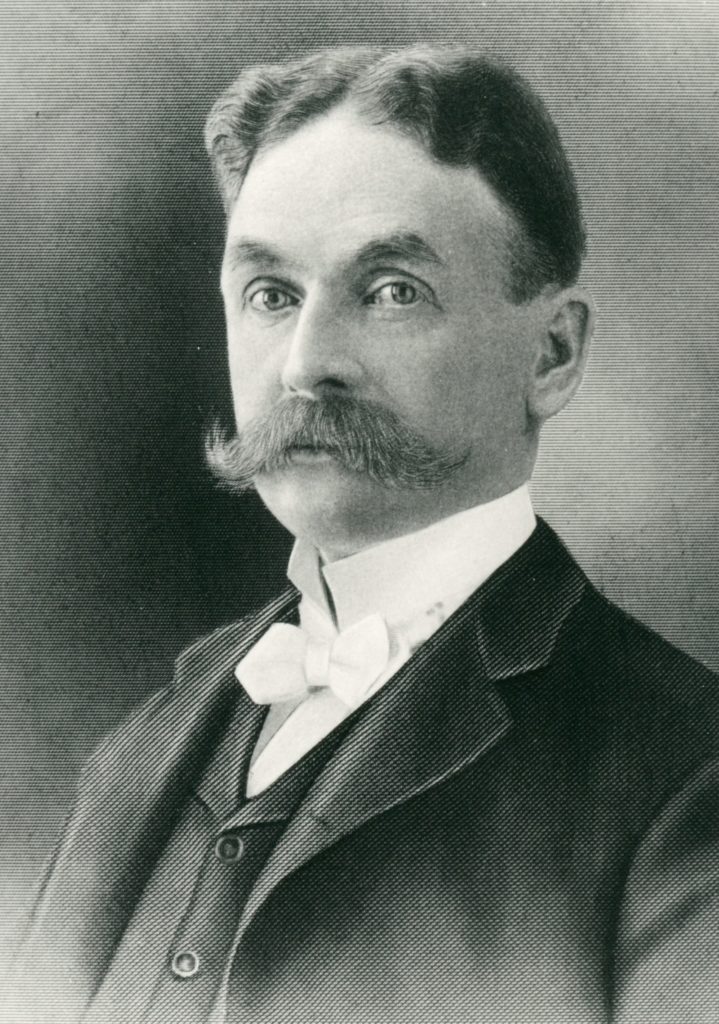
Patrick L. Flanigan was one of those rags to riches to rags stories. In 1877, at the age of 17, he came west to Reno where he found employment milking cows. Five years later he obtained a loan from the Washoe County Bank to purchase 1500 sheep. Thus, like many before and after him became an itinerant sheep man and moved his sheep from place to place where ever he could find feed and water. (When the Taylor Grazing Act came into effect in 1934, put an end to this practice.) Flanigan, like so many others, lost over 50% of sheep during the harsh winter of 1889-90. Continue reading Pyramid Land & Stock Company
Some ranches retain their names long after the original owners sold. A perfect case is the Bare Ranch at the southern end of Surprise Valley. In 1880, Thomas Bare sold the ranch, though all these years it is still known by his name.
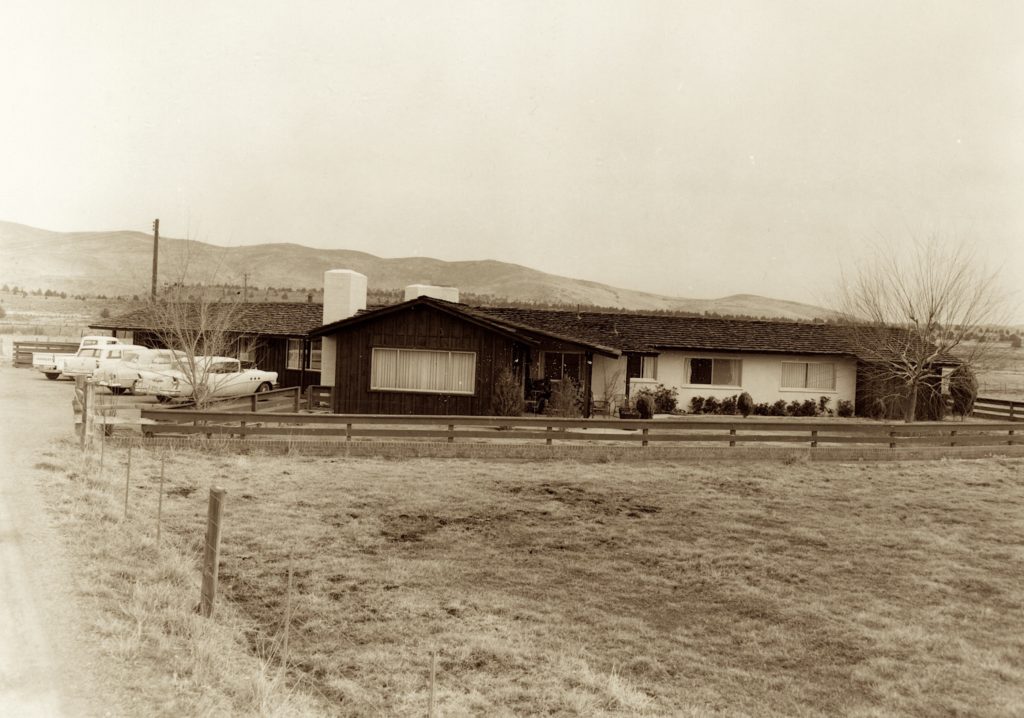
The Susan River Ranch appellation does not have that enduring name. The property located on Johnstonville Road a few miles east of Susanville. It was originally a part of the Bangham Ranch. In 1948 the property was acquired by Dale Soule. Construction of the house began in 1950 and over the course of time additional buildings were constructed. However, in time the property was too much for the Soules who had other business interests in Susanville to tend to. The next owner was Lawrence Holland and he owned until his death in 1969.
In 1973, Ray and Elberta Fraley purchased the ranch, who had spent many years in the Standish district. It was ideal for Ray as it just the ideal size for a semi-retirement ranch to raise his registered herd of Red Angus cattle. After Ray’s passing in 1979, Elberta sold the place. Its been through a number of owners over the years, though its no longer referred to as the Susan River Ranch.

Some ranches retain their original name, after the owner is long gone. A perfect is the Bare Ranch in Surprise Valley. In 1864, Thomas Bare established the ranch, sold it in 1880, and it is still known over a century later as the Bare Ranch.
The Lonkey Ranch is not one of those ranches. It was originally known as the San Francisco Ranch, the owners from that city. Lonkey was in the middle, followed by Five Dot. For those not familiar, this ranch is located approximately twelve miles north of Susanville in the Willow Creek Valley. Continue reading Lonkey Ranch
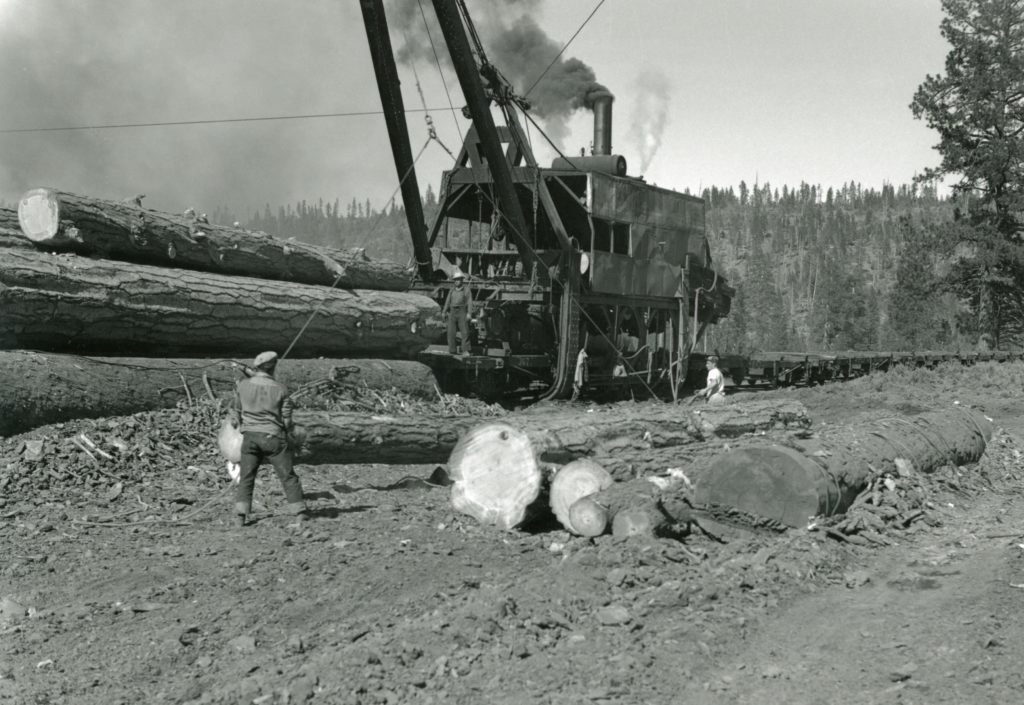
While many are familiar with McCoy Flat Reservoir along Highway 44, there is another McCoy Flat in Lassen County, This too, was named for another Tehama rancher, Leo Lewis McCoy (1850-1936) who used this area for summer pasture from 1874 to 1913. When he retired in 1913, he sold his ranch of 27,000 acres to Alden Anderson for $150,000.
For the record, this McCoy Flat is located along Pine Creek, just east of Eagle Lake. In 1952, it was the scene of the last of the railroad logging operations of the Fruit Growers Supply Company.
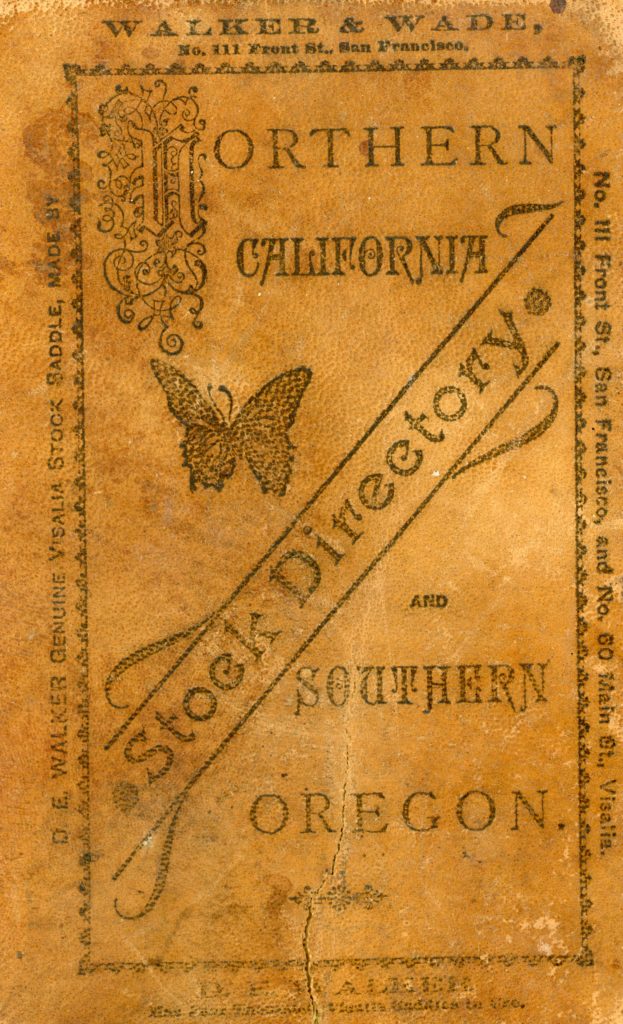
In 1887, two Modoc ranchers, Frank C. Dean and Wilson S. Bayley published a comprehensive 371-page brand directory entitled the Northern California and Southern Oregon Stock Directory. It was an admirable job and in the introduction, they wrote: “All Stockmen are aware that each winter, in every small section of the country, a number of stock remain unclaimed, and on the other hand a number are unfound. Continue reading 1887 Brand Directory
Well, it has been awhile since I provided an update. Progress has been slow, but sure. Some of the tedious work has been involved in researching title of the various ranches. Take for instance, the case of Frank Flux, by many accounts purchased the Sifford ranch south of Milford in 1927. It is not showing in the Grantee Index for a ten year period, so there must be recorded elsewhere in Agreements. Or in the case of Lawrence Holland who sold the Smoke Creek Ranch in 1952, that was even reported in the New York Times. Whether the brand project will be completed by the end of the year, is not known.
After all, this is due to some unforseen “bumps in the road.” When I switched out hard drives earlier this year, my publishing software would no longer work. The company changed their software policy, which is border line extortion, and I have to pay a hefty fee for reactivation. To make things a bit more interesting and for some distraction is the November 8 election in which I running for re-election for Lassen Community College Trustee Area 1. As they say, it is what it is. Stay tuned.