Tag Archives: Railroads

Railroad to Burney?

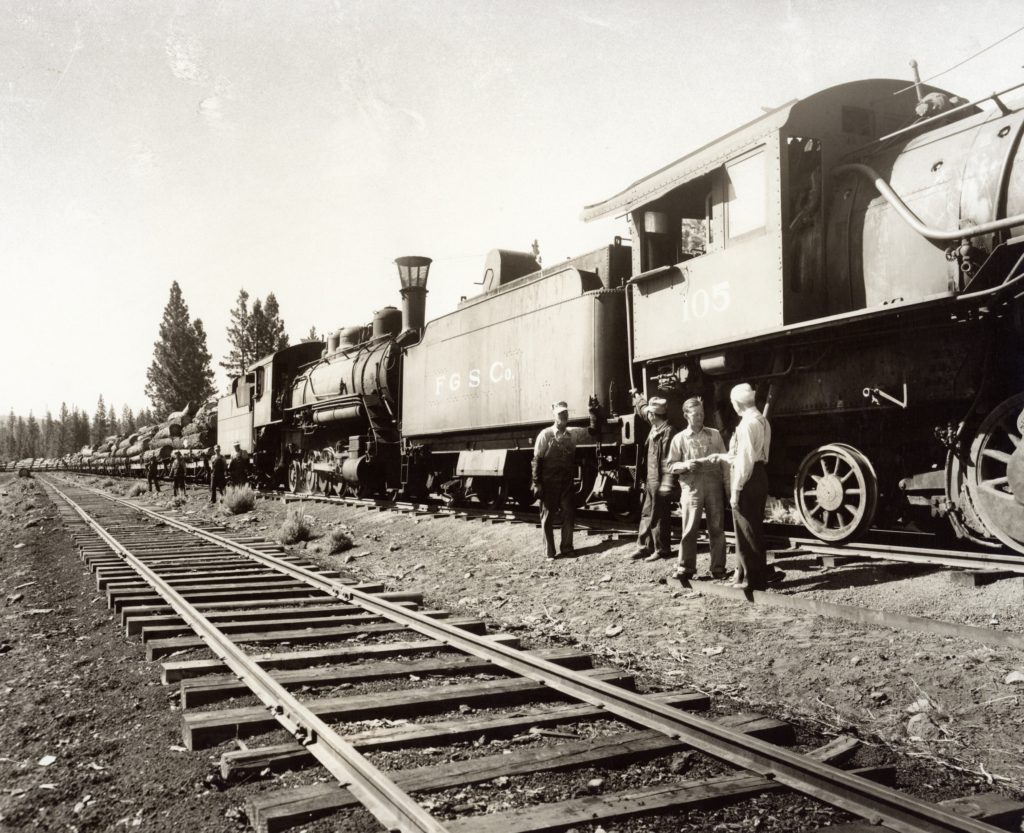
Fruit Growers Locomotive No. 105 at Halls Flat, 1946.

In 1940, with the Red River Lumber Company making plans to log north of Westwood in the Poison Lake and Blacks Mountain region further discussions were held as to construct a railroad line to Burney to harvest their extensive Burney Tract that contained two billion board feet of merchantable timber. An initial railroad survey was conducted with a starting point at Poison Lake. The major barrier was that of Hat Creek Rim. It was determined to follow the rim and slowly make a descent at Cassel and then onward to Burney. It was estimated it would cost one million dollars to construct the line. Fletcher Walker, the resident manager of Westwood was eager to build and wrote, “We would increase the Veneer Plant output and get good logs to operate it and this alone would more than pay for the cost to build the railroad.” However, no one else in the Red River family shared Fletcher’s railroad proposal. In 1941, Red River made the decision to sale Westwood and the Burney Tract.

In 1944, after intense negotiations, Fruit Growers Supply Company purchased Westwood and the Burney Tract. They, too, contemplated to build a railroad line similar to the one proposed by Red River. As late as 1951, Fruit Growers still considered the option of a railroad to Burney. Yet, changes were occurring rapidly with the conversion to cardboard boxes, that forced Fruit Growers to reconsider its future plans, as the needed for wooden boxes to ship citrus would eventually be eliminated.
Subscribe

Omira, Lassen County

Omira351
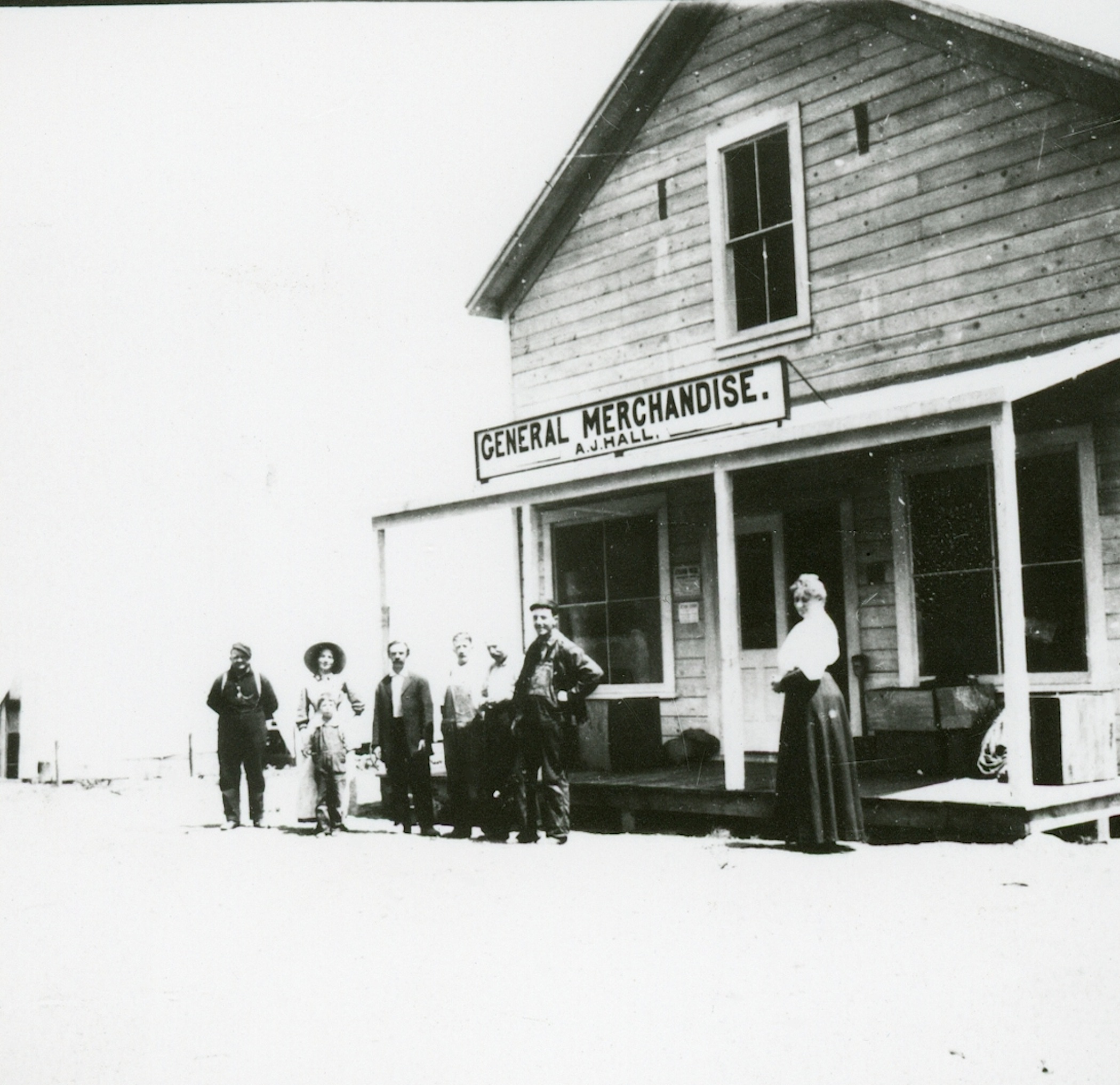
Omira. Courtesy of Philip S. Hall

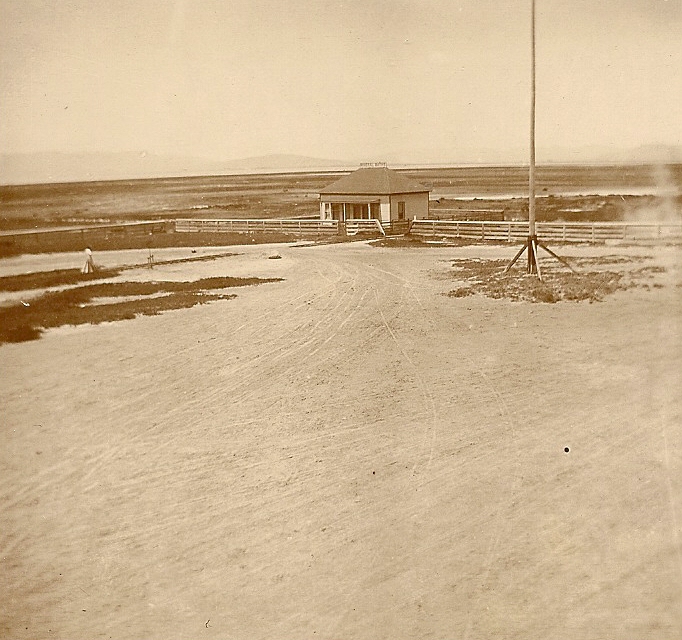
Omira was located two miles or so south of Doyle and came into being as a station on the newly constructed  Western Pacific Railway.  On April 12, 1909, the townsite was recorded on land owned by R.E. Rhodes, property later known as Rowlands.. The railroad named the town after a woman who promised to build a church there. Originally, the plan was to make this a division point for the railroad. Grading for the yards and turntable was done and that was the extent of the development as the Western Pacific decided to change the division point to Portola. The town consisted of section houses, water and fuel tanks, and a two-story store with a restaurant—rooms were rented on the second floor. In addition, that building housed the post office that operated from 1910-1918 with Stella Stiles as first postmaster. In 1926, the Western Pacific consolidated many of its smaller stations, Omira Station was closed and operations moved to Doyle.

Subscribe and support this site for as little as $4.17 a month.

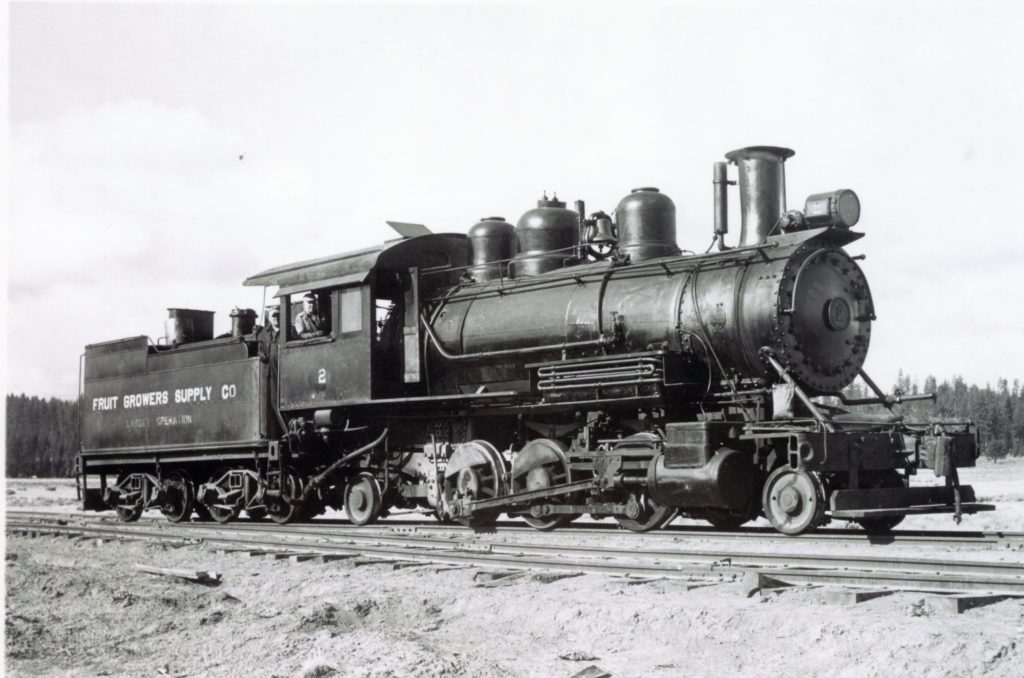
Fruit Growers No. 2

The No. 2, Pine Creek Valley—-Russell Gilbert

Fruit Growers No. 2 was purchased new from Baldwin in 1921. It remained in operation throughout the existence of railroad logging operations on the Lassen Operation until 1952. It was scrapped in 1953.

It should be noted when Fruit Growers built its mill in Susanville in 1919/20, they referred it to simply as the Lassen Operation. In 1944, when Fruit Growers purchased nearby Westwood from the Red River Lumber Company, they changed the name of Lassen to the Susanville Operation.

Spread the word, and encourage a friend to subscribe

Lookout, Modoc County

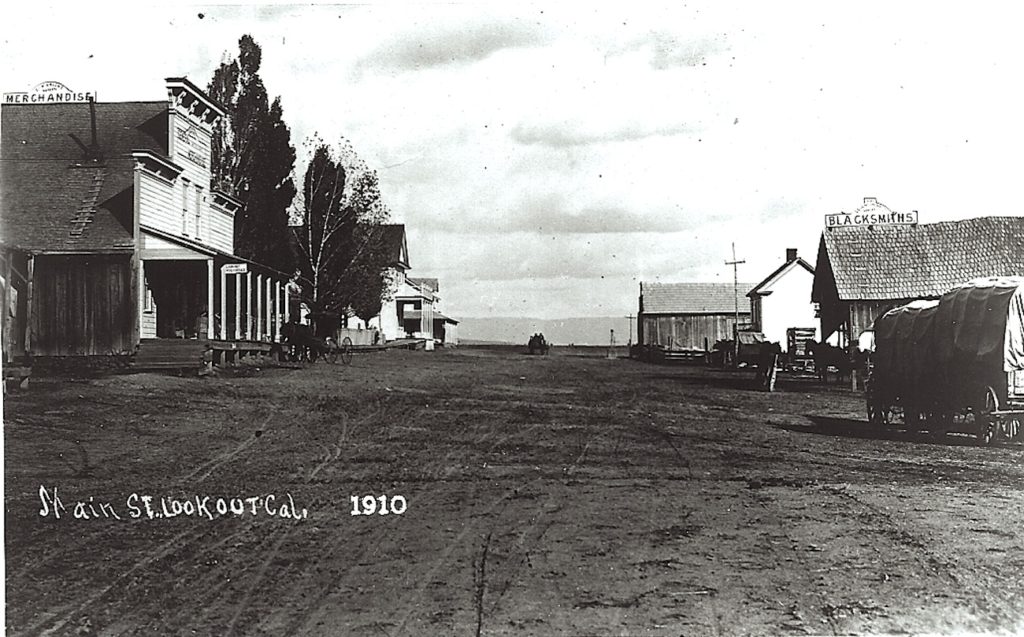
Lookout, 1910—-Big Valley Museum

Located approximately eight miles north of Bieber, in the northwest portion of Big Valley, Lookout is best known for the Leventon Blacksmith Shop and the Lookout Lynchings. However, unbeknownst, to the community back in 1916-1917, there were some major plans to transform it into a major lumber manufacturing center.

It all began back in 1912 when the Red River Lumber Company and the Southern Pacific Railroad entered into an agreement to the build the Fernley & Lassen Railroad. At Westwood Junction, the Southern Pacific built a spur line south to Red River’s newly constructed company town of Westwood.

Westwood Junction

It was Southern Pacific’s intent to extend the line north to Klamath Falls, Oregon. In 1916, Southern Pacific was eager to begin construction of the line to the north. Southern Pacific prodded Red River about its future plans to establish a second mill north to log its Whitehorse Tract in Siskiyou County. Red River somewhat obliged and in the summer of 1917 company officials traveled north to inspect future mill sites.

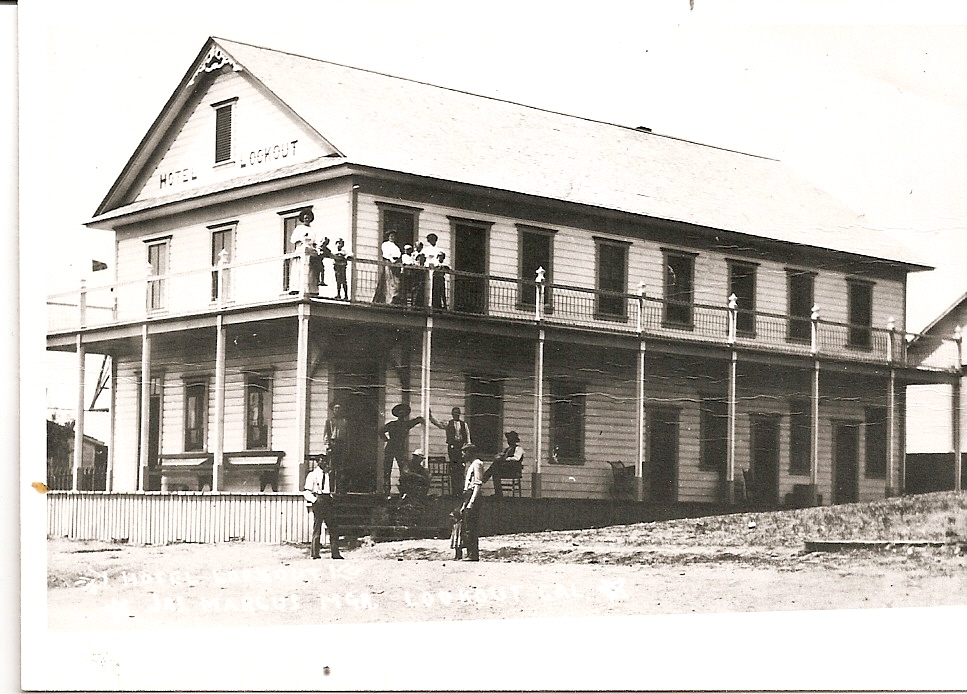
Hotel Lookout—-Beth Coppedge Walls

They found Lookout to be favorable. They were pleased with the cheap land prices, but also more important the weather. Lookout was much drier than Westwood. However, with the world conflicts Red River was not prepared to make any commitment to build a second mill. At the conclusion of World War I the economy was not conducive to proceed with such an endeavor and the plans for Lookout were tabled.

Spread the word, and encourage a friend to subscribe


Illusions of Grandeur

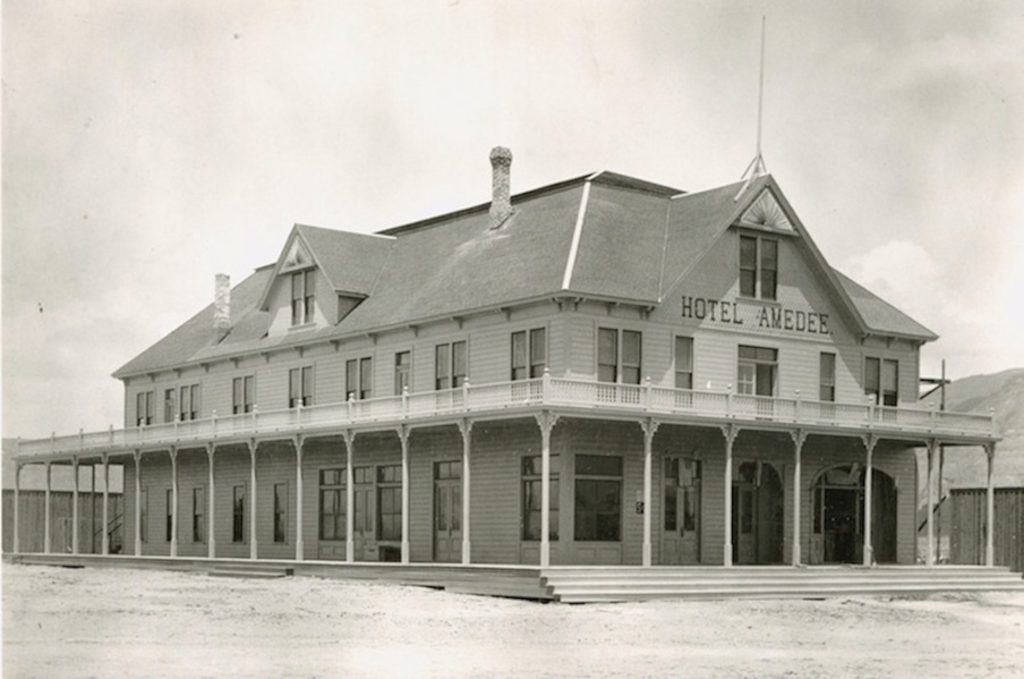
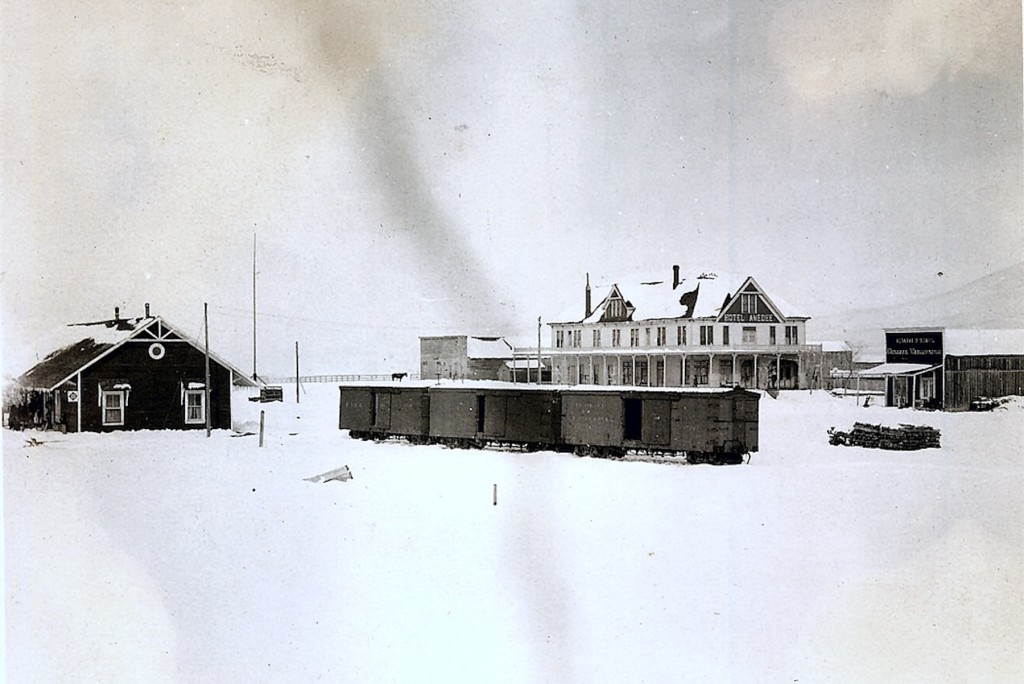
The Hotel Amedee in its prime.

On January 9, 1892, the NCO Railroad entered into a contract with Fresno, California developer, Silas N. Griffith, to plot out and promote the railroad’s new terminus of Amedee, on the east side of Honey Lake. Griffith was required to build a hotel, bath house and livery stable. In return, Griffith received 50% of sales of the property. It appeared Griffith’s mission statement was Big. Beautiful, Bold.

Amedee Bath House
Amedee Bath House courtesy of John M. Gibson

Griffith saw opportunity in the hot springs to make the new town, among other things a health resort. In late April 1892, it was announced the bath house, would be on the same scale as the Hotel Amedee under construction. In reality when the bath house was completed, it was a modest one-story structure.

Spread the word, and encourage a friend to subscribe

Your Tuesday Tidbit

Amedee, 1916
Amedee, January, 1916 courtesy of Marie Herring Gould

During this pandemic winter I will attempt to at least send along a brief Tuesday post.  This picture was the very first one I posted back in February 2015 when I was learning how to do such, and that learning curve continues to this day.

Times were very quiet for Amedee and eastern Lassen County, and Modoc too, due to a heavy January 1916 snowstorm that left those residents isolated. The snow blockade created a twenty-one day shut down of the NCO trains.  The lack of outside communications with no mail, newspapers etc made for a trying time.

I hope everyone will enjoy the next three months of these Tuesday Tidbit installments.

Tim


Bieber’s New Jail

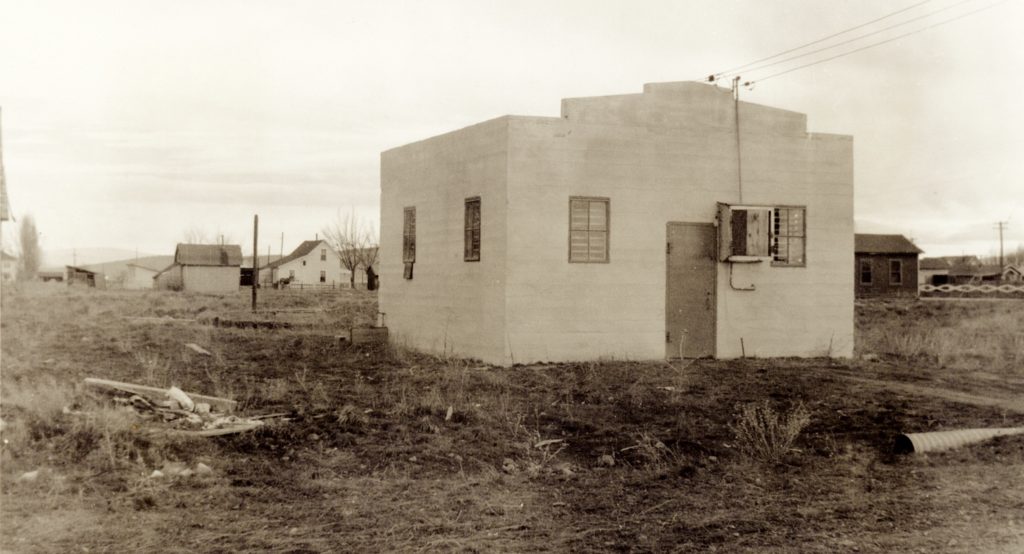
Bieber Jail, 1947

On Saturday, August 8, 1931, Lassen County purchasing agent, E.F. Koken drove to Bieber to sign and award a contract to build a jail for that community. The concrete structure contained three cells and a storage room. W.A. Zimmerman built the structure at a cost of $1,935.50.

These were exciting times for Bieber being the focal point where the Great Northern and Western Pacific Railroads were in the midst of constructing their respective extensions to connect the two railroads. Besides the new jail, construction began on a $10,000 grammar school. In addition, Pacific Gas & Electric was constructing a transmission line from Fall River Mills to Big Valley.

Support

Latasca Shidler & The Monastery

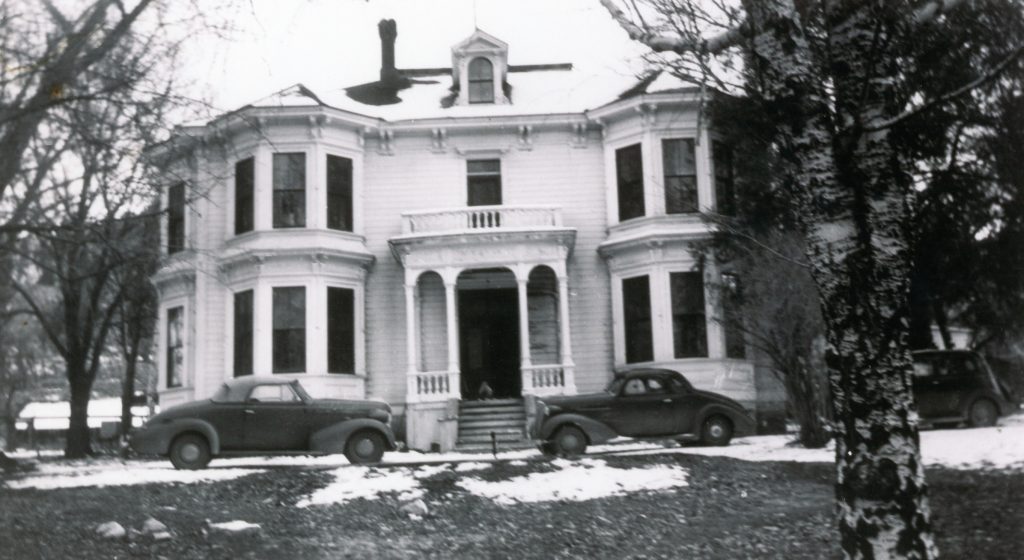
The White House, 1947—-Eslie Cann

On Monday morning, January 7, 1929, Latasca O. Shidler was killed instantly when his car collided with a Western Pacific passenger train at Constantia. Such traffic events were common then.

The 39-year-old Shidler had previously worked as a mechanic for the Western Pacific. However, at the time of his death, he was employed as a ranch hand for the Galeppi family at Constantia. One newspaper report cited that Shidler resided in the old Monastery, which in reality was the White House at Constantia. For whatever reasons, members of the Galeppi had no desire to reside in the 17-room house. After Shidler’s death, an elderly Indian couple by the name of Purdy, resided as caretakers in the house. With their passing by the end of the 1930s, the house was never occupied again.

Support

The Modoc Line Trail

Upper Biscar Reservoir, as seen from the Modoc Line Trail.

In 1996, the Union Pacific Railroad received permission to abandon    an 85 mile segment of railroad from Wendel to Likely. Since then it has been converted into another “rails to trails.”  It should be duly it was the NCO Railroad that initialy constructed the line and in the 1920s it was acquired by the Southern Pacific  Railroad.

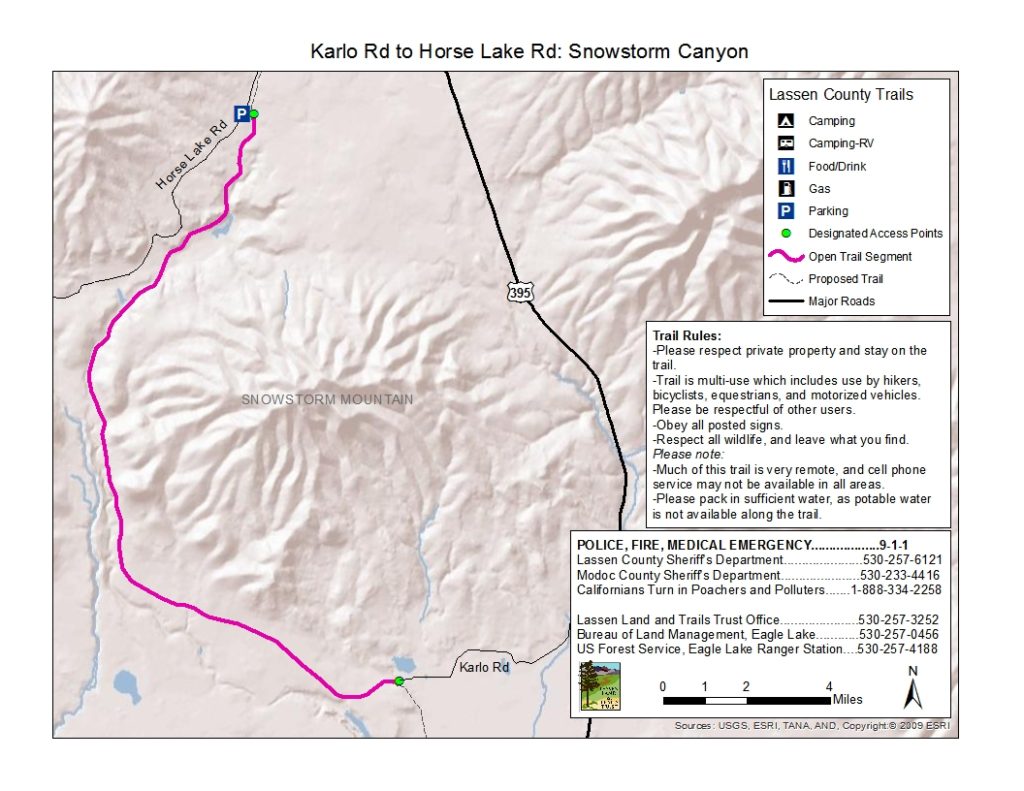
Map showing the route from Karlo to Horse Lake Road.

Personally, I prefer the segment from Karlo, Secret Valley to Horse Lake Road. While, I do not have a preference which way to approach, I think its best to travel it each way, since doing so one sees different perspectives of the area. 

Foundation remains of the Horse Lake Siding, is one of many sites to see. January 27, 2019. Courtesy of Anna Stewart

Subscribe

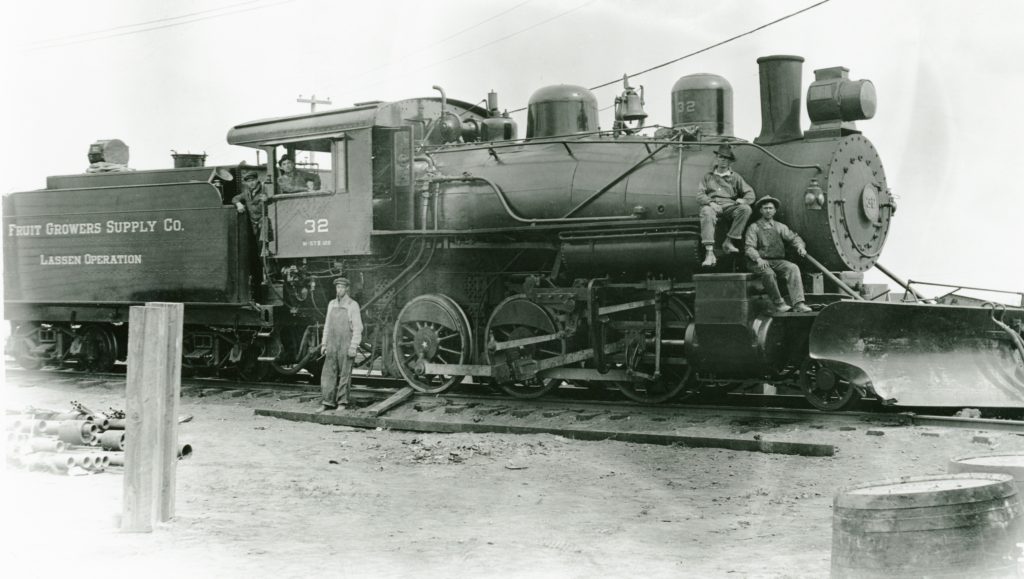
Fruit Growers No. 32

Fruit Growers No. 32, 192—Ed Sandard

In 1919/20 when Fruit Growers Supply Company established its Susanville operation, they of course needed locomotives for its railroad logging operations west of Eagle Lake. They purchased this Baldwin locomotive from the Ocean Shore Railroad that operated a line along the Pacific Coast from San Francisco to Santa Cruz.* Fruit Growers ownership of the No. 32 was brief and they sold it in 1924 to the Red River Lumber Company. In 1944, Fruit Growers reacquired it when they purchased Red River’s Westwood operation. In 1953 the locomotive was scrapped.

*The Ocean Shore Railroad, was not completed with a gap in the middle.

Spread the word, and encourage a friend to subscribe