Tag Archives: Plumas County

A Sunday Drive – Antelope Lake

Antelope Lake, 2002

For many years, when my Mother was alive we would have the weekly ritual of a Sunday drive. During the summer months, we would make some extended loops. One of these featured Antelope Lake on the side of Diamond Mountain for those who reside on the eastern slope. This would entail leaving Susanville via Highway 36, then going along the east shore of Lake Almanor. Once in Indian Valley just past Crescent Mills is the turn off to Taylorsville and Antelope Lake. It is very scenic especially through Genesee Valley, then one makes the climb up the grade and at the top you are near the splilway of Antelope. The paved road meanders around the lake, eventually takes you to Janesville Grade.

Antelope Lake, by the way, is in Plumas County and is a popular recreational spot for a number of Honey Lake residents. It is part of the State Water Project of the California Department of Water Resources. The projects original intent was to provide water to Southern California to augment that of the Colorado River. Antelope Lake was constructed in 1964. There is a 113 foot tall earthen dam. The lake has a surface area of 931 acres with a maximum capacity of 47,466 acre feet.
Never miss a story, click here to support and subscribe.

Bunnell’s Burns

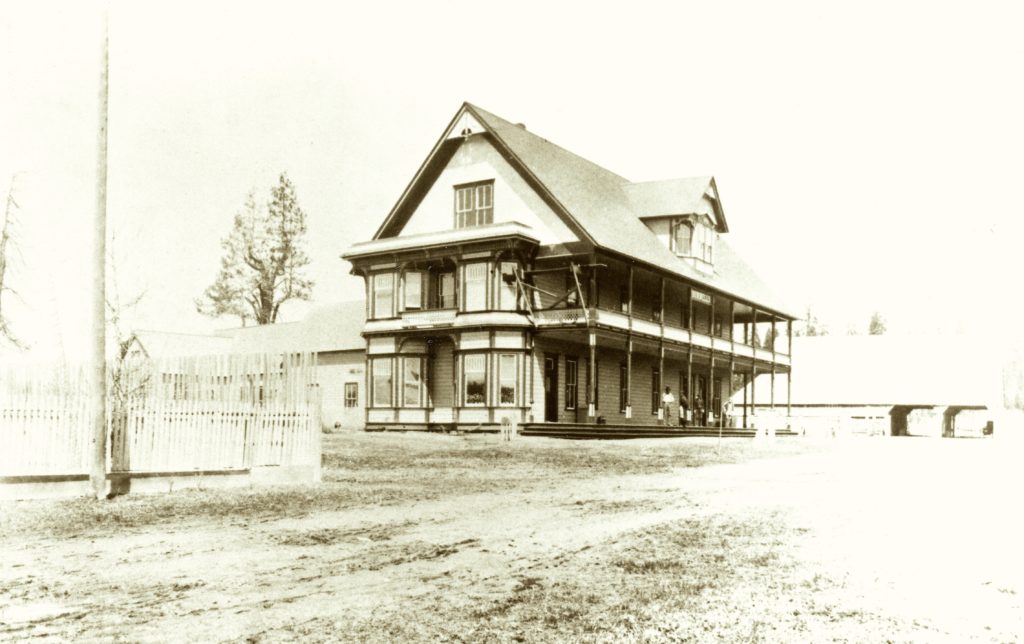
Bunnell’s, 1903. Courtesy of Philip S. Hall

Long before Lake Almanor came into existence (1914) it was known as Big Meadows. By the 1870s summer resorts were established and were quite popular, especially those folks escaping the scorching heat of the Sacramento Valley. One of those resorts was Bunnell’s that was located near the current tip of the Lake Almanor Peninsula. On June 10, 1899 it was destroyed by fire, caused a by a defective terra cotta flue. By the time the fire was discovered, the only thing that could be done was to try and save the contents. The fire was a terrible loss for the owner, L.W. Bunnell who placed a value of $15,000. A week later, Fireman’s Fund Insurance paid Bunnell $7,144.


The situation put Bunnell in a quandary. After all, it was just the beginning of the summer season and he would not be able to rebuild in time to provide accommodations for that year. Momentarily, he thought he would focus on his dairy operations, and just build a new home. However, that would not be the case, and he was back in the resort business in 1900.

Subscribe

Butt Lake Donkey

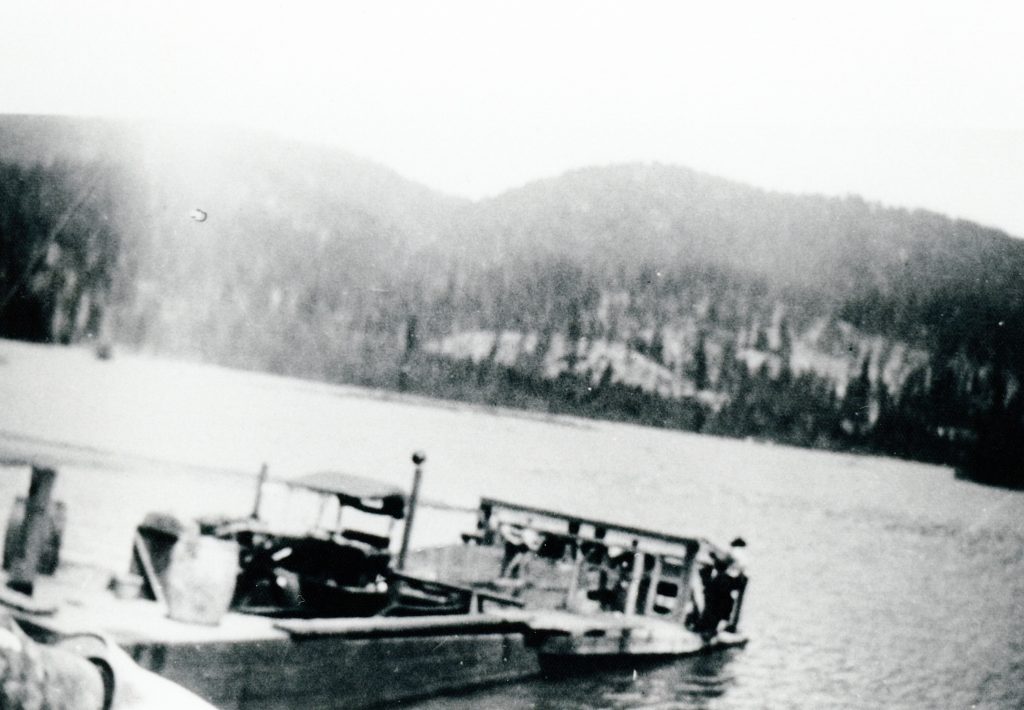
Not sure what kind of water craft this was on Butt Lake in the 1920s, when Roy Rea, a Red River employee, who took the picture.

Cheers to those creative types who who think outside of the proverbial box. In 1925-26, the Great Western Power Company, forerunner to PG&E constructed a reservoir at Butt Valley to the west of Lake Almanor, expanding its hydroelectric system. When Great Western constructed Lake Almanor in 1914, it had entered into a contract with the Red River Lumber Company to log and remove trees from the reservoir site. A similar arrangement was done for Butt Valley.

Red River abandoned its traditional logging methods for this project. By January 1926 Red River had felled 16 million board feet of timber in Butt Valley, and now waited for the spring run off to fill the newly created reservoir. To retrieve the logs, Red River built a huge raft to float a steam donkey engine to do the job. As an observer remarked of the “ocean liner,”  that contained 61,000 board feet of logs bound together by cables, that after it served its usefulness, it was dismantled and the logs milled.

Subscribe

Pacific Coast Bear Club

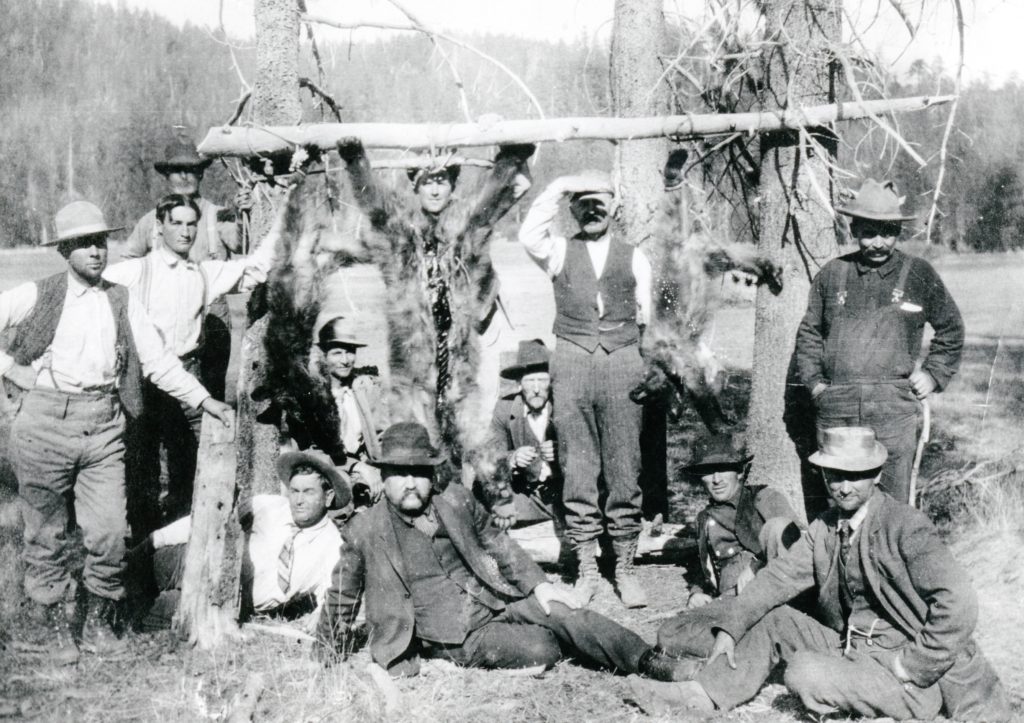
Pacific Coast Bear Club at Grizzly Valley, 1907. Courtesy of Ted Johnson

Lassen County over the years has witnessed an interesting array of organizations. How about the Order of Camels?  The Loafer’s Society? The Pacific Coast Bear Club, headquartered at Spoonville, east of Janesville, would be considered an elite men’s club of the early 1900s. The founder, Captain E.C. “Ben” Brown had a colorful past, who experienced good and bad times with business ventures. Timing can be everything, and Brown was at the right place at the right time during the early discovery of gold at Goldfield, Nevada. He was not alone, which began the careers of many influential people in Nevada, including George Wingfield.

In 1906, Brown organized the club, with Nevada Governor John Sparks as its first president. For the next few years bear hunts were conducted at Grizzly Valley, Plumas County. One year they boasted a kill of nine bears—credit to Brown and his hound dogs.

Subscribe

The naming of Drakesbad

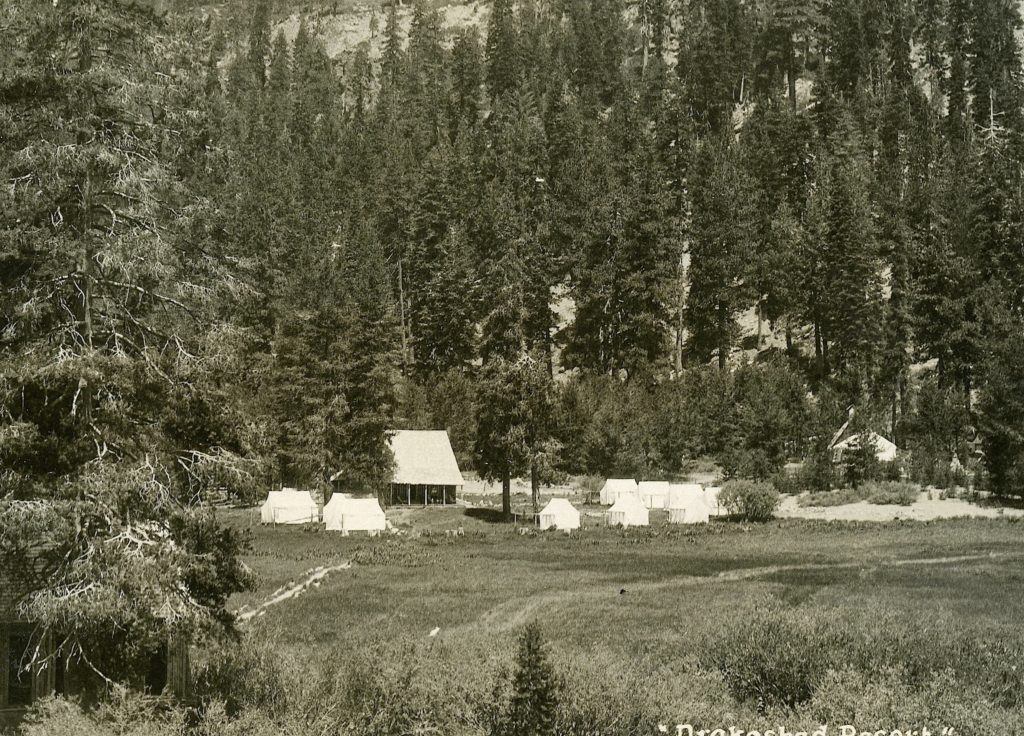
Drakesbad, circa 1930. Courtesy of the Sifford Collection

1914 was a banner year at Drake’s Springs resort in the Warner Valley near Lassen Peak. This, of course, was due to the fact the mountain came to life with volcanic eruptions. Alex Sifford, the innkeeper was overwhelmed by it all. That year, Sifford along with Jules and Rae Alexander incorporated Drakes Springs Company as a vehicle to raise money by selling stock.

For marketing purposes it was decided to rename Drake’s Springs. It was Rae Alexander who came up with a new name. It was the general consenus to retain the Drake name. Mrs. Alexander’s parents were from Germany and the German word for spa and baths is bad. In June 1914 the announcement was made that the new resort would be known as Drakesbad.

Subscribe

A Red River Tragedy

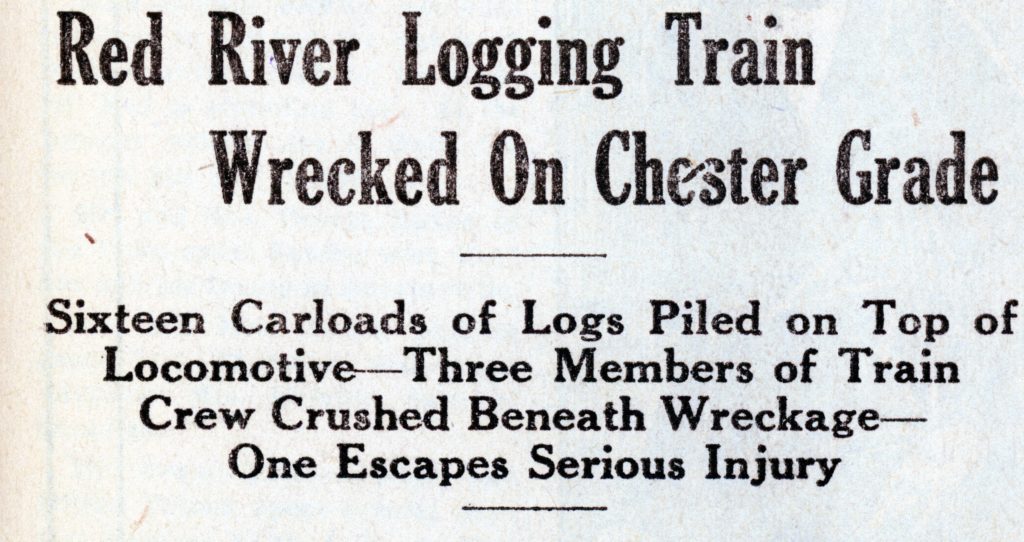
Lassen Mail headlines of October 18, 1929

Logging has always been a hazardous profession, and the Red River Lumber Company was not immune.   On the evening of October 11, 1929, a logging train coming down the grade from Warner Valley derailed two miles from Chester. The train consisted of sixteen cars that left the track cascading fifty feet down into a ravine. Three of the four train crew—George Brooks, J.A. McConnell and E.D. Burt—perished in the wreck. G.B. Kale, the rear brakeman was thrown from the caboose, sparing his life. He literally did have the wind knocked out of him, but recovered in time to prevent a second wreck. A second train was following and the lantern from the caboose was lying along the track. Kale was able to flag the other train to stop or otherwise it would have jumped the rails and met the horrible fate of its predecessor.

Subscribe


The Sagebrush Darrow

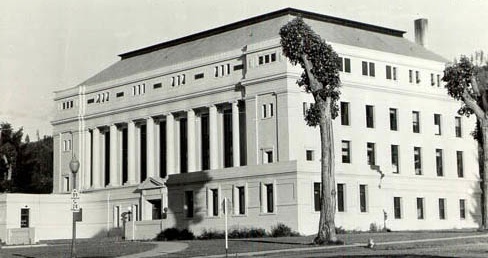
Plumas County Courthouse

Hardin “Finn” Barry was a well known Susanville attorney who had a practice there from 1921 until his passing in 1969. In 1935, Finn represented Mrs. Emma Elam, a Maidu, in Plumas County, who was charged with murdering her husband with an ax. According to news reports, Barry won an acquittal for Mrs. Elam and at the end of the trial served an order on the sheriff demanding the return of the  woman’s ax. In addition, Barry stipulated that the ax be sharpened because it had dulled while being held for evidence. The demand was so unusual that it made national news.

Donate

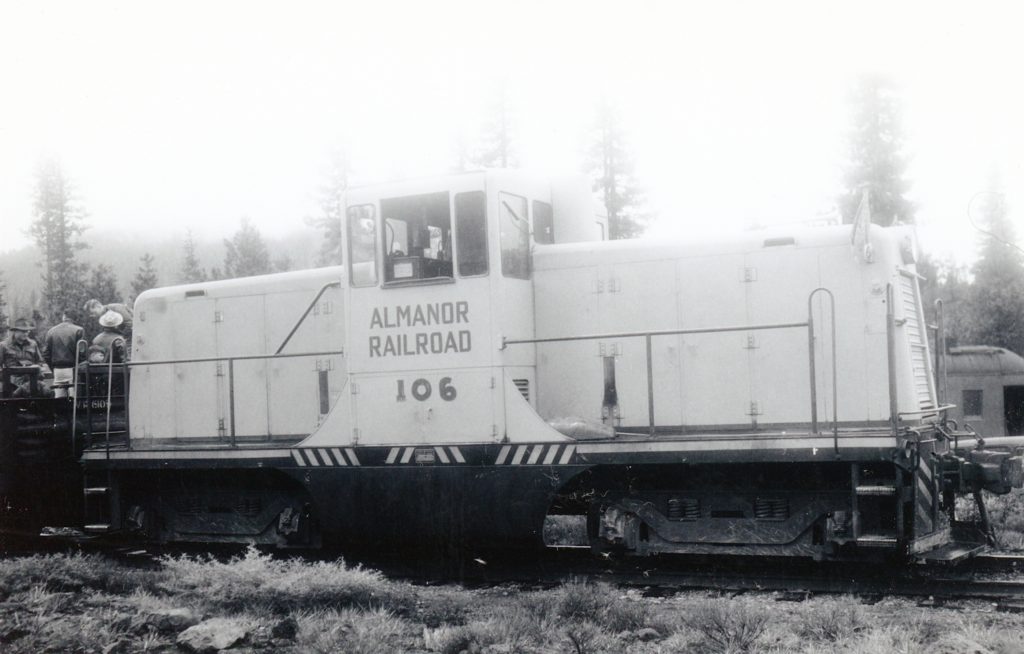
Collins Pine Almanor Railroad

The Almanor Railroad’s No. 106

In the early 1900s, the  founders of Collins Pine Company amassed some 60,000 acres of timberland in the greater Lake Almanor Basin.  It was not until the late 1930s, that they gave consideration to establish a mill there. In the fall of 1940, after much negotiations the Red River Lumber Company offered a mill site adjacent to Chester, along with thirteen miles of its main line railroad from Chester to Clear Creek Junction where it connected with the Western Pacific Railroad, which Red River estimated its value at $80,000.

Thus, the Almanor Railroad was born. Collins Pine changed it from a private line to a common carrier, should anyone in Chester desire to use it. Collins Pine had a lot of work to upgrade the railroad line. It also needed motive power, as it decided not to purchase any of Red River’s locomotives. At its Grande Ronde operation, it had discontinued its railroad logging in favor of truck logging. There it had at its disposal a Heisler geared steam locomotive, the 104, and it was put into operation on the Almanor. Initially it worked ideally to handle the railroad’s sharp turns and steep grades. It was later replaced with a small diesel locomotive.

Subscribe

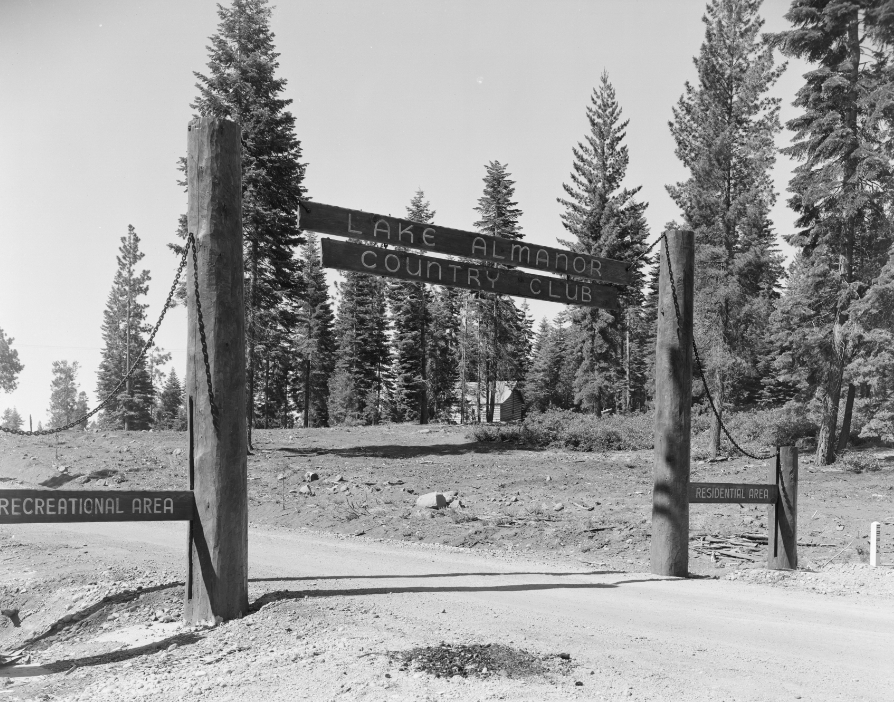
Lake Almanor Country Club Remembered

Entrance to the Lake Almanor Country Club

In 1948, Bob Johnson was working the summer at the Feather River Inn, saving his earnings for dental college. One of the customers was Ed Clifford who was just beginning to develop the Lake Almanor Country Club. Johnson recalled that Clifford originally had no intention of having a golf course, but as we know, things changed. In 1949, Johnson bought a lake front lot for $900–$100 down and $10 per month. In 1956, Johnson finally built his cabin there, and stated there were only twelve families in the Country Club.  Initially, members could hunt on the property, but as it continued to grow, the practice would be banned.

Subscribe

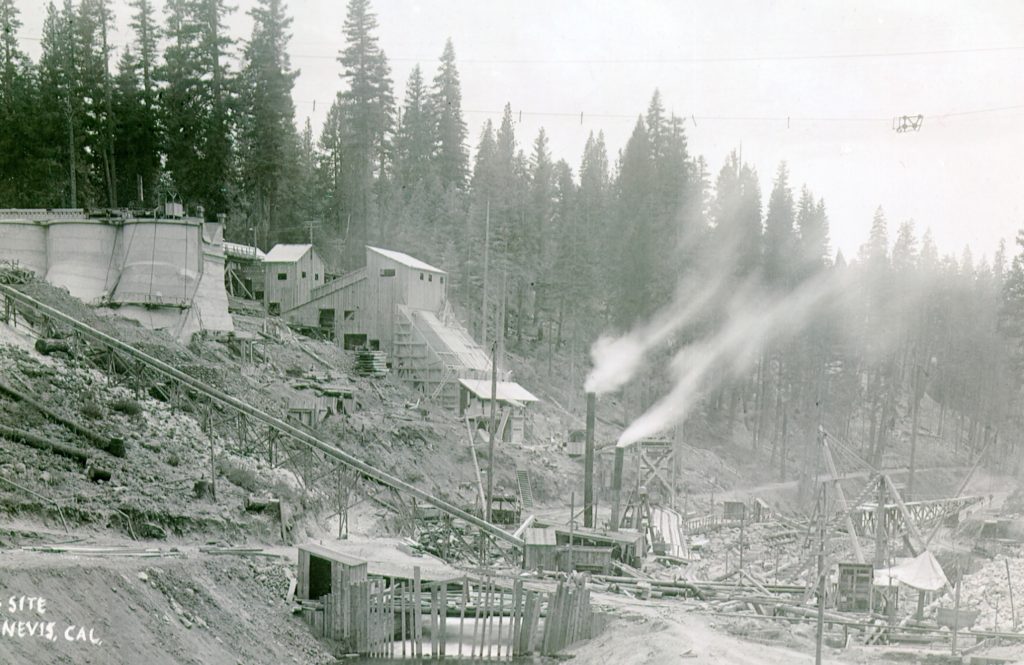
A Damming Problem

Nevis Dam under construction, that was later abandoned.

When the Great Western Power Company was ready to build a dam at Big Meadows, to flood it and create Lake Almanor,  they ran into a few problems.  The first site they chose, it turned out to be on property they did not own and was quickly abandoned.  In April 1912, construction began  on a multiple arch dam.  When the construction crew struck an impervious layer of clay that allowed for a subsurface seepage of water. It was decided later on down the road, that condition could affect the dam’s stability.  In April 1913, a new site was chosen,  and would be gravity fill instead of multiple arch.  In addition, it was decided to build seventy-two foot high dam. The reduction in height meant the new reservoir would only be half the capacity.  In 1925, the dam was rasied by forty-five feet. In 1962, the dam was raised a final time by sixteen feet.

Donate