Tag Archives: Nevada

Desert Land Act End Notes

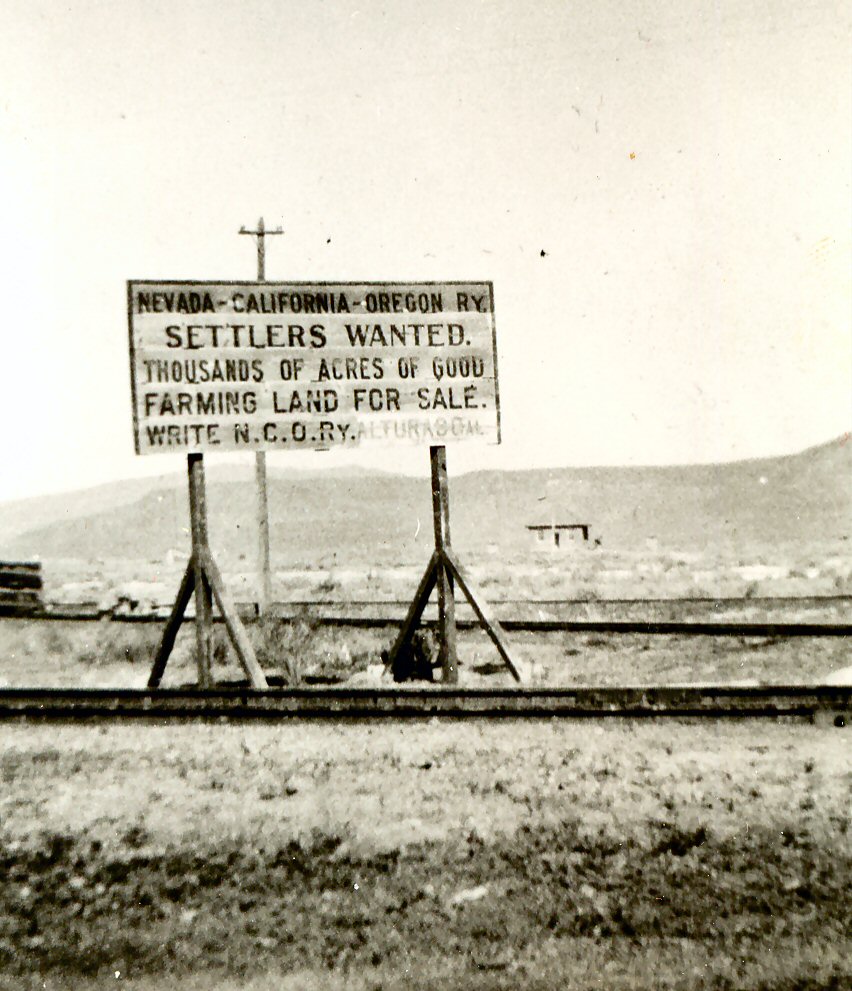
This weathered sign of the NCO at Wendel in 1920, in better days to entice homesteaders. Photograph taken by Lassen County Librarian Lenala Martin.

There is a bit of irony in this tale. In 1923, Merrill’s vision of tapping Eagle Lake for irrigation became a reality. Nobody used his Lassen County Desert Land Act which it was designed for. Of note, it was David Watson of Big Valley who was the first person to use Merrill’s Act in 1887 when he received a federal land patent for 480 acres, located thirty-five miles north of Eagle Lake. At least, in 1891, Merrill did receive title to 160 acres near Belfast, which was to be his dream city of 25,000 inhabitants in the Honey Lake Valley under his Act.

The majority of the federal land patent acts have been revoked, though the Desert Land Act, as far as I know, is still in existence. The last time it was used in this region was in the 1980s. Franklin Jeans wanted to expand his Fish Springs Ranch in eastern Honey Lake Valley on the Nevada side. To meet the reclamation requirement, he had several deep irrigation wells drilled. Jeans had no intention to reclaim the sagebrush land. His goal and it finally became a reality was the water from these wells are now part of Reno’s water supply via a pipeline.

Never miss a story, click here to subscribe.

Eagle Lake Trout as a commodity

Eagle Lake trout, April 6, 1961. Courtesy of California Department of Fish & Game

During World War I food rationing was on a voluntary basis. The Lassen folks were a very patriotic bunch and a look back at the records one would thought it was mandatory. Since meat and wheat were two items to conserve some looked for alternatives.

Take for instance our neighbors in Washoe County. Arrangements were made to allow fish from the Truckee River and Pyramid Lake be harvested for market. This caught the attention of Susanville resident L.W. Boggs. He proposed that the same thing could be done with Eagle Lake bass and trout. Not only would this conserve beef and pork, but the fish would be good for the local diet. However, state law prohibited commercial fishing in lakes and streams. Boggs proposal never gained traction.

It should be noted that in the late 1800s wagon loads of Eagle Lake trout were caught and sold in Susanville at twenty-five cents a pound.

Never miss a story, click here to subscribe.

Deep Hole Station Massacre, 1869

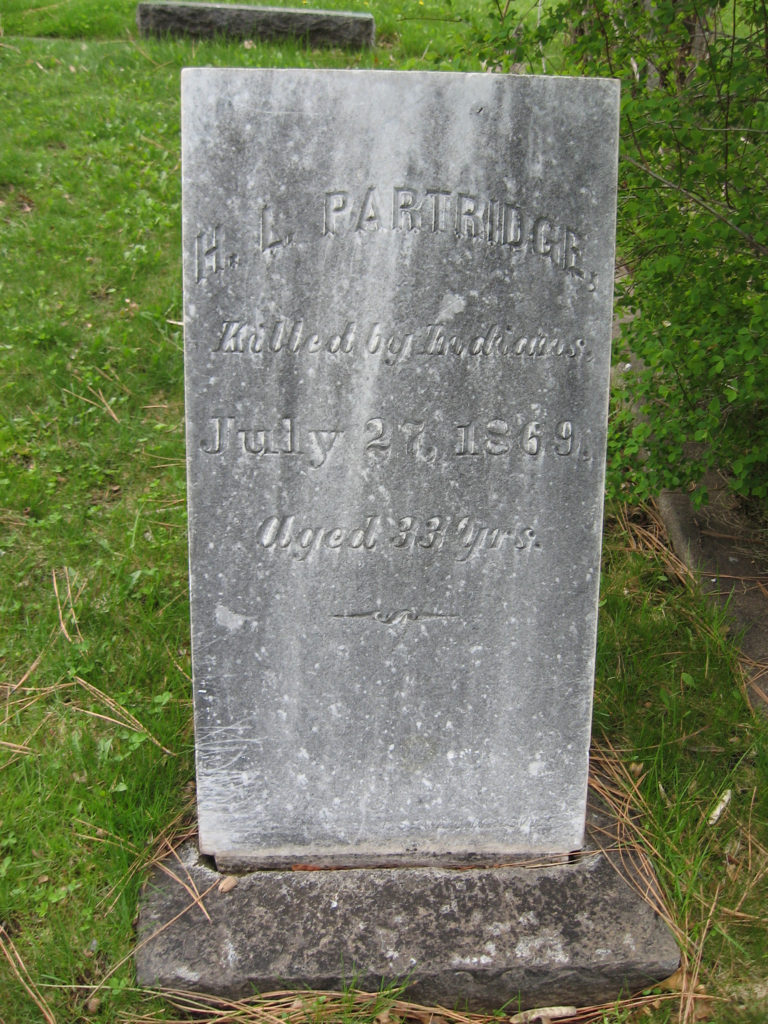
The grave of Hiram L. Partridge, Susanville Cemetery, April 24, 2018

The Deep Hole Station in the Smoke Creek Desert was one of several outposts on the Nobles Emigrant Trail. It was established in 1856 Ladue Vary, who spend the remainder of his life propsecting the mountains of northern Washoe County. In 1862, Thomas Bare sold the Deep Hole Station of Hiram Partridge. A few years later, Sylvester Coburn became a partner with Partridge in the station.

In summer of 1869, all seemed tranquil there. There was a small Indian encampment near the station, on the some of the Indians worked for Coburn & Partridge in cutting hay. The encampment disbanded and purportedly went to Summit Lake. On July 27, 1869 Coburn and Partridge went a mile or two from the station to cut sagebrush for fuel. Tranquility ended. When loading the wagon the initial attack began when Indians shot Coburn in the chest and ankle. Fear raced through Partridge who fled the scene on foot, but was soon overtaken. He was shot three times, in head, chest and ankle.

On August 4, 1869, John Partridge of Susanville and a cousin of Hiram, went to Deep Hole to retrieve the bodies. The following day the two men were buried in the Susanville Cemetery.

Subscribe

Pacific Coast Bear Club

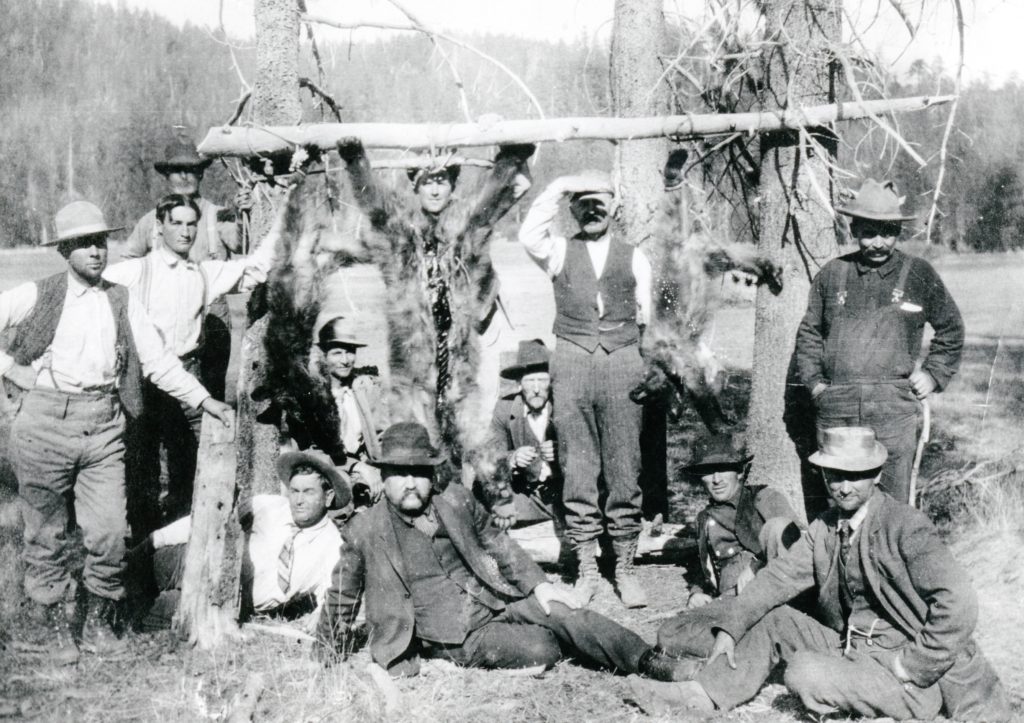
Pacific Coast Bear Club at Grizzly Valley, 1907. Courtesy of Ted Johnson

Lassen County over the years has witnessed an interesting array of organizations. How about the Order of Camels?  The Loafer’s Society? The Pacific Coast Bear Club, headquartered at Spoonville, east of Janesville, would be considered an elite men’s club of the early 1900s. The founder, Captain E.C. “Ben” Brown had a colorful past, who experienced good and bad times with business ventures. Timing can be everything, and Brown was at the right place at the right time during the early discovery of gold at Goldfield, Nevada. He was not alone, which began the careers of many influential people in Nevada, including George Wingfield.

In 1906, Brown organized the club, with Nevada Governor John Sparks as its first president. For the next few years bear hunts were conducted at Grizzly Valley, Plumas County. One year they boasted a kill of nine bears—credit to Brown and his hound dogs.

Subscribe

Why?

Clapper Canyon, Black Rock Desert. Courtesy of D. Dickerson

There are certain questions that are destined to be left unanswered. One that has left me stumped was related to the deaths of Edward Clapper and Peter Lassen that occurred in April 1859 in the Black Rock Desert. In November 1859, three Honey Lake Valley residents, U. Johnson Tutt, Antone Storff and Joe Kitts made the 124 mile plus journey to retrieve the remains of Lassen’s body. For the life of me, that they went to all that trouble, why did leave Clapper’s remains behind?

It should be duly noted that in 1990 the skeletal remains of a human body were found in the region where Clapper and Lassen were murdered. After extensive analysis, it was determined it was the remains of Clapper. On May 30, 1992, a burial ceremony was held at Lassen’s Monument to inter the remains of Clapper.

Donate

Vya, Nevada

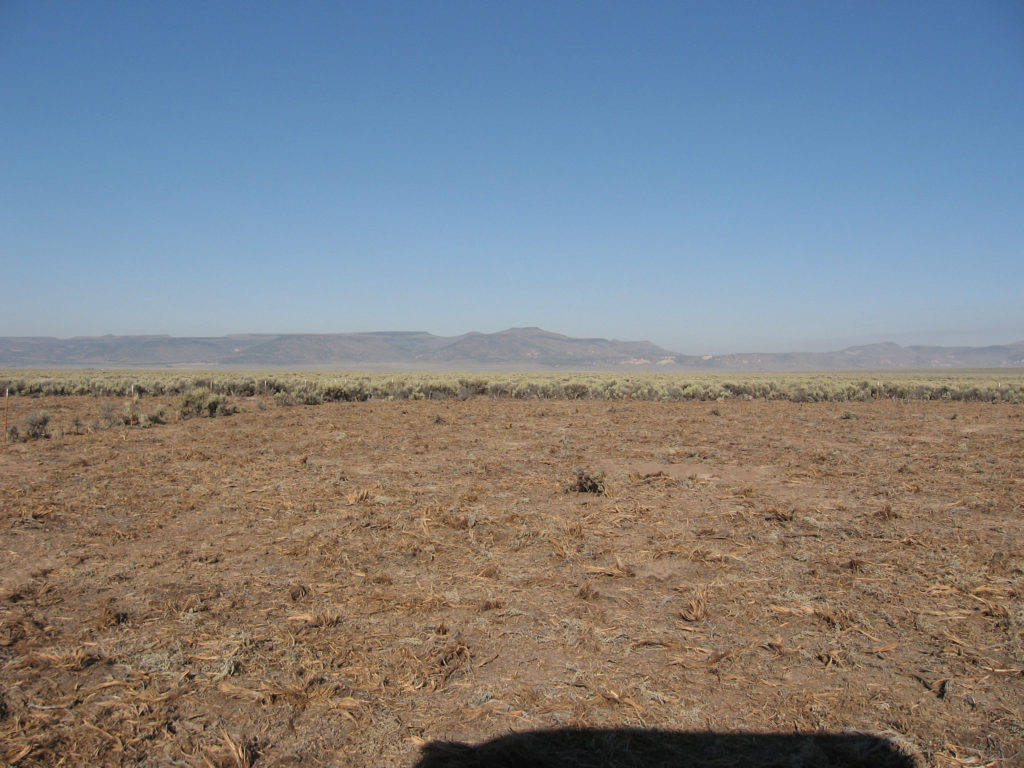
A recently cleared homesite in Long Valley, August 2017.

Located in far northern Washoe County, in Long Valley was the lonely outpost of Vya. Like so many desert communities, it thrived briefly during the early 1900s during the dry farming experience. When the Vya post office opened on September 29, 1910, it was named for Vya Wimer—the only child of Roy and Artie. While folklore has it, she was the first Anglo child born there, in reality she was born on December 22, 1904 at Lake City, in neighboring Surprise Valley. A number of hardy souls struggled to eke out a living there, and in 1941 thirty people were still living there.

There is somewhat of a resurgence there, of a new kind of desert homesteader. These folks are determined to live off the grid, content with the remoteness of the country.

Subscribe

Lassen County, Nevada

Honey Lake Valley, 1952

While there has always been a lot of talk over the years of dividing up California, there is lesser known movement of annexing parts of California to Nevada. This, of course, is much more realistic than splitting the Golden State.

In 1907, Nevada took the lead to attempt to annex Alpine, Inyo, Mono, Lassen and Modoc Counties. Measures in support of the annexation passed in both the Nevada Assembly and Senate.  It was their contention that the residents of those counties desired annexation to Nevada. In addition, they were tied to Nevada, geographicaly, socialy and politicaly, while they were ignored by California. Nevada requested that California allow the voters in the affected counties to vote on the annexation question. California said no.

Subscribe

Sheepshead, Nevada

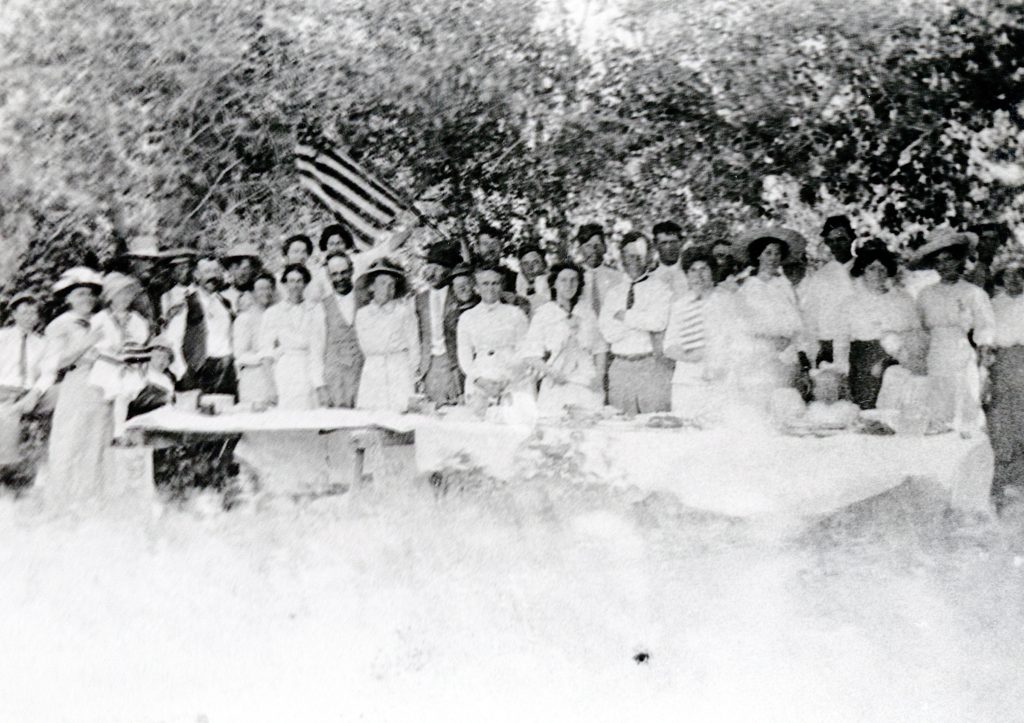
Smoke Creek Picnic, 1915. Courtesy of Fred Nuckolls

Sheepshead, Nevada was a stage stop in the Smoke Creek Desert dating back to the 1870s. It was so named as a big horn sheep’s head was nailed to a cottonwood tree there. It should be noted that the last big horn sheep in that vicinity was killed on Skedaddle Mountain in 1881. Sheepshead was a popular gathering place for the residents of Smoke Creek, due to the creek flowing through, along with the cottonwood trees, made for an ideal setting.

Donate

Dominique Laxalt Family

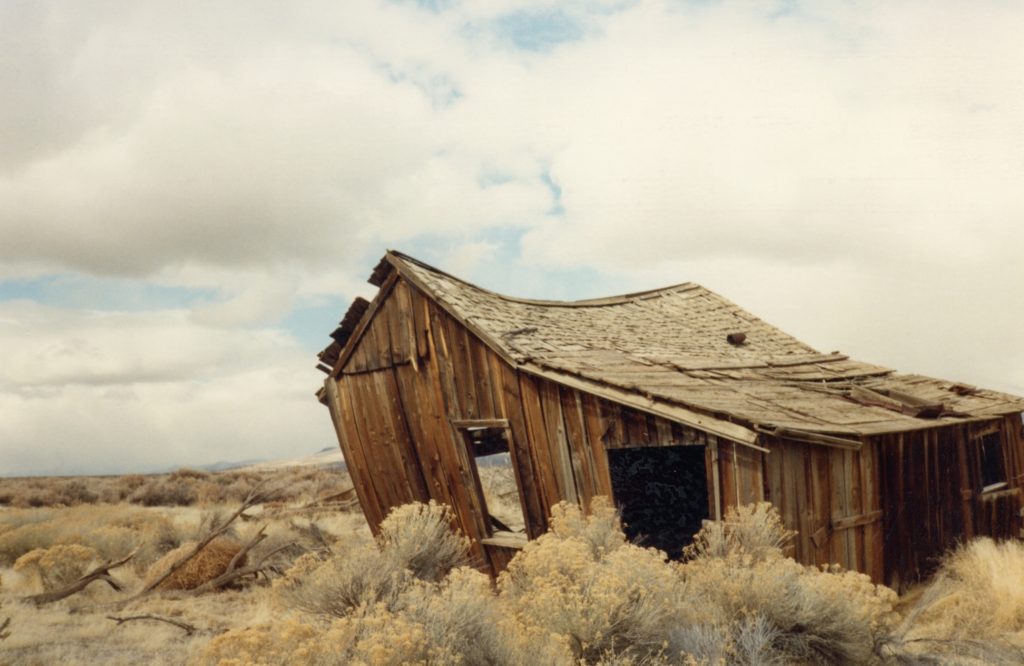
An abandoned desert homestead.

With the passing of former Nevada Governor and U.S. Senator, Paul Laxalt on Monday August 6, 2018, many may not realize that family is part of the heritage of the Madeline Plains.  Dominique was the youngest of the three Laxalt brothers who had various interactions on the Madeline Plains. Unlike his brothers, Dominique was a true tramp sheepman (though many today use the term itinerant instead of tramp).  Dominique would take his band of sheep and move them place to place in search of feed and water. Other Basque sheepman, like his brother, Pete, eventually acquired a home place.  During World War I when sheep and wool price went soaring, Dominique and fellow Basque sheepman, Pete Etchecopar formed a partnership. It was during this time when Dominique married Therese Alphetche in Reno, where he moved. In the early 1920s, when wool prices crashed Dominique, Therese and their infant son, Paul, returned to the Madeline Plains. While residing there, the second son, was born, Robert, who became the well  known author of Sweet Promised Land.  Things did not work out well on the Madeline Plains and Dominique moved his family to Carson City, and started a new chapter in his life.

Subscribe