Tag Archives: Nevada

The Never Sweat Name Enduring Legacy

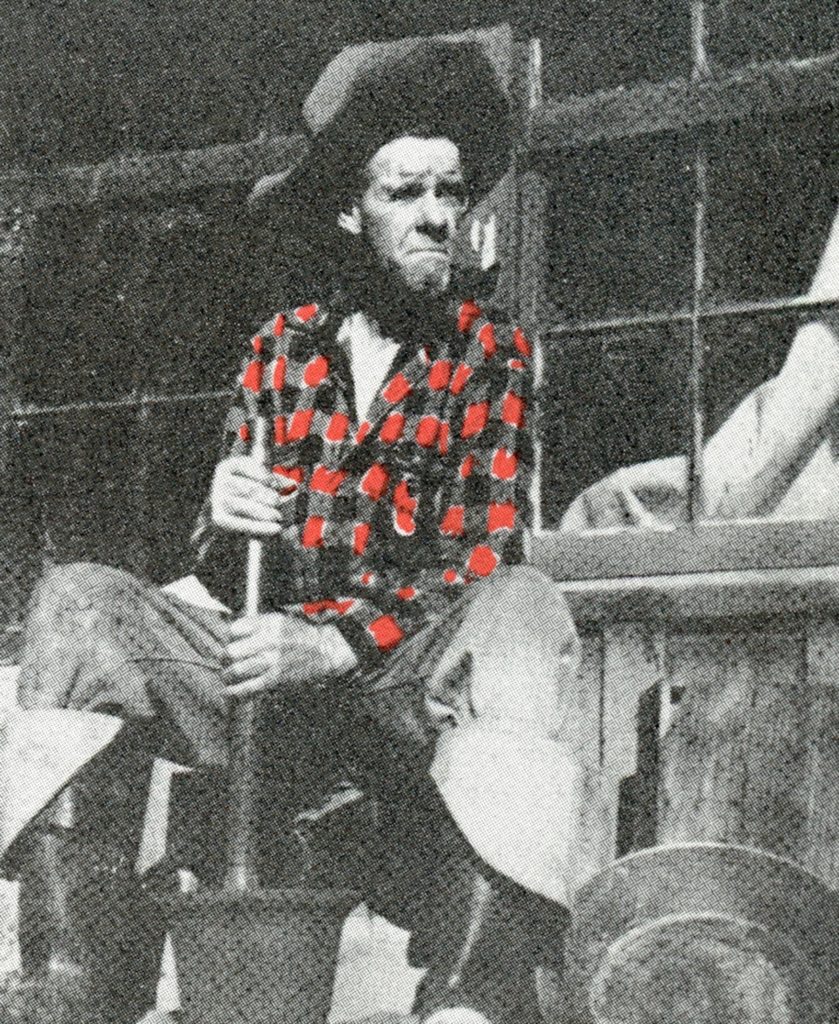
In 1964, Tex proclaimed he was the one time caretaker of Never Sweat Mine.

 For whatever reason, the Honey Lakers embraced the monicker of Never Sweats.  By the 1870s, visitors and new residents were perplexed by this name and some of them attempted to decipher its meaning.  In 1878, one writer, who used the pseudonym of Rover, observed what a Never Sweat was not.  “Honey Lakers are here designated Never Sweats.

Why not because of laziness, sickness or old age, nor previous
condition of servitude, not for lack of possession of time or money; not from any physical imperfections, imaginary or real.  It is no doubt a political or religious peculiarity.”

The term would drift in and out like the tides. However, when Asa Fairfield published his Pioneer History of Lassen County in 1916, he proclaimed Honey Lake Valley as the Land of the Never Sweats forever cementing the name in the area’s history. Since then, numerous organizations have used that name, and in 2000 in part of the City of Susanville’s Centennial used the slogan of Land of the Never Sweats.
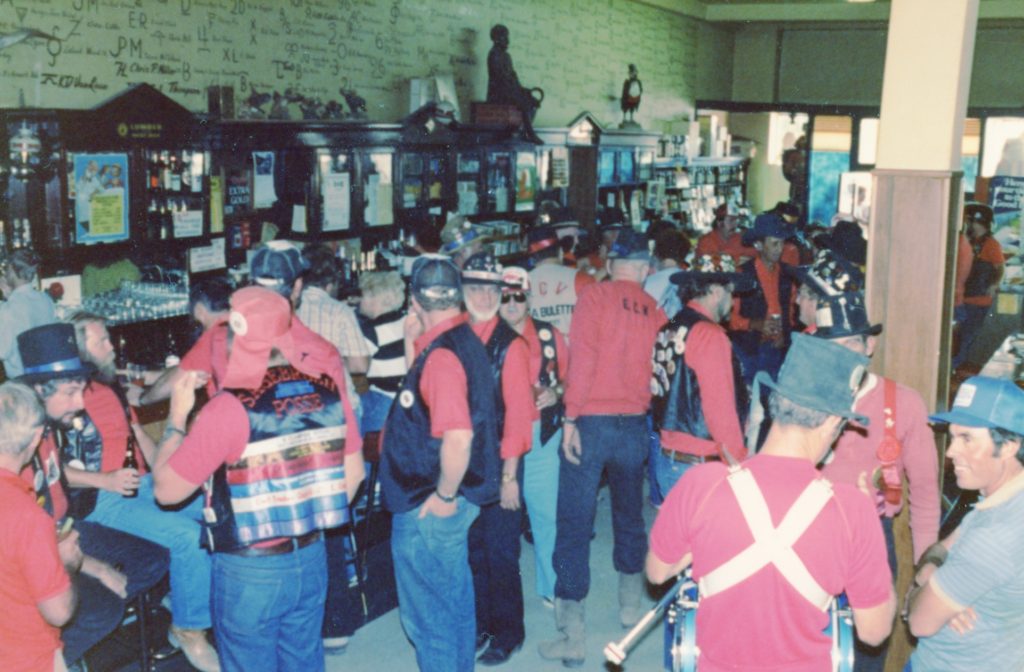
Neversweats chartering festivities at the Pioneer, August 4, 1984.

There is, of course, a landmark the Never Sweat Hills in eastern Honey Lake Valley on the Nevada side. Hopefully, one fine day I will make out there. It has best example of the lakeshore terrace effect from the receding waters of the ancient inland sea known as Lake Lahontan. Another feature near there, worth exploring again is Max’s Masoleum—another story for another time.
Spread the word, and encourage a friend to subscribe

The origins of the Never Sweat Name

 
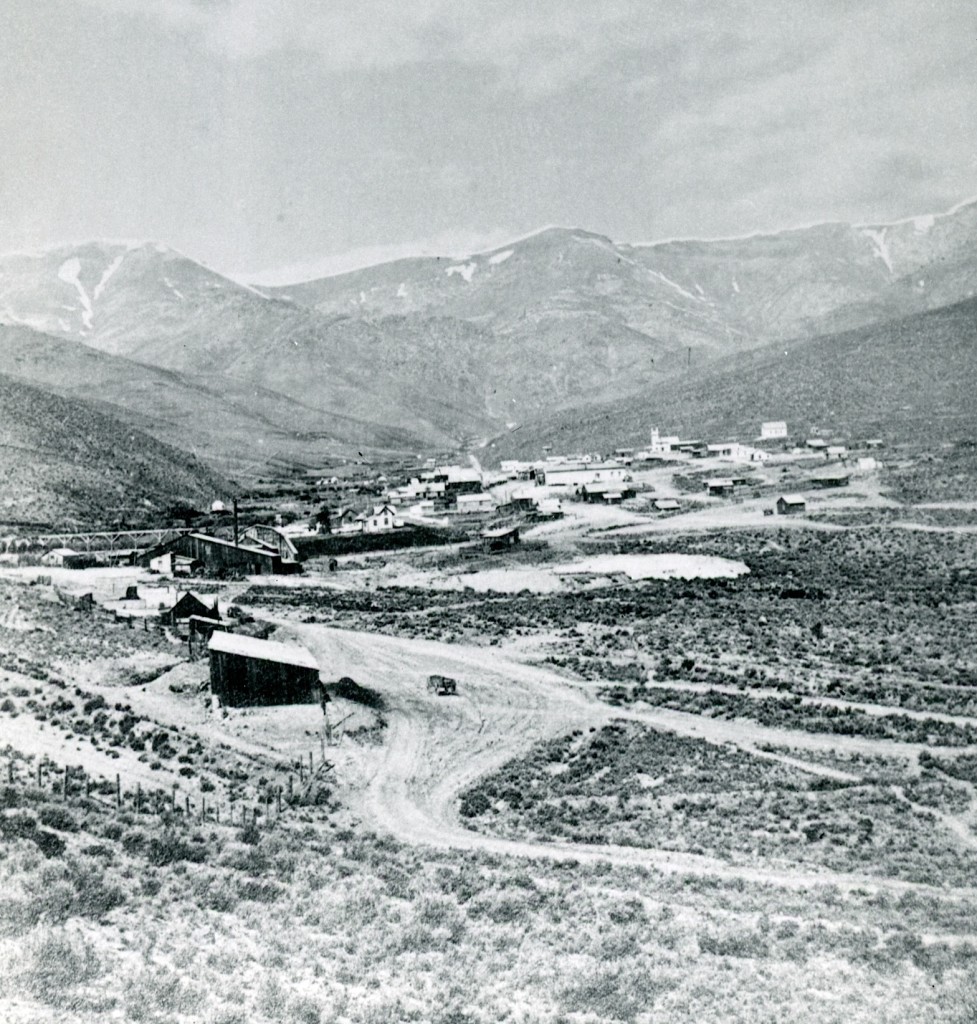
Unionville, Nevada, 1880—Nevada Historical Society

Whether you are an old timer, or a recent arrival, Honey Lake Valley is referred to the “Land of the Never Sweats.” Surprisingly, very few are aware of the origin of the name and its meaning. So as a public service I provide you with my research findings, that a visit to a museum in Victoria, British Columbia and some library research at Twin Falls, Idaho provided the following revelation.

For starters, it was an obscure mining term of the early 1860s.  To be a Never Sweat was considered to be a non-conformist.  In Nevada, for instance, one could hold an interest in a mining claim and not work it.  One could wait for others to prove the claim.  Should the prospects be favorable, the Never Sweat could recover his interest by paying an advance on the accumulated costs.  In 1865, Nevada passed an “Act for the Encouragement of Mining.”  That change in laws abolished the practice of a Never Sweat and the term faded into oblivion, with the exception of the bestowment on the Honey Lakers.

It was the Honey Lakers who used the Never Sweat practice in the political arena.  A perfect example was in 1860, when the Honey Lakers petitioned California Governor M.S. Latham, requesting military assistance during the Pyramid Lake Indian War.  Yet, at the same time, they refused to pay California taxes, claiming they were a part of the Utah Territory.
   

By 1863, the Honey Lakers were designated as the Never Sweats.  The Humboldt Register of Unionville, Nevada of June 27, 1863, wrote about the Honey Lakers at the Prince Royal Mining District:  “It is surpassing strange that these hard working callous backed gentlemen should answer the honest inquiry with a sneer and say there was a place somewhere in the mountains by the name of Prince Royal, but so little repute they had actually forgotten it for the moment. . .Because they were owned by a parcel of Honey Lake ‘never-sweats’!  Ha! Ha! What a pity.”

Tomorrow: The terms enduring legacy

Spread the word, and encourage a friend to subscribe


Susanville, Nevada – 1952

Smoke Creek Desert
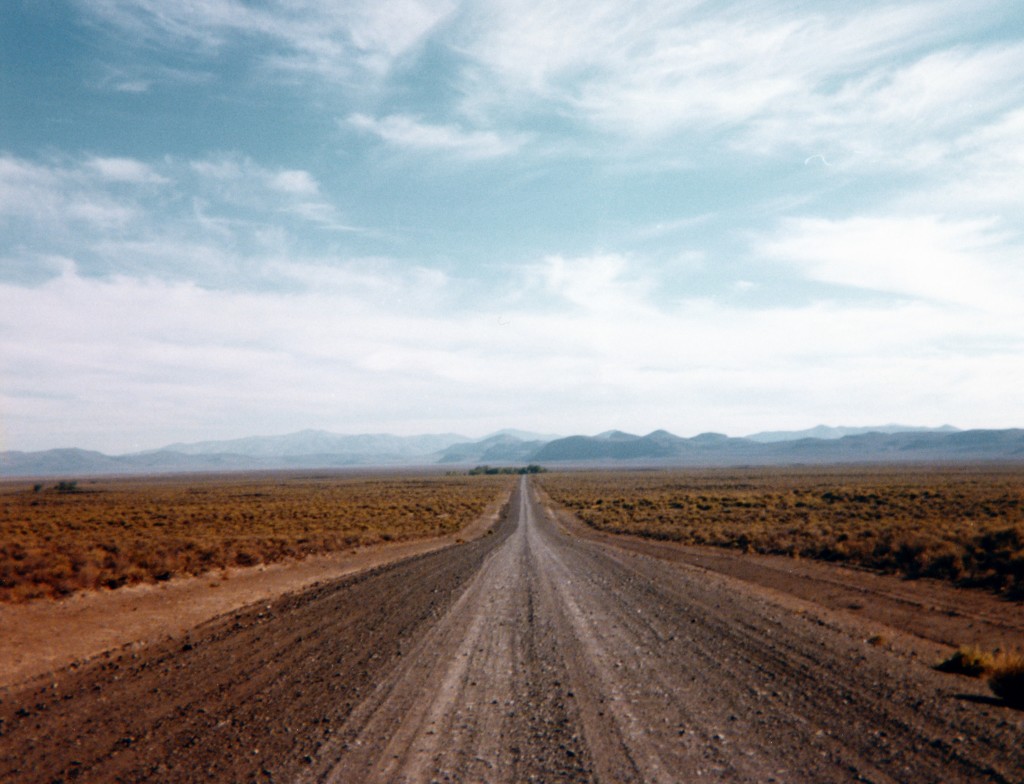
Smoke Creek Desert looking towards Sheepshead, fall, 1977

In the spring of 1952, another Nevada annexation movement sprung to life. In this particular instant it involved annexing Lassen, Modoc and Plumas counties to the Battle Born state.

An intrepid reporter of Susanville’s Lassen Advocate did an informal survey of talking to people one day to get a feeling. Interesting the responses were divided. Here is a sampling of a few:

Opal Proffitt, “I don’t I’d like be in Nevada. I don’t like the idea of gambling. Mrs. James Hodges stated that it feels like we are a part of Nevada and had no objections. George Lovell “I’d like to belong to Nevada myself. They have no debt and think we’d all be benefitted.”. Norman Vornado “I would be against it. I am a teacher and the pay in that field is far below California’s rate.” William Blackmer “I think we’re a part of California and we’d better stay there. Finally, J.F. McGrath “We need to protect Lassen’s virtue, with annexation there would be wide open gambling.”

So it goes, just another failed annexation movement.

Don’t forget to look at the Subscribe feature.

Mixie Flat, Nevada

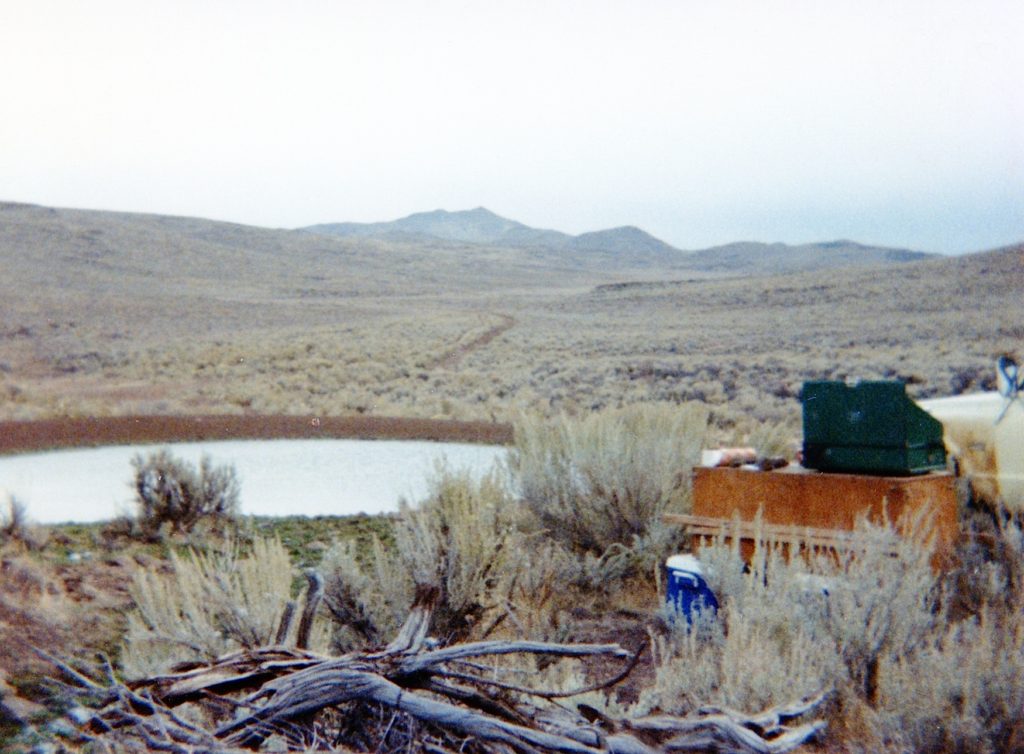
Indian Springs, Mixie Flat, October 1985

Last month, this obscure location was in the news about two travelers, who for reasons unknown, perished near there—no foul play was involved according to officials of both the Lassen and Washoe County Sheriff’s Departments.

Mixie Flat is in northern Washoe County, Nevada, just north of the Smoke Creek Desert and just east of the California-Nevada border. It is also the headwaters of the east branch of Smoke Creek.  While I do not know much about the history, I have some interesting memories camping there in 1985–the kind that you never forget. If one wants a truly memorable lifetime experience, depart Mixie Flat from the east and descend down Parsnip Wash to Buffalo Creek at your own peril.

Support

Jonesville, Butte County

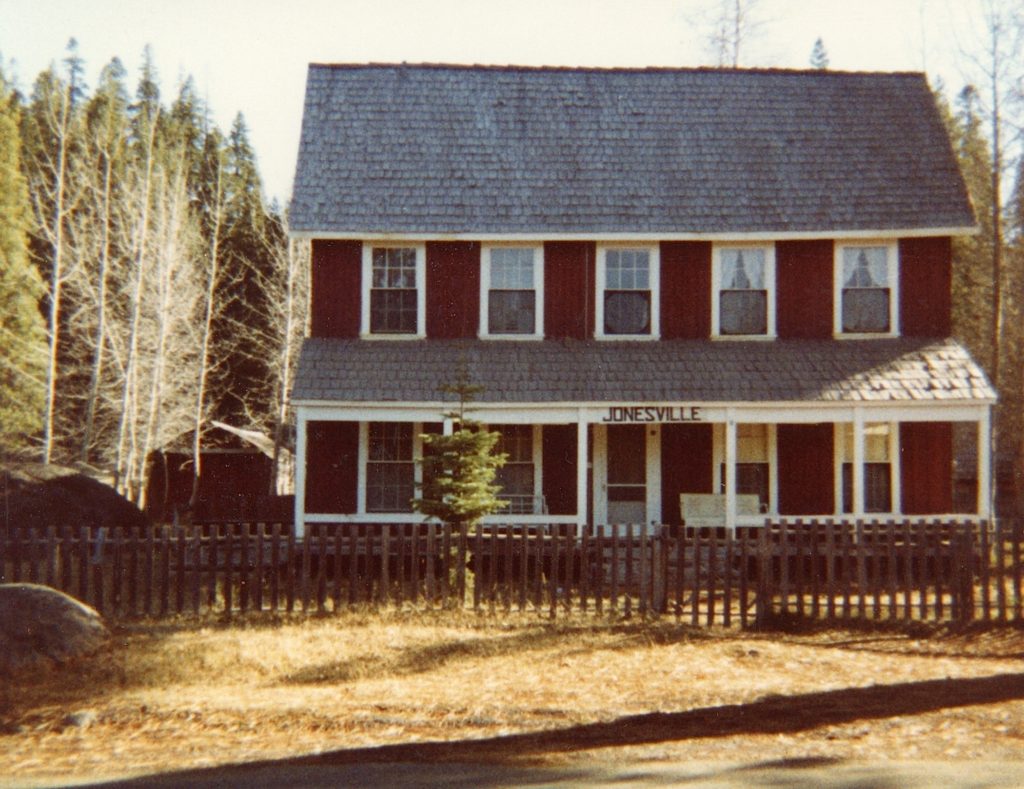
Jonesville, Butte County, November 25, 1980

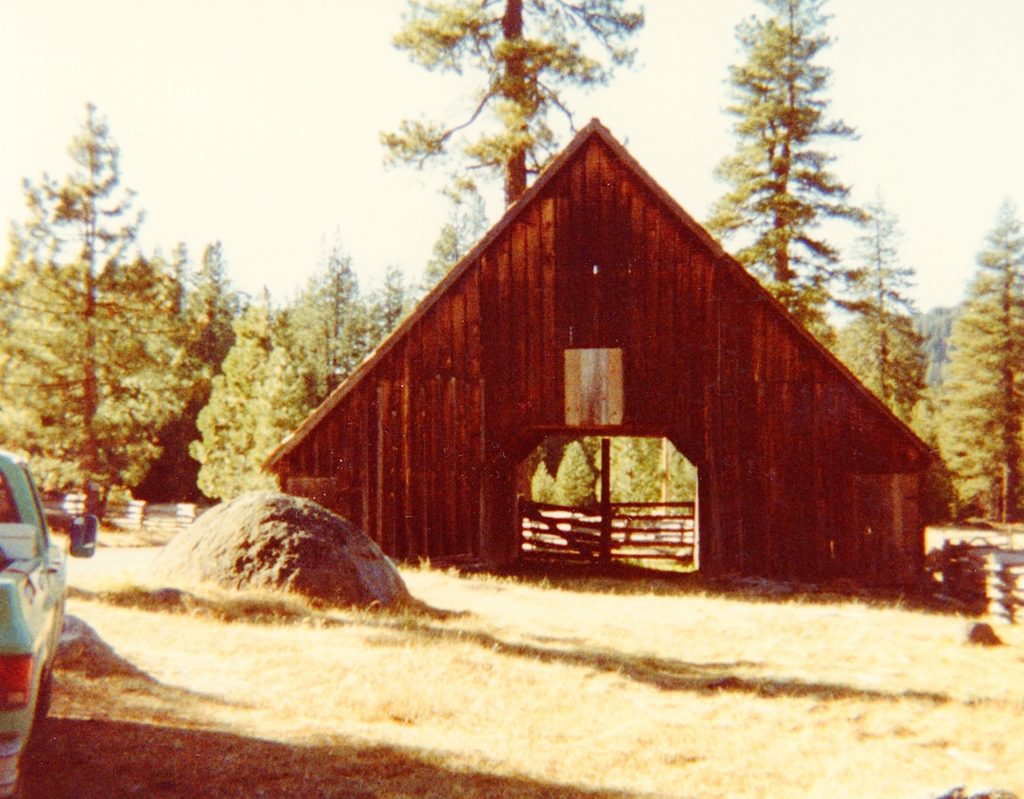
Fall is a great time of year, if you can or the conditions permit to get out and about. A worthwhile sightseeing trip is Jonesville on the old Humboldt Wagon Road. One of its unique distinction is that it is the only intact stage-stop on that road. The Humboldt Road came into existence in the early 1860s. It originated in Chico, then to Big Meadows (Lake Almanor) to Susanville with a final destination of the Humboldt mines of Northwestern Nevada. The line later extended to the mines of Southwestern Idaho.

The Jonesville Barn, November 25, 1980

To make the jaunt take a forest service road west of Lake Almanor which will take you to Jonesville. From there the next destination is Butte Meadows which you can connect to Highway 32 and make a loop. Enjoy!

Support

Flanigan: Anatomy of a Railroad Ghost Town

Flanigan, 1984
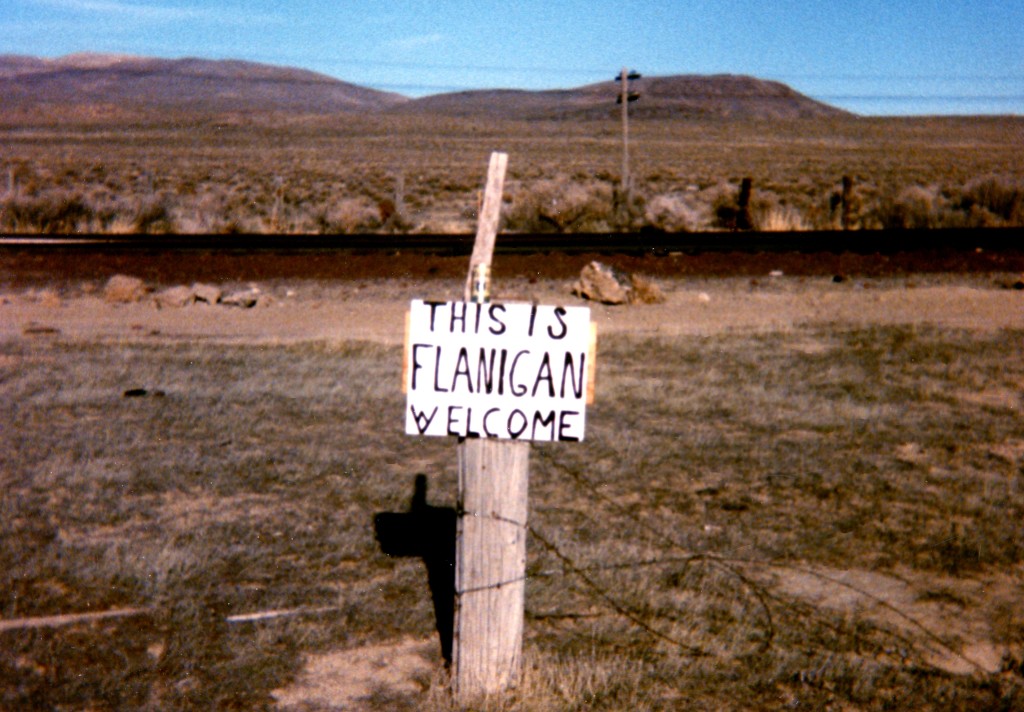
Flanigan Real Estate Promotion sign, 1984

This is a 1985 book by Eric N. Moody (6×9, softcover, 121 pages) I have four used copies at $25. each on a first come, first served basis.

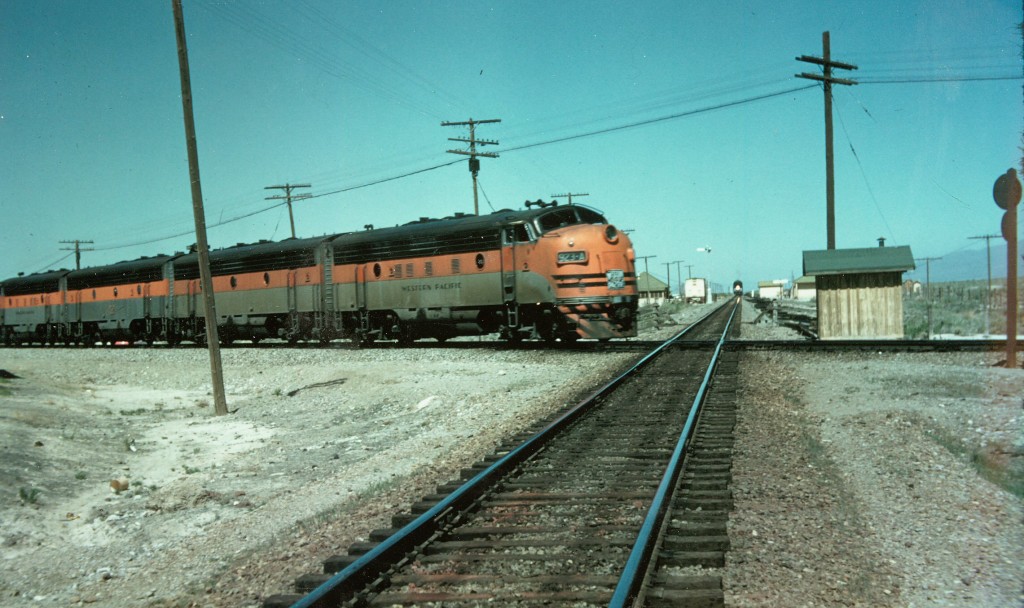
For those not familiar Flanigan was a small railroad community in eastern Honey Lake Valley, on the Nevada side. One of the items that made it unique was the crossing of the Southern Pacific and Western Pacific Railroads.

Flanigan

The townsite was plotted in 1913 by real estate promoters from Oakland, California. The Honey Lake Valley was a realtors dream come true in this era with so many promising developments taking place with the construction of two railroads, irrigation reclamation projects and the Red River Lumber Company’s construction of a lumber town to provide a local market for some many items. It would be one of many boom and boost cycles for Flanigan and today not much remains there.

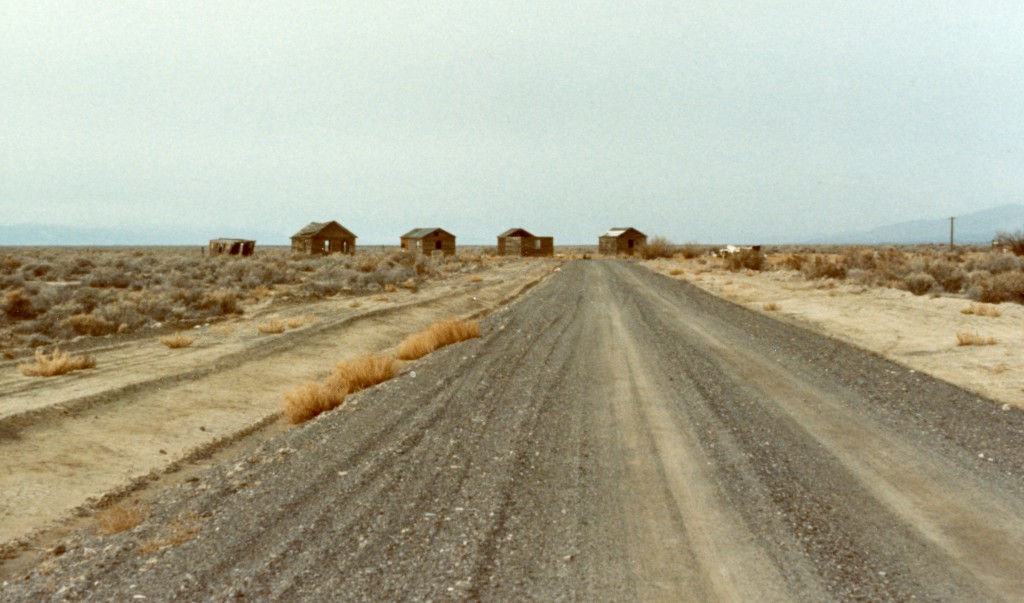
Flanigan, 1976
Flanigan, 1976, courtesy of Christopher Moody

Spread the word, and encourage a friend to subscribe

Reno Airport

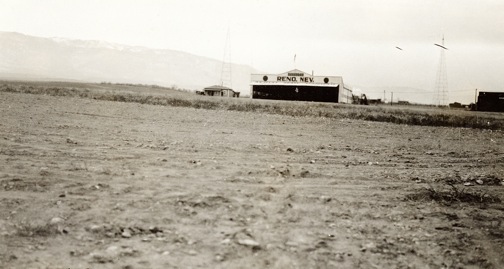
Reno Airport. 1924—Lola L. Tanner

This is a Tuesday special! I thought some might like to see what the Reno airport looked like when it was located at the end of Seventh Street. The airport we know today was established in 1938, but it was not until the 1950s when it became municipal airport under the ownership of the City of Reno.

Tim

Southern Pacific’s Dilemma

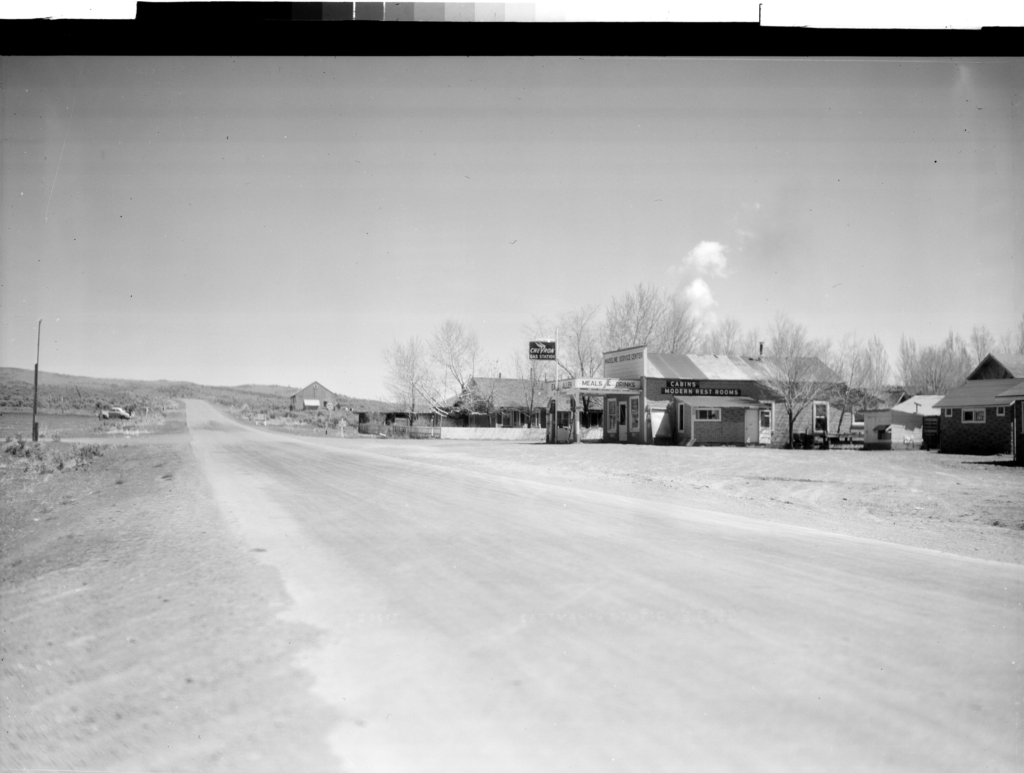
Madeline, Lassen County, 1948–Eastman Collection, U.C. Davis

In the late 1920s, the Southern Pacific Railroad was in a disarray locally, while they fought against the Western Pacific/Great Northern’s Inside Gateway link between Keddie and Klamath Falls. The Southern Pacific had a monopoly on the region and were in a constant flux to combat its proposed competition.

Take for instance in 1929, Southern Pacific greatly reduced its freight rates on timber products. In November 1929, Southern Pacific sent a survey crew out east of the town of Madeline. The surveyors job was to locate a possible line from Madeline eastward through Red Rock Valley and Tuledad Canyon with the ultimate goal towards Gerlach. This officials concluded that this 72 mile route, would save 120 miles to the Klamath Basin. Of course, it was never built, and in 1930 the ICC approved the competitor’s route.

Never miss a story, click here to subscribe.

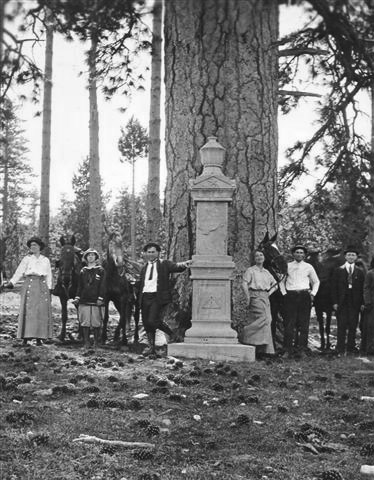
Peter Lassen’s Belated Funeral

Lassen’s grave has been a popular gathering spot over the years.

It was 160 years ago on this date that a belated funeral service for Peter Lassen was held. It should be duly noted that Lassen met an untimely death on April 25, 1859 in the Black Rock Desert some 125 miles east of Susanville. In November his remains were brought back for burial in the Honey Lake Valley and placed near the majestic Ponderosa pine tree where he camped there in 1855.

Lassen’s funeral was chronicled in the Territorial Enterprise newspaper of Virginia City. The paper noted: “The remains of Peter Lassen, the old pioneer, were buried with Masonic honors, Sunday November 27, on his own ranch at Honey Lake. The attendance upon that occasion, was a very large one for that place.”

Support

The Little Truckee River Project

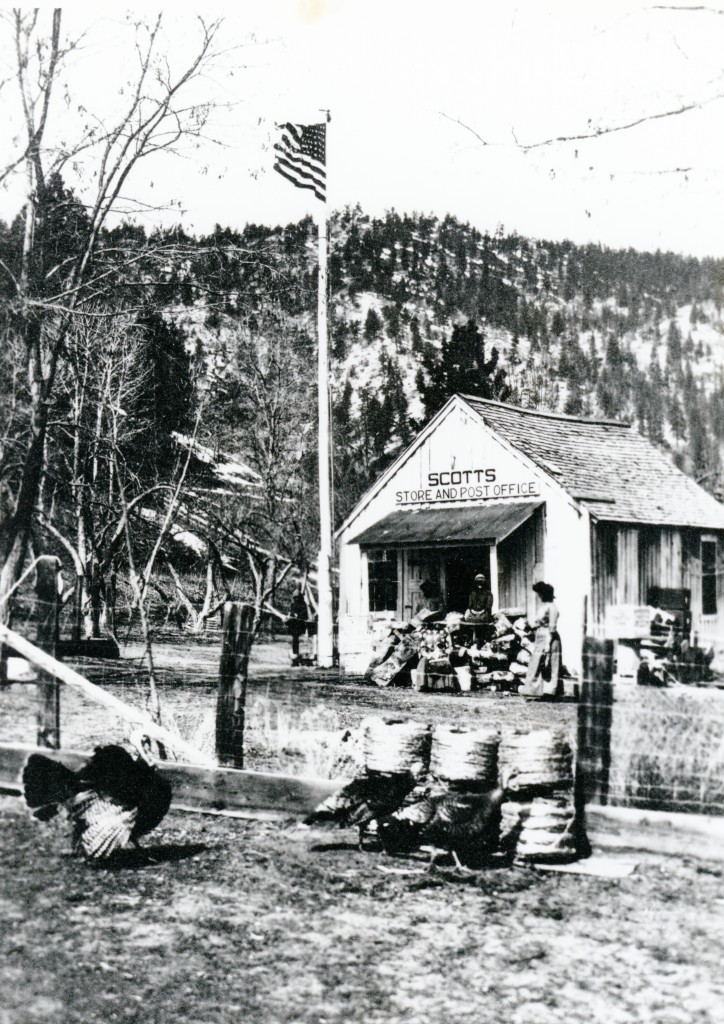
Scotts
Scotts, a Western Pacific station in Long Valley. Courtesy of the Nevada Historical Society

The Southern Lassen Irrigation District was one of my entities organized to reclaim the sagebrush lands of the southern and eastern portions of Honey Lake Valley. This would be done by damming the waters of Long Valley Creek, capturing especially the winter run-off to hold for the spring and summer irrigation season when it is needed the most.

Enter C.E. Grunsky, consulting engineer for the irrigation district. It was his contention that if the district’s goal was to reclaim 26,000 acres, they would need more water than just Long Valley Creek. In July 1918 he unveiled his plan. Grunsky wanted to divert the flood/surplus water of the Little Truckee River via Dog Valley into Long Valley Creek. At Scotts, along Long Valley Creek, about six miles south of Doyle a dam would be construct to impound those waters. It was his contention this would alleviate the flooding problems of the Truckee Meadows (Reno/Sparks). In addition it was his opinion those flood waters were wasted in Pyramid Lake which he remarked, “did no good to anybody.”

In August 1918, Grunsky organized a meeting of California and Nevada officials to discuss the merits of the project. Most of the attendees were receptive. The project never proceeded any further, especially since everyone’s focus at the time was World War I, rations, etc.

Never miss a story, click here to subscribe.