Tag Archives: NCO Railroad

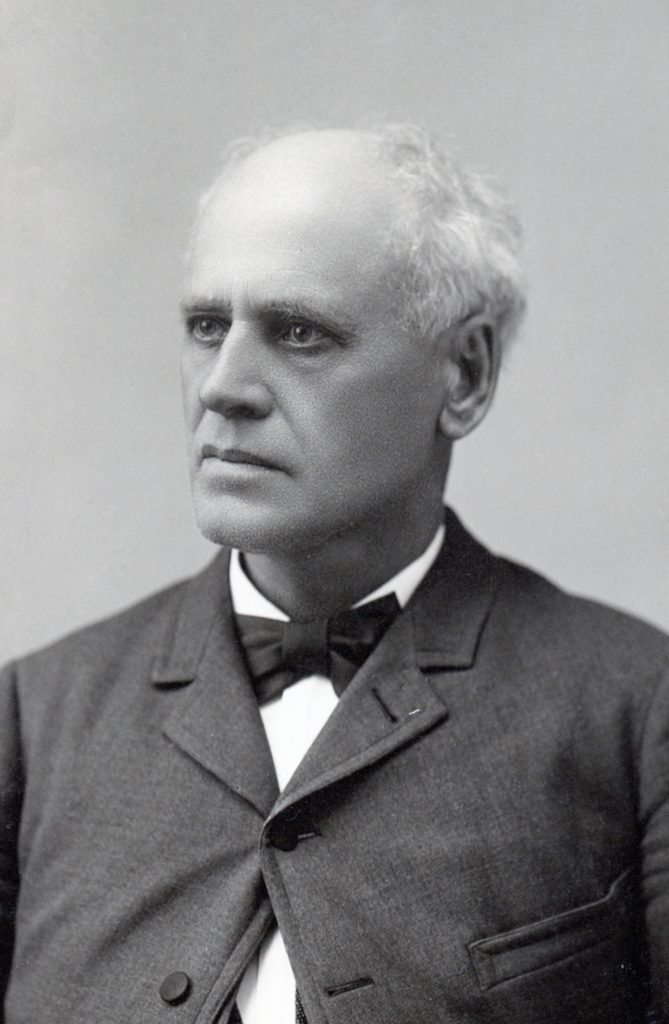
Susanville’s Railroad Advocate—E.V. Spencer

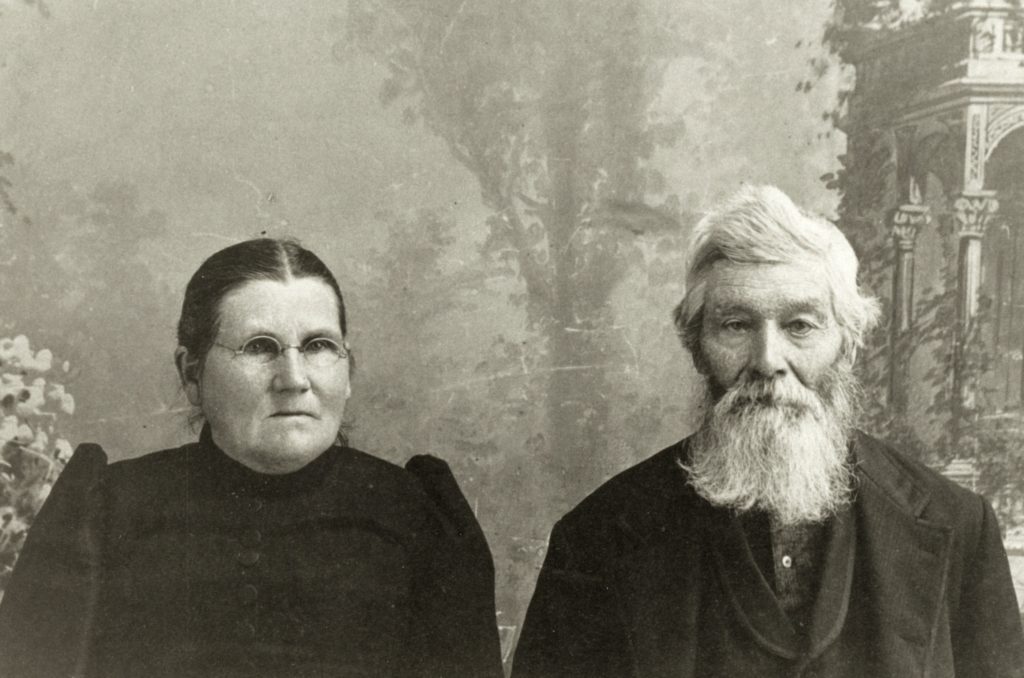
E.V. Spencer—Ivajean Wheeler

Ephraim Van Buren Spencer (1836 -1904) was a staunch advocate to have Susanville serviced by a railroad. Without one, the town in his opinion would be just another “Sleepy Hollow.”

The first glimmer of hope came in 1880 with the establishment of the Nevada & Oregon Railroad at Reno. The fledging railroad struggled in its early years. A dramatic change occurred in 1884 when the railroad was acquired by the Moran Brothers—New York bankers. The following year the railroad went through a name change first as the Nevada & California and eventually the Nevada-California-Oregon.

With Morans at the helm, Spencer saw hope and the residents of Susanville raised $500 to send Spencer to New York to meet with the Morans. The meeting went well, but the Morans stated they had no funds to extend the line. Spencer felt confident that the Morans would eventually build north to Susanville,

In March 1887, Spencer and the community of Susanville were blindsided when the railroad announced it would build a 47 mile extension from Junction (Hallelujah) House to Brubeck’s on the east shore of Honey Lake. Spencer hastily arranged a meeting with Daniel Moran and Edgar Heriot, the latter the railroad’s general manager. Spencer urged them to reconsider, and a route through Susanville would be more profitable. One of the railroad’s concerns was a route out of Susanville to the north. In June concerned Susanville residents met to come up with a plan to convince the railroad to change its mind. Not only did they offer to survey the route, but obtain the necessary rights-of-way, a donation of a depot site in Susanville and more. It was all in vain, due to an unusual circumstance. The NCO fired Heriot, and was replaced a temperamental Erasmus Gest. Gest could care less about the Susanville proposal. He was determined to build the railroad line with the most direct route to Oregon, thus the railroad built on the east side of Honey Lake.

Not be undaunted, Spencer would make one last final attempt with the railroad. In 1899, when the NCO extended its line northward, as construction was stalled during the 1890s, Spencer proposed a feeder line from Hot Springs Station (Wendel) to Susanville. When he contacted the Morans the answer was no. However, Susanville residents could construct the feeder line at an estimated cost of $100,000. That was not going to happen, since community could not even raise $450 to build a public hall.

Nearly eight years after Spencer’s death in 1913, the Fernley & Lassen Railroad arrived in Susanville. The town went through a major transformation and it was no longer a Sleepy Hollow.
Donate

The End of the Line

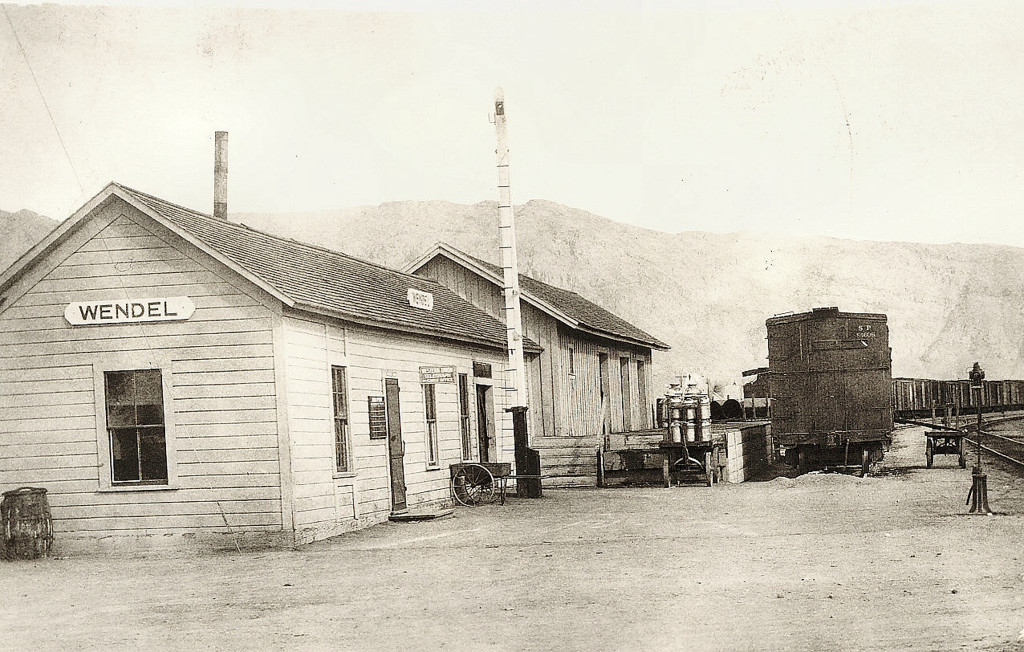
Wendel Depot. Courtesy of Aldah Riesenman

On September 1, 1929 the Nevada-California-Oregon Railroad’s existence came to an end, when it finally ceased to exist and was entirely absorbed by the Southern Pacific. Its demise was slow, and for its owners it must have been a strange process. Its decline dated back to 1914, the last year the railroad made a profit. What was started like a death knell came in 1917, when the NCO sold its trackage rights from Hackstaff (now Herlong) to Reno to the Western Pacific Railroad. Without its connection to Reno, it became a very isolated feeder line to the Southern Pacific Railroad.

In 1925, the Moran family, owners of the NCO, reached an agreement with the Southern Pacific to sell the line. It was a slow process. It would take nearly a year before the Southern Pacific acquired the trackage rights. In 1927, starting at Wendel, the Southern Pacific began to broad gauge the NCO’s narrow gauge line north. One would have thought NCO would have dissolved, but NCO was a peculiar outfit. What really gets confusing is its financial statement. In 1928 the NCO showed an operating revenue of $510,478.37 and a net expenses, including taxes, of $848,262,25.

Support

The NCO’s Troubled Reputation

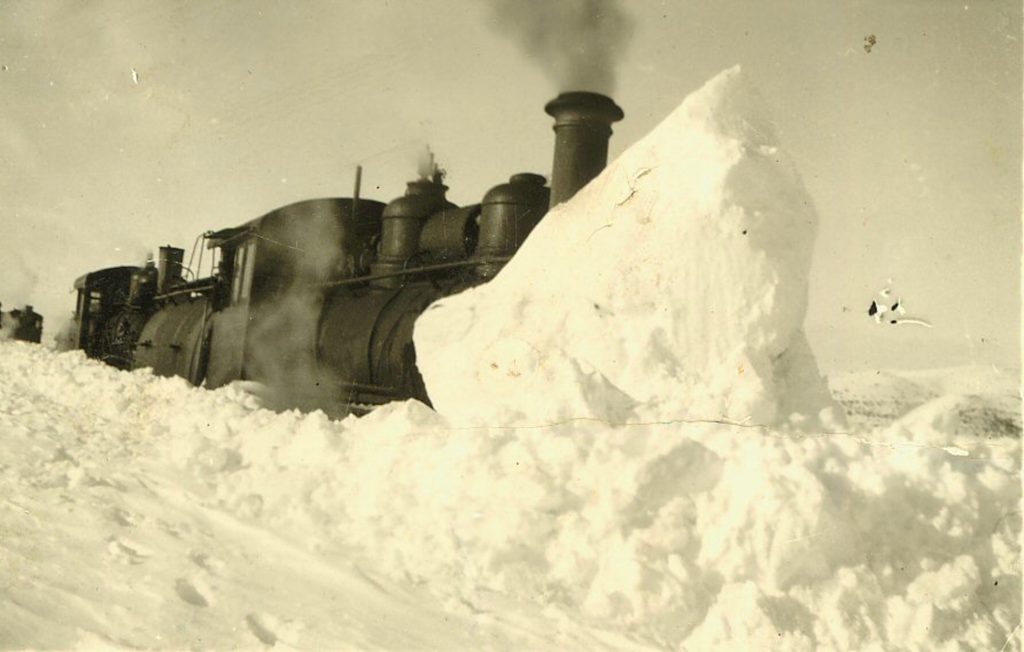
An NCO train stuck on the Madeline Plains, January 1911—Dorothy Capezzoli

The Nevada-California-Oregon Railroad is a fascinating narrow gauge line that went from Reno, Nevada to Lakeview, Oregon. Its original intent was to The Dalles, Oregon on the Columbia River. The NCO would make a good case study on how not to operate a railroad.

Since its inception in 1879, it was plagued with financial troubles. In 1884, a New York banking firm, the Moran Brothers took over the ownership. The following year it was renamed the Nevada & California. In 1888, it became the Nevada-California-Oregon.  These initials NCO became a target of criticism for its poor service. The NCO received such dreadful titles as the Narrow-Crooked & Ornery, the Northern California Outrage, Never Comes Over and the Nevada-California-Ocasional. The newspapers were quick to report any operating problems. In 1893, J.M. Tremain editor of Susanville’s Lassen Weekly Mail called the NCO a tri-weekly.  “It goes to Reno one week and tries to return the next.”

There were times, however, it would have a reason for being slow and at times non-existent. Along Long Valley Creek, the tracks would receive damage from flooding. Snowstorms were another culprit. In January 1916, the snow was so deep, it would take nearly three weeks for trains started running again.

Donate

An Attempt to Reroute the NCO Railroad

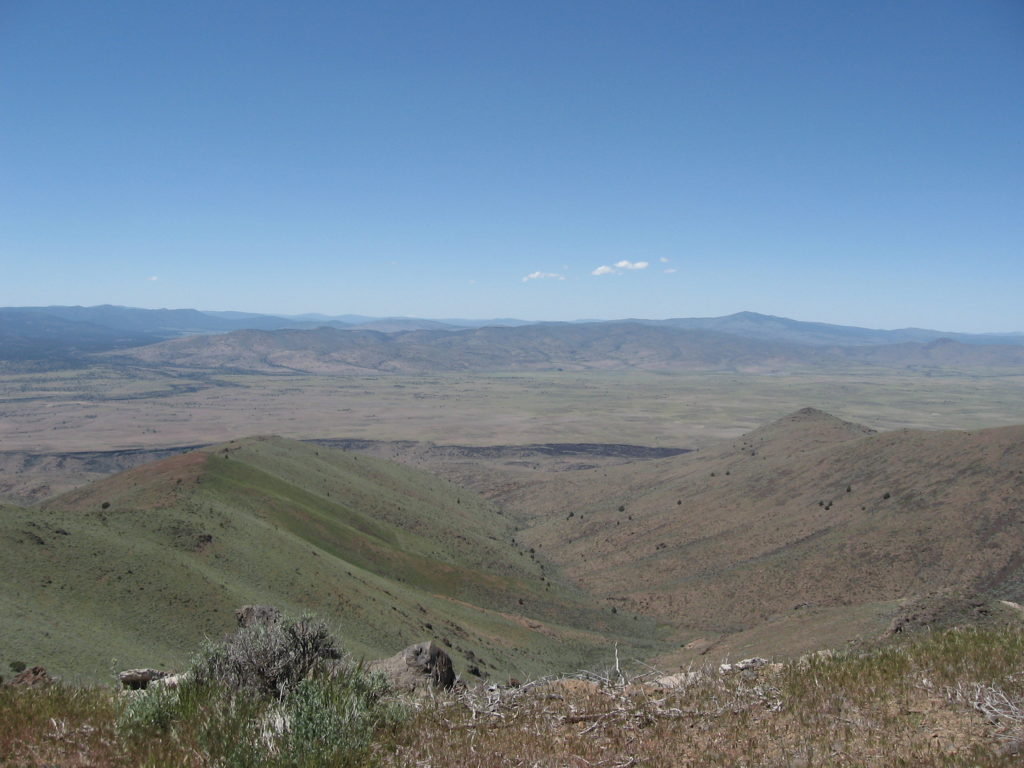
A view of the Tablelands in the distance from Shaffer Peak.June 13, 2018

Susanville and the Nevada-California-Oregon Railroad (NCO) had an awkward relationship since the railroad’s inception. At first it was idyllic as the initial railroad survey would enter Susanville. Then things deteriorated when in 1887, the NCO decided to bypass the west side of the Honey Lake Valley, to the remote east side of the valley.

The strained relationship never improved. In 1899, when NCO extended its line north to Hot Springs Station (Wendel) Susanville residents reached out to the NCO with a proposal. They tried to persuade NCO officials to build a feeder to line Susanville. They cited the potential to tap the vast timber resources to the west. The answer was no. However, if the residents wanted to finance it at a cost of $100,000 the railroad would be agreeable. That was not going to happen, since the community could not even raise $500 to build a town hall.

Fast forward twenty-one years later. The NCO was in financial shambles. In 1917, it sold the southern segment of its line from Hackstaff (Herlong) to Reno. In 1921 the NCO petitioned the Interstate Railroad Commission to abandon its line, due to substantial operating losses. After several public hearings the commission denied the request. It said the railroad could reduce its costs by operating a tri-weekly service instead of daily, eliminate the president’s $10,000 a year salary and close its New York office.

Ironically, Susanville once again courted the Morans, owners of the NCO. This time it was Russell Brownell of the Lassen County Chamber of Commerce who spearheaded the movement. He wanted the NCO to reroute its line from Snowstorm across the Tablelands to Belfast thence to Susanville as the terminus. This would provide Susanville with an alternate railroad to serve the northern sectors. The plan received wide spread support, and the Fruit Growers Supply Company donated its services and surveyed the proposed route.  However, the NCO’s president, Charles Moran balked at the idea. Brownell informed Moran that if Susanville was the terminus it could double that line’s tonnage, and save the financially troubled railroad. Brownell died suddenly in January 1923, and with his death the proposal also died. In February 1923, Moran changed his mind and said he would like Susanville to be terminus, but the railroad could not finance it. It was a costly delay on Moran’s part, since the old offer was no longer valid.

In 1925, the NCO entered into an agreement to sell the beleaguered line to the Southern Pacific. In 1926, Lassen County officials approached Southern Pacific with Brownell’s proposal, though it went nowhere.

Donate

Shumway, Lassen County

Benjamin E. and Mahala (Conklin) Shumway—Carl Illig

Shumway was a ranch and stage stop located at Horse Lake. Benjamin Emerson Shumway (1823-1909) settled there in 1869 and built the first cabin at Horse Lake.  In addition, he built the road from Willow Creek Valley to Horse Lake and then onto the Madeline Plains. For a time, it was the quickest route to Alturas and Surprise Valley.

On May 23, 1883, the Shumway Post Office was established with Susie Shumway, as postmaster. On October 31, 1913, it was discontinued. In 1916, Horse Lake residents attempted to re-establish the post office and have a mail drop off at the NCO Railroad’s Horse Lake siding. The postal authorities denied the request. They stated they did not need a mail drop as there were only four permanent families residing in the area. In addition, it was cited, the NCO was an unreliable operation, with irregular train service and since there was no attendant at the Horse Lake Station, there was no way that the mail could be protected.

Subscribe

The Boat Docks of Honey Lake

E.C. Brown’s tugboat docked at Amedee—Claude Wemple

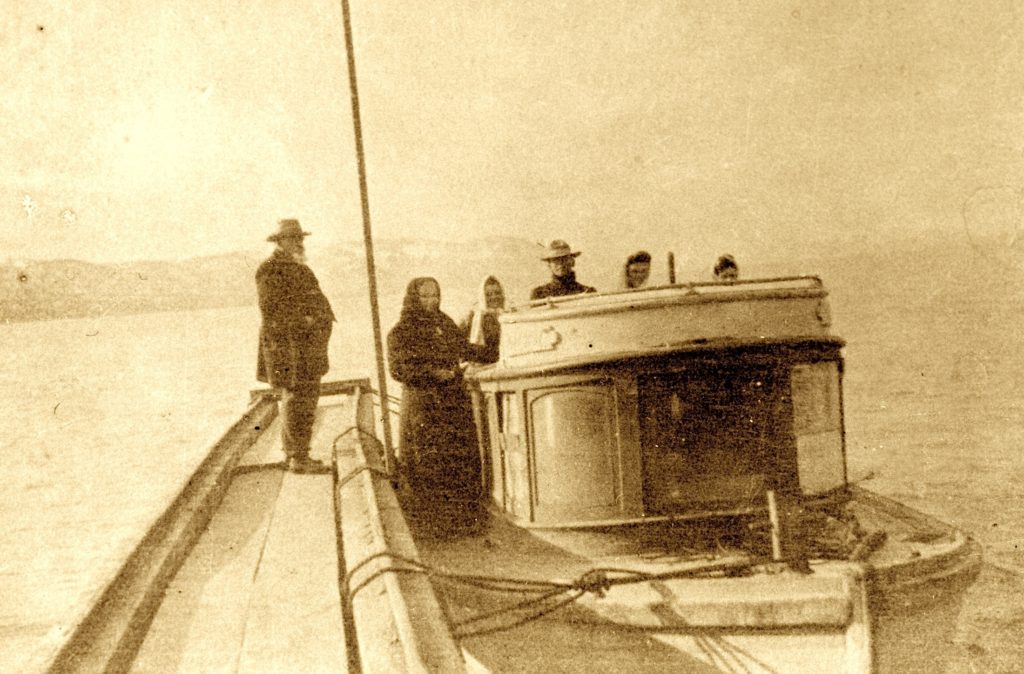
While recreational boating on Honey Lake dates back to 1856, commercial boating did not occur until the early 1890s with the establishment of Amedee on the east side of the lake, as the terminus of the N-C-O-Railroad.

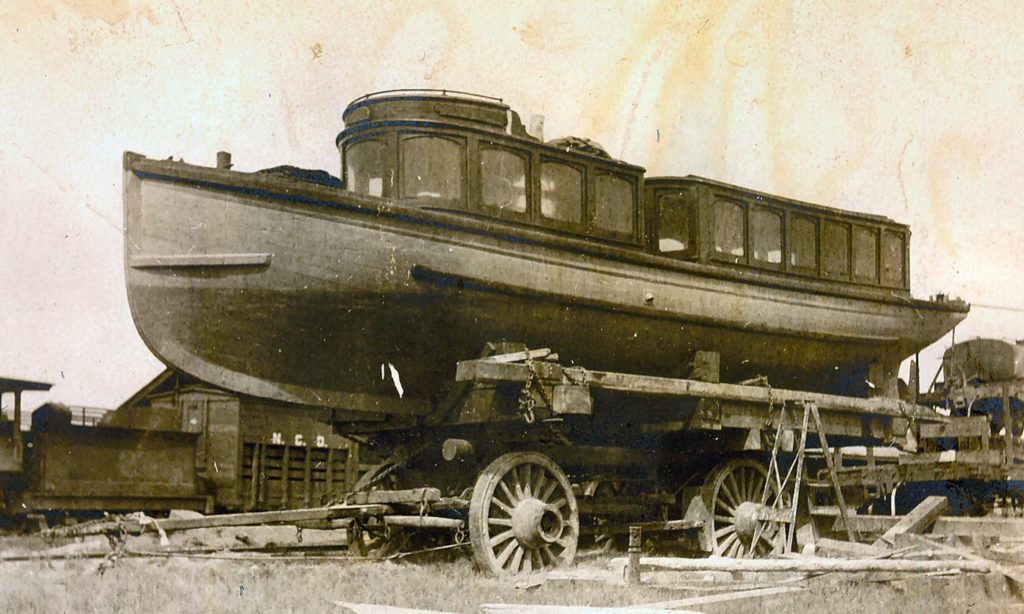
The E.C. Brown’s tugboat at Amedee before being launched, 1907. Courtesy of Marie H. Gould

There were a total of four boat docks. Two on the west shore on the ranches of Decious and Clark. The Barham dock on the northwest corner near where Baxter Creek enters the lake. Of course, the other was at Amedee. Material on them are scarce. In September 1907,  E. C. Brown launched his tugboat at Amedee. In 1915, his son, Asa docked the boat for the last time at Barhams. The last time I inspected the remnants of Brown’s boat, there was nothing to indicate a dock along the shore. The same was true when attempting to locate the site of the Amedee boat dock, there was no evidence of a dock. Though unrelated, it is real interesting what washes ashore on the east side of Honey Lake.

Support

Karlo Post Office Gets A Reprieve

Karlo
Karlo, Secret Valley, 1920

Karlo, located in Secret Valley, was a NCO Railroad station that was established in 1899. The post office was originally known as Secret, but the name was changed to Karlo in 1911. On December 1, 1925 postal authorities suddenly abandoned the Karlo Post Office, without consulting the residents. The residents were upset to say the least, for they now had to travel seventeen miles south to Wendel to pick up their mail. They petitioned to get the post office re-established, in which they succeeded. On December 26, 1925 the Karlo Post Office was back in business. The post office was finally closed in 1934 and made part of the Rural Free Delivery system.

Support

Not One, But Two Madelines

Van Loan’s Hotel, Madeline, circa 1904.

In 1874, Merrick Cheney and George Ford opened a stage-stop in Grasshopper Valley to take advantage of the traffic generated by the Hayden Hill mines. On September 16, 1875, the Madeline Post Office was established there with Ford as postmaster. Why Ford selected the name Madeline is not known. The post office closed on October 17, 1882 and in the following year Ford sold his Grasshopper holdings to William T. Summers. This location is where Slate Creek enters Grasshopper. However, an 1893 U.S.G.S. map indicates the location at the lower end of Grasshopper.

The current town of Madeline came into existence in 1902 when the Nevada-California-Oregon Railroad extended its line through the region. On October 9, 1902, the Lassen County Board of Supervisors accepted the Madeline townsite. For the next fifteen years, prosperous times were to be found at Madeline. The advent of World War I and the subsequent depression of the 1930s had a dramatic impact, not only to the town of Madeline, but to the Plains as well, as seventy percent of its population left the area.

Subscribe

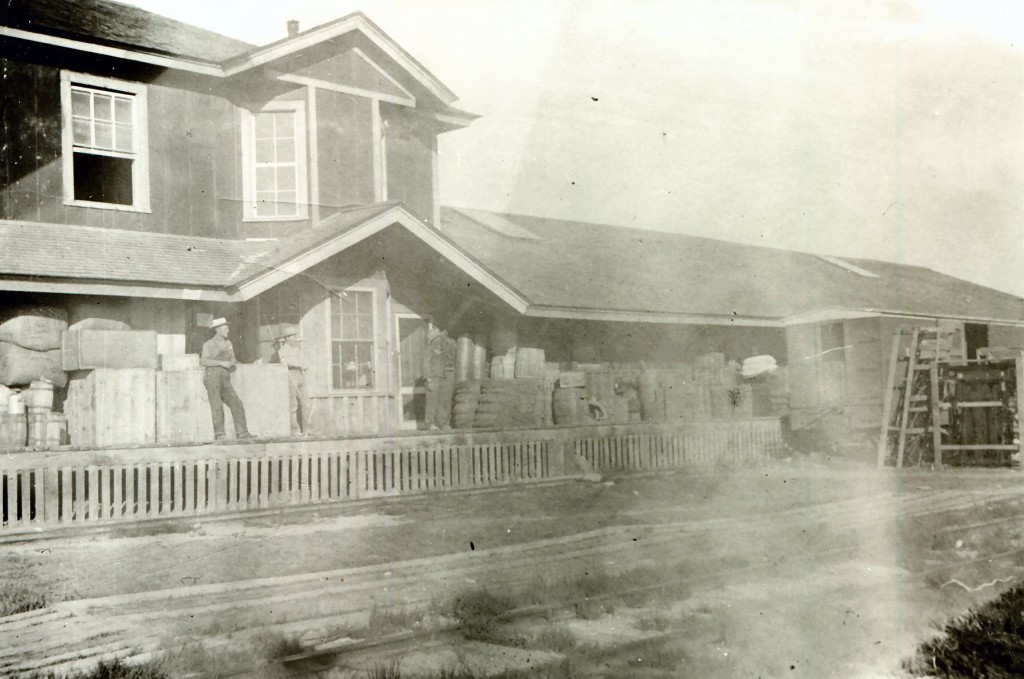
Amedee’s First NCO Depot

NCO Depot, Amedee, 1899.

In August 1890, the Nevada-California-Oregon Railroad (NCO) extended its line northward from Onieda, near the Nevada state line for some fifty miles to Lower Hot Springs, later to be renamed Amedee. The region was stunned as the railroad abandoned its original survey on the west side of Honey Lake, to the east side nearly barren of inhabitants. That is a long story, for another time.

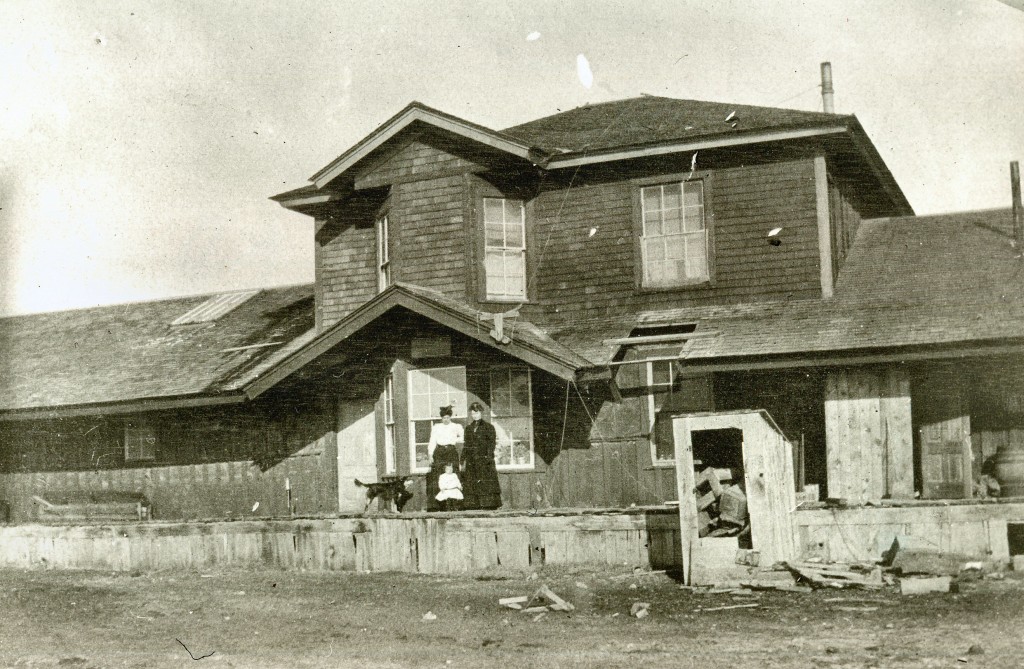
What was also stunning was the size of the depot built there. The two-story structure was 168 feet in length, making it one of the largest buildings in Lassen County. The second story provided lodging for railroad employees. The south side was offices and the remainder of the building was for freight storage.

Amedee Depot
N-C-O Depot at Amedee, circa 1906. Courtesy of Marie Herring Gould

In its early years, it was a busy place. A quarter mile away the NCO constructed stock years. To understand the activity, during a two week period in April 1891 nearly 30,000 head to sheep were at the corrals. After shearing the sheep, 160,000 pounds of wool was shipped, along with forty carloads of cattle.

In 1900, when the railroad extended its line north to the Madeline Plains, Amedee lost its status as a major shipping point.  On July 1, 1909 the depot was destroyed by fire, origin unknown.

Support

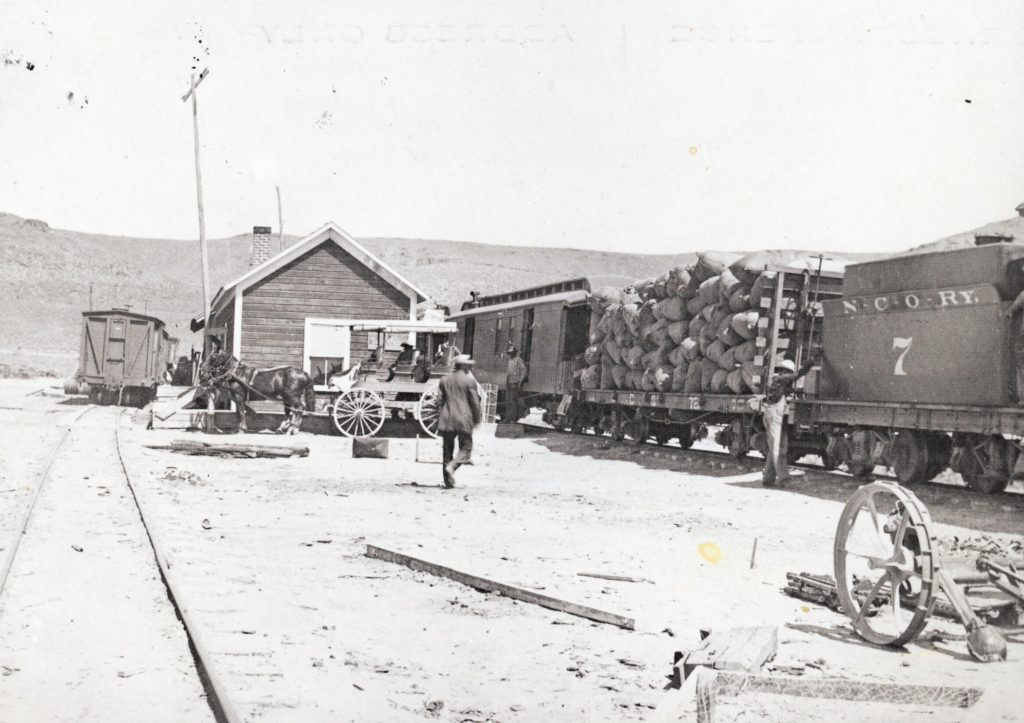
Hot Springs Station, Lassen County

Hot Springs Station would later become Wendel. This scene is dated 1899–Tom Armstrong

No one would have ever thought that Amedee would be the terminus of the Nevada-California-Oregon Railroad (NCO) for nearly a decade.  It certainly was not the railroad’s plan. However, the nation’s financial crisis of 1893 coupled with a national railroad strike brought a lot of activities to a screeching halt.

In January 1899, without any fanfare the NCO finally jump started its northern extension. Five miles to the north the railroad established its Hot Springs Station, known today as Wendel. Some had aspirations that it might become a new “Amedee.” However, that would not be the case. What Hot Springs did receive was a bunch of camp followers. This rag-tag group peddled alcohol, gambling and prostitution. By the time, the Lassen County District Attorney could crack down these activities, not only had the railroad continued to build north and the followers fled to more profitable locations. Hot Springs Station heyday did not arrive until after it became Wendel and the demise of the NCO. In 1927 the Southern Pacific Railroad began the conversion of the NCO from narrow to standard guage.

Support