Tag Archives: Native American

In Search of Painter’s Grave


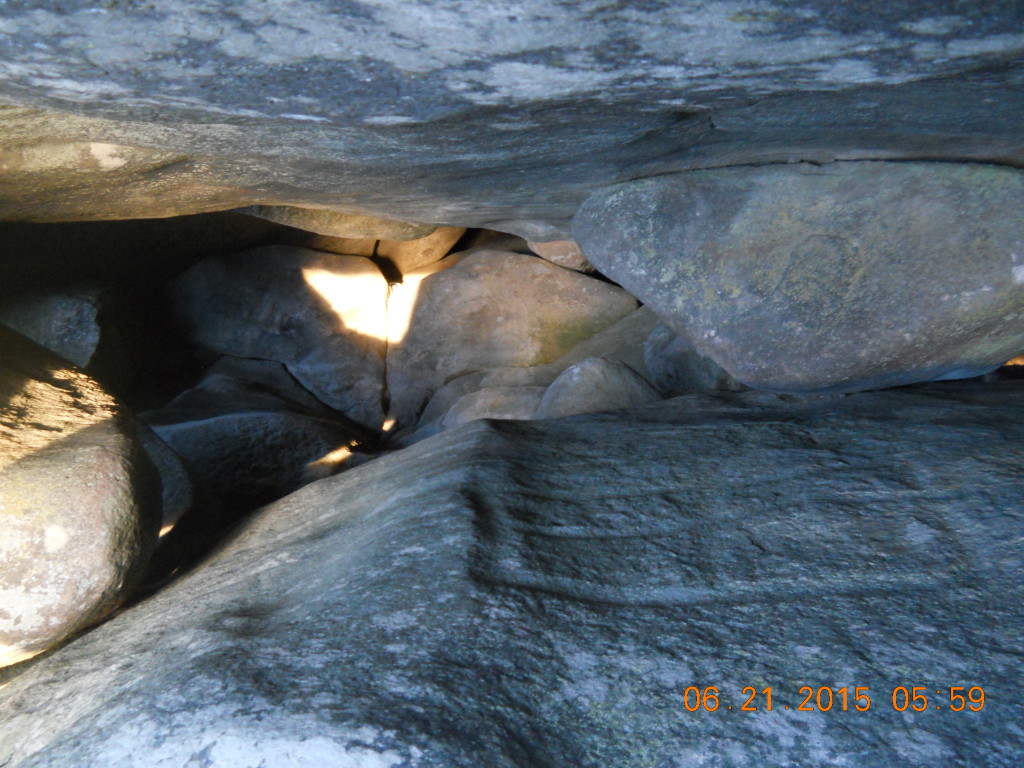
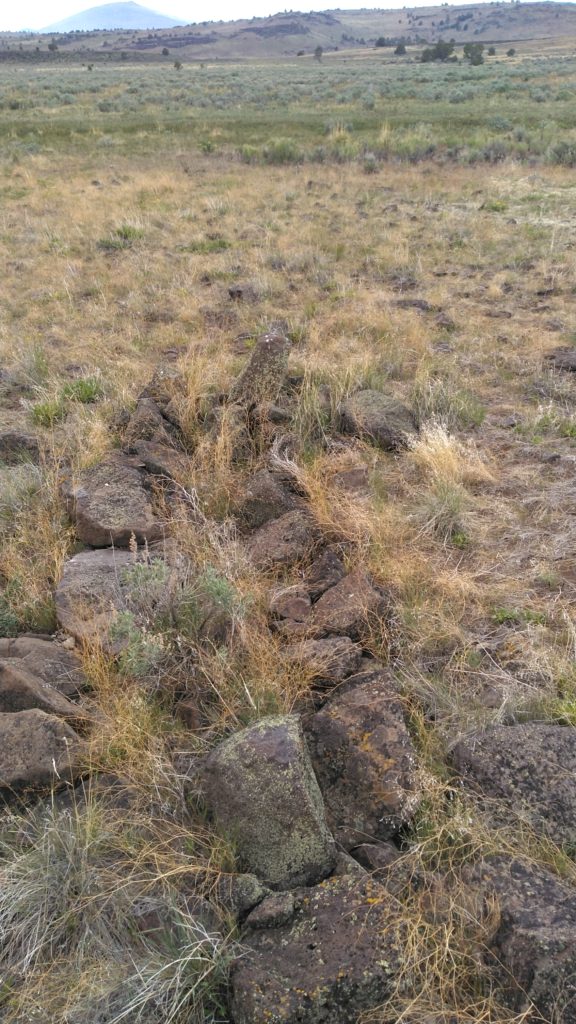
Is this Painter’s Grave—Brent Espil

First a little background. For those not familiar, Painters Flat is a remote location in northeast Lassen County, not far from the Nevada border. It was so named after Alexander A. Painter who died and is buried there. On June 19, 1860, Painter was part of a posse after a band of renegade Indians who killed Horace Adams in the Honey Lake Valley.  They followed the Indians’ tracks north to the Madeline Plains. From there, they headed east through a canyon. Just before entering a valley there, they were ambushed by the Indians, Alexander A. Painter was mortally wounded. Painter’s body was moved a mile northeast from where he died. He was buried there beneath a cedar tree.

Fast forward to the mid-1990s. Terry Mallery and I made several expeditions there in search of Painter’s grave. We used the Lander’s written account of the event for reference. We struck out. In the spring of 2020, Brent Espil sent me the above photograph, with the question, “Is this Painter’s grave?”. Unfortunately, I do not have an answer.

Coming soon in search of another grave expedition in the Smoke Creek Desert.
Why not take this opportunity to Subscribe 

Charles Crawford—Lake Cemetery’s First Internment

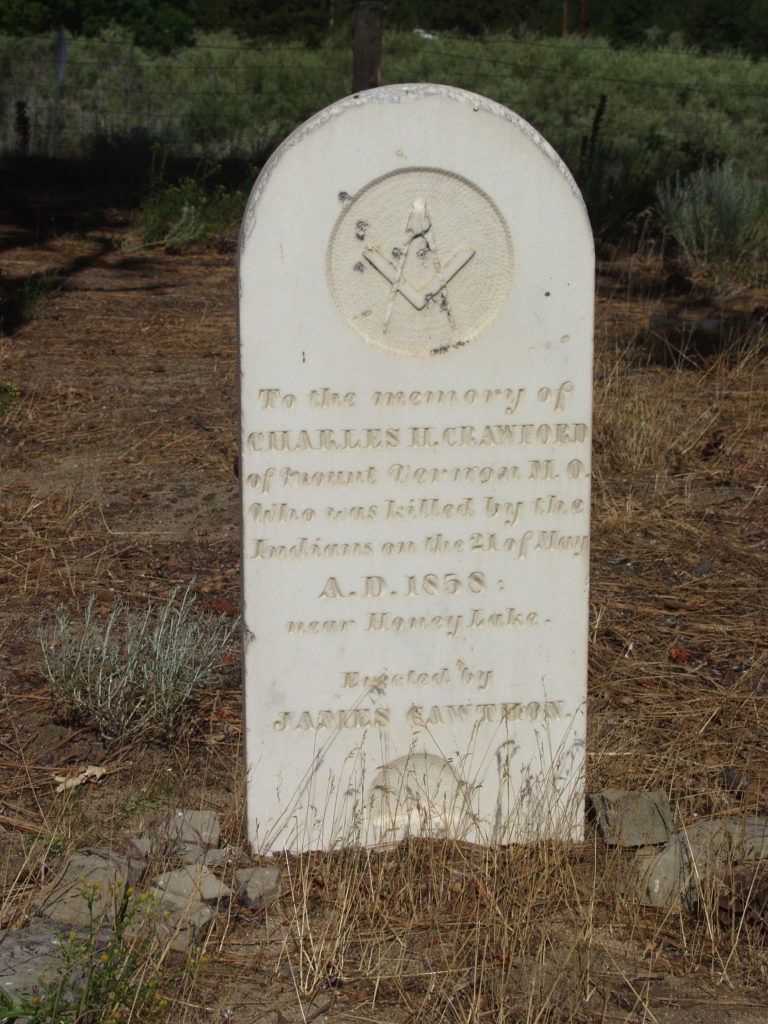
The grave of Charles Crawford, July 1, 2020—Larry Plaster

During the spring of 1858 relations between the Maidu and Washo tribes and the Anglo settlers were tense due to the Indians driving away the Anglo’s livestock. In May 1858, the Indians drove a yoke of oxen from Manly Thompson, near Janesville and for whom Thompson Peak is named for. The oxen were driven over the mountain. A posse of nine men formed to search for the animals. Eight traveled on foot, while Charles Crawford, a very heavy set man, rode a mule. Once over the mountain near Last Chance, they encountered an Indian camp, but there were no signs they had anything to do with oxen. Later they encountered another group of Indians, who fled, and a pursuit ensued. Crawford had a encounter with one, who shot him with a arrow, that deeply penetrated his chest to the extent, it nearly went through his body. In the end, the other men made a make shift of stretcher to carry Crawford back over the mountain to Janesville. It was an ordeal for them due to his weight. There was little that could be done to aid in his recovery and he died three days later on May 21, 1858, and his grave became the nucleus of the Lake Cemetery.

Subscribe

Sunrise Solstice Tour

Sunrise Chamber, 2015

Were you aware that the Belfast petroglyph site also serves as ancient observatory?  This event only occurs on the morning of the summer solstice when the sun enters a chamber highlighting a variety of glyphs, among other things. It is quite the sight to see.

sunrise chamber
The sunrise chamber.

This is an early morning excursion and I mean early as we gather at 5 a.m. to make the trek. In preparation attendees receive in advance John Rudolph’s paper, “An Ancient Solar Observatory.” If there is enough interest we can make the trip this year. Last year only one person indicated an interest, but did not commit, so I cancelled. So it is important that you express an interest to me in advance.

The solstice occurs on Sunday, June 21. On Saturday, June 20, I will send an email with all the details, or on the other hand whether its cancelled. After all, if it is overcast there is no sense in going.

Note: There is a $5.00 fee for non-subscribers.

Never miss a story, click here to subscribe and support.

A Ward Lake Discovery

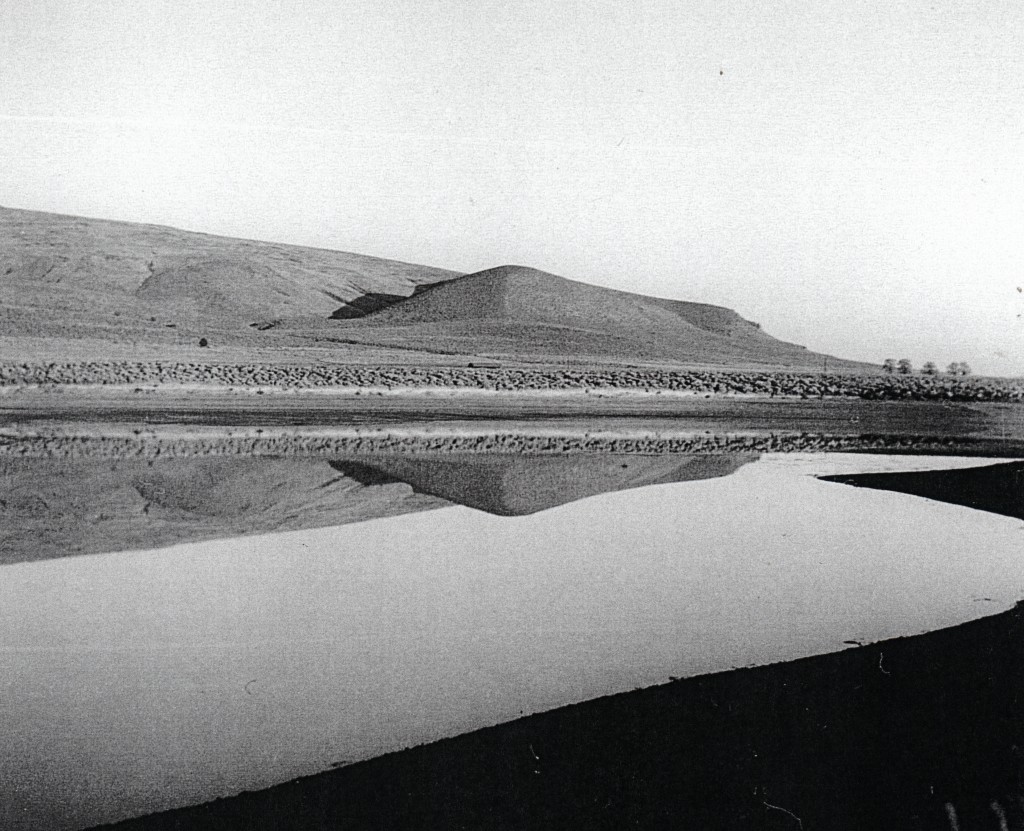
Ward Lake, October 26, 1969. Photo by D.B. Martin

Ward Lake, located about two miles northwest of Litchfield is a man made creation. It was built to store the storm waters of Secret Creek. The first dam was washed out in 1890. A second dam was built two years later. In January 1892, work began using Fresno scrapers to move the earth. In doing so an skeleton was exhumed and believed to be an Indian medicine man. It had been well preserved. It was noted there was a necklace, balls of war paint, beads, a spear head an a knife shaped flint. In addition, what appeared to be two pieces of a deer’s leg with numerous notches. What made this unique were the items found with the skeleton. There had been reports from time to time from farmers while plowing fields to come across skeletal remains, and nothing else.

Subscribe

A 1929 Wild Horse Round Up

Dixie Valley Ranch

The following is an interesting tid-bit that I happened to come across. This is the earliest known round up of wild horses by a government entity that I have come across. In November 1929 the forest service conducted a roundup in the Dixie Valley area of northwest of Lassen County. The following is the statement they issued:

“Wild horses and scrubs have become a nuisance on the national forests. With the shortage of feed, due to the unusually dry season, there is a serious shortage of forage and these animals are taking a large amount that right fully belongs to the stock entitled to grazing privileges in the forest.

“The forest service, in cooperation with the C.W. Clarke ranch in Dixie Valley, recently staged a roundup in which about 140 of these scrub animals were corralled and sold to the buyers of chicken feed.

“While these horses are termed as “wild horses,” in reality they are scrubs that have escaped from herds ranging the forest and from Indian owners. They are of no value, except as chicken feed, and the cost of catching them often amounts to far more than can be realized for them for that purpose.

“When the horses are rounded up those bearing brands are marked and again turned loose. Indians and others are notified and if they can establish ownership are allowed to take their property upon a fee of catching them.”

Subscribe

Where are we – Observation Peak

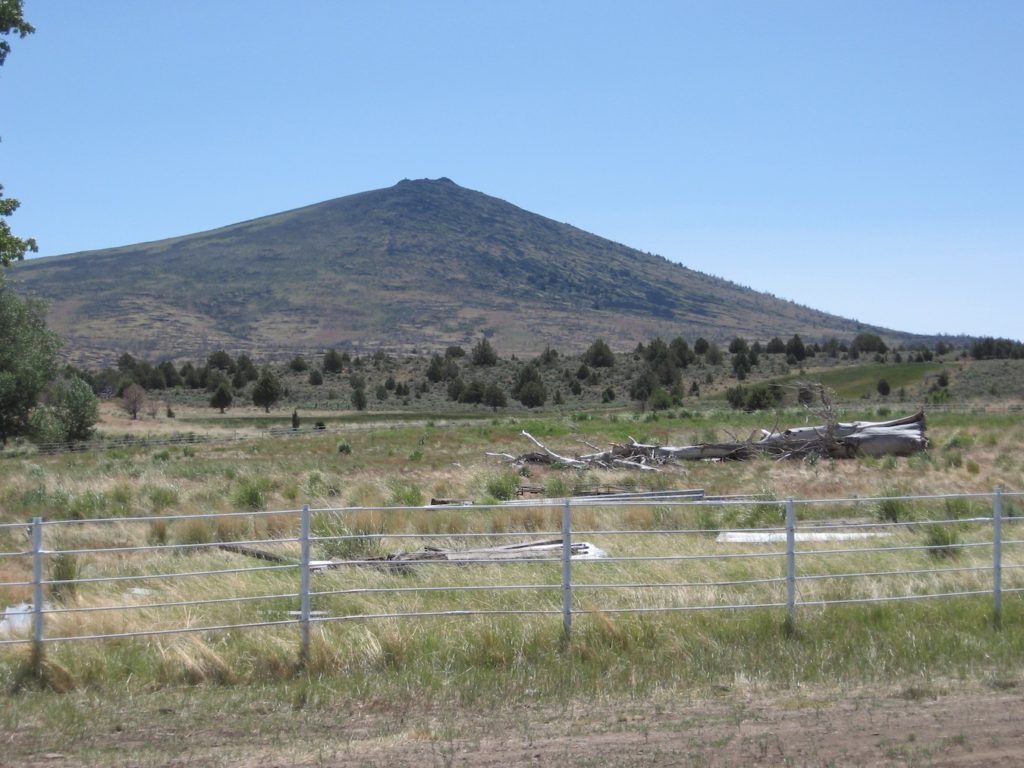
Observation Peak. June 2001

Located on the south side of the Madeline Plains, the Paiute Indians referred to it as Toka kudzi ni roughly translates into Black Peak.

Observation Peak, elevation 7964’, was so named for the views afforded from there. On September 29, 1850 J. Goldsborough Bruff and Isadore Meyerwitz climbed to the top. Atlas Fredonyer had visited there in the summer of 1850 and noted the peak by its name. On June 22, 1854, members of Lt. E.G. Beckwith’s party in search of a transcontinental railroad route climbed the peak. The mountain is sometimes referred to as No. 7. On the southwest flank there is a volcanic rock formation in the shape of the number seven that can be seen clearly as far away as Leavitt Lake.

Never miss a story, click here to subscribe.

Early forest fire origins

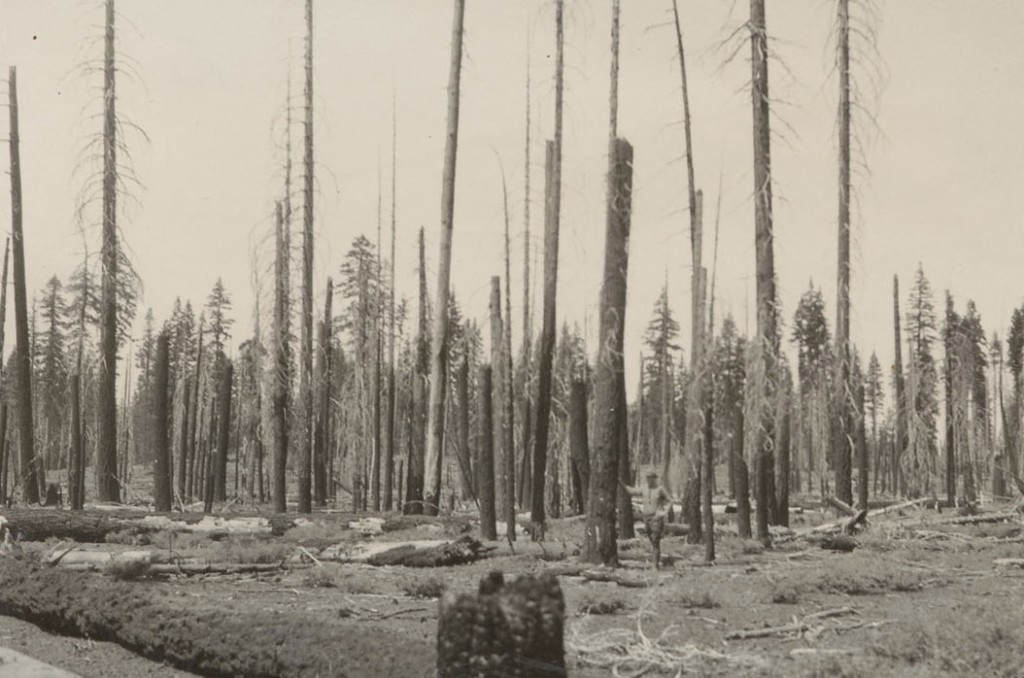
Prattville Fire burn, 1925

In the fall of 1899 various Northern California newspapers pondered the question of the causes of forest fires, especially during fall. The San Jose Mercury News blamed it on hunters. The Oroville Register stated it was the cattlemen who set the fires every fall. Susanville’s Lassen Advocate chimed in with this response: “Over this way it is the custom to charge the sheepmen with the forest fires. Some of the fires are doubtless due these different agencies, but not all of them. An old hunter “a man who has lived long in the mountains” tells us many fires are set by Indians. He says that in seasons when deer are numerous, as they have been in this season, they may be found in numbers where the underbrush has been burned off, disporting in the soft warm ashes and fall easy victims to the Indian hunters.”

Subscribe

First Impressions – Reno, Nevada

Sylvester Daniels. Courtesy of Jean Gorzell

On June 3, 1874, Sylvester Daniels arrived in Reno, Nevada by train from Iowa. It was his first stop on his way to tour Northeastern California. He was not impressed. Daniels wrote:

“Lots of drinking of all kinds of drinks. I have not seen anyone drunk enough to stagger, yet it is only eleven o’clock in the morning. They don’t know any money smaller than ten cents. Money making is all the rage here. Most every man has his pockets full of silver. It seems very strange to me, it is so different from what I have been used to.

“In this place, lodging is one place and eating is another, eat wherever you have a mind to. I took a walk this afternoon out to the west end of town. It is just sagebrush desert, but I saw some yards that is irrigated. The Truckee River runs along the south side of town. It runs very rapidly. It goes tumbling over the stones as though it was in a great hurry to go to some place right quick. The town is watered by the river.

“Saw a drunk squaw this afternoon. She was walking up the street swearing at an awful rate. A man told me they always talk in English when drunk. This is a terrible place for drinking and gambling to say the least. And I can not say any more that I have not seen any one drunk. I have come to the conclusion that the drinking men are drunk all the time, are never sober. I think it is different with the Merchants and they have nice stores here.”

Subscribe

Another Bear Dance Story

The final segment of the bear dance, 1900. Sponsored by Anna Stewart

This photograph is quite interesting on many fronts. First, this was the very end of the Honey Lake Maidu Bear Dance at Lone Pine, on the south side of Bass Hill, along Baxter Creek. The photograph was taken circa 1900, by Susanville resident, George McDow. There is not much historical documentation of this particular bear dance, versus those conducted by its Maidu neighbors. At the end of the ceremony, the Maidu go to the creek to wash their faces. The 1909 inscription on the back of this photograph, provides a little insight: “Last part of the Bear dance. The women put water on their heads to keep them good for the coming year.”

If you have happen to be an astute reader, you notice I provide credit to the source of the photograph. In this particular instance, instead of courtesy of, its replaced sponsored by. Anna Stewart, also known as Susanville Supermarket’s Green Grocerette,  annual subscription occurred at the same time this rare photograph appeared on Ebay, which those funds purchased it. Thank you, Anna for your support. The bottom line, is those who subscribe and/or donate help contribute to not only preserve our rich history, but to make it available through this forum for everyone to enjoy. Thank you all for your support.

Support

Governor Brown and the Bear Dance

Sacramento Bee, June 9, 1975

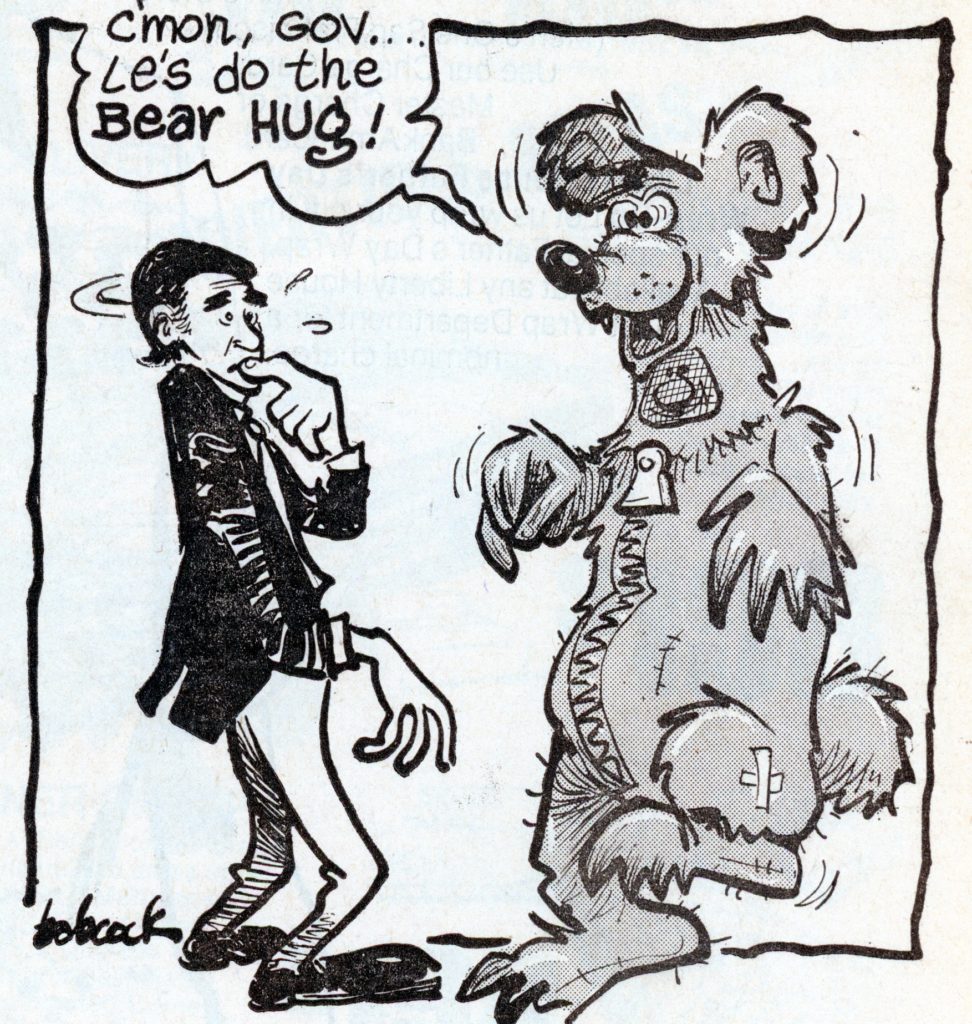
On Sunday, June 8, 1975, California Governor Edmund G. Brown, Jr. made a surprise visit at the bear dance held on Gladys Mankins’ property near Janesville. It did come as a surprise to the some 500 people at the event. The ever so inquisitive Brown asked questions about the ancient ritual in which the Indians transfer their troubles and evil spirits to the bear figure impersonator, as some relay it as a form of thanksgiving. There is very little documentation about the event of years gone by, but a piece of 1909 documentation recently surfaced, which I will share tomorrow. As to Governor Brown he stayed at the dance for nearly three hours, then left with California National Guard to make a quick inspection at the nearby California Correctional Center, then returning to Sacramento.

Subscribe