Category Archives: History

Where Are We—Smoke Creek Ranch

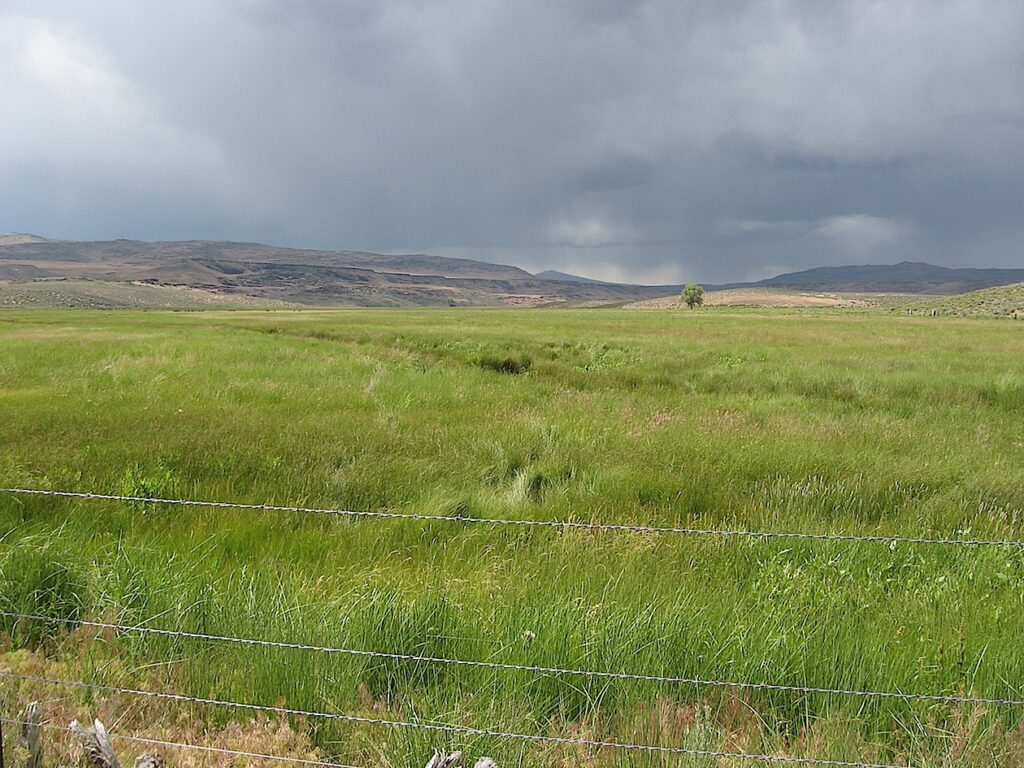
Smoke Creek Ranch, June 26, 2023

The Smoke Creek Ranch located near the California-Nevada border is one of the oldest ranches in Nevada. On May 30, 1857, T.T. Kingsbury claimed the property. In the 1860s, he followed by W.V. Kingsbury  (no relation) who had a trading post there. Business was brisk because of not only located along the Noble Emigrant Trail, but there was also military encampment nearby.
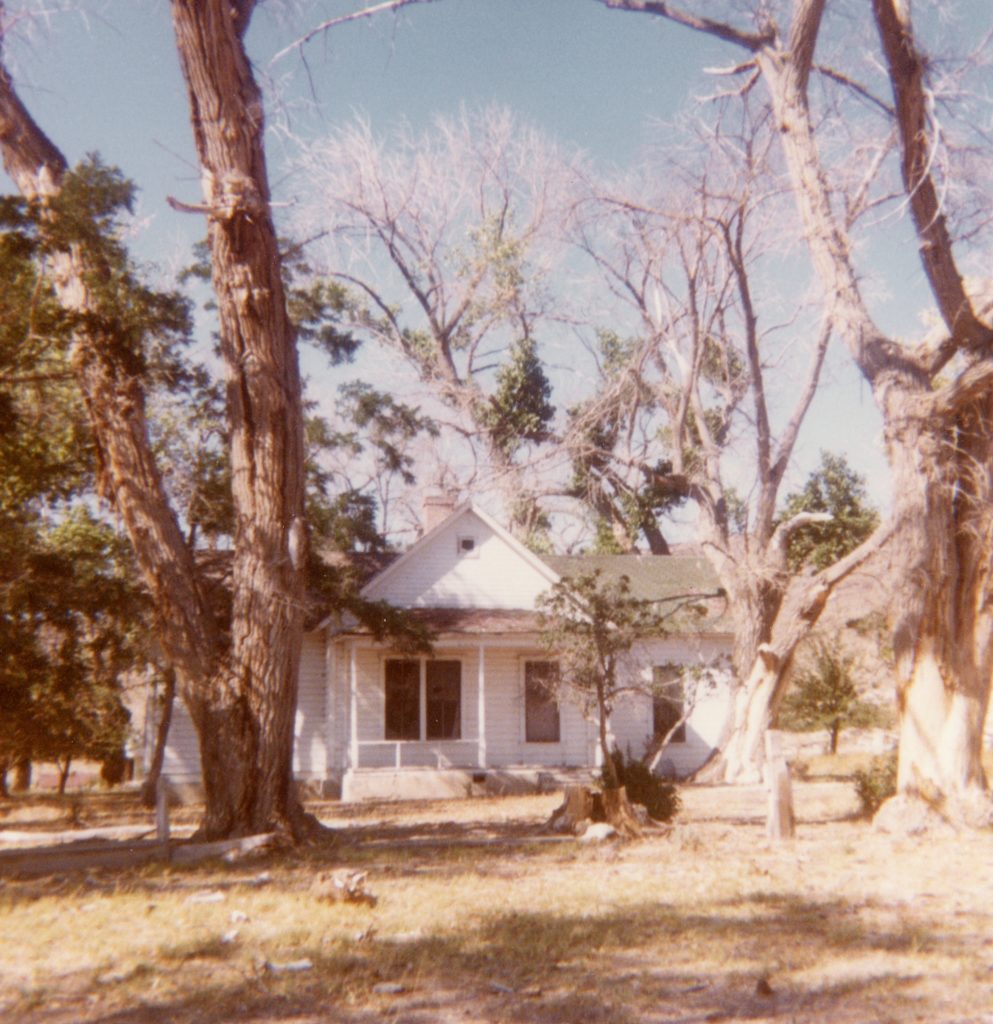
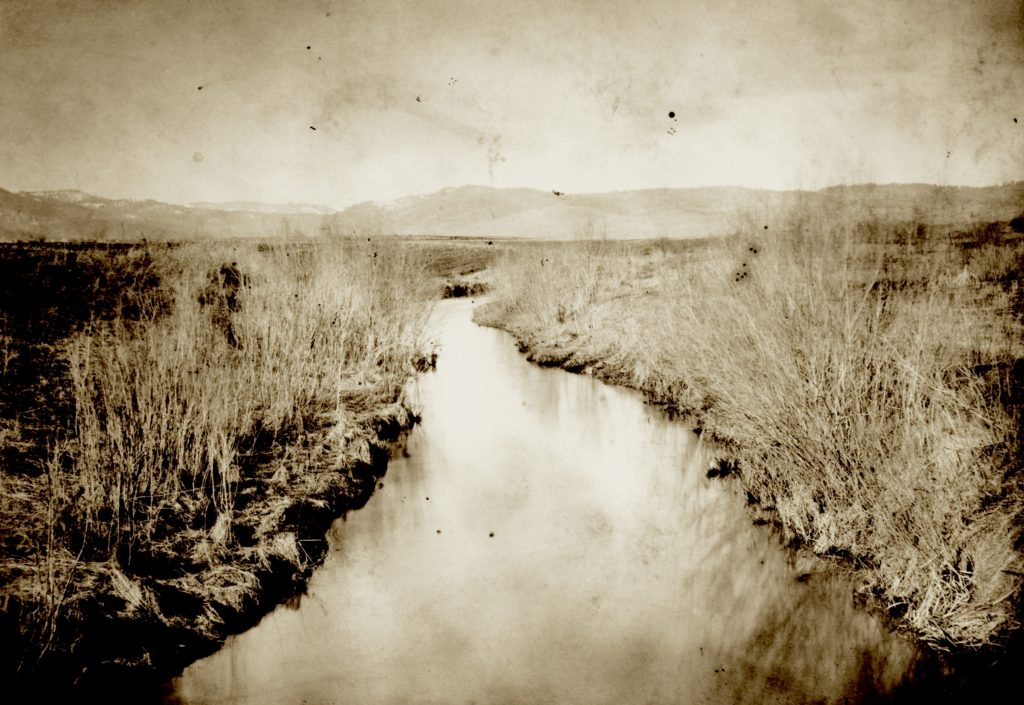
Smoke Creek Ranch, September 29, 1979

Theodore Winters an early settler of Washoe Valley, Nevada acquired Smoke Creek as part of his ranching empire. In 1884, his son, George Winters purchased the Shinn Ranch located on the upper portion of Smoke Creek. One of the next owners were the Pon Brothers. Then there was Patrick Flanigan and Rees T. Jenkins outfit among others. In 1949, Albert Freeman, had the reservoir constructed on Smoke Creek that straddles the stateline, not that farm from the ranch house compound. Of course, I am always seeking information about this place as well as the Smoke Creek Desert in general.

It should be duly noted that this was the location of the Roop Post Office that operated from 1894 to1924, when operations were transferred to Wendel.

Tim
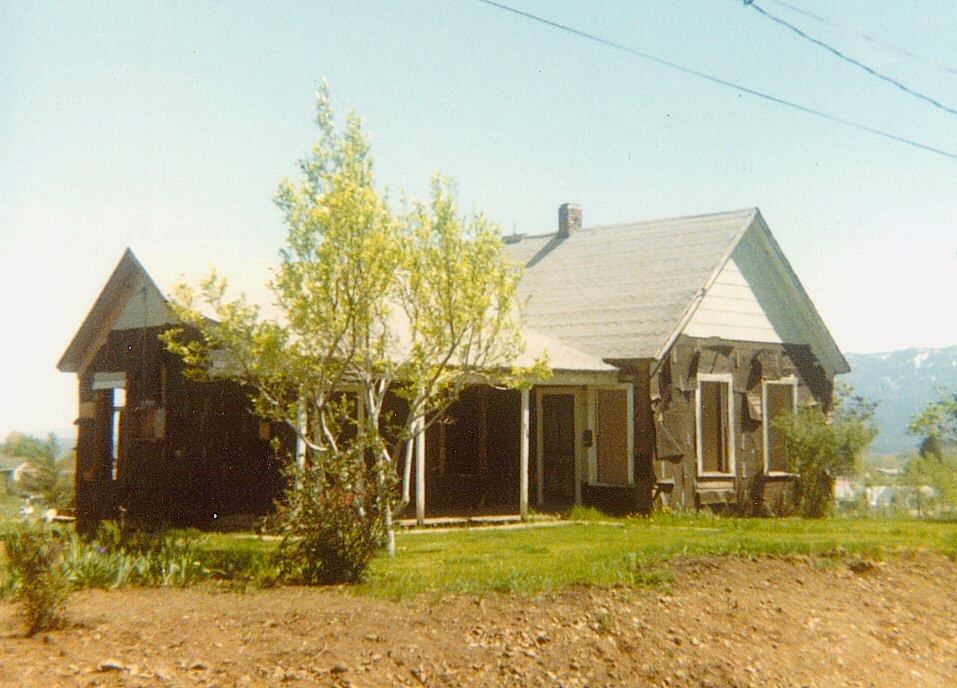
 

Susanville’s Brashear Street

The Brashear Residence on the corner of South Lassen & Brashear Streets. Taken on June 11, 1979 when the house was being torn down.

In 1906, Brashear Street became the first new street inside the original town plat. There would be only three other streets inside the original city limits to be created. The others were Hill, Maple and Quarry..

William Brashear came to the Honey Lake Valley in 1863 and moved to Susanville where he purchased all of Block 32 and segments of Blocks 24 and 31, near the Lassen County Courthouse. These had never subdivided into lots. Creating the street was one matter, and the subdivision a different story. I will be doing a follow up, when I able to due a file transfer, using a one of the local library’s computer.

Tim

Tuesday Tidbit – Eagle Lake Marina

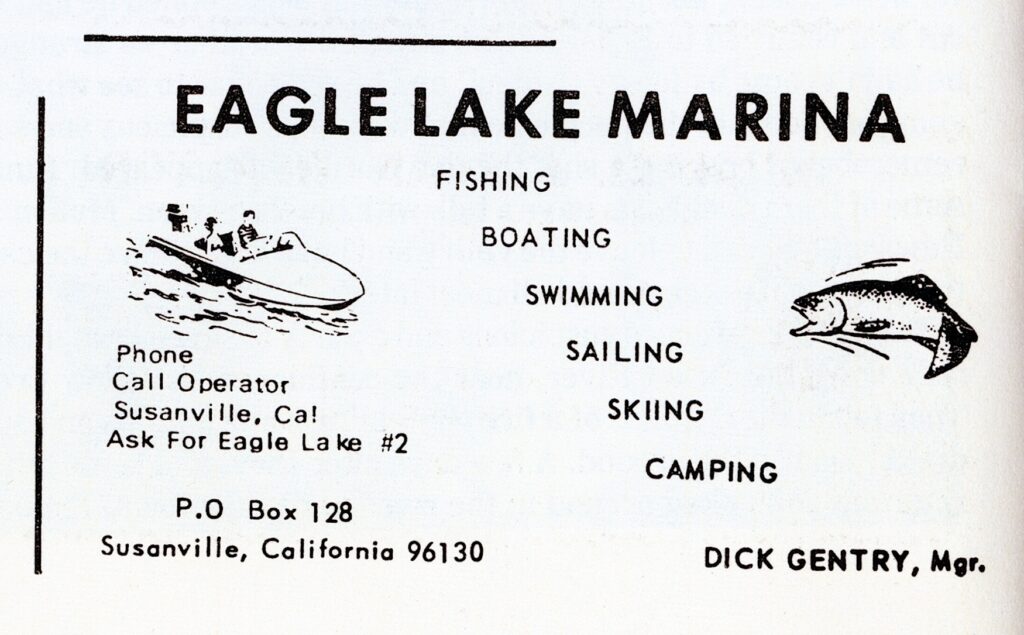
Gentry’s business card advertisement, High Sierra, 1972

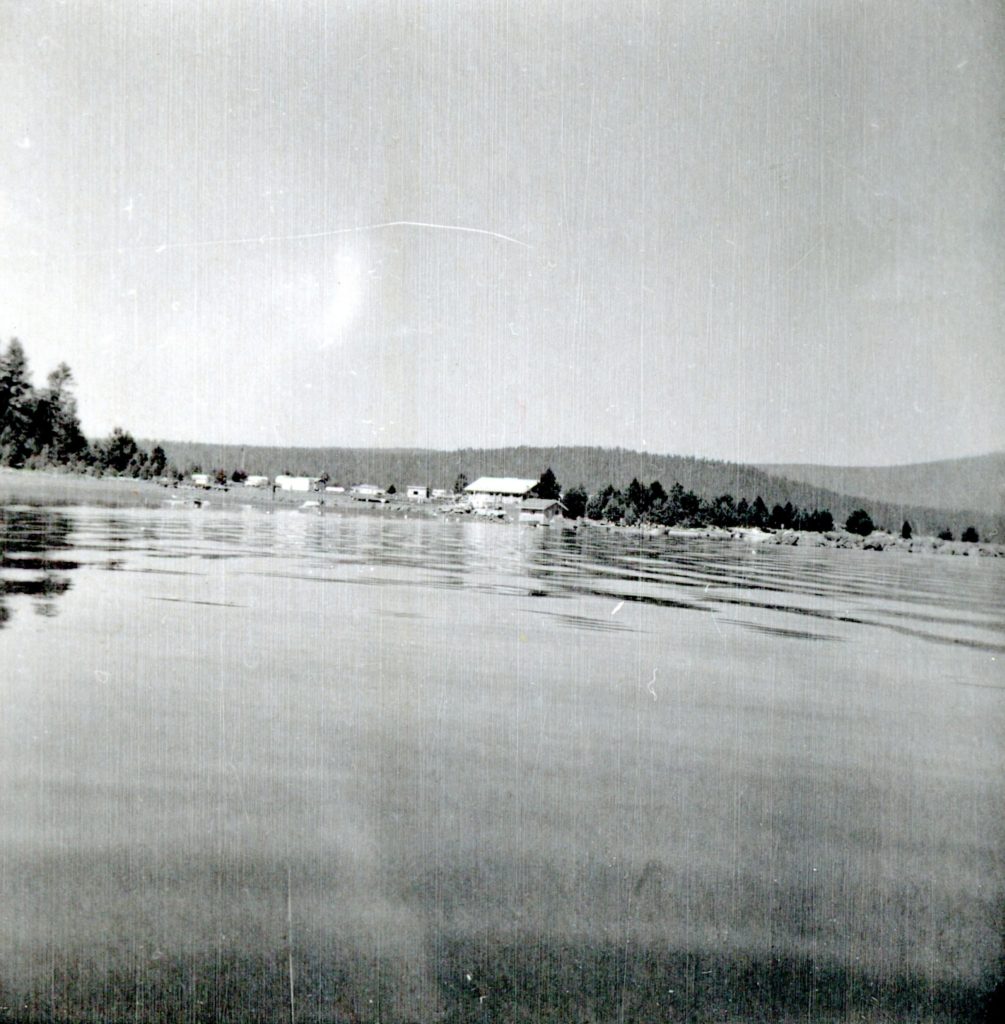
In the late 1950s, Lassen County officials working with the Lassen National Forest began implementation of development of campgrounds and a marina at the south shore of Eagle Lake. The county leased the property from the forest service for a marina and in was completed in 1961. The following year, the county sub-leased the marina operation to Richard “Dick” Gentry. In 1970, due to the rising level of the lake, the boat harbor was revamped. Upon completion it was named the William W. White boat harbor, for former Lassen County Planning Director who was an ardent supporter of the project. In an 1971 article in the Sacramento Bee, Gentry complained about the rising water levels of the lake and went on to the state that there was too much water in the lake.

A view of the marina from the lake, circa 1963.

Tim

How Folklore Evovled

Honey Lake Valley, 1898–Betty B. Deal

On August 4, 1857, the Plumas County Board of Supervisors created the Honey Lake Valley Township. The action did not set well with the Honey Lakers who met to protest the Township action on August 29, 1857. (It was originally presumed that the Honey Lake Valley was not a part of the State of California—a logical theory that the Sierra Nevada Mountain Range  created a natural eastern boundary.)  As a result of this meeting , a resolution was adopted opposing any control of Plumas County over the affairs of Honey Lake Valley.

After this event a piece of popular local folklore began,  as to Honey Lakers evaded paying taxes to any one. The news of the Honey Lakers’ meeting had spread and the Marysville Express newspaper of Marysville, California reported: “The citizens of Honey Lake Valley, are for the most part violently opposed as ever by the exercise of any jurisdiction over them by the authorities of Honey Lake Valley. There is, however, some with some inconsistency in their conduct, for when the tax collector of Plumas County came among them, they told him that they were in not in California, but in Utah. Orson Hyde from Salt Lake visited them, they said they lived in California.”

It should be noted Mormon Apostle Orson Hyde was sent to form a Mormon settlement, known today as Genoa, Nevada. The Honey Lakers reluctantly agreed and paid their Plumas County property taxes. Of course, there are those who do not, and this happens every year.  Honey Lakers were not tax evaders per se, but they. were disgruntled with Plumas County because during the winter months they were cut off from the county.

But the Marysville newspaper makes a great story, that is repeatedly told from one generation to the next without any veracity.

Another interesting piece of trivia was the 1860 US Census. Honey Lake Valley was included in the Plumas County head count. However, to the south, Long Valley was included in Washoe County, Utah Territory.

Donate

Lassen Post Office Now Known as Janesville

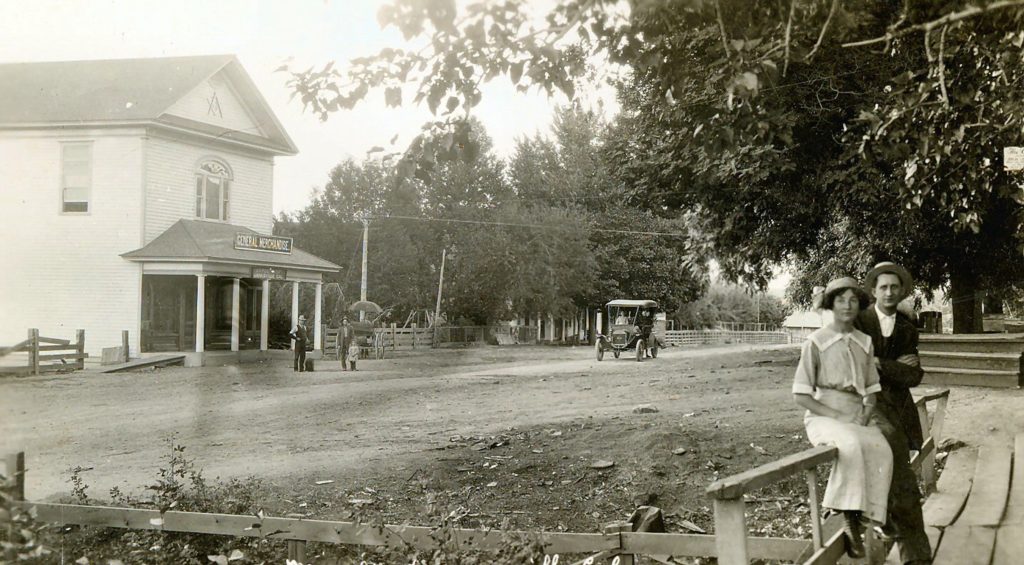
Main Street, Janesville, 1911. Courtesy of Betty Barry Deal

It was on November 5, 1923 when the post office name at Janesville was finally restored. It was on July 2, 1914, when the post office name was changed to Lassen. This was done by a real estate promoter with the arrival of the railroad in the Honey Lake Valley. It was deemed there were too many towns ending with “ville.” Some thought the suffix carried a stigma of a small village. This did not set well with many of the town’s residents. After all the town’s name did not change, nor its voting precinct or school. The residents did not like it and petitioned the Postmaster General to restore the name, but it was denied. In 1923, the residents once again petitioned the postal authorities to restore the name.  It was granted on September 22, 1923, but it was not until November 5 when official change occurred.

Tim

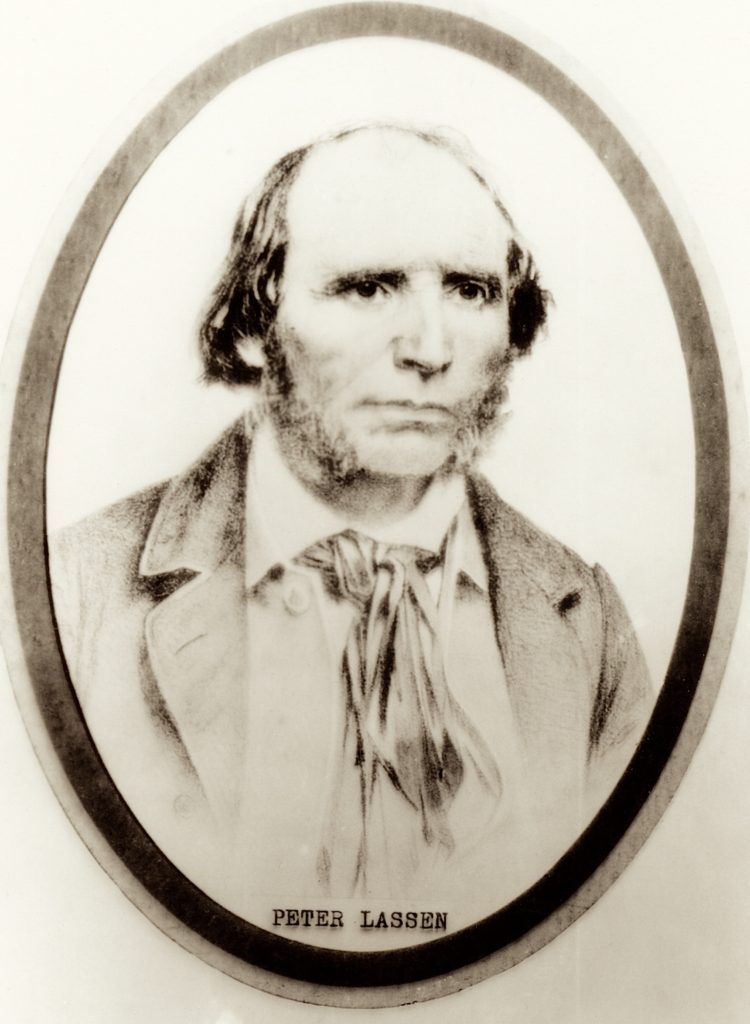
Who Killed Peter Lassen?

The infamous Peter Lassen, a name well known throughout Northern California

The events surrounding Peter Lassen and his mining companion Edward Clapper deaths has always been a bit sketchy. For starters, W.N.Davis, Jr. wrote an interesting piece, and somewhat abridged than other versions. This is what Davis wrote:

”On April 25, 1859, Peter Lassen and his two prospecting companions made their evening camp near Clapper Creek, about twenty miles northwest of Black Rock and some 125 miles northeast of Susanville, expecting that on the next day they would join William Weatherlow and the three other miners of the party and commence examining the area for silver. On the morning of the 26th, Lassen rose with the dawn and was sitting placidly smoking his pipe as was his habit when the stillness was shattered by gunfire. Edward Clapper, one of the miners, was killed where he lay sleeping. Lassen leaped to his feet and shielding his eyes from the sun was endeavoring to locate the assailant when he too received a bullet. The old pioneer fell mortally wounded. The third member of the group, Lemericus Wyatt, seeing the fate of his partners, ran for the horses, only to find that they had pulled their picket ropes and were fast disappearing across the plain. The sixty year old Wyatt had never been in a tougher spot. Then one of the animals stopped, turned about, and galloped to the desperate man. Wyatt mounted in haste, and after a painful four day ride bareback gained the safety of Susanville. A search party went out to examine the site of the attack and Chief Winnemucca was questioned for information as to the culprit, but the assassin was never identified. All that was ever learned from the circumstances of the murders was that the perpetrator was almost certainly an Indian.”

Notice that Davis wrote “almost” but not conclusive. He has not been the only person that leaves some doubt. When one delves into the documentation, there are a lot of points to ponder, a good defense attorney representing a defendant in the matter could have a field day.

Donate

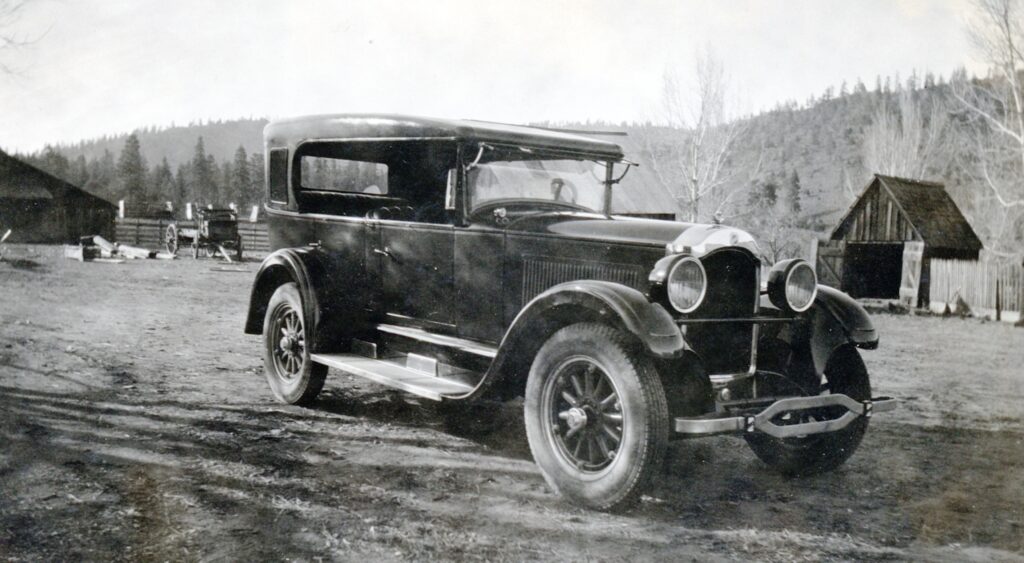
Some 1923 Automobile Trivia

Murrer Ranch, Spring, 1925–Lola Tanner

The following report was published in the Lassen Advocate of October 26, 1923, “Figures received by the Chamber of Commerce from the Division of Motor Vehicles of the state show that 1,941 automobiles are registered in Lassen County. There are also forty-two trucks; thirteen motorcycles and one trailer. The total number for the state is 322,518. Lassen County holds the forty-third place among the fifty-eight counties. The semi-annual statement for apportionment of motor vehicle receipts shows that Lassen County has turned in $8,995 for automobile licenses.”

Tim

Hill Lonkey Land & Livestock Company

The Hill Ranch, Willow Creek Valley—Donna Perez

This may have been one of the shortest lived corporations in Lassen County. On January 11, 1908, the Hill Lonkey Land & Livestock Company was organized. The principles were Nevada ranchers Thomas Hill, Mary Hill, George W. Mann, Camille Lonkey and George T. Crosby. The purpose was the purchase of the two largest ranches in Willow Creek Valley, just north of Susanville at an estimated cost of $100,000. The two ranches were Folsom and the San Francisco Ranch. Folsom known is the Willow Creek Wildlife Area and the San Francisco Ranch is Five Dot Land & Cattle Company.

The Hill family consisted of Thomas and Mary Hill and their eleven children—Cleveland, Archibald, Jessie, Sadie, Maude, Thomas Gay, Christine, Joseph Hubert, Florence, Lawrence and Robert. The Folsom Ranch had plenty of room to accommodate the family, as one observed quipped in 1920 that it looked like it was built on the installment plan.

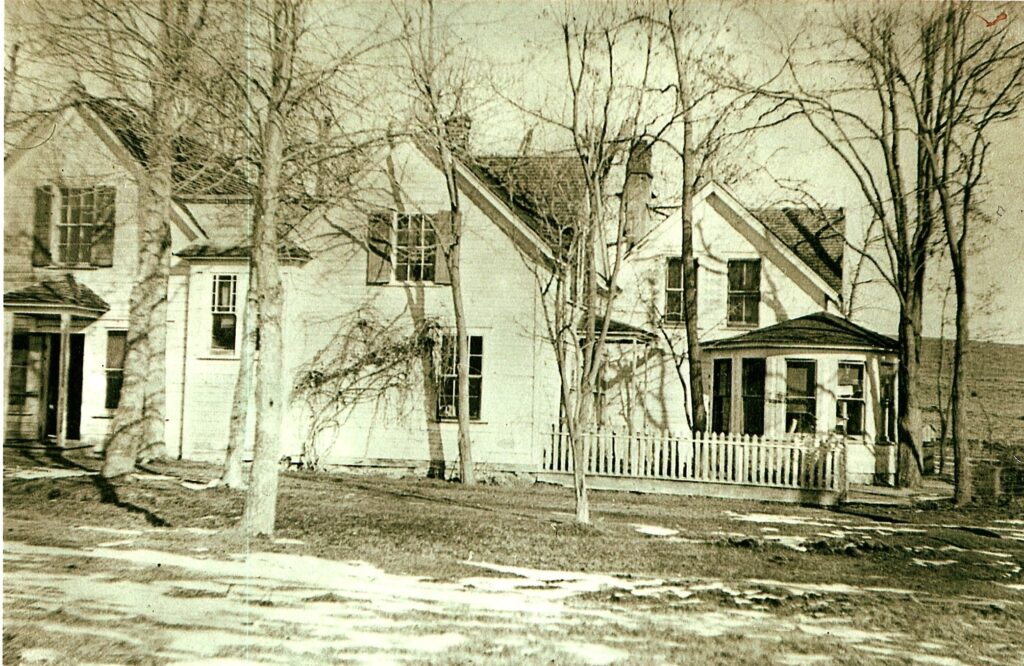
Lonkey Ranch, 1911. C.R. Caudle Collection

Meanwhile, Camille and Georgianna. and their three daughters—Irma, Joyce and Verdi—took possession of the San Francisco Ranch. Like the Folsom place, Lonkey’s had plenty of room, too.

In 1910, Hill Lonkey dissolved the corporation. The ranches were divided accordingly. Why, I have never been able to ascertain and I interviewed members of both families, and they could not provide any insight. In 1924, the Lonkey Ranch sold to Rees T. Jenkins, but in 1937, but due Jenkins financial issues took back the ranch and searched for new buyers.  The Hill Ranch  was sold in 1927 to Patrick Walsh.

Tim

A Strange Case Indeed

Weatherlow’s headstone, 1978

Over the years, I have sifted through all kinds of records conducting research. It is a slow, tedious process, but then one comes across those hidden gems, it makes it worth while.  Alas, it is also becoming a lost art. I have found that too many people rely upon the internet for their research.  Okay, enough of my opinion.

Prior to 1997’s California’s Trial Court Act, there was a justice and a superior court—and in more populated counties multiple courts—including municipal. Early day justice courts provides an interesting glimpse into ordinary affairs of the community—whether civil or criminal.

This brings to the 1865 case People of the State  vs. William Weatherlow that was filed in the Honey Lake Justice Court. This was just your typical delinquent property tax case. A unique situation occurred in this case when Constable E.R. Nicholls attempted to serve Weatherlow with a summons for $46.30 in back taxes  Nichols noted on the summons of his attempted service of February 7, 1865 that he was unable serve Weatherlow as he “. . .  cannot be found in the County.” If only Nichols, who doubled as County Surveyor, had toured the Susanville Cemetery, he would have located Weatherlow’s grave, as he died on July 22, 1864. and thereby a permanent resident of Lassen County. It wasn’t as though Nichols was unaware of who Weatherlow was—he being prominent in the affairs of the Honey Lake Valley—but Nichols had sued him in 1861 over a mining claim in the Black Rock Desert.

Donate