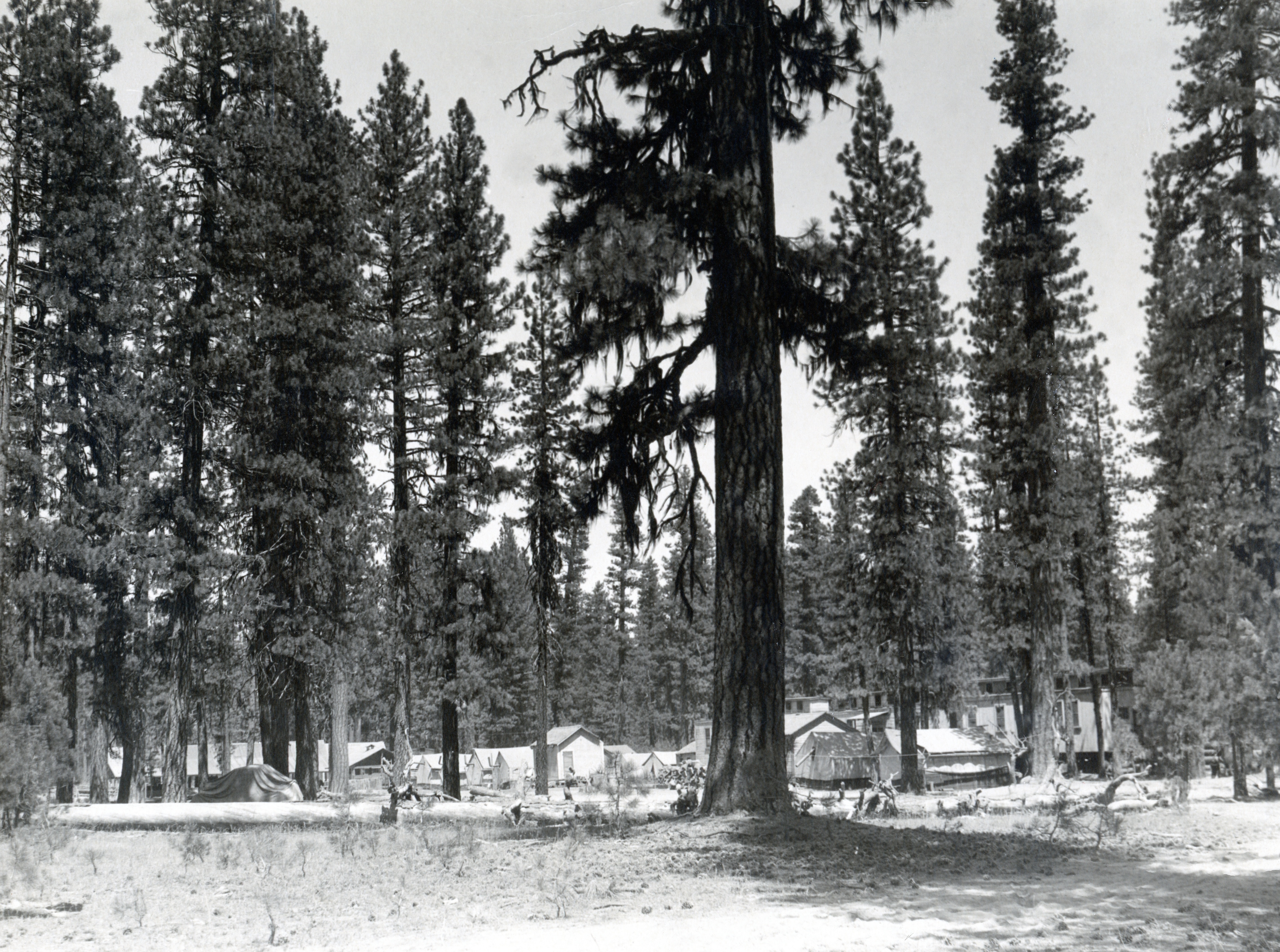
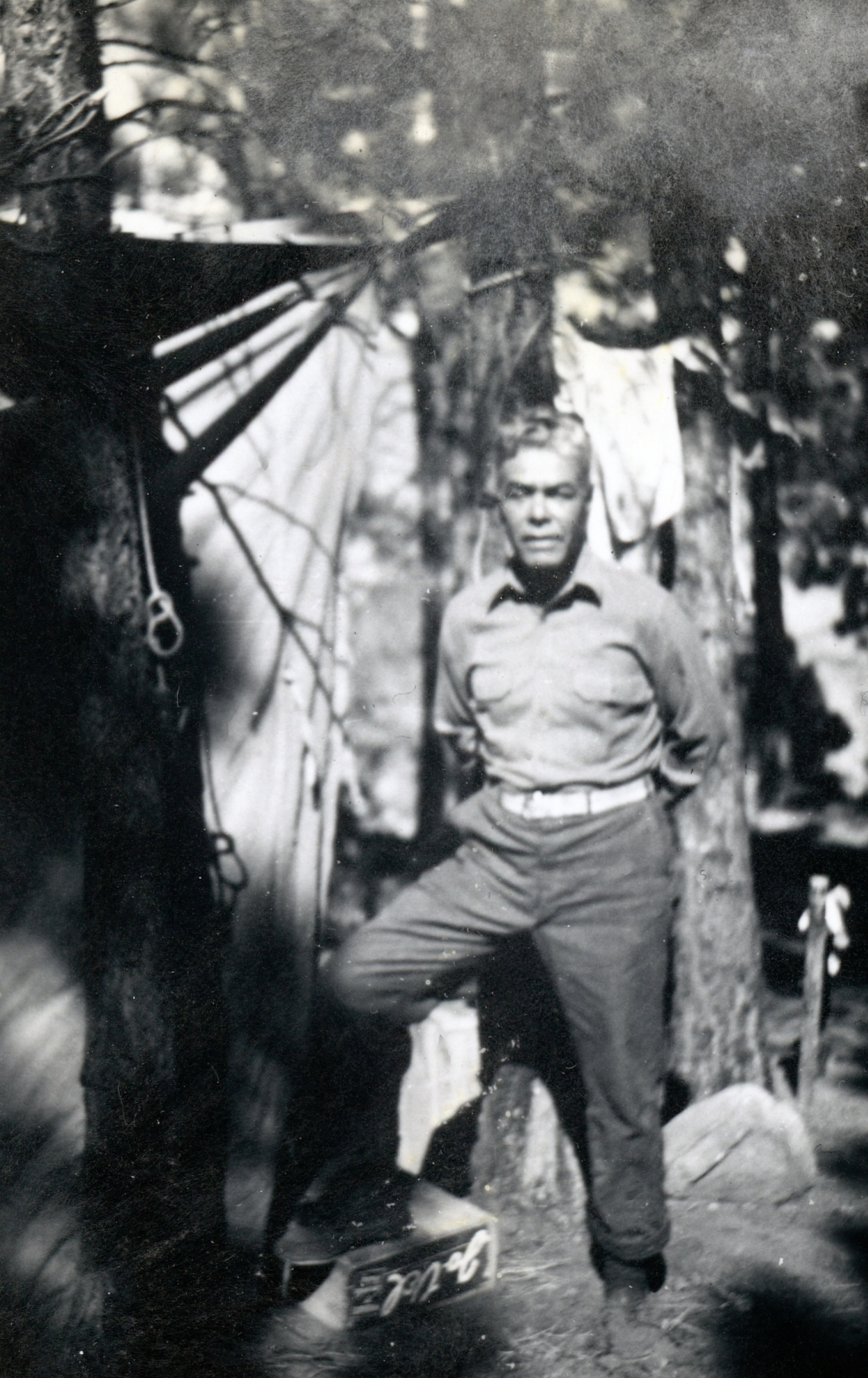
Camp 38, Red River Lumber Company, 1922. Courtesy of R.S. Pershing
Due to a variety of issues, such as the Dodge fire, the proposed listing for August has undergone numerous changes. First and foremost, the paid subscribers requests receive priority. As soon as I finish those topics such as Susanville’s Bordellos, the R.J. Scott affair, Susanville Coca Cola Bottling Works and the Secret Valley Paiutes, I will take care of the other requests, such as McClelland Ranch which has been moved from August 21 to September 29. In the meantime, enjoy the surprises.
Subscribe and support this site for $5.00 a month, what a bargain. How many spend that much at Starbucks on any given day, or other indulgences?
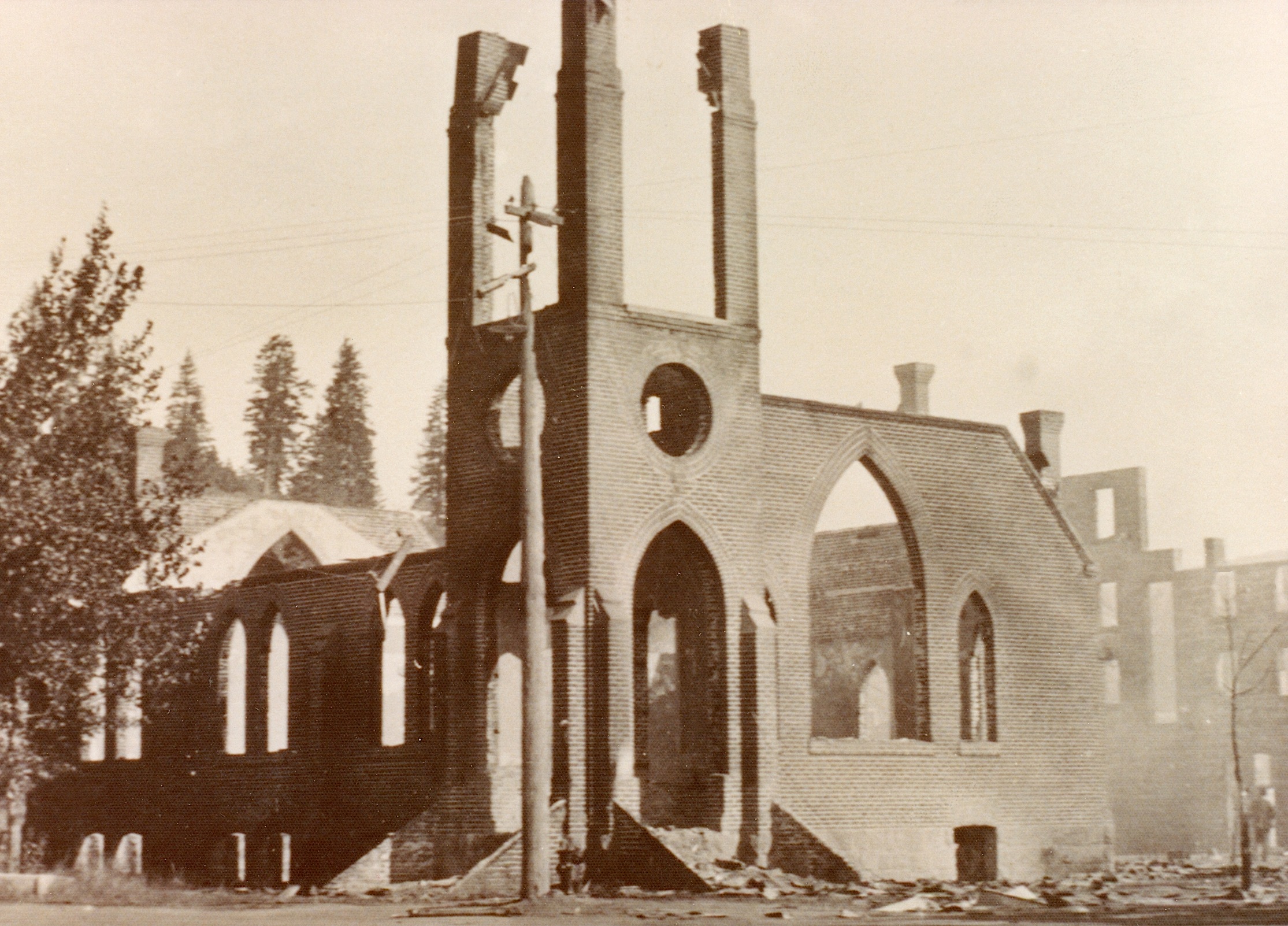
On August 5, 1915 a devastating fire wiped out the majority of the block between Cottage and Main Street. That fire is a topic for another day. One of buildings destroyed was that of the Methodist Church. Continue reading Susanville-Methodist Church→
Omira was a station on the Western Pacific. On April 12, 1909, the townsite was recorded on land owned by R.E. Rhodes. The railroad named the town after a woman who promised to build a church there. Originally, the plan was to make this a division point for the railroad. Grading for the yards and turntable was done and that was the extent of the development as the Western Pacific decided to change the division point to Portola. The town consisted of section houses, water and fuel tanks, and a two-story store with a restaurant—rooms were rented on the second floor. In addition, that building housed the post office that operated from 1910-1918 with Stella Stiles as first postmaster. In 1926, the Western Pacific consolidated many of its smaller stations, Omira Station was closed and operations moved to Doyle.
Subscribe and support this site for as little as $4.17 a month.
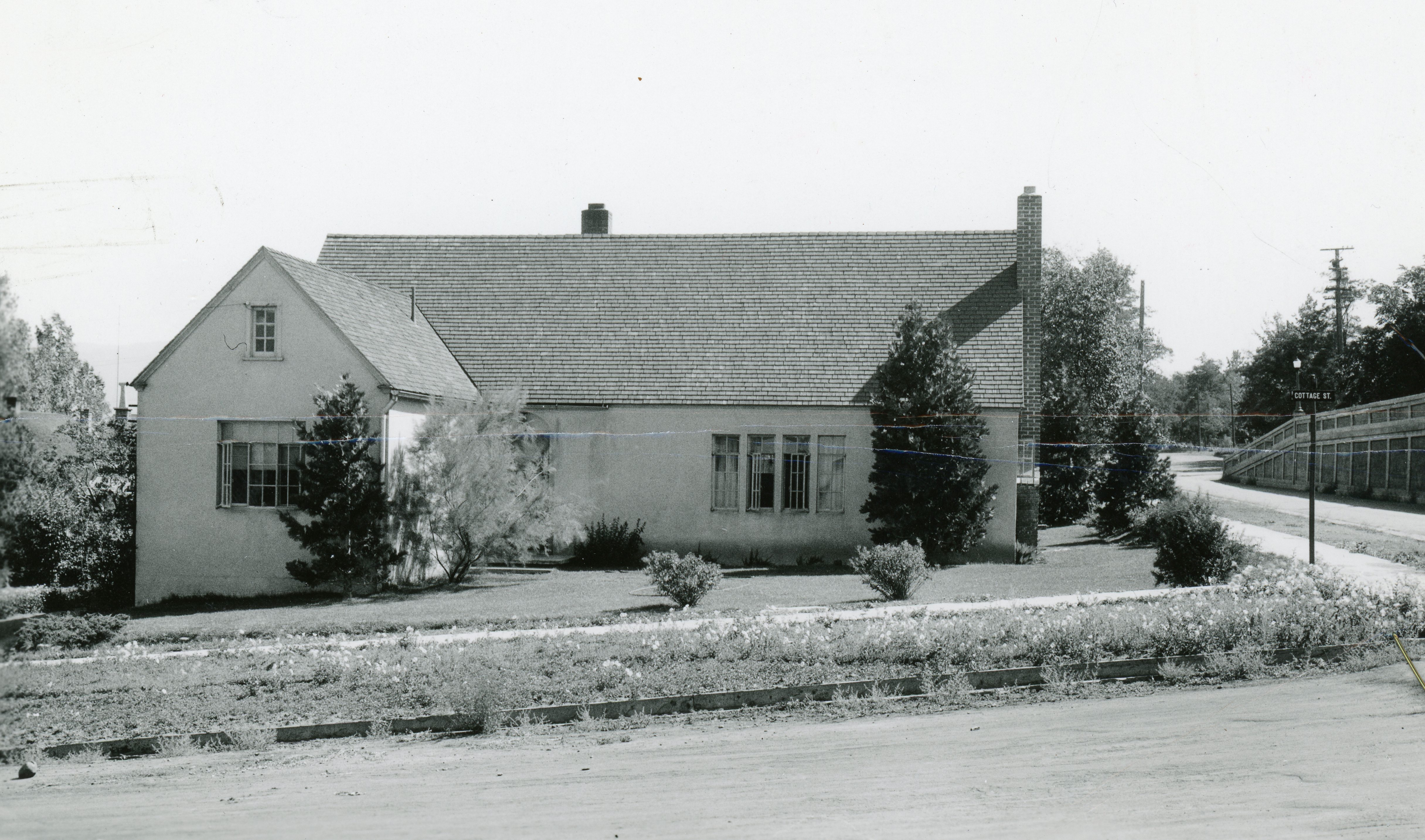
Built in 1929 for Wes Emerson and in 1934, he refinanced it for $3,000.
My parents bought 500 Cottage Street in 1956, and my Mother has lived there ever since. A portion of this story is at her request. My Mom is in the process of downsizing, not an easy task since she has lived there for nearly sixty years. She has among other things a “cow jumping over the moon cooking jar,” which she is looking for a good home for it. Let me know if you are interested. Continue reading Susanville – 500 Cottage Street→
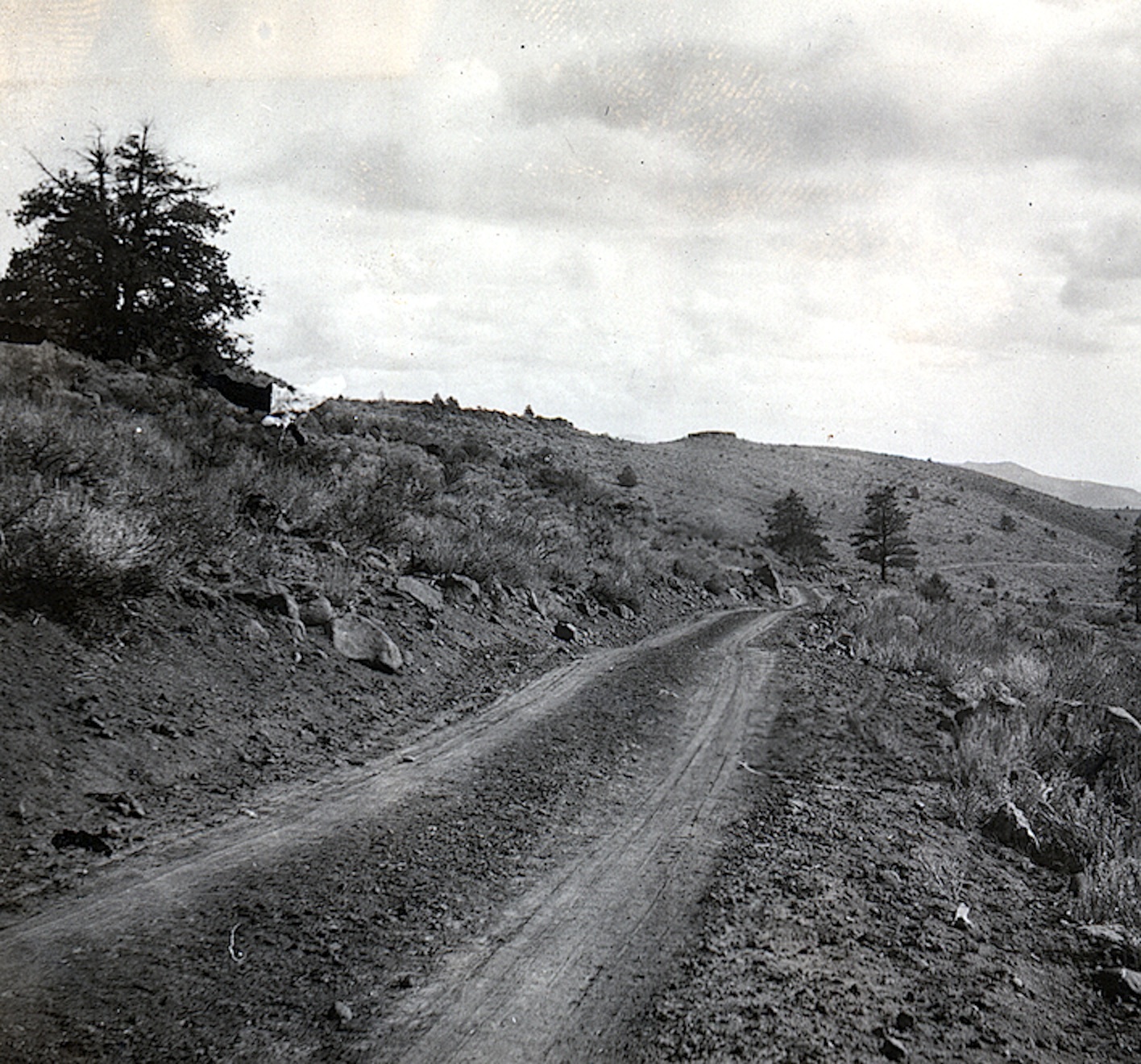
Rice Canyon Road, 1920. Courtesy of Lola L. Tanner
Today, this road is best known as the gateway to High Desert State Prison. In an earlier time it was the easiest route heading north. As a matter of fact, several proposed railroad companies surveyed a rail line through the canyon. In the early 1920s, when the Bly Tunnel was under construction at Eagle Lake, it was the preferred route of teamsters to haul equipment and supplies to that site. Continue reading Rice Canyon Road→
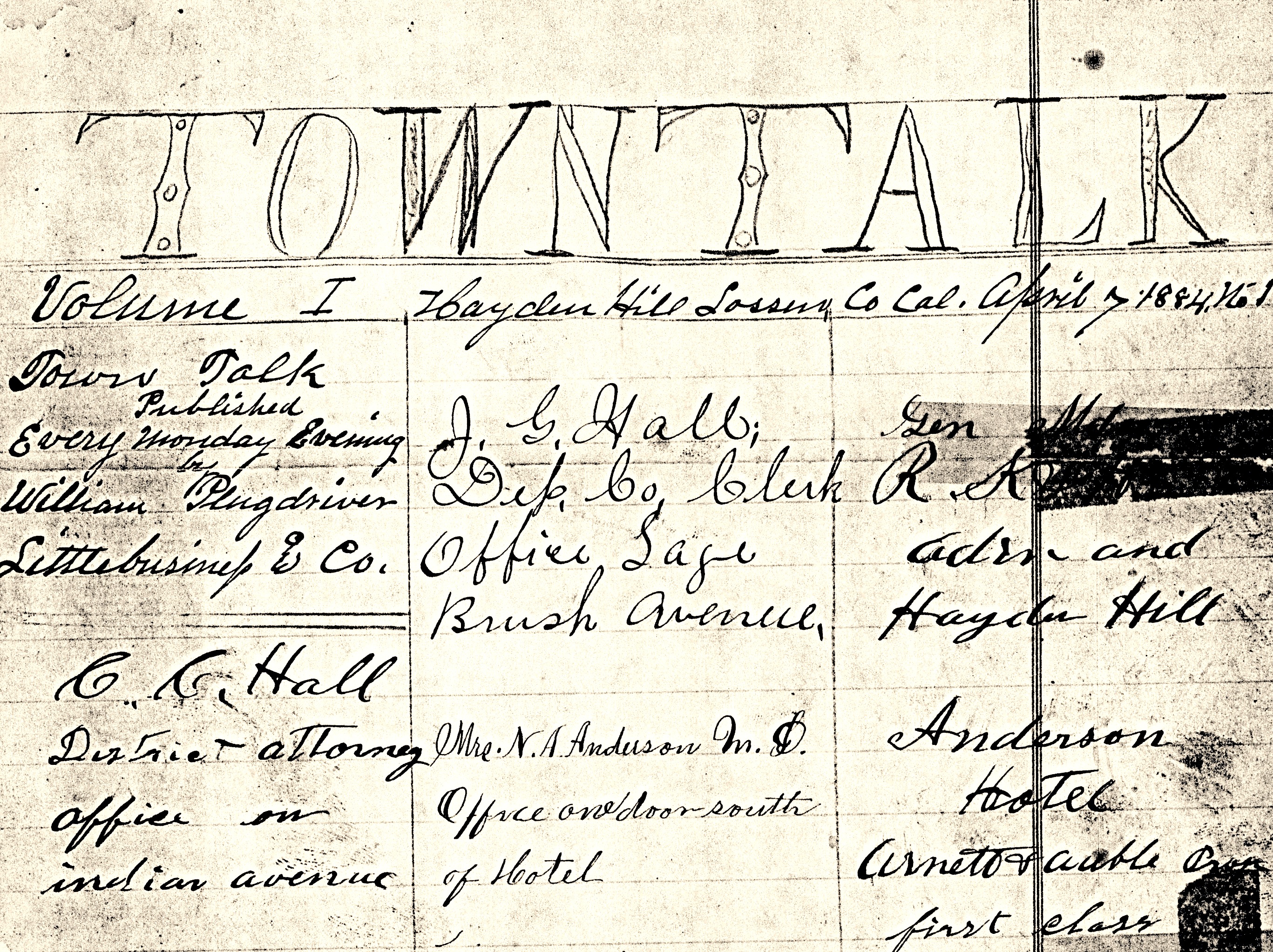
While I have posted about early journalistic endeavors such as the Richmond Times and the Susanville Reporter, I was surprised to learn that very briefly Hayden Hill had a handwritten newspaper. The first issue was named Town Talk that was published on April 7, 1884. The next issue the name was changed to Talk Town, that was published on April 14, 1884. Continue reading Hayden Hill Newspapers→
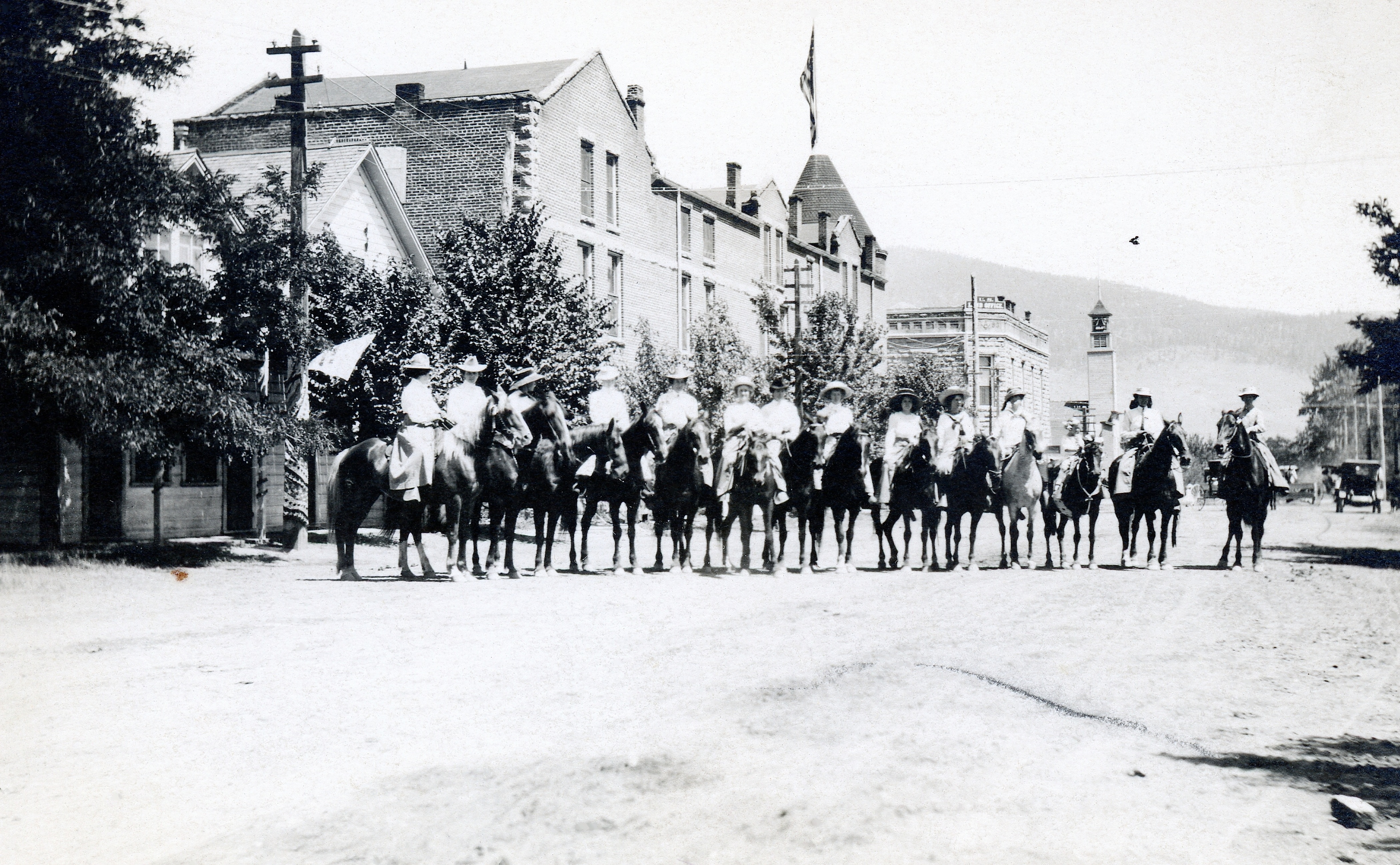
South Lassen Street, circa 1911, Courtesy of Leona F. Byars
I just cataloged this photograph the other day. One reader asked for pictures of the Emerson Hotel, which is the prominent building featured in this photograph. To the left, was a two-story wooden frame building known as the Hyer House, a boarding house. Further down the street, is the Knoch Building, before the third story was added in 1914. In the far background is the old fire house, which is now the current site of Susanville’s City Hall. It was destroyed in a 1921 fire. The Hyer and Emerson were destroyed by fire in 1915. Continue reading South Lassen Street→
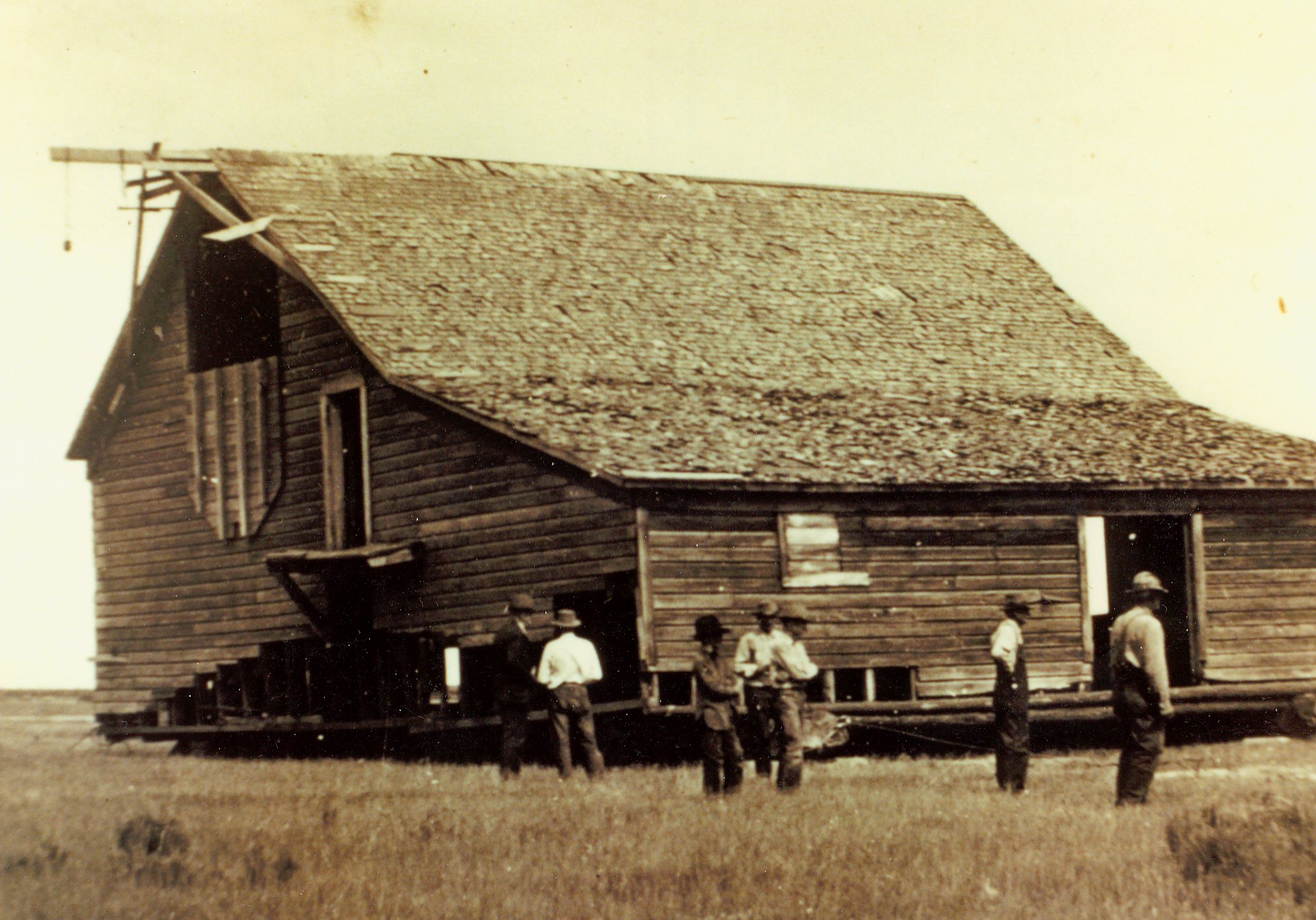
Moving the creamery building to the Mulroney Ranch.
In the 1890s, the creamery movement began in earnest in the Honey Lake Valley. One of the reasons for the slow development was there was no local skilled people to operate one.
One of the first creameries established was the Honey Lake Creamery located at Spoonville, east of Janesville and also known as Missouri Bend. The records are rather sketchy about the operation, though it appears it was placed into operation about 1895, by the Spoon Brothers. In addition, after a fire destroyed the plant in 1901, they brought James I. Christie as a partnership with the creamery and also that of a general merchandise store. The creamery was rebuilt with the equipment coming from the Diamond Mountain Creamery.
Changes were on the horizon. In 1904, Christie joined his brother, John B. in a store at Janesville. In 1905, The Spoons sold out to E.C. Brown. However, Brown was not interested in operating the creamery and it subsequently shut down. The abandoned building was used as storage. In the 1940s, it was moved a short distance to the Mulroney Ranch and converted into a barn.
A little note about the Christie Brothers. In 1919, James established Christie Furniture in Susanville. John took over the Eagle Lake Resort, hence the name of Christie Campground.
Subscribe and support this site for as little as $4.17 a month.
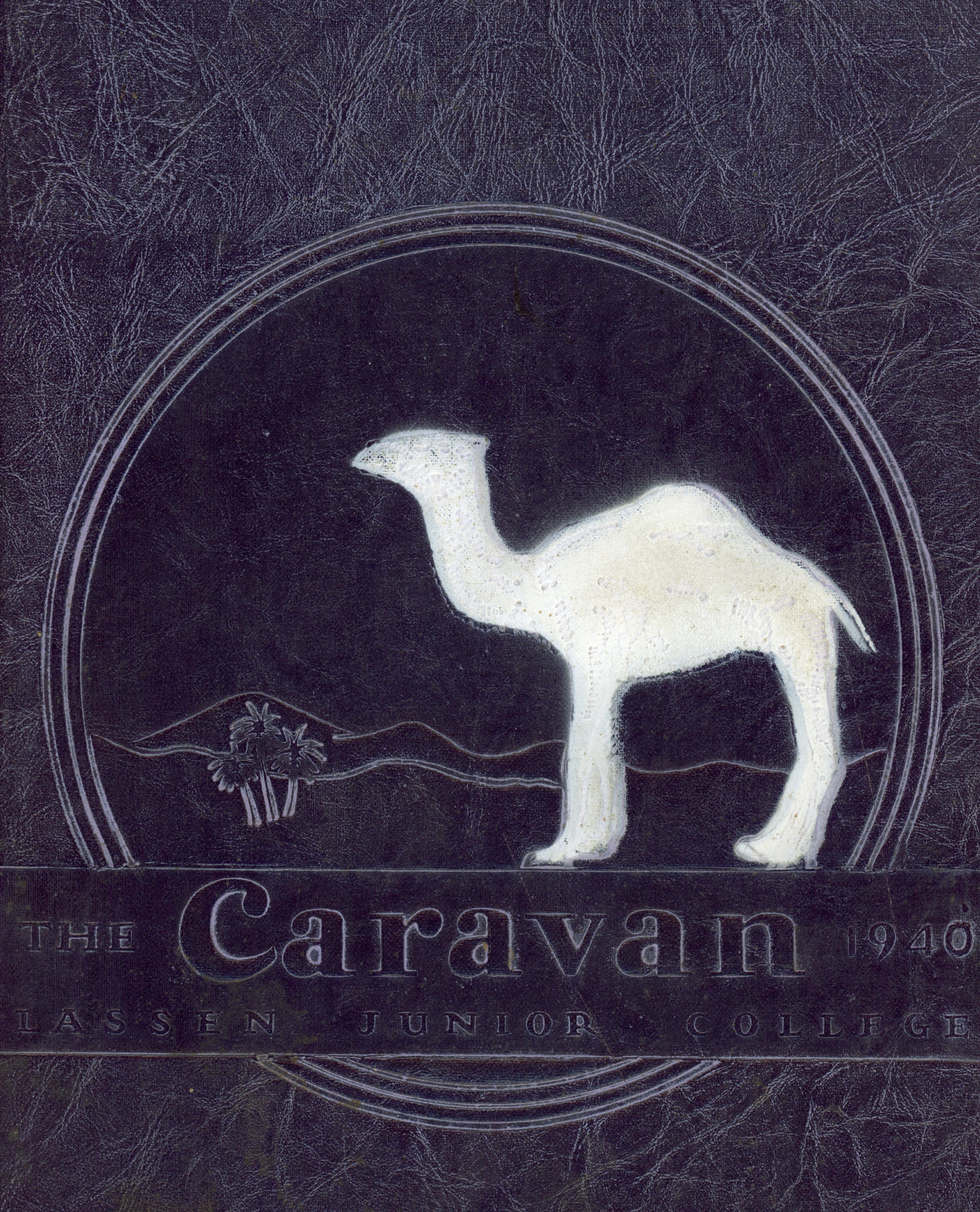
The following account is by Neil Wemple, who graduated from Lassen Junior College in 1938: “The story of the camel as mascot for Lassen Junior College is a bit unlikely and interesting and its goes like this. I had thought the selection of the camel had been the work of some of the “old grads” back in the late twenties. Someone had told me this, but it was not so. So I was determined that it was so and when I came upon the truth I could scarcely believe the results of my own research efforts. I wrote many letters, made many phone calls, studied many LUHS and LJC publications and was very embarrassed to discover that the evolution and adoption of the camel came about in my first year at Lassen Junior College in 1937! The advice and efforts of Bud and Don Cady, Adelene and Abe Jensen and my sister Deese Theodore lead me to Frank Rice and Phil Hall, former Lassen Junior College Forestry students who knew the answer. I was finally able to find some old publications which made the first mention of the camel in March of 1938. Frank Rice states that the camel began in 1937, and I know when I entered Lassen Junior College in the 1936-37 year we were called the camels. Continue reading Lassen College Camels→