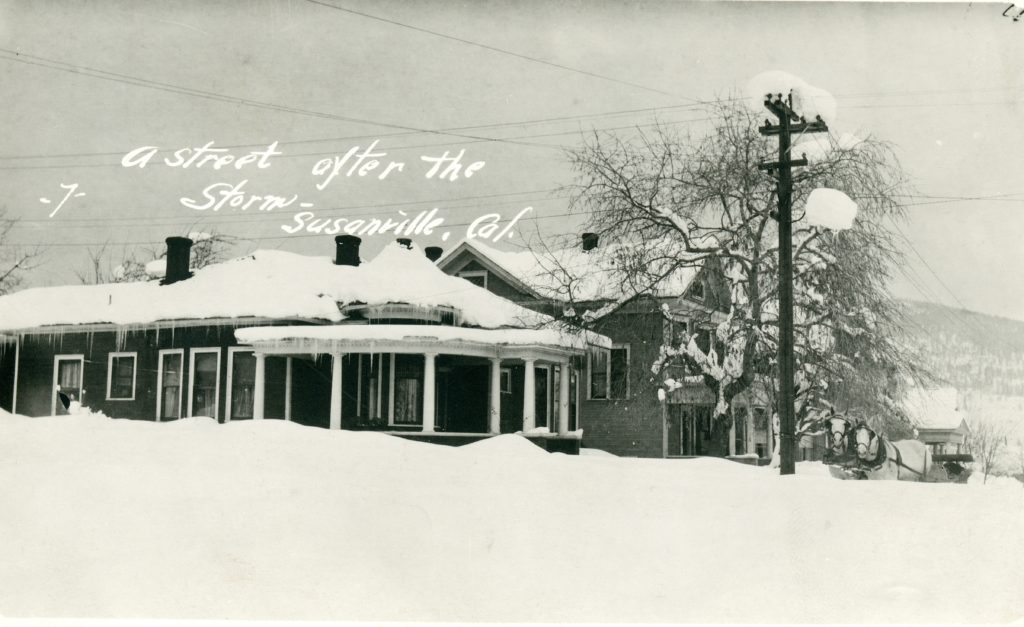
Category Archives: History

1930s County Consolidation Movement

Lassen County Map
Lassen County, 1907
While there is plenty of chatter of late regarding a Calexit or State of Jefferson one of the more interesting and plausible movements was to consolidate California’s 58 counties into 27. In 1933, California Assemblyman B.F. Feigenbaum made the proposal, citing with highways and transportation facilities there was no longer a need to have a courthouse at everyone’s back door. He said the cost savings would be tremendous and noted rising costs that in 1911 county government cost was $39 million and in 1930 had ballooned to $299 million. In our neck of the woods, Lassen Plumas and Sierra would be combined as one. Our neighbors, Shasta and Tehama would merge, and the same with Modoc and Siskiyou.

Subscribe!

Richmond Times

Richmond School
Richmond School, 1916. Courtesy of D.M. Durst

Just as the old time photographers left us a visual record, early day journalism left us with a written impression. For the late 1850s the Marysville Daily, Appeal, the Red Bluff Beacon and the Shasta Courier reported on the happenings in the Honey Lake Valley.

In April 1860 the Richmond Times made its debut. At the helm of this enterprise was Andrew Ramsey (a member of Dozier, Torrey families). Not much is known about the paper’s content, except it was a handwritten manuscript, which was not unusual for that era. The subscription price 200 pounds of potatoes when harvested.
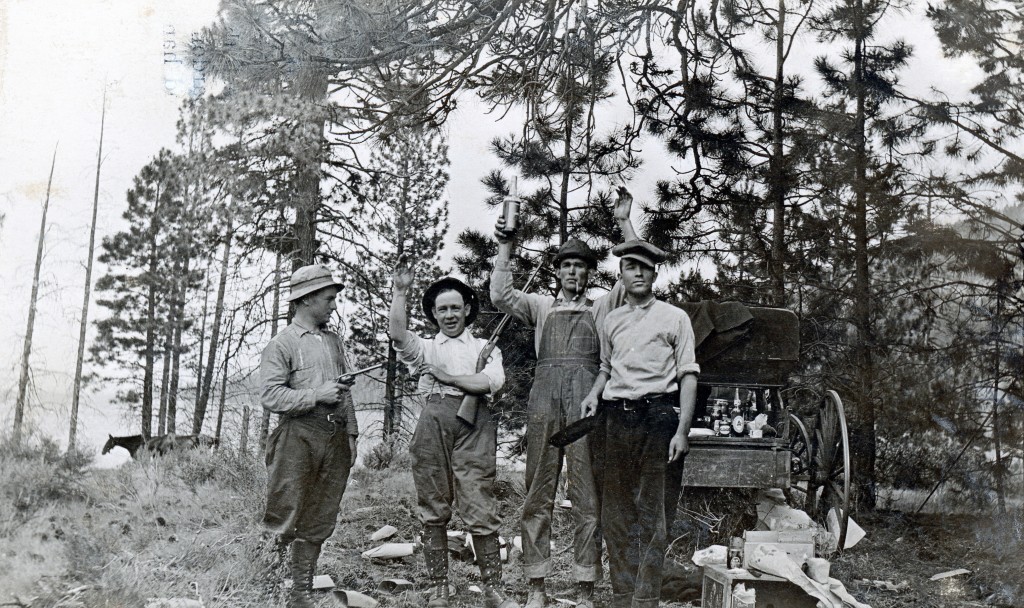
Support this site and Subscribe today!

Beer!

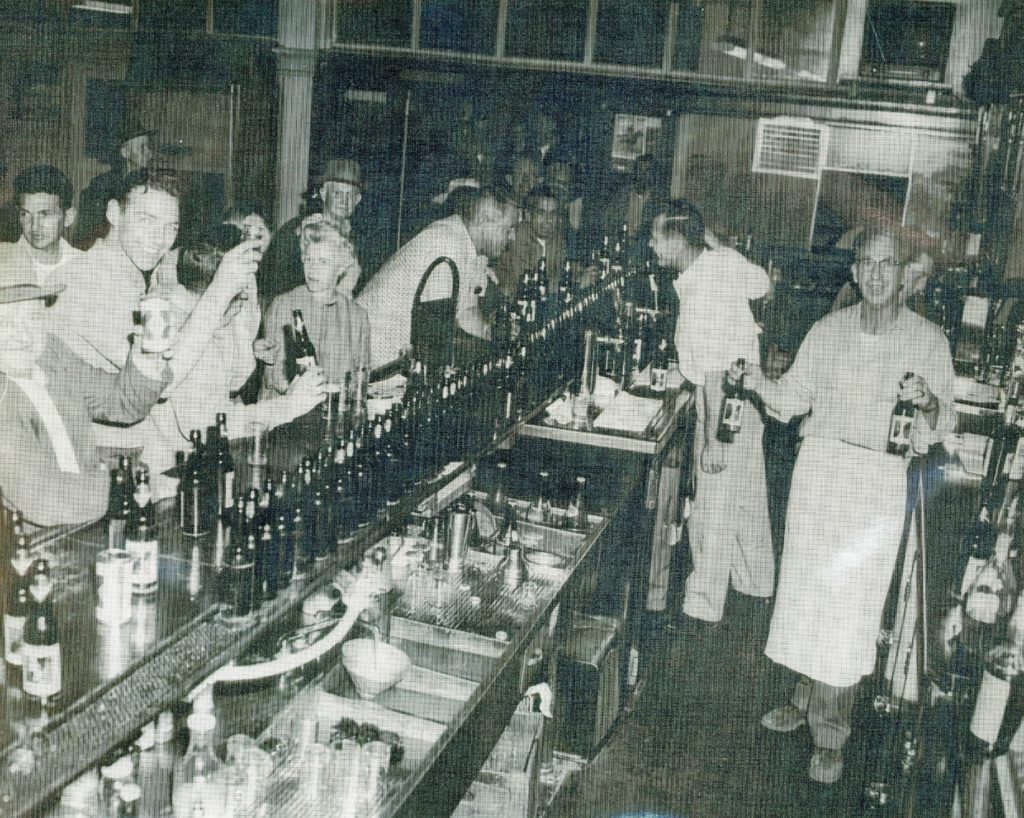
The Pioneer, in Susanville back in the day.
On April 7, 1933 beer was again was flowing in California as chipping away of the Volstead Act aka prohibition continued. There was a catch, however. Only establishments that served meals were eligible to serve beer. Many a former bar, installed lunch counters. In Susanville, it was debated what constituted a meal? Did a sandwich constitute a meal, to allow a person to drink beer all day if they wanted to?

Subscribe!

A Belfast Revival

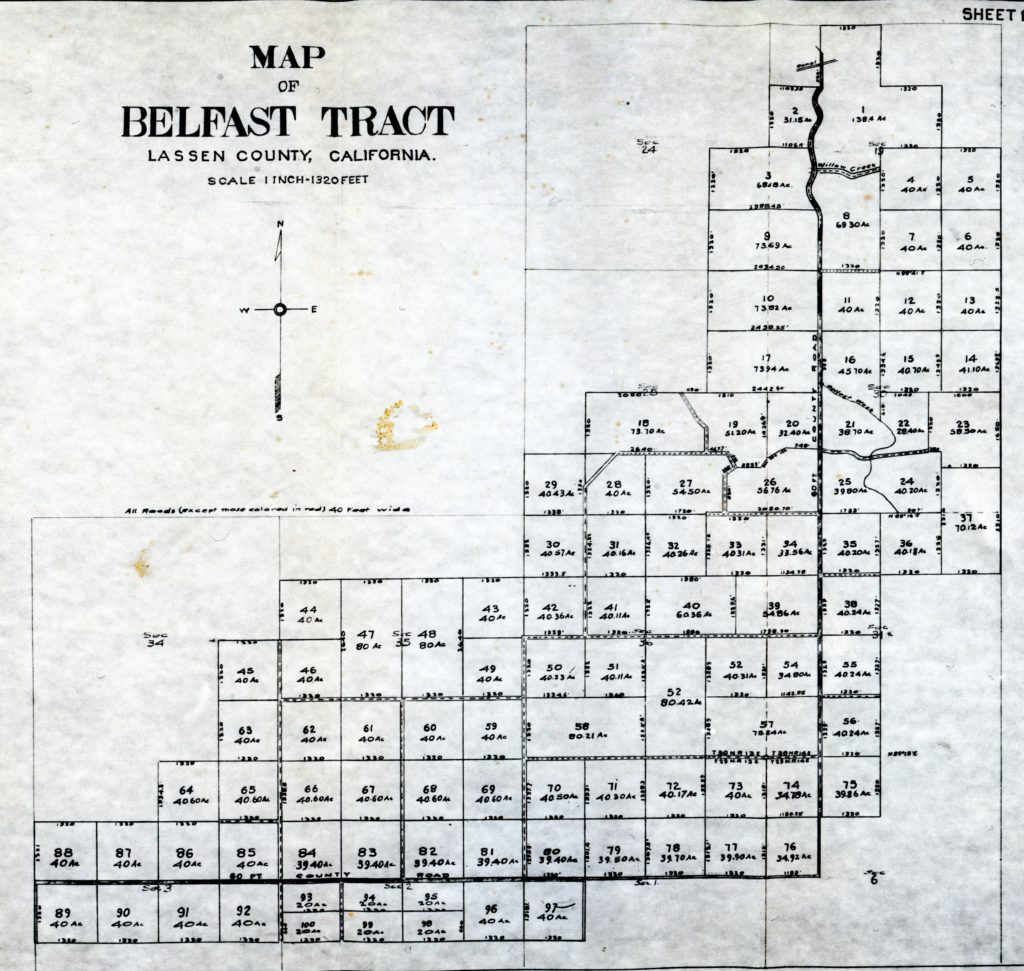
Belfast Land Company subdivision map.
In the spring of 1922, with the anticipation of the completion of the Bly Tunnel brought Belfast to the forefront. Captain C.A. Merrill one of the original instigators of the tapping of Eagle Lake spent twenty-five years on the project that in hopes one day it would be transformed into a major agricultural center. Charles Emerson and D.G. Beale plan to resurrect Merrill’s dream by acquiring 4,360 acres at Belfast from the B.F. Porter Estate. It was their intention to form a “colony” and sell 40-acre tracts. The two men formed the Belfast Land Company to orchestrate their goal. The major obstacle, of course, was financing. The Porter Estate wanted $100,000 for the property and the Belfast Land Company could not arrange financial backing.

Support!

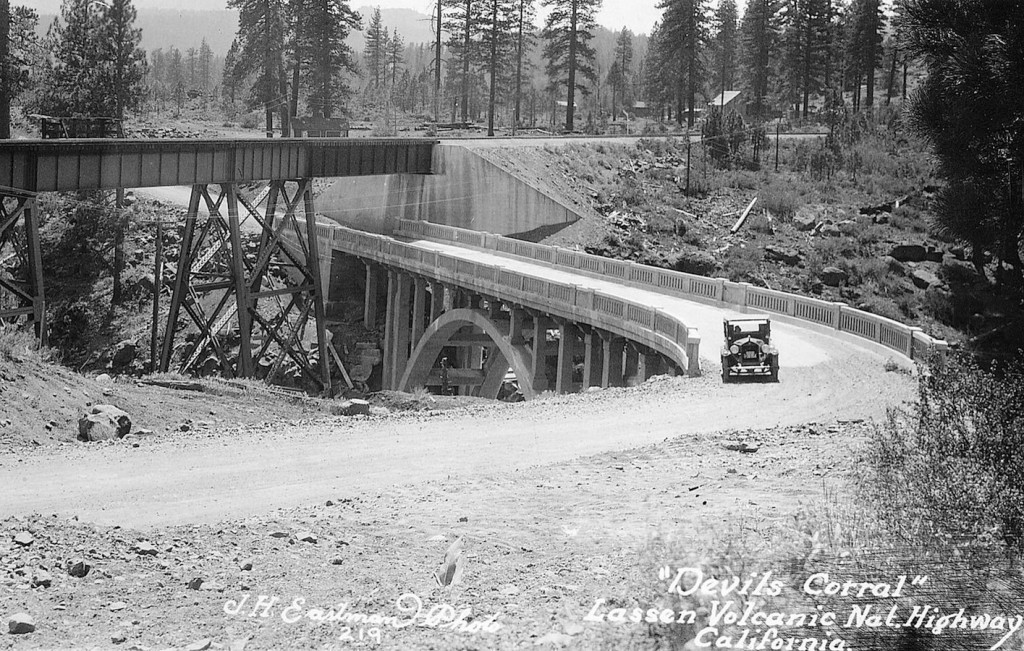
Devil’s Corral Bridge

Devil's Corral Bridge
Devil’s Corral Bridge
In the summer of 1965 construction of a new 285 feet long Devil’s Corral bridge began and the new span was dedicated on September 21, 1966. It was part of a $2.3 million project to revamp 8.3 miles of State Route 36 from Susanville to Willard Creek. The span replaced the old Devil’s Corral bridge that was built in 1923. Speaking of cost, the initial expenditure to construct the highway between Red Bluff and Susanville was less than a million dollars when it was completed in 1929.

1900s Migrant Worker Woes

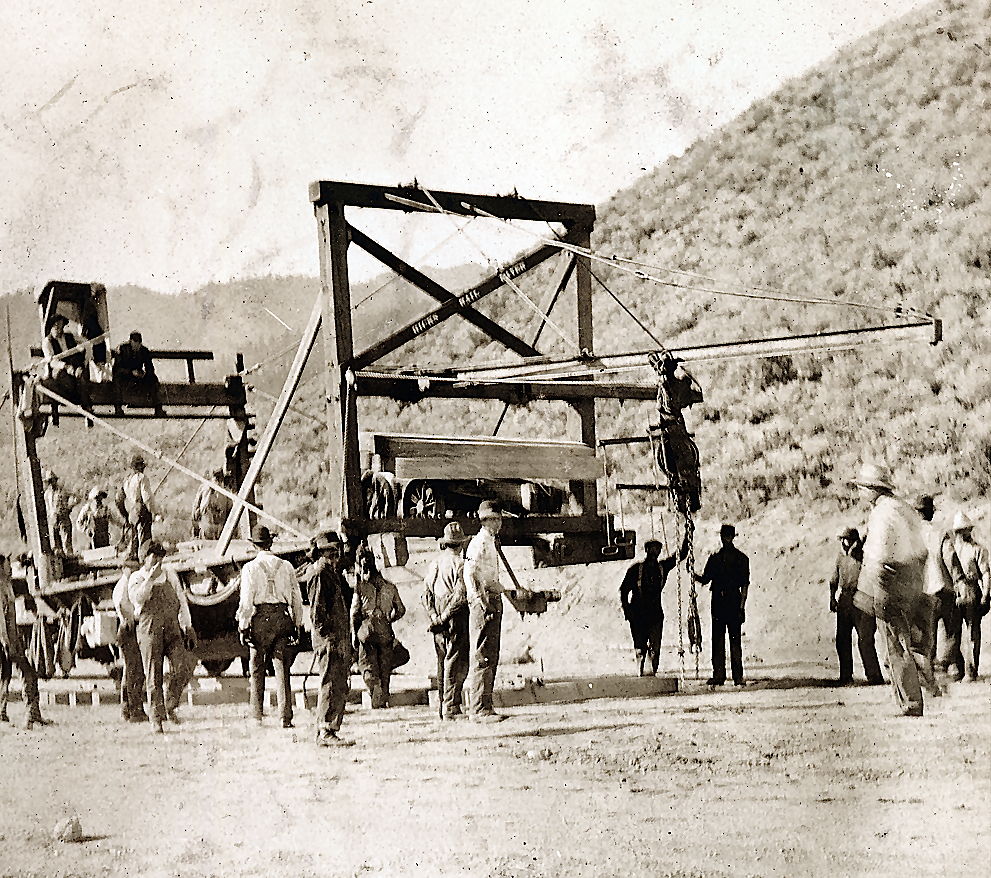
Construction of the Western Pacific Railroad near Constantia. Courtesy of Marie H. Gould
It is interesting to note how the local newspapers made caustic remarks when Japanese farm laborers were brought in to work the sugar beet fields on the east side of the Honey Lake Valley. While there was a local work force available, those workers refused to do that kind of hard labor. During this same time period when the Western Pacific Railroad constructed its line through the lower of end Honey Lake Valley the bulk of its workforce was Hindus and Greeks.

Meet the Masons

Lassen Lodge #149 F.&A.M.
They say patience is a virtue, so I must be virtuous. For over twenty years I had been patiently waiting to access some of the local Masonic lodge records. Well, the wait paid off. One of the treasures was an old album of various Masons, who each in their own way had an impact on the area, as well as their descendants. Take for instance Morris Asher, whose family still has a major influence in Hollywood. His grandson, William Asher either directed or produced and sometimes both, such TV classics as “I Love Lucy” and “Bewitched.” From time to time we be exploring these Masons.

Heartfailure grade – Eagle Lake

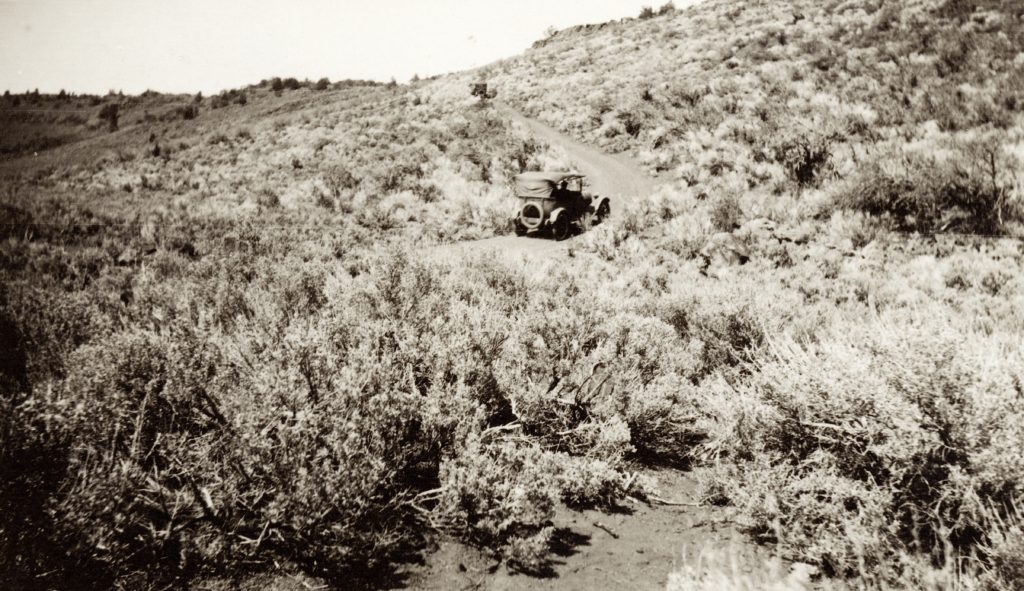
Heartfailure Grade, Eagle Lake, 1921. Courtesy of Lola L. Tanner
The intrepid traveler of yore faced many daunting obstacles whether on an emigrant trail or the road less traveled, due to the terrain. Some times those routes were improved and some times they were abandoned. A prime example was Eagle Lake’s Heartfailure Grade between Spaulding Tract and Bucks Bay. It originally had a grade of 18%, but in 1976, the road was redesigned and the grade was reduced to 7 %.

Susanville – 100 North Roop Street

100 North Roop Street, January 1916.
In 1908, David Knoch, a pioneer merchant of Susanville, had this modest home constructed on the corner of Roop and Nevada Streets. With the exception of the Bunnell house on the corner of Roop and North Streets, the western frontage of that block had always been vacant. When Knoch opened up the property, three Queen Anne style homes were built shortly thereafter. After Knoch’s death in 1911, the house was sold to John T. Long. It would remain in that family for three generations, later the home of Long’s daughter, Maude Tombs, and Maude’s daughter, Nadene Wemple.

Subscribe!

Eagle Lake, 1915 – Part II

Happy campers at Eagle Lake, 1914.
This spring I wrote about the pamphlet entitled Lucky Land of Lassen that was produced and distributed at the Panama Pacific International Exposition that was held in San Francisco during 1915. In July, I published the first of two installments concerning Eagle Lake. The first account focused on the lava beds and ice caves.

“For years it has been a favorite camping place for the people of this county, and in this respect its attractions are many. It is an ideal place for camping, boating and fishing. During the summer months there is little or no rain to annoy the camper and the nights are cool during even the hottest weather. Its dry, pure air is mixed with the breath of fragrant pine, and gives to the tired mortal a new lease on life. At the southeast corner of the lake is a long stretch of swimming beach and there is another one at Spalding, a new town recently laid out on the west side of Eagle Lake, just south of where Pine Creek flows into it. Both this stream and the lake are full of black bass, cat fish, white fish and salmon trout of a kind unlike any other on the coast. It goes without saying, that on a deep lake like this, surrounded by timber and steep bluffs the boating is fine during the summer months.”

Subscribe!