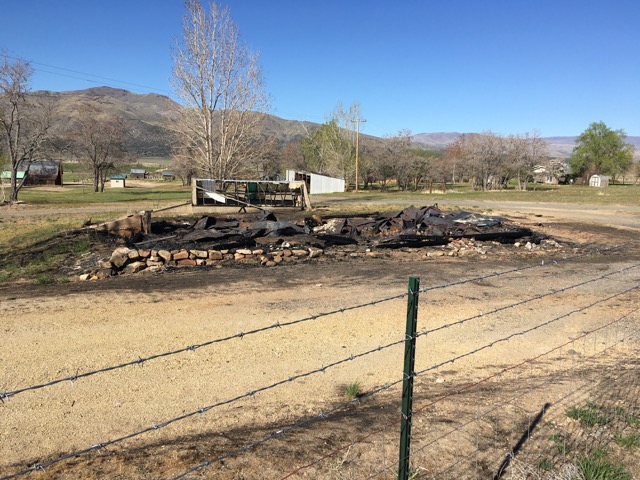
On December 22, 2004, the City of Susanville condemned the Roosevelt Pool citing structural defects. This became a long and some times not pleasant saga as to what direction to take. It would take a decade before any action was undertaken in February 2015 the old pool was demolished.
Remnants of Roosevelt Pool, February 21, 2015
Slowly, but surely there would be a new pool, built adjacent to the old site. Getting all the parties to agree and move forward was another matter. In the end in 2017 a new outdoor community pool became a reality.
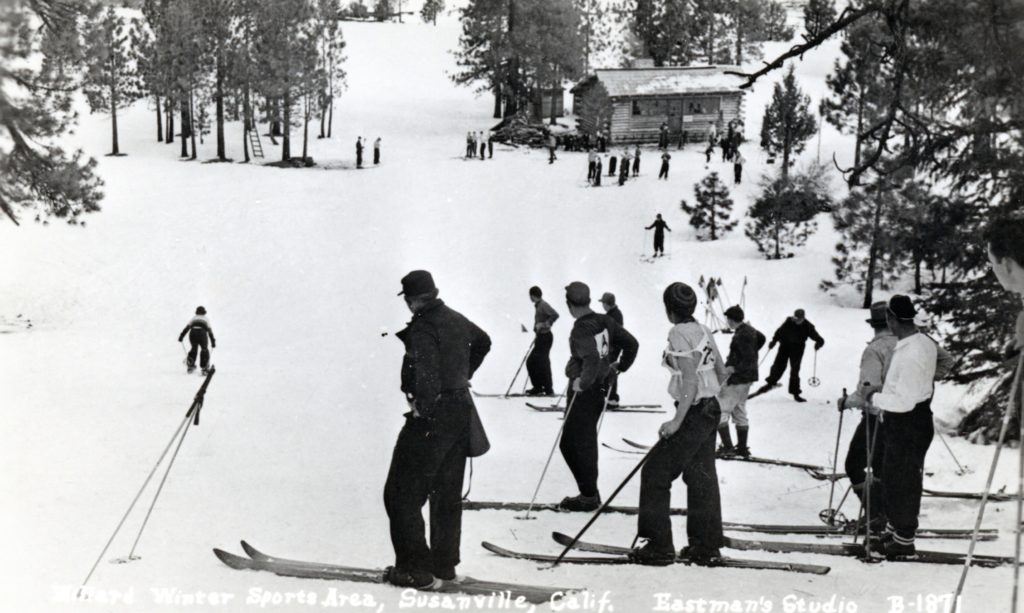
Willard Hill located some six miles west of Susanville was a popular winter sports venue. Its initial development came about through Lassen College’s Forestry Program inconjunction with the National Youth Administration. The latter provided each forestry student with not only academic training but to work in related forestry jobs. For their part-time work the students were paid $30 a month, however $20 a month was deducted for room and board in the converted Alpine Hotel dormitory. Continue reading Willard Hill, Lassen County→
Lassen Industrial Bank advertisement, Lassen Mail, November 30, 1928
There was a time banks were a friendly institution, offering all kinds of services—many for free. As we know those days are long gone, like a. decent interest rate on savings account.
Anyhow, I came across this 1928 advertisement wherein the Lassen Industrial Bank offered Christmas Club accounts. I had no idea that this program dated that far back. Last time I recall, and some one could correct me, Christmas Club accounts went by the wayside in the 1980s. Along those same lines, many merchants had lay-away programs, where one could pay upfront in installments for a piece of merchandise, though some places are bringing that back. Times have changed.
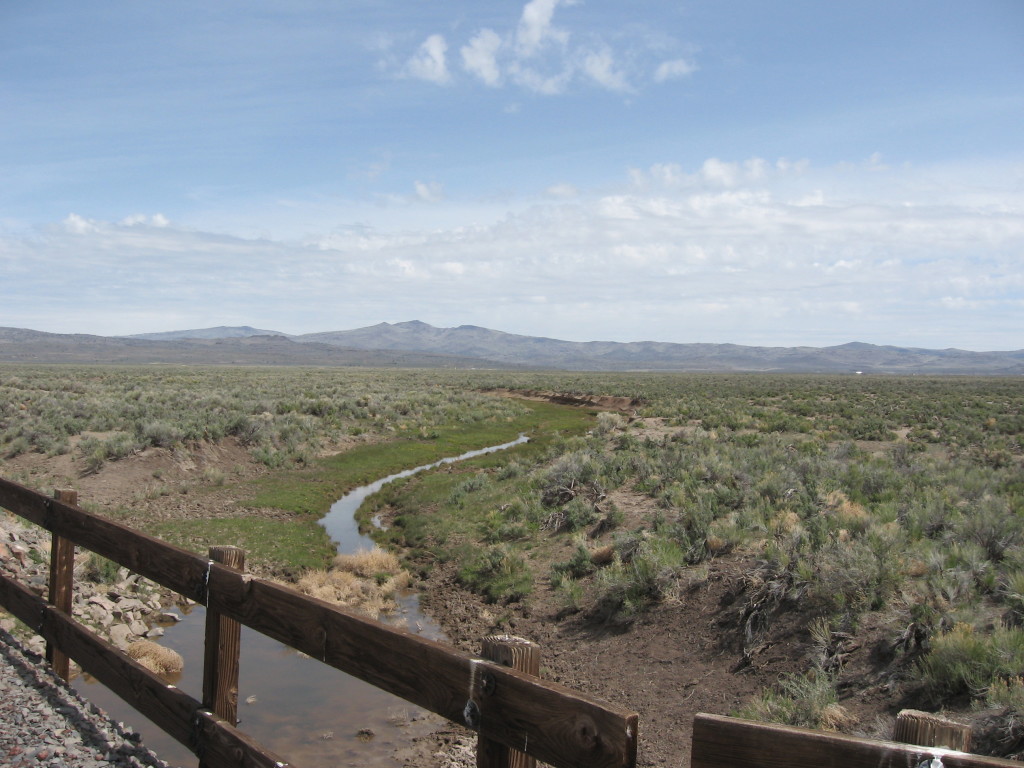
Honey Lake, 1997 with Skedaddle Mountain in the background
Skedaddle Mountain is known to many people for different attributes. Rockhounds enjoy exploring it, just as much as a chukar hunter. Whatever the case may be, many are not aware how it got its name.
Skedaddle was a Civil War term used primarily by Southerners meaning “to flee”. The mountains were named by the Kidder & Ives state line boundary survey crew in 1863. Their formal report stated: “The line crosses Honey Lake Valley east of the lake, about eight miles and thirty-eight chains west of High Rock Spring, from thence over a barren volcanic country to Rush Creek, crossing said creek one quarter of a mile east of Rush Creek Station. Between High Rock Spring and Rush Creek, a small valley, hitherto undiscovered, and named by us Skedaddle Valley, from the following circumstance, viz: On first discovering it we found a number of Pi Utes, of the Smoke Creek Band, who seized their weapons and rushed to the rocks, apparently to give us a warm reception. We immediately signaled them, held a parley, and induced some four of them to visit our camp. I then thought it best, in company with one man, to visit the Indian encampment, leaving orders to retain the Indians in our camp until my return. Soon after arriving at one of their bough houses, where we found several more Indians, we were recalled by one of our men, who stated that those retained in camp had escaped, not heeding the weapons which were aimed at them, but not fired. I then deemed it best to move camp that night, which was done, arriving at Mud Springs [Bull Flat] about twelve o’clock. Luckily, the line had been run the soldiers who went there to hunt the Indians, that there must have been at least fifty camped at that point, and they must have departed almost simultaneously with ourselves. I have consequently named the place Skedaddle Valley, thinking, however, that the victory was on our side, as we captured one gun from the enemy.”
Thanks to Francis Riddell’s work on the Honey Lake Paiute Ethnography we know how the Paiutes named their landmarks. Let’s start with Secret Valley which was referred as Sawa nona “Brush Set.” A little to the south is Mud Flat, which was referred to as tubisha nuna. What makes this place unique, in wet years it is covered with water. In the summer, when the water recedes, it then covered with a blanket of wild sunflowers. This made it a favorite place for the Paiutes to gather sunflower seeds.
Bald Mountain was referred to as Guha kaive, for a plant they called guha, which is a small perennial herb known as Mentzelia. Thompson Peak T’kwangud which translate to “tower.” The area of Milford was known as Mata. This was the most important winter village of the Honey Lake Paiute. The southern territory of the Paiute extended to near present day Doyle. They referred to Long Valley Creek as Ak wug—sucker. It was important source for suckers which they caught in large numbers and dried them for winter use. It should be noted that Joaquin was born at Long Valley and was the last headman of the Honey Lake Paiute.
Partial Cover Sheet. of the the monthly Milk Report
These reports generated during the 1930s provides some interesting insight into the local dairy industry. While there is the detailed analysis of milk samples, it also includes notations about various operations some of which I highlight below.
The Ralph Bass Ranch was given notice to comply with the Agricultural Code in regard to Dairy House and Equipment. They are now in the process of remodeling the Dairy House and putting in sterilizing equipment—January 1935
The C.C. Ulch Dairy discontinued selling market milk this month. A new cold storage box was installed at the Swiss Dairy Plant. J.H. McClelland was requested to put a canvas cover over his milk cans on the truck—April 1937
The Mt. Cove Dairy moved from the W.L. Sovy Ranch to the Masten Ramsey Ranch and is doing all bottling and capping at the new location—November 1937.
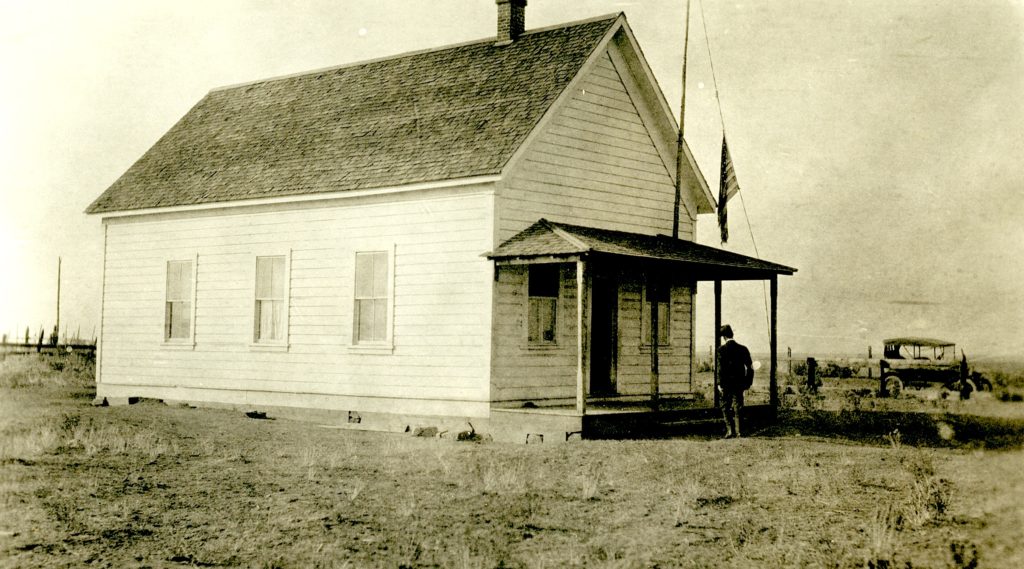
This Big Valley School District was established on June 7, 1880. It was not until 1883 that a school house was constructed. That structure, it seemed was inadequate. In 1891, the trustees approved to hold a special bond election for a new school, the cost $800. On May 16, 1891, the bond election was held, the vote was twelve yes and three no. A complaint about the election was filed with the Lassen County Board of Supervisors, who had the final authority, rejected the vote. The Board cited one paragraph in the ballot proposal did not state that it was a tax assessment. The Board concluded that a new election would be required. Time passed and it would be a decade later before another bond election was held. On June 5, 1903, the voters approved a second bond proposal for $300 and the bonds were issued, without any problem. After World War II, saw the consolidation/unification of rural school districts—Center would be one. In 1951, the Center School students attended school at Bieber. Shortly afterwards the district was dissolved. The old schoolhouse was sold and converted into a private residence, that in 2003 was still in existence.
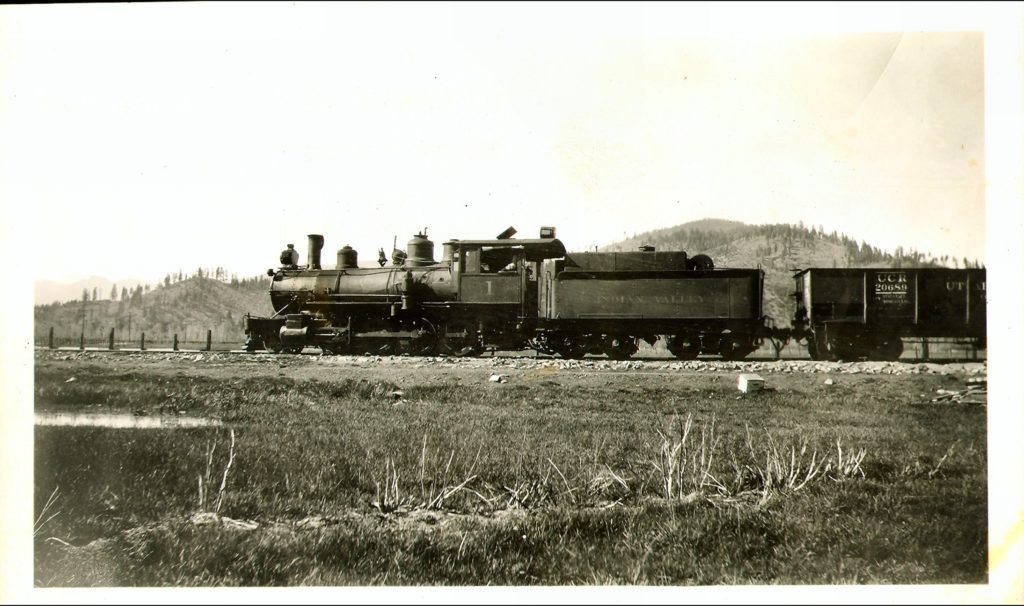
Indian Valley Railroad. Courtesy of the Plumas County Museum
One of the biggest issues T.B. Walker had against the Red River Lumber Company’s location at Westwood, was it lacked a railroad link directly to California. For a time there was a glimmer hope with the Indian Valley Railroad.
On June 30, 1916, the Indian Valley Railroad (IVR) was incorporated to build a line from Paxton on the Western Pacific Railroad to the Engel Copper Mine near Taylorsville–a distance of 21 miles. Sixteen months later the rail line was completed. It should be noted, that it was originally proposed as a narrow gauge line, but Willis Walker of the Red River Lumber Company objected. After all, Walker was keen enough to see the possibilities for a link to Westwood, and with that would force the Southern Pacific Railroad to be more competitive in their rates.
Early on the IVR had its sights on Westwood. In 1918 a survey to extend the line to Westwood was conducted, There was speculation that the IVR would extend its line to Westwood, and in 1918 the IVR did survey a line to that place. With Red River’s main branch railroad logging extending along the east shore of Lake Almanor to Canyon Dam, there was not much territory separating the two lines. In 1927 a request was sent to the Interstate Commerce Commission to put in this proposed line to be known as the Northern California Railroad. It was rejected. However, in the works was the Western Pacific and Great Northern Railroads to connect their respective lines with a new railroad from Keddie, Plumas County to Klamath Falls, Oregon. This was approved in 1930, and Red River Lumber Company would finally have a second railroad connection it had always sought.
The remains of burning of the last vestiges of Constantia, April 2020–Kim Dieter
Some readers may recall that I wrote about the burning of Constantia in April 2020, while not as dramatic as the burning of Atlanta, Georgia during the Civil War, for some, the loss of Constantia was traumatic.
Besides the Constantia General Store which was built in 1898, the other three buildings actually were not ranch related. In July 1926, the California Division of Highways (pre-Caltrans) made an agreement with the Galeppi family, owners of Constantia, to construct a maintenance station there. The three buildings—foreman’s residence, storage garage and bunkhouse—cost $4,000. During World War II with severe labor shortages the station was closed permanently.
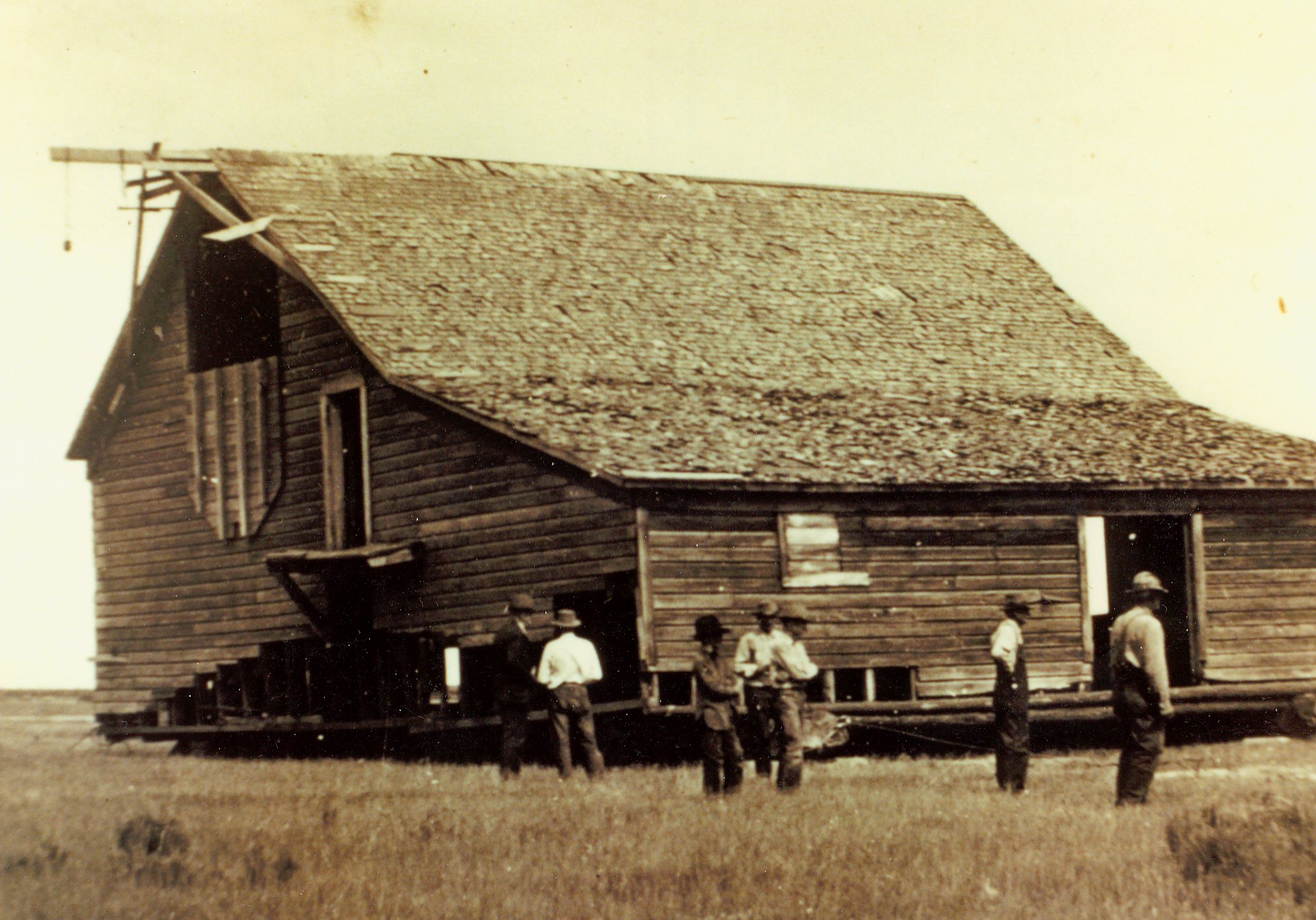
Moving the creamery building to the Mulroney Ranch.
In the 1890s, the creamery movement began in earnest in the Honey Lake Valley. One of the reasons for the slow development was there was no local skilled people to operate one.
One of the first creameries established was the Honey Lake Creamery located at Spoonville, east of Janesville and also known as Missouri Bend. The records are rather sketchy about the operation, though it appears it was placed into operation about 1895, by the Spoon Brothers. In addition, after a fire destroyed the plant in 1901, they brought James I. Christie as a partnership with the creamery and also that of a general merchandise store. The creamery was rebuilt with the equipment coming from the Diamond Mountain Creamery.
Changes were on the horizon. In 1904, Christie joined his brother, John B. in a store at Janesville. In 1905, The Spoons sold out to E.C. Brown. However, Brown was not interested in operating the creamery and it subsequently shut down. The abandoned building was used as storage. In the 1940s, it was moved a short distance to the Mulroney Ranch and converted into a barn.
A little note about the Christie Brothers. In 1919, James established Christie Furniture in Susanville. John took over the Eagle Lake Resort, hence the name of Christie Campground.