Category Archives: History

A Susan River Tragedy

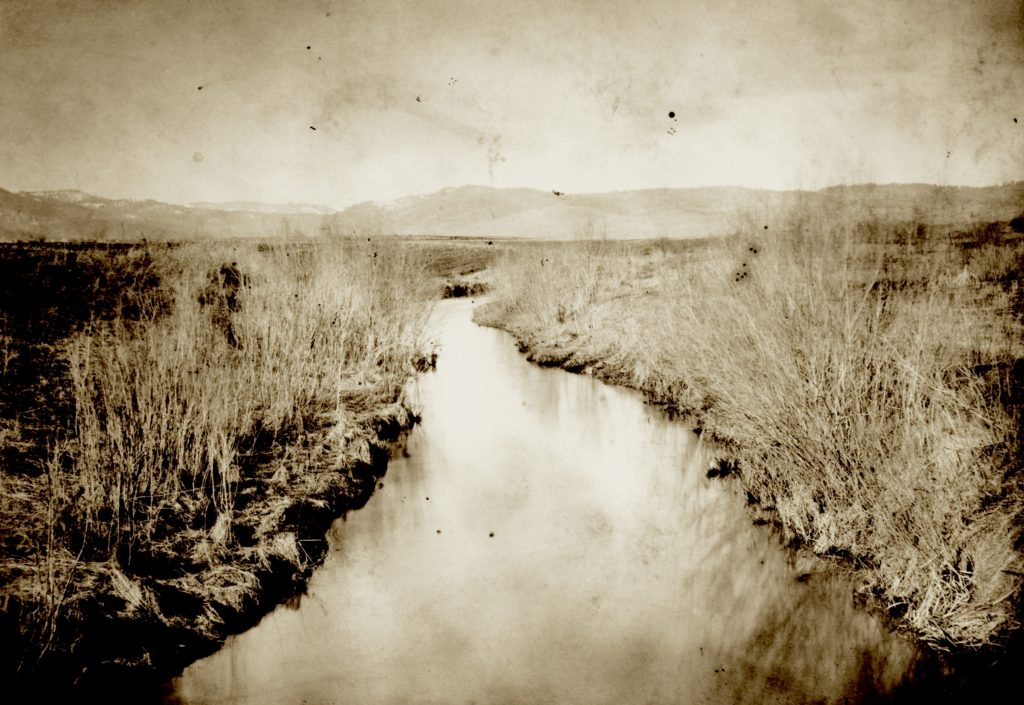
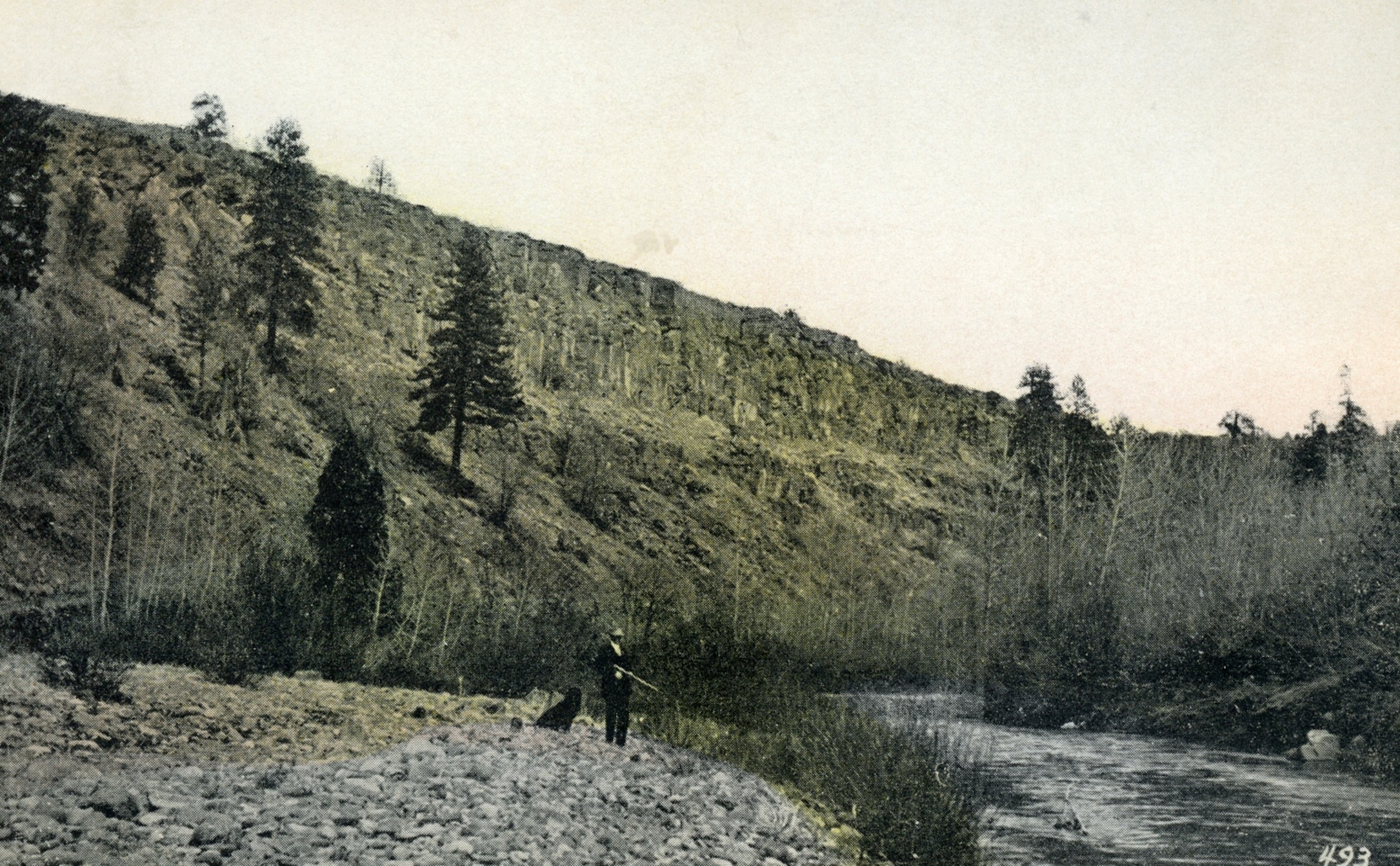
Susan River, circa 1914

Dr. Zetus N. Spalding (1819-1898) was a Civil War physician and was best known to generations of Lassen County residents of being the founder of the iconic Spalding Drug Store, that institution had spanned a little over 100 years. He served as Lassen County Superintendent of Schools from 1871 to 1879. In the late 1860s, he was elected twice as County Coroner. For many years, he also held a non-elected position as County Physician, who provided aid to the indigent and incarcerated.

His favorite pastime was that of fishing the Susan River. One Tuesday morning in May 1898, he went fishing as usual, left in the morning and but this time failed to return home in the afternoon.  By evening, a group of some thirty men assembled and went in search of him along the banks of the Susan River where they found his body near the old Bremner dam about a quarter mile upstream from Hobo Camp.

His, John B. Spalding took over Spalding Drug. He was an avid outdoorsman. Many may not be aware, but the store up until World War II carried a full line of fishing poles, tackle, along guns and ammunition.
Support

Standish Ground Breaking Ceremony

The Standish townsite prior to clearing the sagerbrush, January 1898

A lot of planning went into Standish Colony, and the selection of the townsite was no exception.  Some of the initial work in late 1897, early 1898 was conducted by H.R.T. Coffin and Tom Barham. They had a vague idea where it might be located. Their task was to poll the area residents about a prohibition clause that would be included in the deeds. It was simple that no intoxicating liquors be manufactured or sold, and if a person violated the clause the property would revert back to the Associated Colonies.

It was Albert Halen, the civil engineer for the colony to make the final decision for the location. He selected a 240-acre site, where the Susanville-Datura stage line dissected through the middle of the townsite—known today as U.S. Highway 395 North. On February 5,1898 various members of the Standish Colony gathered at the future townsite. William E. Smythe, one of the founders of the Associated Colonies did the ceremonial cutting the sagebrush there.

In June 1898, the Associated Colonies published a small booklet “The Standish Colony in the Highlands of California. It contained this description:  “The village site of Standish is located on high ground and enjoys fine, natural drainage. The sagebrush has been cleared and the streets and parks laid out in accordance with the beautiful Plymouth plan. The Colony homes will command views of splendid mountain pictures in all directions—to the east, beyond the blue sheen of Honey Lake, the towering Hot Springs Mountains,; to the north, brown heights of Shafer’s Peak and the picturesque defile which Willow Creek flows down to the valley and lake; to the south, Diamond Mountain and its sisters clothed in dark forests crowned with snow; to the west, the higher Sierras with that great Sentinel of the north—Lassen Butte—holding eternal vigil over the Sacramento Valley, on one side, and Honey Lake Valley, on the other.”

Subscribe

Lassen High’s First Principal Unexpected Departure

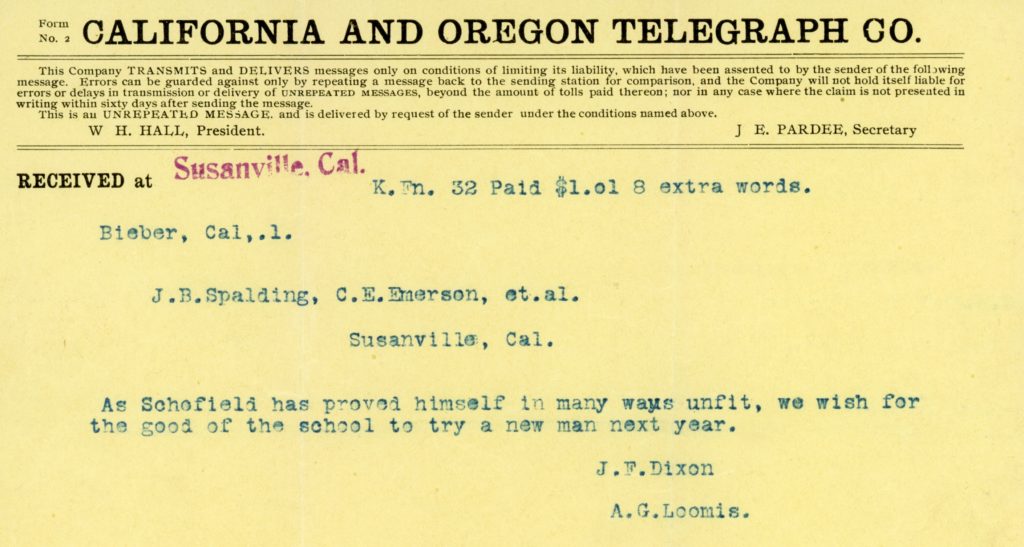
While sifting through my Lassen County Schools file, I came across something that caught my attention. It was a telegraph envelope addressed to J.B. Spalding, a Lassen County High School Trustee. Someone wrote on the envelope “Please Preserve.” The above illustration was the content of the telegram from Lassen County Superintendent of Schools, J.F. Dixon.

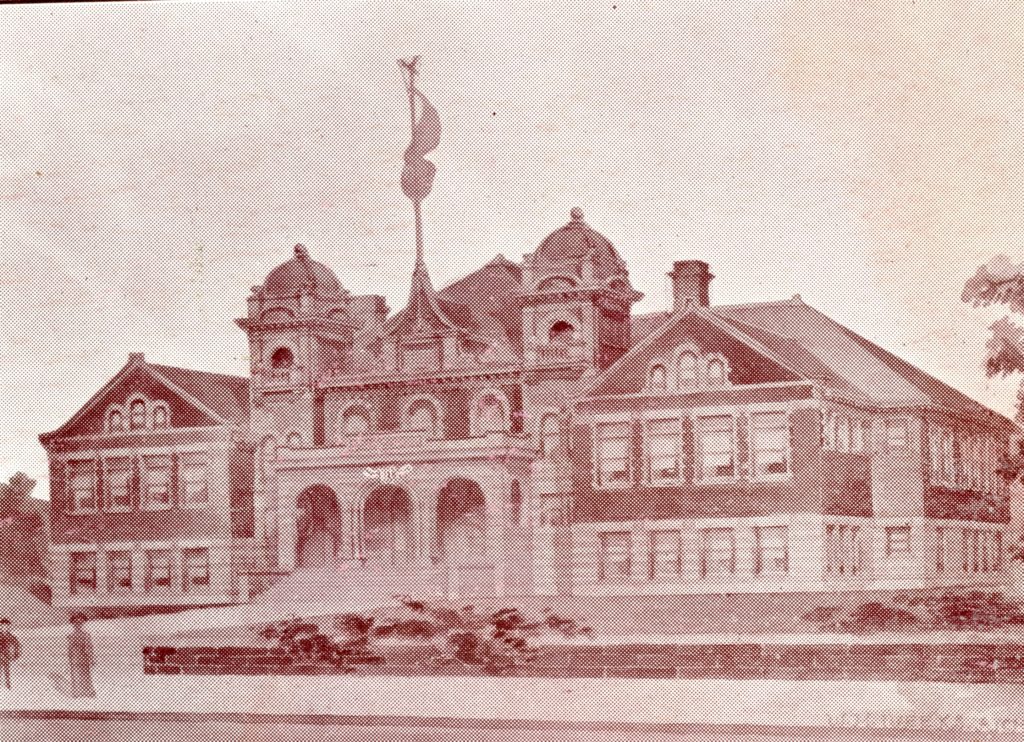
It should be noted that Professor Frank C. Schofield was hired as the first Principal/Instructor for the Lassen County High School in the fall of 1903. A second instructor, George Barton assisted. In an 1906 account spoke highly of Schofield: “Under his efficient management rapid progress has been made in all departments, and the attendance has largely increased, the number of pupils registered the first year having been but forty, which in the second year sixty names appeared on the roll.” Among other items, Schofield oversaw the construction of the high school.

W.H. Weeks rendering of the new high school.

In June 1910, Professor Schofield surprised the community that he was leaving for Palo Alto, California to take year sabbatical from teaching. Was the above undated telegram the impetus?  We may never know. Schofield never returned to Lassen and spent the rest of his educational career in Palo Alto where he died in 1935.

Support

A Former Lake Almanor Hazard

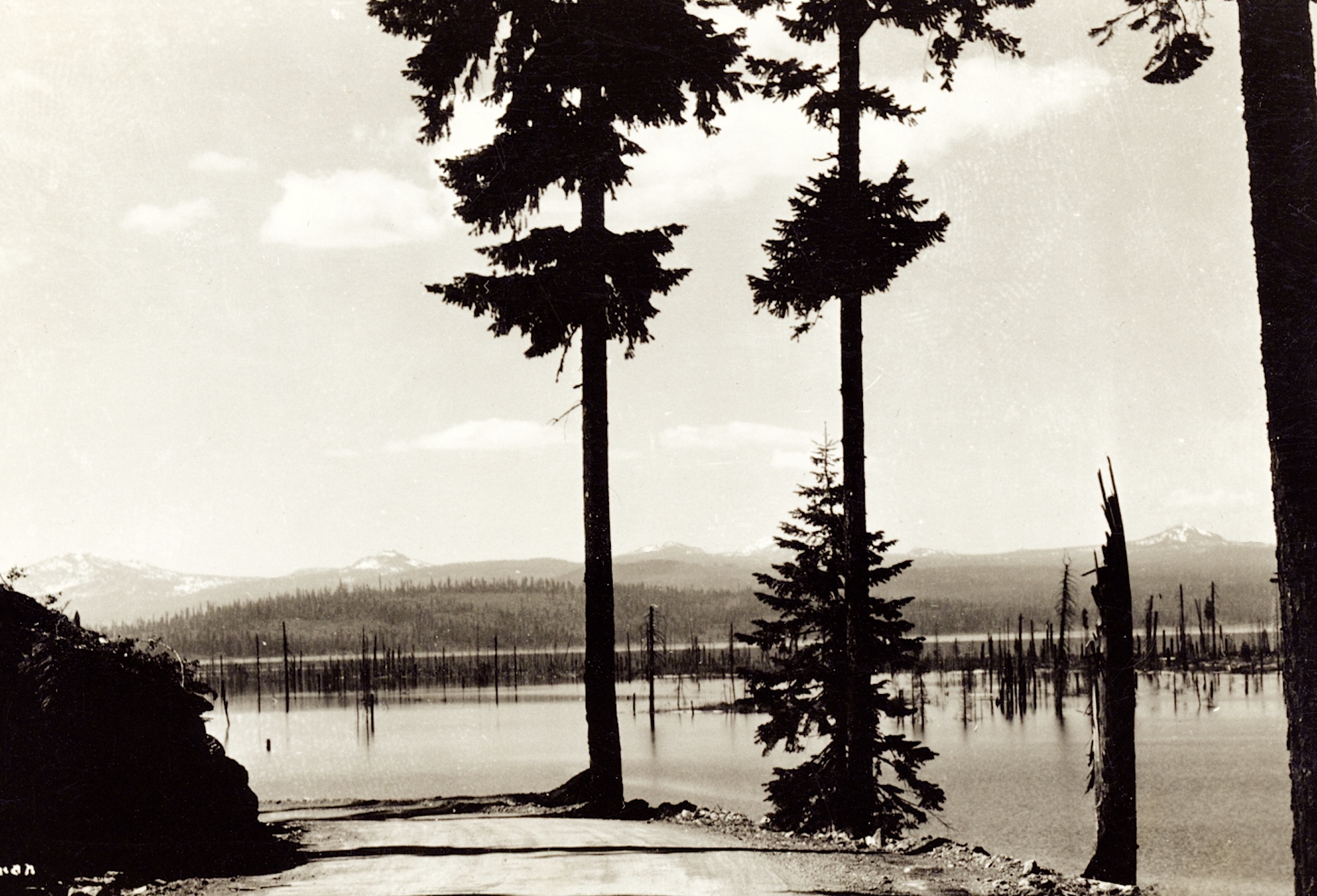
Lake Almanor, 1930

Seasoned residents and visitors to Lake Almanor will recall that body of water was plagued with snags—dead standing trees submerged by the lake. The trees were mostly lodgepole pine that had no commercial value to the Red River Lumber Company when it initially logged the basin. Another issue, especially along the shoreline was  the remnants of tree stumps left over from harvesting trees.

In 1954 the California Department of Fish & Game estimated it would cost $1.6 million to remove the snags and stumps. California Assemblywoman Pauline Davis, who liked the idea of the snag removal, would not seek state funds to do it, as the lake was privately owned.

As the development of the subdivisions on the peninsula and east shore continued so did the issue of snag removal. In the fall of 1959, PG&E did a pilot test to remove the snags and stumps. After it was completed, it would assess the results, and should it appear feasible from a cost standpoint, it would move forward with the program to include additional segments of the lake.

To the delight of many, PG&E continued with the snag removal program, and in 1961 work was accelerated. Cattermole and Tretheway Construction Company were awarded the contract for removal snags, stumps and driftwood. At its peak the company had five barges, employing over fifty men. One of the more problematic regions of the lake was the one known as Gould Swamp to the east of Chester. A huge pile of snags was created on the Chester boat landing road. Farrell Hamilton, foreman for the company, reported that the pile consisted of nearly six million board feet of timber. It measured some 1,100 feet long, by 60 feet wide and 20 feet high. To dispose of this mammoth wodpile, the company intended to have one large bonfire and it did in late October 1963. As one forest service employee noted, it “really made quite a blaze.”

Donate

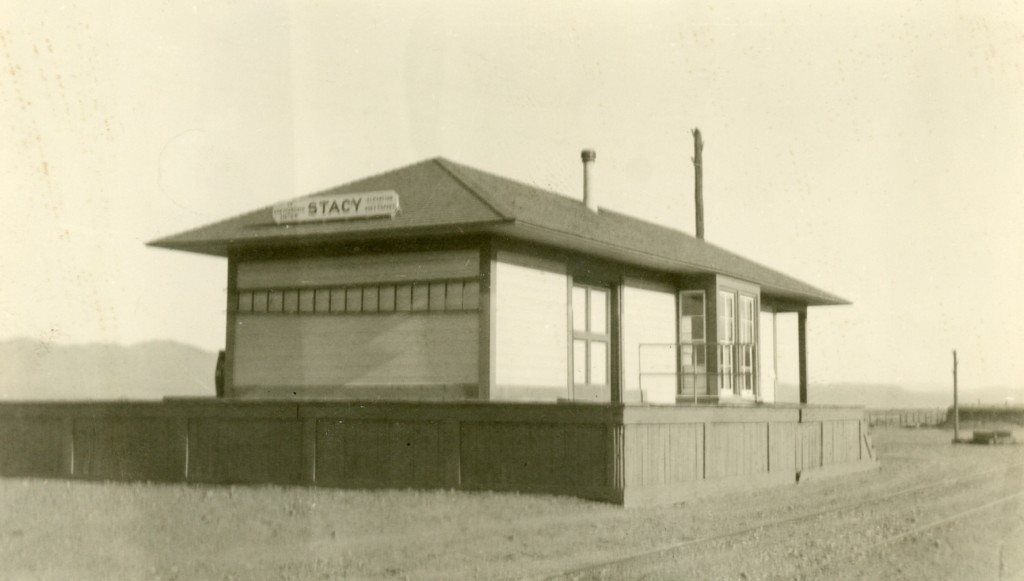
Stacy Depot, Lassen County

Stacy Depot—C.R. Caudle

Stacy was a small community in the eastern Honey Lake Valley located between Amedee and the Nevada Stateline. It came into existence when the Fernley & Lassen Railroad was constructed through there in 1912. There were high hopes in the region with the completion of the Standish Water Company’s pumping plant on Honey Lake. It was the company’s intent to irrigate some 4,000 acres for sugar beet production. Its a complicated story.

Stacy Depot
Stacy Depot. The town was named for Stacy Yoakum Spoon, wife of Grover Franklin Spoon, one of the town’s developers and its first postmaster.

This is another depot, where I have not been able to locate much information. There was a nearby stock corral for loading sheep. In 1940, there was siding that could handle 113 cars.

Tim

The Demise of the Paul Bunyan Lumber Company

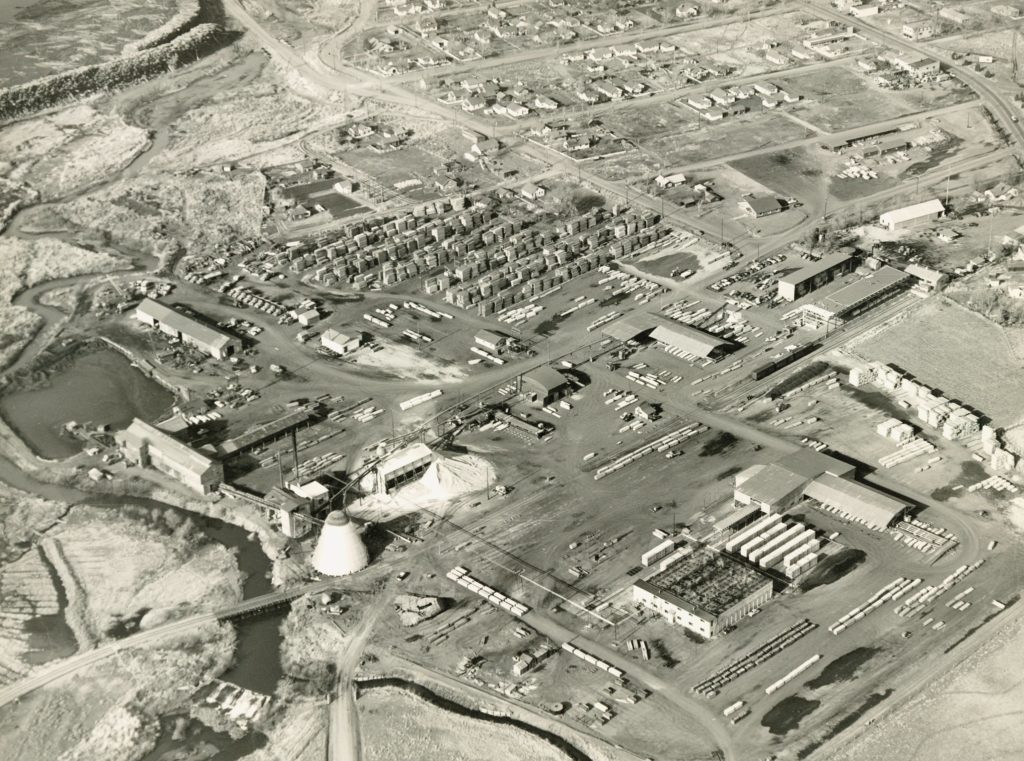
Paul Bunyan Lumber Company, 1953. Courtesy of Fred Lendman

On May 15, 1967, Kenneth R. Walker, president of the Paul Bunyan Lumber Company announced the pending closure of its Susanville mill. Walker cited the lack of available of timber for the closure. The mill closed in August and the liquidation process began.

In 1945, when Red River Lumber Company was in its initial dissolution process, Kenneth wanted to remain in the business. At that time, Red River owned what was referred to as the “Cedar Mill” in Susanville. Kenneth took over that mill and named his new venture the Paul Bunyan Lumber Company.

In conclusion, Walker provided two interesting facts about the mill. He stated that when the last board is shipped, the mill would have processed 650 million board feet of lumber during its operations. In addition, the company’s total payroll during that time amounted to $20 million.

Support

Milford School, Lassen County

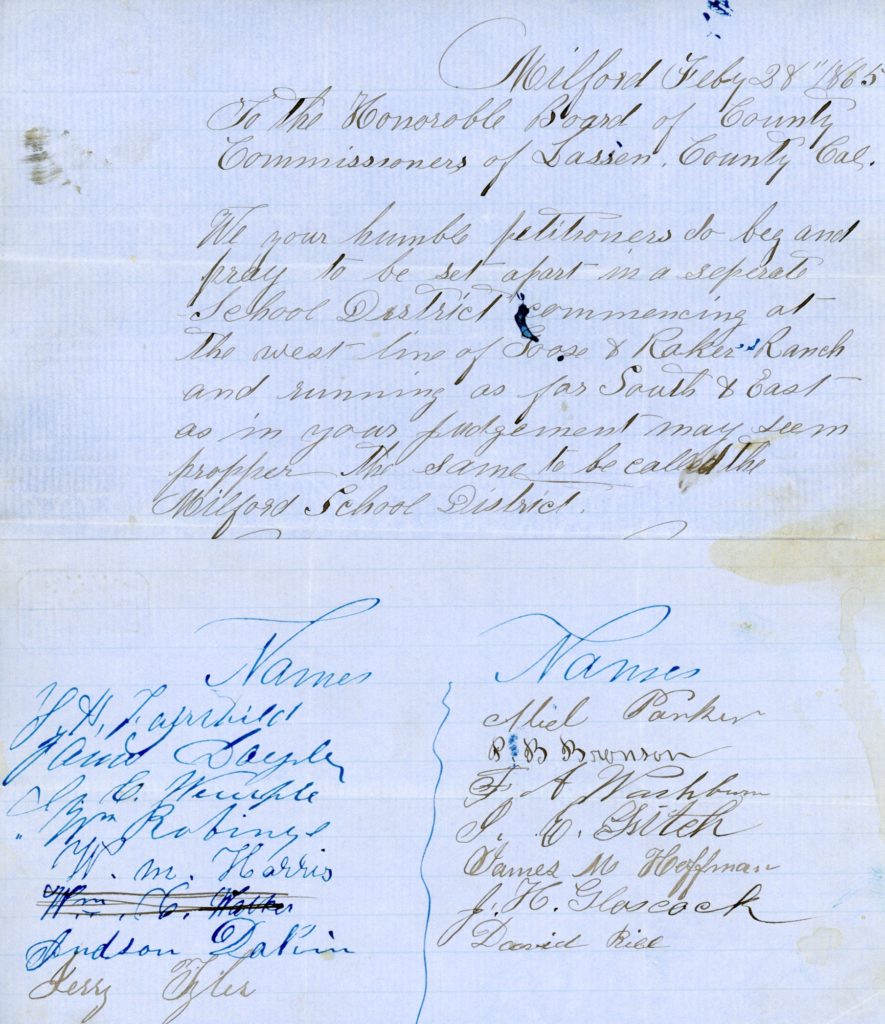
The 1865 school petition, saved from my dumpster diving expertise.

In 1864, during the creation of Lassen County there were six original school districts, Milford would become seventh the following year. On February 28, 1865, Milford residents petitioned the Lassen County Board of Supervisors for a school district of their own. After all, the Lake School, was some twelve miles to the north and the Long Valley School nearly twenty miles to the south. The board obliged.

The second Milford School—-Milford Community Association

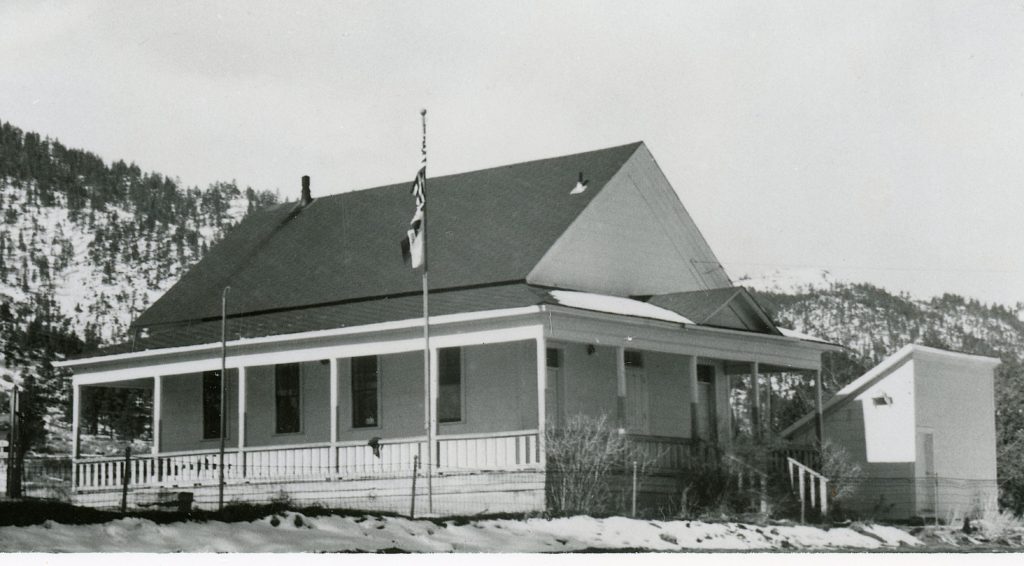
One of the unique traits of Milford, is that its original and replacement school houses still stand—though since converted in private residences, and they are side by side. The first schoolhouse was built in the summer of 1865 by Ezra P. Soule and Henry C. Stockton for $500. As Milford continued to grow, so did its student population. In 1883, the voters there dealt with a contentious issue to pass a special tax for $160 to construct an addition—it narrowly passed. The school population just kept growing and the original school, even with an addition was not enough. Back to the polls. On May 12, 1888, the school district voters approved  $1,400 bond measure for a new school house, that served the community for nearly eight decades.

Milford School, 1957. Courtesy of Milford Community Association

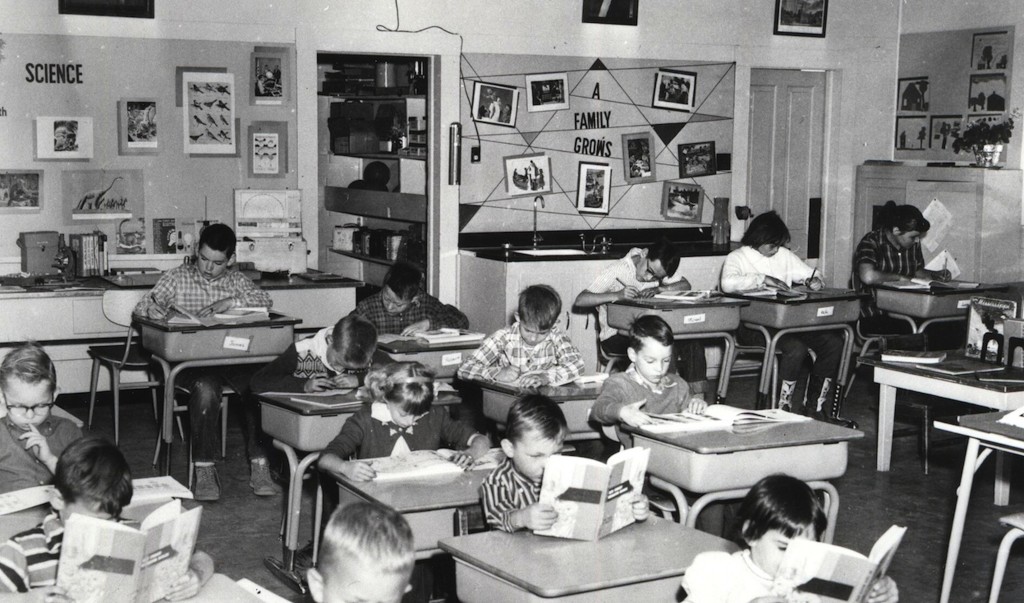
While the Milford School experienced many ups and downs, like any institution, times were changing. Long gone were the horse and buggy days, replaced  with paved highways and automobiles that resulted in the population decline of rural communities and Milford was of no exception. In 1965, the upper grade students at Milford were transferred to Herlong Elementary. The following year, the school struggled and only taught grades one through three. The following year it closed and was annexed to Janesville Elementary School District.

Support

Associated Colonies of New York

Honey Lake Valley, 1898–Betty B. Deal

In 1891, William E. Smythe was involved with the National Irrigation Congress, which opened doors to him. Smythe’s interest was irrigation/reclamation issues of the American West. He then formed the Associated Colonies as a venue to promote his vision. This colony movement was based a lot on the Puritanical beliefs of New England. In 1895, they founded a colony at New Plymouth, Idaho.

Smythe was intrigued with the Honey Lake Valley and its many failed irrigation projects. In 1897, he planned for a colony there to be known as Standish. He was even able to secure Edward Purser’s Susan River Irrigation System, which included the reservoirs of McCoy, Hog and Leavitt. It would be an interesting experiment that we will explore in future installments.

Tim

Canyon Dam, Plumas County

Canyon Dam, 1952

Canyon Dam at Lake Almanor was mostly obliterated during the Dixie Fire of 2021. Like many small enclaves it evolved over the years. Canyon Dam first came into existence in 1910, as headquarters of Great Western Power Company in preparation of constructing a dam to flood Big Meadows and create Lake Almanor.  Great Western also referred to it as Nevis, but by the summer of 1914, Plumas County Board of Supervisors adopted the name of Canyon Dam for the locale. The Canyon Dam Post Office was established on May 28, 1940 with Emmett W. Bishop as first postmaster. It was discontinued on September 14, 1944 and re-established on June 16, 1952.

Tim


The Varied Bear Dance Locations

The final part of the Bear Dance ritual at Bass Hill, circa 1900.

The spring ritual of the Mountain Maidu Bear Dance, locally, has been held at a variety of locations. In the earliest times, it would be held near a stream, for water was an important element in the conclusion of the dance.

One of the earliest sites was near Baxter Creek at Bass Hill referred to as the village of Yoskopin, also known as Lone Pine. This would be the late 1890s, early 1900s. There is a citation that the dance was held along Paiute Creek, just north of Susanville, from 1910 into the 1920s. That location was near the present day intersection of Chestnut and Parkdale. What is odd with its close proximity to Susanville, a town. with two newspapers,  that they never chronicled it.

Sacramento Bee, June 9, 1975

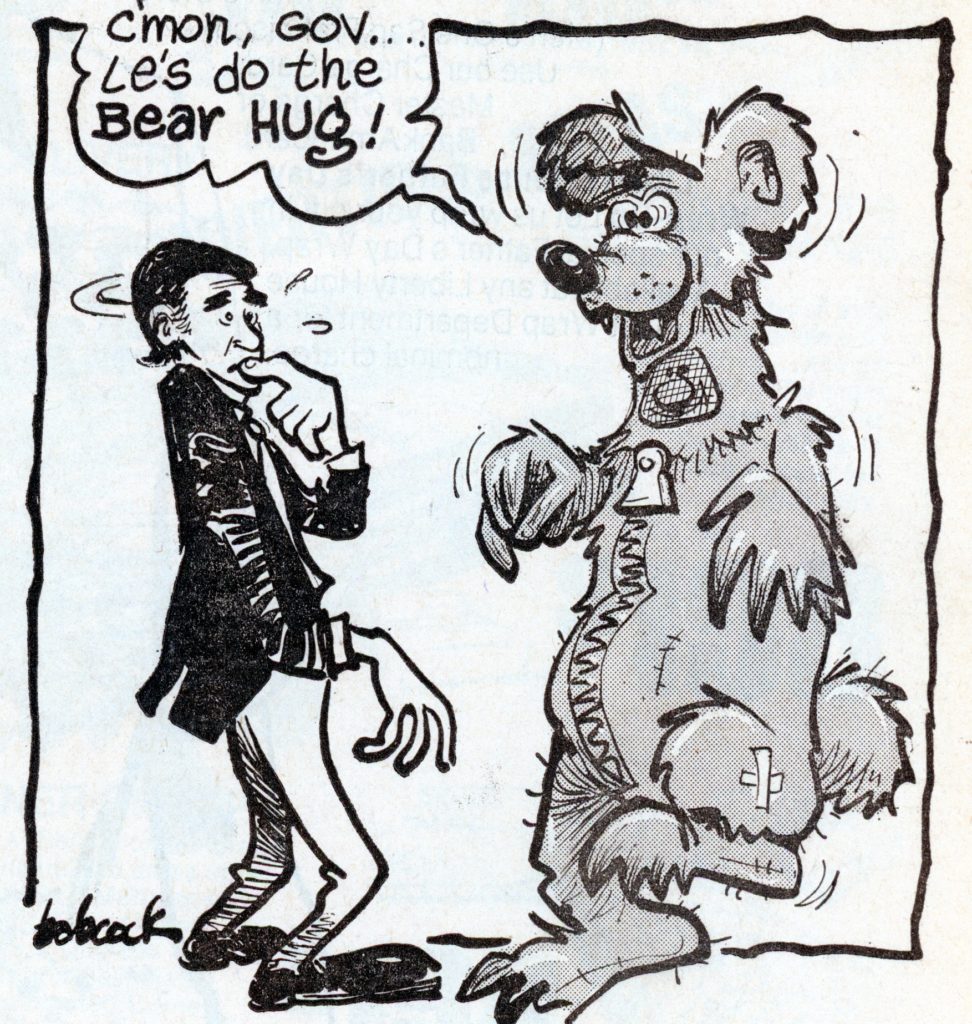
In the late 1920s, Kitty Joaquin sponsored the event at her place near Janesville. She continued the same until 1953. There are accounts that in the 1940s and early 1950s that it was occasionally held at the Susanville Rancheria. By the late 1950s, it appeared the ceremony was on the brink of being abandoned. However, in 1962 Gladys Mankins sponsored the ceremony at her place on Janesville Grade. In 1975,  that event made headline news with the appearance of California Governor Jerry Brown. Mankins continued with the tradition up to 1986. In 1989, it was revived and has been held ever since on forest service property at Willard Creek.

Subscribe