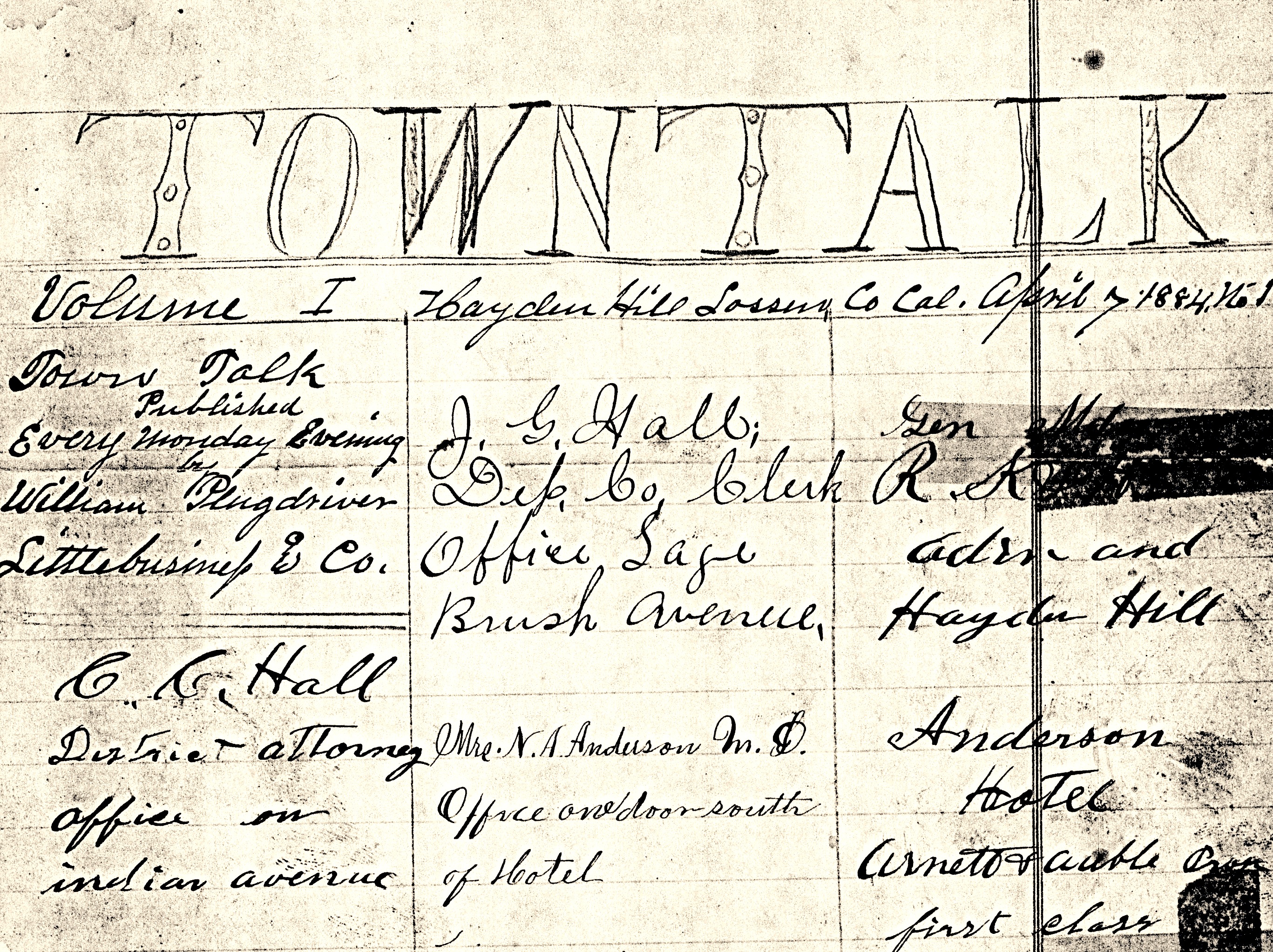
While I have posted about early journalistic endeavors such as the Richmond Times and the Susanville Reporter, I was surprised to learn that very briefly Hayden Hill had a handwritten newspaper. The first issue was named Town Talk that was published on April 7, 1884. The next issue the name was changed to Talk Town, that was published on April 14, 1884. Continue reading Hayden Hill Newspapers→
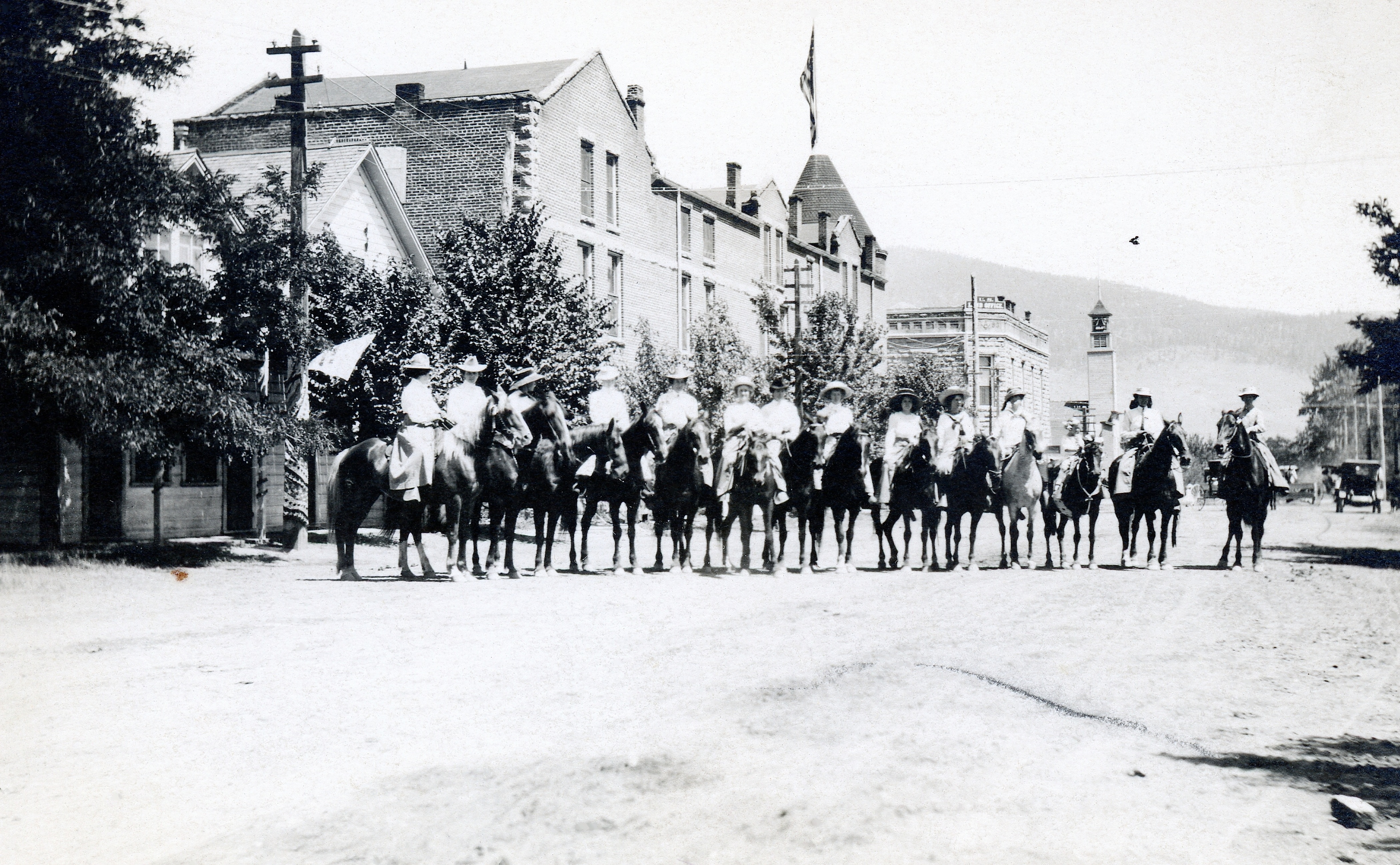
South Lassen Street, circa 1911, Courtesy of Leona F. Byars
I just cataloged this photograph the other day. One reader asked for pictures of the Emerson Hotel, which is the prominent building featured in this photograph. To the left, was a two-story wooden frame building known as the Hyer House, a boarding house. Further down the street, is the Knoch Building, before the third story was added in 1914. In the far background is the old fire house, which is now the current site of Susanville’s City Hall. It was destroyed in a 1921 fire. The Hyer and Emerson were destroyed by fire in 1915. Continue reading South Lassen Street→
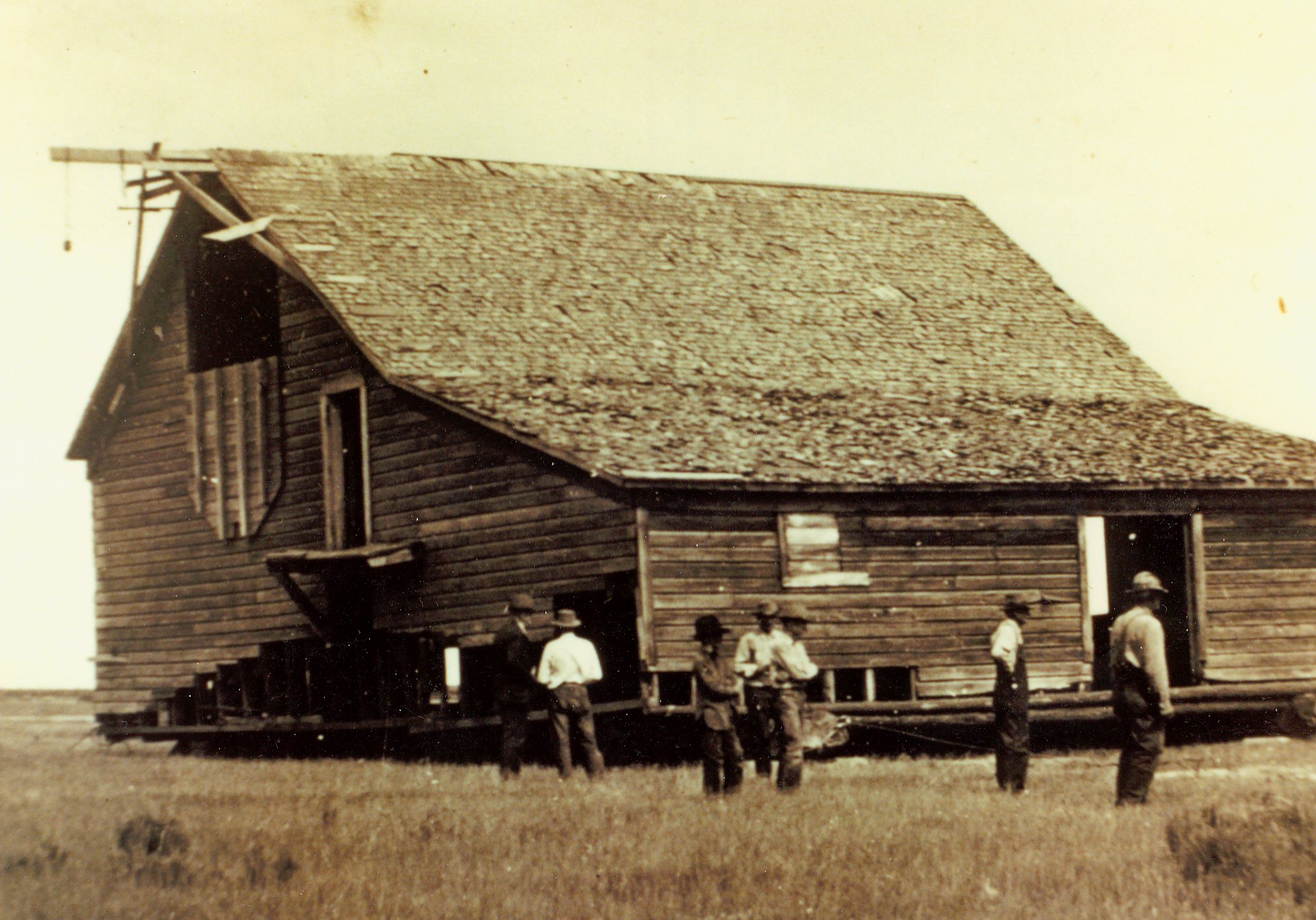
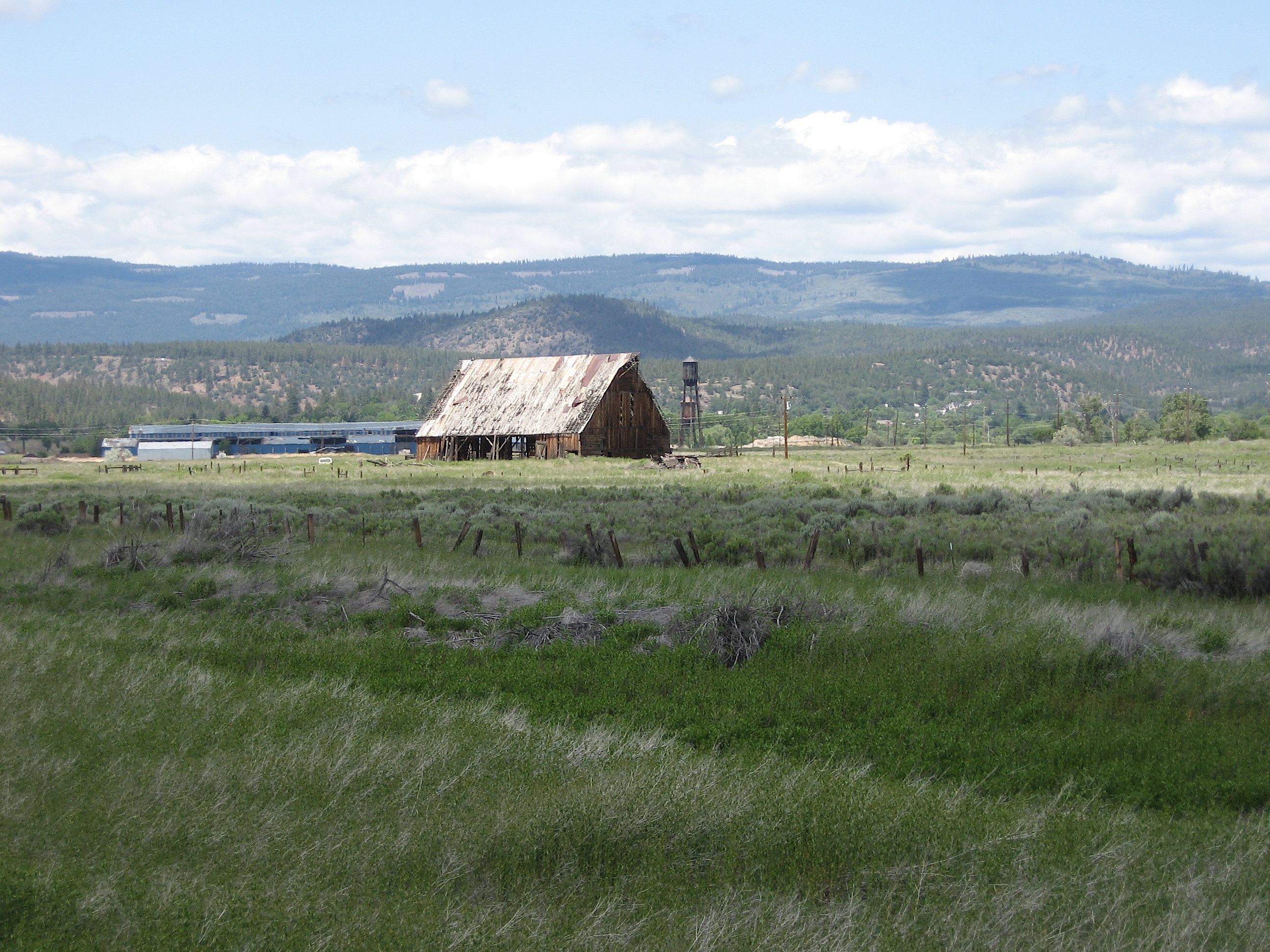
Moving the creamery building to the Mulroney Ranch.
In the 1890s, the creamery movement began in earnest in the Honey Lake Valley. One of the reasons for the slow development was there was no local skilled people to operate one.
One of the first creameries established was the Honey Lake Creamery located at Spoonville, east of Janesville and also known as Missouri Bend. The records are rather sketchy about the operation, though it appears it was placed into operation about 1895, by the Spoon Brothers. In addition, after a fire destroyed the plant in 1901, they brought James I. Christie as a partnership with the creamery and also that of a general merchandise store. The creamery was rebuilt with the equipment coming from the Diamond Mountain Creamery.
Changes were on the horizon. In 1904, Christie joined his brother, John B. in a store at Janesville. In 1905, The Spoons sold out to E.C. Brown. However, Brown was not interested in operating the creamery and it subsequently shut down. The abandoned building was used as storage. In the 1940s, it was moved a short distance to the Mulroney Ranch and converted into a barn.
A little note about the Christie Brothers. In 1919, James established Christie Furniture in Susanville. John took over the Eagle Lake Resort, hence the name of Christie Campground.
Subscribe and support this site for as little as $4.17 a month.
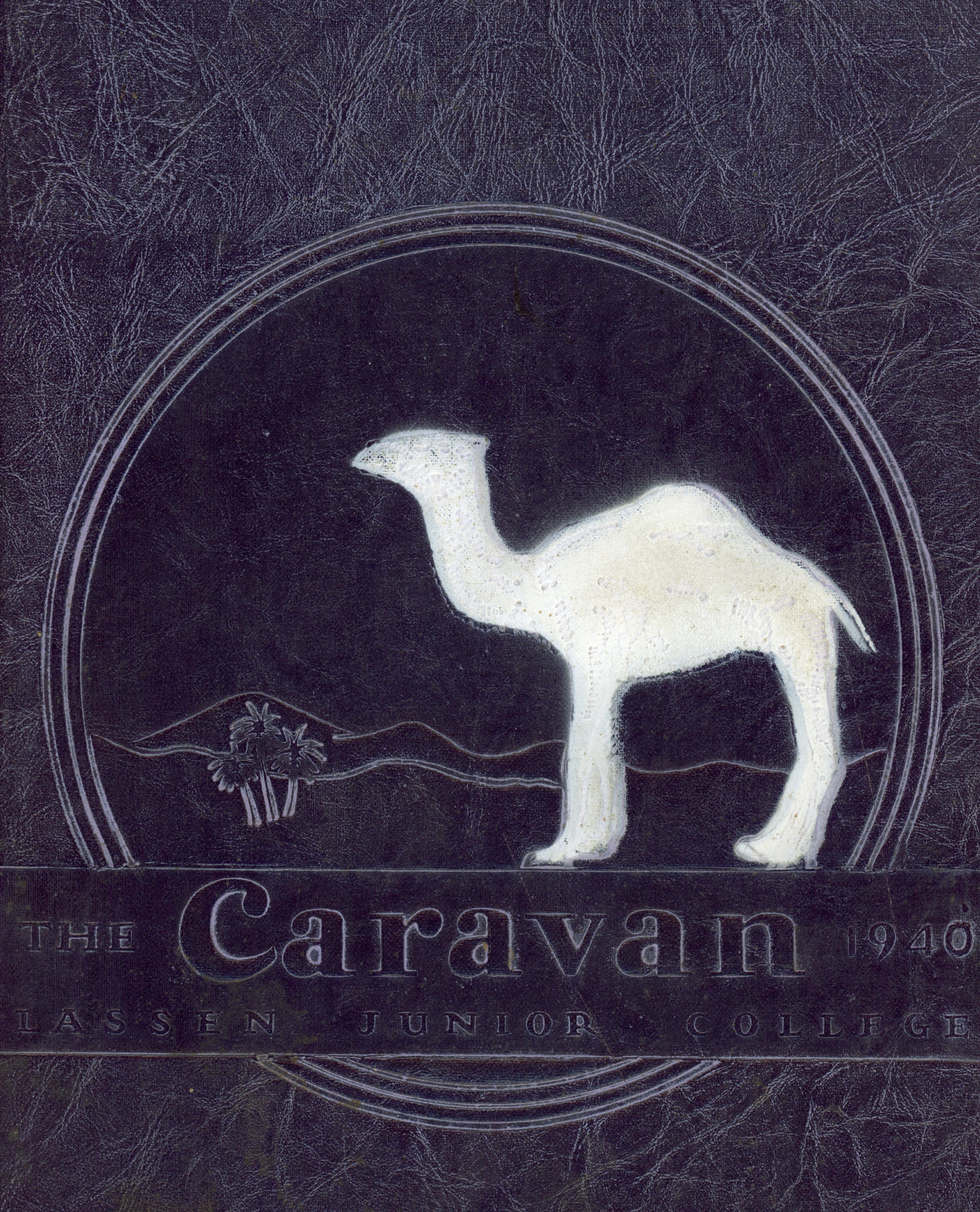
The following account is by Neil Wemple, who graduated from Lassen Junior College in 1938: “The story of the camel as mascot for Lassen Junior College is a bit unlikely and interesting and its goes like this. I had thought the selection of the camel had been the work of some of the “old grads” back in the late twenties. Someone had told me this, but it was not so. So I was determined that it was so and when I came upon the truth I could scarcely believe the results of my own research efforts. I wrote many letters, made many phone calls, studied many LUHS and LJC publications and was very embarrassed to discover that the evolution and adoption of the camel came about in my first year at Lassen Junior College in 1937! The advice and efforts of Bud and Don Cady, Adelene and Abe Jensen and my sister Deese Theodore lead me to Frank Rice and Phil Hall, former Lassen Junior College Forestry students who knew the answer. I was finally able to find some old publications which made the first mention of the camel in March of 1938. Frank Rice states that the camel began in 1937, and I know when I entered Lassen Junior College in the 1936-37 year we were called the camels. Continue reading Lassen College Camels→
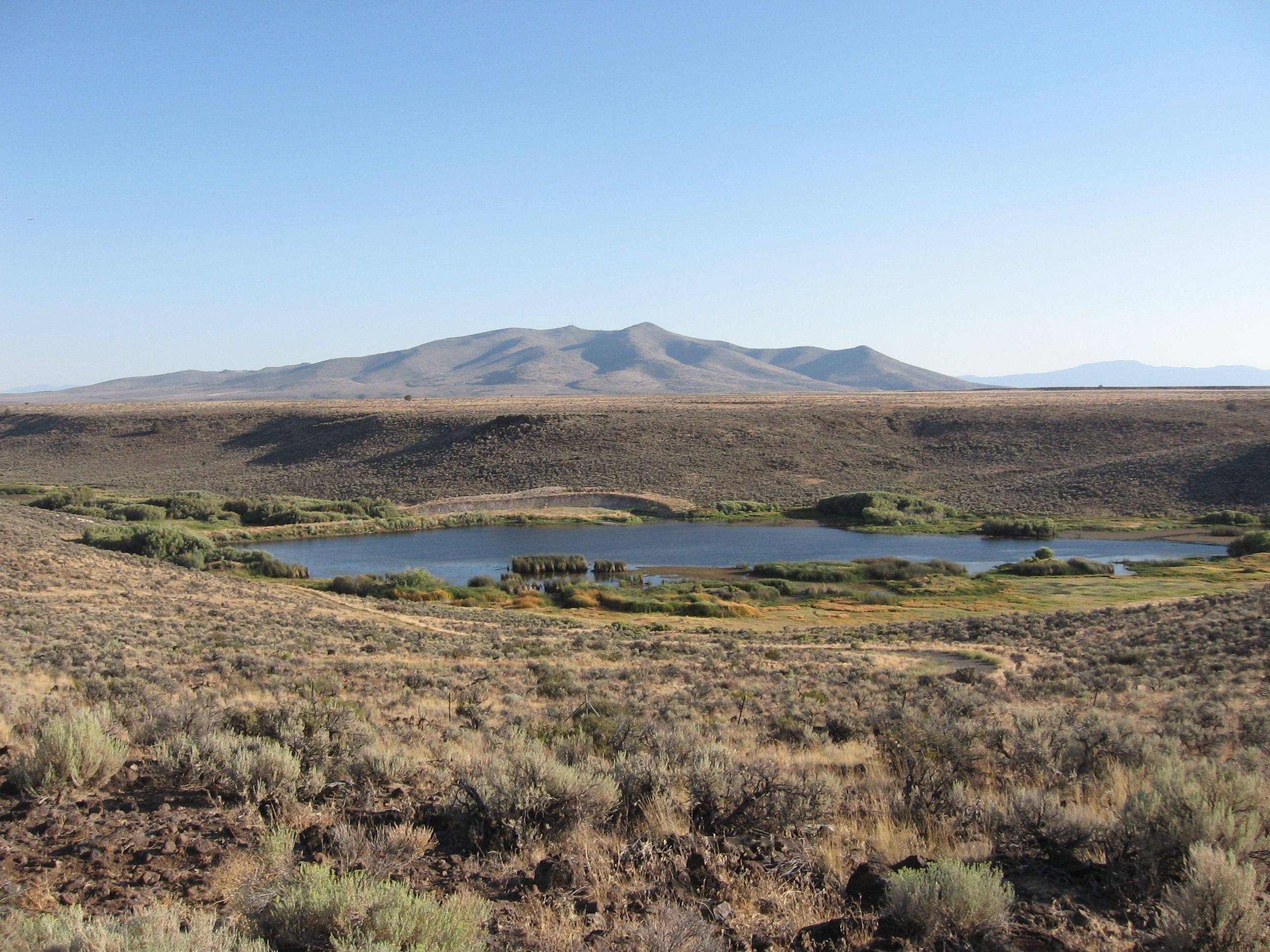
Biscar Reservoir, Secret Valley is one of many worthy nearby jaunts.
While researching the McGowan house, I came across an interesting editorial from the Lassen Advocate of June 21, 1929. I find it is a time less piece worthy of republishing. After all, August will shortly be upon us, and the summer days begin to wane. Take the paper’s advice and go exploring.
Know Your Country
If you were wondering what to do with your weekends this summer, have you ever given any thought to the fact that you don’t know your own county and the wonderful lake and mountain country immediately contiguous.
Within a few hours of Susanville there are numerous beautiful lakes as well as some beautiful streams and excellent camping spots.
There are many trips that can be taken from Susanville in the morning returning the same evening and traversing in the meantime a lot of new country that you have never seen before. Beauty spots near a mountain stream with clear sparkingly water are numerous where one may have their picnic lunch.
Try and see your own neck of the woods this summer. You will find many a pleasant day in store for you.
Subscribe and support this site for as little as $4.17 a month.
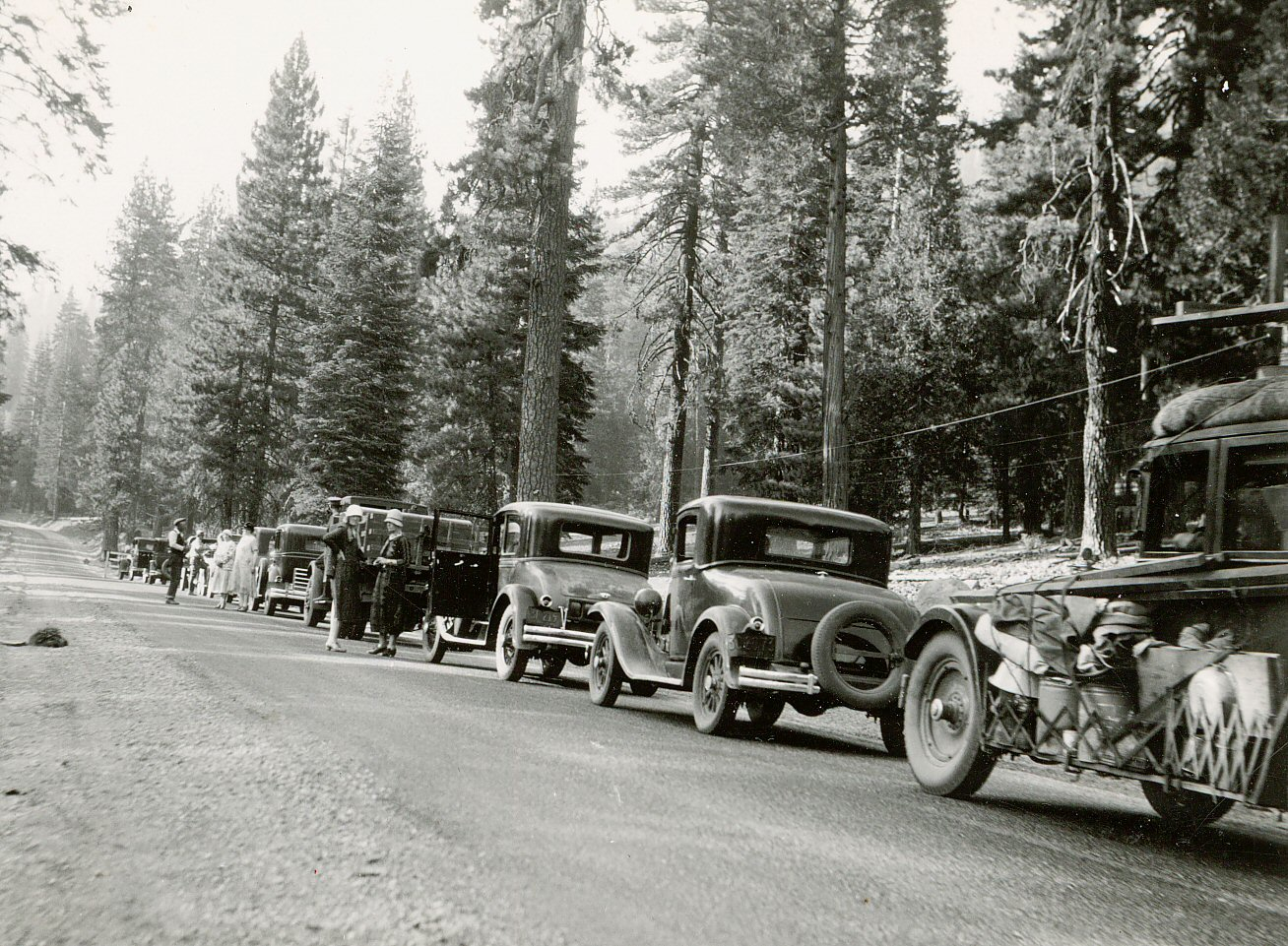
A caravan at Child’s Meadows on the way to Lassen. B.R. Zimmerman collection
On July 25, 1931 Lassen Volcanic National Park held its dedication as part of the completion of the park highway, though the park was established in 1916. Park Superintendent L.W. Collins had big plans, which were widely criticized. To highlight the dedication Collins wanted to create a fake eruption to resemble the volcanic eruptions of 1914-15 that made national headlines and led to the creation of the park. Continue reading Lassen’s Fake Eruption→
The barn was destroyed by fire the night of June 16, 2015. A transient caused the fire from a cigarette, thought to be extinguished, but that was not the case.
Routinely, when I am out and about someone will ask me a question about this or that. In many instances, I am able to provide an answer. Every now and then I get stumped with a doozey. In this particular instant, it was the old barn at the east end of Susanville, just past McDonald’s.
The barn sits like a lone sentinal these days. There used to be a small white painted caretaker’s house there, occupied for a number of years by Grant and Lena Trumbull. One of the oddities about the barn is it is far removed from any ranch. After extensive sleuthing it was built in 1920/21 for the Fruit Growers Supply Company, who were in the midst of constructing their new sawmill/box factory nearby. Continue reading That Old Barn Update→
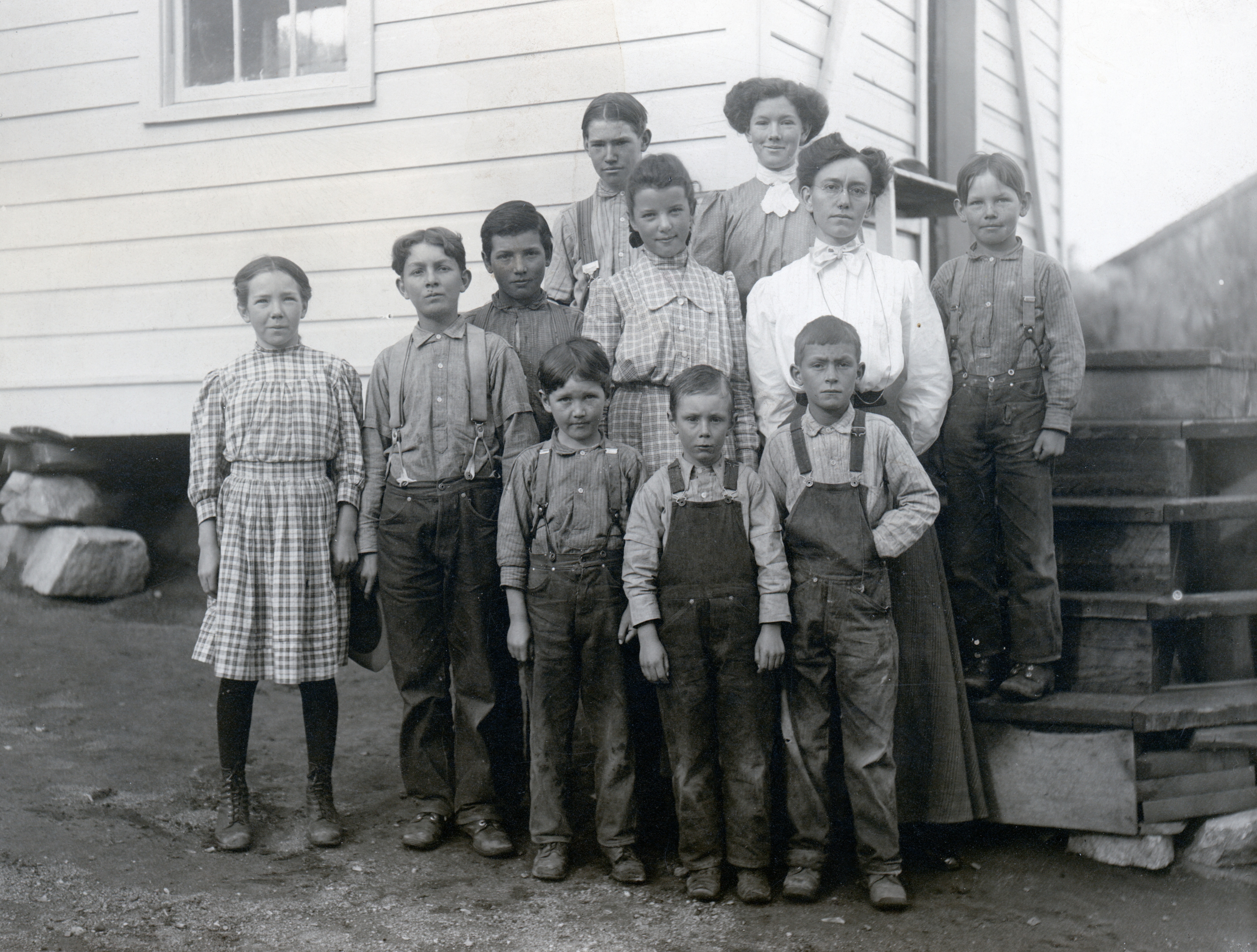
It was established in May 1883, from a division of the Lake and Milford School Districts. It was conveniently located halfway between those two schools. The bulk of the student population were from the Raker, Clark and Decious families. Though the Wales, Wilburs, Lindsay, Fisher and Grass also contributed to the student population. Like so many rural schools in 1920, the enrollment had declined to such an extent it was closed. In 1922, with no indication that the school would be resurrected, it was annexed to the Lake School District. The school was torn down in February 1926.
Subscribe and support this site for as little as $4.17 a month.
Susanville’s Antler’s Club, 1923. The Antler’s Club, was a sub-group until its members were granted a charter as the Elk’s organization.
I thought I would take this opportunity to inquire as to if anyone had a certain topic they would like to see in a future post. There is no rhyme or reason as to what appears on a daily basis. Some are purely accidental by nature, while researching one topic, I come across information totally irrelevant from the search. A prime example was that of the Edsel Dealership. In essence that was the foundation for my original research. I started with Buster McKissick, which introduced me to the town of Amedee, that led to boating on Honey Lake. Thus, it is a never ending process, one item leads into the next.
In the meantime, I hope you enjoy these daily postings. So drop me a line, if there is something you would like addressed.
Subscribe today and support this site for as little as $4.17 a month.
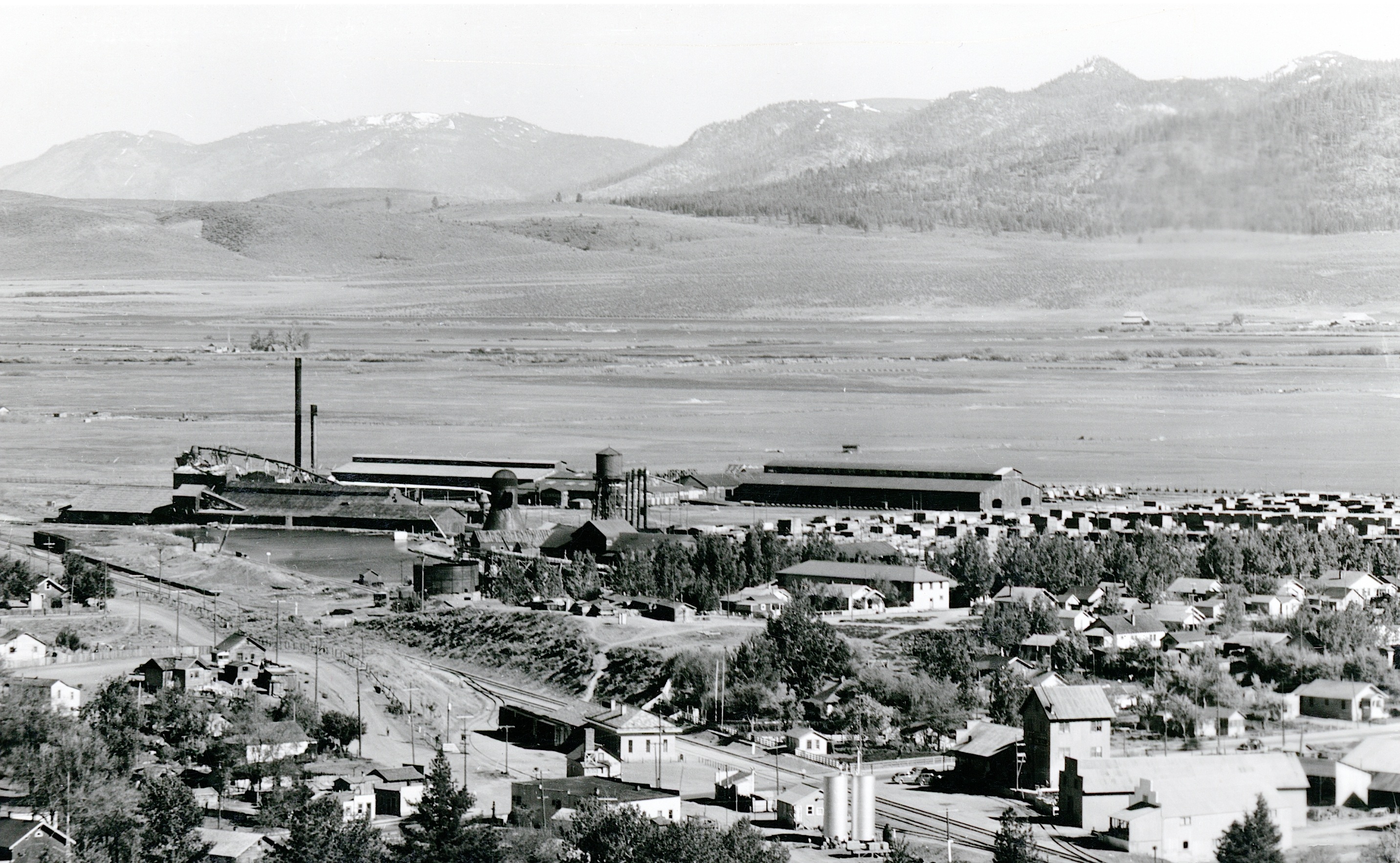
While I have wrote about Fruit Growers Supply Company and Red River Lumber Company and their operations, its time to include another major lumber mill, Lassen Lumber & Box Company Continue reading Lassen Lumber & Box Company→