Camp Lasco

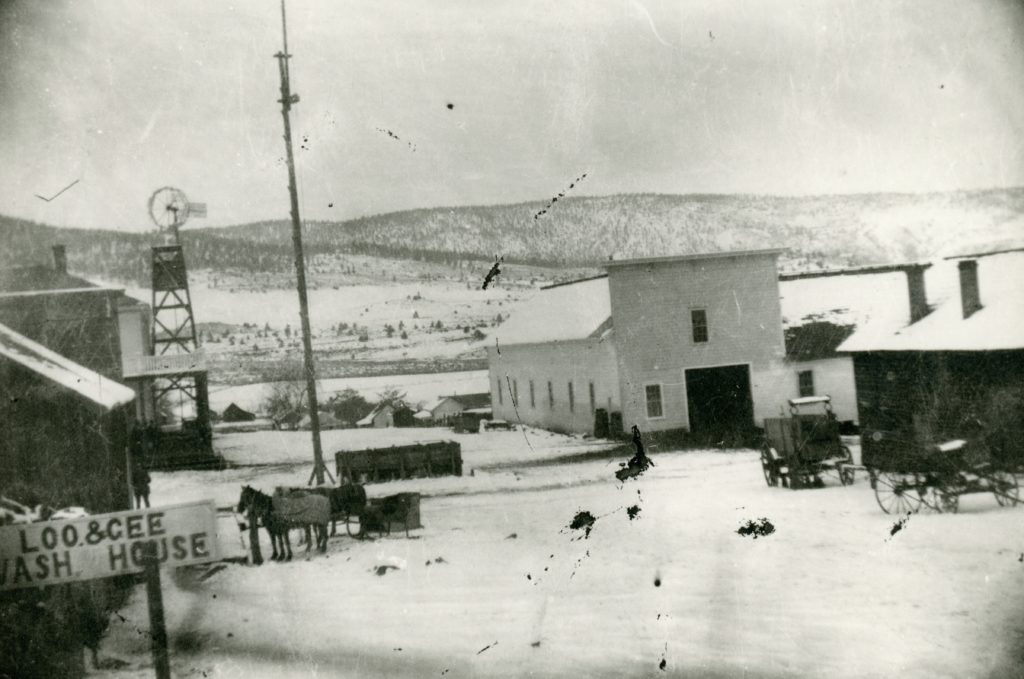
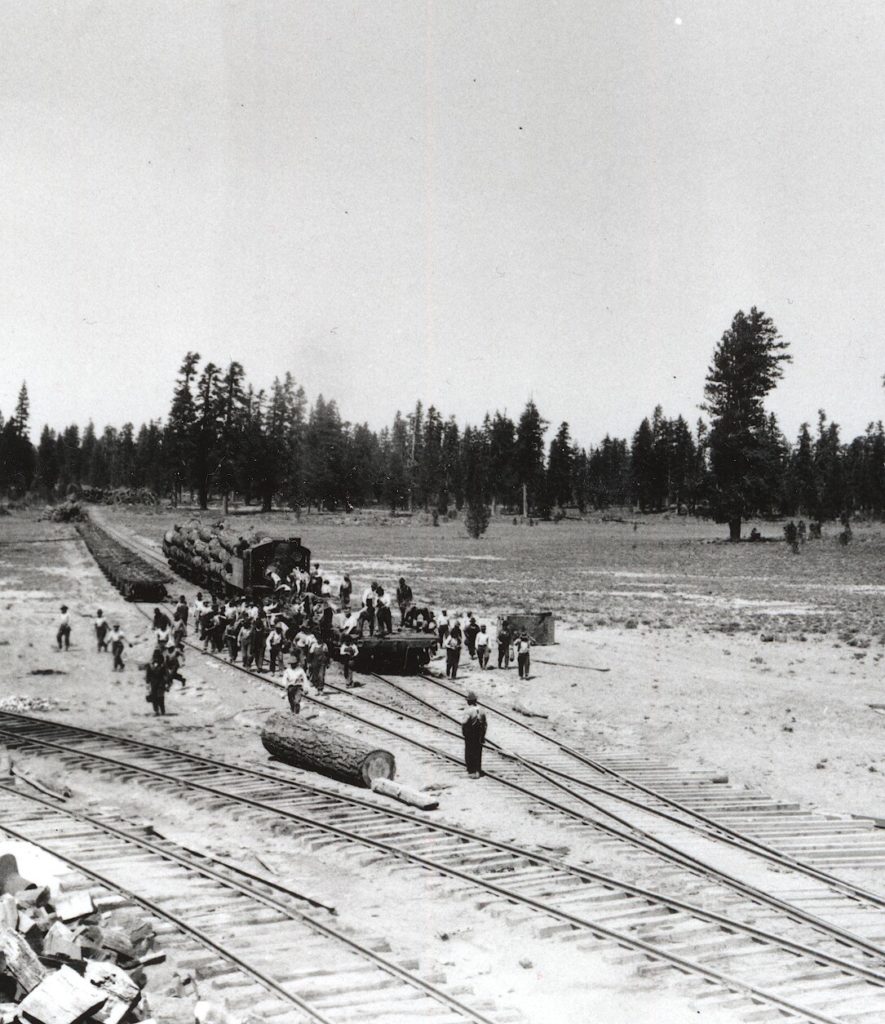
High Noon at Lasco, 1923.

In 1918, the Lassen Lumber & Box Company built a sawmill and box factory at Susanville with an average annual production of 30,000,000 board feet of lumber. Unlike the Fruit Growers Supply Company and Red River Lumber Company, who owned their timber, Lassen Lumber’s  main source of timber came from two timber sales they had purchased from the Lassen National Forest.  In 1919, they started railroad logging on the northside of Peg Leg Mountain.  From 1919 to 1922, they operated three logging camps. In the fall of 1922, construction began on its largest logging camp—Camp Lasco. It opened in the spring of 1923, and became a seasonal home to 250 plus loggers and their families. The camp remained in operation through the logging season of 1930. In the winter of 1930, the Company leased the camp to the Western Pacific Railroad who was in the process of constructing the railroad’s Northern California Extension.
Never miss a story, click here to subscribe.

Dry Valley School

Dry Valley School
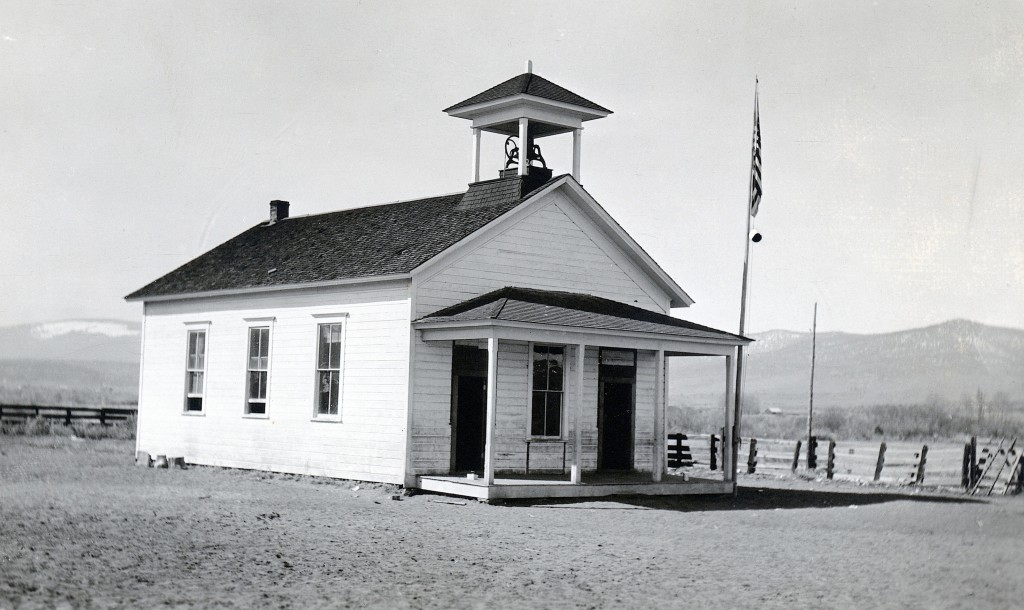
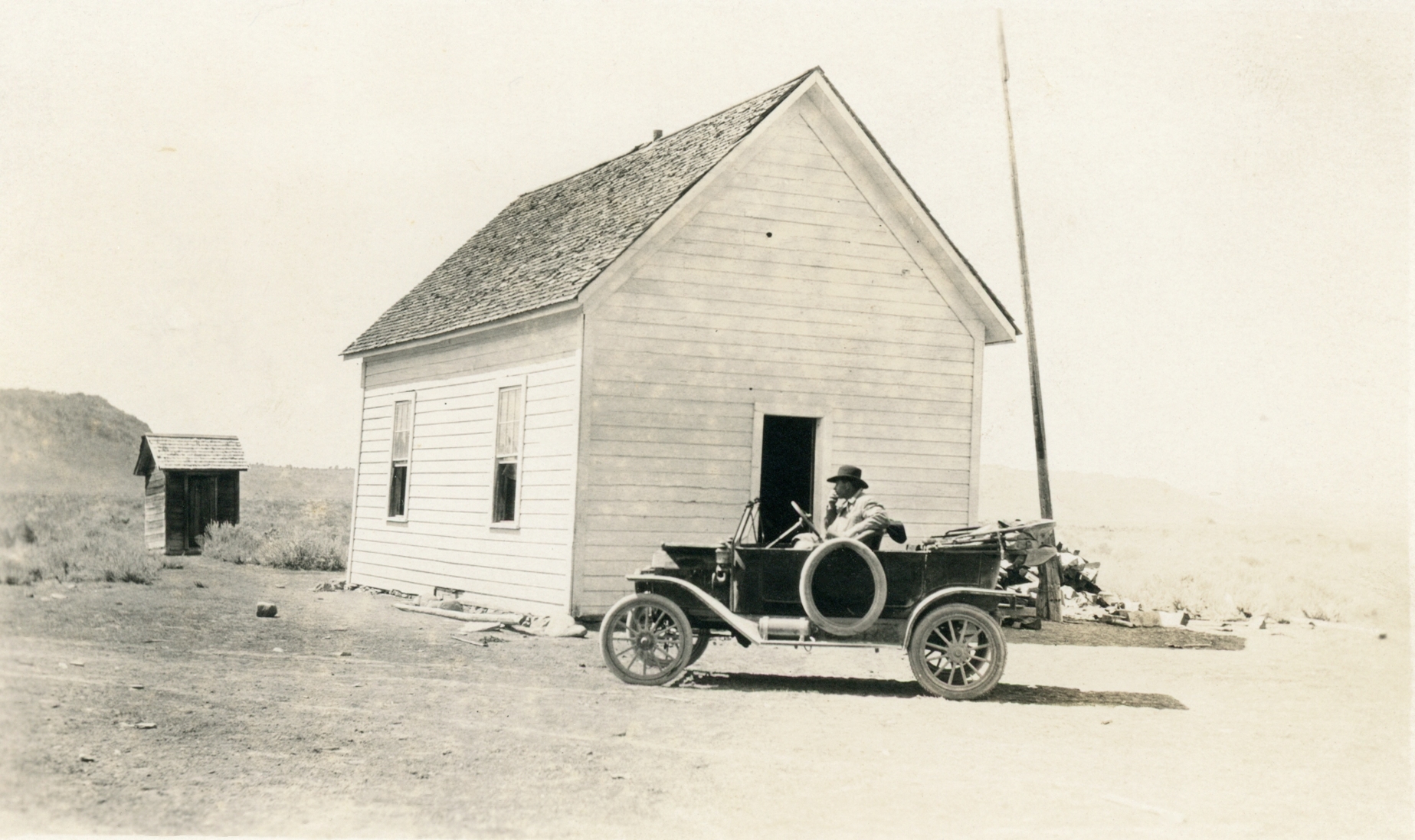
Dry Valley School, 1916. Courtesy of D.M. Durst Collection

In May 1888, this school, located between Grasshopper Valley and the Madeline Plains, was established. Unfortunately, due to its remoteness, there is very little documentation.

By the early 1920s, many of the homesteads had either been abandoned or sold, forcing the school to close. In July 1927, the two remaining families with children—Conklins and Sakaris—wrote to the Lassen County Board of Supervisors and wrote, “We want back our school.” The board obliged. Three years it closed, due to a lack of students.

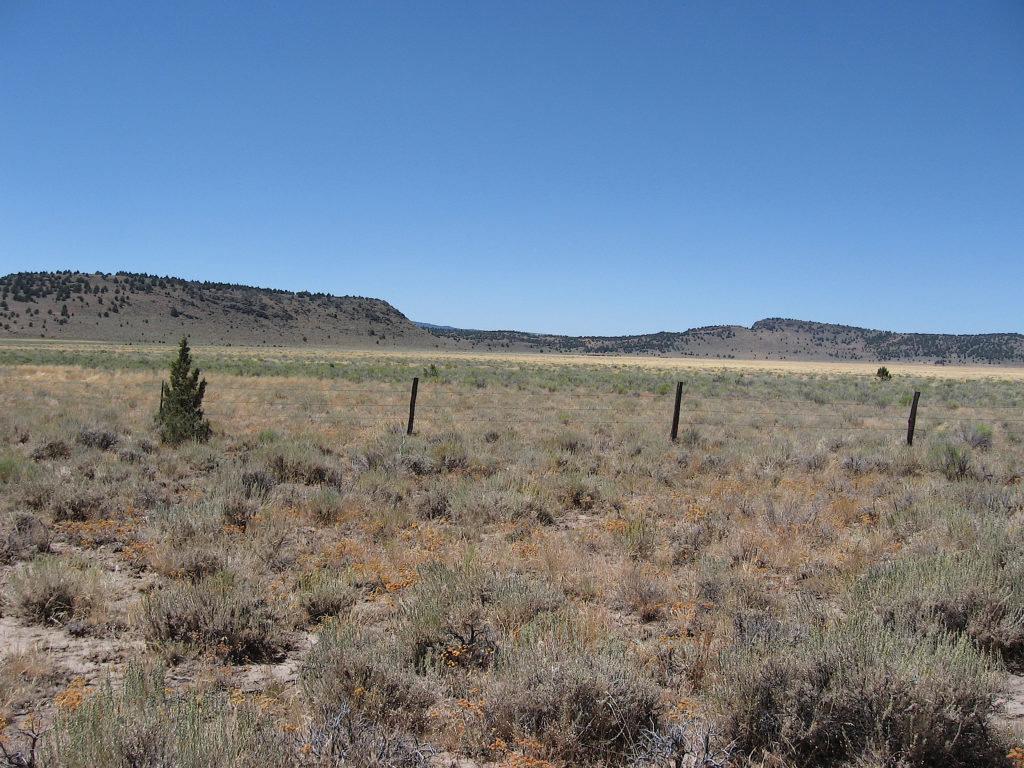
Dry Valley School site. August 4, 2016.

In 1932, Emily Rothlin, rural school supervisor recommended the school district by abolished as the valley’s population consisted of nine bachelors. The board obliged. In 1933, James Leavitt bought the abandoned schoolhouse at a surplus sale for $50.

Support this site, Subscribe today.


Honey Lake Boating

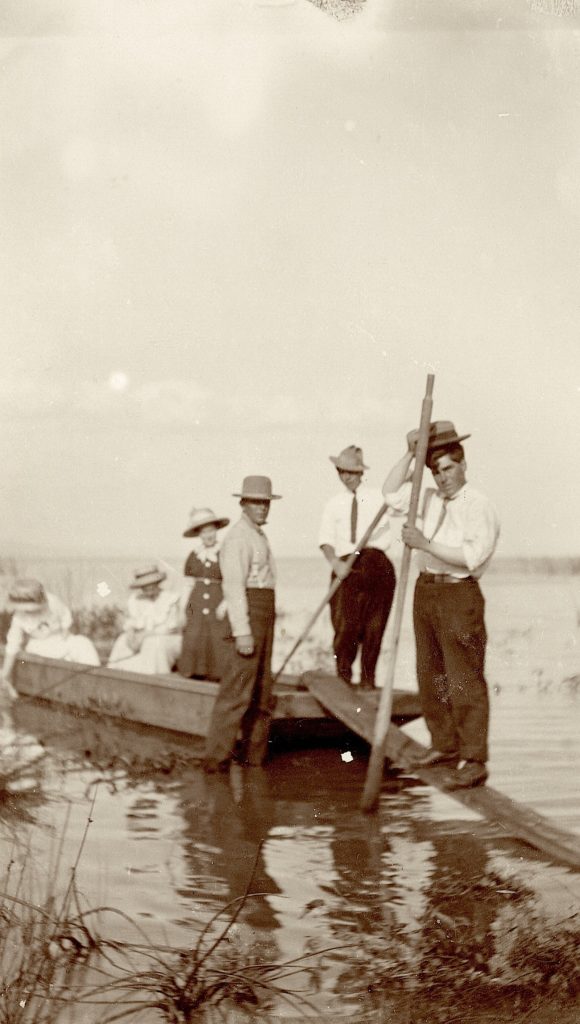
Ready to launch near Milford, 1905. Courtesy of Marge C. Foster

While “Godzilla El Nino” winter of 2015-16 somewhat fizzled in Northeastern California there was enough precipitation that Honey Lake received some water, however, it is all gone now.

Prior to 1916, when Honey Lake was full, and it was for long periods of time, it provided a recreational outlet for those who resided near the lake.  Various residents had small boats for pleasure outings. It should be noted that there were also commercial boat enterprises on the lake as well, and that is topic for another day.

Those who have spent anytime around Honey Lake know how windy it can be. For some boaters this created an interesting hazard.  Fortunately, the Lassen Weekly Mail of April 9, 1915, chronicled one of these encounters: “ A party from Honey Island consisting of Henry Baughman, W.F Snare, and Alex Norwood were in Susanville yesterday. They made the passage from the Island to the mainland in a rowboat and report a very stormy passage. The waves were so high that the bottom of the lake was often exposed and the boat left stranded on the bottom. The party had to wait each time until the wave came back and floated the boat.”

Never miss a story, click here to subscribe.

Great Basin Architecture

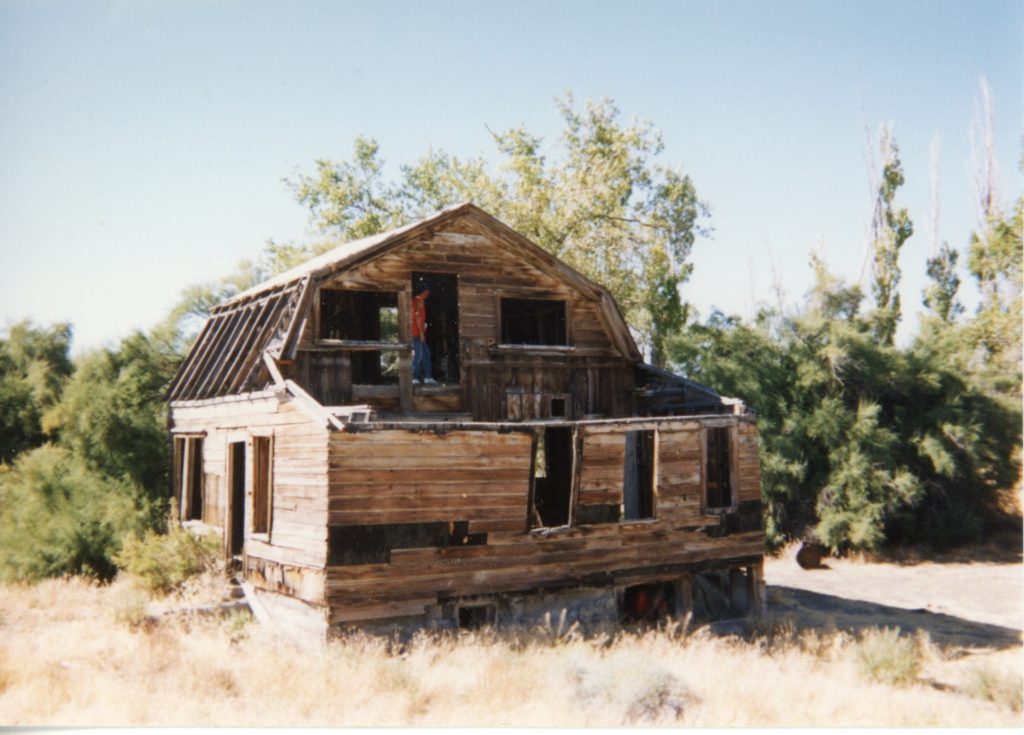
Smoke Creek Desert, 1996.

There are anniversaries, and then there are anniversaries. It was a year ago, today, when I broke my hip and became a Nevada resident for six weeks.

Some may remember back in the early 1990s, the Bureau of Land Management (BLM) and myself hosted prehistoric/historic tours.  However, there were always issues as to historic sites, and BLM always said no.  One of those was Great Basin Architecture of abandoned ranches and homesteads, and they said h-ll no. Since BLM staff were paid, and I was a volunteer and after three years, I decided I had enough. Continue reading Great Basin Architecture

Lonely Graves – Joseph B. Todd

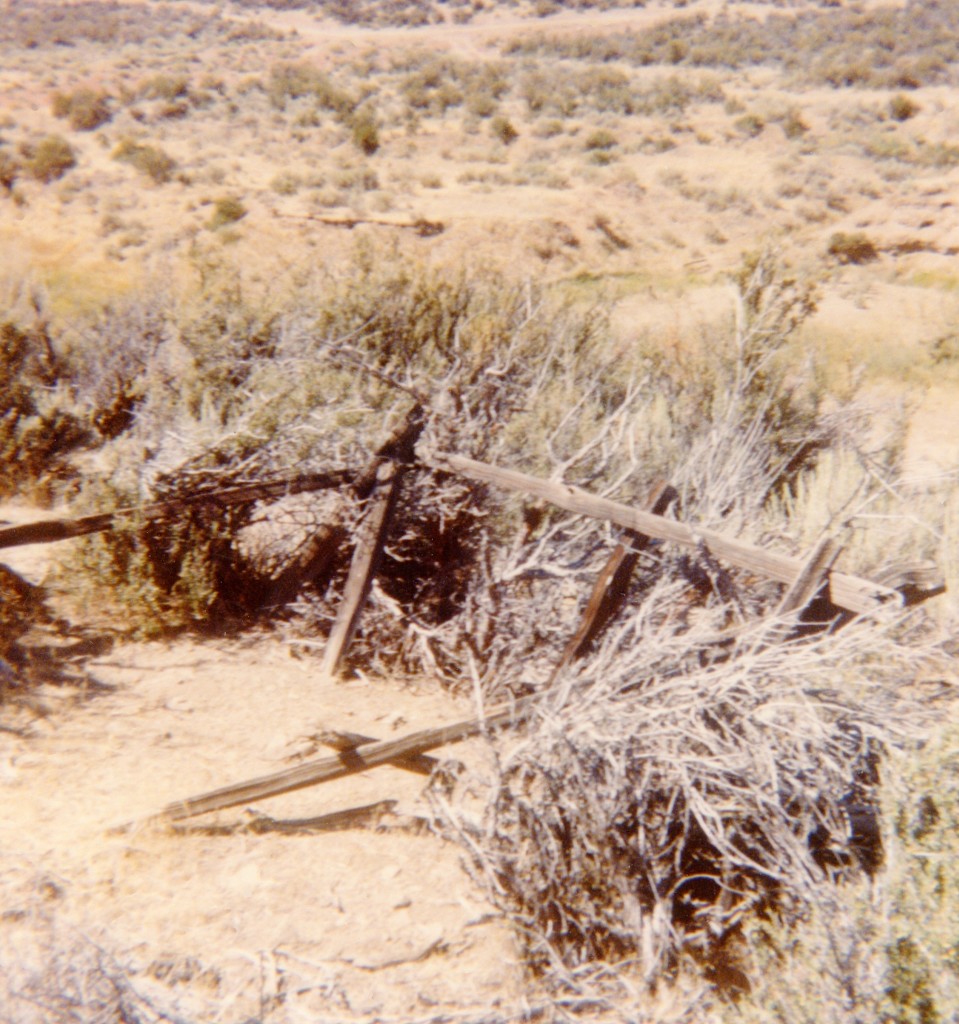
Todd's grave, September 9, 1979
Todd’s grave, September 9, 1979

This grave was briefly mentioned during the St. Patrick’s Cemetery Tour, as his sister Matilda Todd Montgomery  grave was the start of the tour.

Joseph Bellas Todd was born October 16, 1828 at Anterim County, Ireland, and shortly thereafter the family migrated to Philadelphia, Pennsylvania. In 1857, he became the first member of his family to locate Honey Lake Valley and located on a small parcel near Richmond. In the next few years, his  four sisters–Matilda Montgomery, Margaret Streshley, Mary Drake, Sarah Emerson Hosselkus and one brother, John would make their homes there as well.

A confirmed bachelor, Joe Todd remained on his small ranch for next fifty-one years. At the age of 80, he moved to Susanville to reside with his nephew Charlie Emerson. When he died on October 21, 1910, his last request that he be buried on his beloved homestead, and the family obliged.

Never miss a story, click here to subscribe.

Johnstonville School – Then and Now

Johnstonville School
Johnstonville School, 1916. Courtesy of D.M. Durst

Usually, on a monthly basis I like to feature a then and now post of what a particular site/building has changed over the years.

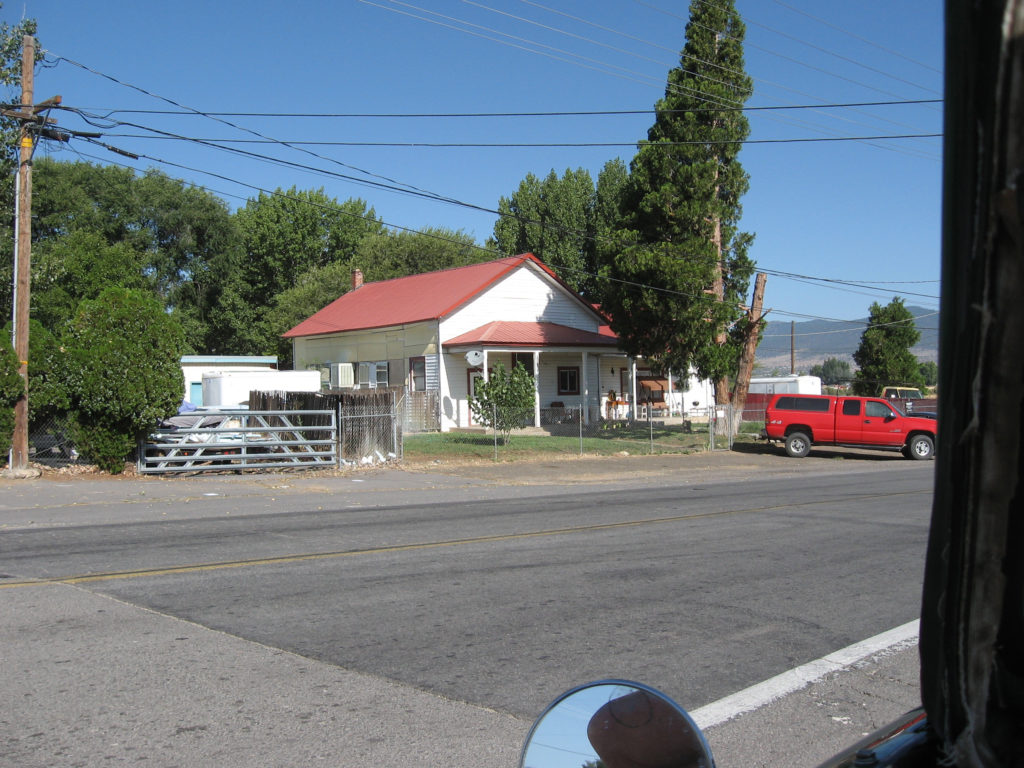
This month’s feature is the Johnstonville School, one of the original school districts created in 1864 when Lassen County was formed. The original school house pre-dates the school district and was built in 1863, on land that Eber Bangham eventually donated.  On January 20, 1961, a groundbreaking ceremony was held to build a new school to replace the old one. School board members, Harry Reuck, Mary Barr and Leroy Cramer, broke the ground for a new four-room schoolhouse which would cost the district $134,518. When completed the old school house located on an adjoining parcel was sold and converted into a private residence.

The old school as it now appears.. August 6, 2016.

Never miss a story, click here to support and subscribe.

Lassen County – McCoy Flat Reservoir

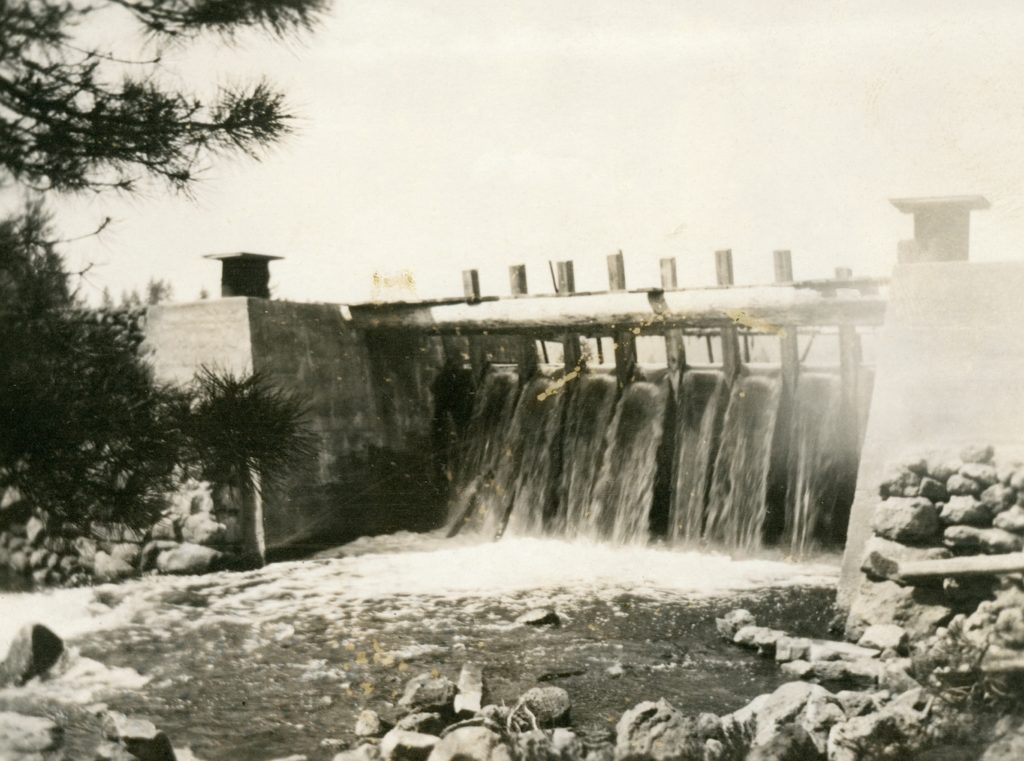
McCoy Flat Reservoir dam, 1915. Courtesy of Alphozene Terrill, granddaughter of Ben H. Leavitt
McCoy Flat Reservoir dam, 1915. Courtesy of Alphozene (Perry) Terrill, granddaughter of Ben H. Leavitt

In 1875, Benjamin H. Leavitt constructed the first reservoir on the Susan River watershed, which was named after him Leavitt Lake. Leavitt, of course, had dream of much larger irrigation system, however he was stymied by the lack of financial capital.

In the late 1880s, numerous reclamation projects of the Honey Lake Valley had been proposed. This, of course, attracted a lot of attention. In 1888, Clinton Hutchinson arrived in Lassen County from Kansas with money to invest. Hutchinson and Leavitt formed a partnership and a Susan River irrigation system became a reality. In 1889, they built two reservoirs in the mountains west of Susanville,  known today as Hogs Flat and McCoy Flat. In addition, they enlarged the capacity of Leavitt Lake.  For the next sixteen years, this system would go through numerous owners until in 1905 it was reincarnated as the Lassen Irrigation District.

Never miss a story, click here to subscribe.

Susanville – Gay Street

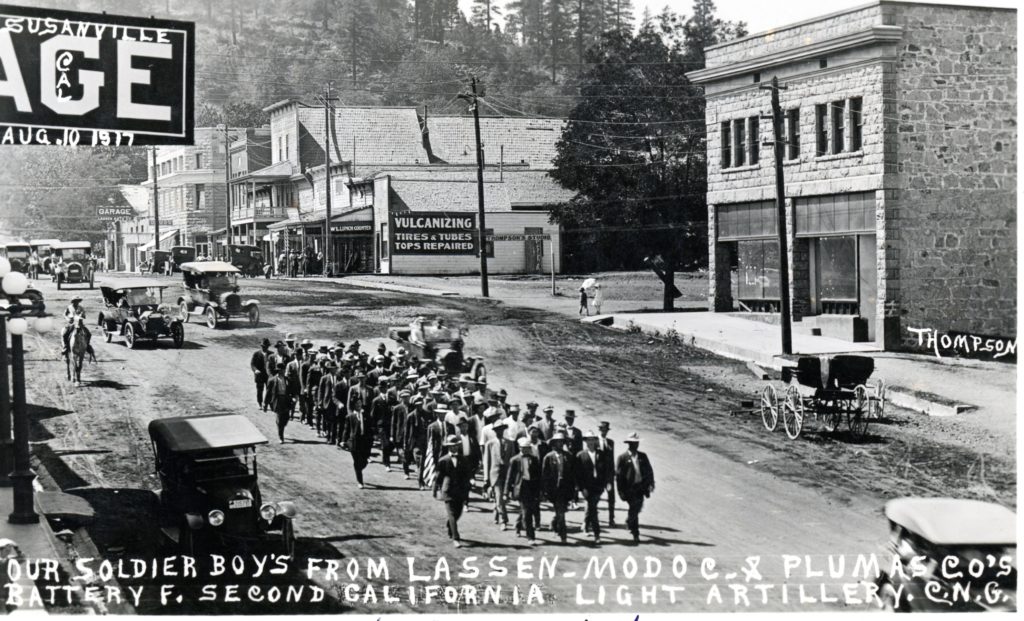
Gay Street, looking north, 1864. Courtesy of Gilbert Morrill
Gay Street, looking north, 1864.  In 2016 , South Gay Street  is the location of the farmer’s market, stop by and check it out. Photograph courtesy of Gilbert Morrill

It was one of the original streets when the town was surveyed in 1863. Its name was derived from the slang of gaiety, which then  meant happy. Times have changed.

Back then, though, most everyone did not even know the streets had names. Residents received their mail at the post office. It was not until 1925, when street signs were placed. This had to due with the fact that residential mail delivery had been in place for two years prior. As the city grew, so did its problems, even mundane ones. On March 19, 1953 the city adopted a new house numbering system. As with any change, there were always a few who grumbled. Cross streets, whether it be Gay  in uptown or Spring at the east end, would receive new designations of North or South.  Previous to this there had been no distinction.

Never miss a story, click here to subscribe and support.


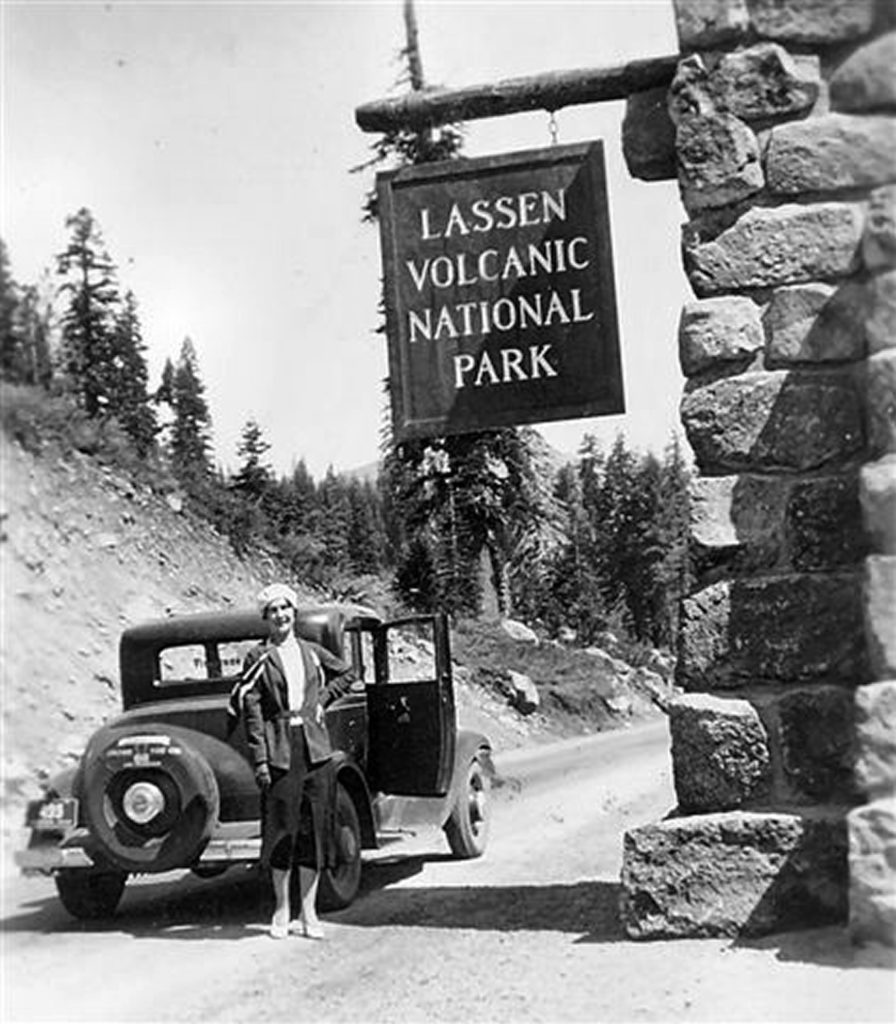
Lassen Volcanic National Park

Park Entrance. Courtesy of Margaret A. Purdy

One hundred years ago today, President Woodrow Wilson signed Congressman John E. Raker’s bill to create Lassen Volcanic National Park. There were a lot of obstacles on the journey to make Lassen Peak and its surroundings a national park.

One of the first movements to create a Lassen Park began in 1904, but it was a fleeting moment. It would not be until the fall of 1910, when Modoc County Superior Court Judge, John E. Raker was elected to California’s First Congressional District seat, that the park movement was truly put into motion.  One of the first bills Raker introduced  called for the creation of a Redwood National Park, but it failed. On February 23, 1912, Raker introduced a bill, H.R. 19557, to establish Peter Lassen National Park. The proposed park encompassed 80,505 acres that included  two national monuments–Lassen Peak and Cinder Cone that were designated as such in 1907. Since the lands were under the jurisdiction of the forest service, a report from that agency was required. The agency neither endorsed nor opposed the park. The bill never made it out of committee.  Continue reading Lassen Volcanic National Park

Exploring Lassen County's Past