A Railroad for Milford?

Milford Flour Mill
The abandoned Milford Flour Mill as it appeared in 1901. Courtesy of the A.J. Mathews family
By 1887, residents of the west side of the Honey Lake Valley were excited when railroad surveyors showed up for the NCO Railroad. For Milford and other communities this would be a wonderful opportunity for growth. A year later they were snubbed, when feisty Erasmus Gest, the railroad’s manager abruptly changed plans to abandon the west wide of Honey Lake for the barren east side. Later management was quoted about this bypass as “one of the most monumental blunders I have ever known a sane man to commit.”

Subscribe!

Mount Lassen vs. Lassen Peak

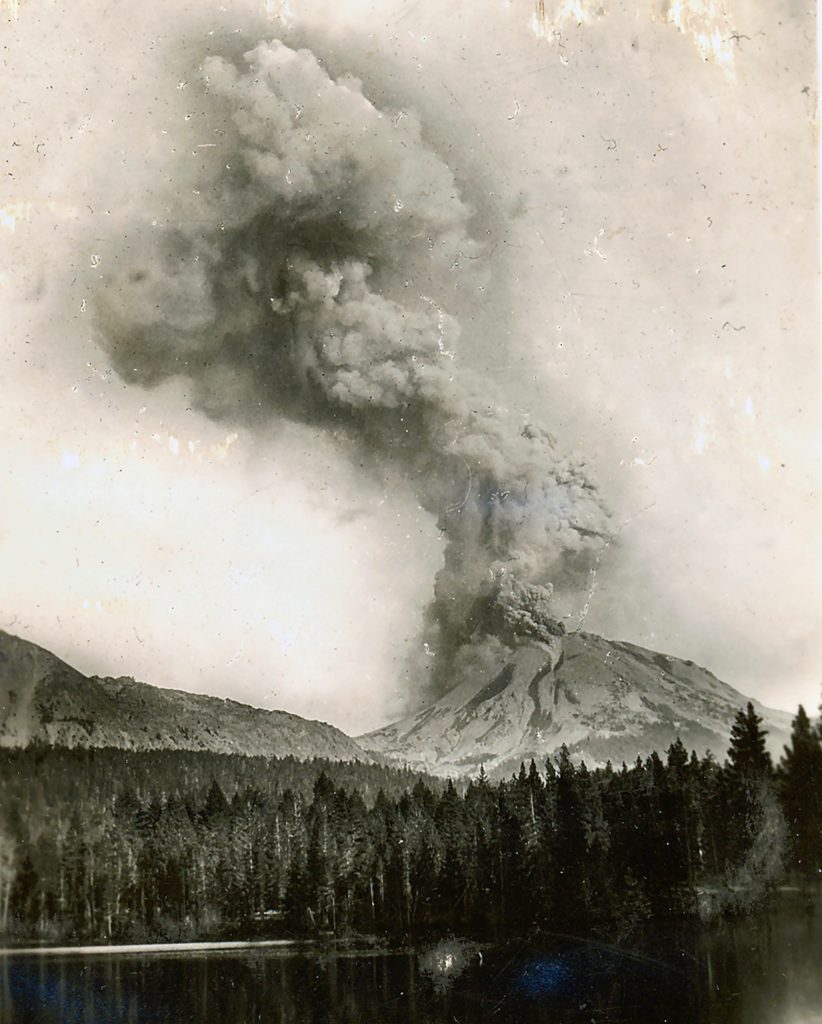
1917 eruption of Lassen Peak.
Call it what ever you may, and most people will refer to it as at Mount Lassen, though it is officially Lassen Peak. It does get confusing especially since so many of the prominent points of the Cascade Range have the appellation of Mount, i.e., Hood, Ranier and Shasta. When Lassen came into national prominence during its notable eruptions of 1914-15, it prompted the United States Board of Geographic Names to resolve the name issue. On June 2, 1915, the board officially named it Lassen Peak. But not everyone embraced the official designation. For example in 1917, when the peak had another eruption, E.W. Hayden of Susanville’s Lassen Advocate wrote, “Old Mount Lassen (we’ll call it Mount, if we want to) had another tremendous eruption of steam, smoke and ashes on Wednesday, and the display is regarded as one of the greatest since it ‘came back’ as a volcano.”

Support!

Knoch’s Footnote

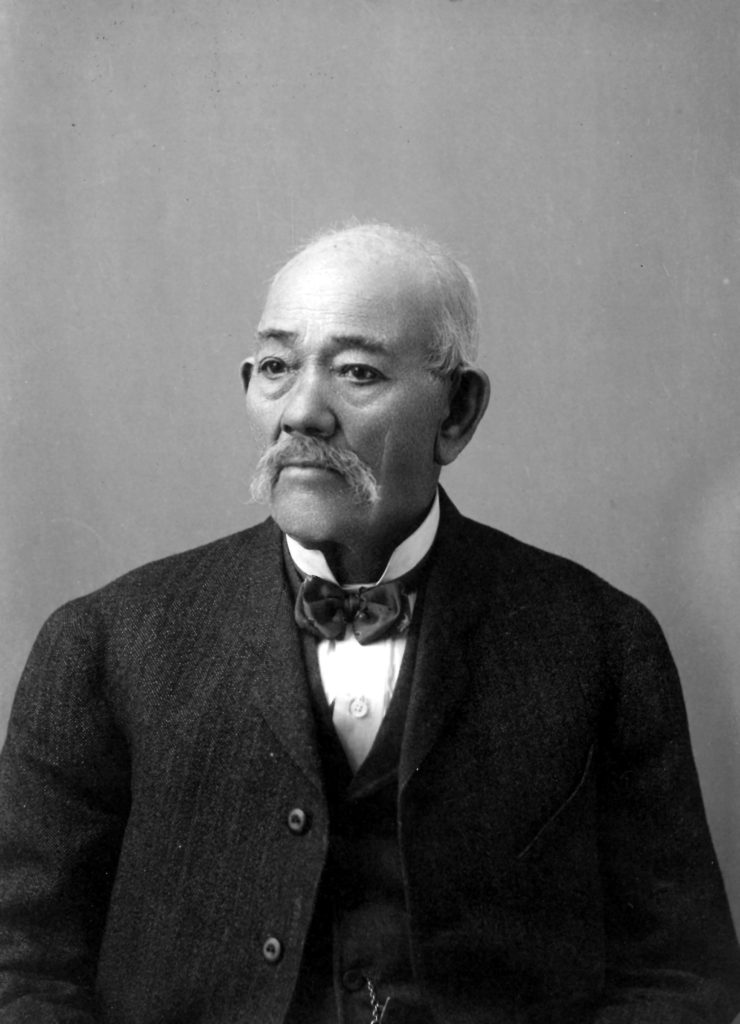
David Knoch. Courtesy of Lassen Lodge #149 F&AM
When I published his brief biography, I used his store’s stationery since I did not have a photograph of him. Thanks to Jim Chapman and the Janesville-Lassen Masonic Lodge that situation has been corrected. It should also be noted upon Knoch’s passing the graves of his wife and two small children, were disinterred from Susanville Cemetery, along with his remains were shipped to San Francisco for burial in the Jewish Cemetery.

Subscribe!

1930s County Consolidation Movement

Lassen County Map
Lassen County, 1907
While there is plenty of chatter of late regarding a Calexit or State of Jefferson one of the more interesting and plausible movements was to consolidate California’s 58 counties into 27. In 1933, California Assemblyman B.F. Feigenbaum made the proposal, citing with highways and transportation facilities there was no longer a need to have a courthouse at everyone’s back door. He said the cost savings would be tremendous and noted rising costs that in 1911 county government cost was $39 million and in 1930 had ballooned to $299 million. In our neck of the woods, Lassen Plumas and Sierra would be combined as one. Our neighbors, Shasta and Tehama would merge, and the same with Modoc and Siskiyou.

Subscribe!

Richmond Times

Richmond School
Richmond School, 1916. Courtesy of D.M. Durst

Just as the old time photographers left us a visual record, early day journalism left us with a written impression. For the late 1850s the Marysville Daily, Appeal, the Red Bluff Beacon and the Shasta Courier reported on the happenings in the Honey Lake Valley.

In April 1860 the Richmond Times made its debut. At the helm of this enterprise was Andrew Ramsey (a member of Dozier, Torrey families). Not much is known about the paper’s content, except it was a handwritten manuscript, which was not unusual for that era. The subscription price 200 pounds of potatoes when harvested.
Support this site and Subscribe today!

Beer!

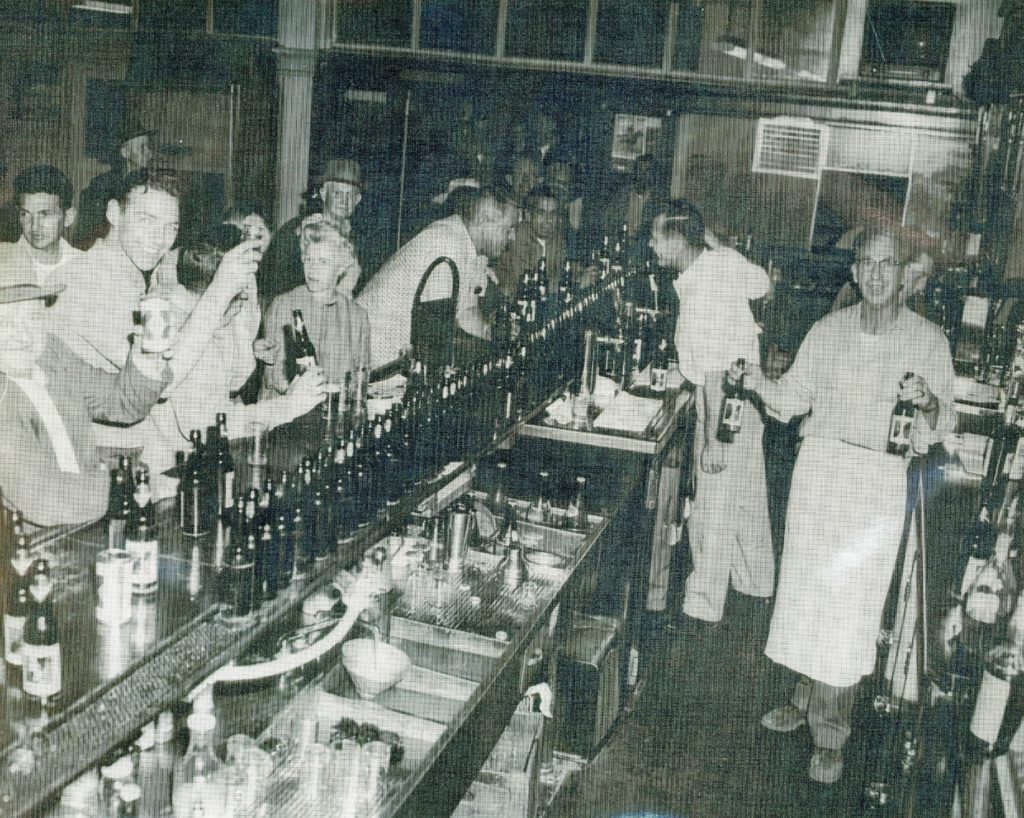
The Pioneer, in Susanville back in the day.
On April 7, 1933 beer was again was flowing in California as chipping away of the Volstead Act aka prohibition continued. There was a catch, however. Only establishments that served meals were eligible to serve beer. Many a former bar, installed lunch counters. In Susanville, it was debated what constituted a meal? Did a sandwich constitute a meal, to allow a person to drink beer all day if they wanted to?

Subscribe!

A Belfast Revival

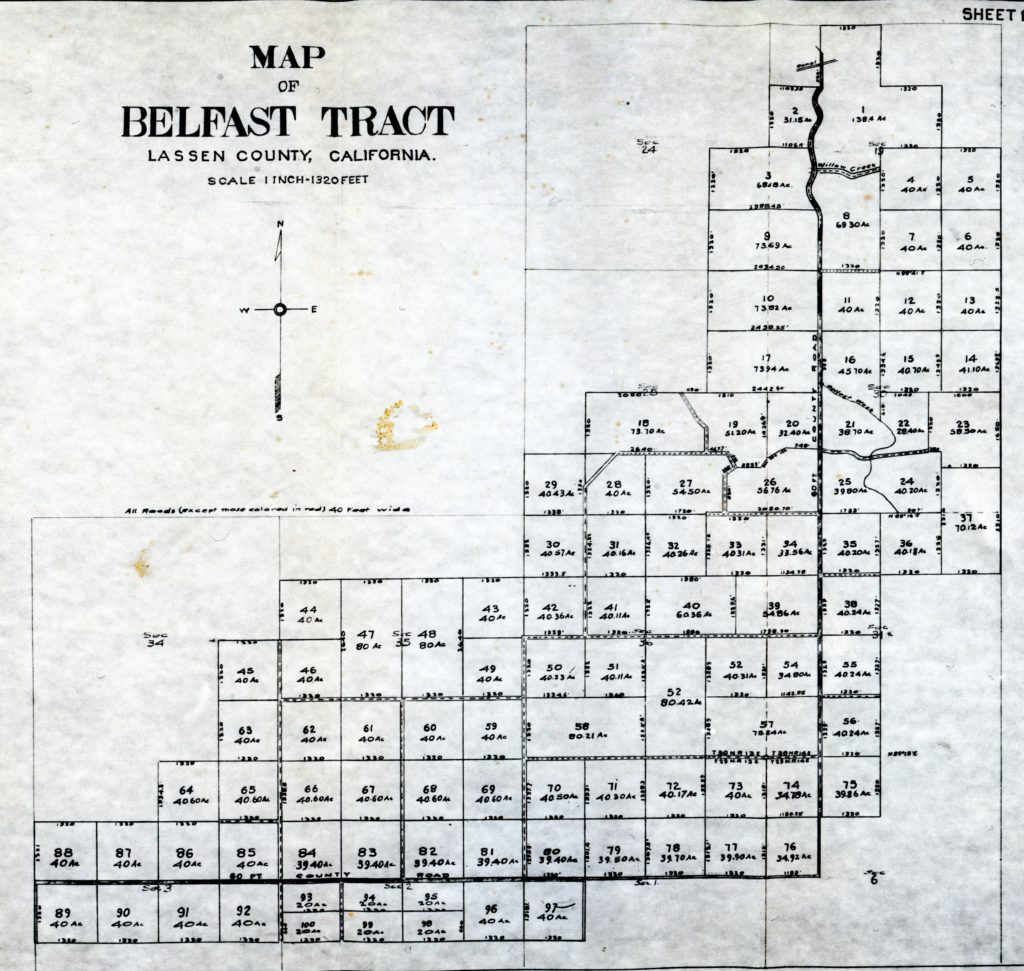
Belfast Land Company subdivision map.
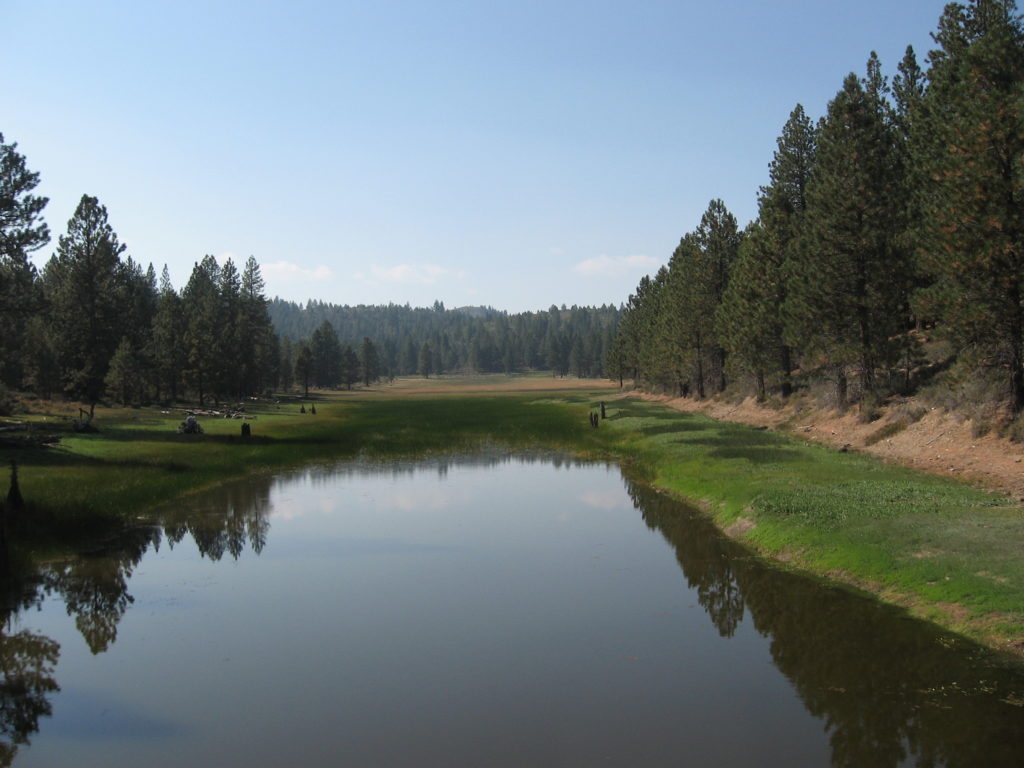
In the spring of 1922, with the anticipation of the completion of the Bly Tunnel brought Belfast to the forefront. Captain C.A. Merrill one of the original instigators of the tapping of Eagle Lake spent twenty-five years on the project that in hopes one day it would be transformed into a major agricultural center. Charles Emerson and D.G. Beale plan to resurrect Merrill’s dream by acquiring 4,360 acres at Belfast from the B.F. Porter Estate. It was their intention to form a “colony” and sell 40-acre tracts. The two men formed the Belfast Land Company to orchestrate their goal. The major obstacle, of course, was financing. The Porter Estate wanted $100,000 for the property and the Belfast Land Company could not arrange financial backing.

Support!

Devil’s Corral Bridge

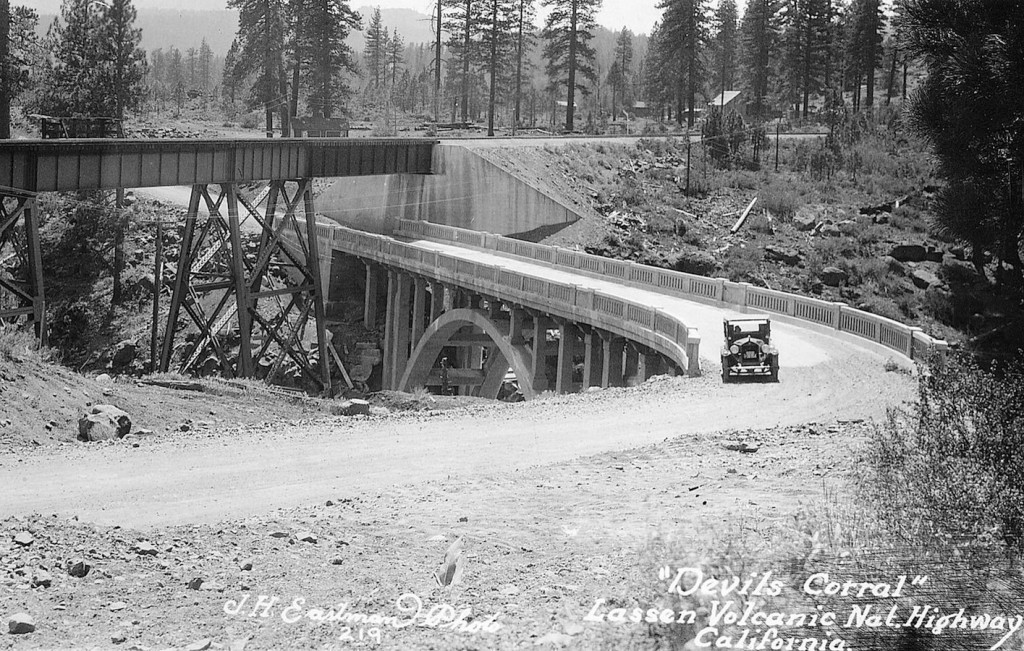
Devil's Corral Bridge
Devil’s Corral Bridge
In the summer of 1965 construction of a new 285 feet long Devil’s Corral bridge began and the new span was dedicated on September 21, 1966. It was part of a $2.3 million project to revamp 8.3 miles of State Route 36 from Susanville to Willard Creek. The span replaced the old Devil’s Corral bridge that was built in 1923. Speaking of cost, the initial expenditure to construct the highway between Red Bluff and Susanville was less than a million dollars when it was completed in 1929.

1900s Migrant Worker Woes

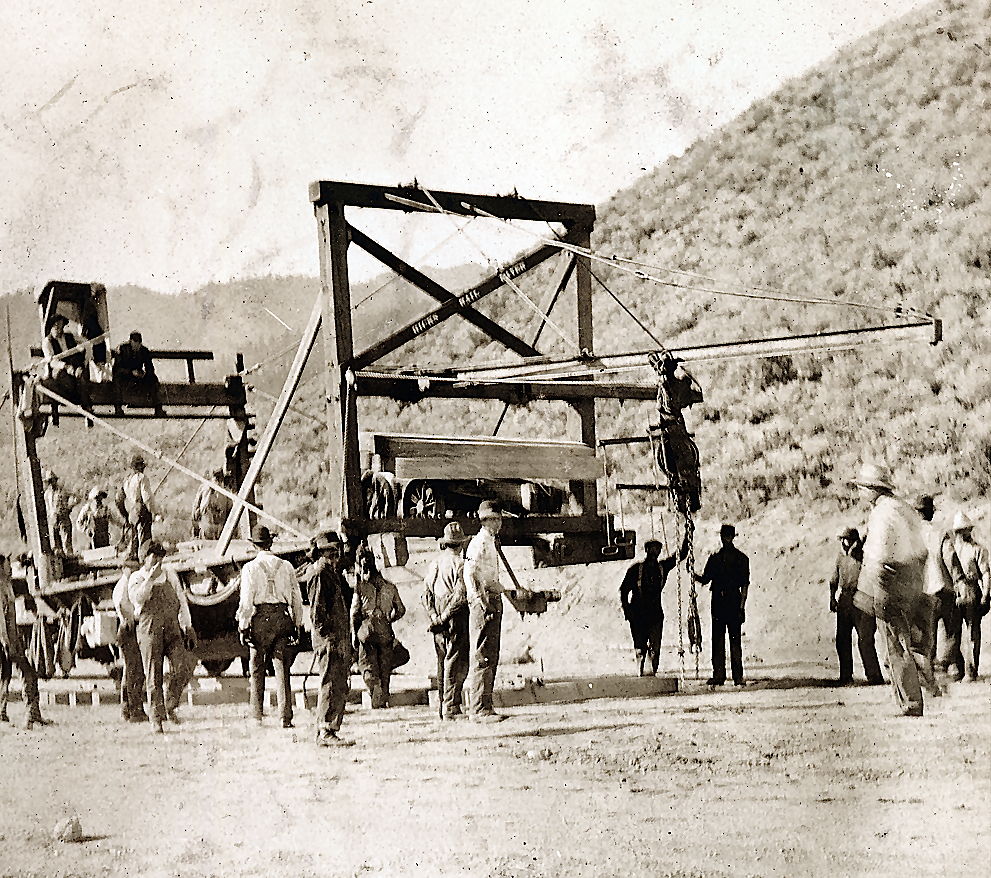
Construction of the Western Pacific Railroad near Constantia. Courtesy of Marie H. Gould
It is interesting to note how the local newspapers made caustic remarks when Japanese farm laborers were brought in to work the sugar beet fields on the east side of the Honey Lake Valley. While there was a local work force available, those workers refused to do that kind of hard labor. During this same time period when the Western Pacific Railroad constructed its line through the lower of end Honey Lake Valley the bulk of its workforce was Hindus and Greeks.

Exploring Lassen County's Past