Spring Runoff 1930

Gallatin Beach
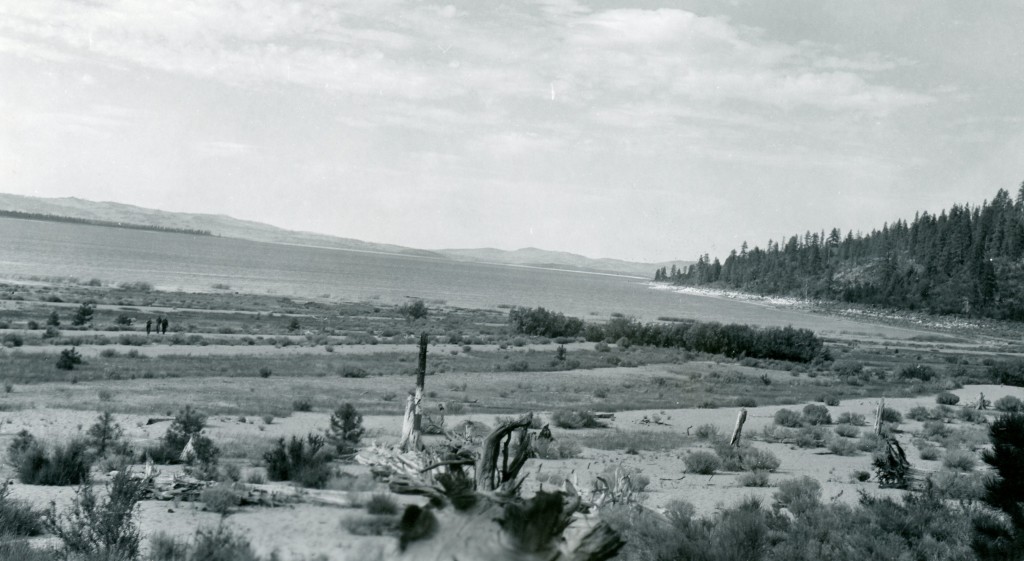
Gallatin Beach, Eagle Lake, 1940.

In early March, 1930 a jubilant Jim Fritter of Eagle Lake had proclaimed that Eagle Lake had already risen by two feet.  He speculated that the lake level would rise an additional three feet. This was good news for the farmers of the Honey Lake Valley, since there would be Eagle Lake water flowing through Bly Tunnel. Elsewhere it was reported that 13.3 inches of precipitation had been measured so far that winter, with December being very wet.

Fast forward to April  2018, when Eagle Lake saw an increase of 2 inches for that month.
Donate or Subscribe.

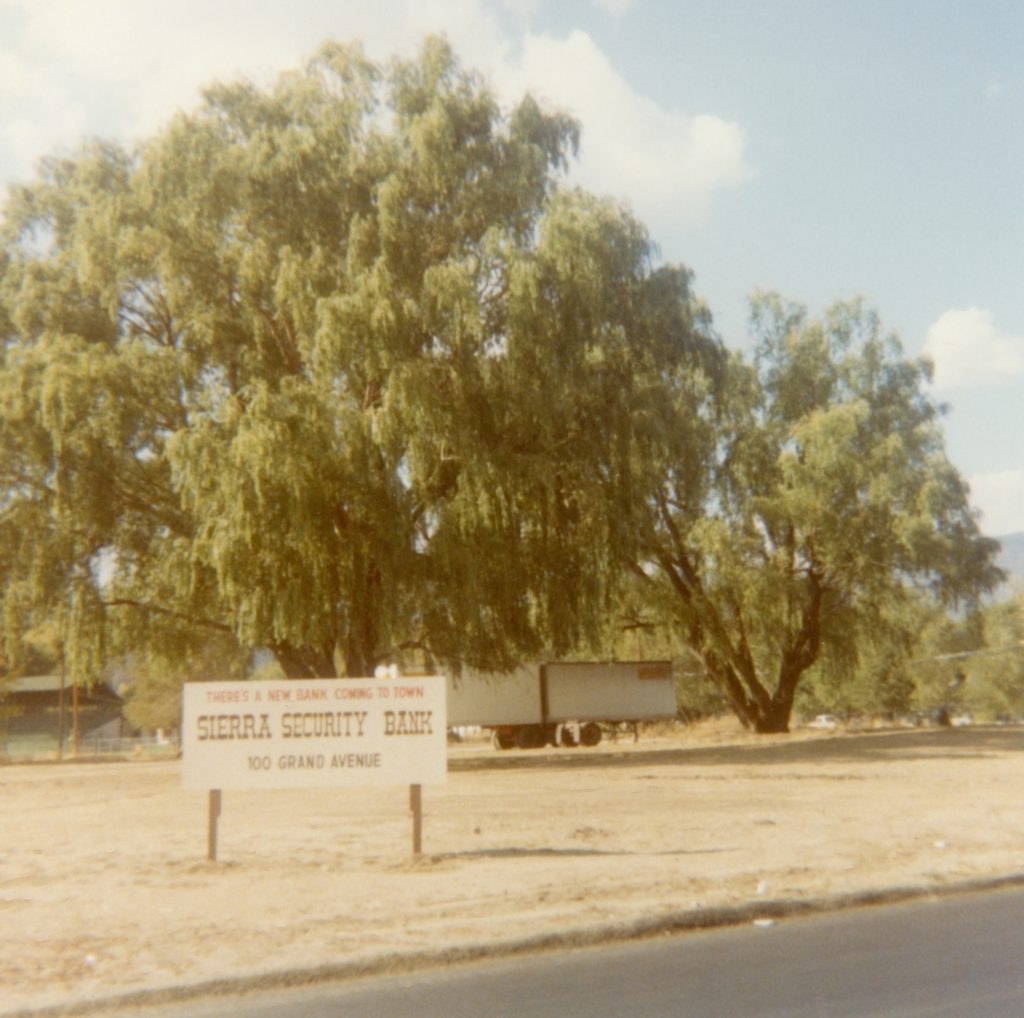
Sierra Security Bank

100 Grand Avenue, October, 1978

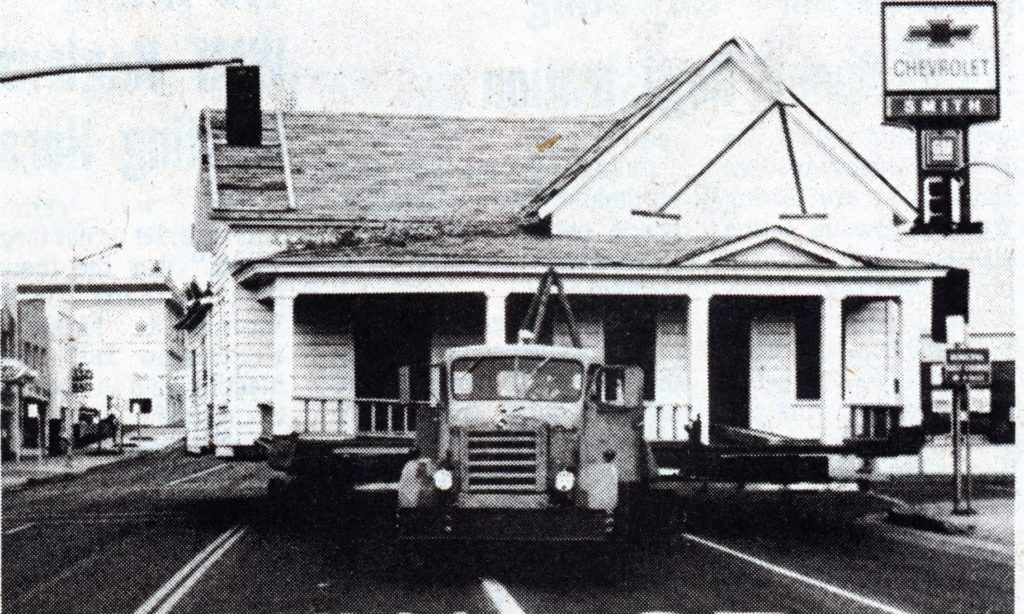
During 1977-78 some progressive Susanville residents banded together to establish an independent community bank. The last time this occurred was in 1912, with the formation of the  Lassen Industrial Bank.  Anyhow, in 1978, the Sierra Security Bank was formed. The location of the new bank was at 100 Grand Avenue, Susanville, now the home of the Lassen County Times. Sierra Security’s bank building was a portable structure. In November, 1978 the new 4,200 square foot bank arrived in six sections, from Sunnyvale, California where it had been used by De Anza Bank.

Subscribe!

May Preview

House on the run

This, unexpectedly, turned out to be a two-fer month. Several topics with back to back articles: Flanigan, Sacred Heart Church, the Mad Trapper from Rat River and Memorial Day.  There are plenty of other topics spread in between such as a Logger’s Lunch, Greater Westwood, Inc and Lost Meadows Golf Course.

If you are out and about you may want to pick up the May edition of the Northern California Traveler that features an article on the Gallatins of Eagle Lake.

Donate or Subscribe           

The Eagle Lake Ditch

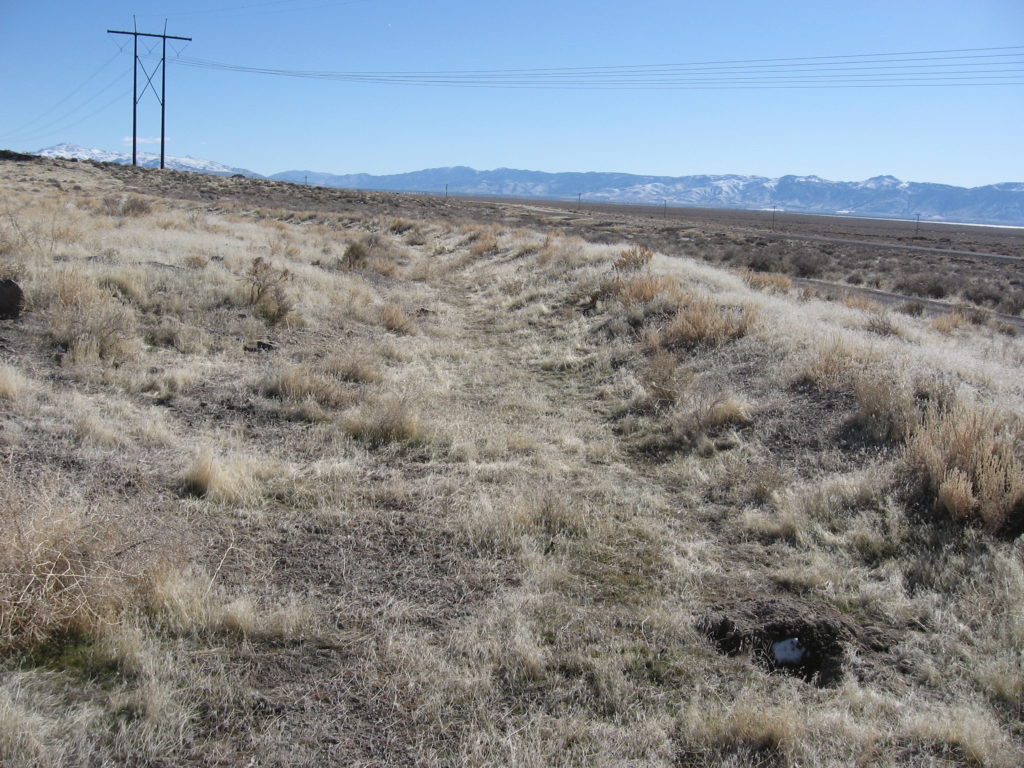
Eagle Lake Ditch, near Amedee, February 2018.

In 1891, the Eagle Lake Land & Irrigation Company became the latest entity to tap Eagle Lake to irrigate the sagebrush lands near Amedee. They had two propositions to do this. The long term was to finish Merrill’s tunnel. The second one involved a pumping plant to deliver the water. Like the predecessors they would utilize the channel of Willow Creek. At Belfast where Willow Creek enters the Honey Lake Valley the company constructed a twenty-one mile ditch to Amedee. In October 1892, with everything in place, water flowed from Eagle Lake to Amedee.  Water would briefly flow the following year. However, the company plagued with financial problems filed for bankruptcy. The pumping plant was dismantled in 1903.

Donate or Subscribe

Susanville – 710 Mill Street

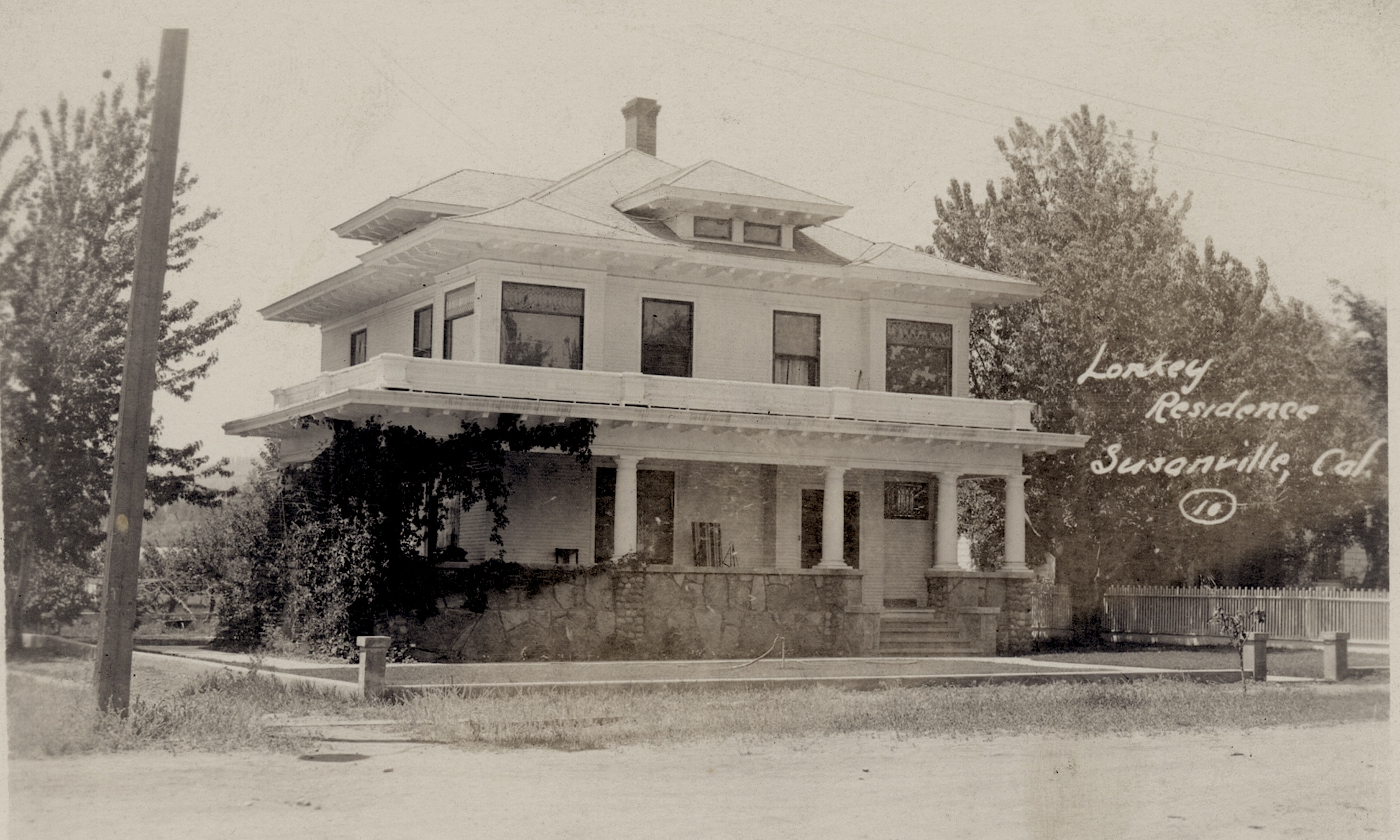
The Lonkey residence, circa 1915. B.R. Zimmerman collection

In 1908, residents of Lassen County were surprised with the formation of the Hill Lonkey Land & Livestock. Two of the key figures were Nevada residents Thomas Hill and Camille Lonkey. They purchased the San Francisco Ranch (now Five Dot) and the Folsom Ranch (now Fish & Game) in the Willow Creek Valley. The partnership was brief and they dissolved the company two years later. Hill took possession of the Folsom place, and Lonkey the San Francisco Ranch. Continue reading Susanville – 710 Mill Street

Rails to Trails Opposition

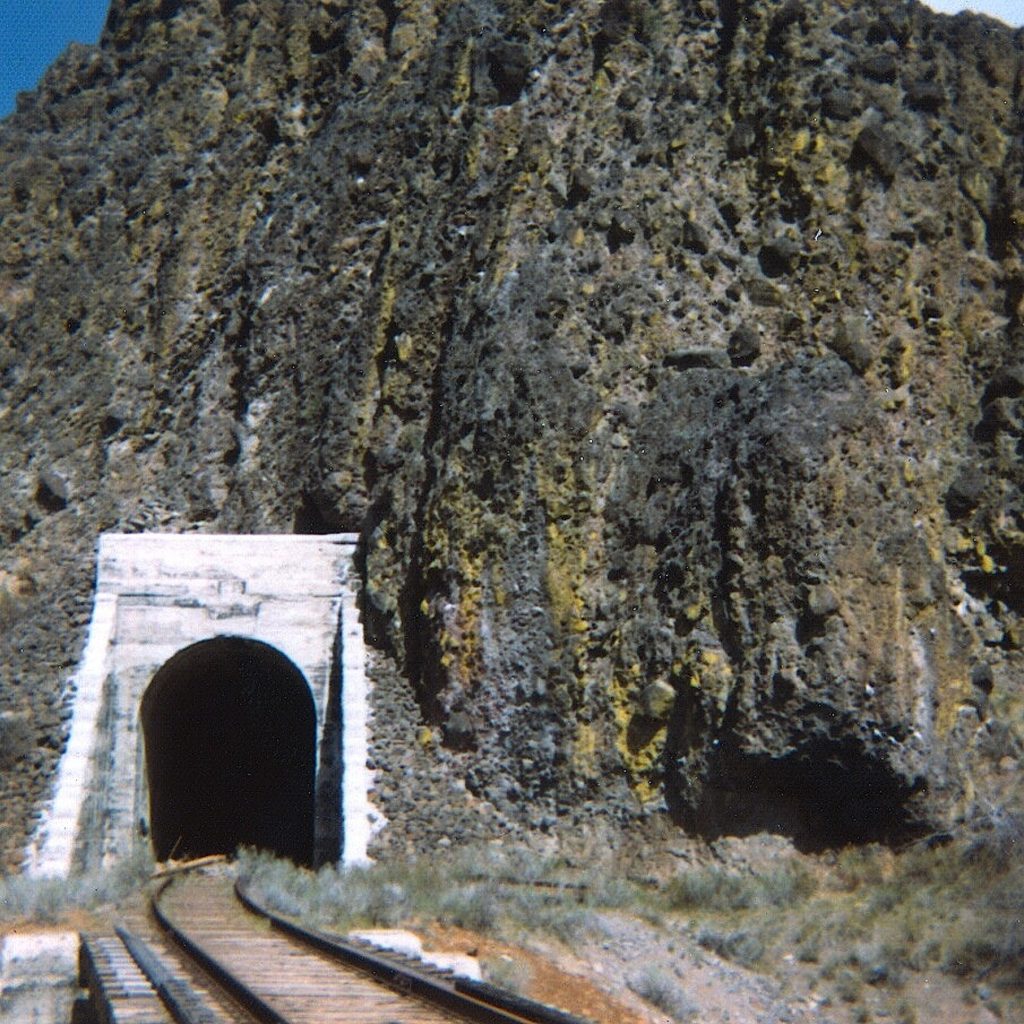
Tunnel No. 1, Susan River Canyon, 1974.

In 1976, after twenty years of non-use the Southern Pacific Railroad filed for the abandonment of its rail line between Susanville and Westwood. The City of Susanville and the Lassen County Board of Supervisors opposed the measure. They feared the loss of a potential transportation corridor. The Lassen County Chamber of Commerce wanted to see it converted into a tourist line, similar to that of Mendocino County’s Skunk Train.

Fast forward two years later and both the city and county embraced the Bureau of Land Management’s proposal to acquire the abandon line for recreational purposes. Thus, the rails to trails program, became part of the local lexicon.

Donate and help support this site.

The Pioneer

For several years prior to 1912, the Pioneer had a biergarten next door. Courtesy of Philip S. Hall

In 1862, John Burkett opened a saloon at what would later become the address of 724 Main Street. He named his new enterprise the Humboldt Exchange. After all, at this time, a number of Honey Lakers were prospecting in Humboldt County, Nevada where there were a flurry of mining discoveries. The following year, he sold to George Heap and Joe Hale and they renamed it the Pioneer. The Pioneer, now the home of Lassen Ale Works, has operated in the same location all these years, though it has been through several buildings. The back bar, it should be noted is from its 1901 building. Of note, that building still exists and is located on the 900 block of Main Street.

Subscribe!

That’s a lot of schools!

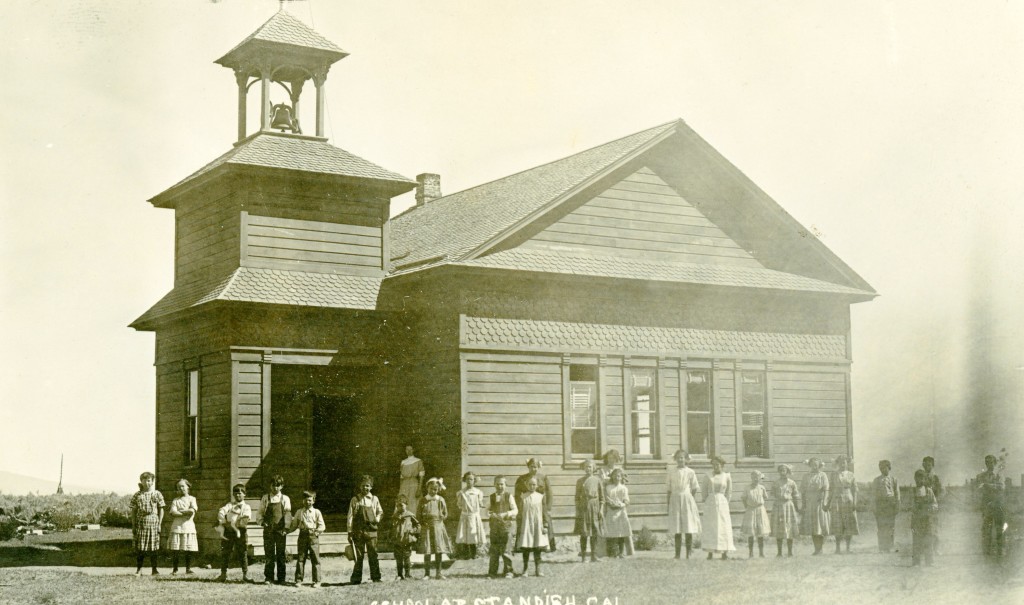
Standish School, 1911. Courtesy of Esther McClelland

In 1920, in the Standish region there were five school districts—Bridgeport, Honey Lake, Poplar, Soldier Bridge and Standish. In the late 1940s, there was a movement to consolidate rural school districts. In 1951, the voters of Bridgeport, Soldier Bridge and Standish Districts agreed to consolidate and form Shaffer Union School District. It should be noted that Poplar School closed in 1935 due to a lack of students. In 1950, Honey Lake School was annexed to Standish.

Donate or Subscribe

The Wagner Act

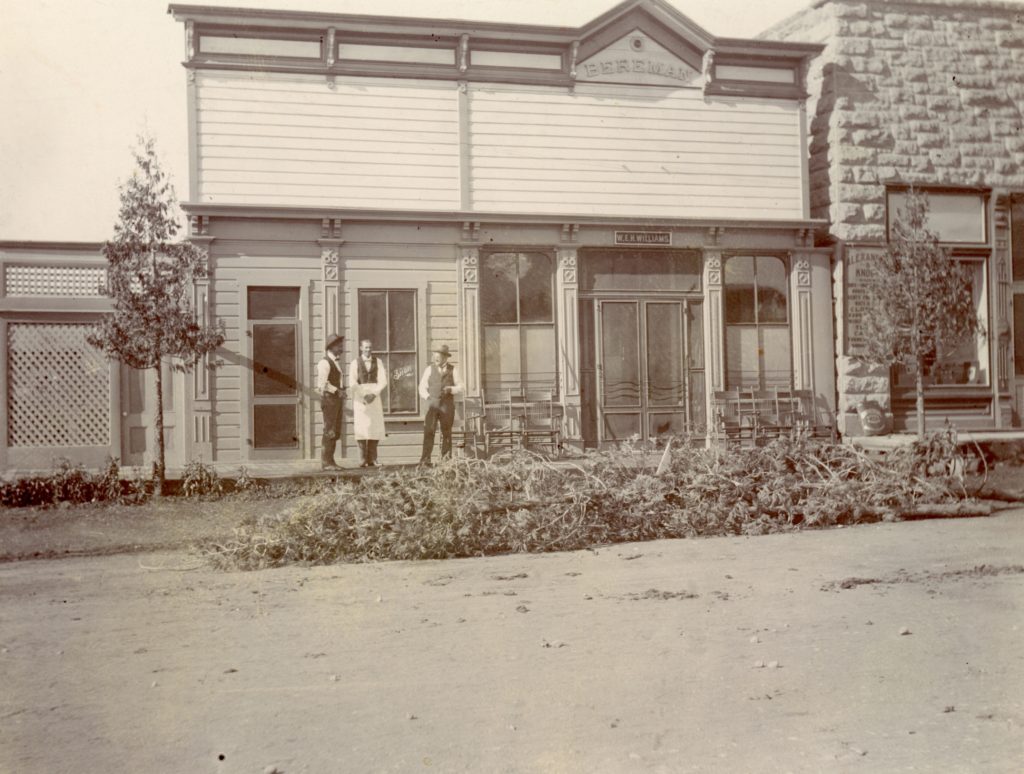
Pioneer Barber Shop, 1903

On July 5, 1935, President Roosevelt signed into law the Wagner Act, one of the most significant labor laws of the 20th century. It’s main beneficiary was union organizers. The Lassen County workforce eagerly adopted it. By 1940, barbers, bartenders, culinary workers and more had their own union. Take for instance the barbers of Susanville, Westwood, Greenville, Quincy and Portola organized a Journeyman’s Barbers Industrial Union of the AFL. In 1941, they adopted a universal fee of sixty-five cents for haircuts.

Donate or Subscribe

Exploring Lassen County's Past