Named for German immigrant John Ruf (1843-1904) who came to California in 1866 and to Lassen County in 1874. For several years, he worked at Adam Jakobs sawmill in Willow Creek Valley. In 1883, he married Mrs. Pauline Hulsman, and they had eleven children. In 1885, he purchased the Cyrus Myers place, just south of Susanville where he lived the rest of his life.
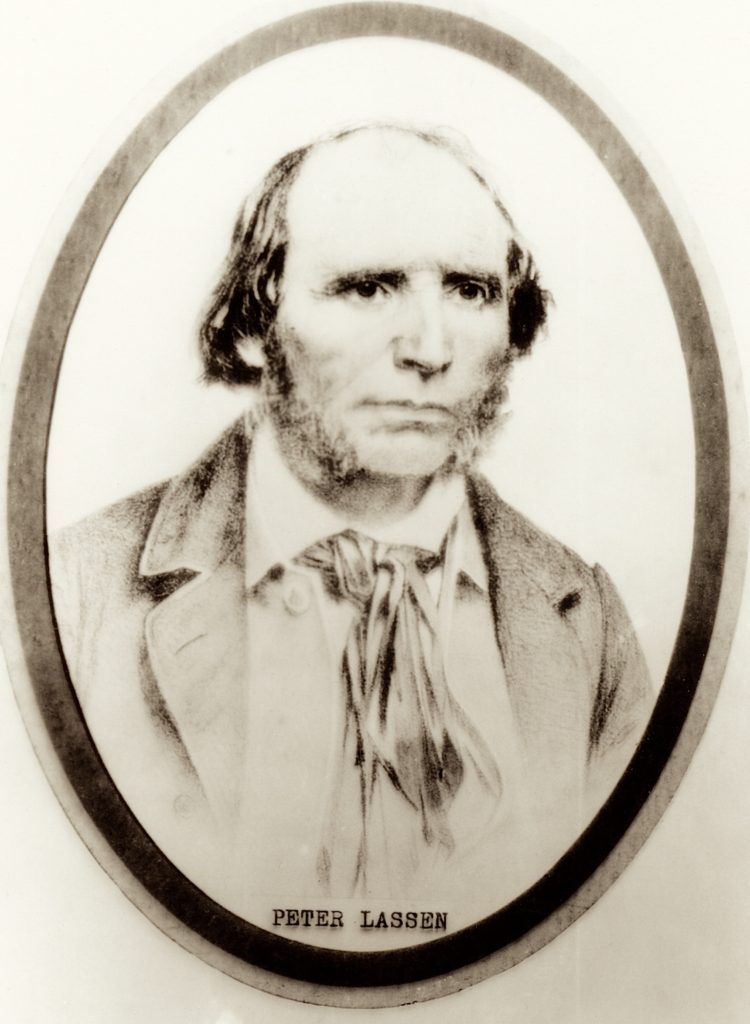
The infamous Peter Lassen, a name well known throughout Northern California
A subscriber inquired about a topic concerning Peter Lassen after reading the Lassen Monument Rehabilitation project. It had to deal with Lassen’s new settlement of Benton City, the area better known today as Vina, Tehama County.
Lassen was impressed with that country. Lassen obtained Mexican citizenship, allowing him to own property and was subsequently granted five Spanish leagues (22,000 acres) at Deer Creek. In February 1845, Lassen established Bosquejo Ranch at Deer Creek and it became the northernmost settlement in California. Lassen established Benton City on the Bosquejo Ranch. In the summer of 1847, Lassen along with Commodore Robert Stockton went to Missouri to recruit settlers, though during their absence events changed and recruitment would no longer be necessary. In the spring of 1848, Lassen brought back a small group of emigrants and they were the first to cross over the infamous Lassen Trail. When Lassen arrived at Benton City he found it nearly vacated as the inhabitants had moved to Sutter’s Mill and other points following the discovery of gold. That was only the beginning of problems that Lassen encountered with Benton City. Prior to his departure to Missouri he had deeded over one-fifth of his ranch to Daniel Sill. In May 1850, Lassen deeded over one-half of his ranch to Joel Palmer to finance the purchase of a small steamboat, the Lady Washington. The steamer was to be the easiest method to transport supplies from Sacramento to Benton City. The boat encountered numerous problems with sand bars and snag trees on the Sacramento River and was sunk. That disaster and other financial problems forced Lassen to sell the remainder of his ranch to Henry Gerke.
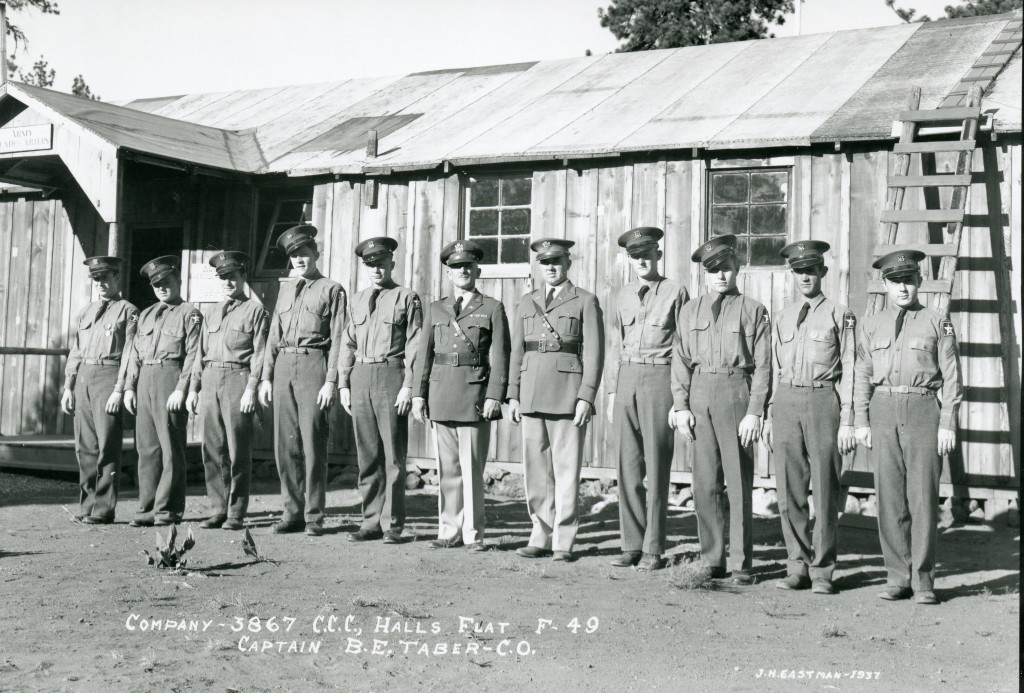
Halls Flat CCC Camp, 1937 courtesy of Hank Martinez
During the Great Depression of the 1930s, Lassen County would have two Civilian Conservation Camps, better known as the CCC. One was located at Halls Flat in western Lassen County, just north of Poison Lake. The other was Secret Valley, thirty-five miles northeast of Susanville, which one can see remnants from Highway 395 when driving north.
The Halls Flat CCC camp was established in 1933 and shut down in 1942. The camp provided a lot of manpower for the Lassen National Forest. Among the work done was grazing studies, range habitat improvement and some logging of pine beetle infested trees in the nearby Blacks Mountain Experimental Forest.
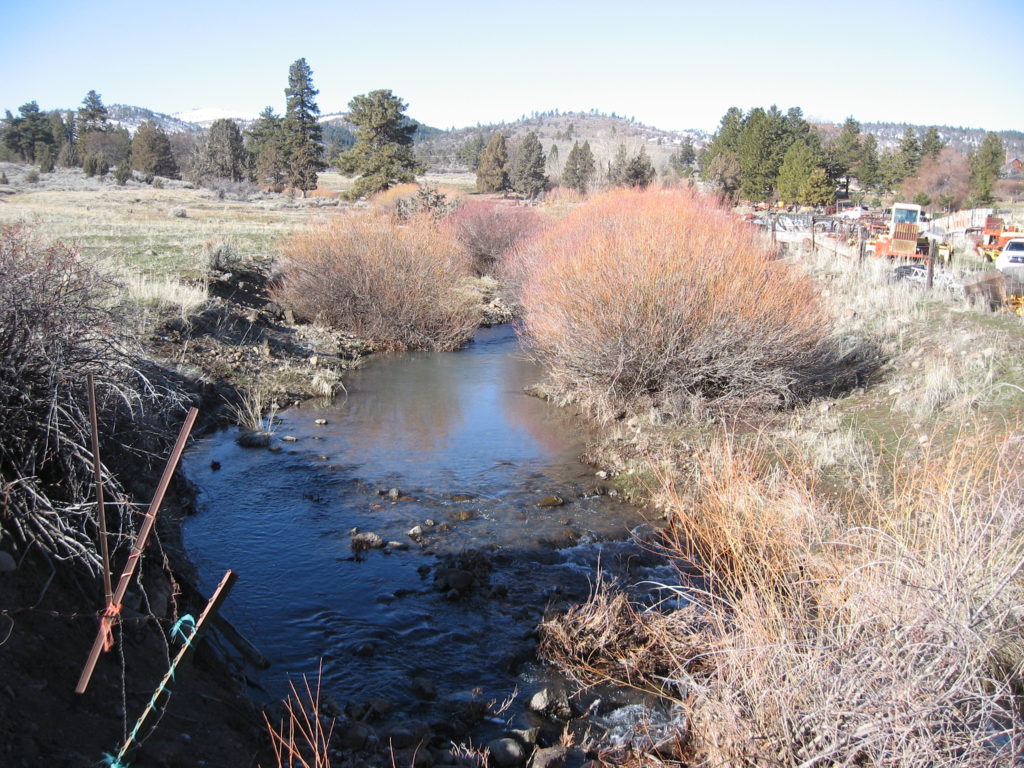
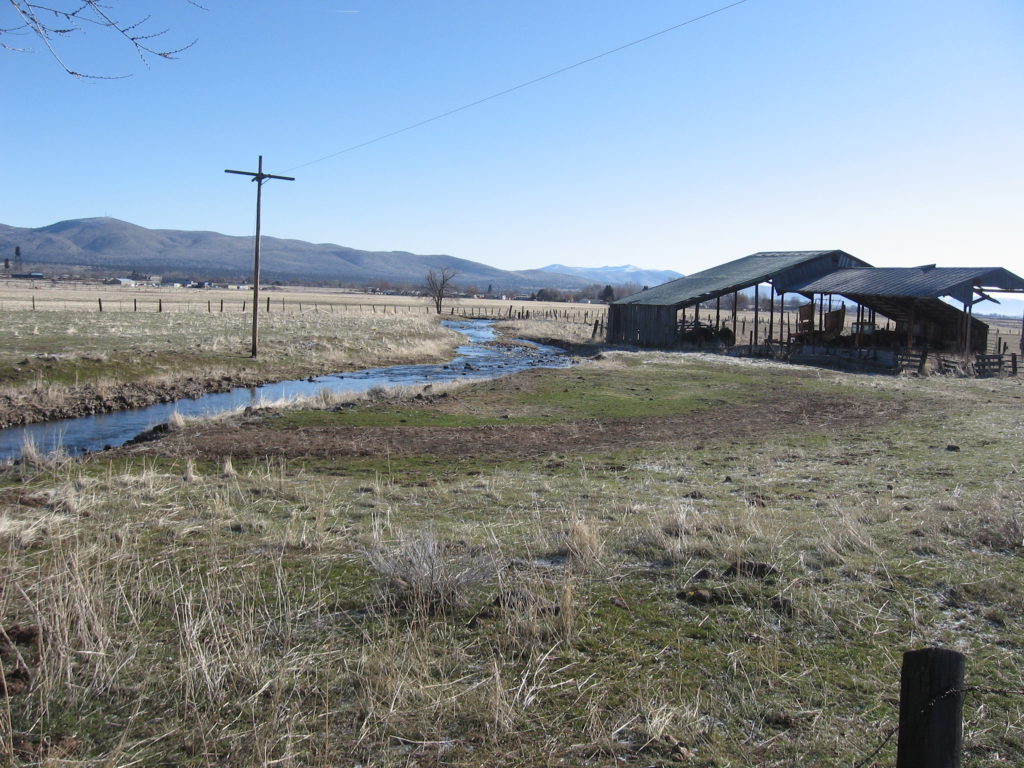
Something a bit different than the usual where are we question. This seasonal stream is highly visible to any one who travels south of Susanville on Richmond Road. It should be noted that in drought years it does not flow at all.
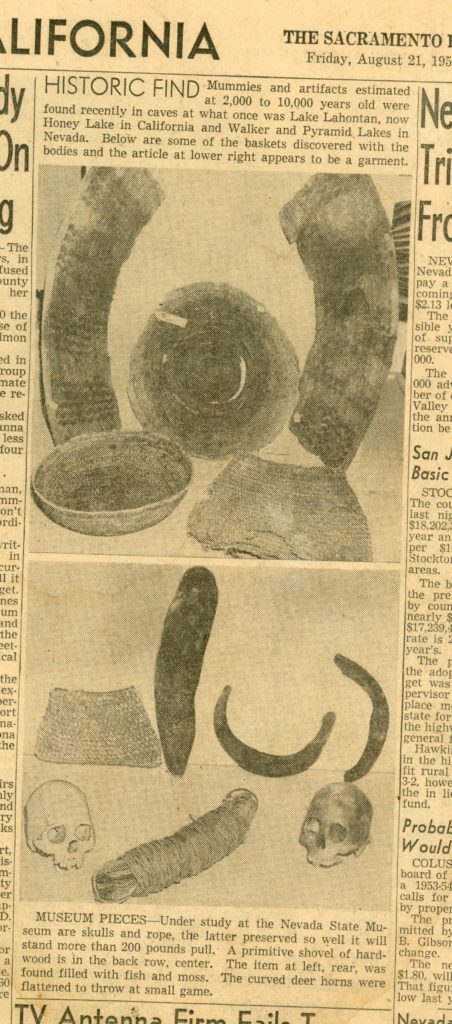
In May 1978, the Honey Lake Paiute Ethnography was published by the Nevada State Museum. It was the work of Francis A. “Fritz” Riddell (1921-2002). Riddell was a well known archeologist and was first professional archeologist to work for the State of California.
Riddell’s father, Harry, came to Lassen County in the late 1920s to assist with the troubled plague Bly Tunnel at Eagle Lake. In the early 1930s, Francis attended the Missouri Bend School near Janesville. There he found arrowheads on the school grounds, that he was so intrigued by that led to his future career. By the late 1930s, the family had relocated to Sacramento. His older brother, Jim remained in Susanville and spent a career as a mail carrier in Susanville. Francis returned to the area on a regular basis to visit his brother, but he a special fondness for the local Native American community. Francis was involved in excavation of Tommy Tucker cave near Wendel, from 1949-1951. He also did extensive field work at Secret Valley.
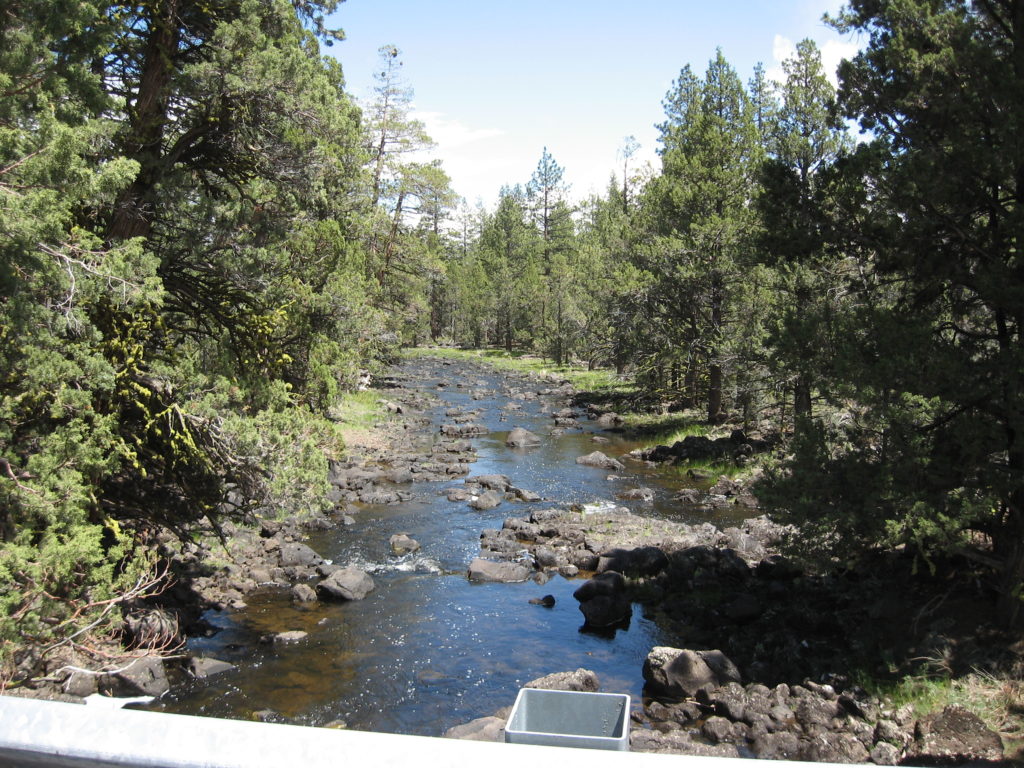
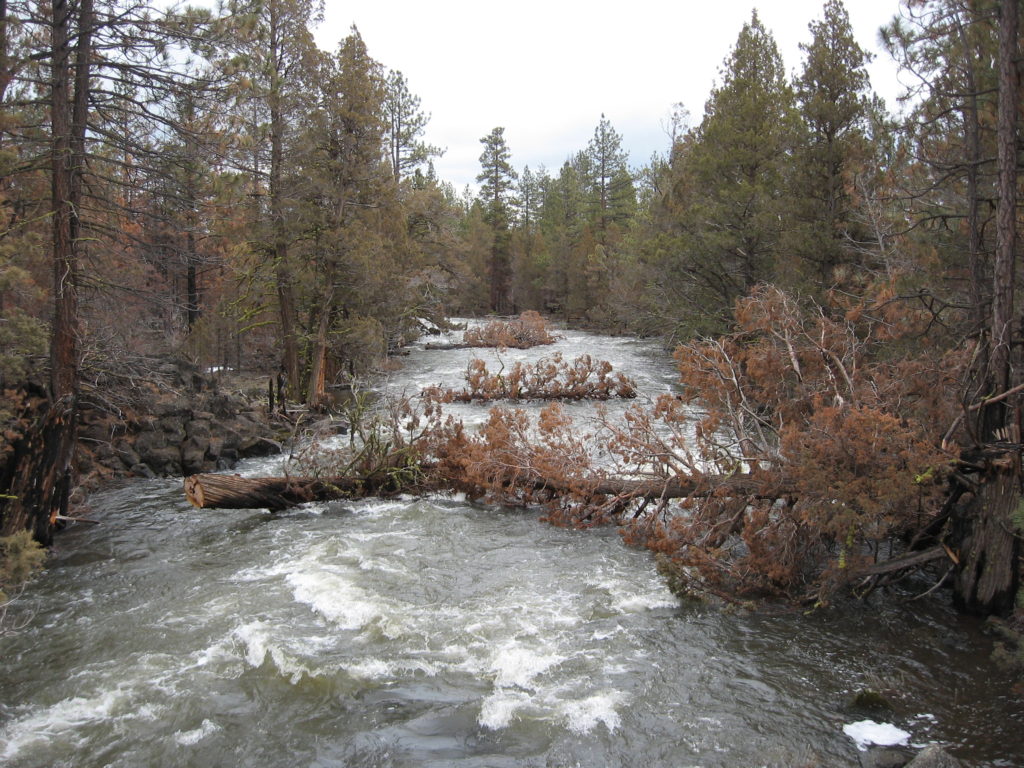
Some times, certain places just always seems to stay the same. Others can go through dramatic transformations. Having a severe case of either cabin fever or the lack of warm spring weather, necessitated an outing, even if it was cold. A journey to Eagle Lake and check out the Pine Creek fish trap/egg collection facility. Turns out the spawners are moving slow, the water temperature even a bit chilly for them. The pelicans on the other hand are abundant. Since we were in the neighborhood, a trip to the south shore to check out the marina, etc. On the return, stop at the Pine Creek bridge, thus the changes taking place.
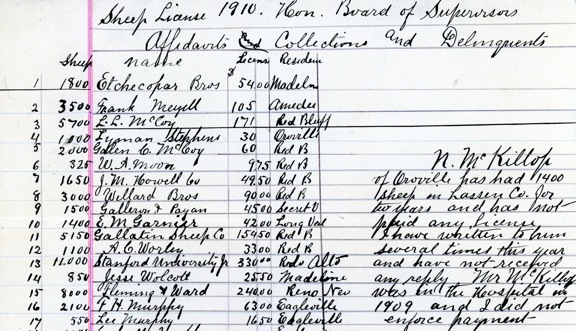
In the early 1880s, California’s mountain counties lobbied the California Legislature for the implementation of a migratory sheep license tax. It was their contention that seasonal movement caused damage to the roads, thus the counties should be compensated for the road maintenance. Of course the sheep industry fought hard against. Even when legistation was passed to implement the tax, it was challenged in court, but lost. In 1910, Lassen County assessed a tax at three cents per head. One of the largesgt sheep operaters in Lassen County at that time was Stanford University that grazed 11,000 head of sheep just west of Eagle Lake. In the 1920s, the sheep industry collapsed, but with other factors in play the sheep license was repealed.
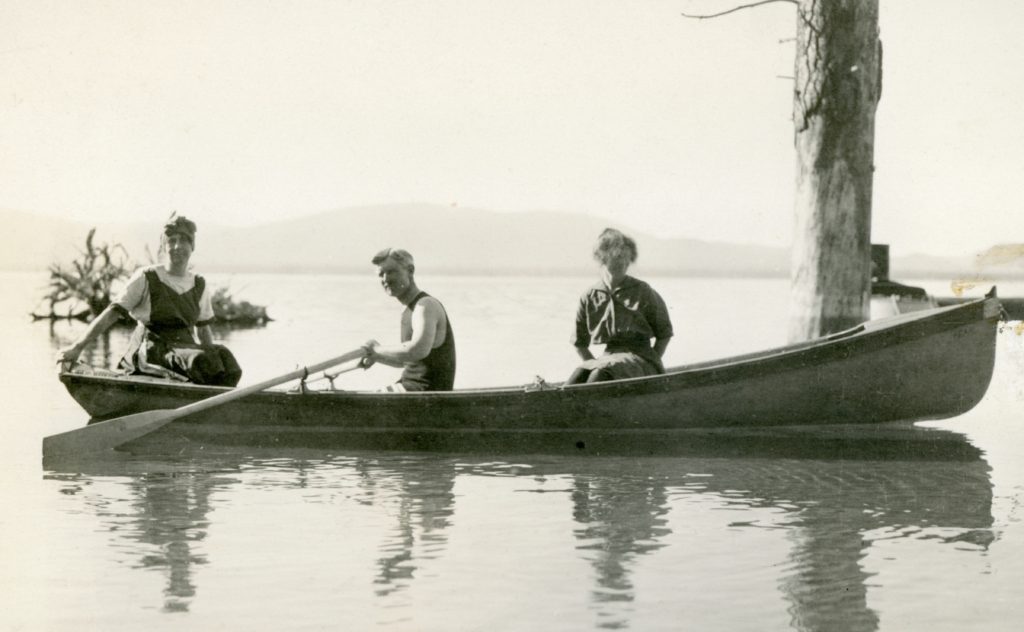
A 1919 Gallatin family boating outing on Eagle Lake. Courtesy of Wyn Wachhorst
In 1876, when Capt. Charles A. Merrill formed his Lassen County Land & Flume Company to tap Eagle Lake for irrigation to reclaim the sagebrush lands of the Honey Lake Valley, in certain ways he suffered from illusions of grandeur. Of his many schemes was to log the south and west sides of Eagle Lake. The logs would be rafted across the lake to the east side of his proposed tunnel, and each log, one by one through the tunnel. From there a flume would transport the logs to his proposed city of 25,000 souls at Belfast in the Honey Lake Valley where they would be milled and shipped out by rail. This pipe dream never happened.
Pine Creek Estuary, July, 1973
In 1919, when the Fruit Growers Supply Company made the commitment to establish a sawmill operation in Lassen County, they sought advice from the Lassen National Forest Service where to locate. The forest service suggested a mill site along the Pine Creek estuary, that they could use as a millpond. The forest service stated Fruit Growers, if needed could use Eagle Lake as a millpond, but with Leon Bly’s pending project there might be legal problems.
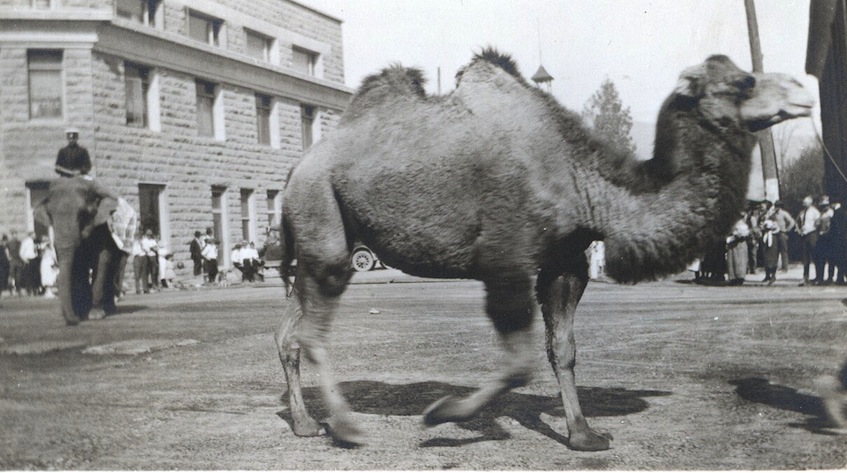
That is right, a camel at the intersection of Main and Lassen Streets, during the 1916 circus held in Susanville. B. Dorsey Collection
It is not really known how this form of entertainment made it to Susanville way back when. On July 25, 1868, Bartholomew’s Great Western Circus came to town to give its first performance of this kind. It was part of their tour into the hinterlands of Northern California. The details of the event are rather sketchy. Its most famous act was the great talking pony, “Napoleon.”
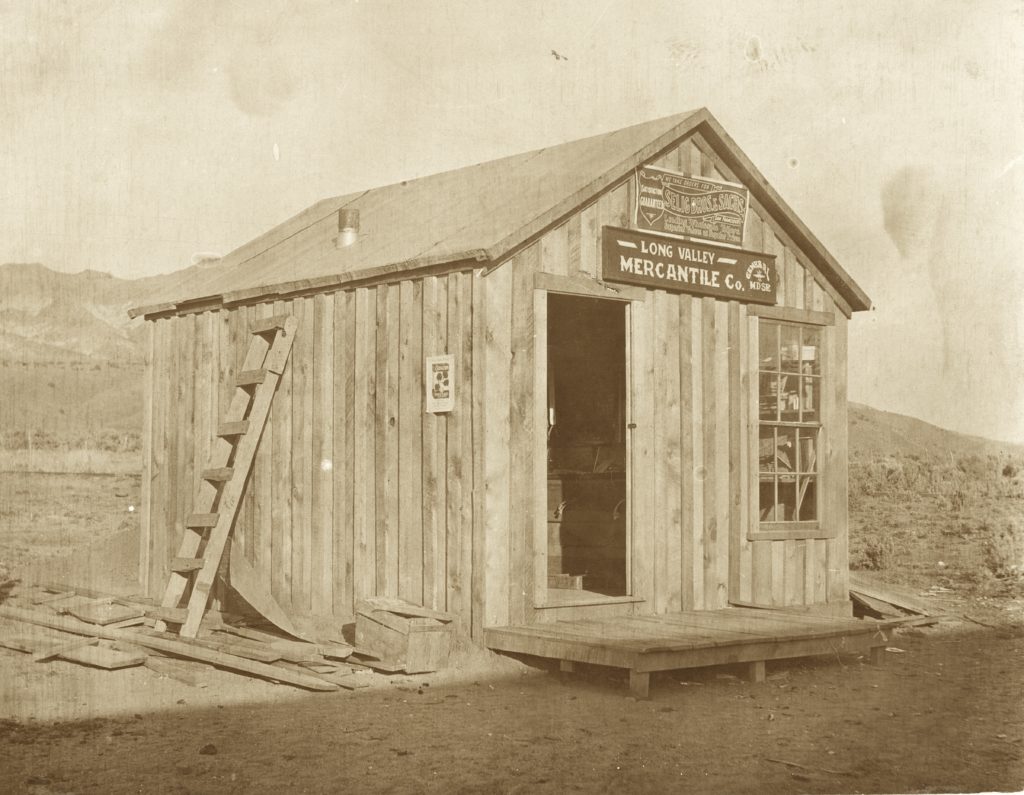
Long Valley Mercantile Company, Constantia, 1905. Courtesy of Marie H. Gould
Constantia, located five miles south of Doyle came into existence when Henry Butters bought the Albert Ross Ranch, and gave his new acquisition its name. In 1898, Butters transformed the ranch into a small village—complete with a general store, Wells Fargo Office, dwellings for the employees and a Catholic Church.
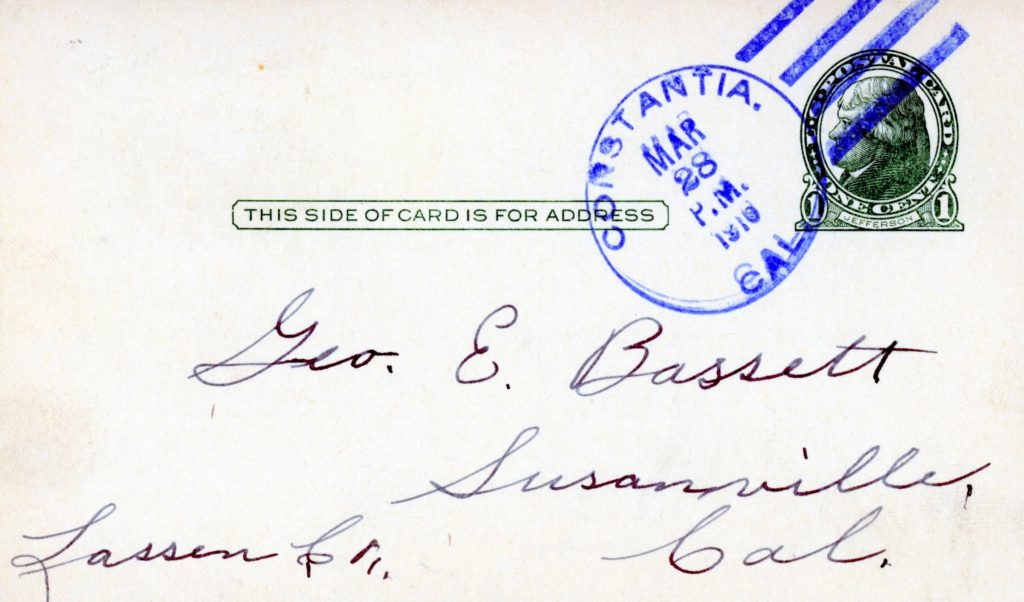
A Constantia Postal Cancel
The Constantia Post Office was late on arrival, it was not established until April 5, 1912, with August C. Drayeur, serving as first postmaster. In the 1920s, saw the introduction of the Rural Free Delivery, thus many of these rural post offices were closed. Constantia was a victim and it ceased to operate on June 30, 1927.