It was in May 1983, my first book Sagebrush Reflections: The History of Amedee and Honey Lake was released. Being a neophyte author this was an interesting learning adventure. A financial success it was not. Yet, it did not deter me to carry on, though a somewhat saner person would have explored other avenues. By a fluke it still happens to be a print, though probably not much longer. The only reason why it is still in print, is I found two boxes while cleaning out my mother’s house after she passed away a few years ago. To order go to Books
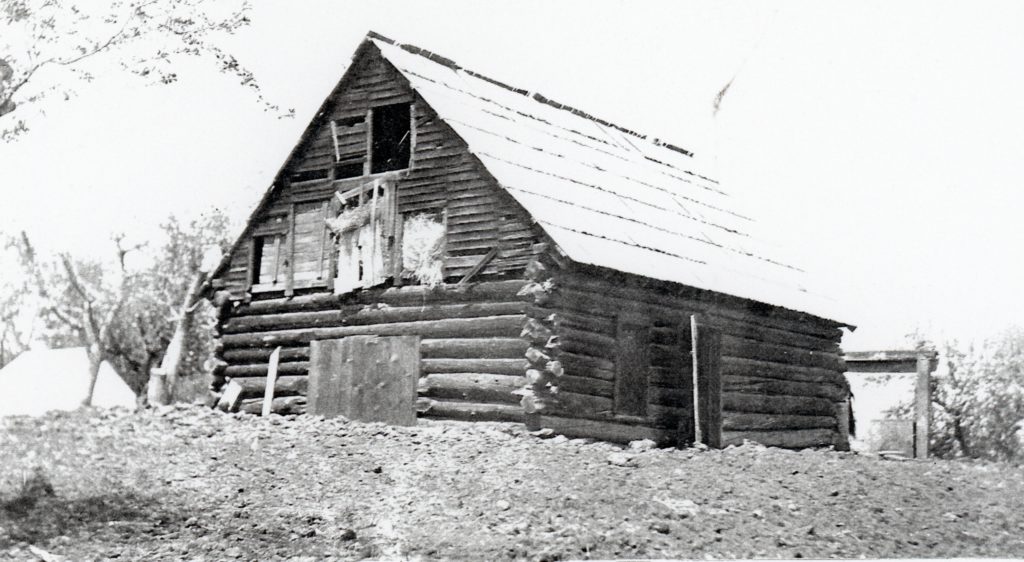
Roop’s Trading Post later dubbed as Roop’s Fort. Courtesy of Keston Ramsey
Recently, I received an invite to be one of the guest speakers for the upcoming “Rooptown Podcasts.” I declined. It has nothing to do with the people behind the podcast. I just detest “Rooptown.” It never existed, except in those who in their mindset considered Isaac Roop, a saint—which he was not—more on that for another time. Just in case, if you are new to this site, or the area, Roop founded the town of Susanville, named for his daughter, but Susan River was named for someone else prior Roop’s arrival. For the record the SusanvillePost Office was established on March 17, 1859.
Asa Fairfield in his Pioneer History of Lassen County infers that Susanville was briefly known as Rooptown in 1858. However, Fairfield is vague about any kind of documentation. In my years of research I have never found any reference in that era of Rooptown. Early newspaper correspondents gave a dateline of Honey Lake Valley. It had bothered Fairfield so much that nothing was named for him, hence the possibility of a brief existence of a Roptown.
When Fairfield writes about Roop’s death in 1869, about his disdain of Peter Lassen: “Governor Roop received very little gratitude from the people in this section. Almost everything was named in honor of Peter Lassen, who was not a pioneer settler of the county, who lived here four years and never did anything particular in the country.” Ouch. Lassen visited the Honey Lake Valley in 1850, before Roop set foot in California and in 1855 built the second cabin in the valley.
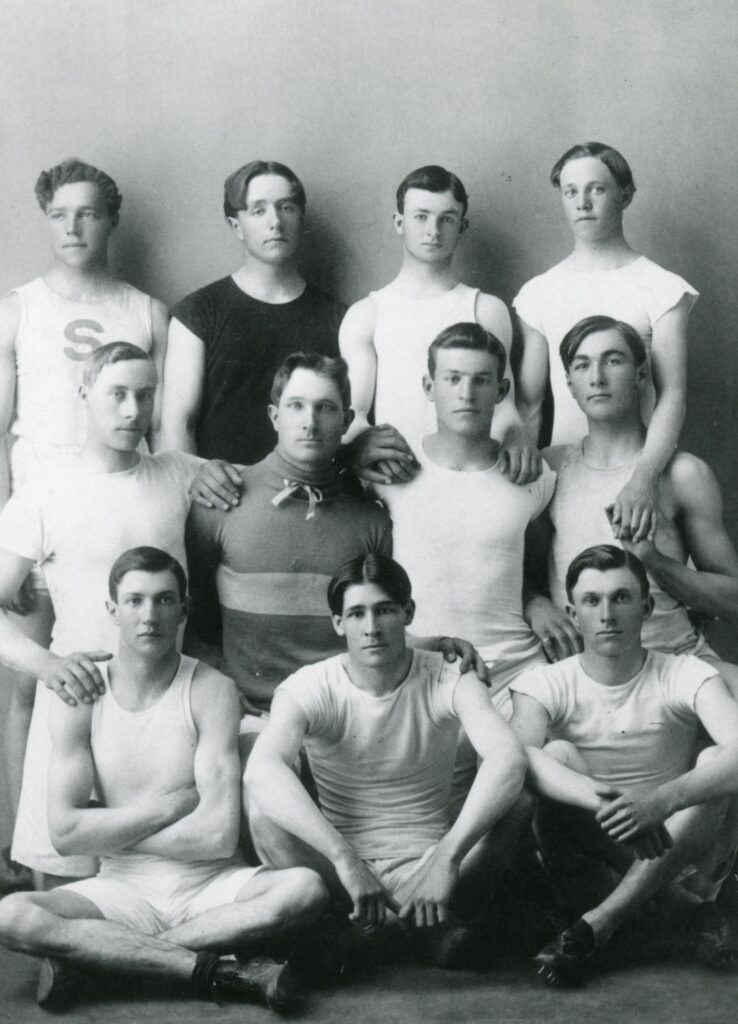
Lasssen High’s 1907 Track Team. Top Row: Barney Kingsbury, Harry Pearce, Ivor Clark and Fred. Kelley. Second Row: Ralph Taylor, Med Arnold, Finn Barry and Tro Emerson. Bottom Row: Roy Ramsey, Percy Holmes and Will Hall—-Courtesy of Betty Barry Deal
While Lassen County High School had been in existence for only a few years it had a remarkable track team from its inception. In the spring of 1907 Lassen High invited Reno High for a track competition. It was rescheduled twice and finally held at Lassen High on May 10, 1907. Lassen more than excelled beating Reno 100 to 17.
The pole vault competition was an interesting one, and Lassen could have conceded. This was due to their rude equipment of fence rails and pine limbs used as the pole. However, Reno did bring the proper equipment. Like most of the day’s competition Lassen walloped Reno in the pole vault with Barney Kingsbury; first Tro Emerson, second and Reno’s Chester Patterson coming third.
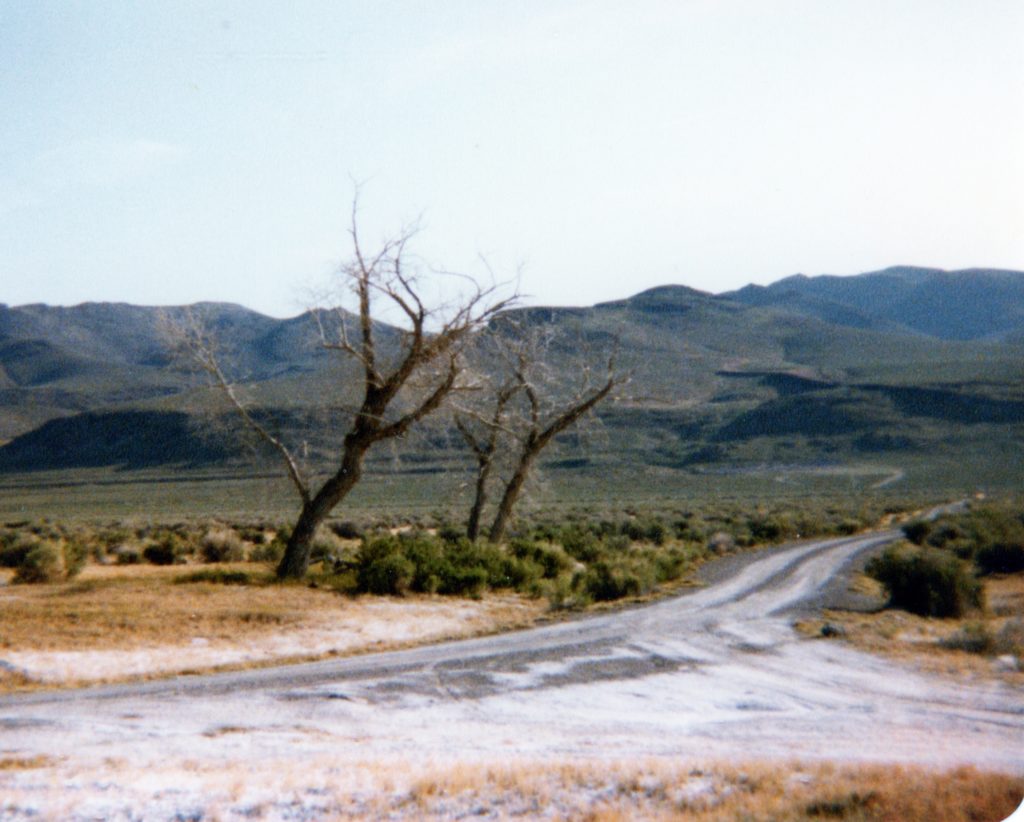
Since this falls under the category it does not hurt to ask, I am looking for some photographs. Does any one happen to have photograph of the original shoe tree along Highway 395 at Mud Flat? This relates to something I am working on the Secret Valley CCC camp. Along those same lines, if anyone is venturing out on Smoke Creek Road, I could use a photograph of a stretch of that “boulevard.” Depending on how far someone travels down that road, if you happen to go by Bull Flat, Rush Creek and Robbers Roost, photographs of those landmarks would be appreciated.
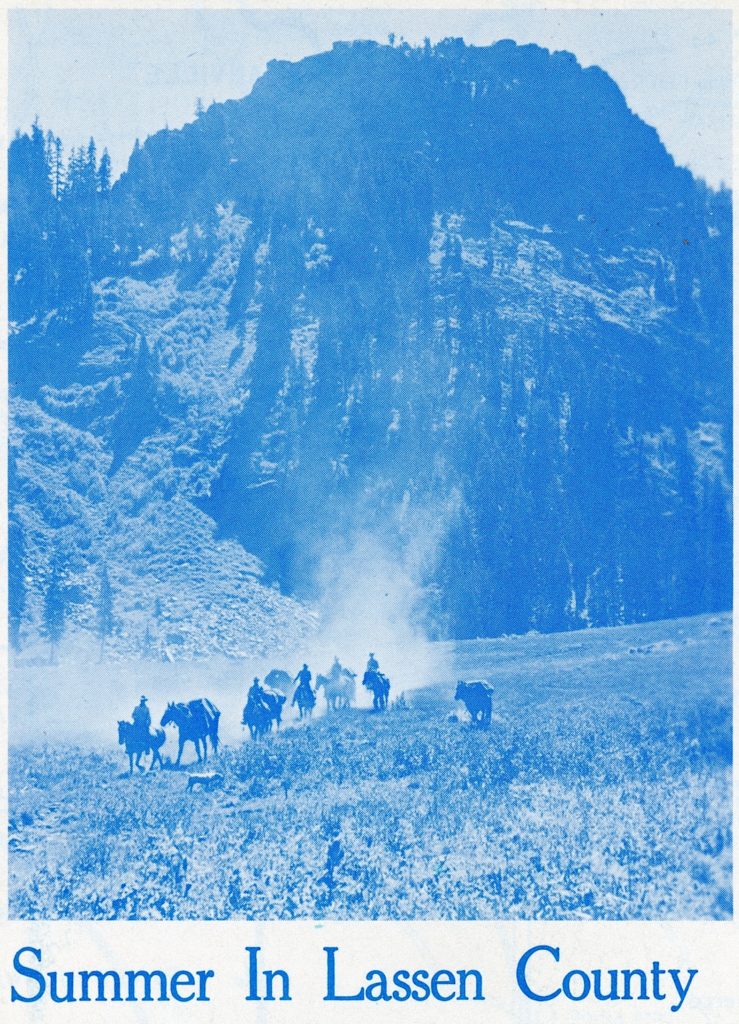
Of course, while any one is out exploring this summer or fall, and you come across an interesting landmark, I am always looking for potential calendar cover photograph, like the one above.
A portion of a brochure cover of the Lassen County Chamber of Commerce
Normally, at this time of year, I publish my annual Go Exploring post. This time, I deviate and provide a different angle—though the emphasis remains the same. On the front cover of this Lassen County Chamber of Commerce states:
”May is the Annual Cattlemen’s Jr. Rodeo. July 4th is Westwood’s Old Timers—Newcomers Picnic. With August comes full five days of Lassen County Fair typical of the old county fairs with rodeo, log rolling and all the usual western events. Each year an annual Three day Trail Ride of fun packed time of barbecue and campfires under star filled skies.”
Times have changed. The Junior Rodeo is no more. The Lassen County Fair is now in July and has almost no resemblance of the prior August venue. The trail rides was a brief annual event.
Anyhow, there is always something interesting to see or do, so enjoy.
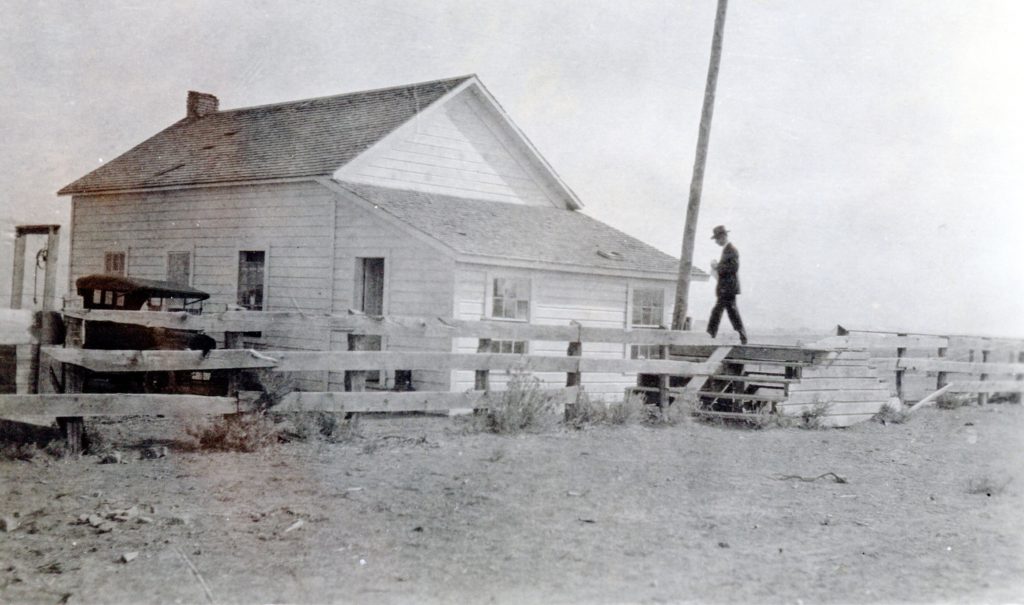
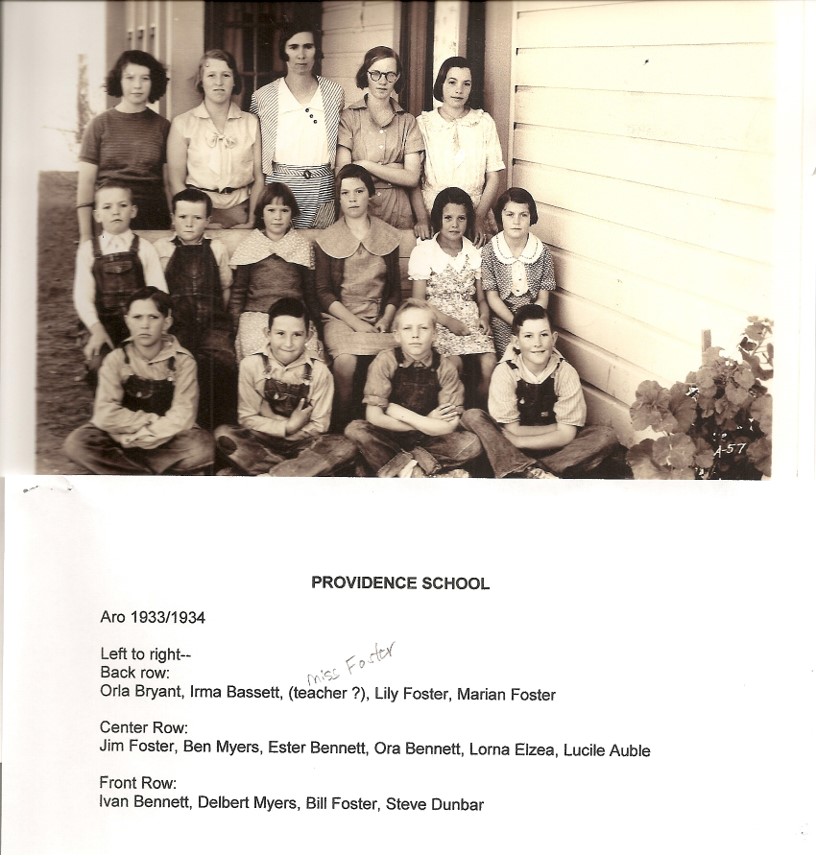
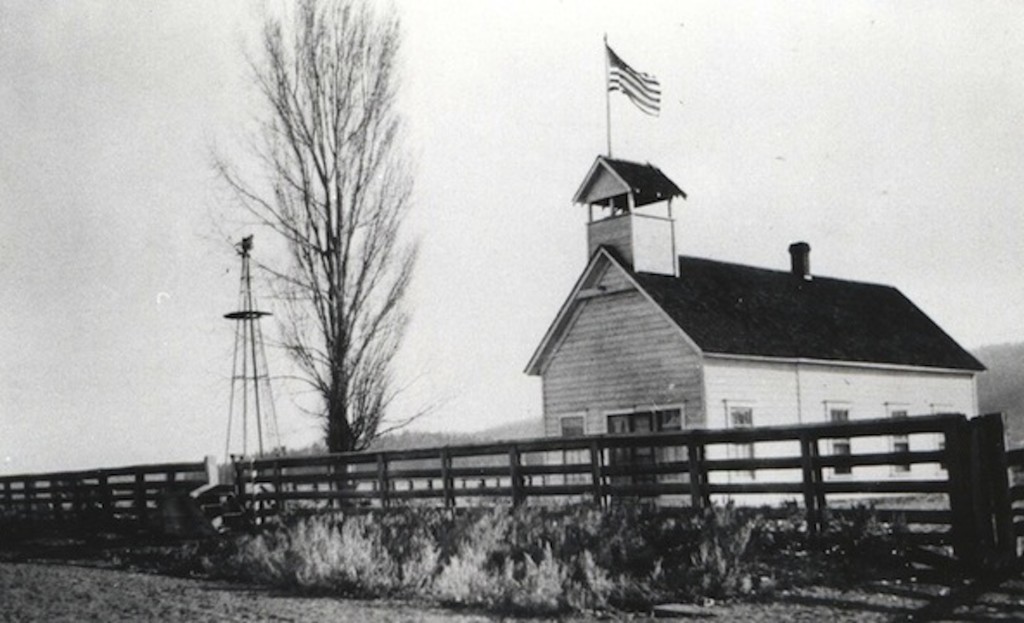
In 1871, the residents of Big Valley on the Lassen County side, petitioned the Lassen County Board of Supervisors for a school district there. While there was a public school in Adin, that was under the jurisdiction of Siskiyou County, as Modoc County had not yet been created. The Big Valley residents were included the Willow Creek Valley School District and that school house was nearly forty miles away. With that thought in mind, the petition stated, “It is frequently impossible for their children to attend school on account of high water, deep snows muddy roads, etc.” The petition was signed by seventeen residents and combined they had twenty children eligible for school. The Board obliged and created the Providence School District on November 10, 1871. A school house was built two miles south of Adin.
Courtesy of Beth Walls
One person is under the impression that sometime, possibly in 1920s, that the school was moved to its current location. However, I am unable to locate any information on that event. If anyone cn shed some light on this, it would be appreciated
In 1953, the school was annexed to the Adin Joint Unified District. The school house then became the property of the Providence Farm Bureau and the farm bureau still owned it in 2002, but I do not know its current status.
One of the most common deed restrictions years ago included a clause prohibiting race and alcohol. In 1914, when John Spalding subdivided his property on the west shore of Eagle Lake. The deed stated no person of African or Mongolian descent would be allowed to occupy, own rent or lease the premises and that no type of alcoholic beverages would be allowed on the premises with an exception for medicinal purposes. Should the owner not abide by these regulations, the property would revert back to Spalding. It was not much of an issue, since Spalding sold only one lot.
Another type was a reversion clause. On August 11, 1877, John Dobler donated the land that the Willow Creek School, was built on with the provision that when no longer used for a school, the property would revert back to him or his heirs. In 1950, when the Willow Creek School District was dissolved, the provision was ignored. The same thing happened with the Lake School, since the property was donated by Epley family with the revision clause that was ignored. This case was a bit unusual since the Janesville School District annexed the Lake School deemed it surplus property. However, the school trustees deeded the school property to the Bailey family, because they assumed the family donated it in the first place.
In 1864, when Isaac Roop sold a Susanville city block to Lassen County for a courthouse, it included a reversion clause. This caused quite a stir back in the late 1970s when the county purchased property on North Mesa Street for a possible new courthouse complex. That is an interesting tale in itself, but as many know it never transpired.
A 1937 promotional feature of the Lassen Mail newspaper.
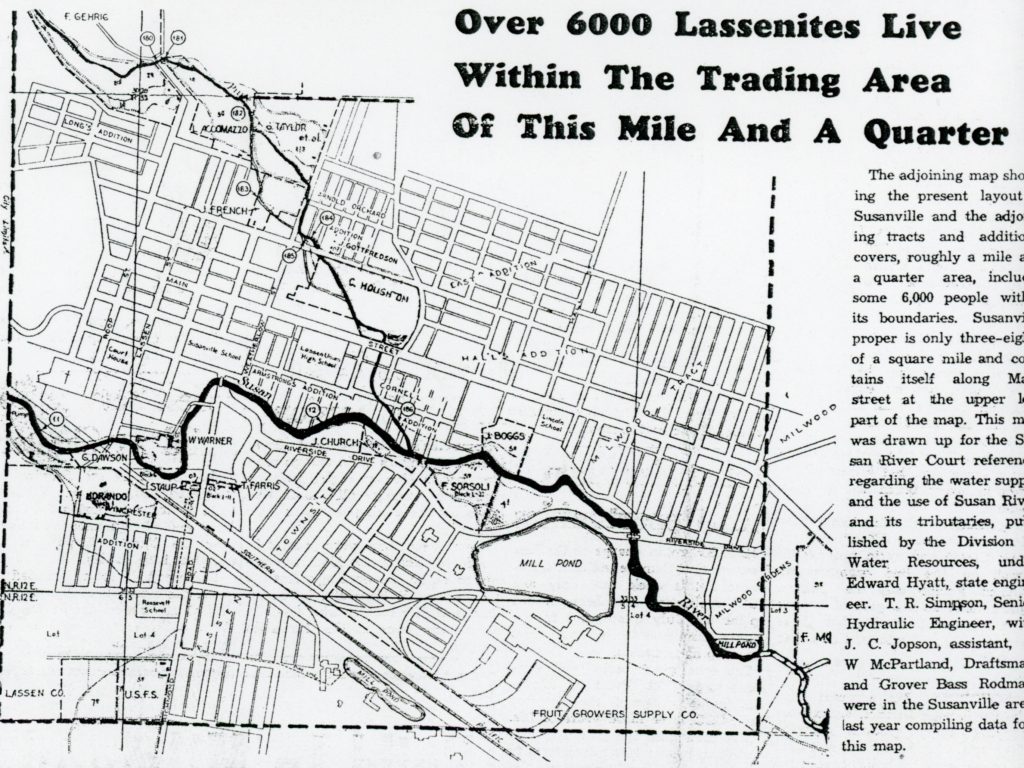
When Susanville incorporated as a city in 1900, its eastern boundary was Weatherlow Street. In 1920, annexation of Halltown and the East Addition was discussed, but no action was taken. With continued growth east of the city limits annexation efforts failed. In 1947 that finally changed when voters approved an annexation. The City’s Main Street now extended from Weatherlow to Fairfield, and additional eleven blocks.
Everyone had guessed what the Greater Susanville population was, but no one knew exactly. After the approval of the annexation, the City requested the U.S. Census to conduct an official count. This was important, for the City needed that information to provide it to federal and state authorities for allocation of tax funds based on population. A census was conducted on April 30, 1948, and it showed there were 5,358 inhabitants.
Some one wanted to know if the former town of Amedee was part of the Sierra Army Depot. The confusion may stem as the Depot has an air strip known as Amedee. However, the Depot’s properties are south of the Amedee townsite.
On February 24, 2014, the Humphrey family that owned Amedee Hot Springs, the abandoned townsite and surrounding ranching property for nearly a century sold it to Hays Ranches for $450,000. It should be noted, that the Humphreys were involved in the McKissick Cattle Company that purchased the Amedee holdings in 1915. By the late, 1920s the town had been abandoned, save for a caretaker. However, visitors would stop by to take advantage of the old bathhouse for a soak from the hot springs.
The spring of 1923 brought a new surprise when the store clerks of Susanville organized, but not as a labor union. On May 3, 1923 the Clerks Co-operative Association was organized with an initial membership of twenty-two. Harry Coleman as selected as Chairman and Fannie Winchester as Secretary.
The first item on the agenda, was a committee of five were appointed to meet with the merchants to have uniform closing hours. It was their desire to close at 6:30 p.m.. during the summer and 6:00 p.m. in the winter. Another item, was to aid each other to improve salesmanship skills. Finally, it was their desire to work in harmony with the merchants.