Tag Archives: Standish

Standish Methodist Church

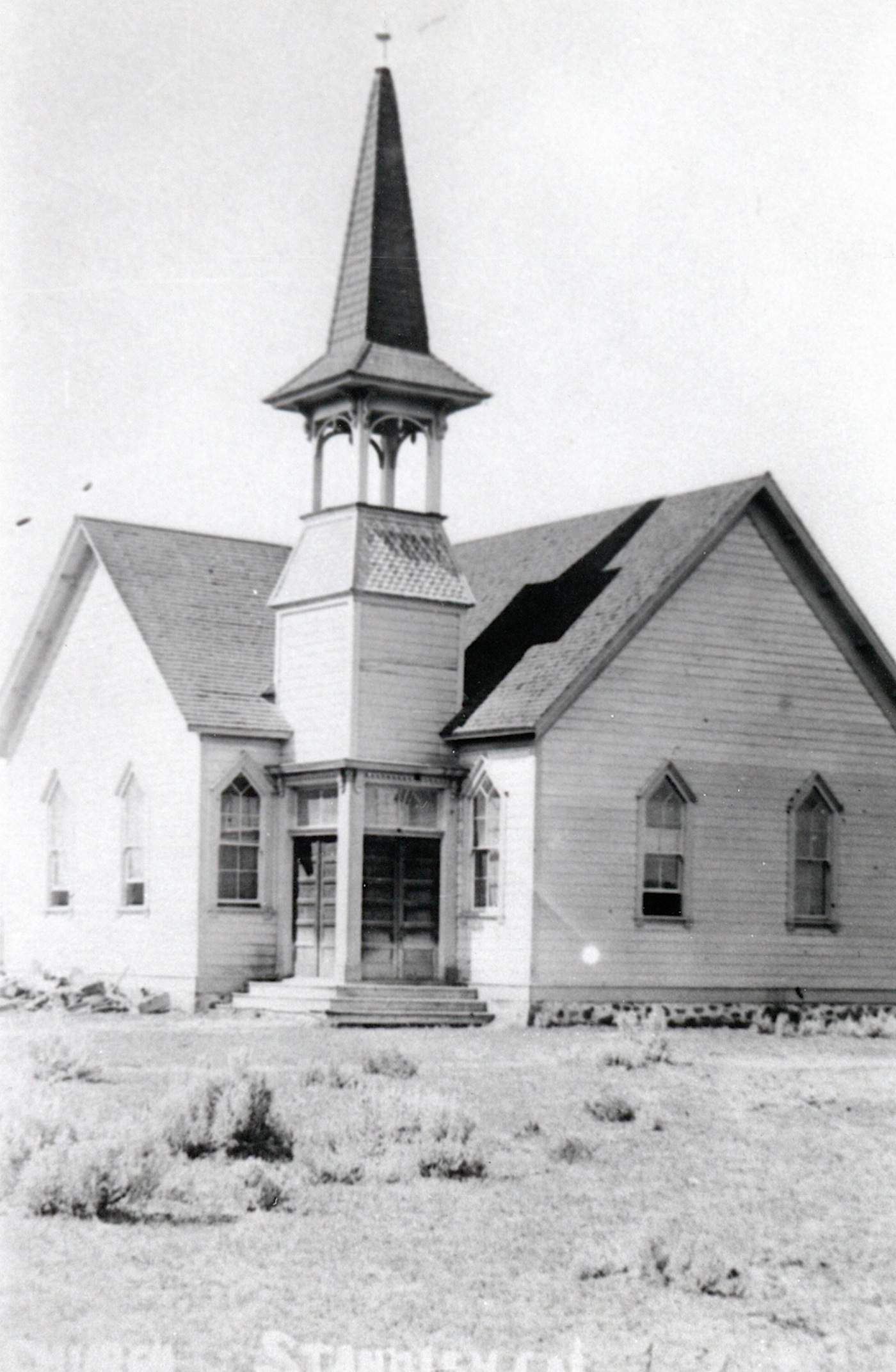
Standish Methodist Church, 1910—Prentice Holmes

During the early years of Standish religious services were held in Pringle Hall, By 1903, the Methodist wanted a church for Standish. Frankie Coffin remembers her mother, Mrs. Eva (Hartson) Cain and Mrs.H.R.T. Coffin went to house to house in that part of the valley to raise money for the church.By September 1903 enough subscriptions had been raised to build the church. It was constructed by James Pringle and John Hamilton and completed in the spring of 1904.

On June 12, 1904, dedication ceremonies were held for the new Methodist Church at Standish. A sermon was given by Rev. E.W. VanDeventer, Superintendent of the Nevada Mission. A fund raiser was held afterwards and raised enough to money pay all debts associated with the construction and extra $30 paid for chairs for the church. The Rev. C.G. Lucas was the first pastor, who was stationed at Janesville. He would do a circuit holding services at Standish, Milford and Doyle.

By the late 1920s, church membership declined and for a number of years no services were held. In 1938, saw revival and the Methodist Church at Standish was back in operation. How much longer it remained I do not know. Today, it is known as the Standish Bible Church.

Donate

Interesting Advertising Copy, 1907

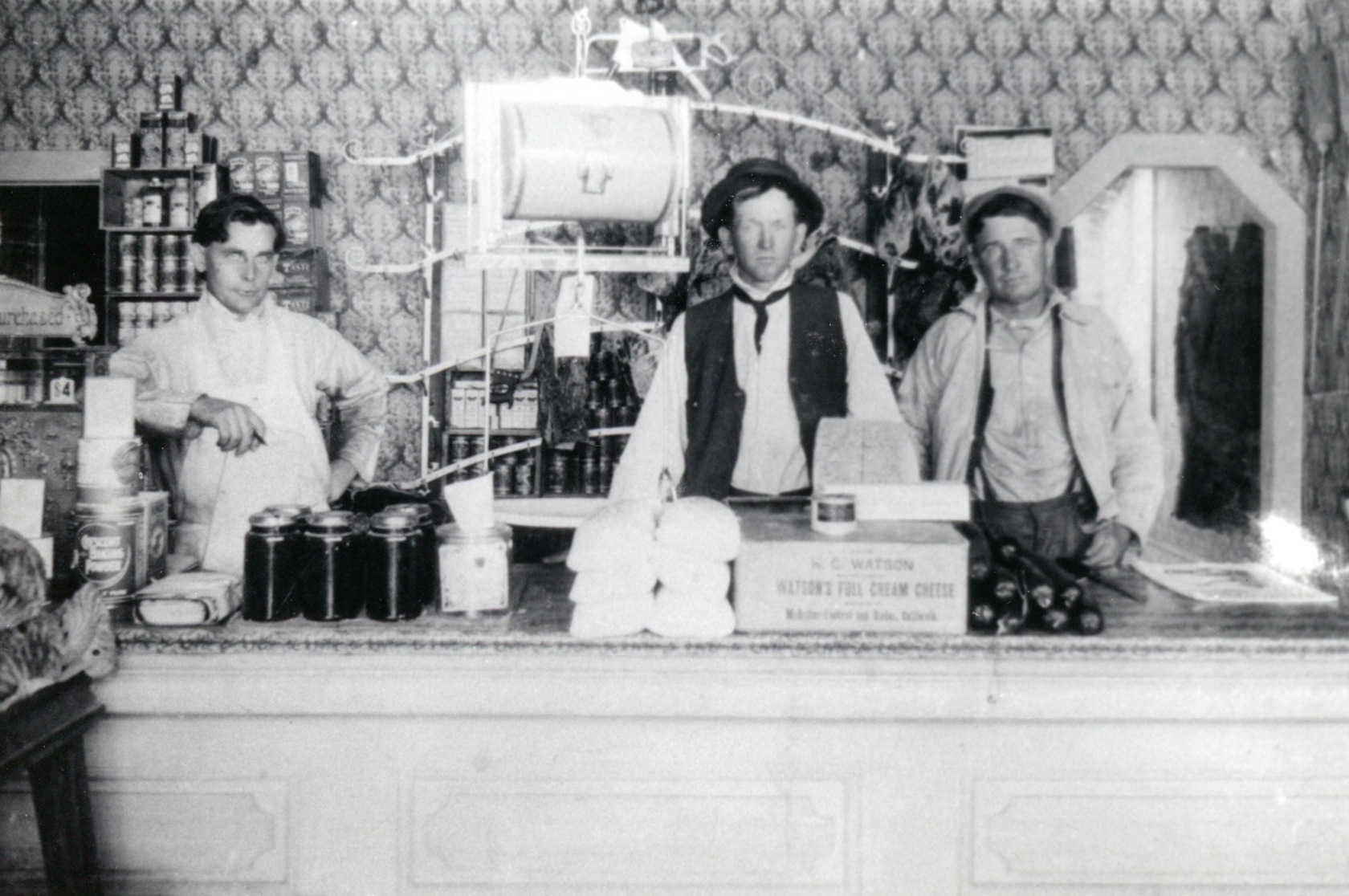
Emerson’s Store, Left to Right, Bill Lewis, Jim Mapes, Todd Hemler, 1916. Courtesy of Prentice Holmes

This is a bit different, I came across an interesting display advertisement in the Lassen Advocate for Charles Emerson’s store. The store’s motto by the way “We Are Here to Stay.” By 1907, Emerson’s enterprise included his hotel and store in Susanville, as well as a store and creamery in Standish. Below is the ad copy, I found it amusing, may be its a personal taste.

”The mummy aint had no fun fer more’n than five thousand years.” Moral: Don’t be a mummy.

Probably what you need right now is a pleasurable vehicle. We have lots of them and want to get vid of ‘m all. (Old Man Studebaker told us confidentiality we could have a few more when we paid for these.)

Your best girl or your mother-in-law may be pining for fresh air. Our mission in life is to separate you from your wherewithwall so if you want anything with wheels we can make a quick trade—Emerson.

Tim


New Year’s Eve, Susanville, 1934

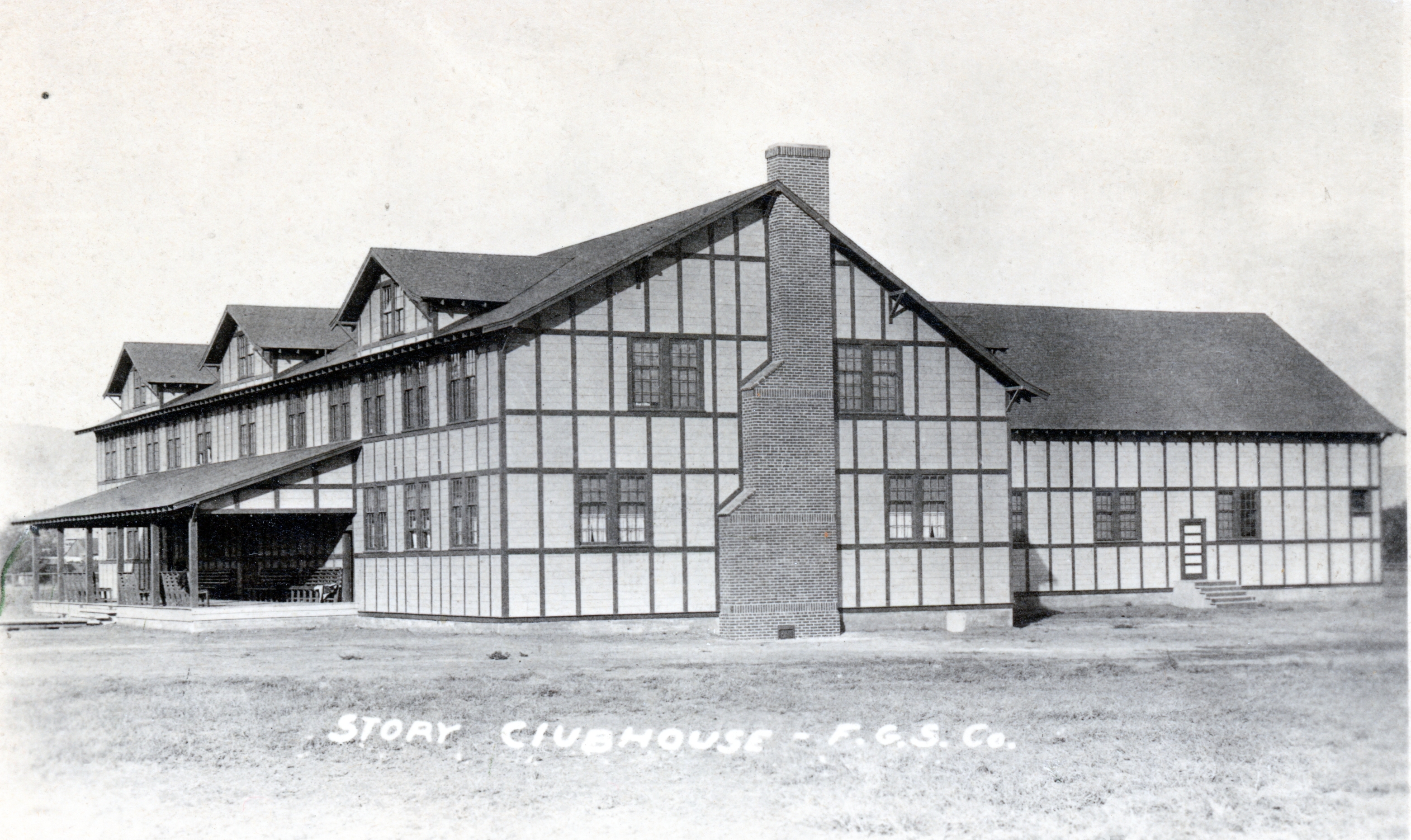
Story Club, 1924. Courtesy of Lola L. Tanner

The following is an account from the Lassen Mail about the local festivities. It included a dance held at Standish, at the Cindercone, which is still standing. The reference to the Story Club, is now the site of Susanville’s Riverside Park.

”Local residents ‘painted the town red’ here Monday evening to usher in the New Year with all the fitting and time honored customs and ceremonies.

”Three dances held, at Standish, the Commercial Hotel and the Story Club furnished ample entertainment to many while many private parties and ‘functions’ were organized to aid in the general whoopee. The public dances at Standish and the Commercial were well attended as was the more formal event of the Elks Ball at the Story Club.

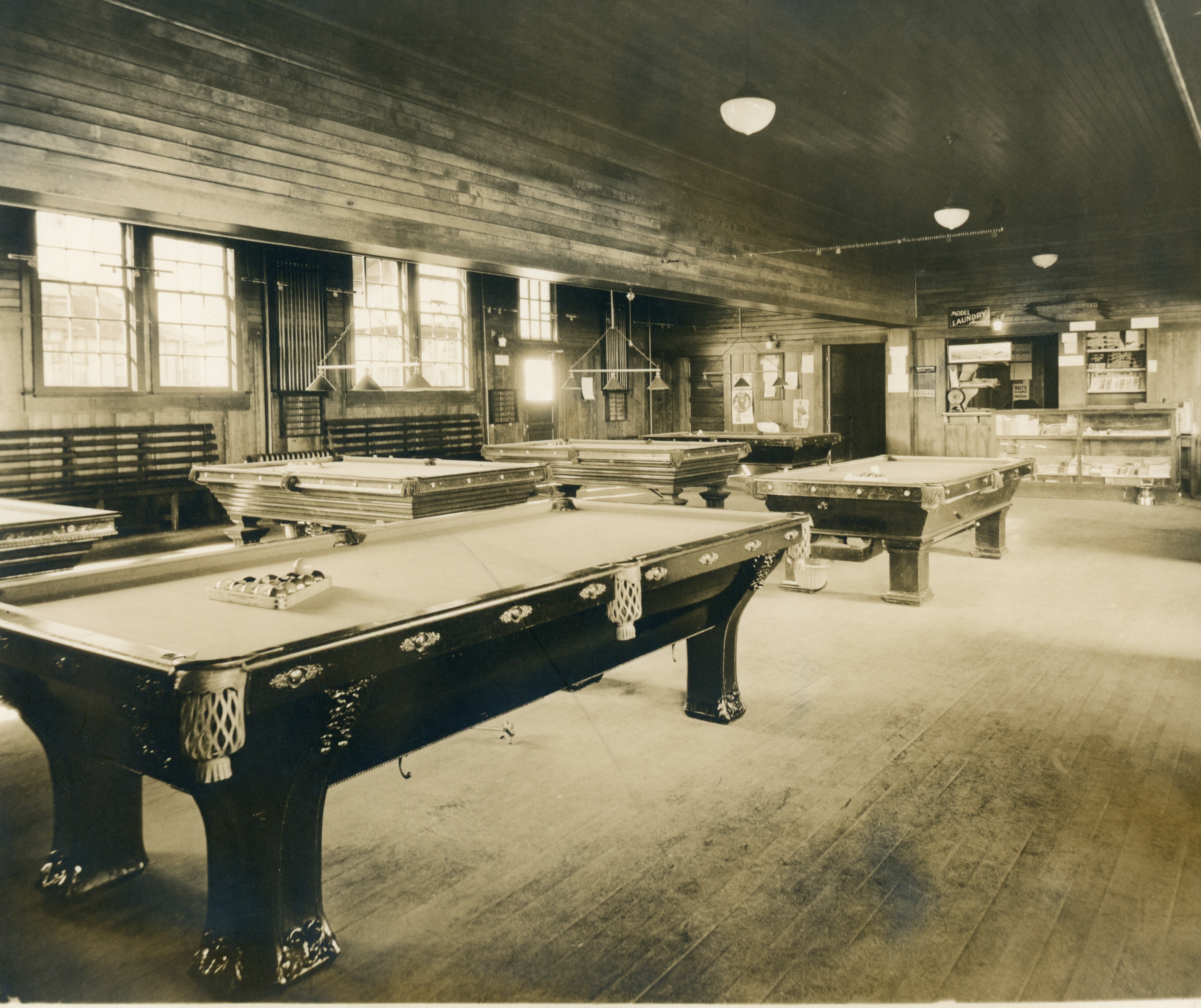
The billiard room, Story Club, Susanville, 1923. Courtesy of the Fruit Growers Supply Company

Revelers were still wandering the streets at six or seven o’clock New Year’s Day but belied the general impression by hanging up a perfect record for sobriety and safety as traffic records can testify.

“A number of ‘prominent citizens’ were overheard in expressions of relief now that the annual celebration is over with, now its time to go back to work.”

Tim

For The Record

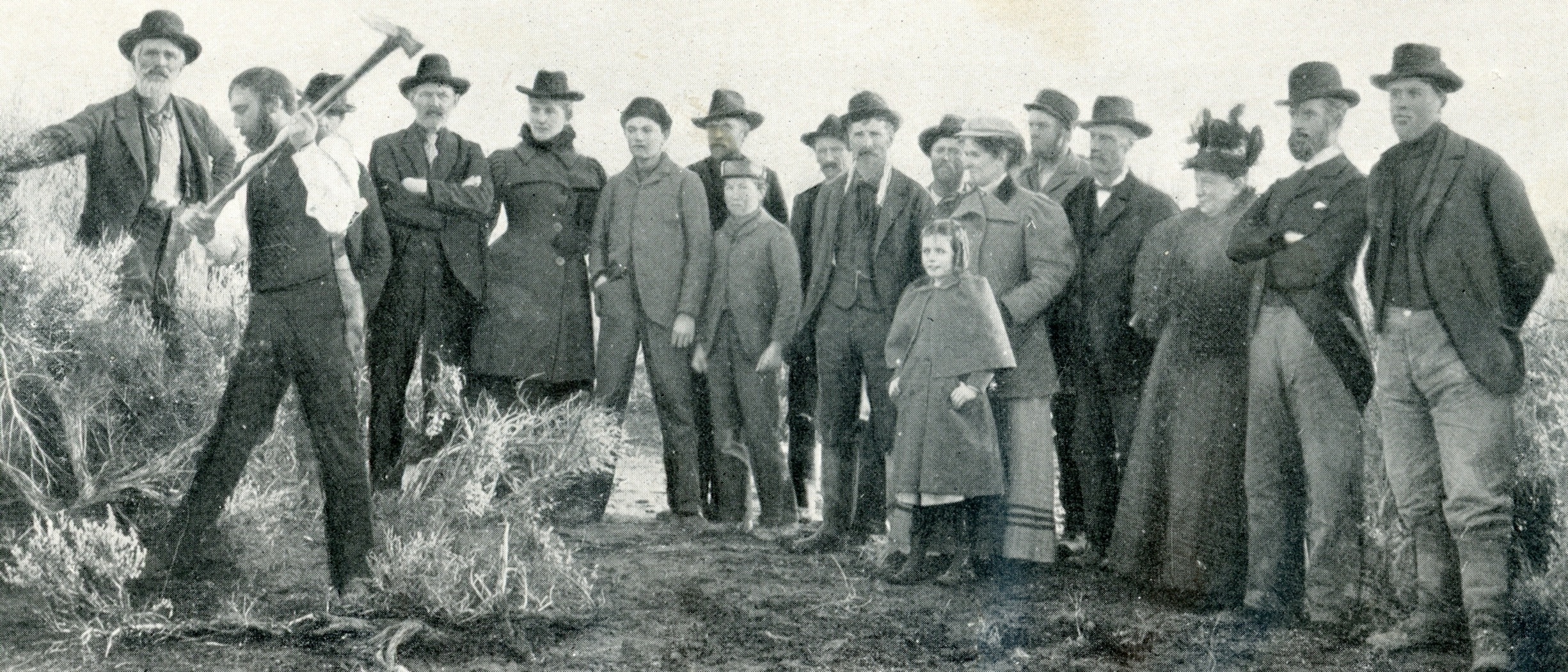
It being the second to the last day of the year, I little “housekeeping” is in order. While earlier in the year I wrote about the Standish townsite dedication held on February 5, 1898.  It was my intent to use the above photograph. Nancy Johnston Chappuis was able to identify nearly everyone of the ceremonial cutting of sagebrush at Standish. So for historical posterity here is that information.
Cutting the sagebrush is William E. Smythe. Standing behind left to right Ben Leavitt, Hi  McClellan, Gertrude McClellan, unknown, Jim Elledge, Homer McClellan, A.E. Torrey, Harriet Torrey, unknown, unknown, Mrs. Dunn, H.R.T. Coffin, and Robert Barham.

Tim

New Plymouth, Idaho

New Plymouth, Idaho, February 17, 2022–L. Downing

If Standish were to have a sister city, it would be New Plymouth, Idaho located in the Payette Valley of southwestern Idaho. Both communities had the same founder, William E. Smythe of the Associated Colonies of New York.

Established in 1895, Smythe noted the Plymouth Colony of Idaho will be the model of communities to be established hereafter. Its plan was made by the President of the Associated Colonies, with the co-operation of men of the largest practical experience in western life. Two years after its founding, the official head of Plymouth Colony writes, “We have not a single colonist who is discontented, or one who regrets that he located here.”

New Plymouth’s was a fairly successful venture. While its counterpart Standish was not. The Associated Colonies expended large sums at Standish and was forced into bankruptcy in 1901, thus ending the colony system.

Tim

Myles Standish & Standish California

The Cover of th 1897 brochure The Standish Colony in the. Highlands of California.

Since it is Thanksgiving,  how appropriate to note one of the best known pilgrims of yore-Myles Standish—for whom Standish, California is named for. The founders of Standish did not quite follow all the Puritan beliefs. They took a little here, a little there. The main goal was for everyone in the Standish community to be self sufficient. They noted in the above publication, what a standard diet consisted of from examining a bill of fare published in San Francisco. Every item on the menu for breakfast, supper (i.e. lunch) and dinner could be raised in the Honey Lake Valley, with the exception of coffee and tea.

Since this is holiday where food is an integral here is the menu for a typical supper (.i.e dinner) meal. Mushrooms and Sweatbreads in Chafing Dish; Cucumber sandwiches; Compote of Pears; Layer Cake; Cheese and Tea.

Tim

The Standish Utopia

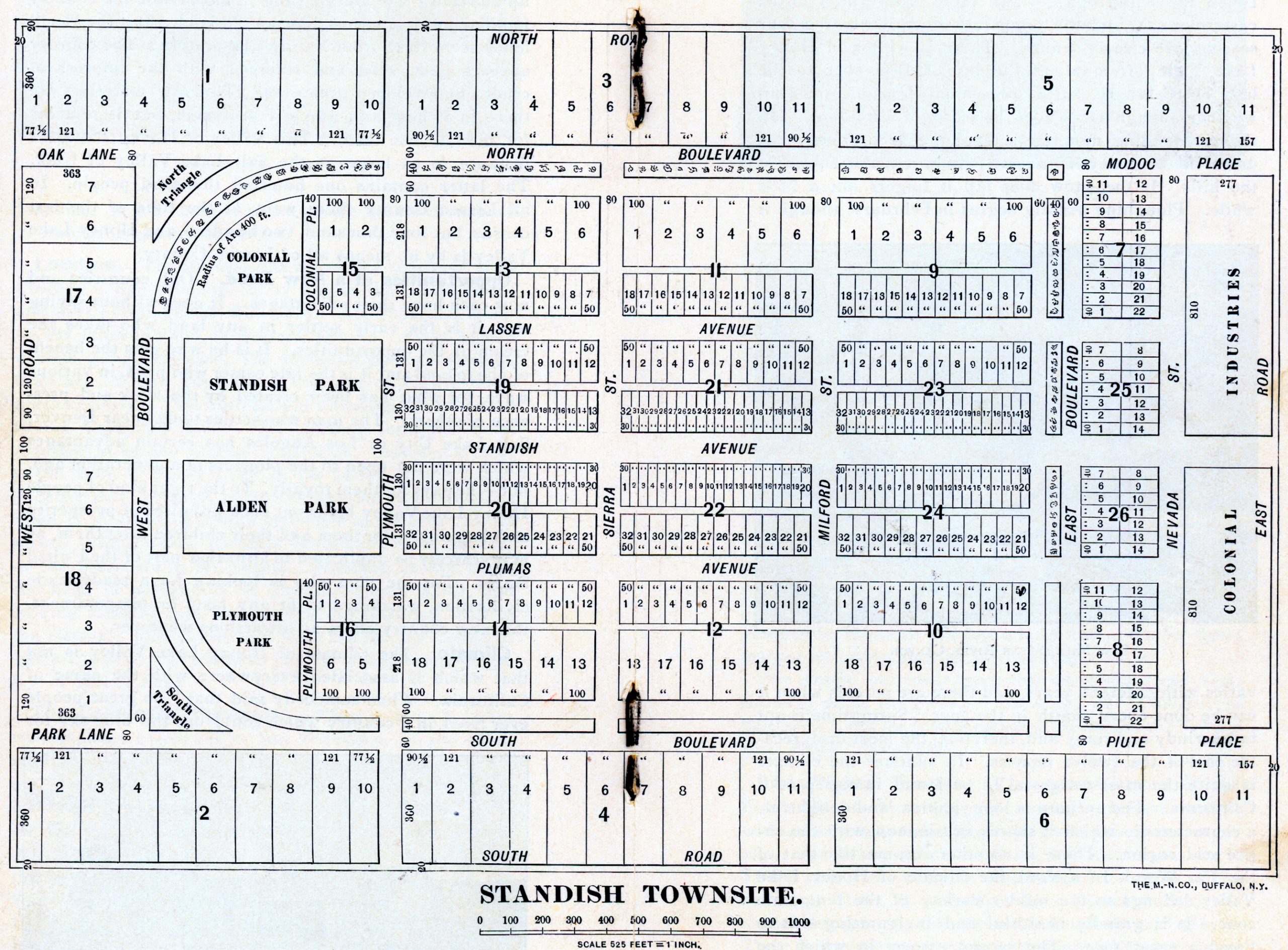
The Standish Townsite Map

The nation’s  colony movement of the 1890s gained great momentum with experimental communities—Greeley, Colorado is a prime example. The target audience to attract settlers were people who lived in the urban centers east of the Mississippi and the enticement of living in a healthier environment.

Associated Colonies of New York planned for Standish to be centered around what they referred to as the Farm Village. It was the concept of agricultural European communities, where everyone resided in a village and during the day ventured out to work their farm property. This is what the Associated Colonies referred to as the Blessing of Neighbors. Instead of living on an isolated homestead, far from a another soul, they believed in the immense benefit of the social interaction that a farm village would provide. In turn, with the village, this would create a school, library, social activities and so forth. Unfortunately, there were difficulties at Standish from its earliest years, which forced Associated Colonies to abandon this endeavor.

Tim

Chappuis Lane, Lassen County

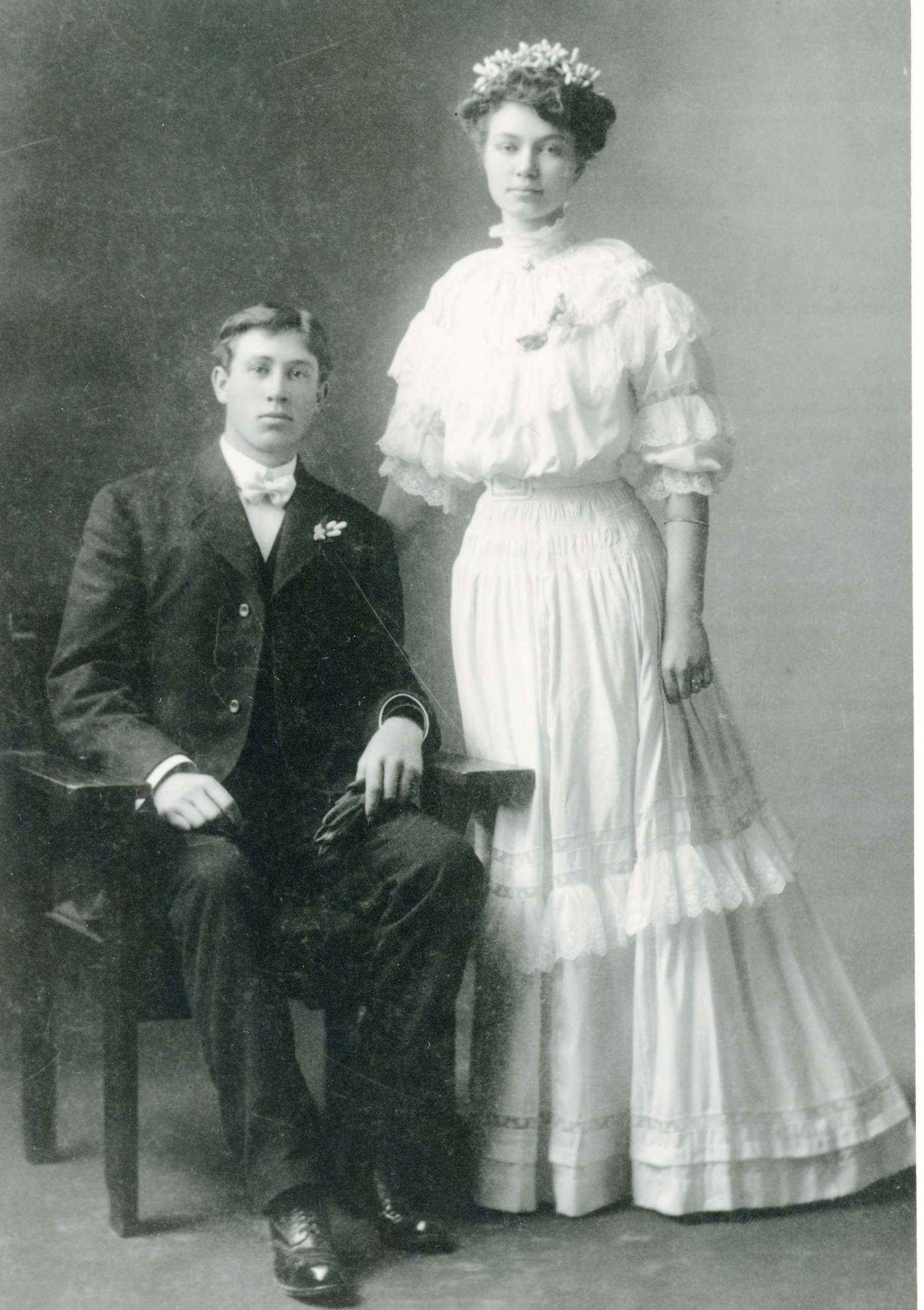
Ed & Nancy (Johnston) Chappuis, 1906–Betty B. Deal

Someone recently wanted to know who Chappuis Lane was so named. The Chappuis family operated a ranch along the Susan River, where the lane passes through.

In 1890, Frank Johnston filed a 160-acre homestead at that location and in 1893, moved his family there. In 1906, his daughter Nancy married Ed Chappuis. For many years it was known as the Johnston & Chappuis Ranch. After the passing of Frank Johnston in 1909, his Fred Johnston, along with Ed & Nancy Chappuis carried on. In 1951 the ranch was divided, with Nancy Chappuis retaining her father’s original ranch. Nancy and her sons—Evan, Ray and Leo—carried on for many more decades. (It should be noted that Ed Chappuis passed away in 1943).

Tim

Before Go Fund Me & Venture Capitalists

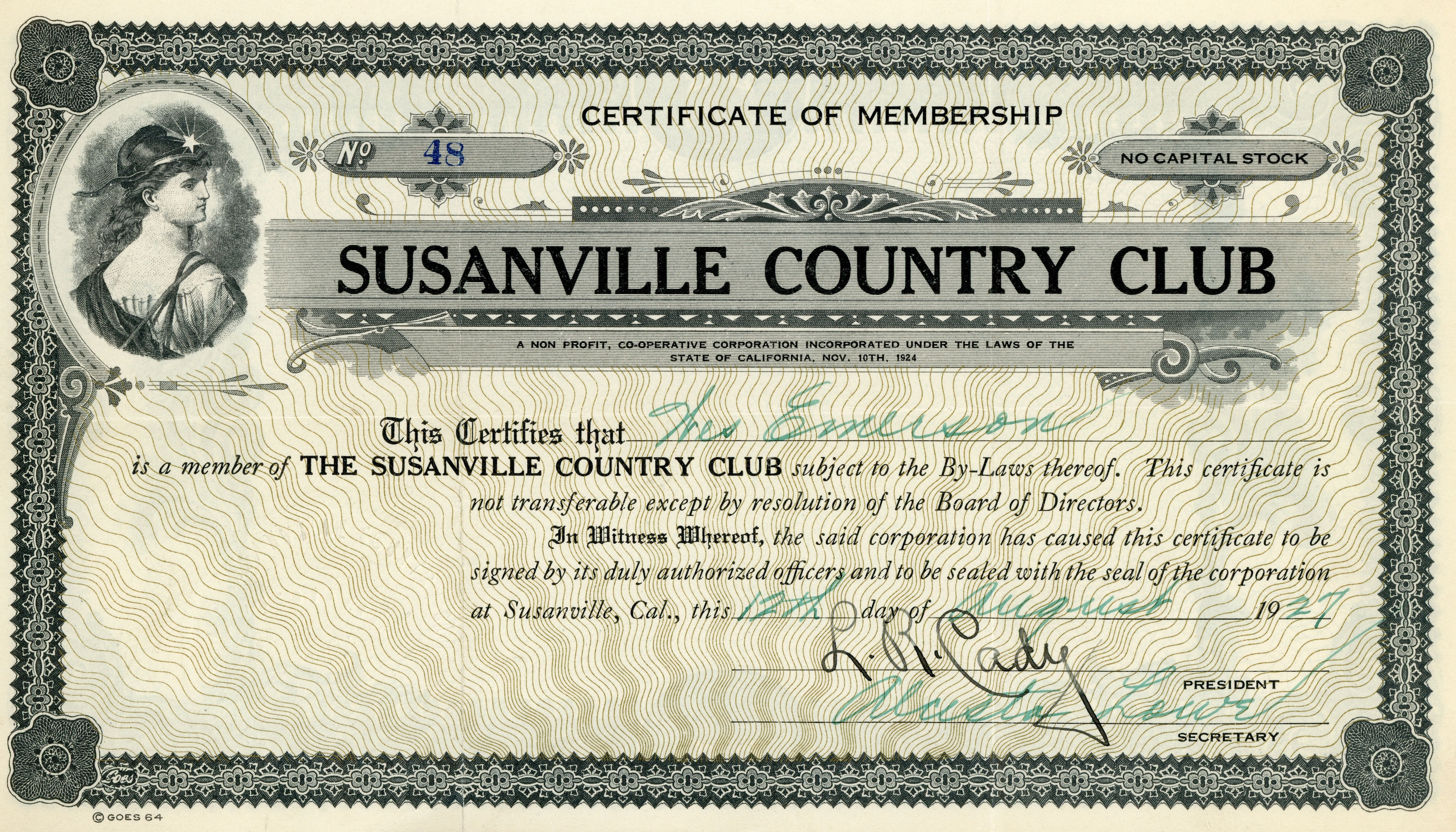
Stock Certificate issued to Wes Emerson

Over a century ago, it did not take much to form a corporation. Many of the Articles of Incorporation consisted of two pages. In the Lassen region numerous small companies incorporated and by today’s standards many would be deemed a non-profit. This was the preferred method then to raise money by the sale of stock. Some ventures succeeded, while others did not.

Take for instance in 1899 a group of local leaders formed the Susanville Hall Association. This they thought was needed since there were no public halls. It was their goal to sell $5,000 in stock. They did not succeed and their initial offering only netted $450.

Standish Hall
Stock certificate courtesy of Dick and Helen Harrison

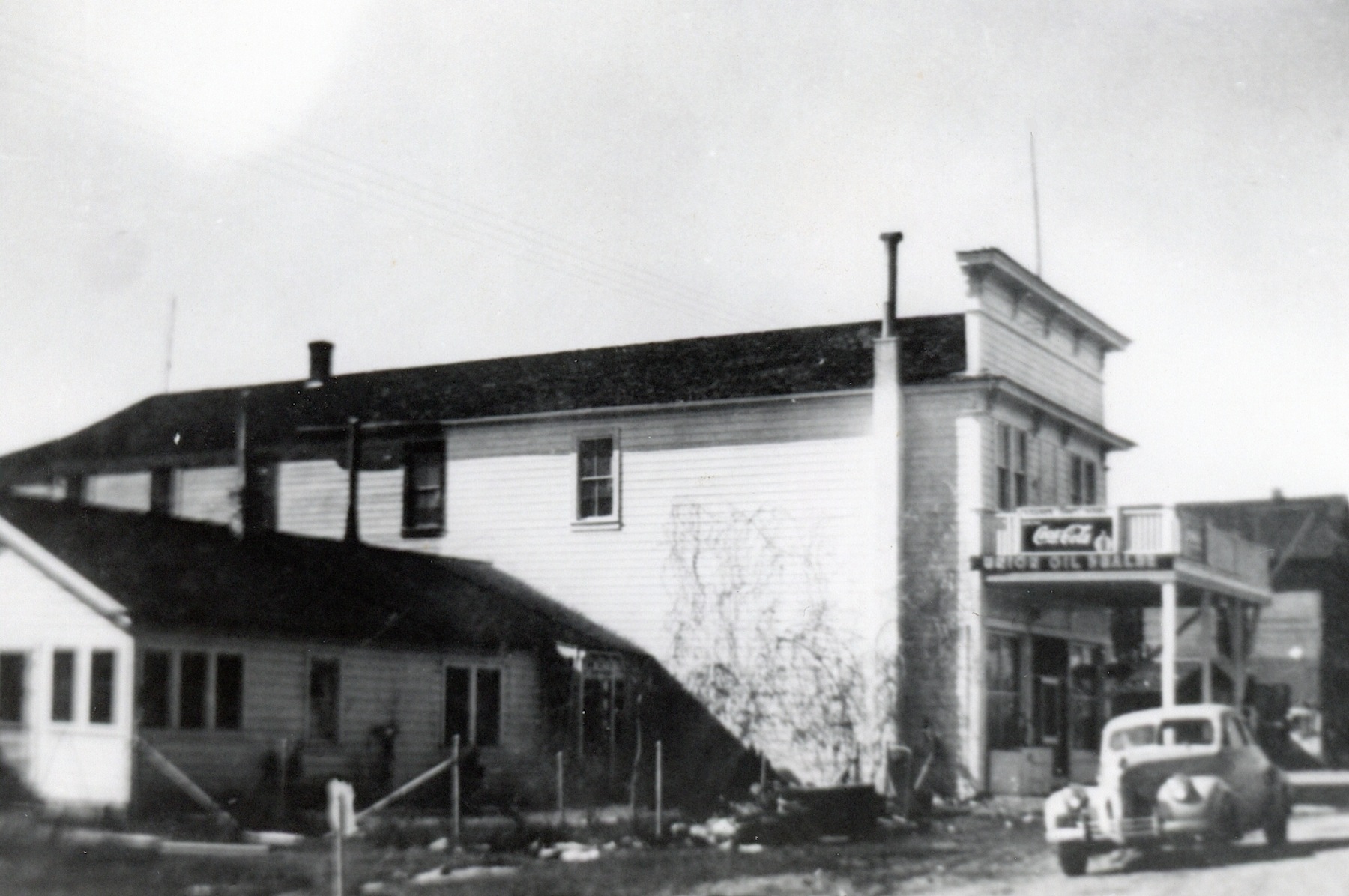
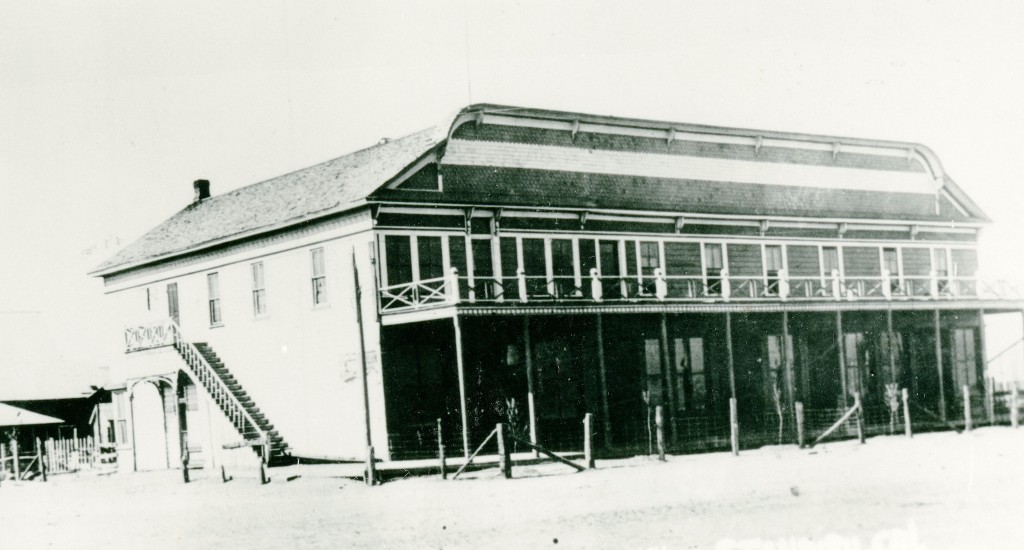
In 1908, the Standish Hall Association was successful. Seasoned residents will know the building as the former Neil’s Mercantile. It is the vacant two-story building on Highway 395 and to the west is the Wayside.

The Standish store, no date. Courtesy of Camilla Moody.

By the 1920s, the practice of forming small corporations was declining. The Susanville Country Club that purchased the Wingfield Estate was successful and then there was the Susanville Hotel Company, i.e., Hotel Mt. Lassen that turned into a messy affair.

Support

A Standish Entrepreneur

Standish, 1910–Esther McClelland

By 1900, Standish Colony was not developing the way the founders envisioned.  However, Buntingville merchant, Mike Phillips, from across the valley saw potential at Standish. He closed up shop there and moved to Standish.

Phillips first order of business was to open a store at Standish. Then he became the principal figure to organize the Standish Creamery. That was followed by building the town’s first hotel. When Phillips was at Buntingville he established a newspaper Buntingville Breezes. In 1903, he made an unsuccessful attempt to establish a newspaper at Standish.

In 1904, for reasons unknown, he sold his Standish properties. A.E. & Harriet Torrey bought the hotel. It should be noted that Harriet was Standish first postmaster. The creamery and store was sold to Susanville businessman Charles Emerson. Phillips relocated to Reno Nevada and never heard from again.

Tim