In the spring of 1892, residents of Amedee petitioned the Lassen County Board of Supervisors to establish a school. The Board denied it. Not to be defeated, the residents opened a private school in September with an enrollment of eighteen students. The residents again petitioned the Board to approve a new district. The Board granted it on January 27,1893, and appointed L.W. Brubeck, E.C. Brown and C.D. Hemmenger as trustees. Continue reading Amedee School, Part I→
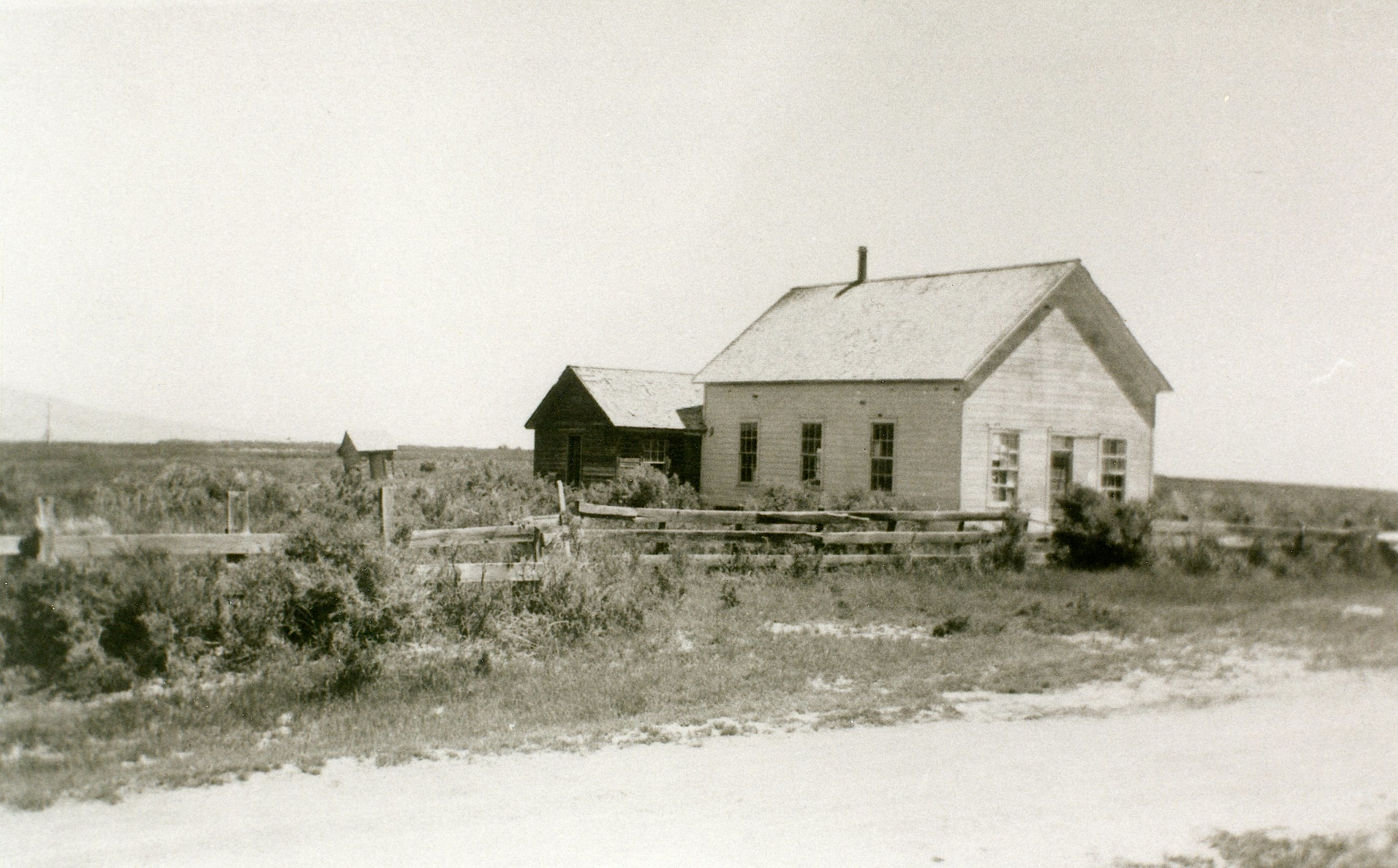
In 1916, the school was located on the Gibson/Haley Ranch and it was later relocated to Litchfield. On February 25, 1929, a $10,000 bond election was held to build a new schoolhouse at the Litchfield location and the bond was narrowly approved, 40 for and 37 against. The opponents retained an attorney, Ben V. Curler, to file a protest against the bond measure, the school district, and the County Board of Supervisors, the latter having had the authority to sell the bonds. The opponents argued that there were only 34 students and no prospect of any increase in student enrollment. In addition, they stated, the majority of the voters supporting the bonds were non-taxpayers and while most of the property owners favored a new building, they thought the proposed cost too excessive. On April 10, 1929, the school trustees and the County Board of Supervisors held a joint meeting to seek a solution. They agreed on a smaller school, only $6,500 in bonds was issued to construct the school. In 1951, Soldier Bridge, Standish and Bridgeport Schools were consolidated to form the Shaffer Union Elementary School District.
It is never too late, subscribe today and enjoy tomorrow with daily notifications. You can also surprise someone with a gift subscription
If you do not have any plans, you may want to attend the fundraiser for the Coppervale Ski Hill tomorrow, Friday, November 6 from 4-8 pm. It will be held at the Lassen Community College Cafeteria /Student Union, featuring a teriyaki chicken and rice dinner with a salad, roll and a drink as well as live music, door prizes, a raffle and a silent auction. The auction will have prizes that range from boat rentals to wakeboarding, skiing lessons and a homemade bench made of old skis.
All proceeds will help keep Coppervale open. Tickets are available at the LCC Student Union or at Margie’s Book Nook. The cost for this event is $12 for adults and $8 for children $8. For more information, please call Norm Wilson at (530) 258-7635.
P.S. If you want to know the history behind Coppervale it can be found in Volume 4 of the Red River Series, which includes the history of the roadhouses between Susanville and Westwood.
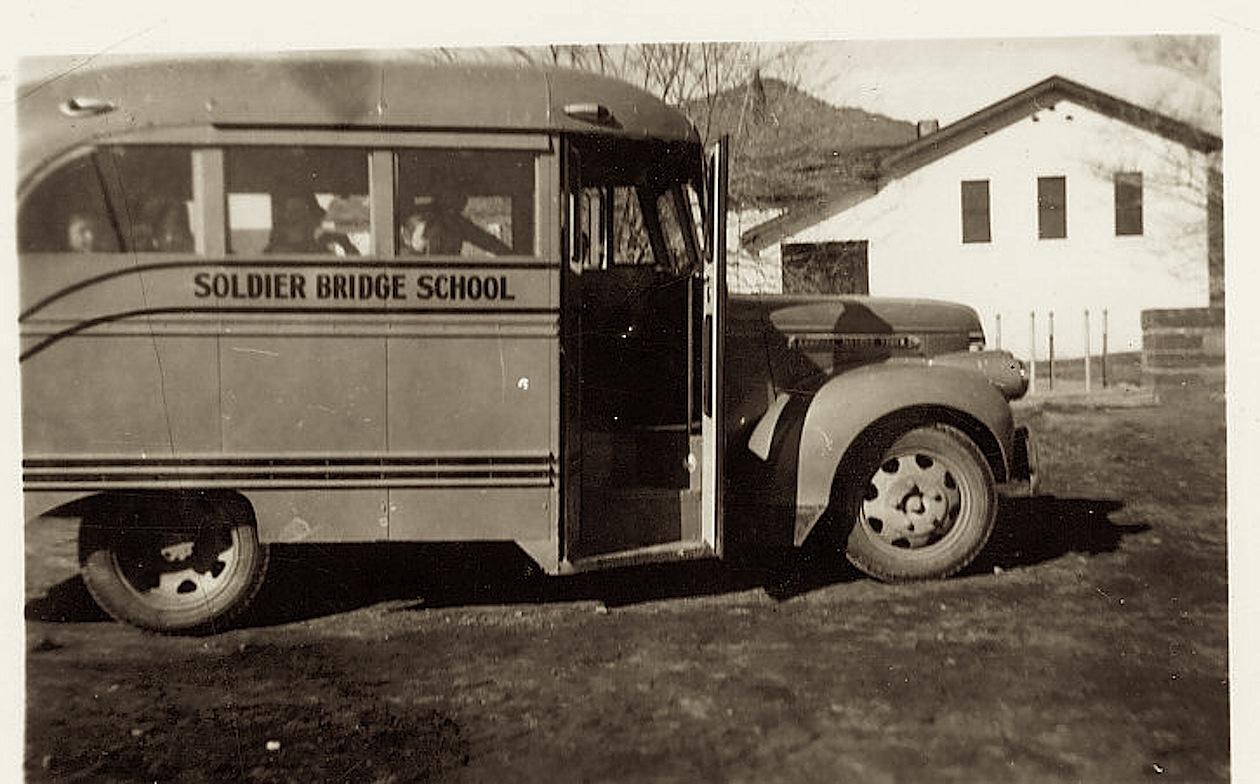
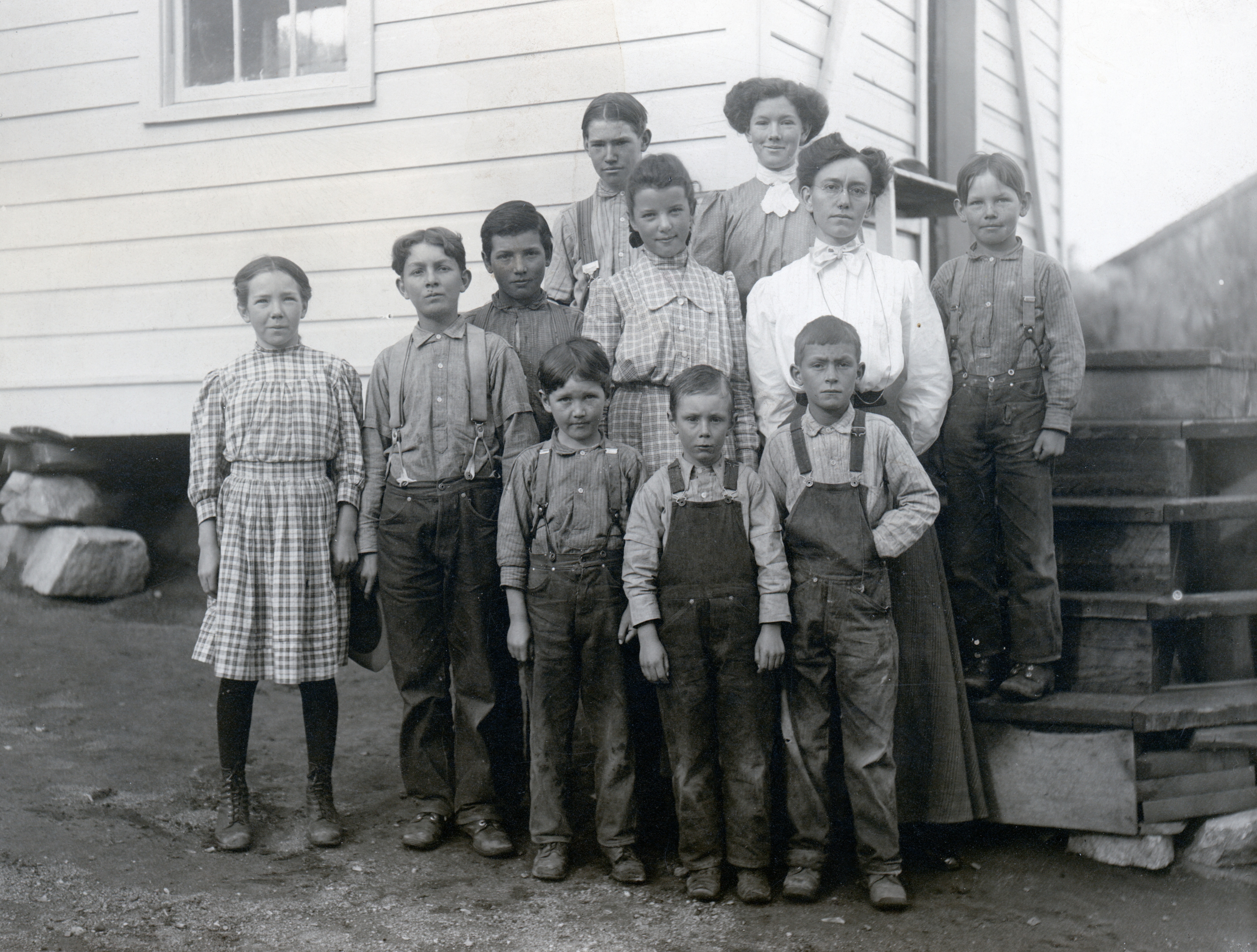
Soldier Bridge School, DeWitt, California. Courtesy of Franklin Dill.
The Soldier Bridge School was located a short distance from the present day Fleming Unit, of the California Department of Fish & Game. The district was established in March 1865 from a division of Susan River (Johnstonville). The first classes were held in the fall of 1865, with Miss Lurana Walker as instructor. In 1883, George W. Fry donated the land where the school had been built. At that time, Honey Lake Lodge #358 of the Independent Order of Good Templars was established and a hall was constructed next to the schoolhouse.
It is never too late, subscribe today and enjoy tomorrow with daily notifications. You can also surprise someone with a gift subscription.
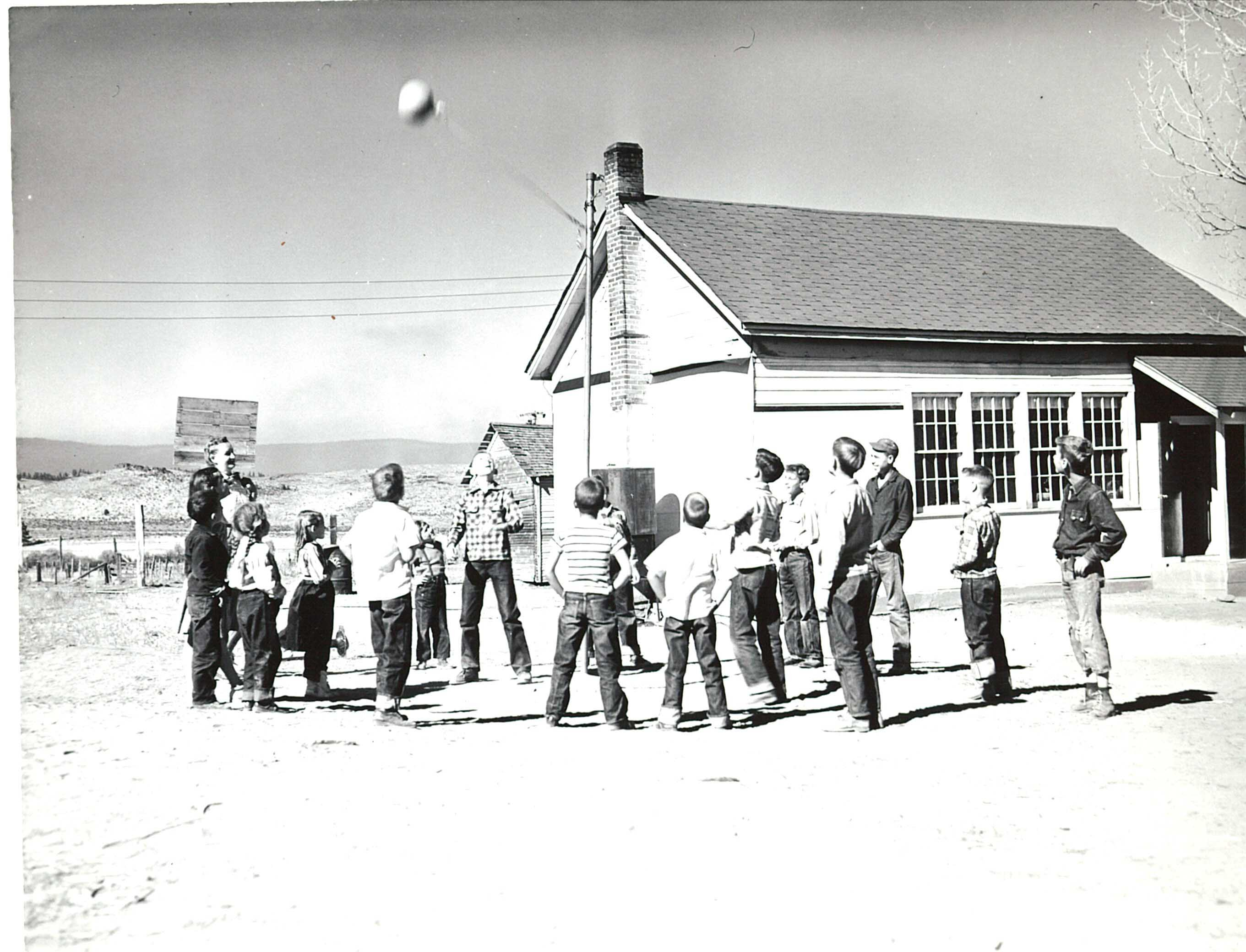
Richmond School, 1965. Courtesy of the Lassen County Office of Education
One of the original six school districts established in 1864. The first classes were held in Shaffer’s warehouse. In 1865, the first schoolhouse was built through the efforts of Margaret Streshly and Mary J. Drake, who solicited donations of both building materials and money for furnishings. Continue reading Richmond School→
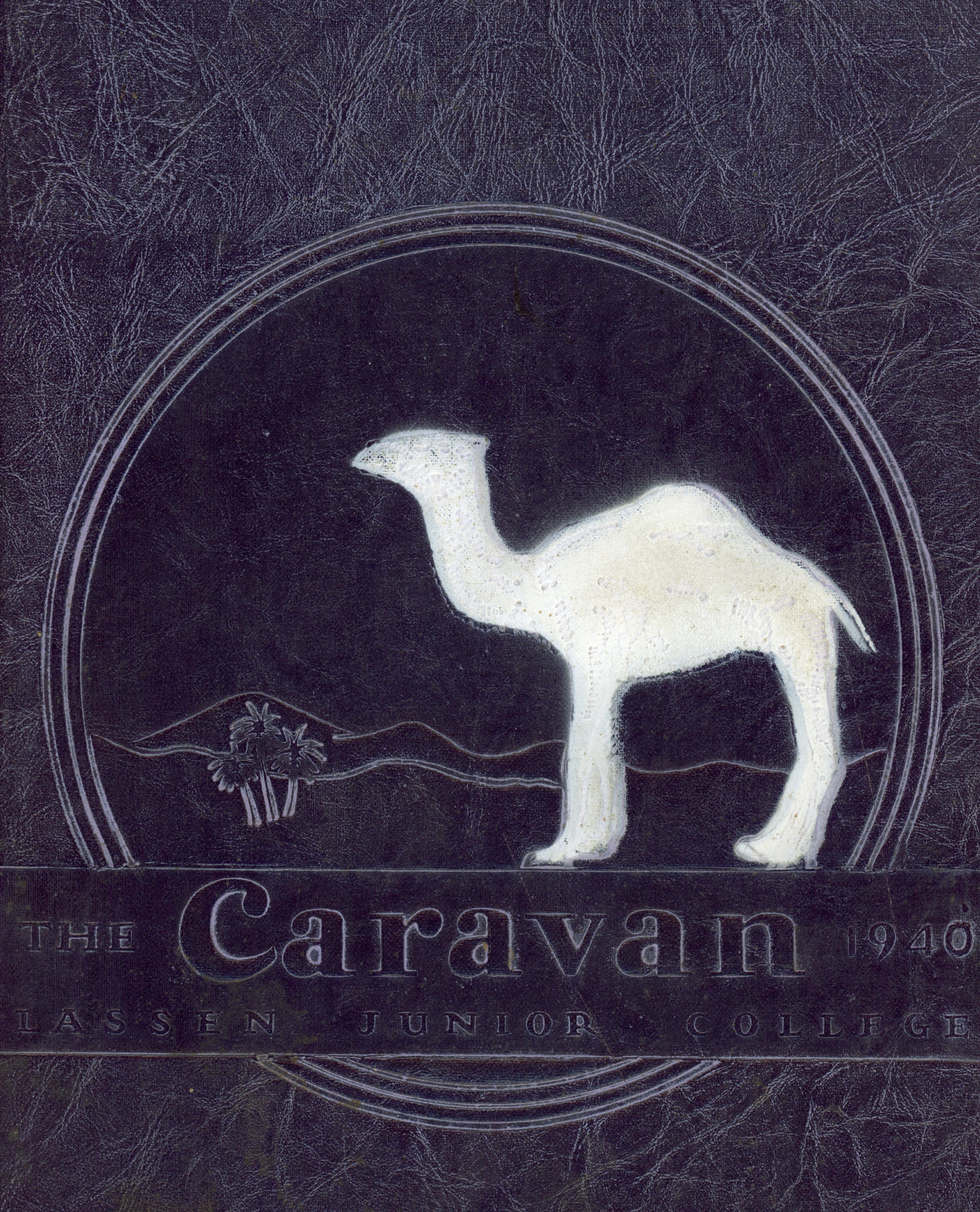
The following account is by Neil Wemple, who graduated from Lassen Junior College in 1938: “The story of the camel as mascot for Lassen Junior College is a bit unlikely and interesting and its goes like this. I had thought the selection of the camel had been the work of some of the “old grads” back in the late twenties. Someone had told me this, but it was not so. So I was determined that it was so and when I came upon the truth I could scarcely believe the results of my own research efforts. I wrote many letters, made many phone calls, studied many LUHS and LJC publications and was very embarrassed to discover that the evolution and adoption of the camel came about in my first year at Lassen Junior College in 1937! The advice and efforts of Bud and Don Cady, Adelene and Abe Jensen and my sister Deese Theodore lead me to Frank Rice and Phil Hall, former Lassen Junior College Forestry students who knew the answer. I was finally able to find some old publications which made the first mention of the camel in March of 1938. Frank Rice states that the camel began in 1937, and I know when I entered Lassen Junior College in the 1936-37 year we were called the camels. Continue reading Lassen College Camels→
It was established in May 1883, from a division of the Lake and Milford School Districts. It was conveniently located halfway between those two schools. The bulk of the student population were from the Raker, Clark and Decious families. Though the Wales, Wilburs, Lindsay, Fisher and Grass also contributed to the student population. Like so many rural schools in 1920, the enrollment had declined to such an extent it was closed. In 1922, with no indication that the school would be resurrected, it was annexed to the Lake School District. The school was torn down in February 1926.
Subscribe and support this site for as little as $4.17 a month.
Mapes Ranch, 1906. Courtesy of Madelyn Mapes Dahlstrom
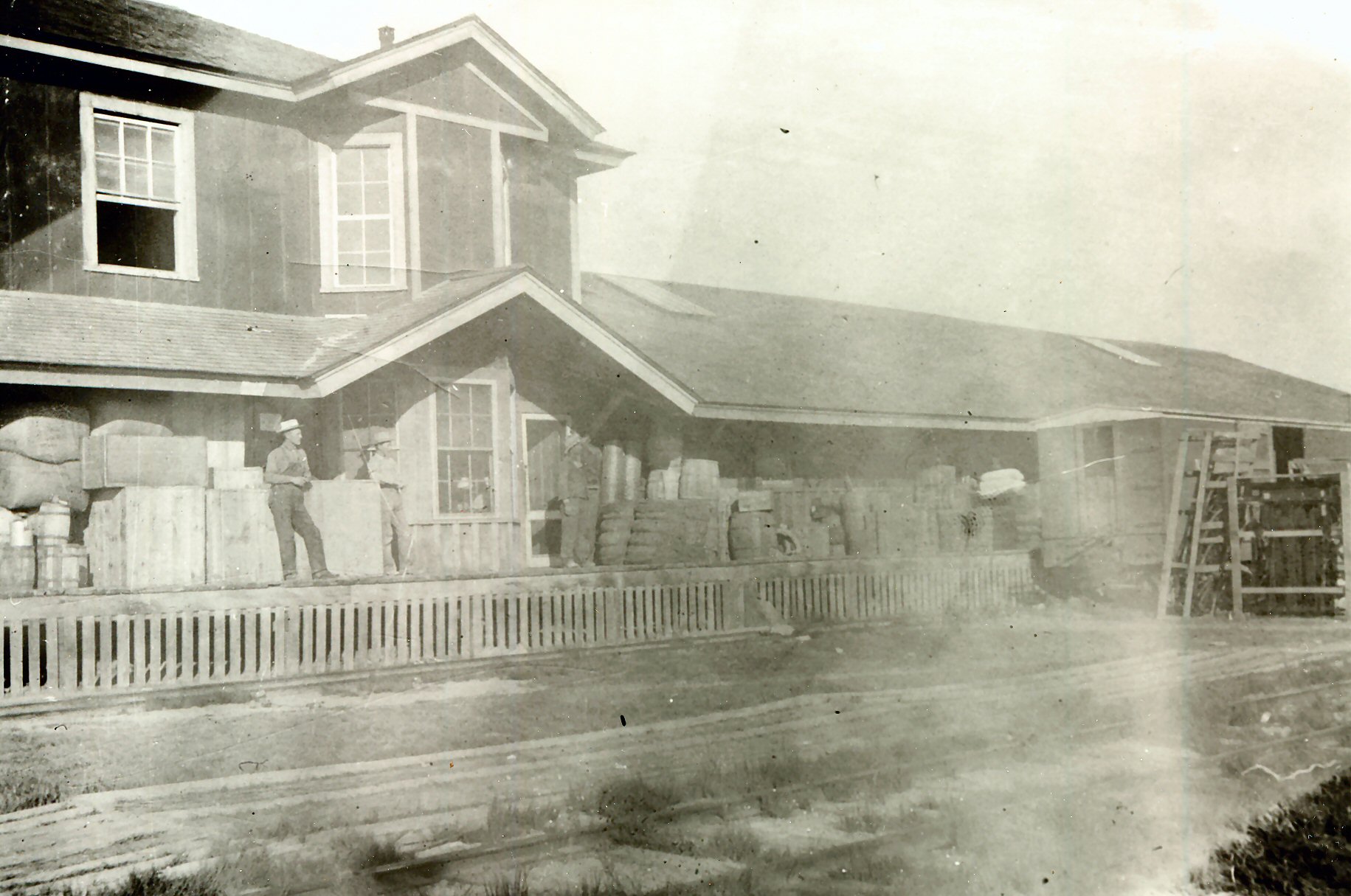
Known today as the Mapes Ranch, located four miles east of Litchfield. In June 1859, George W. Lathrop and Thomas J. Harvey claimed 1,280 acres there. Located adjacent to the Susan River and the Nobles Emigrant Trail, it quickly developed into a station for travelers. On September 8, 1862, Lathrop sold this place to Uriah and James Shaffer for $4,250 and then the place was called either Lathrops or Shaffers Station. By 1863, it consisted of Shaffers station/trading post, Henry Lomas’ cabin and blacksmith shop, and a house belonging to Wilmans & Bass. At this same time, traffic along the emigrant trail increased dramatically as it was the shortest route to the mining discoveries in Idaho and Northwestern Nevada. With bright prospects, the residents plotted out a town and a name was needed. The place was best known as Lathrops. It was decided to name it Lathrop City. Henry Lomas, the “city’s” blacksmith recalled years later that the name was “Just too much for the town and it died a natural death.”
The Shaffer Brothers did not have much success, as by 1868 with decreased traffic with the transcontinental railroad and the nation’s economic depression they were forced into bankruptcy. Thomas French and Andrew Litch purchased the ranch for $2,500. The Shaffer’s lasting legacy is a mountain and a school that bears their name.
Subscribe and support this site for as little as $4.17 a month.
Willow Creek Valley School, 1886 is a Orley Dunham photograph
Orley and Murry Dunham were photographers in the region during the 1880s and 1890s. They both started in Plumas County. Orley married Maggie Ford, a member of a Indian Valley pioneer family. In 1886, Orley opened his studio in Susanville. During that year, he took a number of photographs of the Lassen County Schools. He left Susanville in 1891,to work for a large photography studio in San Francisco. Continue reading Dunham Photography→
The first McKinley School was built in 1920 and located on Cottage and South Gay Street, on the same lot that the former Washington School, nee Credence was located.
Yet, it was the Washington School that was built in 1900 that time had taken a toll on the structure. In 1947, the Susanville School District were concerned that it would not pass a number of safety codes. The following year the building was condemned and the district was concerned McKinley, too, would suffer the same fate. The District now had the daunting task to find funds to replace the two schools. The State of California determined that the District was determined “distressed” and was eligible for $341,065 in funds. It was decided to create two neighborhood schools, and McKinley was located to Fourth Street. The new school building opened its doors in May 1950.