Tag Archives: Red River Lumber Company

Clarence Falegar, A Tragic Tale

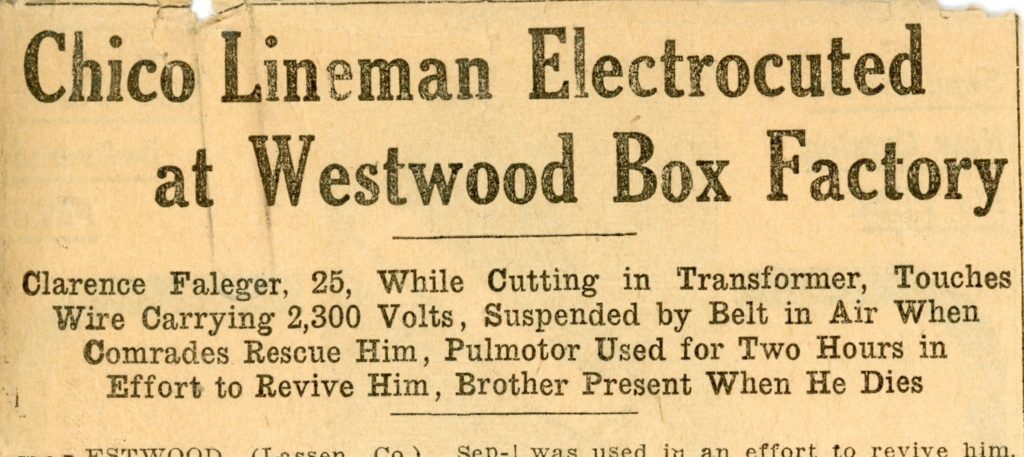
Chico Newspaper headline

The Red River Lumber Company archives in Minnesota provides a wealth information on so many topics. Of note, the kept interesting records and observations about logging/sawmill operations throughout Northern California and Oregon.

One area where company officials “Whitewash” is that of industrial accidents. After all, it should be duly noted especially in that era, logging and sawmill operations were very dangerous occupations. Of course, in company records, invaribly the employee was at fault.

A perfect example is that case of Clarence Falegar. On September 7, 1916, Fletcher wrote: “Day before yesterday while one of our electricians was at work on a high voltage line, 2300 volts, he got a hold of a live wire in each hand causing a dead short through his body, killing him instantly. He was a young fellow by the name of Clarence Falegar who was raised on the Falegar Ranch in Falegar Gulch of Mountain Meadows, had had been at work for us a couple of years. He was 23 years old, single, has a brother working here and his Father lives in the Sacramento Valley, I believe. This make, as I recall, the 13thman to be killed on the construction and operation of this plant in three years, which is a pretty heavy price for the lumber and development of the plant, but I do not know how any one of the accidents could have been avoided as long as we have the element of heedlessness, carelessness and disregard for ordinary precaution along with the element of accident.”
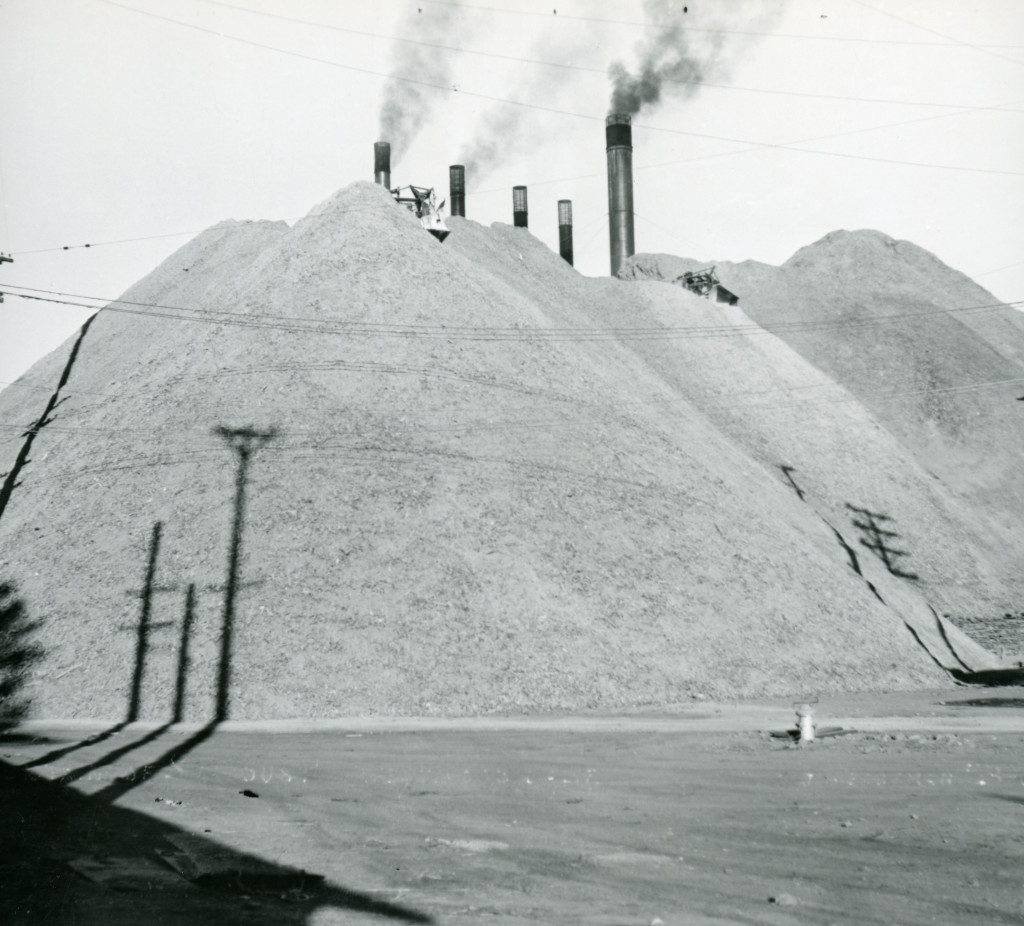
Red River’s Saw Dust Pile

In the mid-1920s, Red River Lumber Company had two hydro-plants in operation to generate power for Westwood. This abundant power supply created an unusual man-made landmark. Red River was able to conserve its sawdust/wood waste pile, which took on a life of its own as it started looking like a small mountain. This created a nice reserve of free fuel that was readily available at any time should there by interruptions from the hydro-plants. To comprehend just how large it was, a Ripley’s “Believe it or Not” column once designated it as the world’s largest waste pile. In 1941 it lost its status to Portland General Electric Company who reported having a 130-foot high pile of sawdust. Continue reading Red River’s Saw Dust Pile

Westwood’s CIO Building

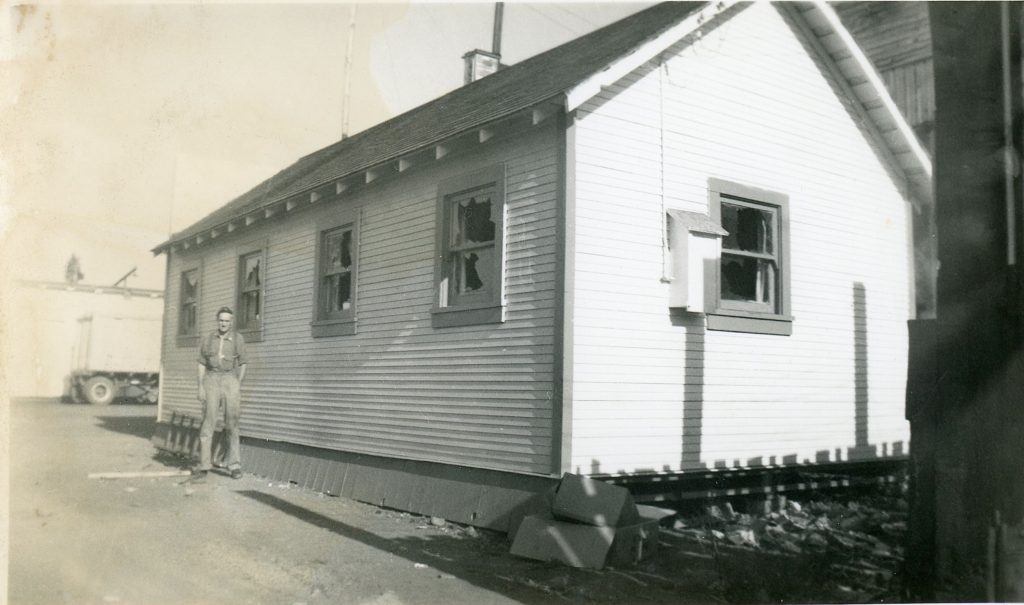
CIO headquarters. Courtesy of Frank Davis

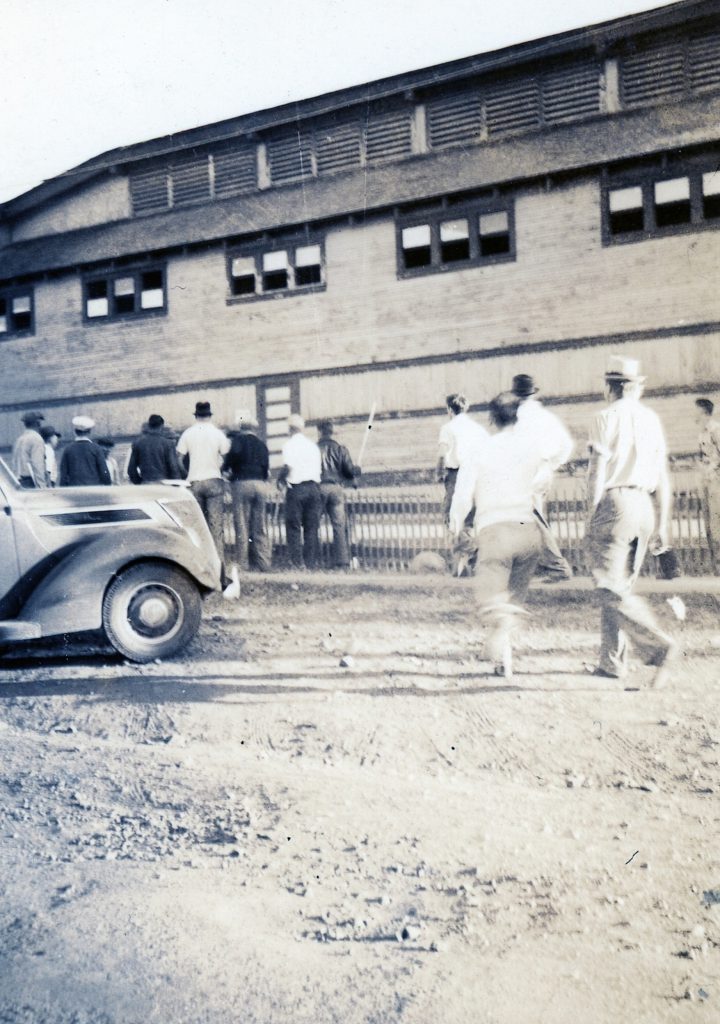
After the rioting broke out from the court hearing a small group of CIO sought shelter in their building, (it being a small structure measuring 16 by 24 feet). It was only a matter of time that angry mob would descend. Aid arrived in the nick of time before matters got completely out of control with Lassen County Sheriff Olin Johnson and his deputies. Johnson had Jack Granger, a respected AFL member, be his spokesman. Granger’s is plea to the angry mob stated: “Fellows I ask you on behalf of Sheriff Johnson and those women and children in the building to open way and let them be taken out of here. We are aware of the hysteria that got us all and there is no thought of fear. Let’s play ball with the Sheriff.” The mob obliged and all those inside—29 to be exact—were escorted unmolested from the structure by the sheriff deputies. It was still a harrowing experience as the crowd had slashed the car tires of the sheriff deputies and they had to drive away on the rims!

The AFL resented the CIO headquarters; many considered it a symbol of the labor problems of Westwood. Exactly what the AFL’s intention were was anyone’s guess. Once the evacuees were escorted out of the building, the mood of the crowd changed and then someone yelled, “Let’s do something.” Within in moments, the American flag on top of the building was lowered. Then in a wild frenzy the mob began dismantling the building. Within thirty minutes it had been reduced to rubble.

Tensions between the two labor groups would continue for years. Even after the AFL in a 1941 special election to become the sole union to represent Red River Lumber Company employees, resentment lingered with many CIO’s for decades.

The Westwood Riot

Fourth Street, Westwood, March 2, 1939. Courtesy of Bill Ashenhurst

The Red River Lumber Company faced many issues during the 1930s at its Westwood operation. Two major factors were finances and labor. Two labor unions were involved, first the Congress of Industrial Organizations (CIO) followed by the American Federation of Labor (AFL). Initially, the two groups appeared to be on the same page in demanding wage increases. By 1939, that was no longer the case, as there were friction between the two groups.

The anxiety between the two, especially the AFL, worsened while the men grew impatient from being idle during the weeks passing in February during a strike and blamed the whole situation on the CIO. It was just a matter of time when the situation would once again become volatile. What ignited the spark is not clear, though one account stated it started with an encounter between Marjorie Scott, wife of a CIO and Earlton Shannon, the business agent for the local AFL. Scott, according to one account, made some insult to Shannon in front of the post office and Shannon retaliated with some extreme vile and abusive language. He also advised her to get into the car with her companions for her well-being. So incendiary were his remarks that it warranted his arrest.

On March 2, 1939, a preliminary hearing concerning Shannon’s behavior was held in the Westwood Justice Court to determine whether there was sufficient evidence bind him over to the Superior Court for additional charges. After Judge J. M. Lamson adjourned the hearing is when the chaos began. The courtroom was crowded with spectators. After the adjournment, a fight broke out between Ben Nissen (CIO) and Riley McComas (AFL). From this other fights erupted; some fifty or more were reported and the crowd slowly worked their way down Ash Street, to the CIO headquarters next to the Westwood laundry.

To be continued tomorrow.

Butt Lake Donkey

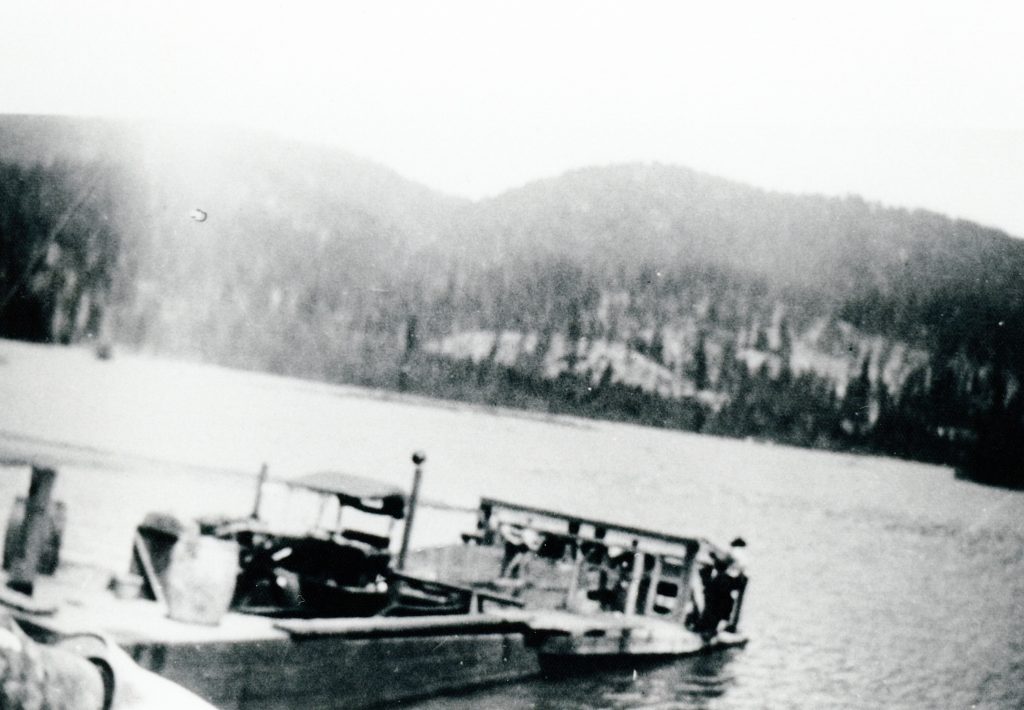
Not sure what kind of water craft this was on Butt Lake in the 1920s, when Roy Rea, a Red River employee, who took the picture.

Cheers to those creative types who who think outside of the proverbial box. In 1925-26, the Great Western Power Company, forerunner to PG&E constructed a reservoir at Butt Valley to the west of Lake Almanor, expanding its hydroelectric system. When Great Western constructed Lake Almanor in 1914, it had entered into a contract with the Red River Lumber Company to log and remove trees from the reservoir site. A similar arrangement was done for Butt Valley.

Red River abandoned its traditional logging methods for this project. By January 1926 Red River had felled 16 million board feet of timber in Butt Valley, and now waited for the spring run off to fill the newly created reservoir. To retrieve the logs, Red River built a huge raft to float a steam donkey engine to do the job. As an observer remarked of the “ocean liner,”  that contained 61,000 board feet of logs bound together by cables, that after it served its usefulness, it was dismantled and the logs milled.

Subscribe

Exploring All Angles

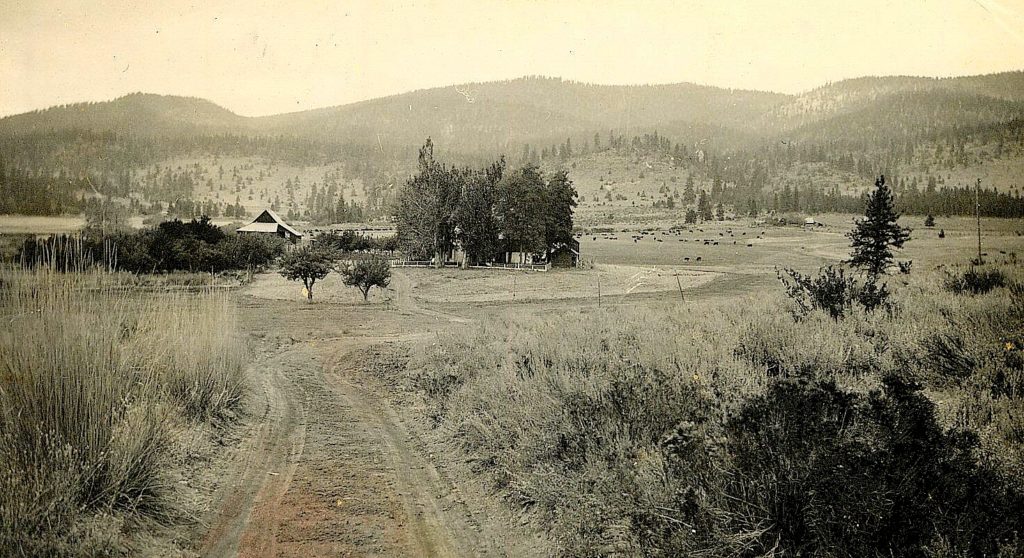
Known today as the Susanville Ranch Park, for many years it was the John T. Long Ranch.

In the spring of 1913 when the Red River Lumber Company was busy constructing the company town of Westwood, there was a lot of resistance to its location. As a matter of fact, Fletcher Walker was the only person that liked that site.

This, of course, greatly disturbed T.B. Walker, the family patriarch. After all, the California operation, was designed with the intent that it would be completely operated by his sons. In attempt to keep harmony in the family, T.B even scouted out several different locations while construction of Westwood was in full swing. One site in particular that caught his attention was the John T. Long Ranch just northwest of Susanville—known today as Susanville Ranch Park. One of the key componets for the site, was that it have an ample water supply.  T.B was not sure if Piute Creek and nearby Bagwell Springs would be sufficient. With that in mind, in a memo dated March 17, 1913 T.B wrote: “Water could be pumped from Gold Run, a distance of probably not more than three or four milles to reach our mill site. This was can be piped underground in wooden pipes banded with steel bands, that costs much less than iron pipes and stand a still greater pressure.”

Subscribe

Lassen Airplanes?

During World War I witnessed an increased demand for airplanes for the war effort—a first. The preferred wood was the Sitka spruce found along the coastal regions of Oregon and Washington. There were numerous problems associated with not a only a limited supply, but problems with labor unions in that region.

In January 1918, a representative from the war department arrived  in Westwood for purpose of selecting sugar and/or yellow pine timber for building a fleet of government airplanes. Early tests indicated that California pine was superior to Oregon fir for the purpose intended. The government official was to select 300,000 board feet of Lassen County timber to be processed by the Red River Lumber Company.  Whether this transpired, the record is not clear, due in part of the censorship of certain types of news during the War.

Donate

T.B. Walker’s Philosophy

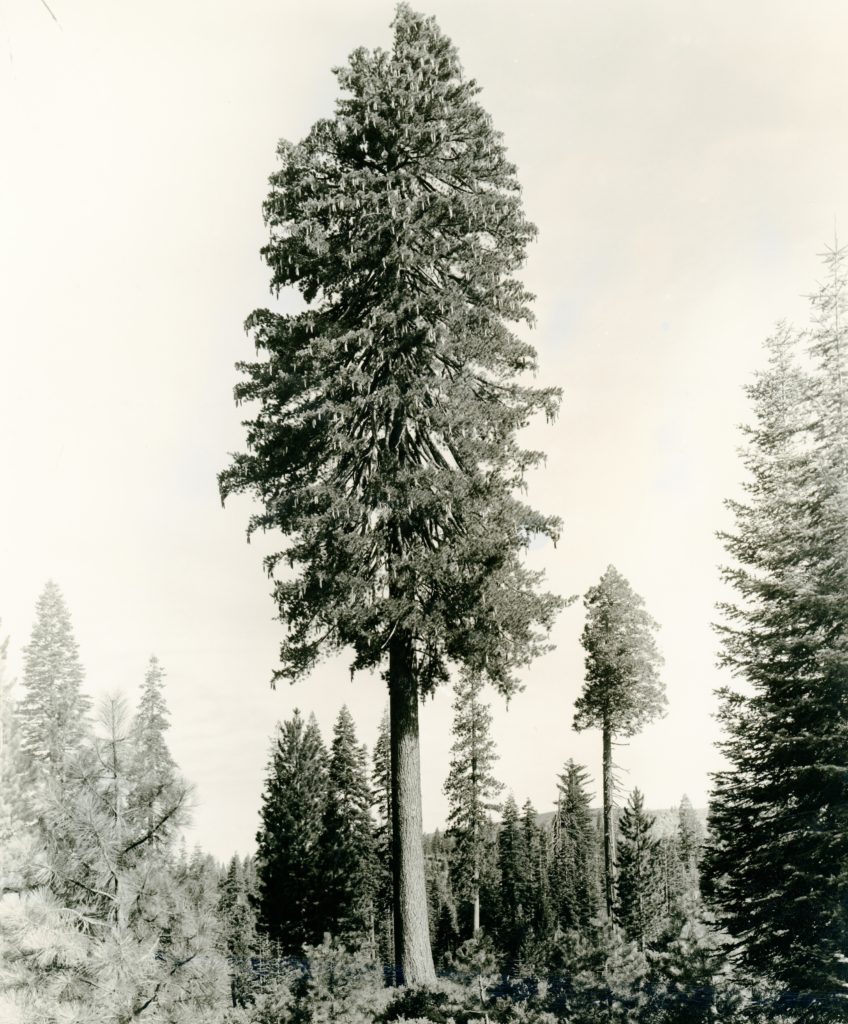
In the early 1900s, whenever Red River Lumber Company’s founder, T.B. Walker, made an appearance in California it drew widespread attention. This was especially the case as he acquired more and more timber land and speculation was rampant. In 1909, on a visit to Redding , Walker visited with the local press. He stressed one of biggest obstacles he faced was the lack of railroad access to his vast holdings. However, he provided the following insight of his future intent:

“I will make my timber a perpetual resource of Shasta County, and I want to have the people with me. When I begin to manufacture lumber, my saws will cut timber only as fast as nature reproduces it.” This, of course, raised the question, why he did not take the same kind of action in Minnesota. Walker explained, “Conditions are far different in Minnesota. There the excessive taxation forced me to cut the timber as fast as possible. Minnesota land is worth considerable for agricultural purposes after the timber has been cut off, though it is not so valuable as was first estimated. In Shasta County the timber land is not worth 50 cents an acre after the timber is cut off. It is really more valuable for grazing purposes with timber than it would be without timber.” In conclusion, Walker noted that he can conserve the timber supply better than the government.

Donate

Paul Bunyan Statues

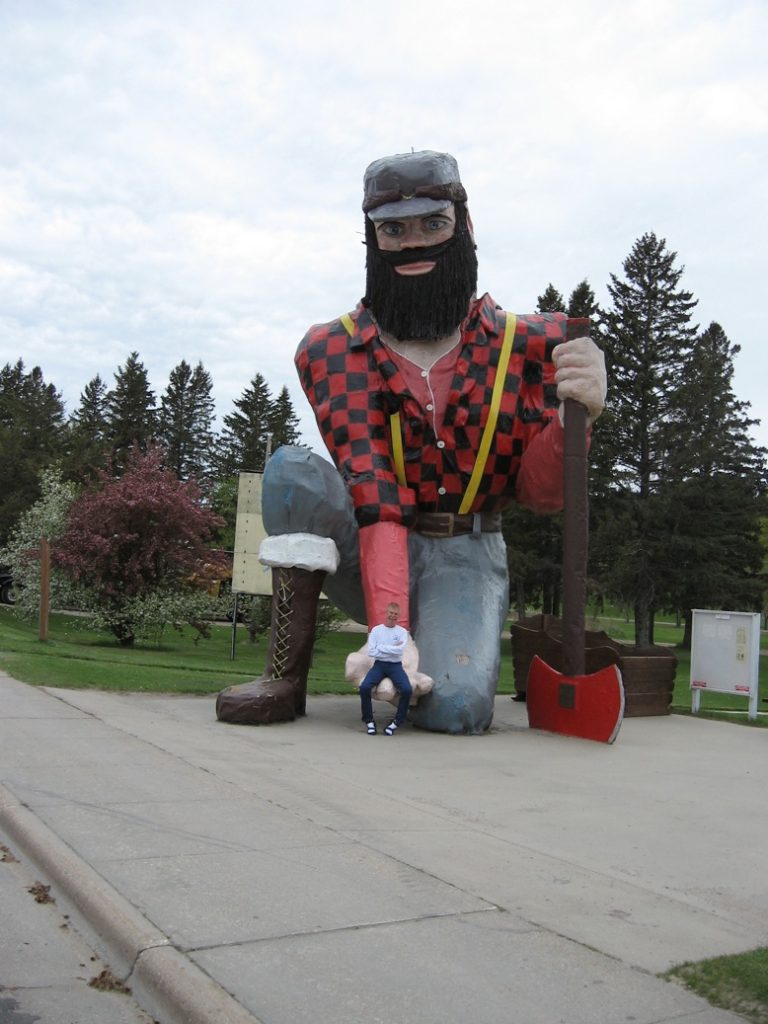
Akeley, Minnesota, 2007

Now, a part of American folklore is that of Paul Bunyan and Babe his Blue Ox. The story behind him, could possibly been lost to time from its origins in the logging camps in the Great Lakes region. It was William B. Laughead who brought Paul to life as part of Red River Lumber Company’s advertising campaign for its California expansion.

A variety of communities over time adopted the mythical lumberjack, and statues were erected in his honor. The first one constructed was at Bemidji, Minnesota in 1937. When I visited there, it was undergoing restoration.  My next stop after that on this research expedition was Akeley, Minnesota, the location of Red River’s last Minnesota mill. This quiet community is dominated by a Paul Bunyan statue. Of course, locally, Westwood would erect one, long after Red River was gone.

Subscribe

Red River’s Camp 57

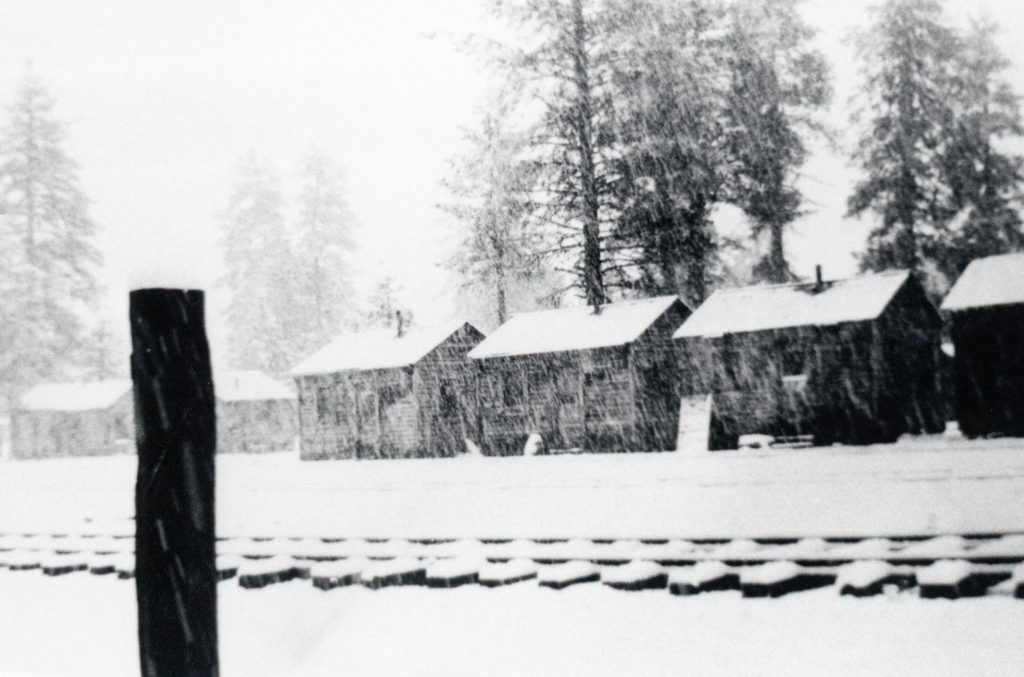
Camp 57, courtesy of Roy Rea

In certain ways, Red River Lumber Company’s logging Camp 57, was in one sense one of the best known, and least known. Why the paradox? It was located adjacent to Chester, though many in the region were not familiar with its initial designation.  It was established in 1922 and was one of the longest operating logging camps of Red River. Many logging camps of the era had a life span of one or two years. In addition, Camp 57 remained opened in the winter, even though logging had been suspended. During the 1920s, Westwood had a constant housing shortage, so the camp provided for additional housing in the winter months.

Subscribe