Tag Archives: Railroads

The Milne Store

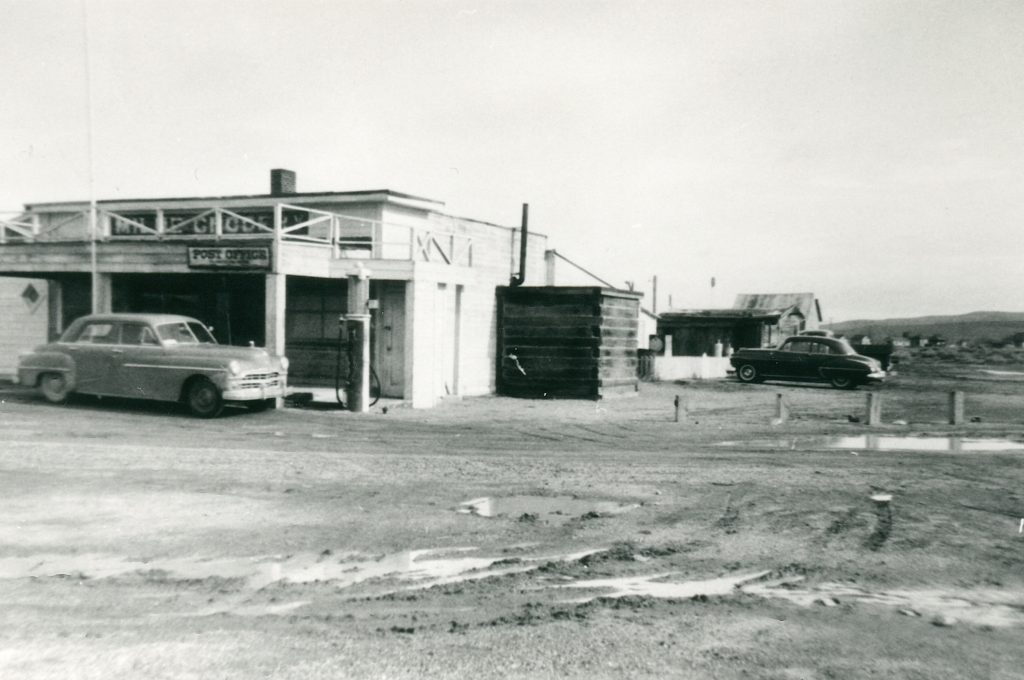
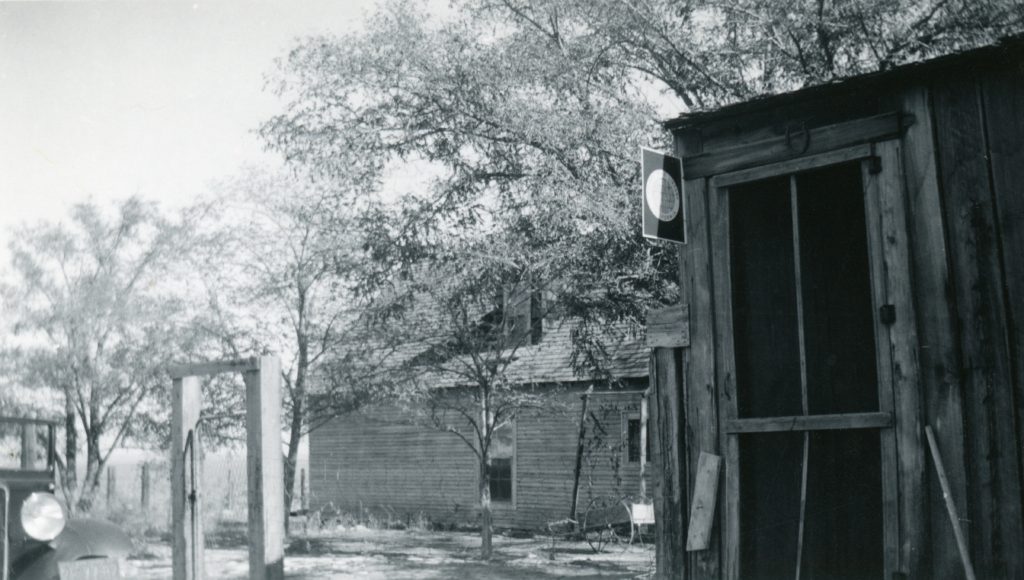
The Milne Store, 1950s. Courtesy of Dorothy Carnahan.

The Milne store was the heart and soul of Flanigan, a small railroad community located in the eastern portion of the Honey Lake Valley on the Nevada side. In 1934, William and Gertrude Milne took over the Flanigan store for Orlando Gasperoni, who had moved to Wendel. At the same time, William became the town’s postmaster. Four years later, the Milne’s purchased the store from Gasperoni. It should be noted, all during this time, Gertrude was the teacher at Bonham School at Flanigan.

Of course, there would a lot of changes over time at the Milne Store. First was the passing of William in 1945, and Gertrude continued with the store, post office as well as her teaching duties . The 1950s, saw a decline in trade at the store, and in 1957, Gertrude retired from her teaching duties.  On March 31, 1961, the Flanigan Post Office. Not discouraged, Gertrude continued to stay at Flanigan. On January 2, 1969, while Gertrude was visiting at Fish Springs Ranch, her combination, store, post office and home was destroyed by fire.
Donate or Subscribe

Rails to Trails Opposition

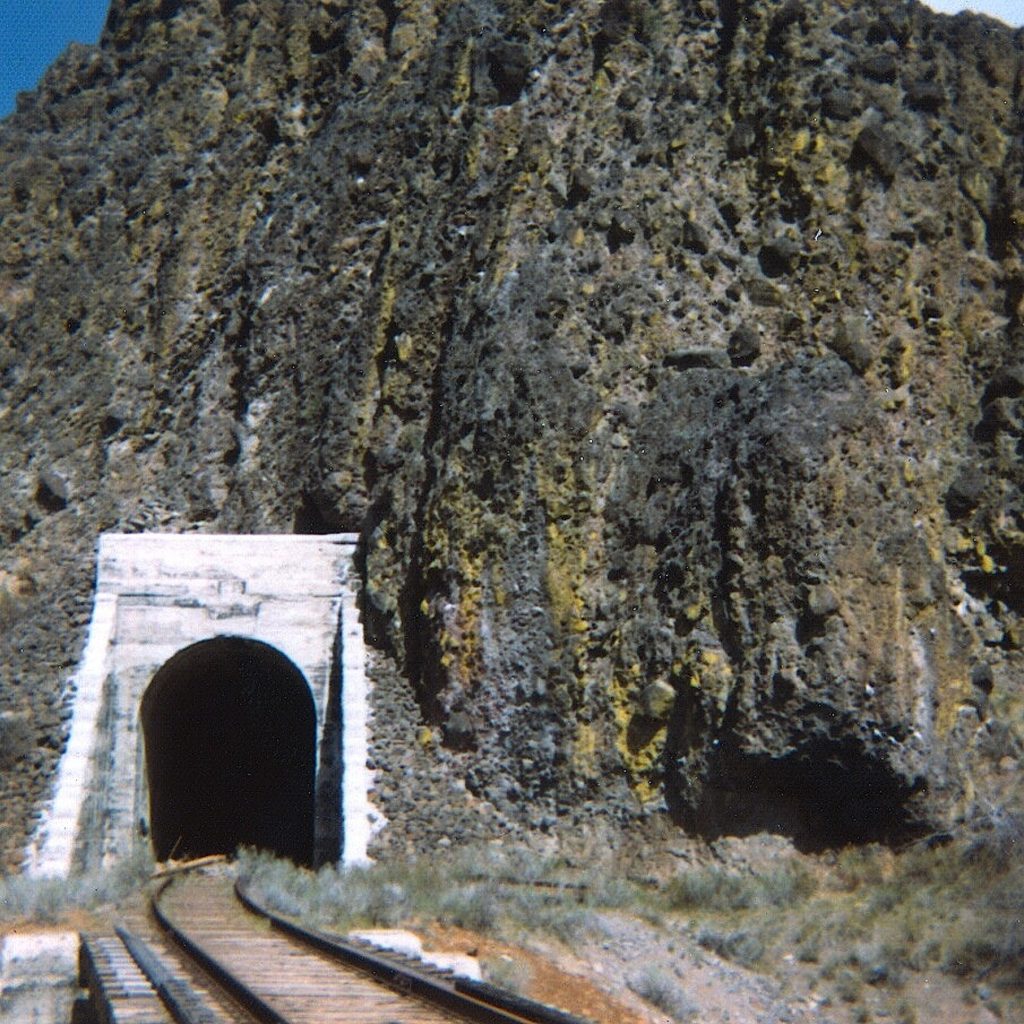
Tunnel No. 1, Susan River Canyon, 1974.

In 1976, after twenty years of non-use the Southern Pacific Railroad filed for the abandonment of its rail line between Susanville and Westwood. The City of Susanville and the Lassen County Board of Supervisors opposed the measure. They feared the loss of a potential transportation corridor. The Lassen County Chamber of Commerce wanted to see it converted into a tourist line, similar to that of Mendocino County’s Skunk Train.

Fast forward two years later and both the city and county embraced the Bureau of Land Management’s proposal to acquire the abandon line for recreational purposes. Thus, the rails to trails program, became part of the local lexicon.

Donate and help support this site.

Fort Sage School District

The Calneva Branch of the Lassen County Free Library, 1920.

In January 1915, the residents of Calneva, a Western Pacific Railroad station in eastern Honey Lake Valley desired the break away from the Fairview School District and form their own. In their petition, they stated nineteen scholars resided in the proposed district. Their request was granted on February 2, 1915 by the Lassen County Board of Supervisors. The new district was named Fort Sage. The school was located in a small one-room building on the Harry Hill homestead. It was later moved to the Aldrich House, a larger building, located in the center of the district. In the summer of 1918, the school was on the verge of being suspended, as enrollment declined to four. The trustees persuaded County Superintendent of Schools, Julia A. Norwood, to keep the school open, as they promised an additional four students would attend in September. The request was granted. The school’s existence was brief and it was closed in 1924. In 1926, the furniture from the school was purchased by the Janesville School District.

Subscribe or Donate

Amedee Lime Kilns

Amedee Lime Kiln
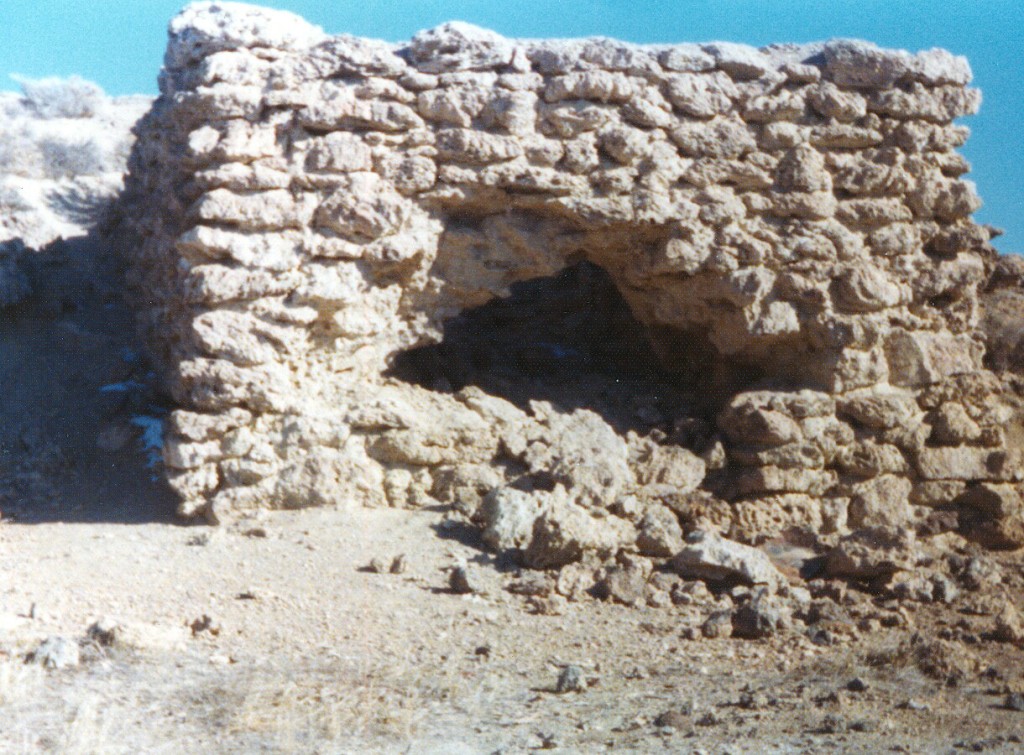
Amedee Lime Kiln, 1975
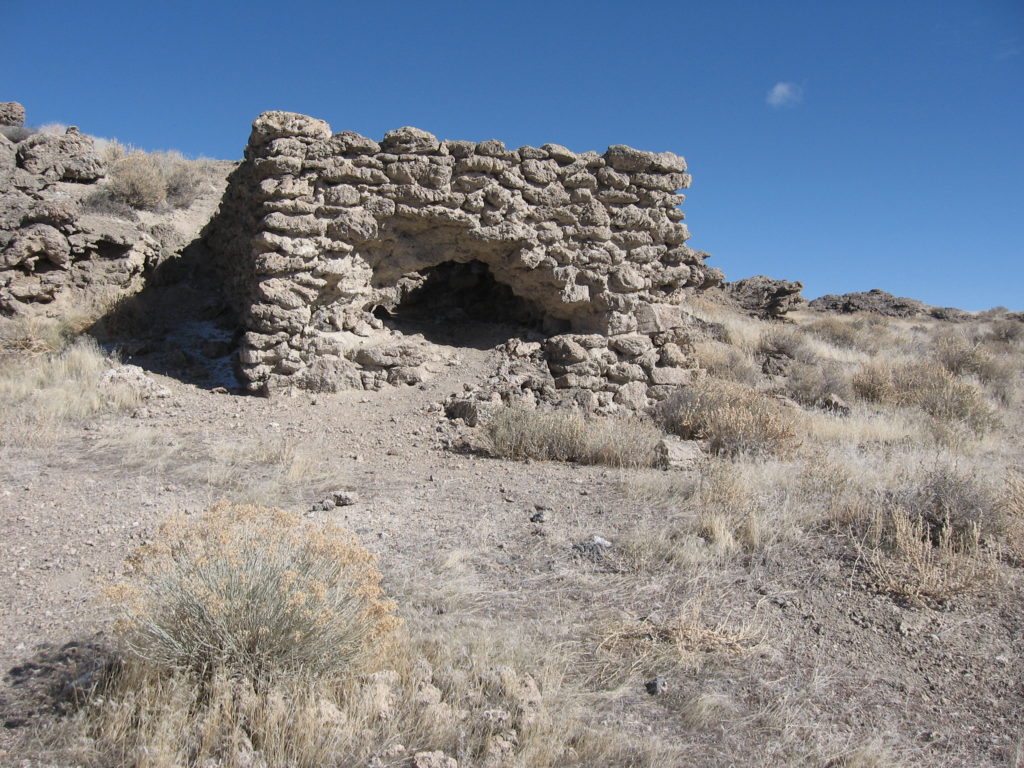
Amedee Lime Kiln, February 15, 2018

In the early 1890s, when the railroad town of Amedee came into prominence, led to many interesting developments. One of these was the discovery of lime deposits, then a key ingredient used in cement. In 1893, a lime kiln was constructed on the hillside above Amedee. However, due to the nation’s economic depression and the NCO Railroad’s refusal to lower freight rates the enterprise abandoned.

In 1913, with another railroad at Amedee and a surging economy, Susanville businessmen fired up the abandoned lime kilns. After over a year in operation, this they discovered was not the most prudent business investment, and once again the kilns were abandoned.

If you don’t succeed the first time, try again and again. In the 1920s, Janesville resident William B. Hail operated the lime kilns. In 1927, he used the lime for construction of the Bigelow Apartments in Susanville. After that it they were finally abandoned once and for all. Hail stated it was due to the poor quality of the lime.

Support this site and Subscribe today!


Secret Valley Munitions Depot?

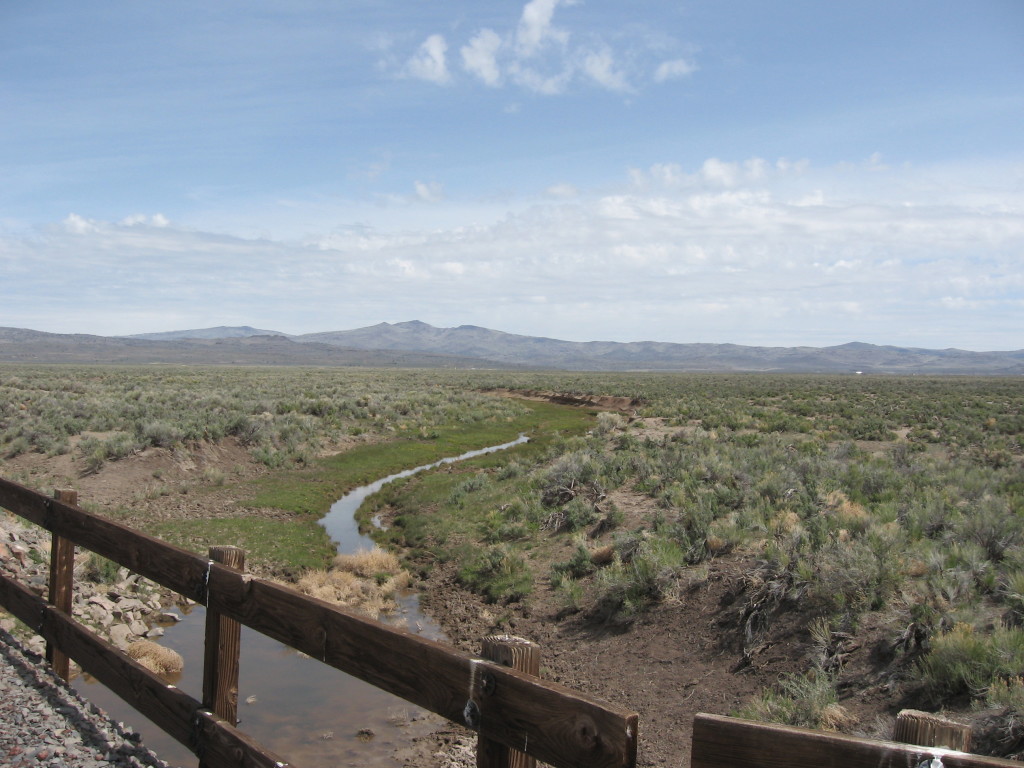
Secret Valley, as seen from the lower end of the valley.

In the mid-1920s the U.S. government sought to establish a munitions depot in the west. The two main criteria, that it be a sparsely populated region and have railroad access. In 1927,the Lassen County Chamber of Commerce, along with the Lassen County Board of Supervisors petitioned Congressman Harry Engelbright to consider Secret Valley. It had rail access and only five families lived within thirteen miles of the proposed site. In the end the government selected Hawthorne, Nevada.

Subscribe!

A Bit of Trivia

Westwood Depot

The December 1955 floods caused considerable damage to the railroad line between Susanville and Westwood. With the imminent closure of the lumber mill at Westwood, the Southern Pacific Railroad decided to close that segment, rather than spending significant amount of money when freight would decrease. Since they did not abandon the line at that time, if a person wanted to ship something by rail from Susanville to Westwood, or vice versa, Southern Pacific could only charge the freight costs between the two points. It was their problem to figure out how to deliver the freight and bear the additional cost. In 1976, Southern Pacific began the formal process to abandon that segment of the line, which we will explore in the near future.

Subscribe.

Red River’s Rumor Mill

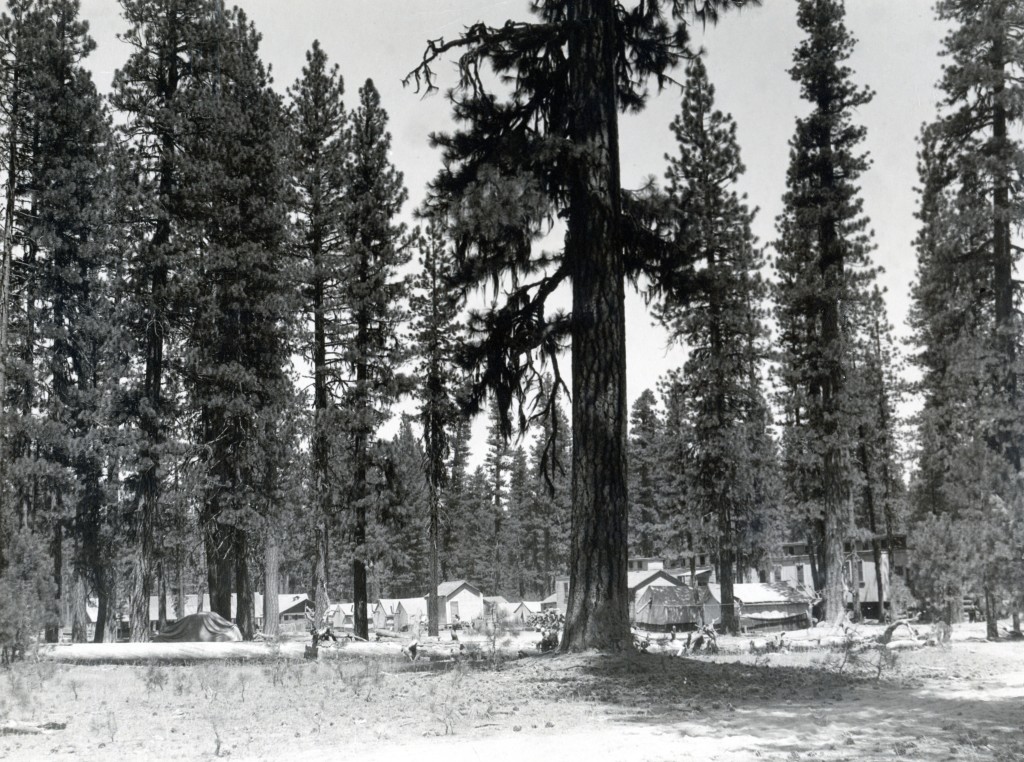
Camp 38
Camp 38, Red River Lumber Company, 1922. Courtesy of R.S. Pershing

While the Red River Lumber Company was well known for its mammoth sawmill at Westwood, the company generated its own rumor mill. With its extensive timber holdings in a five-county region speculation as to its next move was rampant.

This readily apparent with its logging operation on the east shore of Lake Almanor. By the time its railroad logging line reached Camp 38, halfway down the shoreline, tongues began wagging whether the line would extend into Indian Valley and connect with the railroad line serving Engel Mine. This would then give Red River access to the Western Pacific Railroad. It was a thought that company officials gave considerable thought. While it did not quite transpire it was part of the impetuous for the Western Pacific’s High line that became a reality in 1931.

Subscribe!

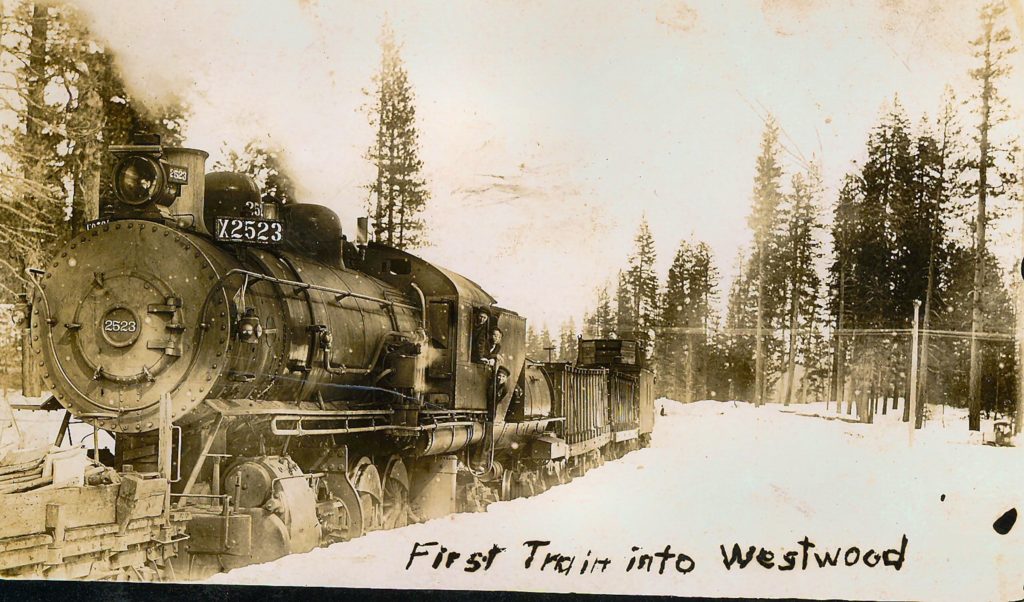
Westwood’s First Train

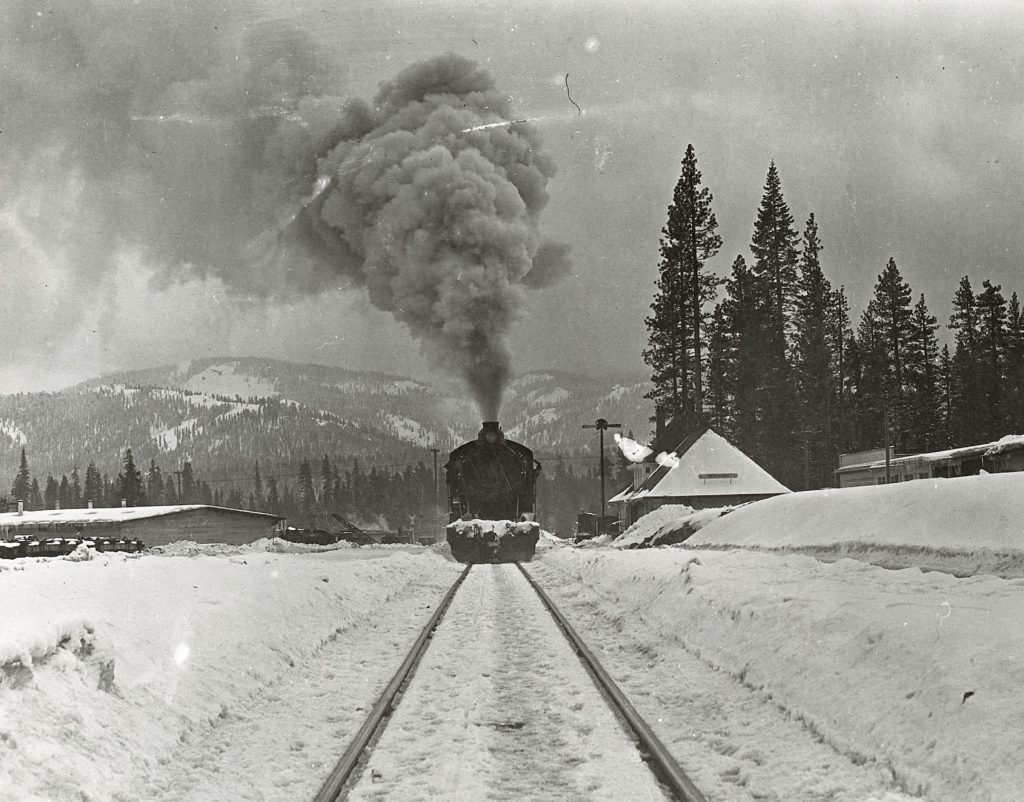
February 21, 1914
In January 1912, the Red River Lumber Company entered into an agreement with the Southern Pacific to construct the 120-mile Fernley & Lassen Railroad. Time was of the essence as Red River had entered into an agreement with the Great Western Power Company to log Big Meadows by 1914 as it was to be transformed into a reservoir known as Lake Almanor. On February 21, 1914 the first train reached Westwood. It would not be until summer that the railroad was officially completed, as ballast work needed to be done. The abandoned railroad line is known today as the Bizz Johnson Trail.

Subscribe!

A Wendel Story

Highway directional sign to Wendel

In 1929, some one had high hopes for Wendel. Nearly sixty years later, some one in Germany thought it had occurred. At that time I had received a call about wanting to know the nearest international airport was for Wendel. In addition, what kind of accommodations were available and did Wendel have a Holiday Inn Hotel. Alas, I had to explain to Armin deWendel current state of affairs. Armin’s interest in Wendel was due to the fact it was named after his family who were investors in the NCO Railroad. Needless to say, after I sent him some photographs of the town, his interest to visit the place went by the wayside.

Subscribe!

Fairview School District

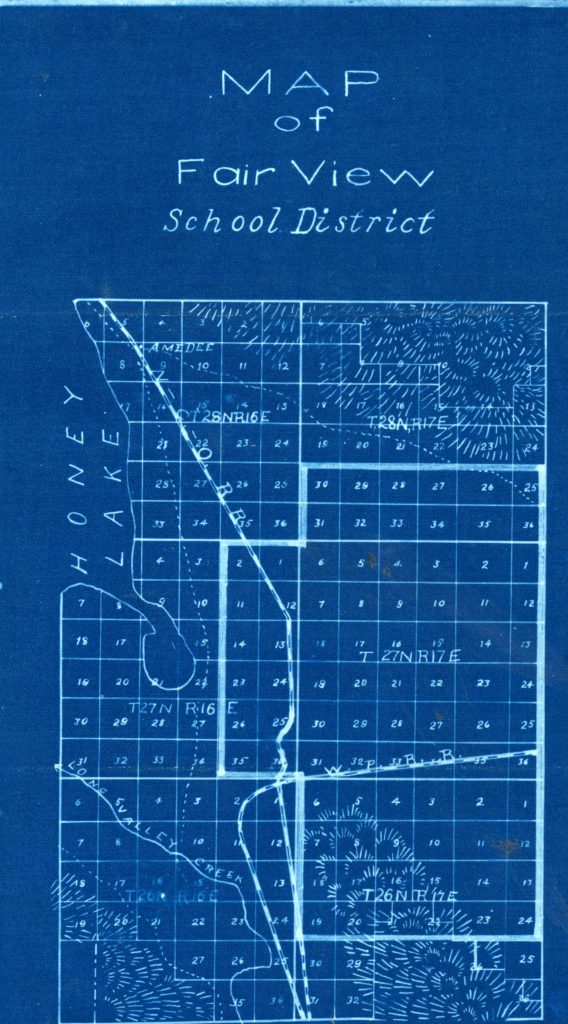
Fairview School District Map, 1910.
In January 1910, east side residents of Honey Lake petitioned for the formation of a school. They cited that there were twenty-seven eligible students in the proposed district. The nearest school was at Amedee, and the majority of the petitioners resided some 12 miles distance. However, the Lassen County Board of Supervisors did not approve the new school until November. The residents built a schoolhouse in the center of the district, since there were no towns in the area. That would suddenly change with Calneva Station established by the Western Pacific Railroad and Stacy on the Southern Pacific. In 1915, Calneva experienced a boom of sorts, and separated from Fairview to form the Fort Sage School. Fairview continued on even as the population dwindled and in 1936 the school closed for a lack of students.

Subscribe!