Tag Archives: Politics

Brand History – Abe Jensen

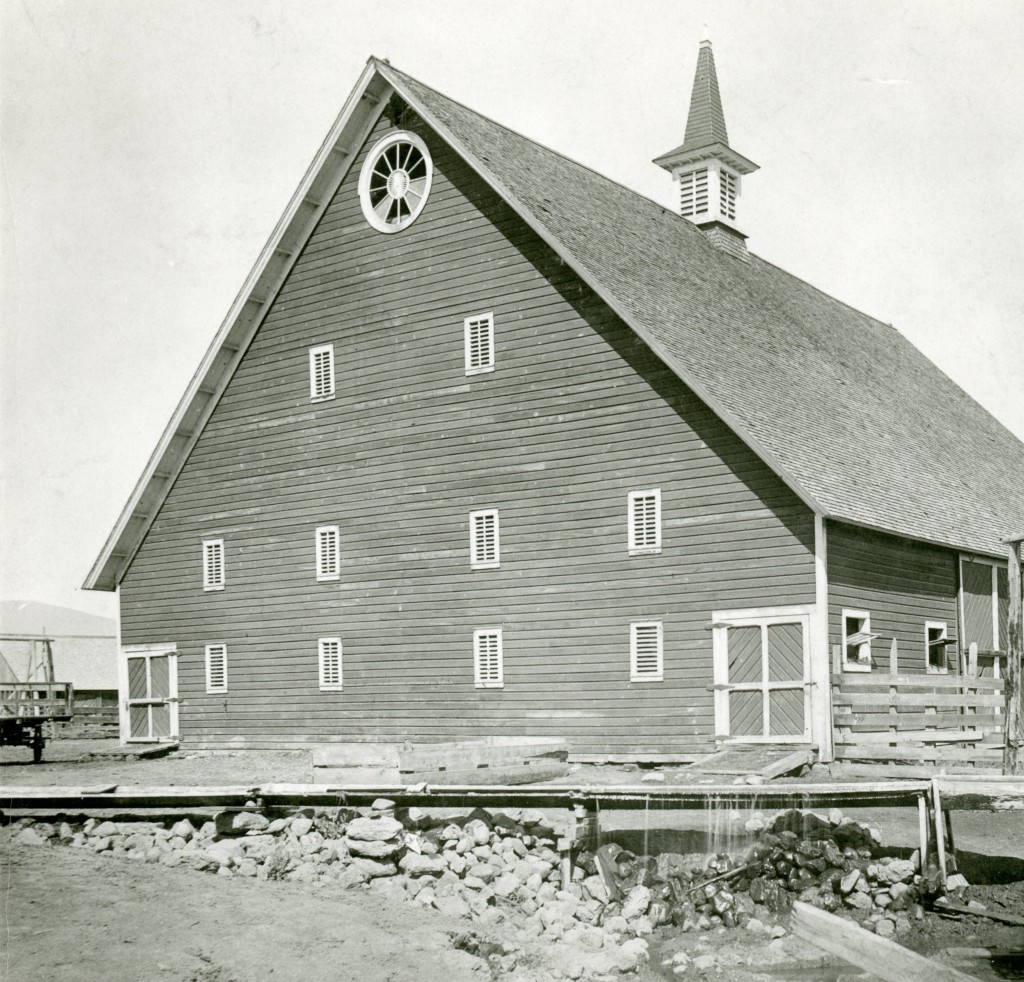
The Jensen barn, 1900. Courtesy of Abe Jensen

Abe Jensen probably has the distinction of the youngest person to record a livestock brand, which event occurred on October 11, 1917, when he was only nine years old. Albert Abel Jensen, was a member of a pioneer family. He was the great- grandson of Henry C. Stockton, who was one of three original Lassen County Board of Supervisors appointed by the governor in 1864 to organize the newly formed county and was elected to that office on May 1,1864, serving one term. It should be noted that in 1863, Stockton settled to the west of Devil’s Corral, along the Susan River and operated a sawmill. The property still remains in the family, with Abe’s nieces and nephew in charge.

Abe was a Lassen High graduate of 1926, and continued his studies at Stanford where he graduated in 1930. He continued with the ranching activities like his father, Bert. It should be noted that Bert was instrumental in resurrecting the Lassen County Fair in 1922, and the property that is the current county fairgrounds belonged to Bert Jensen. Besides ranching, Abe served as the Lassen County Fair Manager from 1946 to 1968. In 1973, Abe, and his wife Adelaide moved to Reno, where he passed away in 1989.

Never miss a story, click here to support and subscribe.

Susanville Bans Fireworks

4th of July Parade, Susanville, 1912. Courtesy of Leona Byars

In Susanville’s early years as an incorporated city,  it was remarkable what the council did. One of their actions, I still support today, and that is the prohibition of fireworks. The first time they banned fireworks was in 1906, following the aftermath of the San Francisco earthquake and fire. It was also a nod to the insurance companies who suffered tremendous loss from that event. It was their belief, as well as many other communities, that this preventive measure would reduce the risk of fires. Continue reading Susanville Bans Fireworks

Lassen County’s Livestock Brand

Lassen Co. Brand456

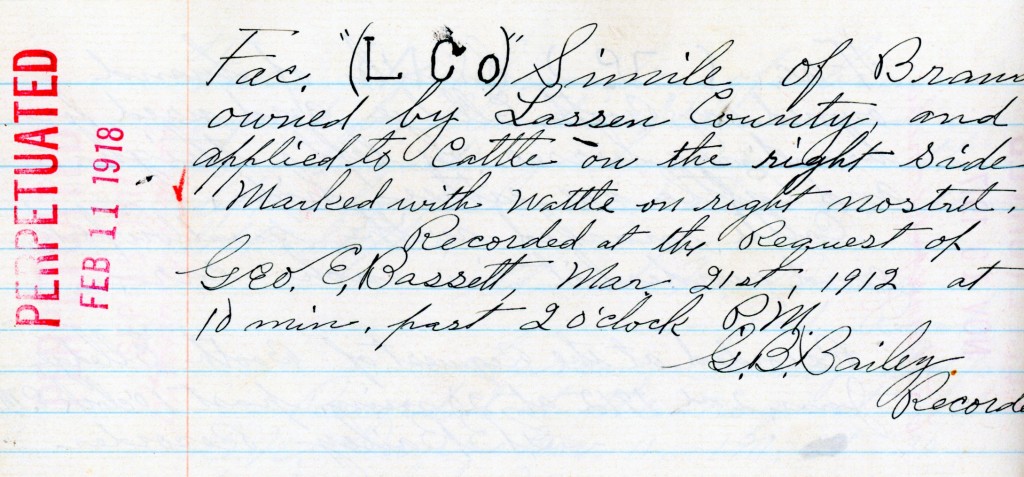
Lassen County had its own livestock brand, even though they did not intentionally plan to be in the business of raising livestock. It was all accidental. Way back in the day, and especially prior to the age of automobile, there were problems with stray livestock. Routinely the county found itself taking care of various animals, in hopes eventually the owners would come forth to claim. After a period of time elapsed the animals became property of the county. Before the county could sale the livestock, they had to be branded for identification purposes. There were other instances were the county was forced to impound animals, whether for collection fees, etc.

Never miss a story, click here.


The Shinn Family

Shinn family plot, Susanville Cemetery, November 19, 2015

In my previous post about the Shinn Ranch, I promised a follow up concerning the children of Oliver & Louisa Shinn.

James Oliver Shinn, the eldest child pursued a career in newspaper business. He first gained experience working for Susanville’s Lassen Advocate.  Along with his brother, Al, they launched the Mountain Review on November 12, 1879. The newspaper continued until his untimely death the following summer. Continue reading The Shinn Family

Roop vs. Worley Mountain

FGS barn
The old Fruit Growers barn, June 2, 2015, with the mountain in question. in the background.

Asa M. Fairfield lamented that the only item named after Susanville’s founder, Isaac Roop, was a street. Incidentally, Roop himself named that street when the town was plotted. Fairfield idolized  Roop. If Fairfield and Roop had been Roman Catholic, he would had petitioned the Vatican to make Roop a saint. Continue reading Roop vs. Worley Mountain

Westwood’s Deportation – Continued

Westwood,, 1931
Westwood,, 1931

The county wanted to oblige, but it had no funds. They deferred to take any action and turned the matter over to the federal immigration officials. J.C. Borden of the Immigration Bureau was brought in to investigate the situation. What he found on his arrival was that of the forty-five applicants only a handful were eligible to receive aid to pay for their return to Mexico. Yet, the issue was also moot, as Borden noted, because all the Mexicans had gone back to work. He informed the Board, should the issue arise again, that under a federal ruling any alien who had been in the United States for three years and becomes indigent can be returned to his native land with the cost borne by the federal government. Continue reading Westwood’s Deportation – Continued

Westwood’s Deportation of Immigrants

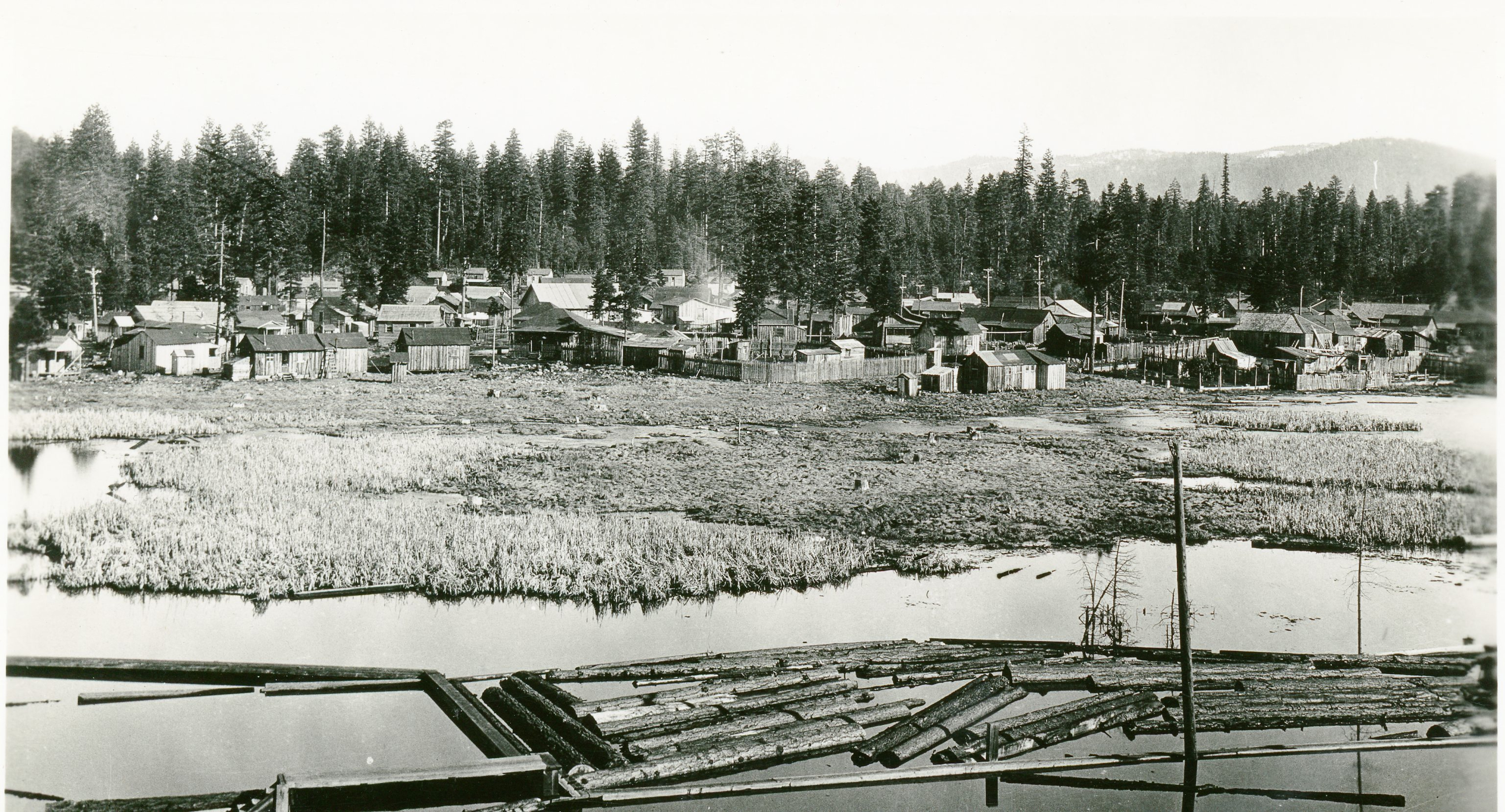
Westwood's Old Town, home of many of its immigrant workforce. Courtesy of Hank Martinez
Westwood’s Old Town, home of many of its immigrant workforce. Courtesy of Hank Martinez

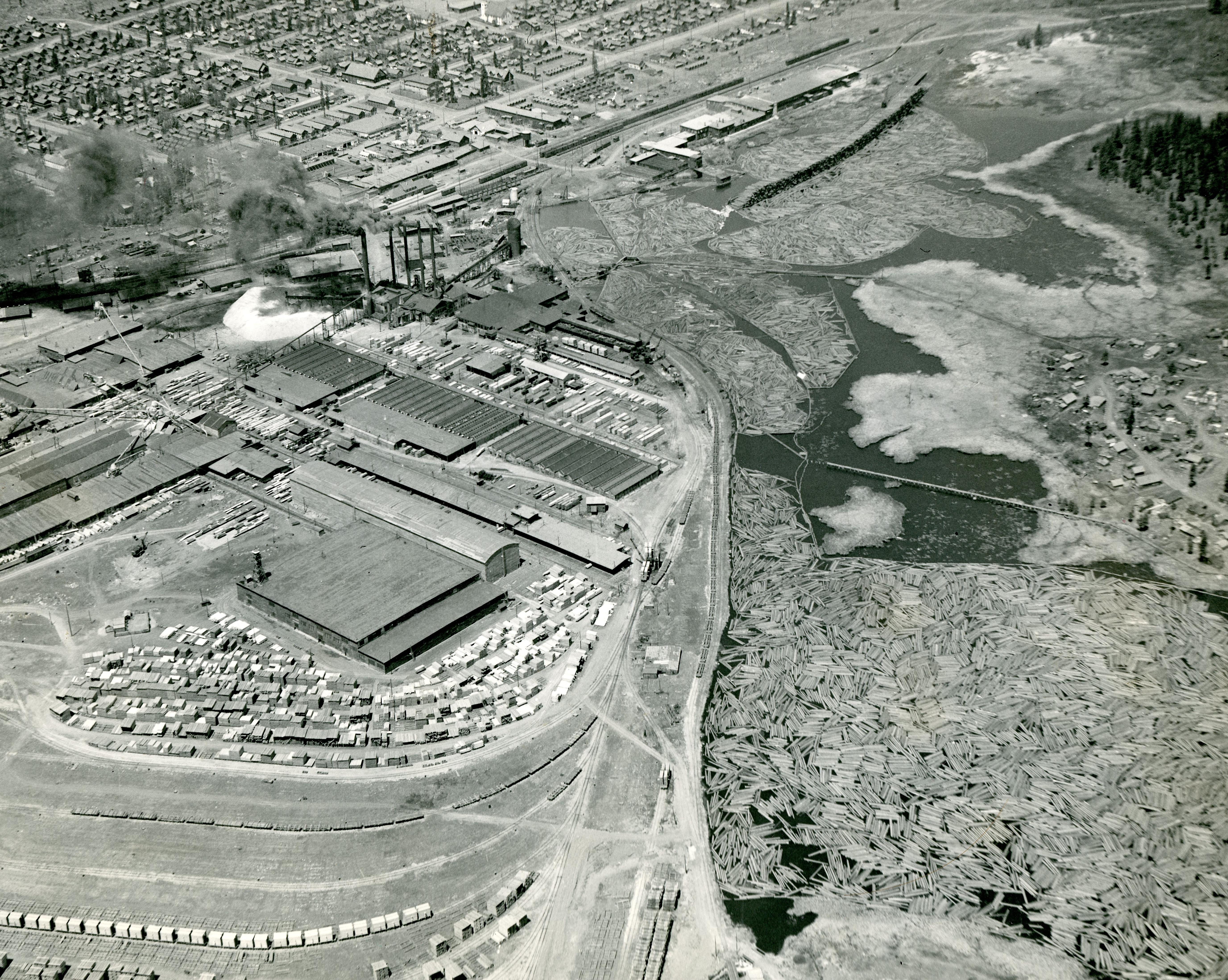
One of the more unusual annals in Red River’s history was deportation. Red River hired a large percentage of foreigners whether it be Scandinavians, Italians or Mexicans. With the downturn in the lumber market, the company was forced to layoff some of its workers. If they thought that the layoff was temporary, they allowed the affected worker to remain. By 1930, however, Red River sought alternatives, as they could no longer bear the financial burden. Continue reading Westwood’s Deportation of Immigrants

Lassen County Courthouse

Lassen County Courthouse
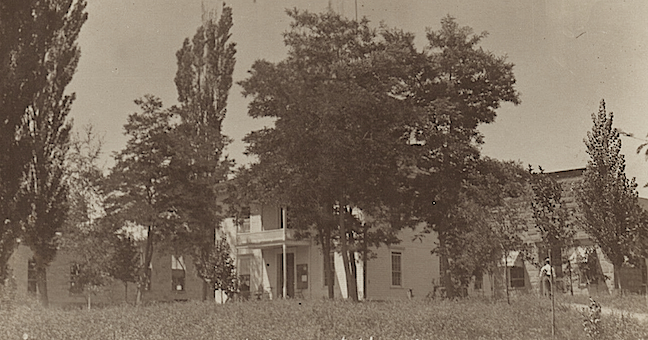
The old courthouse block as it appeared around 1912.

In June 1915, Lassen County voters approved a $125,000 bond measure to build a new courthouse, to replace the old wooden constructed in 1867. Since it was deemed to use the existing site, the old one would need to be moved, while the new one was constructed. So in September 1915, the courthouse was put on rollers and moved fifteen feet to the property line along Lassen Street. It would remain in place there and used until the new courthouse was completed, mainly for storage, and the county offices found temporary housing in the Lassen County Jail.

In November 1916, the county advertised for bids for the sale of the old courthouse in anticipation of moving into the new facility. Plenty of people inspected the building. The county did not know when the building would be available. In January 1917, the county received two bids for the structure one from Sierra Packing Company for $50 and the other from Charlie Emerson for $60. The county rejected both and decided to auction it off. When that event would happen no one knew. There were delays in moving into the new building, one of the big obstacles was that of the cost of furniture. During the first week in April moving into the new courthouse began in earnest.

On April 28, 1917, the auction was held with George Bennett’s winning bid of $85. Bennett immediately sold it at a higher undisclosed amount to Dan Armstrong who tore down the building and used it for scrap lumber.

Subscribe and support this site for $5.00 a month.

Honey Lake Valley & the Civil War

Tanner Ranch
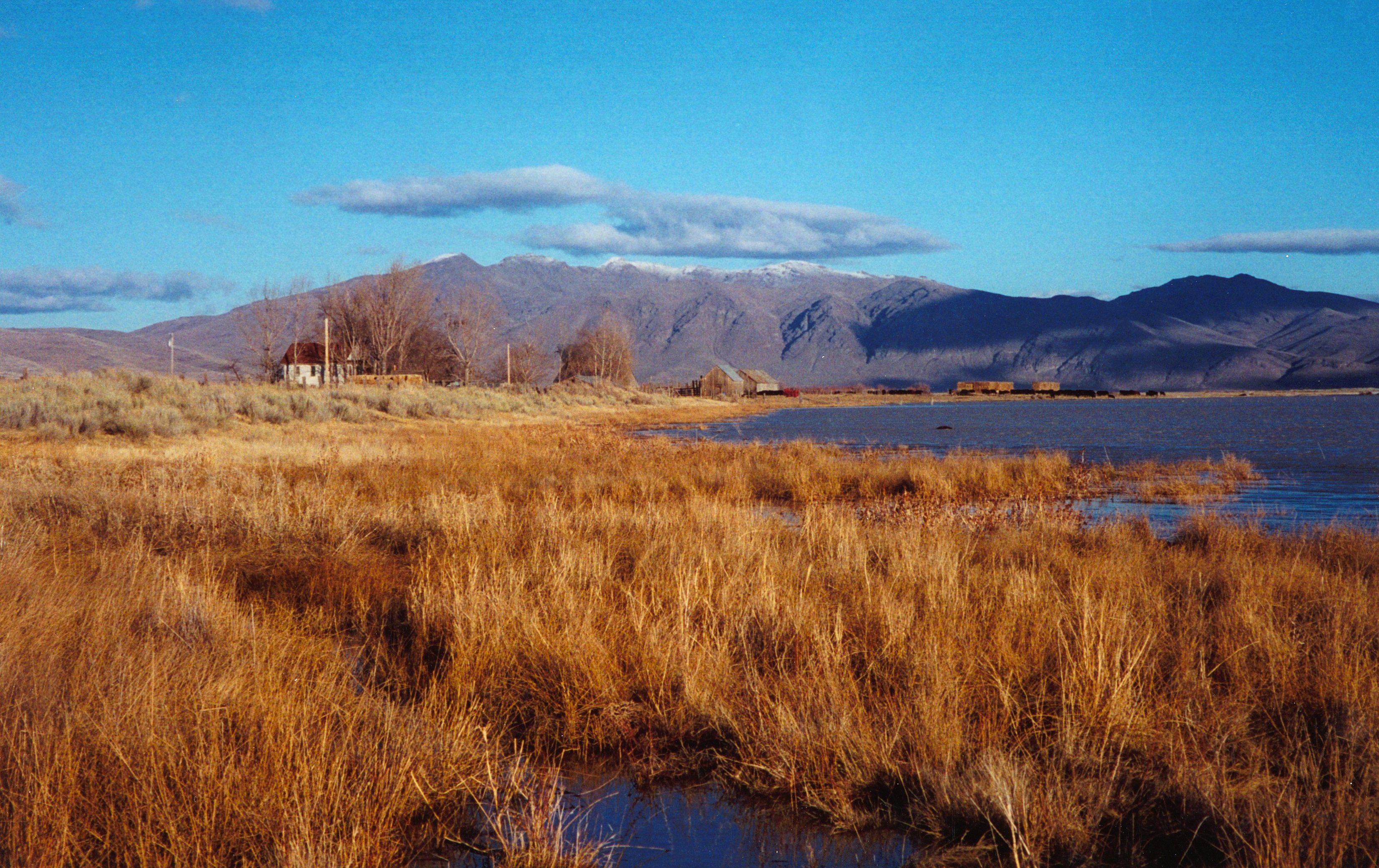
Tanner Ranch, with Skedaddle Mountain in the background

The far west was certainly not immune to the various political/social impacts of the nation’s Civil War.

In future posts we will be exploring numerous events and conflicts that transpired locally influenced by the Civil War.

Take for instance, there was once a district in the region known as the Honey Lake Valley known as the Tule Confederacy, as large contigent of settlers were southern sympathizers. Yet, by 1900, the term had been shortened to the Tules. In the last few generations this term, too, has faded away. Some may also heard the region known as Seven Bridges.

Lastly, as a final remnant is Skedaddle Mountain. It was so named by a term the southerners of the Civil War used to “flee.”

Help me with my recovery, and subscribe for as a little as $5.00 a month.