Tag Archives: Plumas County

Prattville Cemetery, Plumas County

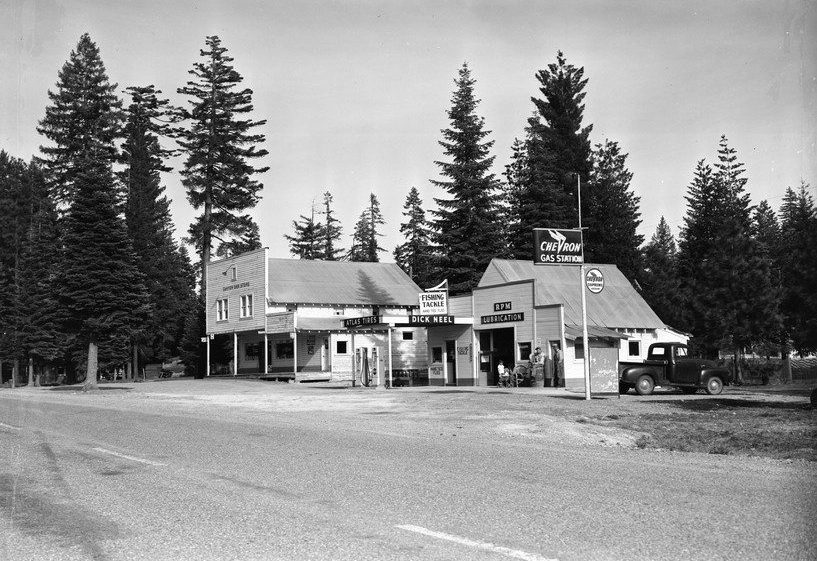
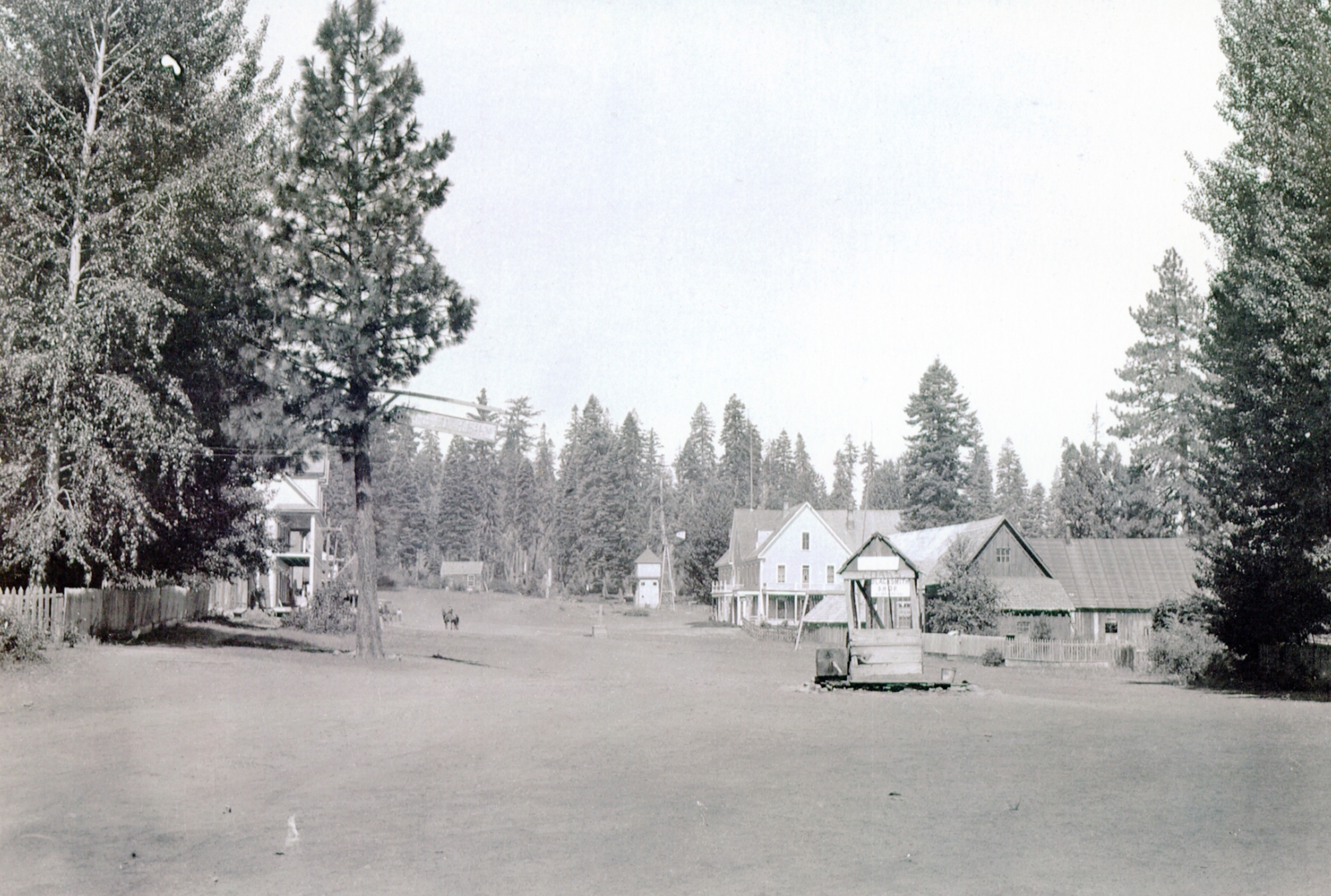
Prattville, 1908–Sue Pratt

In 1861, James Lee settled on the west side of Big Meadows, not too far from where the original town of Prattville would be established, He died on June 17, 1864 and buried on his property. This, in time, became the Prattville Cemetery.

In 1914, Great Western Power Company transformed a portion of Big Meadows into Lake Almanor. In 1926, Great Western was in the process to heighten its dam, where by Lake Almanor would double in size. Thus, Great Western had to mitigate some of the areas impacted by the increased size of Lake Almanor, such as the construction of the Chester Causeway and the Prattville Cemetery would need to be moved to higher ground.

In October 1926, Great Western hired Greenville resident Kenneth Murray to exhume the bodies, some 101, and move them 300 yards to the west. A.D. Greig of the Susanville Marble Works was in charge of relocating the thirty-five monuments in the cemetery.

On a final Pacific Gas & Electric Company, the successor of Great Western, donated the Prattville Cemetery to the Chester Cemetery District in 1962.
Donate

Historic House on the Market

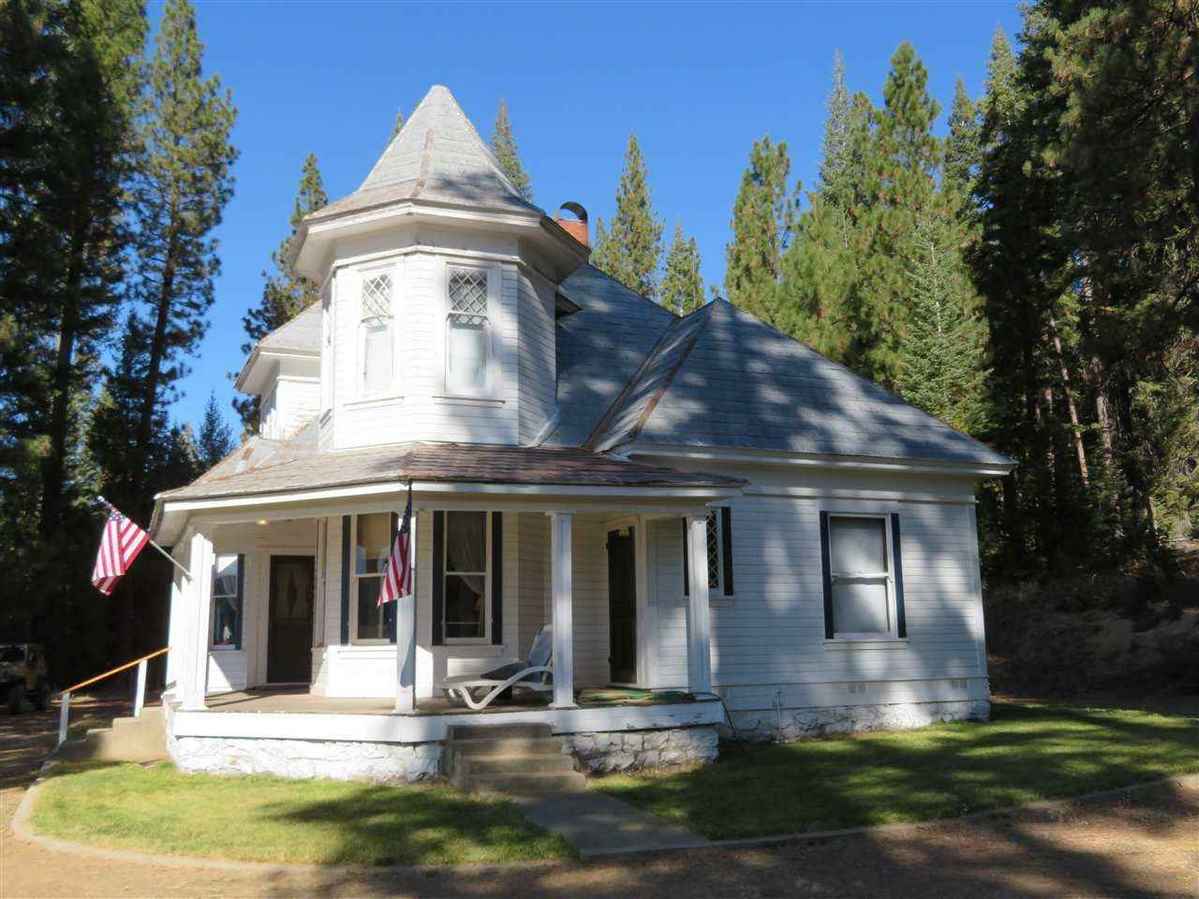
The Miller House, Humbug Valley

If you want an Queen Anne Victorian house off the grid, the Miller House in Humbug Valley is on the market. For those not familiar, the valley is a bit south and west of Lake Alamanor, and was the site of the former town of Longville, a post is scheduled. In the early 1980s when it was on the market, the asking price was around $50,000. The current sale price is $475,000.

Tim


A Former Lake Almanor Hazard

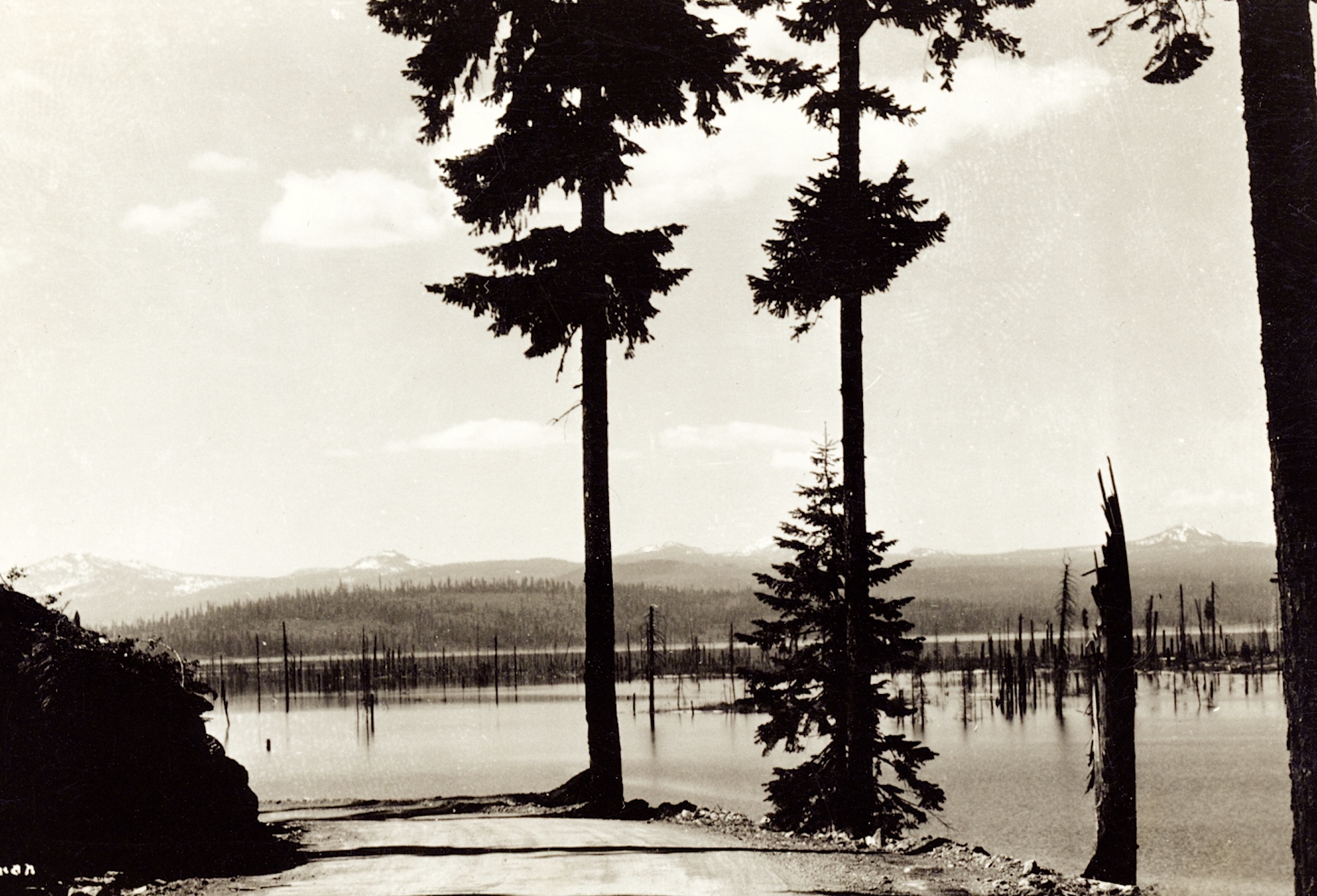
Lake Almanor, 1930

Seasoned residents and visitors to Lake Almanor will recall that body of water was plagued with snags—dead standing trees submerged by the lake. The trees were mostly lodgepole pine that had no commercial value to the Red River Lumber Company when it initially logged the basin. Another issue, especially along the shoreline was  the remnants of tree stumps left over from harvesting trees.

In 1954 the California Department of Fish & Game estimated it would cost $1.6 million to remove the snags and stumps. California Assemblywoman Pauline Davis, who liked the idea of the snag removal, would not seek state funds to do it, as the lake was privately owned.

As the development of the subdivisions on the peninsula and east shore continued so did the issue of snag removal. In the fall of 1959, PG&E did a pilot test to remove the snags and stumps. After it was completed, it would assess the results, and should it appear feasible from a cost standpoint, it would move forward with the program to include additional segments of the lake.

To the delight of many, PG&E continued with the snag removal program, and in 1961 work was accelerated. Cattermole and Tretheway Construction Company were awarded the contract for removal snags, stumps and driftwood. At its peak the company had five barges, employing over fifty men. One of the more problematic regions of the lake was the one known as Gould Swamp to the east of Chester. A huge pile of snags was created on the Chester boat landing road. Farrell Hamilton, foreman for the company, reported that the pile consisted of nearly six million board feet of timber. It measured some 1,100 feet long, by 60 feet wide and 20 feet high. To dispose of this mammoth wodpile, the company intended to have one large bonfire and it did in late October 1963. As one forest service employee noted, it “really made quite a blaze.”

Donate

Canyon Dam, Plumas County

Canyon Dam, 1952

Canyon Dam at Lake Almanor was mostly obliterated during the Dixie Fire of 2021. Like many small enclaves it evolved over the years. Canyon Dam first came into existence in 1910, as headquarters of Great Western Power Company in preparation of constructing a dam to flood Big Meadows and create Lake Almanor.  Great Western also referred to it as Nevis, but by the summer of 1914, Plumas County Board of Supervisors adopted the name of Canyon Dam for the locale. The Canyon Dam Post Office was established on May 28, 1940 with Emmett W. Bishop as first postmaster. It was discontinued on September 14, 1944 and re-established on June 16, 1952.

Tim


A Lake Almanor Pest—Pelicans

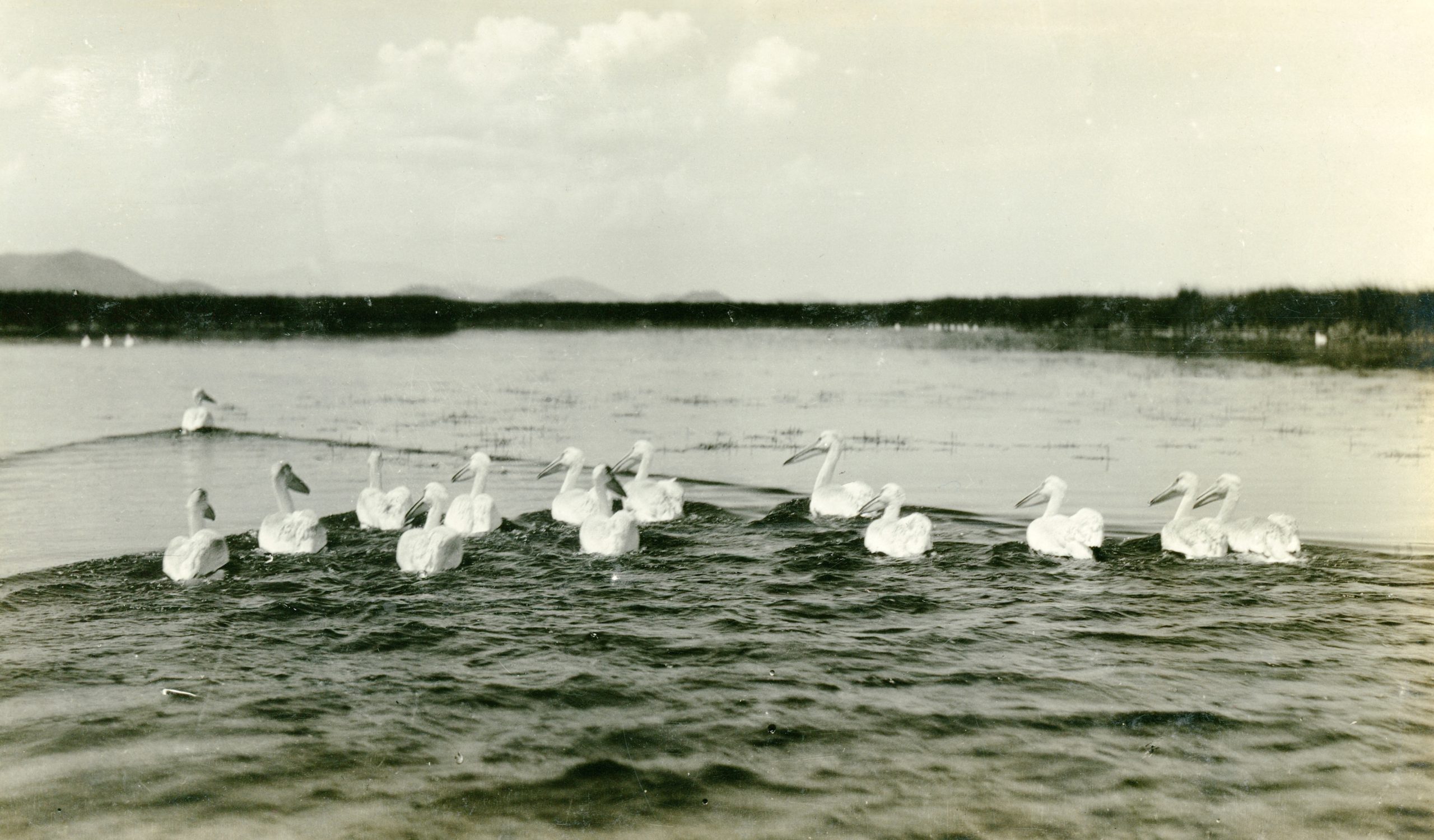
Eagle Lake Pelicans, circa 1920—Wyn Wachhorst

Avid fishermen detest pelicans as a natural predator to fish. If ever want to see these birds in action visit the Pine Creek estuary at Eagle Lake during spawning season of the trout there.

Chester resident Nels Olsen went from dairy farmer to innkeeper due to the transformation of Big Meadows to Lake Almanor. On April 15, 1929, Olsen penned this opinion on the pelican problem.

“For the past two weeks pelicans have been gathering in the waters between Lake Almanor and Last Chance where the streams are now alive with trout and there is no escape for the fish in these small streams as in the lake for the pelicans form a solid body as they move up stream and scoop up every fish in their path. For many years the pelicans have been a serious menace to the fish in these parts and at the present time the situation is becoming very alarming as they are destroying millions more fish each year than the fish commission is able to supply. The pelican is not a game bird. He is good for nothing He is a worse menace to our waters than a coyote is to our land. He should be killed whenever possible.”

Support

From Dairymen to Innkeepers

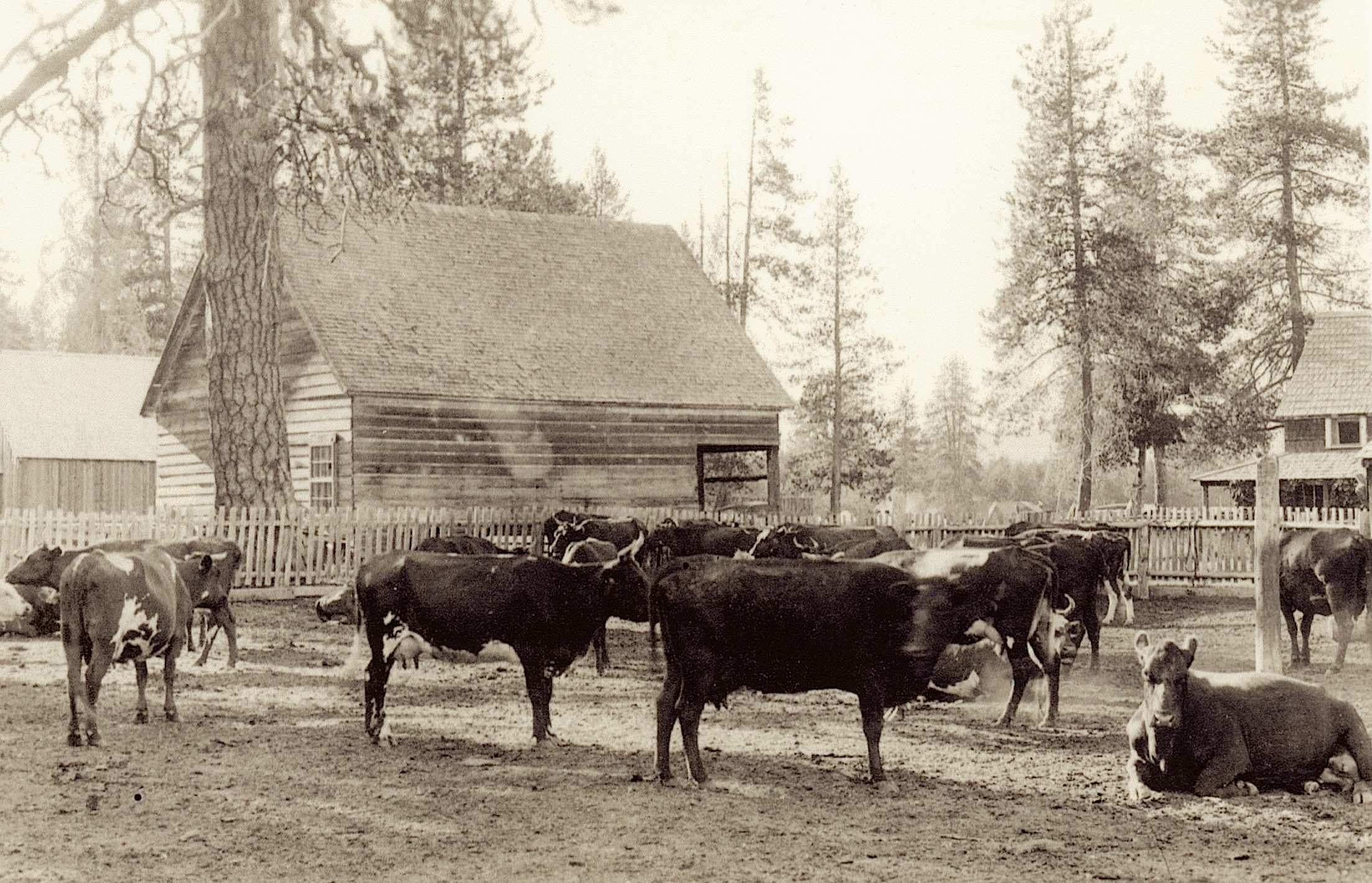
Olsen Dairy, Chester 1914.

In 1859, Peter Olsen located along the north bank of the Feather River, which would later become the community of Chester. Olsen like a handful of others, of what then was known as Big Meadows were dairymen. Over the years, he acquired some 1,100 acres. Upon his death in 1892, his three sons, George, Nels and Edgar took over the operation. Time changes. In the early 1900s, Great Western Power Company began buying all the properties in Big Meadows to transform it into Lake Almanor. The Olsen’s sold all but 110 acres, which was above the 4500 contour line.

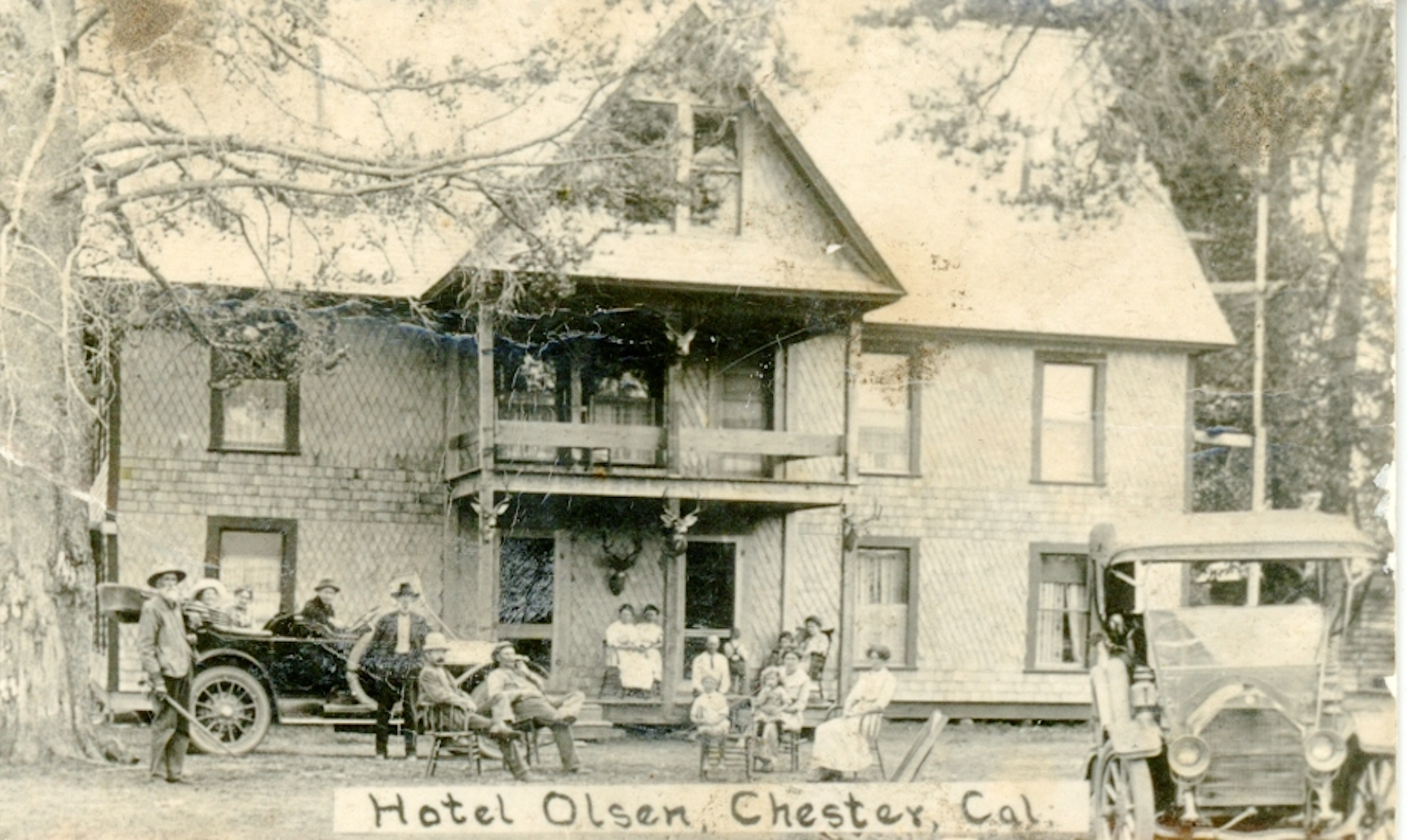
Olsen’s Hotel, Chester. Courtesy of Margaret A. Purdy

The dairy operation would slowly be phased out, so it was time to change occupations. The family became innkeepers. In 1913 construction began on their hotel. In early May 1914, the doors were open to the public, and timing could not have been better. By the end of the month, Lassen Peak began erupting, bringing throngs of people to see it. Olsen’s was one of the few nearby lodging establishments and business was off to a booming start.

For many years the hotel was operated by Nels and Eula Olsen. In 1948, it was time to retire and they sold the hotel to Earl McKenzie. McKenzie leased it for a time, and it finally shuttered. As to the building’s final demise, I do not know.

Subscribe!

Antelope Lake’s Pioneer Cabin

Antelope Lake, 2002

The designation of “Pioneer” to log cabins is such a misnomer. In many instances they get that designation from the recreational arm of a government agency, to lend some rustic aura to inspire visitors awe. The so-called Pioneer Cabin at Antelope Lake falls into that category. There are still a handful of similar cabins in the eastern segment of the  Plumas National Forest. These cabins were used during the summer months, primarily by Honey Lake ranchers who brought their livestock into the mountains for summer range.

The cabin at Antelope Lake origins are with Adelbert Torrey, who in the 1880s was residing at Buntingville. He would bring his dairy cows for the summer, for the abundant feed and water. Adjacent to the cabin Torrey built a water wheel used to process butter.  In 1888, Torrey sold the property to his Buntingville neighbor, Leonard Hicks.  It remained in the Hicks family until 1941 when it was sold Frank and Alma Flux. Flux had paid $3,000 for the 400-acre property. He stated the previous owner had sold the timber to Clover Valley Lumber Company for $20,000.  It appears from records of Susanville attorney, Harden “Finn” Barry that Flux sold the property in 1956, as a future reservoir site.

Support

Indian Valley, Plumas County

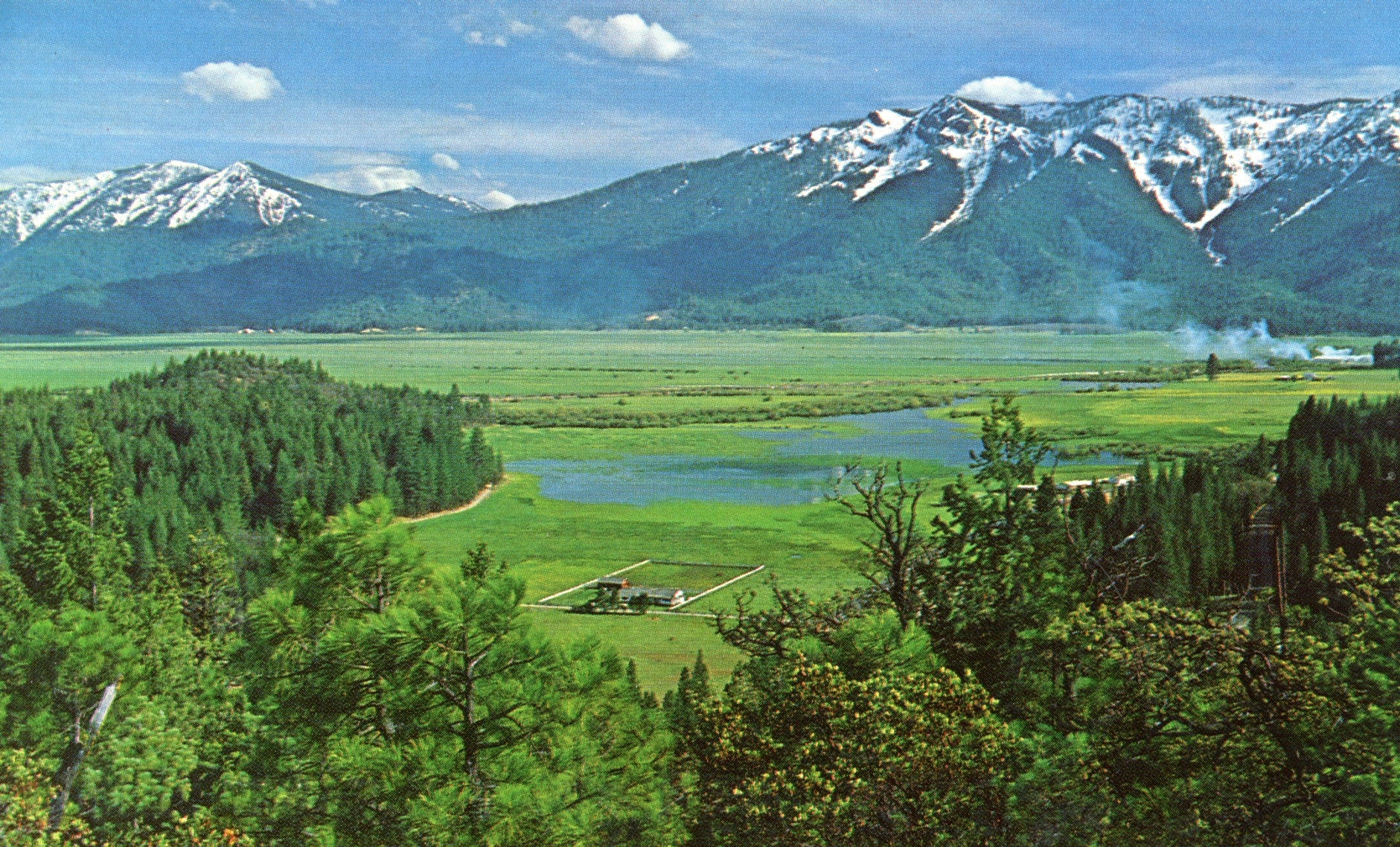
Indian Valley, Plumas County

Just over Diamond Mountain from the Richmond/Susanville area, is Indian Valley in neighboring Plumas County. Those residents of that valley played an important part in the early history on this side of the mountain.

After all, one of Indian Valley’s earliest resident was Peter Lassen. In 1855, Lassen and his companions found gold on this side of the mountain. The next spring when news leaked out, many a miner traveled up Lights Creek and then down Diamond Mountain on what became known as Gold Run. A number of Indian Valley residents migrated over the mountain and became permanent residents.

The traffic on the road via Gold Run to Indian Valley, did not diminish after the minor gold rush peaked. In the 1880s, Susanville’s first telephone line paralleled that route. By 1920, with the development of Engel Mine, near Taylorsville the road witnessed a lot of usage, many of the miners were from the Susanville region and would return on weekends.  By the late 1920s, the mine was past its glory days, and the subsequent development of Westwood and Highway 36, travel diminished  over the route.

Tim

The Prattville Burn, 1926

1925
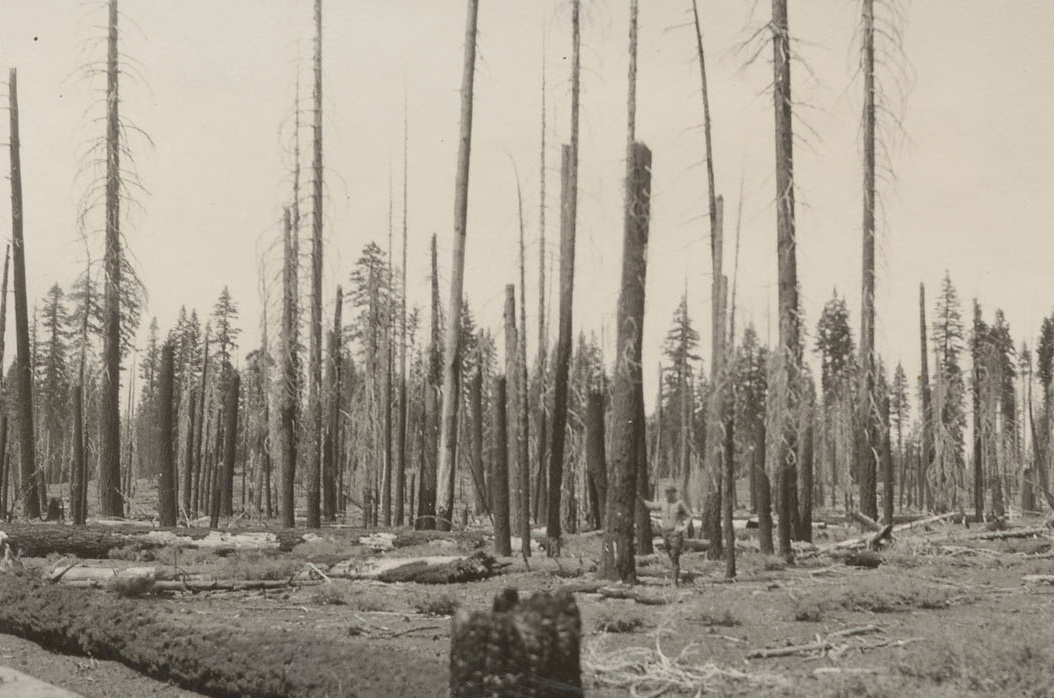
Prattville burn, 1926.

It was not until the 1920s that the Red River Lumber Company experienced problems with forest fires. Some time back I wrote about that company’s fire train. On July 27, 1926, a fire started at Butt Valley where Red River was logging. This was one instant that while the fire train was dispatched it was no match for the inferno.

The fire started from sparks of a steam donkey engine which spread rapidly over the recently logged over lands toward the west shore of Lake Almanor. For a time the fire threatened the Lake Almanor Inn at Prattville and the various cottages adjacent to it, requiring the evacuation of seventy-five campers. The fire burned over 16,000 acres, and destroyed three abandoned logging camps and several miles of railroad ties. Red River estimated its loss at $23,000.

Support this site, and Subscribe

Lake Almanor Carp

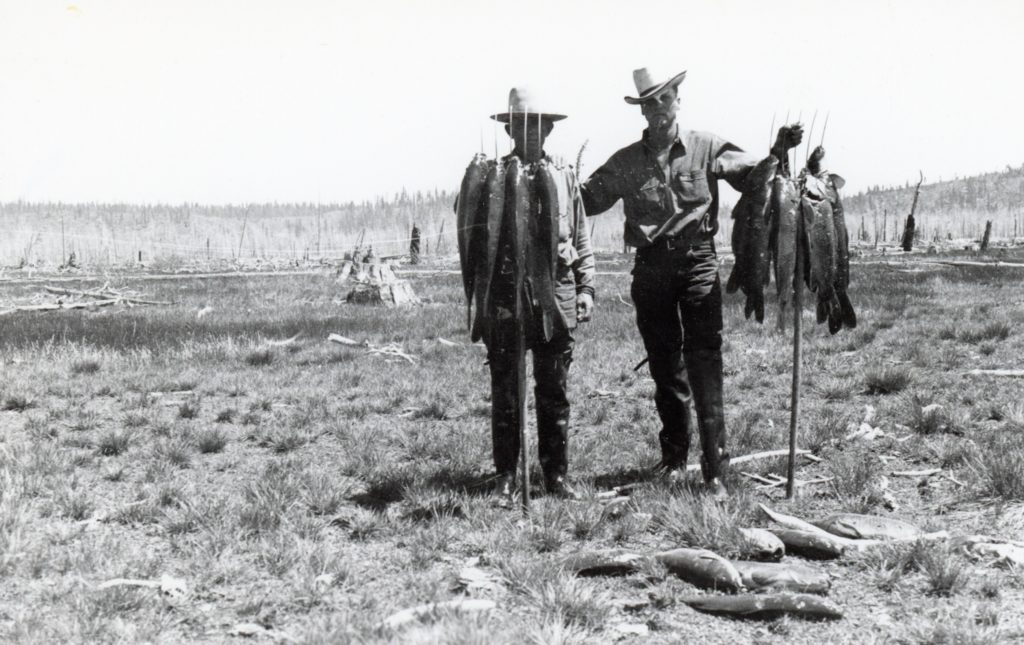
John Tanner and Bud Driver with their Lake Almanor Carp catch of May 8, 1940.

Sometime in the late 1920s or early 1930s an unknown individual(s) planted a non-native species of fish in Lake Almanor—carp. In the 1930s and 1940s efforts were underway to eradicate the fish. During the mid-1930s and early 1940s spearing carp became a popular pastime. In 1935 Vern Hart owner of the Lake Almanor Inn, said it was pretty simple when it came to spearing carp. He said the only thing necessary was a three-pronged spear or a pitchfork.

In 1939, the California  Department of Fish & Game came up with a new plan to remove the carp—commercial operators. Carp did have one beneficial use, they could be converted into fish meal and. a ready market for poultry feed. In July 1940 alone over 30,000 carp were harvested weighing in at over 35,000 pounds. The carp were shipped to Los Angeles for processing. In 1943 it was even proposed to build a carp processing plant at Lake Almanor, but it failed to receive approval from the federal War Priorities Board. After that efforts were suspended on the eradication of the carp.

Support