This is a difficult post, because I am ignorant on the topic. Sometimes for me, I need visuals, but even in this instance I am at a loss. There are some railroad people that subscribe, so may be they will come forward with information on the comment section.
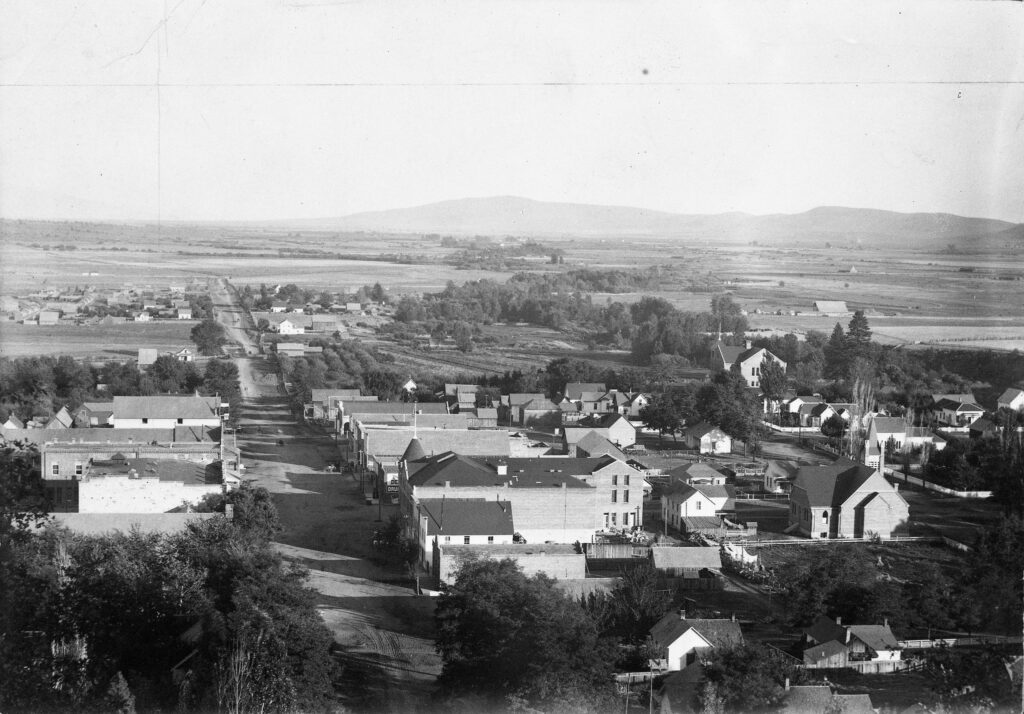
Amedee, 1910 Courtesy of Marie Gould
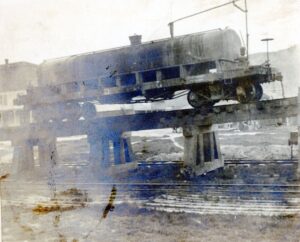
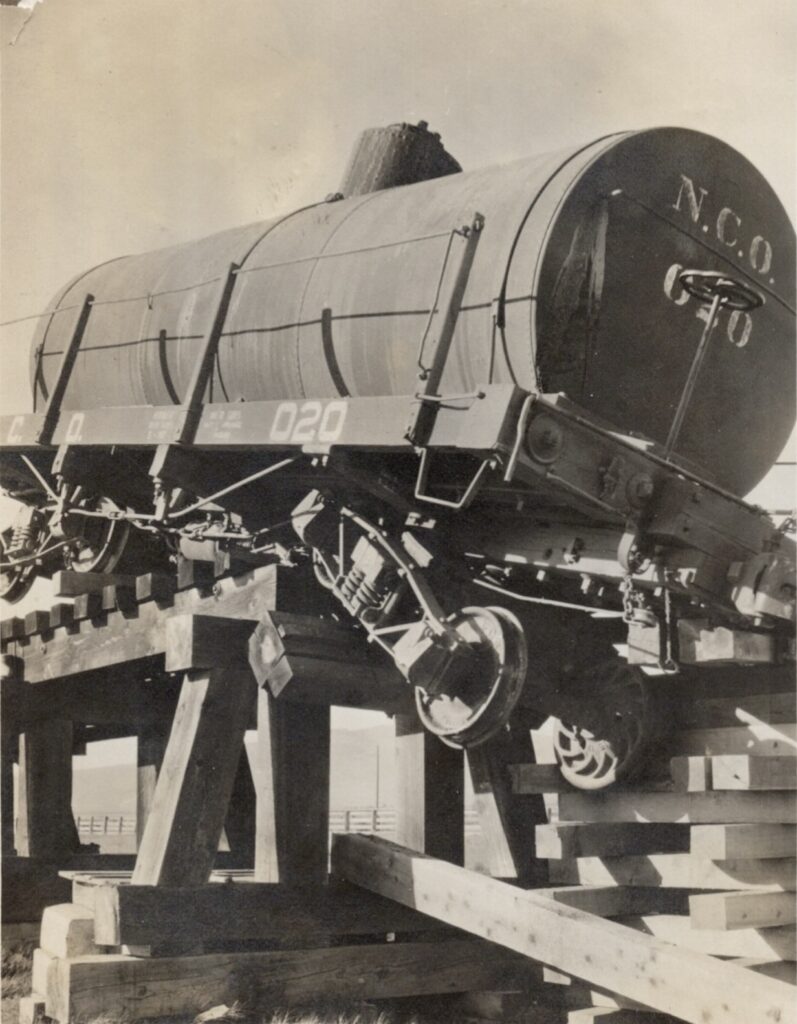
The topic at hand, specifically the NCO railroad were highline gravity unloaders. I understand the concept, but the mechanics involved I am clueless. For instance what was the motor power to position these cars? Tom Armstrong noted there was one uploader at Madeline, two at Wendel, we have photographic evidence of one at Amedee.
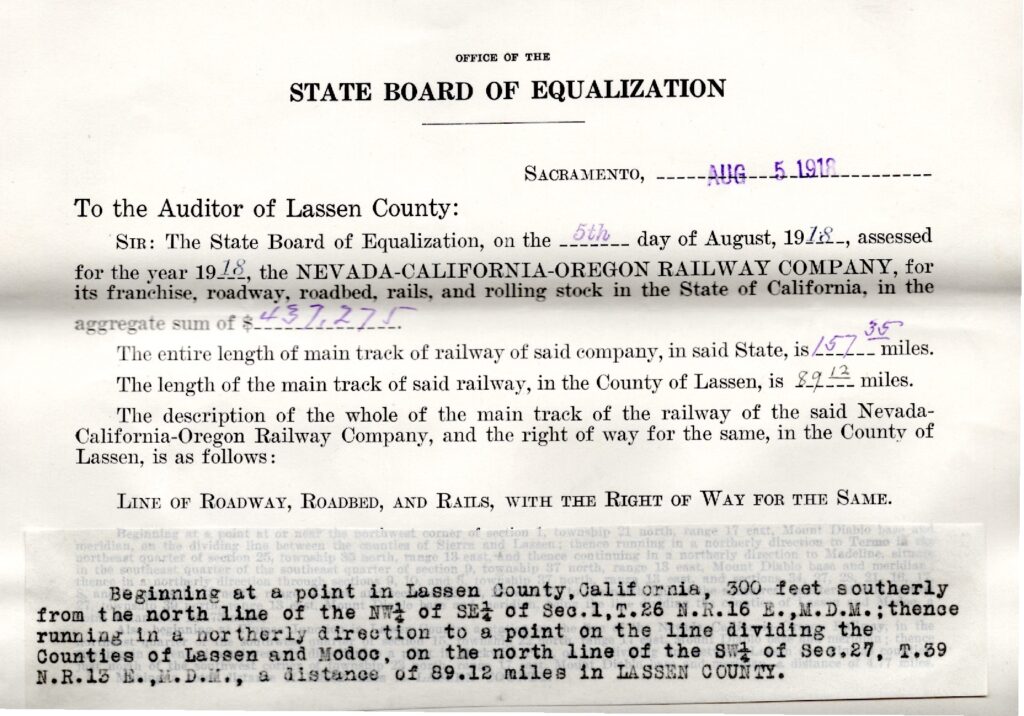
The State Board Equalization is a wealthy repository for information. When it came to taxing railroads, the Board compiled information about each railroad, and was broken down by trackage and the shared assessed value. The taxes collected would be distributed to counties to fund roads and schools. Here is some information of the 1918 reports for the NCO and Western Pacific.
The NCO had 89.13 miles of main railway track in Lassen County and 157.35 in the State of California. The assessed value in the county was valued at $247,664.
The Western Pacific had 44.44 miles on railroad in Lassen County and 417.5 miles in the State of California. The assessed value in the county was valued at $888,800.
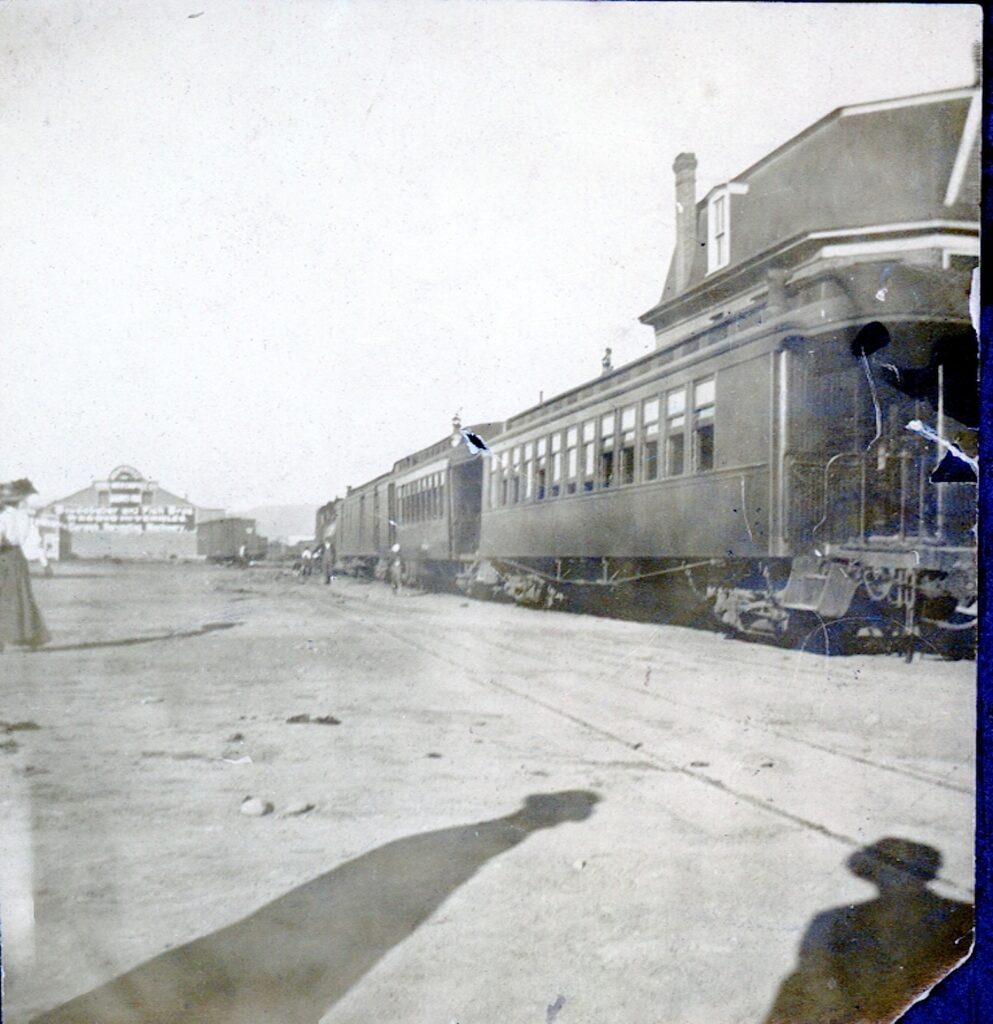
NCO train at Reno, Nevada-Courtesy of Marie Herring Gould
In the spring of 1887, the NCO Railroad abruptly fired its General Manager, Edgar Heriot. This coincided with railroad’s desire to build 45-mile extension north from Junction House, better known today as Hallelujah Junction. Heriot was replaced with Erasmus Gest. The 67-year-old Ohioan was known as a cantankerous individual. The plans revealed the railroad was to bypass Susanville. While Moran’s heard that town’s pleas, Gest had made up his mind. Gest stated it was a waste of money to build to Susanville, referencing to it as a “no place.”His replacement, T.F. Dunaway remarked Gest’s judgment to bypass Susanville “. . . one of most monumental blunders, I have ever known a sane man to commit.”
While the railroad construction moved forward to end up at Amedee on the east side of Honey Lake. Economic conditions stalled for an another extension for nearly decade. When work was resurrected again in 1899, Susanville clamored for a feeder line, and Gest was not about to let it happen. In July 1899, Gest testified at the California Board of Equalization hearing and with total frankness said “The people in Susanville don’t deserve a railroad.” Gest’s animosity towards the town was odd, since he never visited it.
In January 1899, the Nevada-California-Oregon Railway (NCO) after a decade of stalled construction announced its intention to construct northward. Of course, the rumor mill went into overdrive as to whether that route would include Susanville. The NCO stated it was to build onward to the Madeline Plains.
This event coincided with the recently organized Citizens Improvement Club of Susanville. E.V.Spencer and L.C. Stiles were appointed to negotiate with the management of the NCO, or in the instance the canterkous, Erasmus Gest, the general manager. They reported the meeting to be cordial, though the NCO was not going to extend any other assistance than what it had done in the past–nothing. The bottom line if the people of Susanville wanted to construct a feeder line to connect with NCO they would have to do it themselves. It was estimated that to build and equip the line would cost $100,000.
During the remainder of 1899, Spencer worked diligently for a railroad branch from Hot Springs (Wendel) to Susanville. Spencer consulted with the affected property owners along the proposed route to seek right-of-way. Spencer proposed that the line would not stop at Susanville but continue west into the timber region. He said this would create thousands of jobs in the lumber manufacturing business, and that everyone’s investment for the railroad would rapidly pay for itself. But it was a futile attempt. After all, the community could not even raise $450 for a town hall, let alone a $100,000..
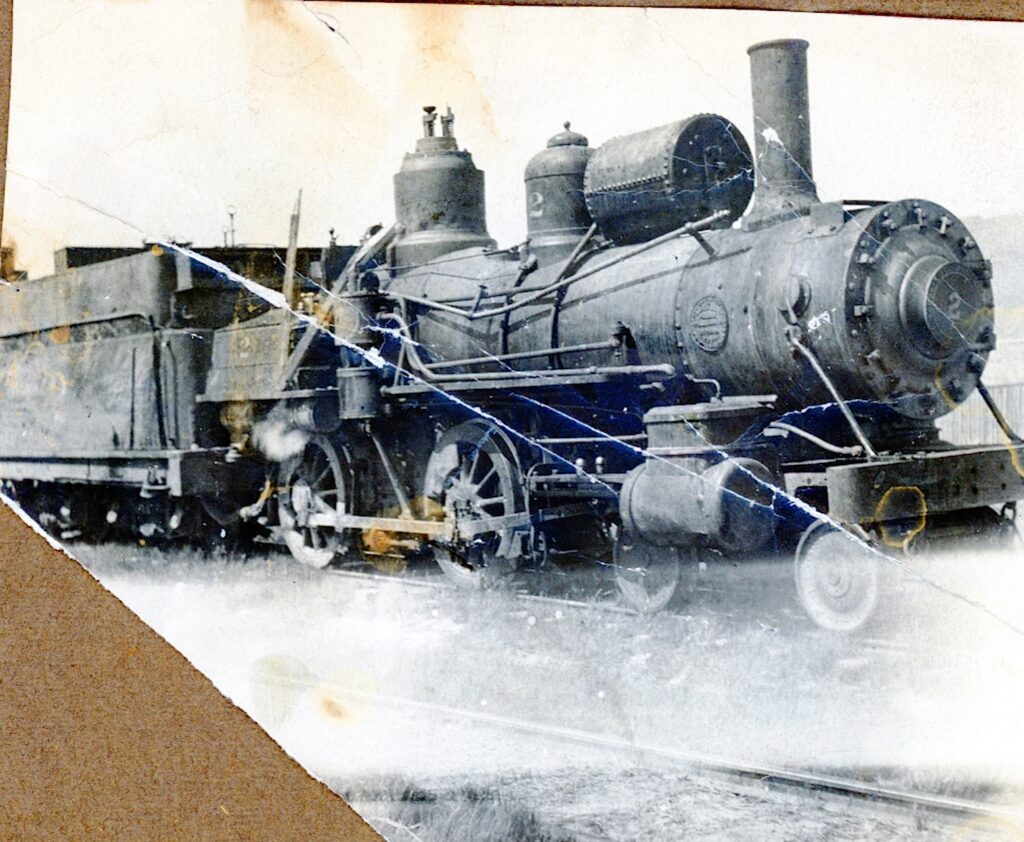
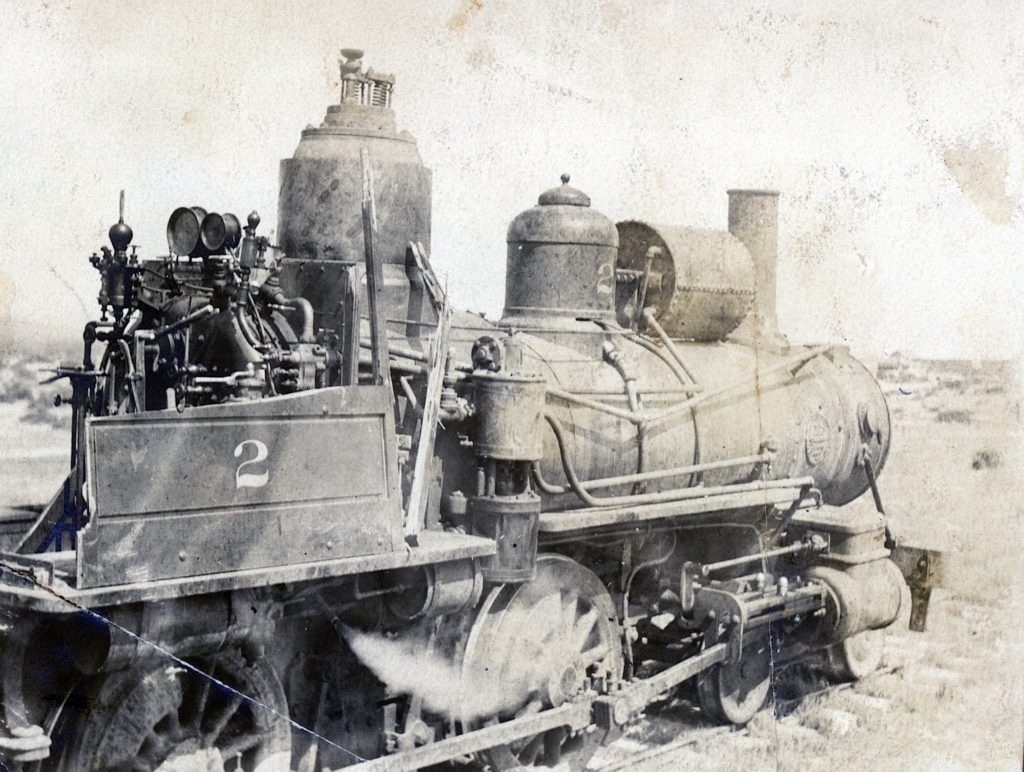
This is for the railfans out there. While going through the filing /catalog bin, I came across additional photograph of the NCO’s No. 2 locomotive. As a matter of fact I also came across a Western Pacific Railroad construction photograph taken near Constantia, that I might include in a possible 2027 Calendar, but that is just too far out me to contemplate.
The No. 2 at Amedee, 1909—Marie Gould
In 1884, the Nevada & Oregon purchased its No 2 Baldwin locomotive new for $4,750. According to David Myrick’s NCO railroad locomotive roster the No. 2 was retired on December 31, 1918—presumably scrapped.
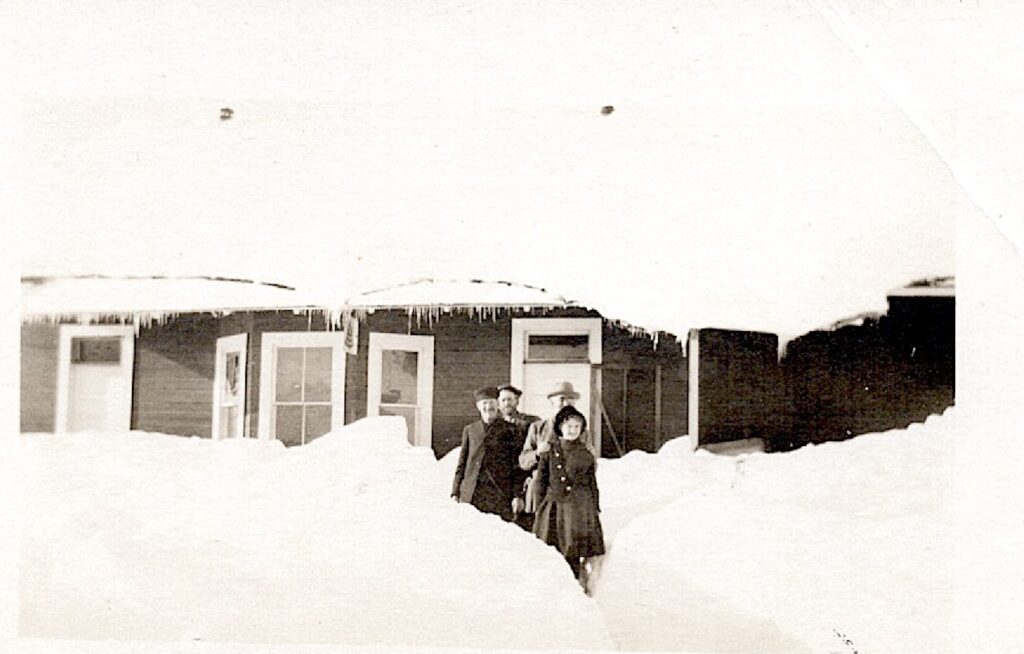
Thelma James, J.H. Pefley, Unknown and William Clayton, Amedee Depot, January 14, 1911
The NCO trains were not known for reliability for being on time, that many passengers of the day could attest. The following is a very unusual case.
Lassen Advocate 13 July 1917 2;1 – Burrus Gets Damages. The decision of the Nevada Supreme Court awarding $5,000.00 damage to Joseph Burrus against the Nevada California & Oregon railway for breach of contract, has been finally determined by the United States Supreme Court in favor of Burrus.
Joseph Burrus engaged a special N-C-O train for $125, in 1911, to carry his son Kirchie, who had contracted blood poisoning as the result of frozen feet, from Doyle to Reno where he was to be placed in the hospital for treatment. When the train arrived in Doyle, Burrus was notified that the train had to proceed Amedee for oil. It developed later that the train went to Amedee for the purpose of loading snow bound passengers, and that passengers were allowed to board and get off the train on the route between Reno and Doyle. Burrus brought suit against the company, holding that the train was not a special, as stipulated in the contract, and that the train was delayed unnecessarily. He asked $20,000 damages. The case went through the Washoe district court, through the Nevada State Supreme Court and finally to the United States Supreme Court.
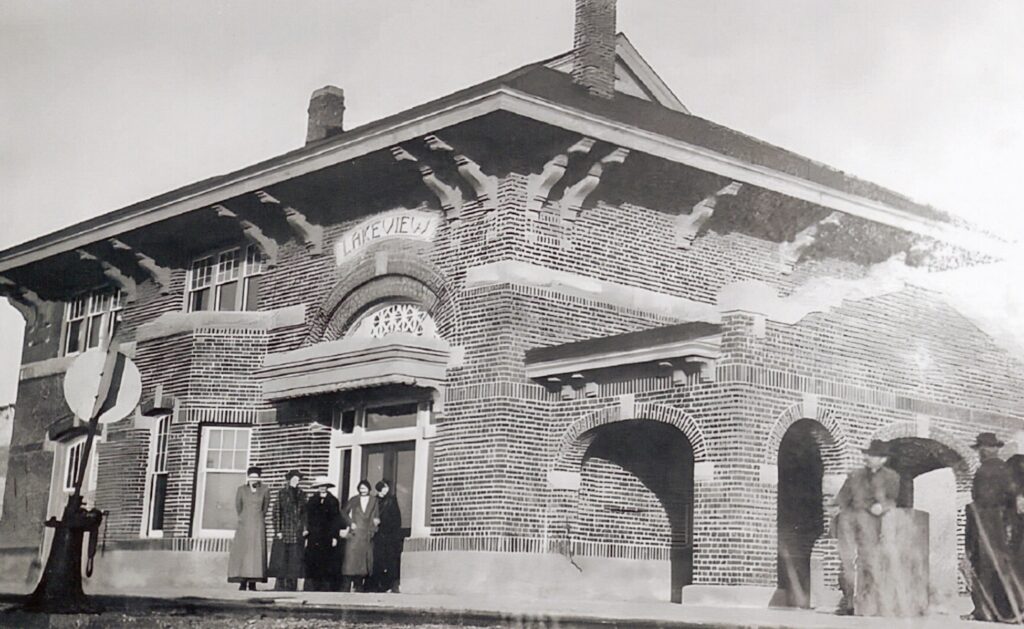
The NCO Depot at Lakeview, Oregon (Note, I purchased this photograph, including postage for $2.14 on Ebay)
In 1887, the newly hired NCO General Manager, Erasmus Gest had an ambitious goal for the railroad to reach its final destination, The Dalles, Oregon. Gest scrapped plans for the railroad to build along west side of Honey Lake and to Susanville. It was Gest’s opinion to build the railroad on east side of Honey Lake to speed up the process. It was not meant to be, in 1890 NCO reached Brubeck’s Ranch, destined to become Amedee construction would stall for nearly decade. In 1900, when Gest retired, the railroad finally reached the Madeline Plains far short of Gest’s goal to Oregon..
Progress was made slowly but surely and by 1908, the NCO arrived at Alturas, the most populous community on the route. On January 10, 1912, it was momentous occasion when the NCO reached Lakeview, Oregon, 238 miles from Reno. Little did anyone know what a historic event it would be. It would remain the northernmost terminus of the NCO, the rails would never be extended beyond that point.
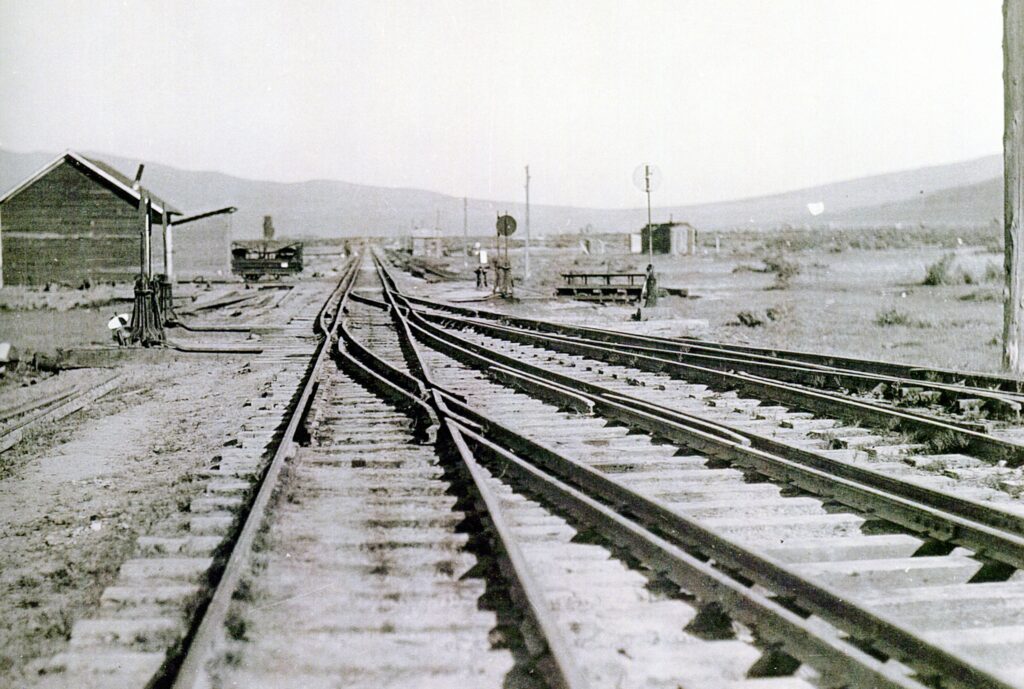
Looking north of Wendell during the change to from narrow to broad gauge.–Jack Bowden
Briefly, I wrote about this topic concerning Wendel.Unfortunately, I relied on secondary source material (Myrick, 1962) and paid the price to perpetuate erroneous material. As a penance, I herewith l correct the situation. For starters, a bit of background.
On April 30, 1925 the Southern Pacific agreed to purchase the struggling the NCO railroad. When the news broke it was reported that the Southern Pacific would convert the NCO narrow gauge to standard. Before this could happen it would have to have meet the approval the Interstate Commerce Commission. It was a lengthy process and in November 1926 the Southern Pacific gained full control of the NCO’s railroad line.
In June 1927, A.E. McKennett, assistant chief engineer of the Southern Pacific arrived on the scene to plot out construction camps between Wendel and Alturas prior to work to commence on the standard gauge of the NCO’s tracks. On July 1, 1927 100 men arrived at Wendel to begin work, followed by an additional 130 men. McKennett stated that by the end of July that between 450-500 men would be employed when rails started to be laid. He then stated, “New bridges will be built and cuts widened, etc. Mexicans will be used for the track work, while white men will be used for the bridge and other work.”
Doyle, with the Western Pacific Depot, 1915—Sue Whitten
For nearly decade Doyle was serviced by two railroads-the NCO and the Western Pacific. Passengers switching trains from one to the other was problematic. In August 1914, the Reno Journal reported that a meeting of the respective railroad officials was held at Doyle. The outcome of the said meeting it was told that a new depot would be jointly built by the two companies. That was not the last word. In September, the State Railroad Commission held a meeting in Doyle, which residents were opposed the depot merger. The Commission ruled in favor of the residents and the depot issue dropped.
In a couple of years the issue would be moot. In 1917, the NCO sold its trackage from Hackstaff (Herlong) to Reno, thus the NCO would no longer serve Doyle.