Tag Archives: Natural History

Lassen County Gray Wolves

Deer Hunt
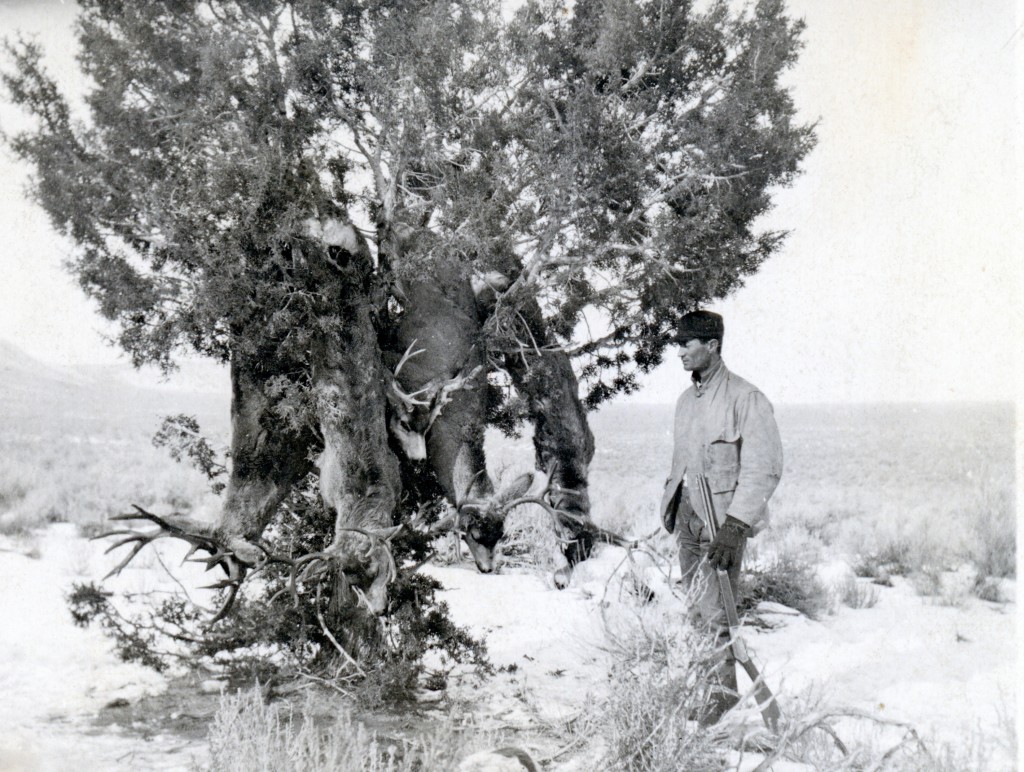
A successful deer hunt near Skedaddle, 1906. Courtesy of Marge C. Foster

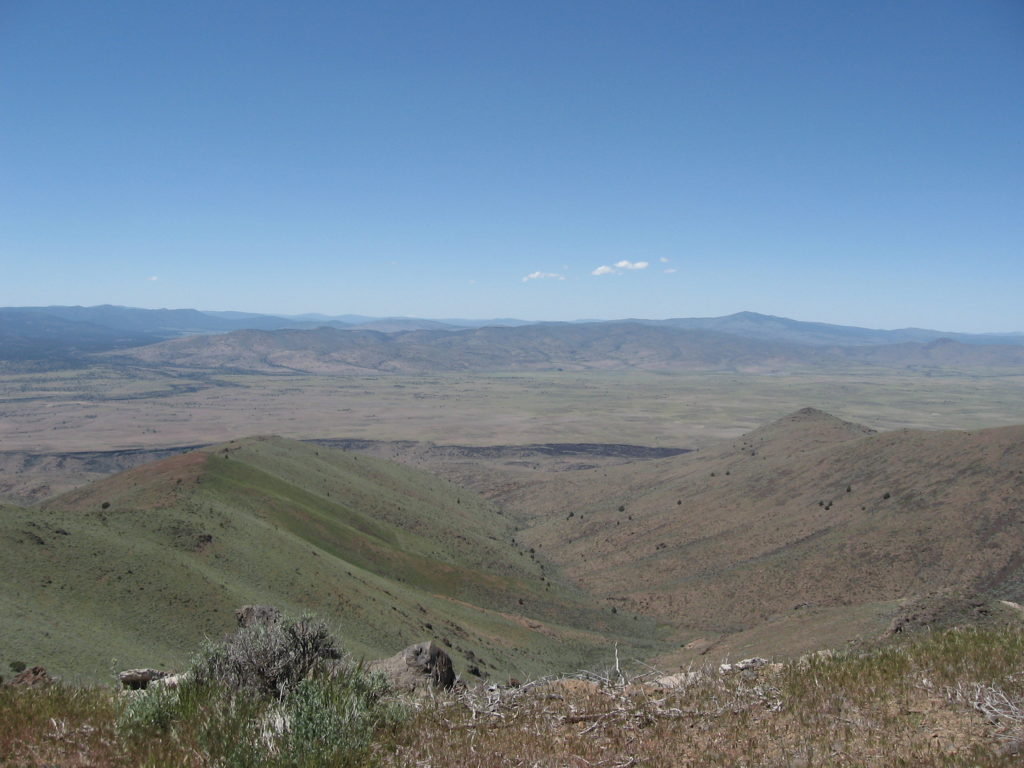
It was on November 29, 1883 that Charles E. Jones reported that he had killed two gray wolves on Skedaddle Mountain that he stated each weighed approximate 150 pounds. According to Jones he stated the wolves had been a “terror” to the sheepmen there. In 1890, A.J. Hall reported seeing a lone gray wolf on the mountain.  In the course of time, with increased livestock operations, the wolf population witnessed a steady decline. It was in 1924 that the last gray wolf in California was killed near Skedaddle Mountain. Fast forward to January 2012, a lone gray wolf from Oregon dubbed OR7 made its first appearance in nearly a century to the north Skedaddle, in the Madeline Plains. Reaction, of course, is mixed depending on one’s perspective.

On a related footnote, the last big horn sheep killed on Skedaddle Mountain happened in 1883.

Subscribe

Tree Growing Clubs

Fruit Growers tree nursery at Susanville, 1928.

In the early 1900s there was a nation wide movement of forming tree growing clubs to sustain a future supply. Of course, certain regions were in more dire need of trees than others. For a brief movement, there was an attempt to organize the farmers of the Honey Lake Valley for an co-operative effort to do the same. It never went anywhere. Continue reading Tree Growing Clubs

Winter Weather Prophets

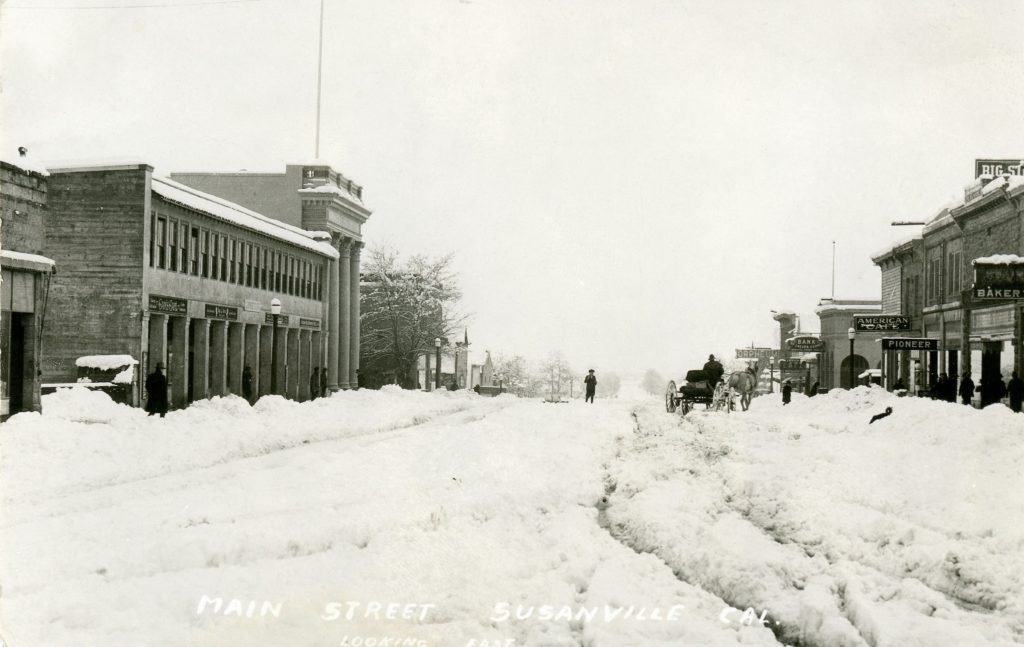
Main Street, Susanville, 1922.

In 1904, one weather observerer noted that the acorn crop was very light and predicted a mild weather.  It turns out it was.

In the fall of 1909, it was reported, “The weather prophets say if a thin coating of snow on the summit of Diamond Mountain last any considerable time without melting, we may expect a light snowfall this winter. Some of the wiset weather prophets have been watching this indicator for thirty years or more, and ought to know.” The result—it turn out to be a dry cold winter, most of January was fogged in.

Whatever the case may be, I have a new set of snow shoes that I am anxious to try.

Subscribe

Lassen County Soap


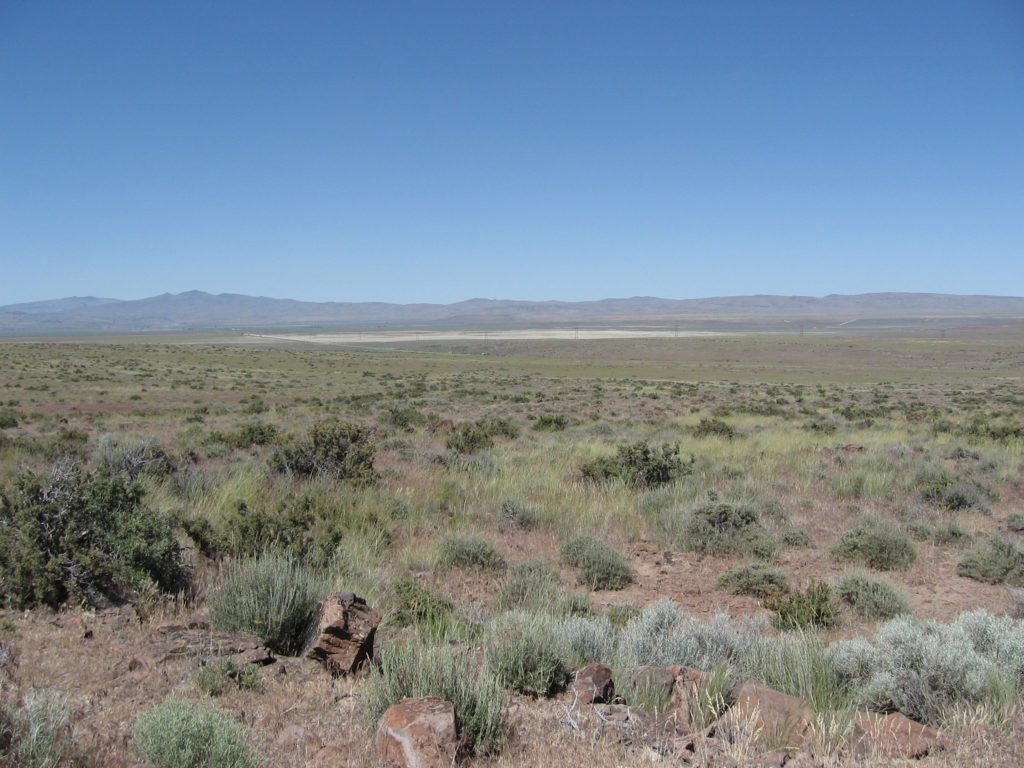
A view of Mud Flat from Shaffer Mountain

Those old time Honey Lakers were a resourceful lot. They took the meaning of “no stone over turned” to a new level. A sterling example was in 1907 when B.F. Gibson and W.A. McNaughton of the Honey Lake Valley announced a stunning discovery at Mud Flat, just to the north. What they found was a diatomaceous earth deposit—a form of silica of ancient fish bones, no doubt residue of Lake Lahontan.  They thought it could be used to make soap, after all, it had a historical use for toothpaste and facial scrubs. The two men began negotiations with the NCO Railroad to build a spur line to the deposit, where in it could be shipped to Reno for processing.  Alas, like so many enterprises, it started with a bang and ended with a bust.

Subscribe

Lassen Peak Lookout

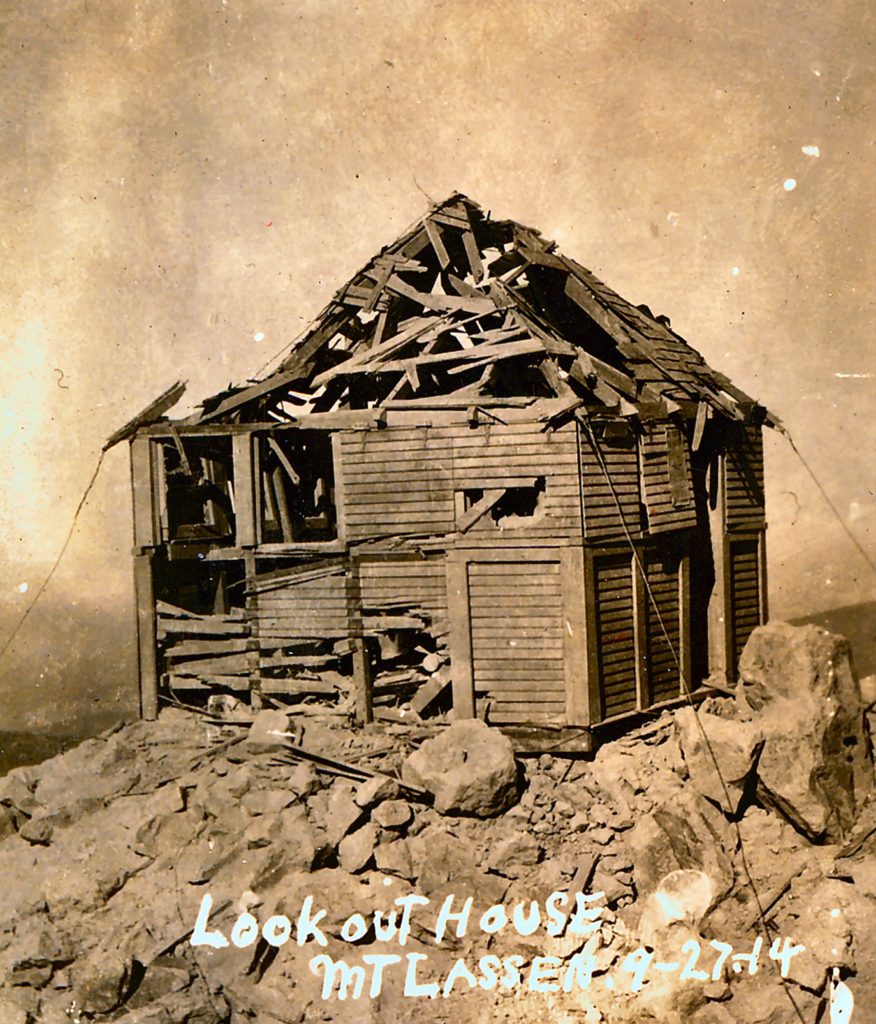
The remains from the first eruptions of September 1914

It is somewhat amazing to the think that fire lookouts more or less ran the course of just little over a century.  While there are still manned fire lookouts, they are few and far between.

In 1911, the Lassen National Forest Service implemented its fire lookout program.  Lassen Peak, at an elevation of 10,457 feet was the highest point in the forest, and so it was only natural that a lookout be placed there. In 1912, the first attempt was made, it was a crude arrangement that did not function. The following a year, with a new design, a portable structure could be hauled by pack animals.  In June 1913, mules were used to pack the lookout building for Lassen, at least to its base. At that point, man was designated the beast of burden. It took four men, two days and sixteen trips to lug all the pieces and the sparse furnishings to the top of Lassen. W.H. Packard, of Woodland would be the only person to man the lookout for two seasons. In the fall of 1914, the lookout was destroyed by numerous volcanic eruptions.

Subscribe

Another Big Tree

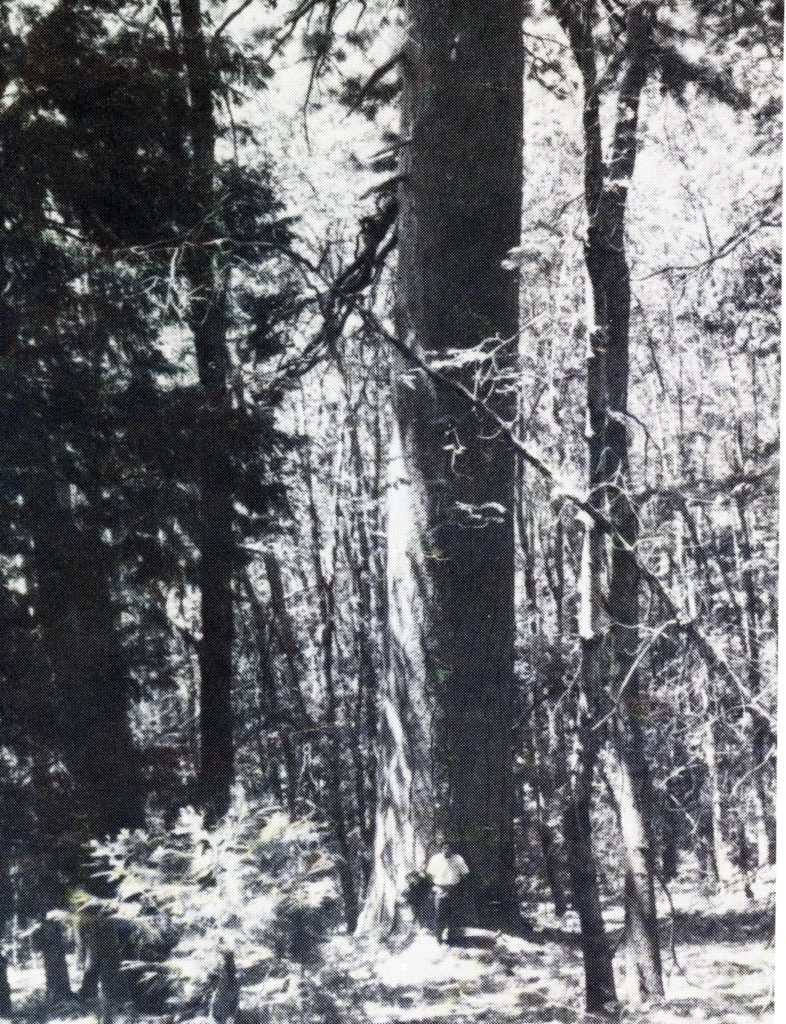
The Plumas Champ.

Some may find this of interest. The forest service of yore, would occassionally release information concerning the discovery of extra-ordinary large trees. In 1974, John Bell, Engineer, came across a ponderosa pine deemed a National Champion. The tree located on the Oroville Ranger District of the Plumas National Forest. The statistics: Height 223 feet; Circumference 23 feet, 11 inches and an Average Crown Spread of 68 feet. The American Forestry Association computed a total of 527 points. The previous record was on the Sierra National Forest with a score of 516 points.

Subscribe

Amedee Hot Springs

Amedee Bath House
Amedee Bath House courtesy of John M. Gibson

The springs were originally referred to as Lower Hot Springs. In the 1880s they were also known as Brubeck Springs, for the owner of the property, L.W. Brubeck. The name was changed to Amedee with the establishment of the town. A unique feature of the springs was a geyser. In 1854, Lt. E.G. Beckwith, during his exploration of a transcontinental railroad route visited the hot springs and noted that the geyser consisted of a column of water twenty inches in diameter. The geyser was quite an attraction when the town was established. Amos Lane, bartender and inventor, devised a clock to measure spurts of the geyser that rose and fell at intervals of 38 seconds. At times the geyser would shoot as high as eight feet. The geyser ceased to exist in May 1893, as the ground around the springs cracked and allowed the steam to escape.

Donate

Supan Sulfur Works

1935 signage for the sulfur works.

Can you believe it, here we are in the middle of September. Personally, I think this is the best time of the year around these parts. One of the places I like to visit is Lassen Volcanic National Park, as it becomes the “shoulder season.” Unfortunately, one of the many attractions Bumpass Hell is off limits this year, while the boardwalk undergoes major renovation. However, the Supan Sulfur Works is worth checking out. In 1865, Dr. Mathias Supan of Red Bluff filed a mineral right claim to the property. Dr. Supan would slowly expand his enterprise there, first with steam bath houses and later with a line of his own patent medicines.  The tale of the family’s involvement is an intriguing one. When Lassen Volcanic National Park was created in 1916, the Supan property was an “inholding one.” Actually, Drakesbad, Juniper Lake, plus others were privately owned properties located inside the park and for park service to acquire them was a slow and tedious process. It was not until 1952 when the park finally purchased the Supan property.

Subscribe

Invasive Species

The east slope of Fort Sage Mountain is now covered with cheat grass. June 7, 2018

If there was one positive aspect due to the lack of railroads in the region, was it delayed the  appearance of invasive non-native plant species.  The Russian Thistle, best known too many as the iconic “tumbling tumbleweed” did not make its appearance in Lassen County until 1914.  The first plants were spotted along the Fernley &  Lassen Railroad right-of-way. For the next two years, major efforts were undertaken to eradicate it, but it was a lost cause. The tumbleweed was followed next by an even more hazardous plant cheat grass.  After the 2017 fire that spread from Doyle to almost Pyramid Lake, in many of the burned areas is covered with a thick growth of cheat grass, thereby choking out native plants.

Subscribe