Tag Archives: Mining

The Great Uranium Strike

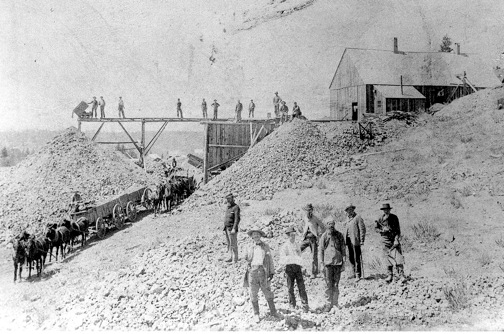
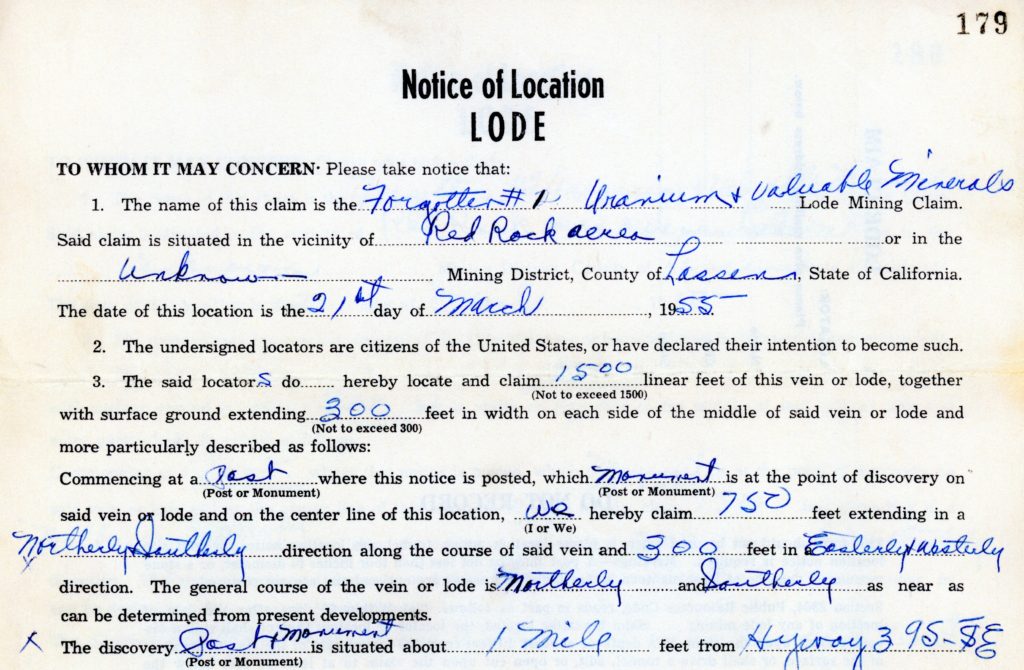
The Maurino, Vella & Purdy mining claim, 1955.

This was one of those events that seemed to happen with a blink of eye and then it was gone. In March 1955 the California Mining Journal featured three articles on the uranium discoveries in Lassen County, or more specifically about four miles north of Hallelujah Junction in the neighborhood of Red Rock. The initial discovery was credited to Carlton A. Brown of Reno in the fall of 1953. What caused tremendous speculation was in 1954 a similar discovery had occurred in Inyo County and those initial prospectors sold their claims for $2 million. As word spread, there was the proverbial land rush to file claims, my family included. By the fall of 1955, it was determined the uranium was of low grade and possessed little value. Interest quickly waned.
Support

Richmond, Lassen County

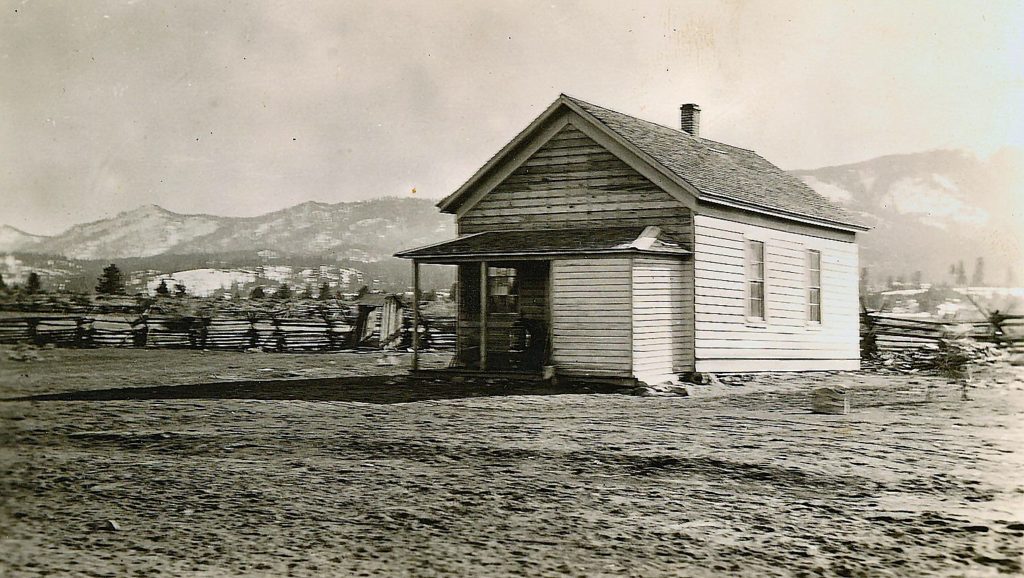
Richmond School, 1916. D.M. Durst Collection

Yesterday, I made reference to the town of Richmond where the local Masonic lodge was organized. After all, for many people they are just aware of a road and school of the same name.

Richmond came into prominence with gold being discovered along the base of Diamond Mountain. By 1859, a nucelus of a town was in earnest with a hotel as well as houses built. The following year the region’s first newspaper, the Richmond Times, made its debut. In 1861, the townsite was surveyed and plotted, a first in the Honey Lake Valley. In 1862, things were rather bleak and the town nearly abandoned. Years later, E.R. Dodge wrote, “Richmond had gone up like a rocket and came down like a stick and Susanville had been left to glory over her rival.”

In a 1878 traveler on his way to visit Lassen’s Monument, described what was left of the abandoned town: “This was formerly a populous town with its stores, saloons and busy life, now nothing is left but a dilapidated hotel to mark the spot; and this with its windows gone, its sides warped and uncouth, is fast giving way to time’s relentless hand.  A schoolhouse has been erected since the demise of the town, and Mr. Bantley and family are now the only inhabitants of this once busy place.”      

On a final note, the abandoned hotel was converted into barn and on March 24, 1908, it fell down during a windstorm.

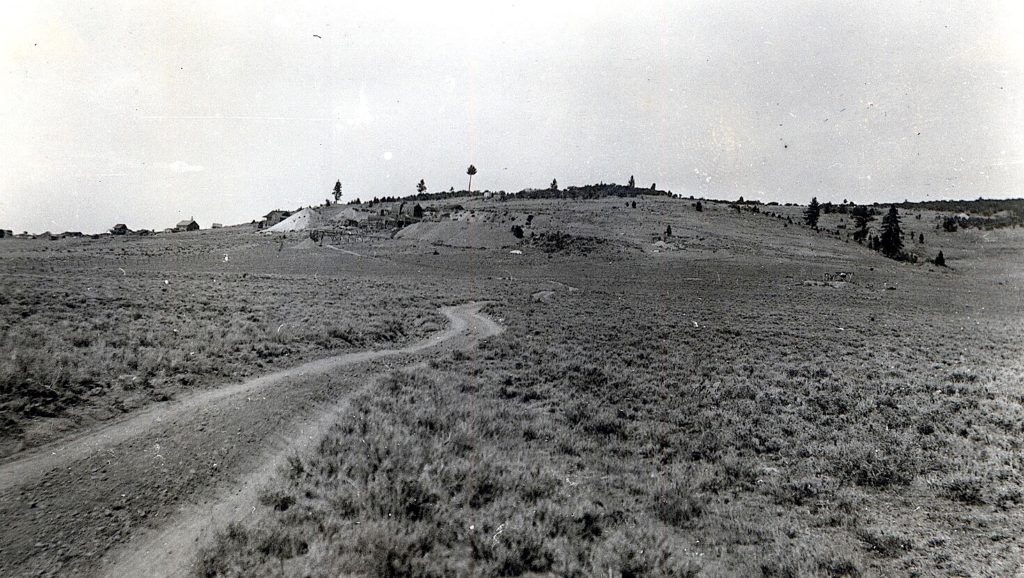
Richmond Road
Richmond Road, 1906

Support

Golden Eagle Mine Shutdown

Golden Eagle Mine, 1894. Courtesy of Del & Diane Poole

In days of yore, before Prohibition, it was the County Board of Supervisors who granted liquor licenses. At times it was a contentious issue. In 1907, the County Board granted Ed Driskell’s application to operate a saloon at Hayden Hill. The two largest mine operators there, the Golden Eagle and Lassen Mining Company objected, but the County Board ignored their plea. In retaliation, Golden Eagle, shut down their mine. It should be noted that the Golden Eagle was Lassen County’s largest and most productive mine.

Subscribe

Hayden Hill’s Water Problems

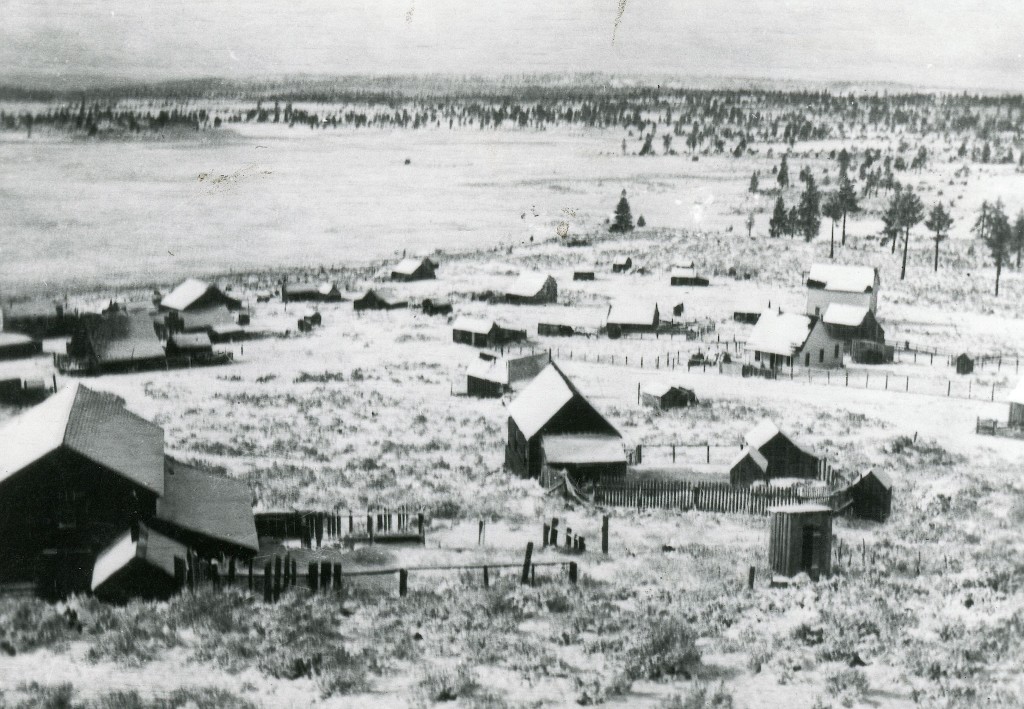
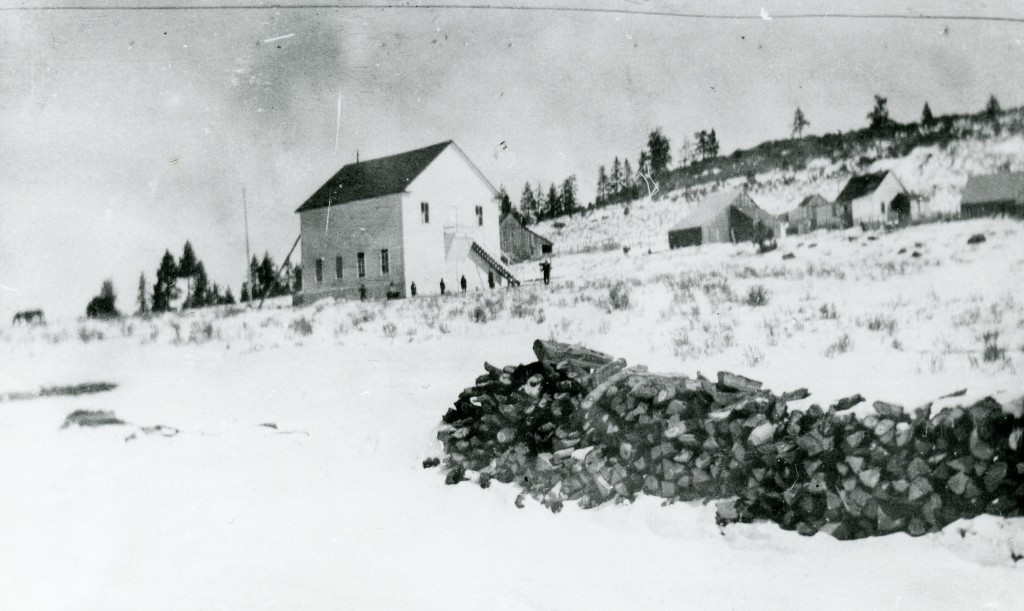
Hayden Hill, 1920.

One of the problems that stymied development was water, or specifically the lack thereof. Efforts were made to bring water from Willow Creek, but that was fraught with problems—litigation over water rights. Then there was another dilemma, of finding water in all the wrong places. In the tunnels miners experienced a tremendous amount of water seepage, compounding an already difficult task. The author can attest first hand having had explored the Golden Eagle mine with water dripping everywhere.

Donate

Hayden Hill’s Other Mineral Deposit

Hayden Hill, 1909. Courtesy of Dallas & Joyce Snider

In the 1892 California Mineralogist report on Hayden Hill, it was duly noted that over $2,000,000 in gold had been extracted. It was noted there was a good quality kaolin deposit there as well. However, since it was so far removed from any rail transportation service, that the deposit was deemed worthless. Kaolin historically was used in porcelain, but the majority of it is used in paper manufacturing that gives the glossy paper its sheen.

 Subscribe

Buffalo Meadows Salt Works

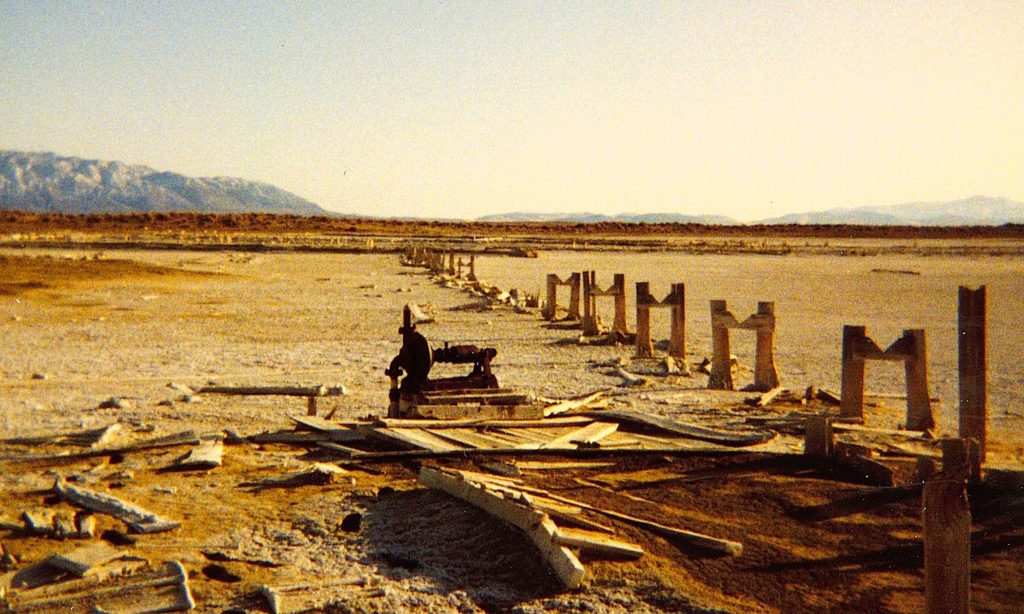
The salt works, January 1980.

One of the most interesting enterprises around the region was the Buffalo Salt Works in the Smoke Creek Desert. It is so easy today to take many things for granted, but back in the early days of settlement of the mid-1850s, those hardy souls did not have that luxury.

First of all, it boggles my mind, how B.F. “Frank” Murphy and Marion “Comanche George” Lawrence discovered and claimed the salt marsh in the summer of 1864. For most of its existence Murphy was the main operator of the Buffalo Salt Works. Two types of salt was produced. The first being table salt that 99.8% pure. A lesser grade was sold to mining operators with a smelting plant that utilized the salt.  The salt was obtained from wells, the brine pumped into vats, and left to dry.  In 1888, it was reported that 200 tons of salt was produced annually. Continue reading Buffalo Meadows Salt Works →

Greater Hayden Hill

One of the mines not located on top of Hayden Hill, 1910

One misconception of Hayden Hill was that all the mining took place at Hayden Hill proper where the town and some of major gold mines were located. However, there were small satellite mining communities surrounding Hayden Hill, such as Franktown and Lewiston. Take for instance the California State Mineralogist 1892 report concerning the Juniper Mine. It stated the three miles from the mine, on Willow Creek, the company own a water power and four arrastras eight feet in diameter.

Donate!

A Willow Creek Flume

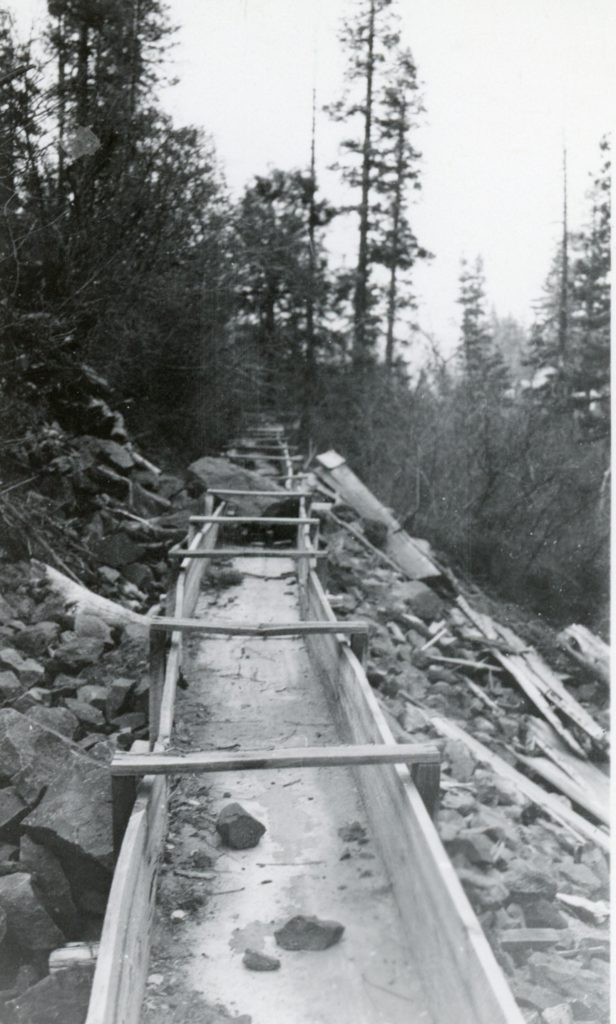
Lassen Mining Company’s flume, 1927.

A subscriber wanted to know about an old abandoned flume at Willow Creek near Hayden Hill. According to the 1938 adjudication report of Ash Creek and its tributaries had this information:

”Diversion 87 is that of the Lassen Mining Company Ditch on Willow Creek. This diversion has a low rock dam which is used to divert to the south side of Willow Creek into an earth ditch and wood box flume three-fourths mile in length.  The ditch is used to transport water to a small power plant. Power is generated to pump domestic water to the Hayden Hill mine. The ditch has  a capacity of 3.5 cubic feet per second which is the average available operating head during the summer months when the entire stream is diverted into the ditch.”

Subscribe

Hayden Hill School Sold

Hayden Hill School, 1918. B. Dorsey Collection

Lassen County’s mining community of Hayden Hill went through many boom and bust cycles.  The school closed for the last time in 1925 for lack of students. The fate of the school building is conflicted. On April 18, 1931, long time Hayden Hill resident J.S. Owens offered to purchase the two-story building from Lassen County for $125. It appears the county did not accept the offer, but it did raise awareness. On June 1, 1931 the county placed the school on the market. Fred Bunselmeier and Lloyd Walsh purchased it, but the records did not disclose how much they paid for it.

Donate