Tag Archives: Honey Lake Valley

Milford, 1908

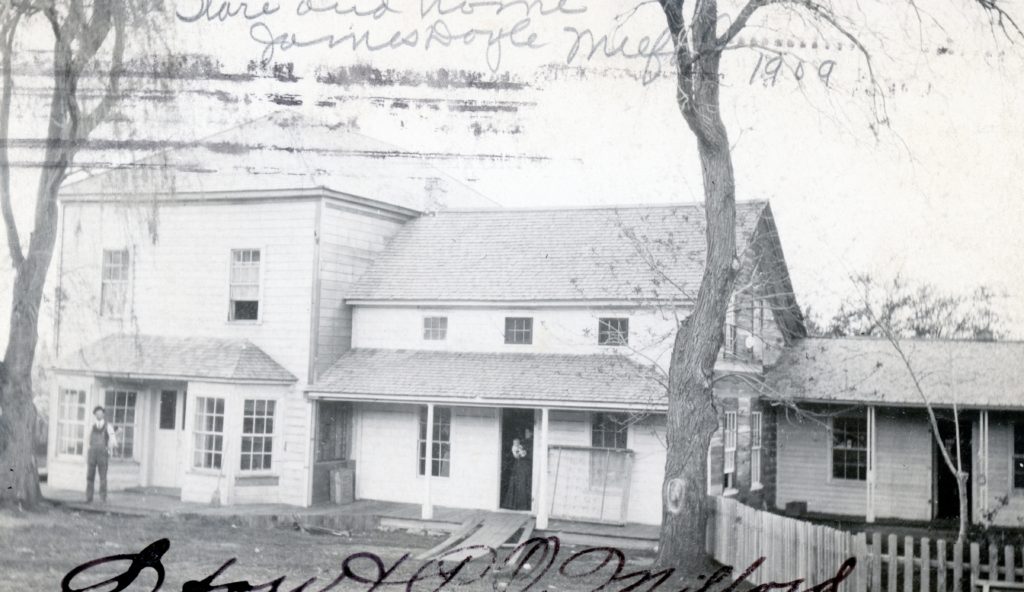
The Milford Post Office and Store, 1909. Courtesy of Betty Barry Deal

In 1908, G. Yoell Parkhurst compiled a Lassen County booklet as part of Sunset Magazine’s Homesteader’s Bureau operation. Parkhurst made the following observation about Milford:

“Milford is quaint little village a few miles from the west shore of Honey Lake, and is the post office for some fine orchard and farm lands. The best way to show what may be done here is to tell about James Doyle, one of Lassen County’s oldest and prosperous citizens. He came to California in the early sixties [1860s] by way of the plain route. Arriving in Lassen County in the vicinity of Milford, he saw the possibilities in the land around him, so went no farther, taking up a section of land plowing the soil. Altogether he accumulated a mile and a quarter square of land between Honey Lake and the mountains, all of it being overgrown with sagebrush. This was nearly sixty years ago and today he is one of the wealthiest men in the County, made so by the power of his own energy exerted upon fertile land.
Subscribe

Zarbock Homestead: Then & Now

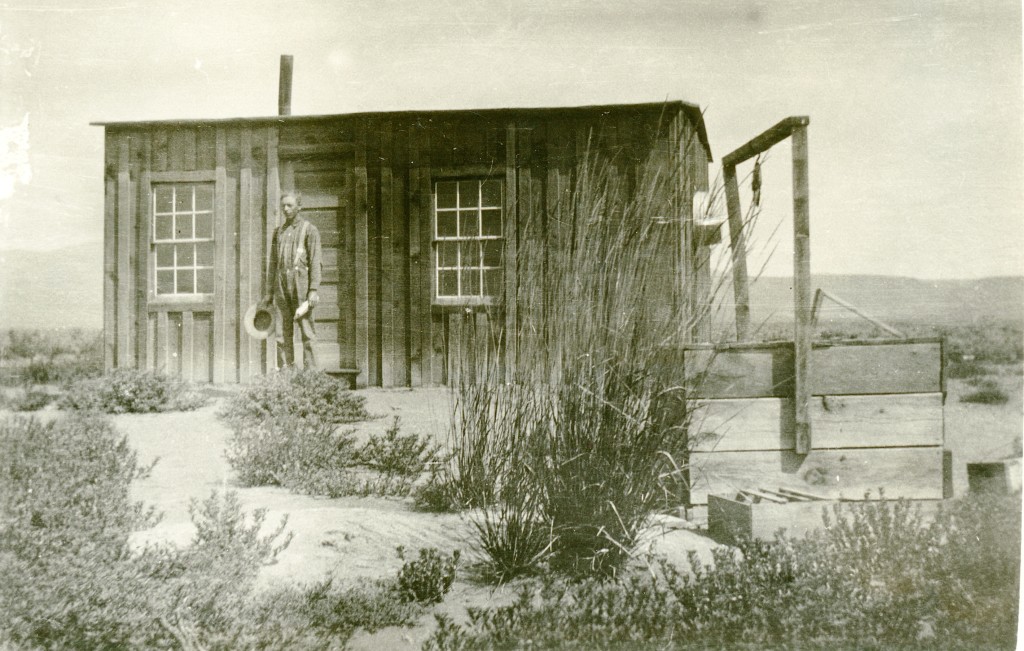
The Zarbock homestead. Carl R. Caudle Collection

It has been awhile since I have done one of these topics. In 1915 Frederick Zarbock filed on a 160 acres of desert land in the eastern Honey Lake Valley, near Stacy. Zarbock, like so many others were lured, that between the dry farming experience, along with assured water supply from the Standish Water Company, the sagebrush plain would be transformed into productive agricultural land. Zarbock would never see the final result as he was drafted to serve in World War I and when he was discharged returned to Minnesota.  Somewhat surprising, while his old cabin is no longer there, the sagebrush did not reclaim his old homestead.

A 2018 sideview.

Leavitt City

Stock corrals at Leavitt, circa 1922.

In the fall of 1912, Benjamin H. Leavitt proposed the town on his original ranch. Leavitt wrote to his granddaughter, Edith Elledge, of his intentions: “I am going to cut the old ranch up into small tracts and sell it off in ten and twenty acre tracts . . . I am also building a road down from Rice’s Canyon, you know that is directly north of the town of Leavitt, to connect with all the northern trade clear out to Big Valley. The R.R. Co. have agreed to put their stock yards there. I have given them the land for the stock yards. I am also going to extend the road through the ranch to intercept the Janesville Road near Billey Indian. All the merchants of Janesville have agreed to order their good shipped to Leavitt which will make it one of the largest shipping points on the Fernley & Lassen.”

In addition, Leavitt offered railroad officials land if they would construct their roundhouse there. That proposition did not occur as Susanville’s business community convinced the railroad to locate that operation in their town. “The City” consisted of only the store, a few dwellings, and several large corrals that held livestock for shipment on the railroad.

Yet, years later, one could say a city of sorts of was built just north of Leavitt, the home of the California Conservation Center and High Desert State prisons.

Don’t forget to examine the Subscribe feature.

Those Little Things

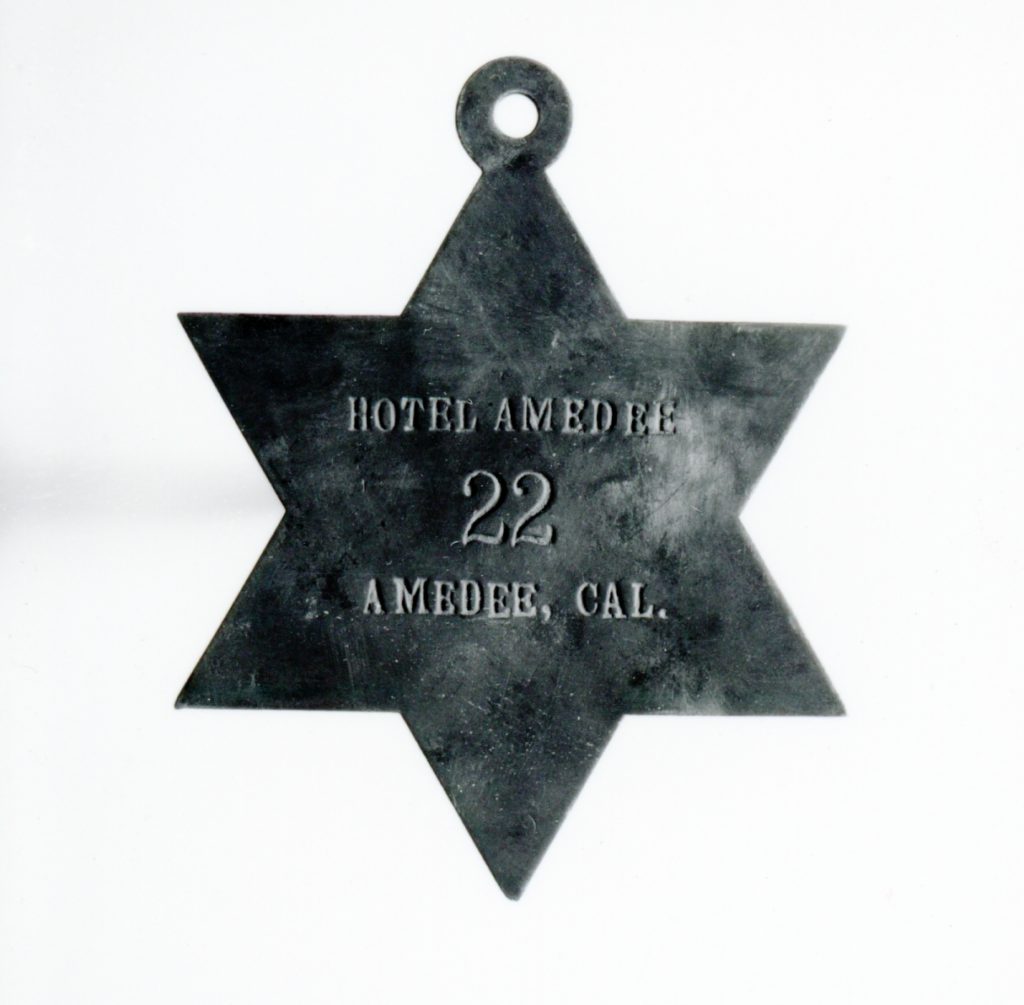
Amedee Hotel Door Room Number

One just never knows what will rise to the surface. This brass marker was used to indicate the room number at the Amedee Hotel.  The hotel had twenty-seven guest rooms, a bar and billiard room, two dining rooms and two kitchens.  The expansive second floor balcony afforded not only views of the Honey Lake Valley, but that of Lassen Peak.

Donate!

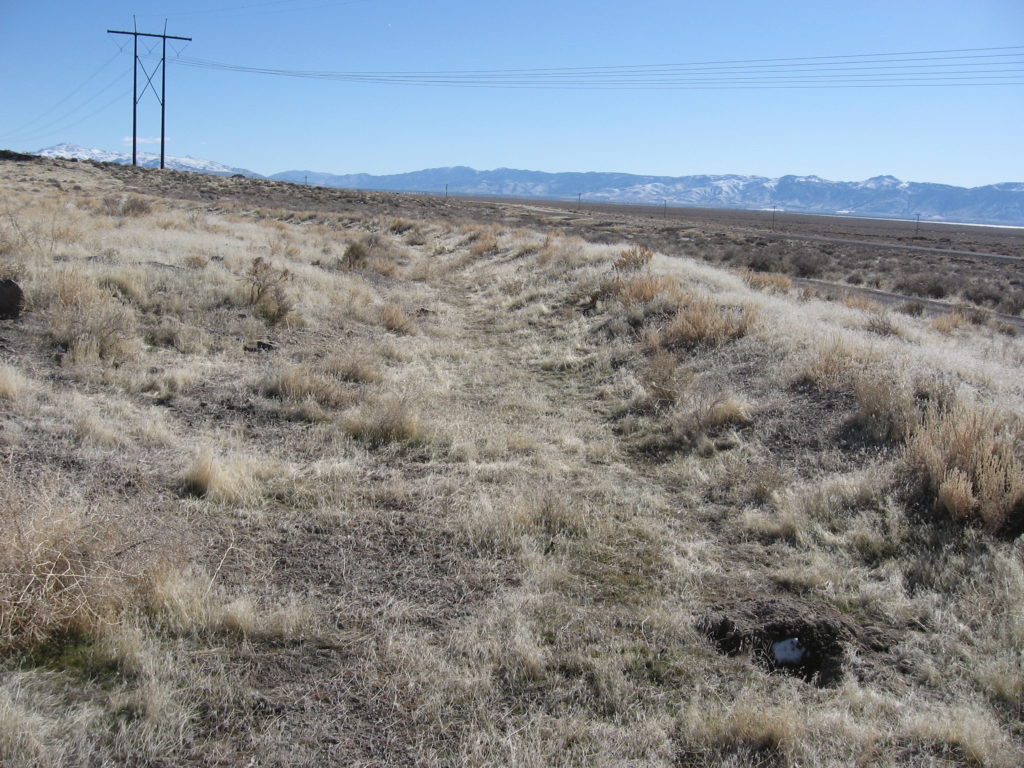
The Eagle Lake Ditch

Eagle Lake Ditch, near Amedee, February 2018.

In 1891, the Eagle Lake Land & Irrigation Company became the latest entity to tap Eagle Lake to irrigate the sagebrush lands near Amedee. They had two propositions to do this. The long term was to finish Merrill’s tunnel. The second one involved a pumping plant to deliver the water. Like the predecessors they would utilize the channel of Willow Creek. At Belfast where Willow Creek enters the Honey Lake Valley the company constructed a twenty-one mile ditch to Amedee. In October 1892, with everything in place, water flowed from Eagle Lake to Amedee.  Water would briefly flow the following year. However, the company plagued with financial problems filed for bankruptcy. The pumping plant was dismantled in 1903.

Donate or Subscribe

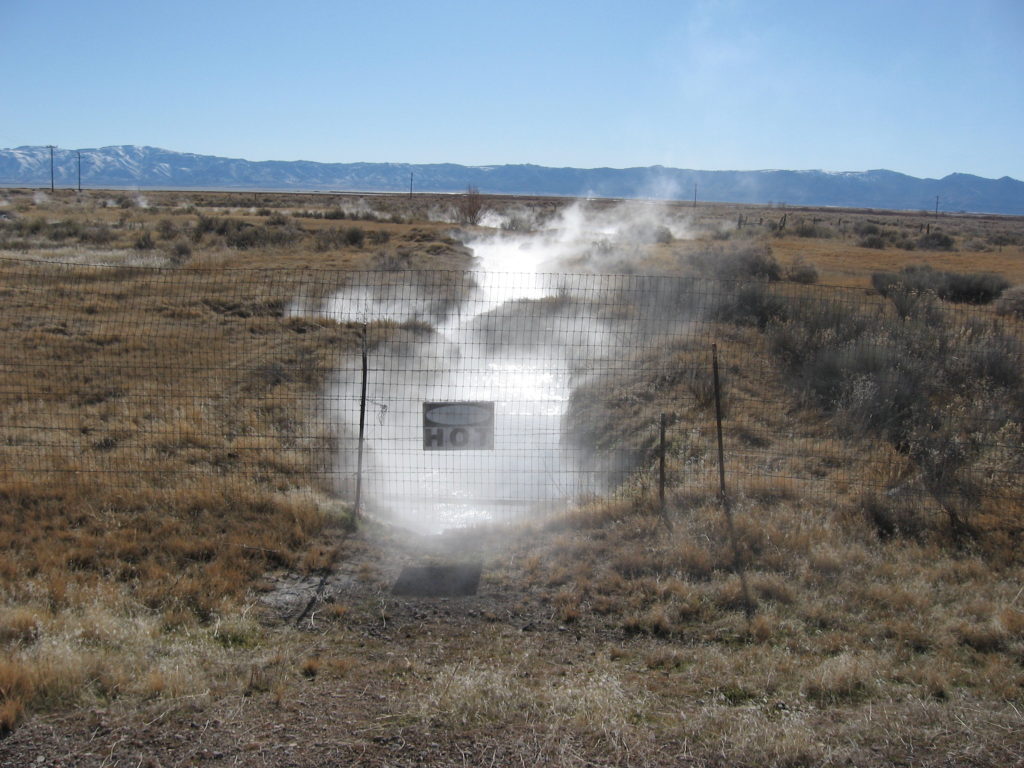
Wendel Hot Springs

Wendel Hot Springs, February 15, 2018

This is just one of those short musings. Whenever I go out exploring looking for one site, I seem to always stumble something of interest along the way. On the return from an excursion to Stacy, we came back via Wendel. What caught our attention was to see the flow of the Wendel Hot Springs. This had been dry for some years. It turns out one of the turbines using the hot springs is back in operation, and hence the discharge. If anyone can enlighten us about the current operations, I would certainly like to know.

Subscribe!

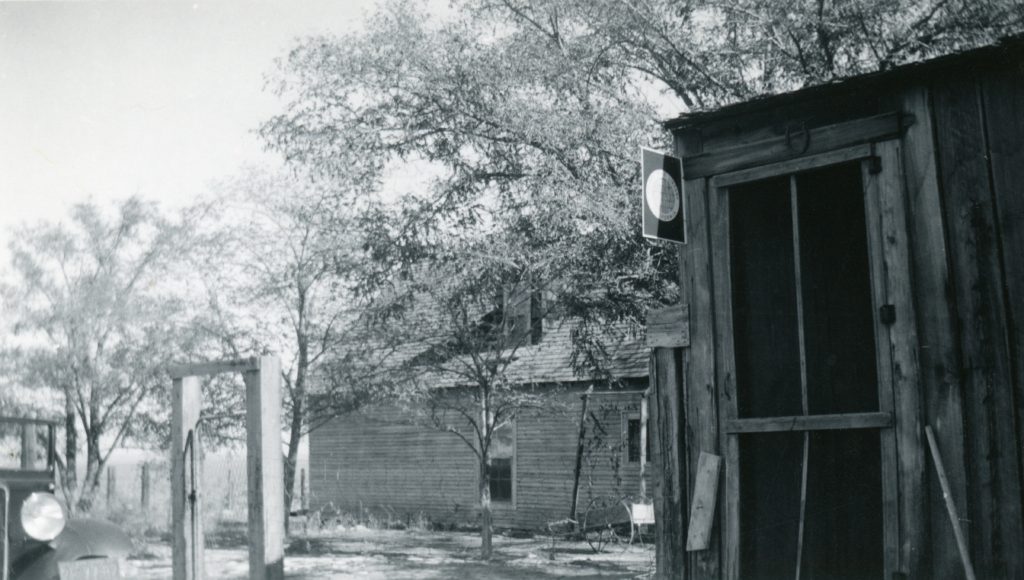
Fort Sage School District

The Calneva Branch of the Lassen County Free Library, 1920.

In January 1915, the residents of Calneva, a Western Pacific Railroad station in eastern Honey Lake Valley desired the break away from the Fairview School District and form their own. In their petition, they stated nineteen scholars resided in the proposed district. Their request was granted on February 2, 1915 by the Lassen County Board of Supervisors. The new district was named Fort Sage. The school was located in a small one-room building on the Harry Hill homestead. It was later moved to the Aldrich House, a larger building, located in the center of the district. In the summer of 1918, the school was on the verge of being suspended, as enrollment declined to four. The trustees persuaded County Superintendent of Schools, Julia A. Norwood, to keep the school open, as they promised an additional four students would attend in September. The request was granted. The school’s existence was brief and it was closed in 1924. In 1926, the furniture from the school was purchased by the Janesville School District.

Subscribe or Donate

Honey Lake Dumping Grounds

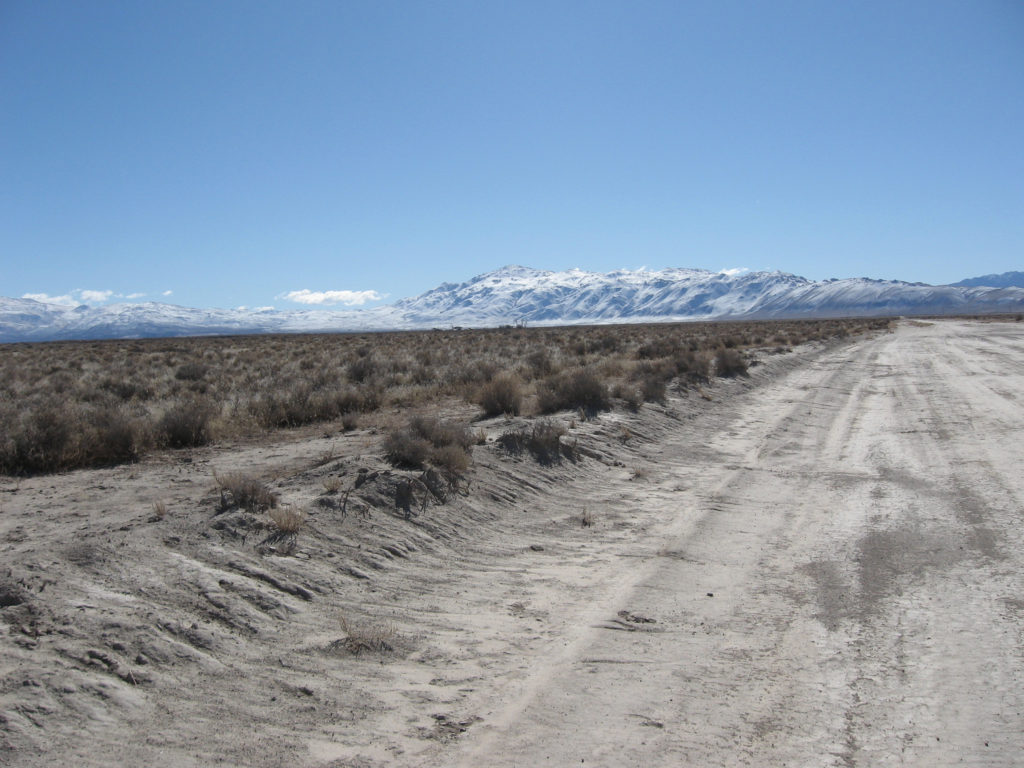
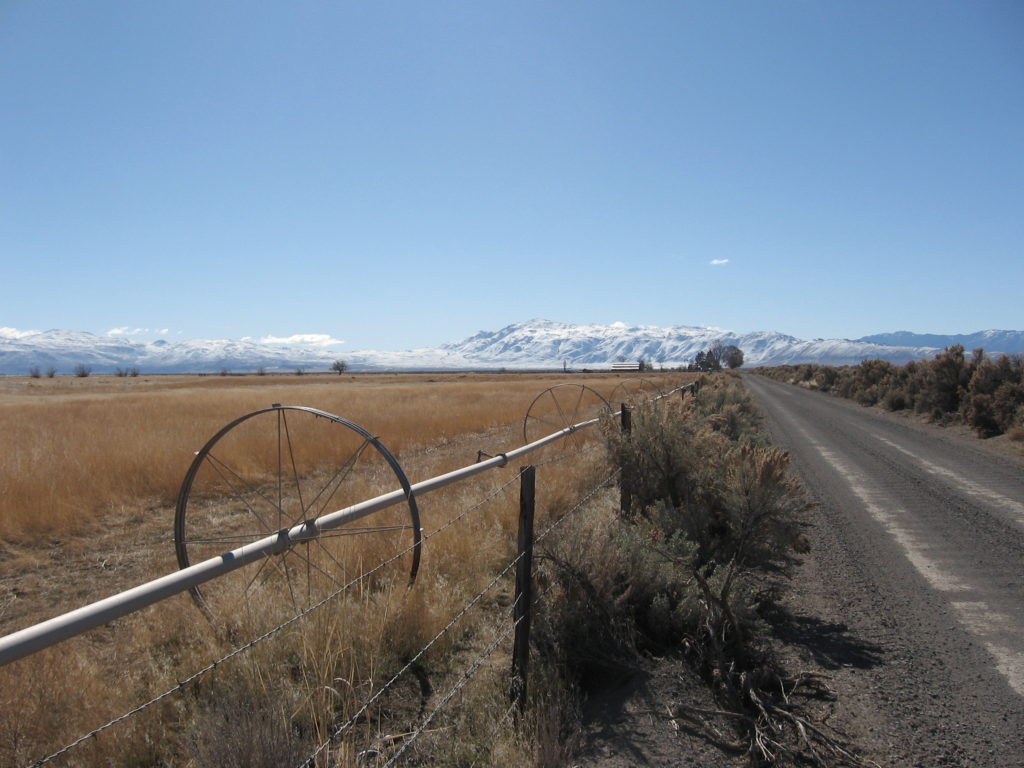
Eastern Honey Lake Valley, February 15, 2018

There have been a lot of things proposed for the Honey Lake Valley, some good and some well not so desirable. In the late 1960s, the City of San Francisco chose the Honey Lake Valley as ideal place to send their garbage. One reasons why Honey Lake Valley was that the garbage  could shipped by rail making it economical.

Of course the locals were not amused and opposition mounted. The debate lasted nearly a decade. In letter to Lassen Advocate’s Open Forum, an incensed Milford resident, Audrey Stevens wrote:

”Lassen County should be declared a disaster area with every citizen joining in a mass to protest the greedy senseless plan to buy 4,500 acres of land east of Herlong for $100,000 (our money) to be used as a dumping ground for San Francisco garbage, which includes rats, disease, smell and ugliness for as long as this earth survives.”

Subscribe.

Rosendale – Lassen County

Amedee, 1913. Courtesy of Tom Armstrong

While today, the east side of Honey Lake may look bleak and barren, it was not always the case and there were numerous attempts to develop it. In 1915, Rosendal Minster envisioned a Scandinavian settlement south of Amedee. Minster had a lease/option to purchase the lands and the pumping plant of the Standish Water Company. He then formed the Farmer’s Land Company to operate the holdings.. The properties were split into 40-acre tracts with a price range of $45 to $65 per acre. The new settlement was named Rosendale. While Minster vigorously promoted the project, but due to debts he quickly accrued, he abandoned it the following year.

Subscribe!

Lassen Roller Flour Mill

Lassen Flour
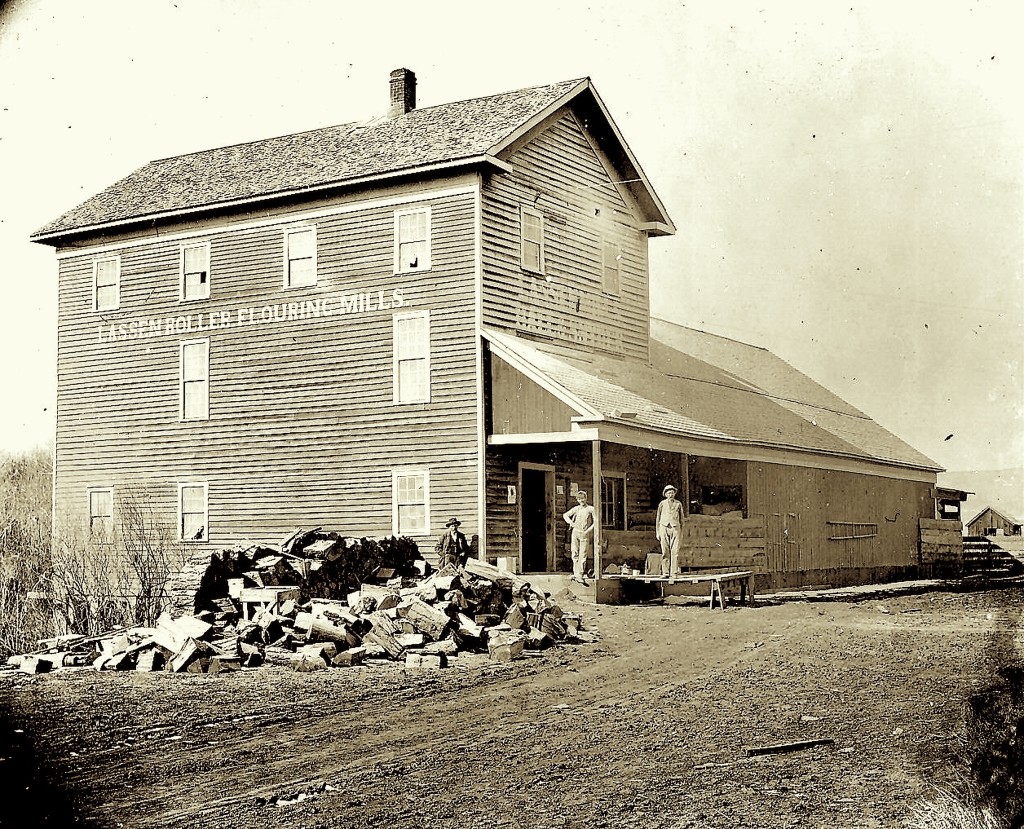
The Lassen Flouring Mill, 1901. Courtesy of the A.J. Mathews family.

In spring of 1863, Dr. John Briceland of Cow Creek, Shasta County had a problem. The stream which his flour mill was located had begun to erode the foundation. He made an agreement with P.W. Cunningham and Fred Johnson to relocate the mill, or rather the equipment. For their efforts they received one-half ownership. They found a new location for their enterprise at Johnstonville in the Honey Lake Valley. The mill was located along the Susan River, which was needed for power. They built two small reservoirs and at night they would dam the river and fill the ponds. The two ponds held enough water to power the mill until the next night.

During the late 1860s through the early 1870s, mill changed hands numerous times. In 1875, William H. Hall and Henry Snyder took possession and would operate it for thirty plus years. In 1907, Snyder sold his interest in the mill to Hall, as he desired to retire and move to a warmer climate. Shortly thereafter the mill closed and would remain idle for nearly a decade. In 1919, it was sold to M.A. Taylor of Oakland who dismantled it and took the machinery to the San Francisco Bay area. It should be noted that Standish resident, Sam Alexander purchased some of the lumber that he used to build a barn at his place. Finally, for the record the mill was located at the site of the Gables.

Subscribe!