Tag Archives: Honey Lake Valley

Alfred Montgomery, the Farmer Artist

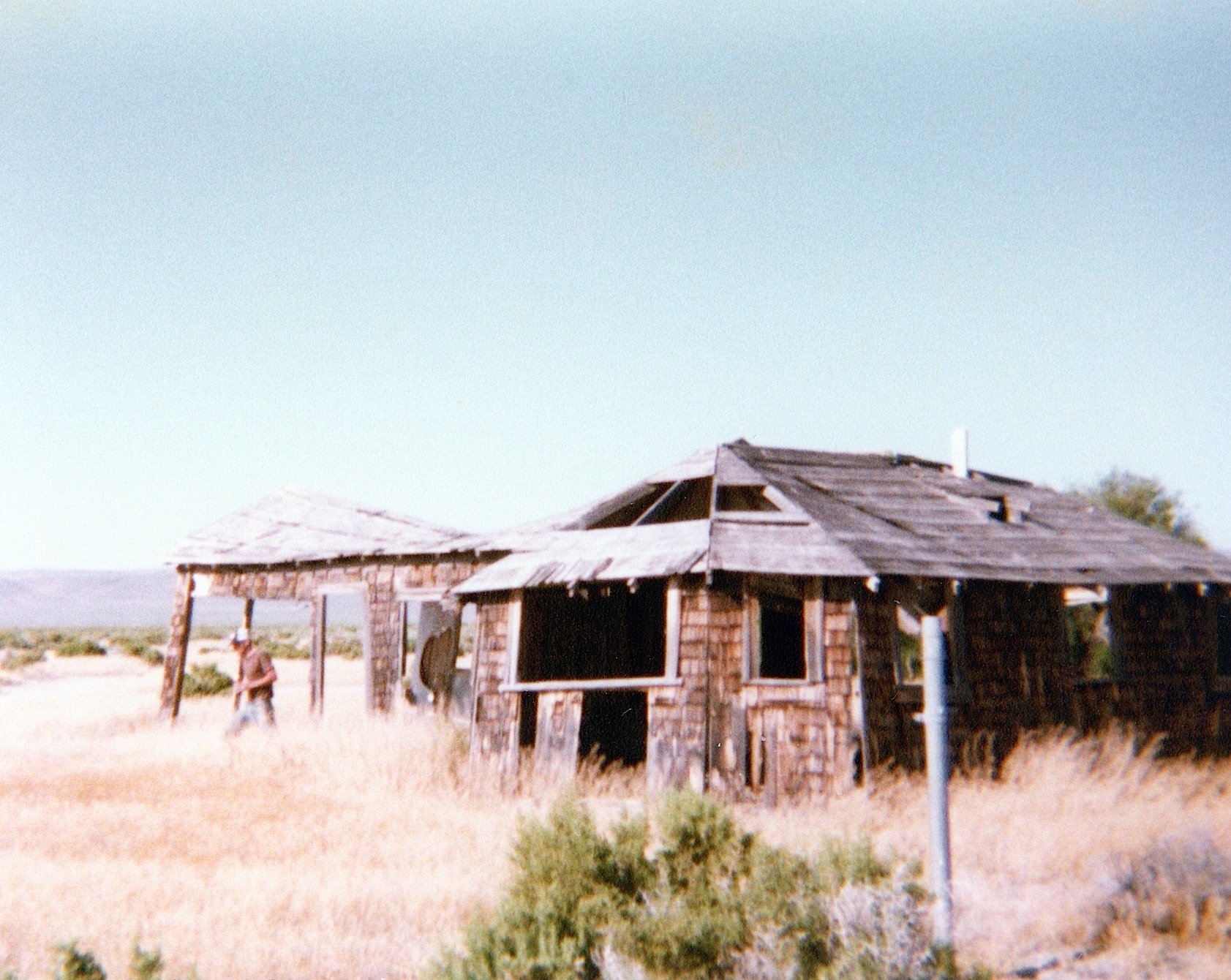
Nowhere
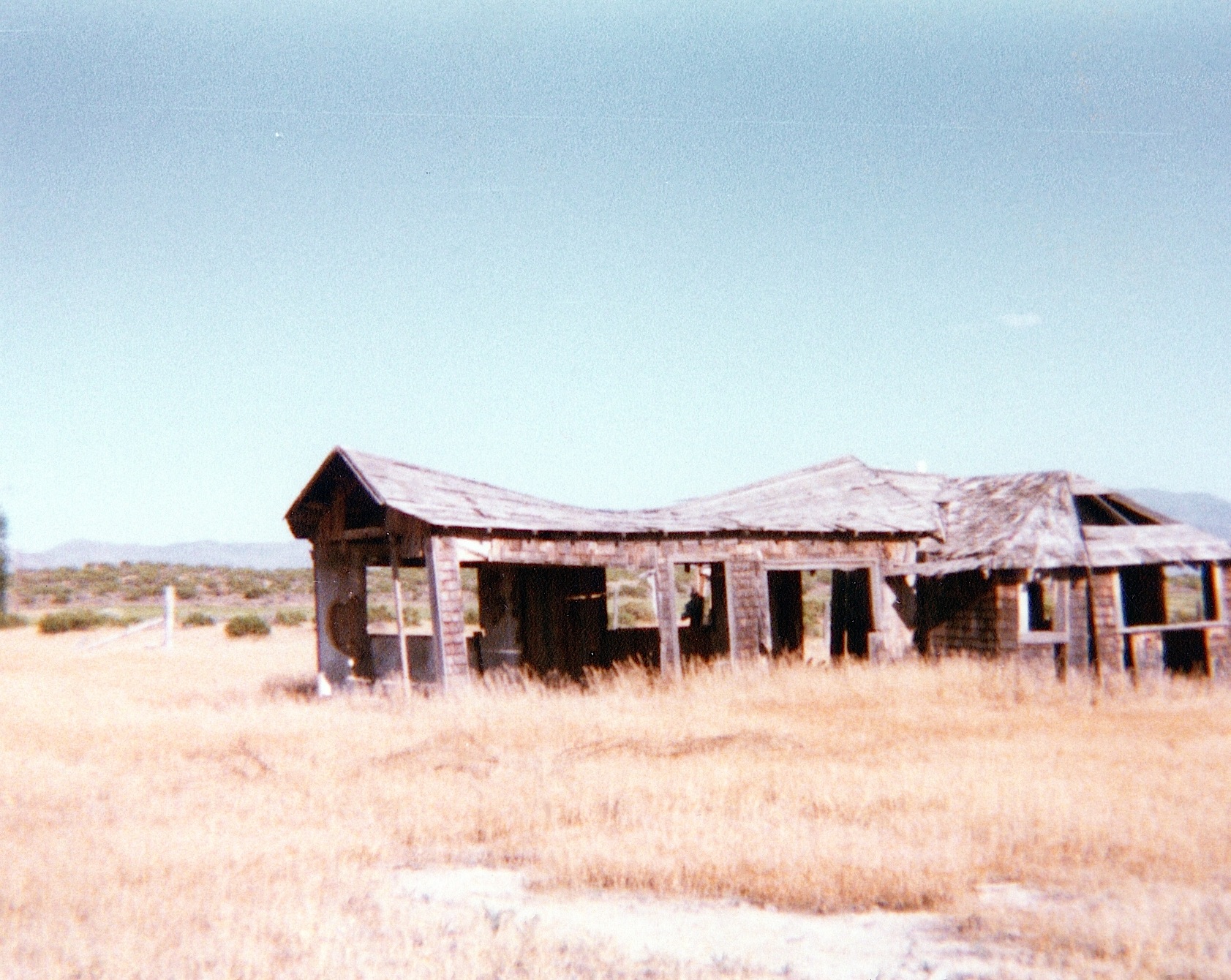
The abandoned Montgomery homestead, eastern Honey Lake Valley, 1983

Every region throughout time has various colorful characters—some passing through, others become part of a community’s fabric. One such notable was the famed Midwest Farmer Artist, Alfred Montgomery (1857-1922). According to folklore, it was attributed that Montgomery’s painting of corn was so realistic that birds would swoop down and peck at his canvass.

In the Midwest, Montgomery, like many a struggling artist, travelled around a lot. In 1911, when traveling back home to his family in Illinois, he was accompanied by a lady friend. His. wife, not pleased with the surprised guest, filed for divorce. All of sudden, Montgomery packed his bags and relocated to Los Angeles. Before he was settled in Southern California, he was looking at a homesite on the east side of Honey Lake. In the fall of 1911, Montgomery did two things in Lassen County—he located a desert land claim south of Amedee, and he held a lecture series at Lassen High School, which he had display of paintings worth $10,000 as part of an exhibit. There was a twenty-five cent admission, with all the proceeds going to the school  to establish an art department.
Another view.

In the spring of 1912, Montgomery hired local contractor Fred Rummel to construct a home on his place he dubbed Nowhere. Montgomery, like in his days in the Midwest, would come and go as he saw fit. However, on June 6, 1919, the Lassen Mail reported: “A. Montgomery, ‘the painter who farms and the farmer who paints’ arrived recently from Los Angeles and will spend the summer at his claim south of Amedee. He is now conducting a series of experiments to determine the kind of vegetables best adapted to the soil in that locality.  He is firmly convinced that peas, brans, Soudan grass, pumpkins and barley will prove successful, but admits with regret. that is old favorite, pie plant, cannot be raised there on the amount of the mineral salts in the soil.”

After this there is no record of Montgomery returning. When he passed away in 1922, a number of accounts referred to his place at death at Nowhere, which confused a lot of people, when in fact he died in Los Angeles.

Subscribe

Buggytown, Lassen County

Buggytown Ditch
Survey crew to enlarge the Buggytown ditch near Johnstonville, 1889. Courtesy of Betty Barry Deal

No doubt you never heard of it. It was not named for pesky insects or pushy people either. An irrigation ditch was named as such, too. Buggytown, in its unique way was not even a town, but more like a sprawling affluent neighborhood in the late 1800s, located to the west of Leavitt Lake.It was so named as one of the first settlers possessed a buggy when such luxuries were rare on the frontier. It would later become known as Clinton, which consisted of a store, post office and the Riverside School. In 1973, it was transformed when the first phase of the Leavitt Lake Subdivision began.

Tim

P.S. – Some where in my files is a photograph of Ben Leavitt, in his buggy, who was Buggytown’s most prominent resident. I am not sure which category/topic I filed it under.

A Scandinavian Colony?

Amedee, 1916. Courtesy of Tom Armstrong

From the 1890s through the 1920s, there was a colony movement in the American West. As readers may recall Standish was a planned utopian colony based on the beliefs of Myles Standish. When Litchfield came to being in 1913, the promoters took a much more subtle approach with its Litchfield Acres.

The next proposed colony, one comprised of Scandinavians to be located on the east shore of Honey Lake, south of Amedee.  This was in 1915, Rosendal Minster was the promoter, He even named the settlement after him—Rosendale.  Minster had a lease/option to purchase the lands and the pumping plant of the Standish Water Company. He then formed the Farmer’s Land Company to operate the holdings.. The properties were split into 40-acre tracts with a price range of $45 to $65 per acre. He was able to attract a handful of settlers. While Minster vigorously promoted the project, but due to debts he quickly accrued, he abandoned it the following year.

Subscribe

The California Highlands

Belfast
Belfast area of the Honey Lake Valley, 1987–Bernard McCallister

William Smythe, who in the mid-1890s, was a key figure to develop a utopian community of Standish in the Honey Lake Valley, had numerous observations of the territory.. The region left an impression on him. He dubbed the Lassen, Modoc and Plumas area as the California Highlands. In his opinion the Sacramento and San Joaquin Valleys were the California Lowlands.

Smythe noted some of the quirkiness of the residents of the Honey Lake Valley. One particular item that caught his attention was the local vernacular. Smythe wrote “When a Honey Laker contemplates a journey to San Francisco, or any other point on the other side of the great range, he says ‘I am going down below.’” Smythe continued “These peculiarities of local speech plainly reveal the physical geography of the country.”

The phrase going down below remained in the local lexicon for many decades. When I was growing up, it was still widely used, though it has since gone by the wayside.

Tim

Eastern Honey Lake Valley

Eastern Honey Lake Valley, near High Rock Ranch, 1916. Courtesy of Betty Barry Deal

In the 1800s and early 1900s there were a lot of dreamers and schemers whose desire to transform the sagebrush lands of eastern Honey Lake Valley into productive farm lands. It first began with Capt. Charles A. Merrill, who in 1878, proposed to use water from Honey Lake to irrigate the same. It should be noted that this is the same Merrill who worked relentlessly for twenty-five years to tap Eagle Lake for irrigation of the Honey Lake Valley. By 1891, there were so many reclamation projects underway, it was remarked that the Eagle Lake water would not be needed for irrigation, but it could be used to keep Honey Lake full for the pleasure of the members of the Amedee Yacht Club, among others.

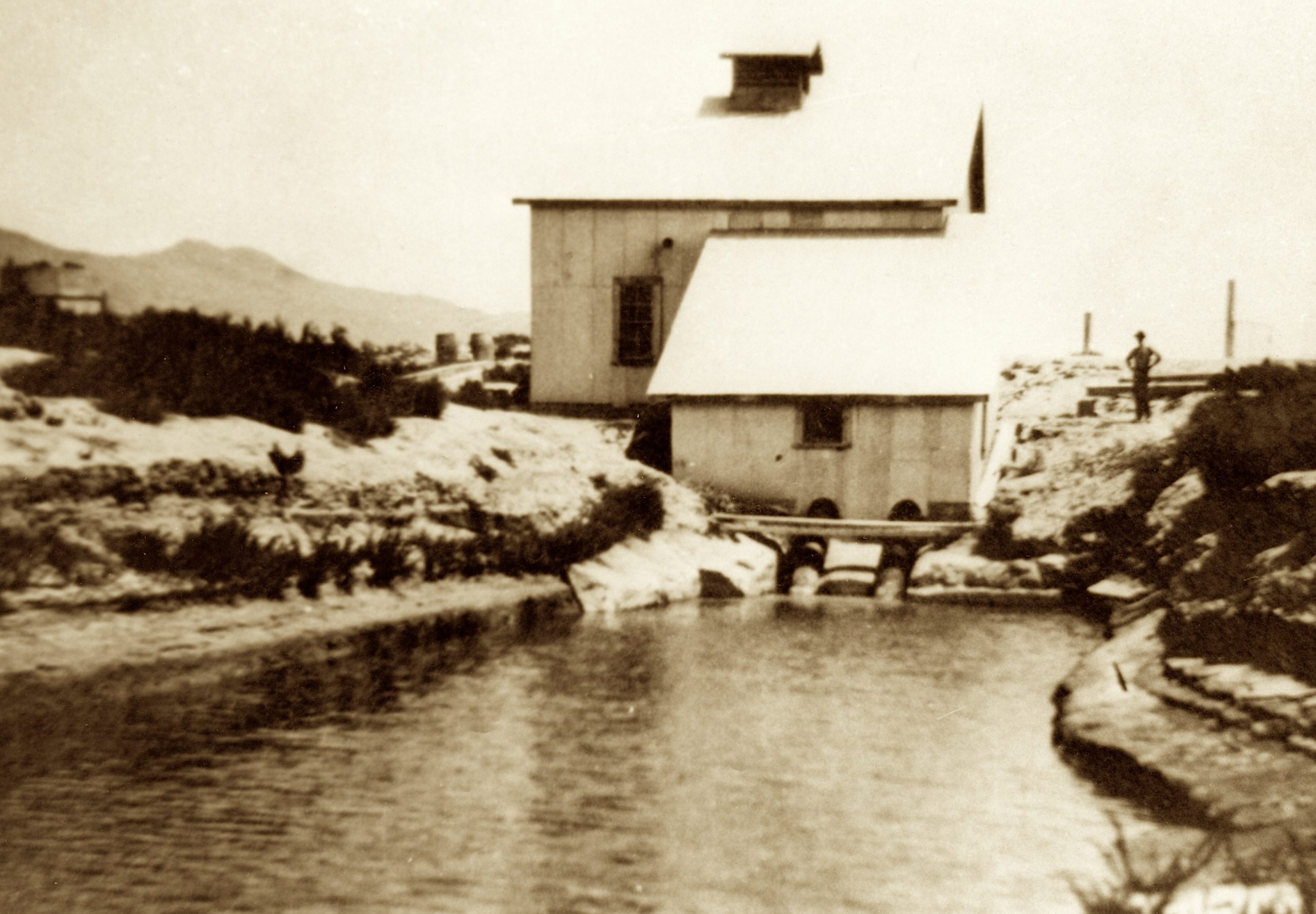
Honey Lake pumping plant, 1911–Prentice Holmes

In 1910, the Standish Water Company built a pumping plant on the east shore of Honey Lake that they believed would transform the region into a major sugar beet production. It went bust. Then, in 1916, the Honey Lake Valley Irrigation District thought that they had a viable plan to tap Eagle Lake that went nowhere. Last, but not least was the Southern Irrigation District that was to transform the region with water from the Little Truckee River. By the 1920s, after so many failed attempts for reclamation the entrepreneurs gave up.

Support

How Much Water?

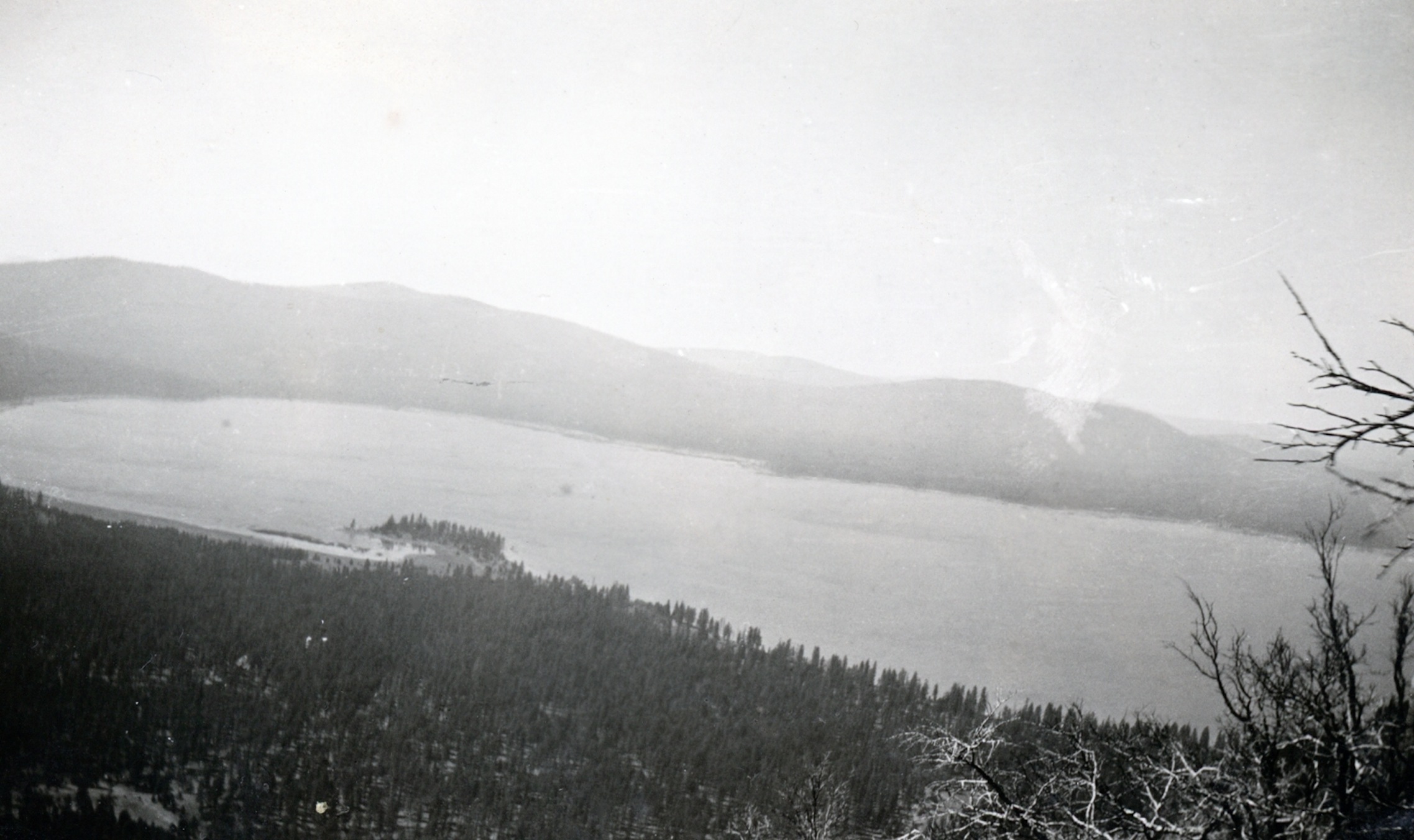
South shore EagleLake, 1923–Lola Tanner

In 1899, the U.S. Department of Agriculture commissioned a study on water problems in the American West.  The Honey Lake Basin was one place selected and William Smythe was hired to author the report.

Smythe was well known for his work on reclamation issues in the West.  However, Smythe was well versed in the region beginning in 1897 with his Standish Colony and the Honey Lake Valley Colonial Irrigation System. Smythe did provide some unique observations. Concerning Eagle Lake, Smythe noted the importance of the lake for irrigation. Smythe stressed that the lake should only be used during periods of drought, but that the lake was essential in any major reclamation project for the Honey Lake Valley. Smythe became the first person to go on record questioning Eagle Lake’s water supply. It was widely believed that the lake’s water supply was “inexhaustible” due to mysterious springs in the lake’s bottom. Smythe retorted that it that was true, then why had the level of the lake not increased over the years to flood the borderlands, or to eventually overflow the Willow Creek divide? Smythe finally wrote, “It is question which can never be satisfactorily settled until the experiment of the tunnel is actually made.”

Smythe made it a point to stress the problems of California’s vagueness in water right appropriations and that it was a major hindrance in the development of the Honey Lake Valley. He noted one claim of 4,000,000 miner inches of Eagle Lake and Willow Creek water and sarcastically wrote, “Fortunately for those residents of Honey Lake Valley who could not swim, this enterprise was never carried out.” It should be noted that between 1874 to 1897 there were 14,201,400 miner inches of Eagle Lake water claimed!

Donate


Stacy Depot, Lassen County

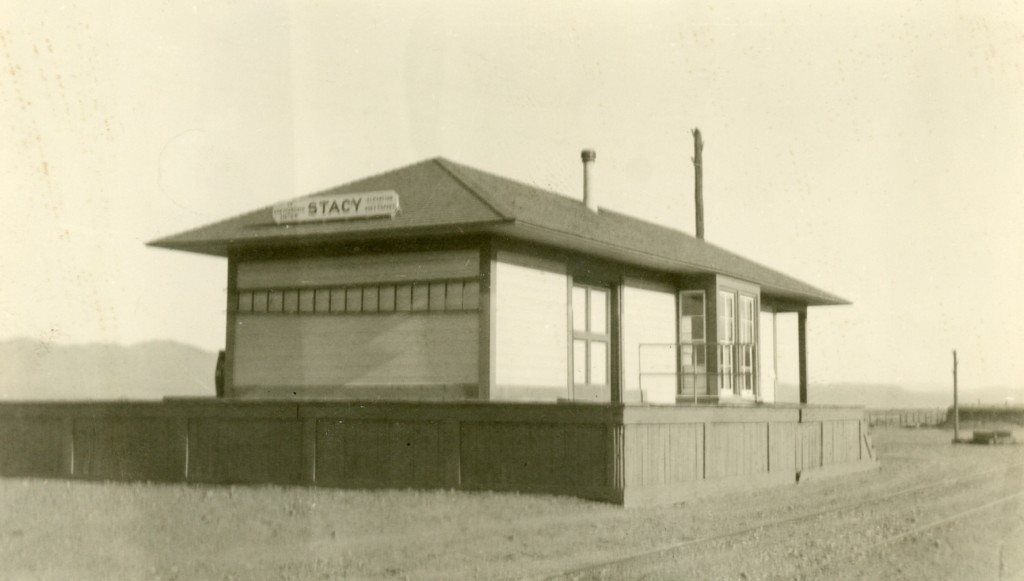
Stacy Depot—C.R. Caudle

Stacy was a small community in the eastern Honey Lake Valley located between Amedee and the Nevada Stateline. It came into existence when the Fernley & Lassen Railroad was constructed through there in 1912. There were high hopes in the region with the completion of the Standish Water Company’s pumping plant on Honey Lake. It was the company’s intent to irrigate some 4,000 acres for sugar beet production. Its a complicated story.

Stacy Depot
Stacy Depot. The town was named for Stacy Yoakum Spoon, wife of Grover Franklin Spoon, one of the town’s developers and its first postmaster.

This is another depot, where I have not been able to locate much information. There was a nearby stock corral for loading sheep. In 1940, there was siding that could handle 113 cars.

Tim

The Baxter Creek Siphon

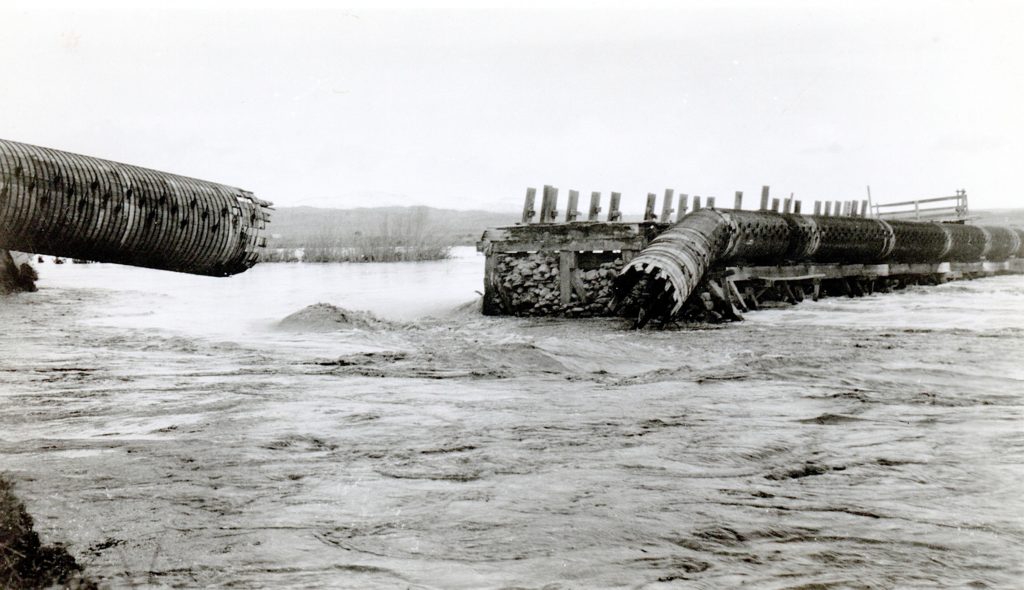
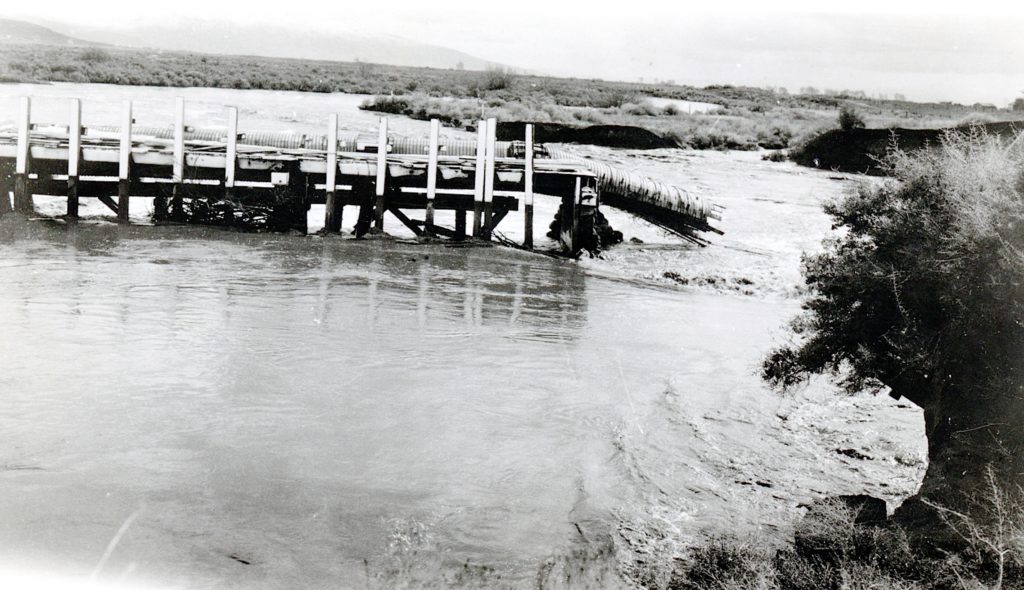
Susan River, 1935 — Lola L. Tanner

While in the past I have focused a lot on Leon Bly’s Eagle Lake project. There was an aspect that I have neglected. For the farmers of the Tule Irrigation District a lot of infrastructure was in place for the distribution of water. For those in the Baxter Creek Irrigation District it was a bit more problematic to deliver the water to the other side of the valley. A redwood siphon was constructed to carry the water from Willow Creek over the Susan River. Then a canal was constructed along Bald Mountain to Baxter Creek where a diversion dam was placed to distribute the water.

Susan River, 1935 — Lola L. Tanner

In early April 1935, over one hundred feet of the siphon broke at the Susan River crossing. It was a devastating blow to the Baxter Creek Irrigation District. Cost estimates to repair the siphon was around $50,000, money the district did not have or could not have raised. The district eventually went into bankruptcy and dissolved in 1952. As to the siphon, many of the ranchers slowly dismantled it for the wood for building and fencing.

Tim

The Susanville Mill Company

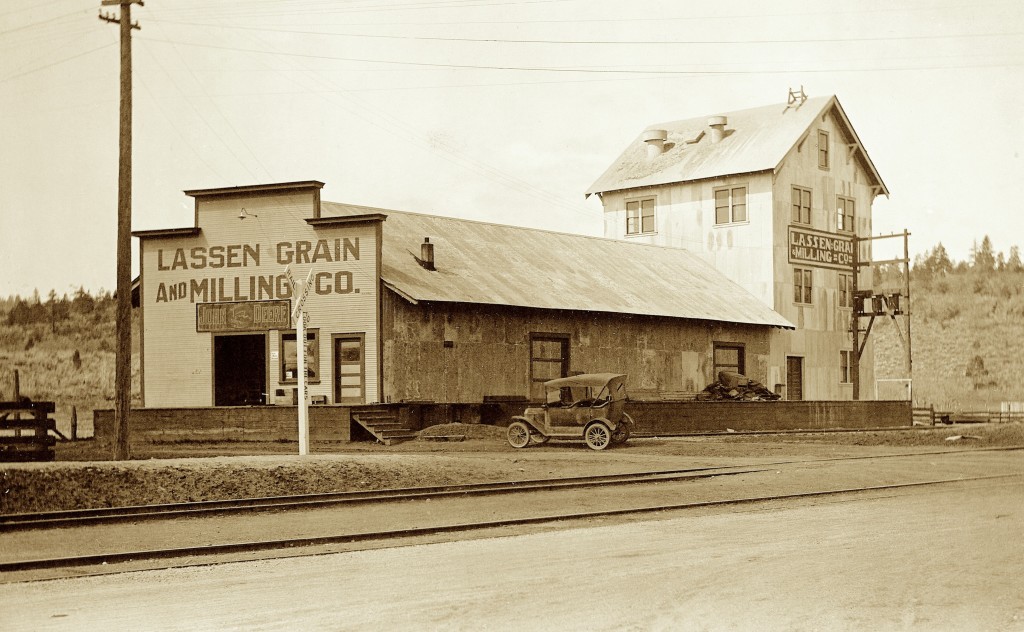
Lassen Grain & Milling
Lassen Grain & Milling Company, circa 1918. Courtesy of Dick & Helen Harrison

The Lassen Grain and Milling Company was established in 1917 and located on Richmond Road, Susanville across from the Southern Pacific’s railroad depot. By the 1920s, the beleaguered company was barely holding its own. A major problem facing the company was the lack of grain being grown in the Honey Lake Valley to support the mill.

Enter the Susanville Mill Company. Founded in the fall of 1926, this company took over Lassen Grain. Susanville Mill comprised of three men—B.F. Hutchens, E.B. Birmingham and L.E. Deforest. Hutchens and Birmingham were executives of Fruit Growers Supply Company, while DeFores was well known in the local agricultural community. It was their intent to encourage local ranchers to plant turkey red wheat and provide them with the seed.

After several years of operation the company sold to Bronson & Doyle.

Subscribe

Standish Water Company – Part II

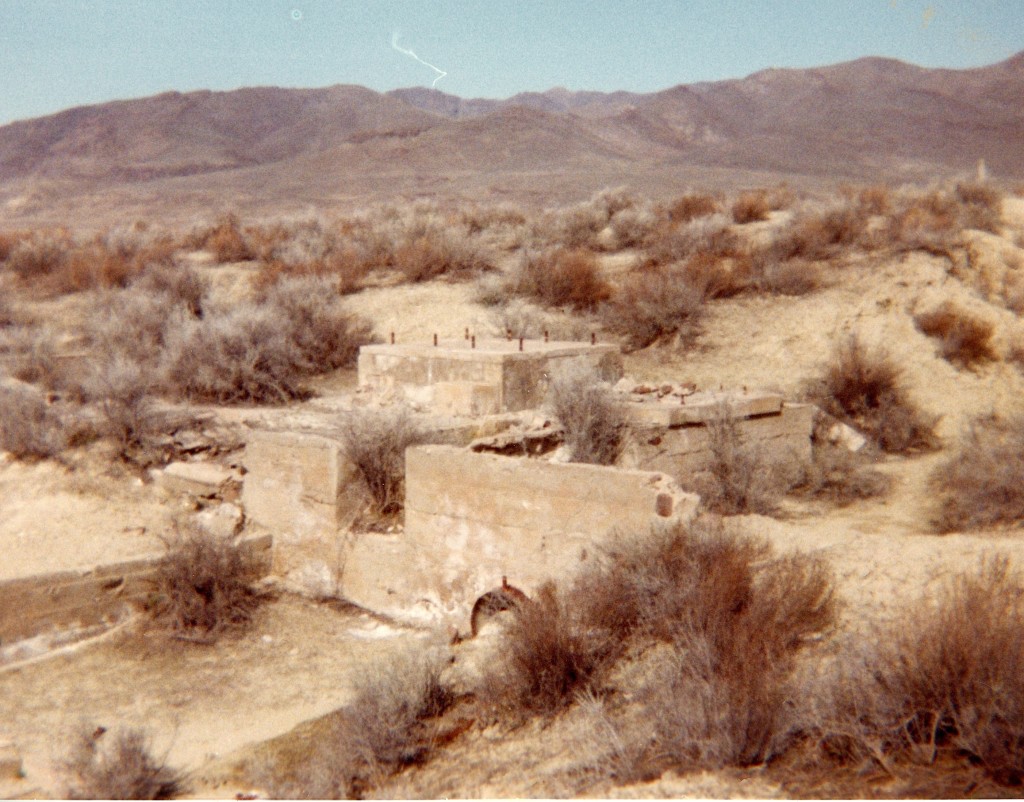
Foundation remains, 1984.

In 1913 the United States Government Land Office (GLO) intervened. California was on a major verge to overhaul water rights, yet that was of little concern to the GLO. At issue, at least with the GLO, was the State’s law was vague and failed to state whether water from a lake with no outlet could be appropriated. Until that issue was resolved, the GLO had no choice but to revoke Standish Water Company’s rights-of-way of its canals across federal lands. In essence the Company was forced to cease and desist, thereby forfieting revenue from water sales to recover its initial investment. This issue with the State was not to be resolved in a timely manner. In November 1914, the voters of California were presented with an initiative to overhaul the State’s water right system. It was approved and the Department of Water Resources was created. This new agency had complete control over the issuance of water appropriations, which previously was done at the county level. It was necessary reform, since the counties recorded water right claims but had no authority to determine concerning multiple applicants over a single water source. Continue reading Standish Water Company – Part II