Tag Archives: Honey Lake Valley

High Rock Springs

High Rock Spring, April 1975

These springs in eastern Honey Lake Valley and near the Nevada border are quite unique. They are an ancient spring dating back to the time when the area was covered by Lake Lahontan in the Pleistocene epoch.

The second reason is it is a warm water spring with a constant temperature of 86F.  The springs supports two kinds of fish. First is the Lahontan tui chubs.  This, of course, is rather remarkable that the fish have adapted over the years to thrive in constant warm water in a confined space. Water from the spring then goes underground and re-surfaces 100 yards distant, maintaining a constant cooler temperature at 76F. At this point, again,which is also unusual, is found the Lahontan speckle dace.

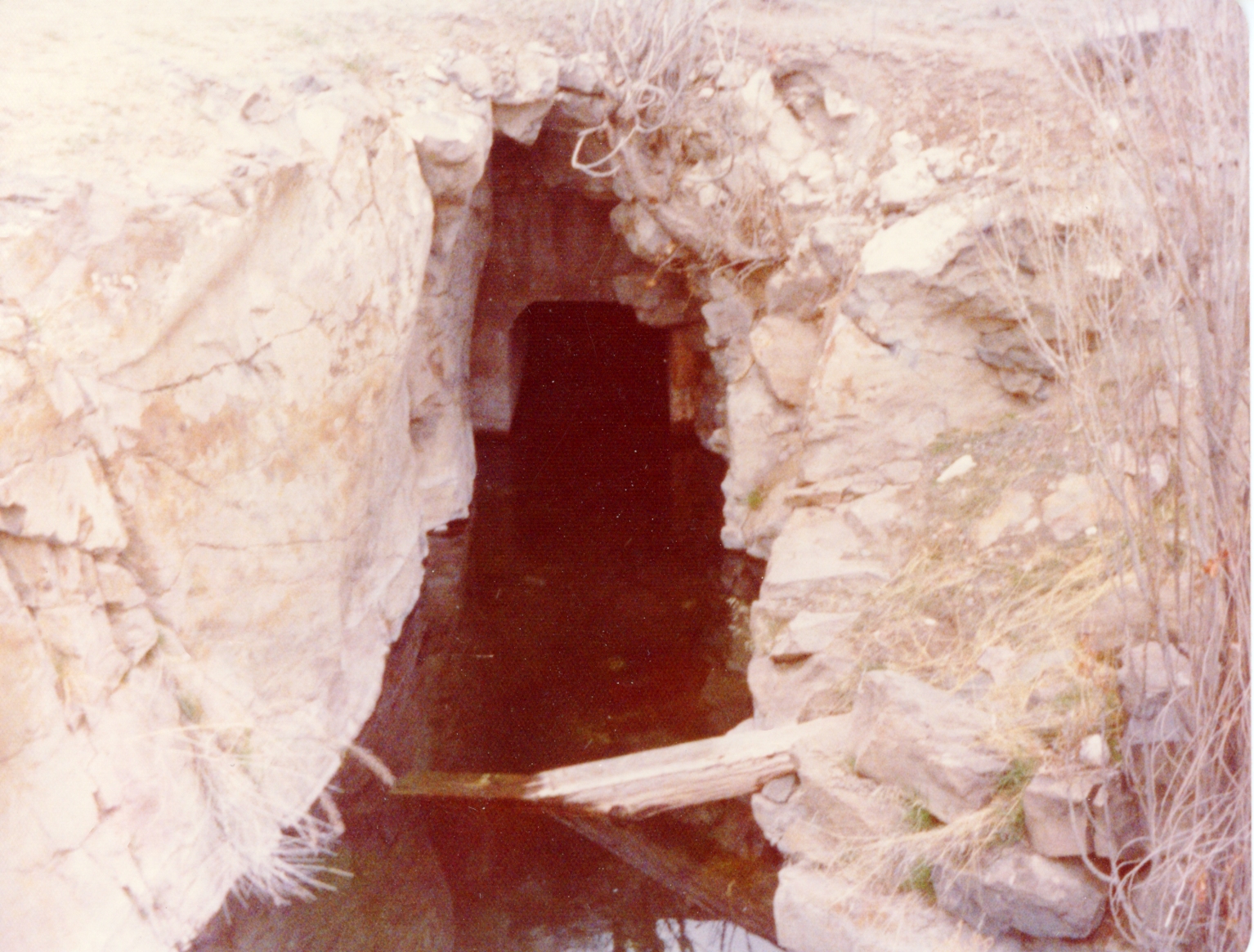
It should be noted that in the 1920s, William Dicting was hired by the Jenkins to develop the springs. He spent eight years to hand drill through the rock to develop the water tunnel to increase water flow.
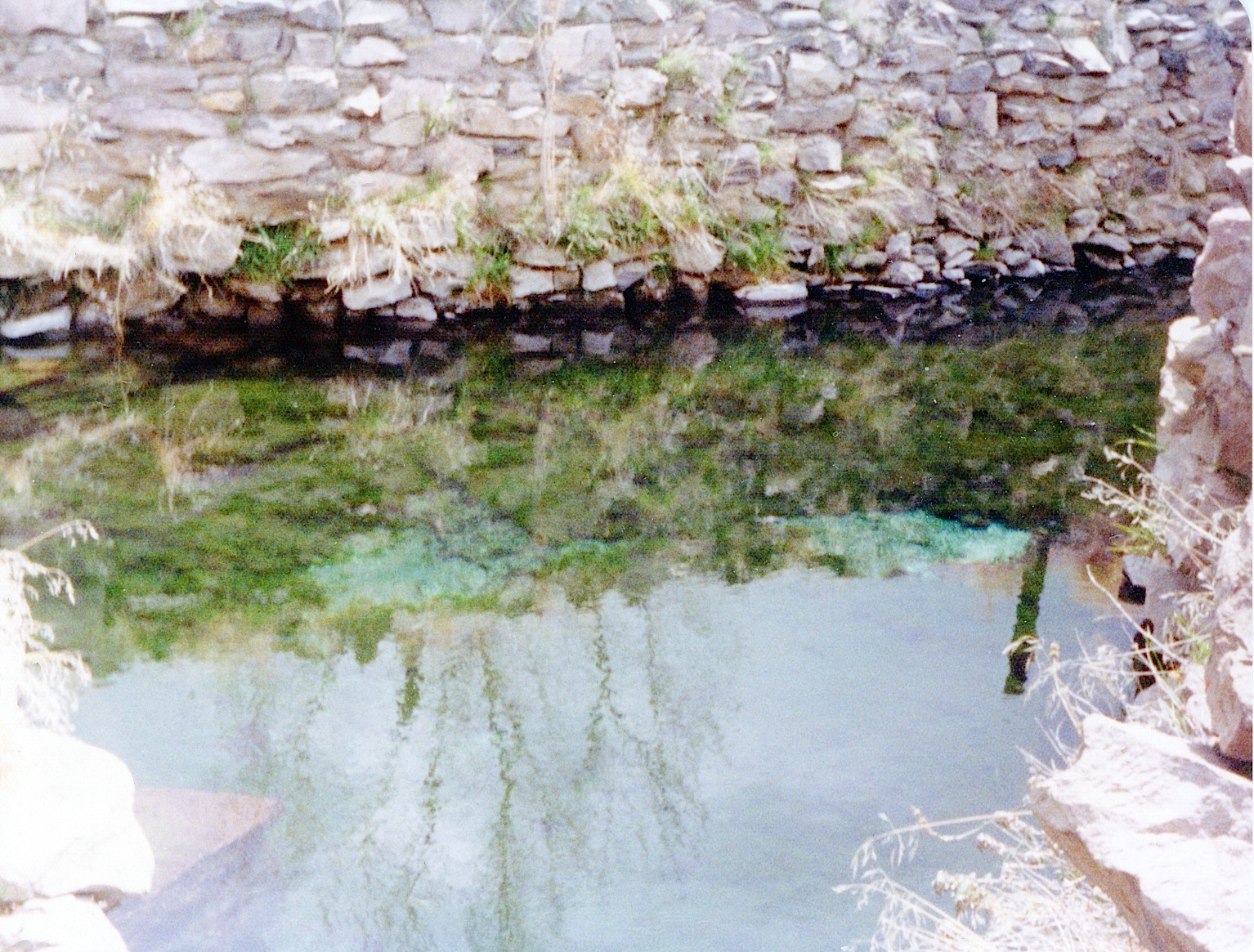
A portion of the tunnel outlet of High Rock Springs. April, 1975

It is never too late, subscribe today and enjoy tomorrow with daily notifications. You can also surprise someone with a gift subscription.

Swamp Angel

Murphy Field, November 19, 2015

No this has nothing to done with some foul, slimy creature crawling out of a lagoon. There are a lot of  localized place names that over the years have been forgotten and abandoned. One example is Murphy field, where Bob Murphy and Finn Barry after graduating from college tried their hand at farming in 1916.  It did not take long for Finn to give up the farm and went on to become an attorney. Continue reading Swamp Angel

Eastern Honey Lake Valley

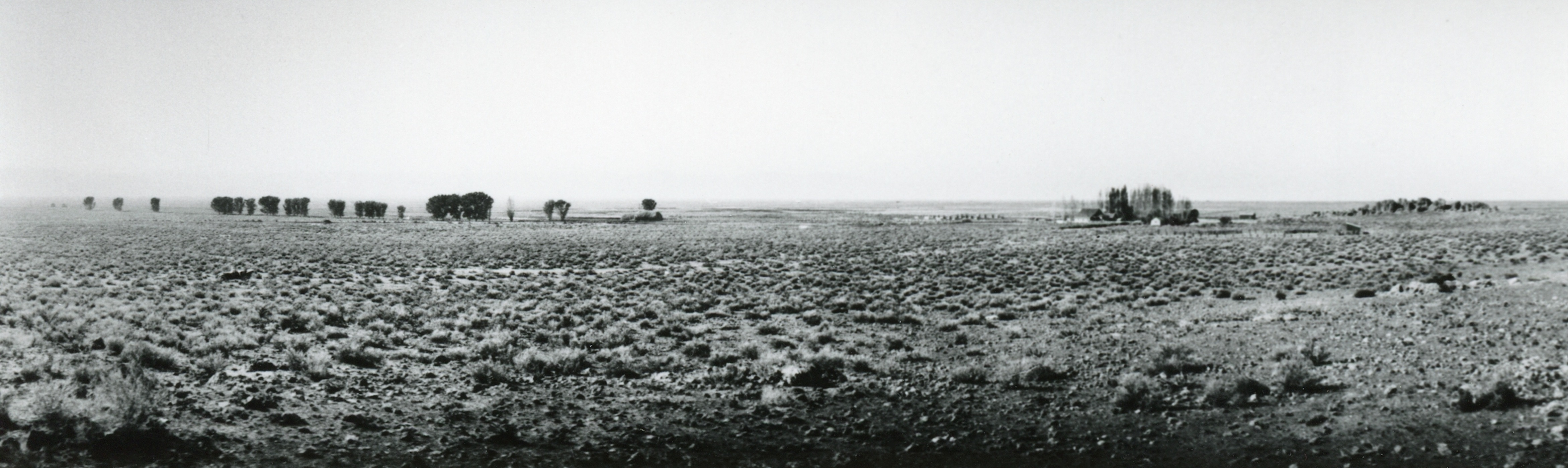
Eastern Honey Lake Valley, near High Rock Ranch, 1916. Courtesy of Betty Barry Deal

In the 1800s and early 1900s there were a lot of dreamers and schemers whose desire to transform the sagebrush lands of eastern Honey Lake Valley into productive farm lands. It first began with Capt. Charles A. Merrill, who in 1878, proposed to use water from Honey Lake to irrigate the same. It should be noted that this is the same Merrill who worked relentlessly for twenty-five years to tap Eagle Lake for irrigation of the Honey Lake Valley. By 1891, there were so many reclamation projects underway, it was remarked that the Eagle Lake water would not be needed for irrigation, but it could be used to keep Honey Lake full for the pleasure of the members of the Amedee Yacht Club, among others.

In the future, we will explore a number of these projects such as Lake Greeno, Skedaddle Dam and the Standish Water Company’s Honey Lake pumping plant.

Never miss a story, click here.

Tule Confederacy

Theodore Ranch
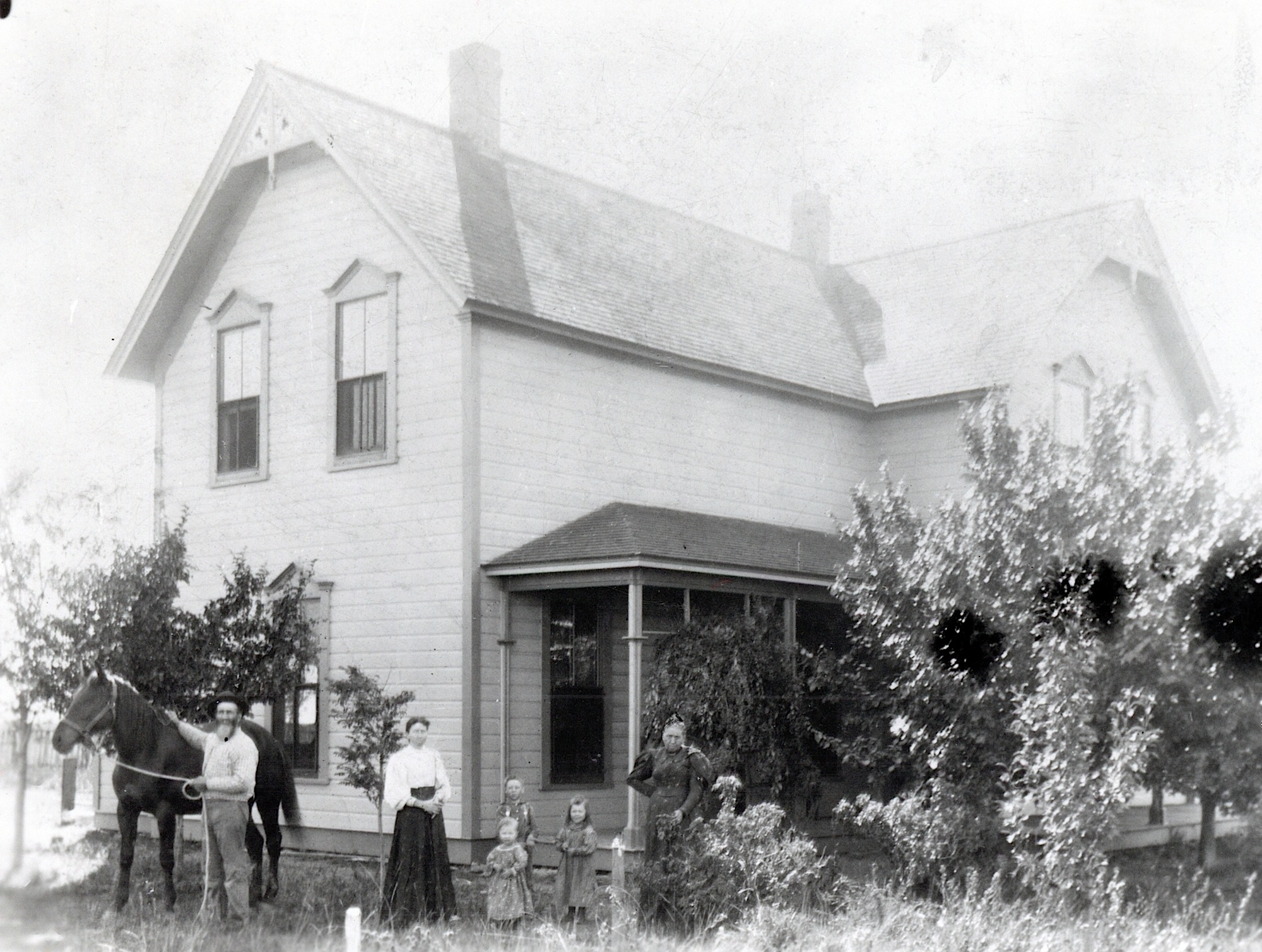
Theodore Ranch, 1891. Courtesy of John H. Theodore

The Tule District of the Honey Lake Valley is the very lower end of the Susan River, where the river splits up into various sloughs.

In 1859, John Kelley of Missouri settled in this region. All was fine until 1863 when the United States Government surveyed the region. Under federal law, the most a person could file was 160 acres. Kelley had already claimed nearly 1,000 acres. Kelley concerned that he could lose his holdings wrote back home and encouraged fellow southerners to come out and join and settle on property he had claimed. Those who initially did were William Brashear, Robert Briggs, Chappell Kelley and John Saling.  In 1864, when Lassen County Surveyor E.R. Nichols who was doing work in the region, noted a number of residents had served in the Confederate Army and he dubbed the district the Tule Confederacy.

Not all the residents were southerners and there were conflicts between the neighbors. In the spring of 1864, John Purcell set fire to DeWitt Chandler’s house and claimed it a victory for Confederate States.

It is never too late, subscribe today and enjoy tomorrow with daily notifications. You can also surprise someone with a gift subscription.


Lassen County – Johnstonville Updated

Johnstonville Blacksmith Shop
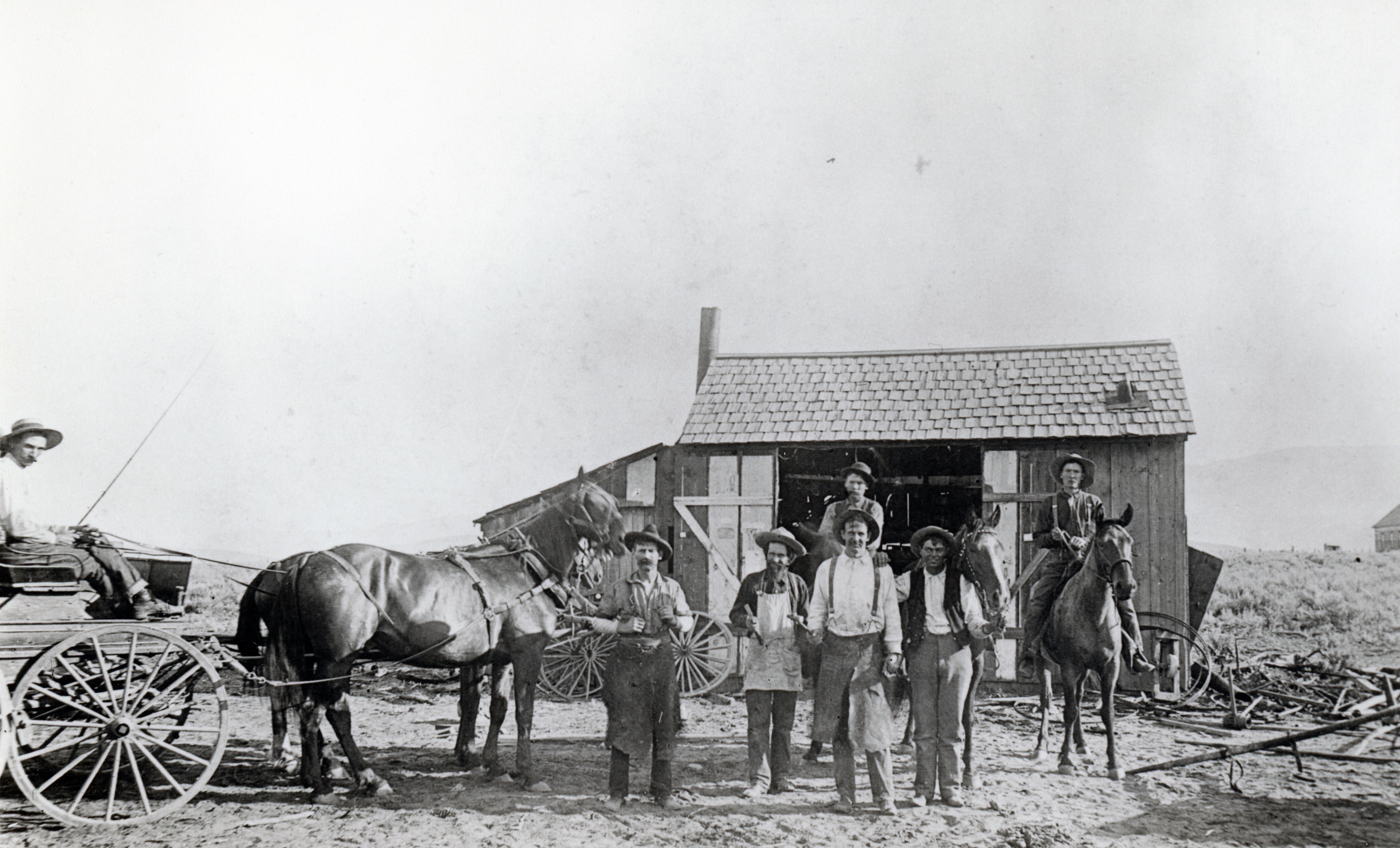
Johnstonville Blacksmith Shop, circa 1900. On the wagon, George Wright. Standing (Left to Right) Aaron “Dad” Hooks, owner of the blacksmith shop, Frank Elledge, Booth Elledge, and the others not identified.

In the early 1860s, it was called Toadtown. According to Farris & Smith (1882): “Tradition hath it that in the early settlement of the valley, whenever a heavy rain-storm was experienced, the ground was literally covered with diminutive toads.” Lisle Lester, a noted journalist, wrote in 1865:Toadtown is a mere bit of a hamlet, on the Susan River, notable for its name. I wondered why it was called Toadtown? Roseville would have been more appropriate for the banks of the river was fairly bordered with wild roses.” Johnstonville was named for Robert Johnston (1826-1898) who, in 1859, along with his brother-in-law, Eber G. Bangham, traded a cow and calf to William Dow for his property there. On December 7, 1864, the Lassen County Board of Supervisors ordered the Toadtown Voting Precinct be changed to Johnstonville.

The Johnstonville School was originally known as Susan River and that name was not changed until 1878. For a period time there was the Johnstonville Post Office that operated from 1902-1943.

It is never too late, subscribe today and enjoy tomorrow with daily notifications. You can also surprise someone with a gift subscription

Robert J. Scott

Milford Si

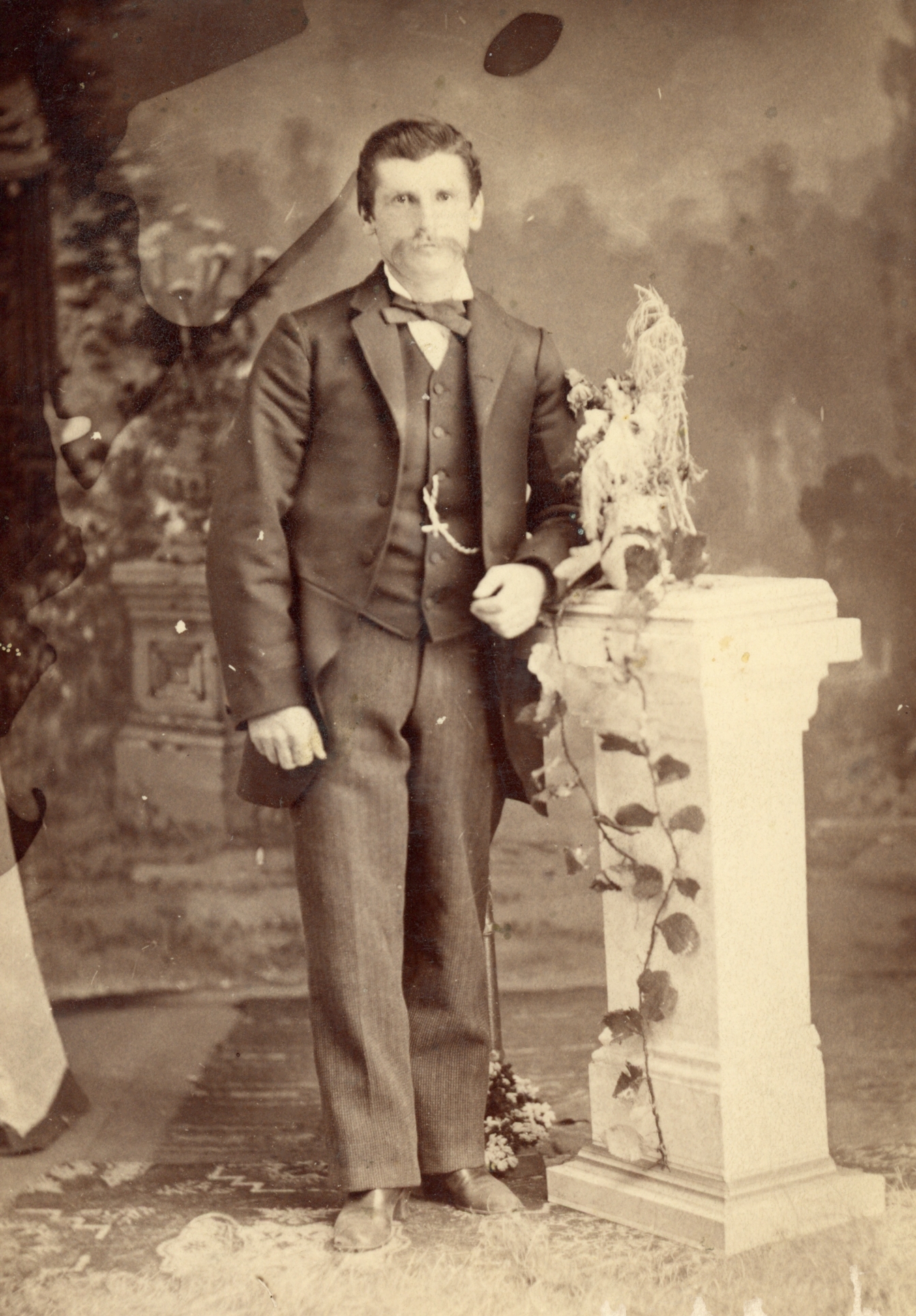
In May 10, 1856 R.J. “Bob” Scott settled on what would become Milford. Two months later, Scott with several others participated on the first recorded boating on Honey Lake that claimed two lives.

The following year, Scott sold his claim to Peter Lassen, and took up another claim adjoining it. This transaction would cause confusion in 1859 after Lassen’s death. Thomas Fairchild and Fred Washburn mistakenly purchased it from Lassen’s Estate, which they thought they were buying Lassen’s original ranch, south of Susanville.

Just as the discovery of gold brought an influx of prospectors to the Honey Lake Valley, discoveries elsewhere, like a pendulum swings, created an exodus when gold was found elsewhere. In July 1858, Scott and with a number of Honey Lakers rushed to the gold mines of Fraser River in British Columbia. Scott never made it there. According to Fairfield’s History (1916) he states that fellow Honey Laker Matthew Craft killed Scott enroute. Fairfield does not elaborate. An examination of the Marysville Daily Appeal, which provided good coverage of Honey Lake news did not report it, or I could have missed it. One never knows when new material surfaces.

It should be noted that a majority of the Honey Lakers returned from Fraser River, no richer than when they left. It is interesting to note one of the big mines discovered there in 1859 was named the Neversweat.

Never miss a story, Subscribe.

Amedee

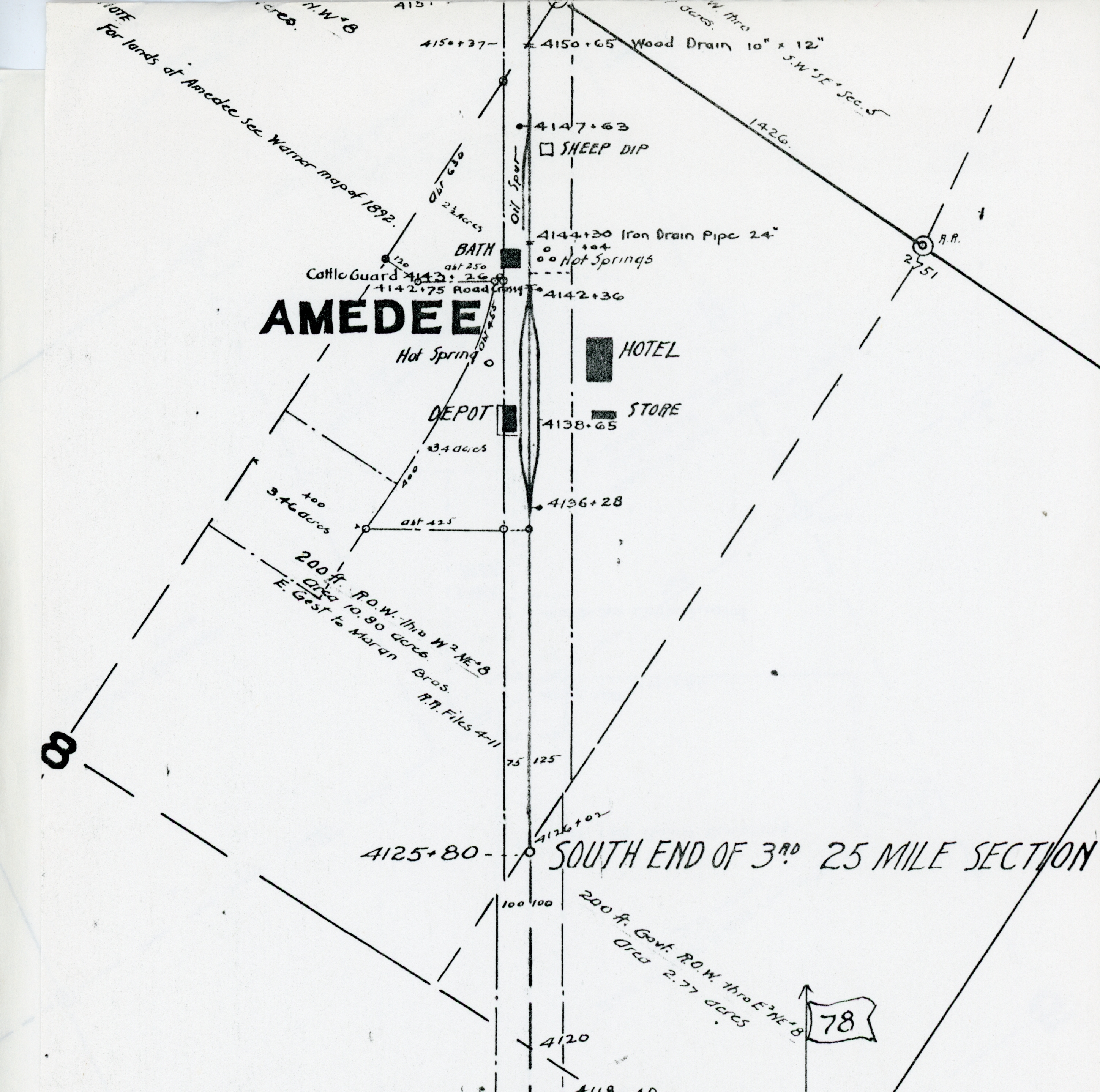
Board of Equalization Assessment Map of Amedee

Amedee and Hayden Hill are two interesting Lassen County communities that no longer exist. Each one went through boom and bust cycles, for Amedee it was the railroads for Hayden Hill it was mining.

Amedee’s lifespan was brief. By 1892 its population was equal to that of Susanville. By the 1920s its population had dwindled to one or two, that being the caretakers of the McKissick Cattle Company who owned the majority of the town. The Nevada-California-Oregon Railroad that created the town, in certain aspect also killed the town. In between, however, with an agricultural boom and the Fernley & Lassen Railroad did briefly rejuvenate the community.  In the near future, we will explore the many facets of Amedee.

It is never too late, subscribe today and enjoy tomorrow with daily notifications. You can also surprise someone with a gift subscription.


Secret Valley Paiutes

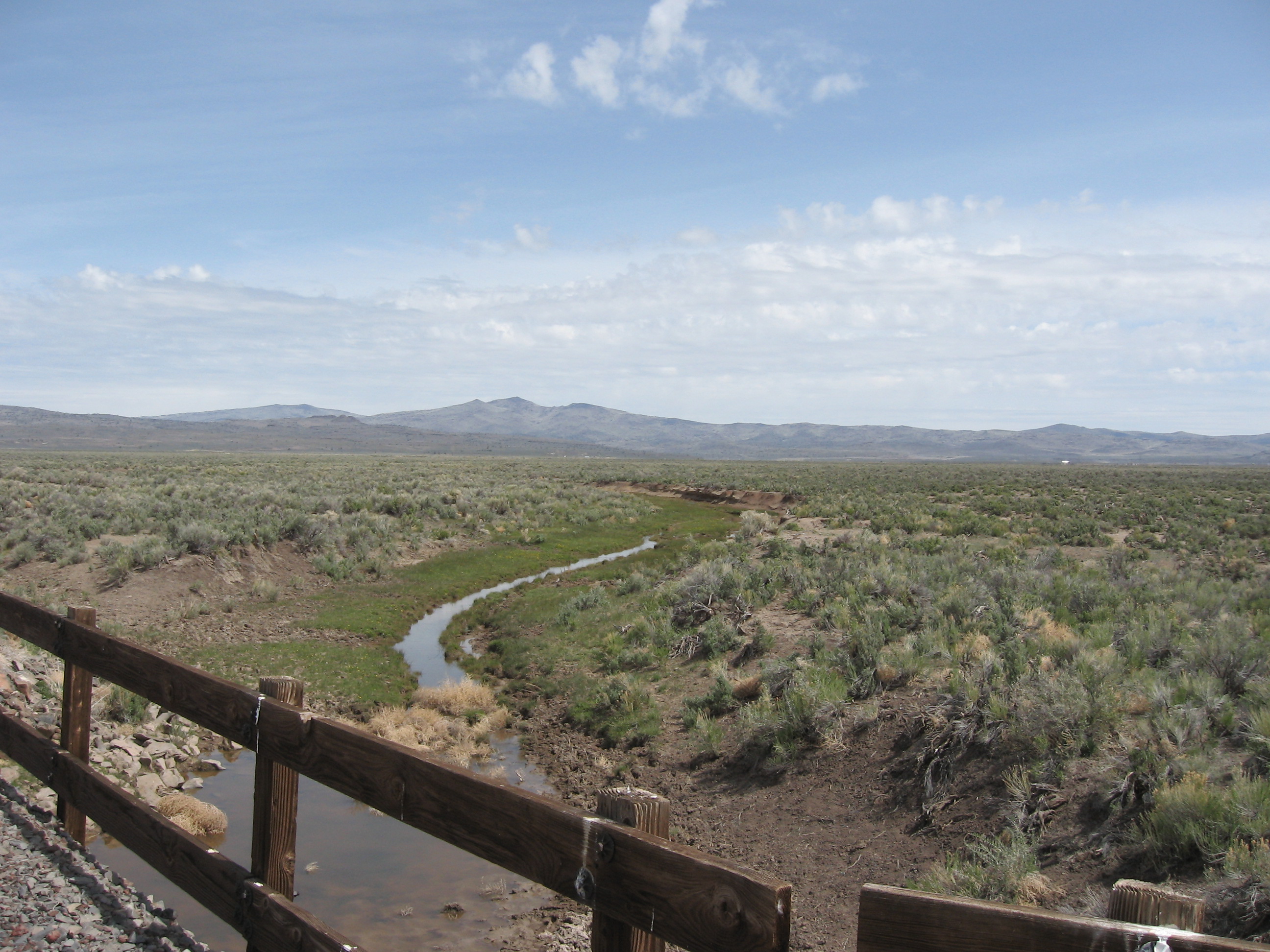
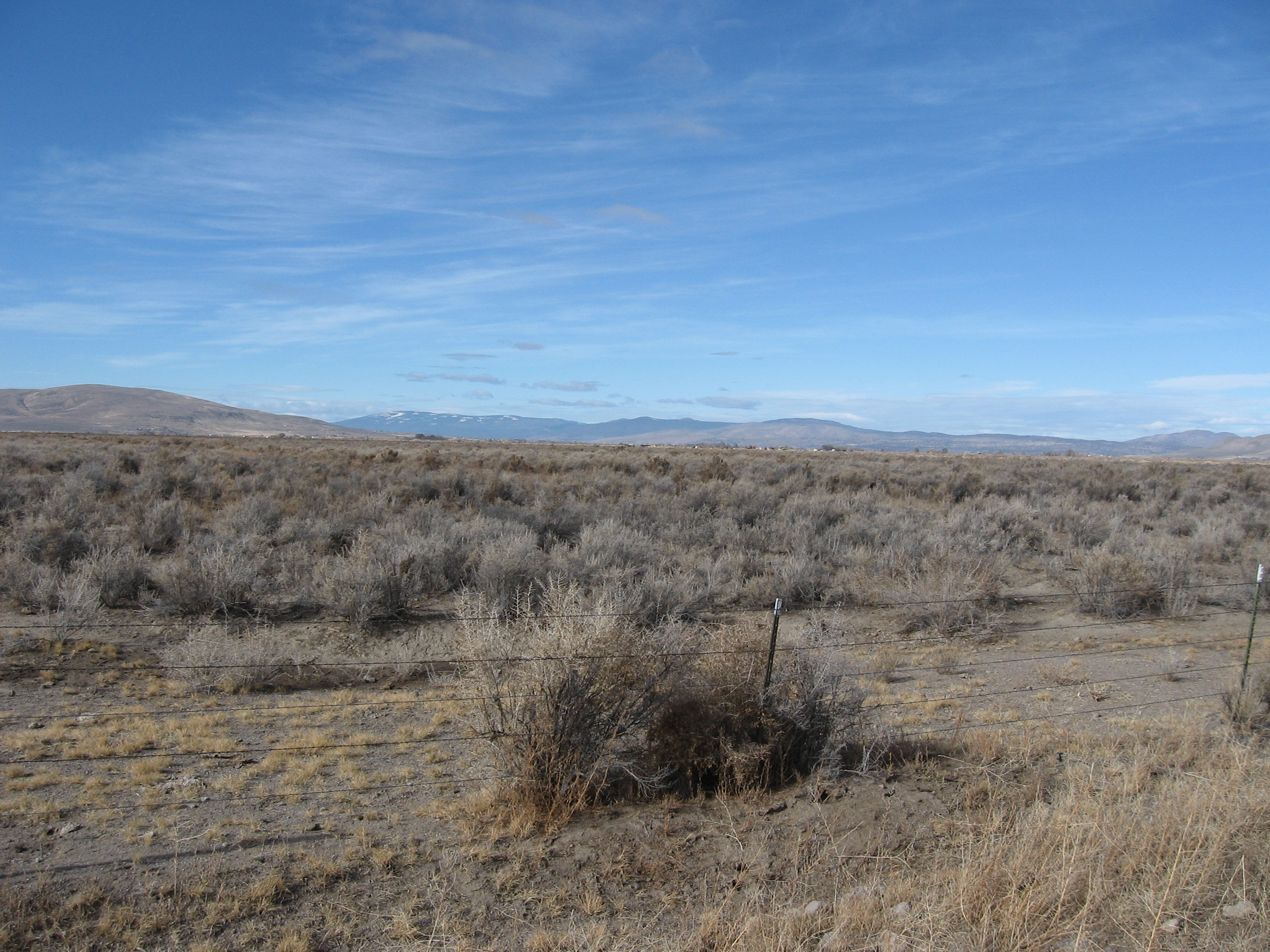
Secret Valley, as seen from the lower end of Secret Valley.

The Paiutes of Honey Lake/Secret Valleys were known as the Wadatkut.

The Secret Valley band consisted of 20-30 people. Ike Northrup who passed away in 1953, is one of the best known members of this tribe.

In the summer they made their home at the north end of Secret Valley, near the old McKissick Ranch, near Karlo. In the winter, they would relocate in the Honey Lake Valley, east of Litchfield. By the late 1890s,  some members of tribe would find seasonal employment there on the nearby Gibson Ranch.

For more information see Francis Riddell’s  Honey Lake Valley, Paiute Ethnology,  Nevada State Museum, Occasional Papers No. 3, 1978 . Riddell grew up in the Honey Lake Valley during the 1930s, as his father was hired to work on plans for the troubled Bly Tunnel at Eagle Lake. While attending school at Missouri Bend, Francis found arrowheads in the school yard and that was the beginning of his career in archaeology.

Please subscribe and support this site in providing quality historical information of Northeastern California. A five dollar contribution goes a long way towards a worthy cause.