Tag Archives: Agricultural

The Good Times of 1922

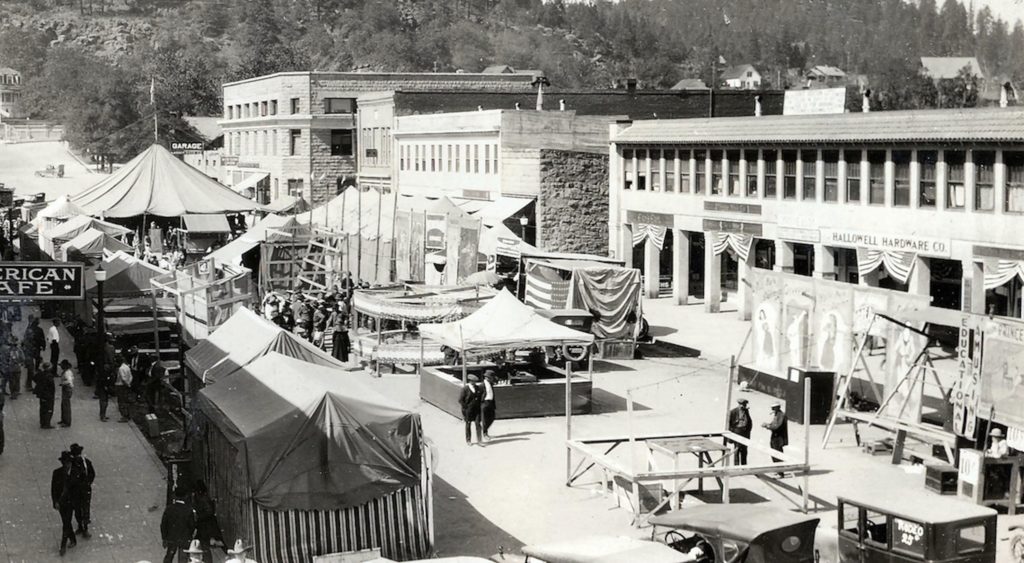
Susanville Main Street, 1924.

Lassen County was in the midst of prosperous times during the 1920s, and 1922 was a prime example. For instance, over 300,000,000 board feet of lumber was cut that year, making Lassen County the biggest producer of lumber in California. This had a ripple effect in the agricultural community. The lumber mills purchased $2,000,000 worth of local farm products to feed their employees.

The railroads flourished too. For the Southern Pacific over 1600 carloads of lumber were shipped by rail on any given month. Passenger train traffic was up going from three to six cars and even included a dining car.

Among other things to celebrate was the Lassen National Forest moved its headquarters from Red Bluff to Susanville. A county fair was held, the first time in fifteen years. The Bly Tunnel project was approaching completion that would be a major boost to the agricultural community. To assist that group the Lassen County Farm Bureau was formed.
Never miss a story, click here to subscribe.

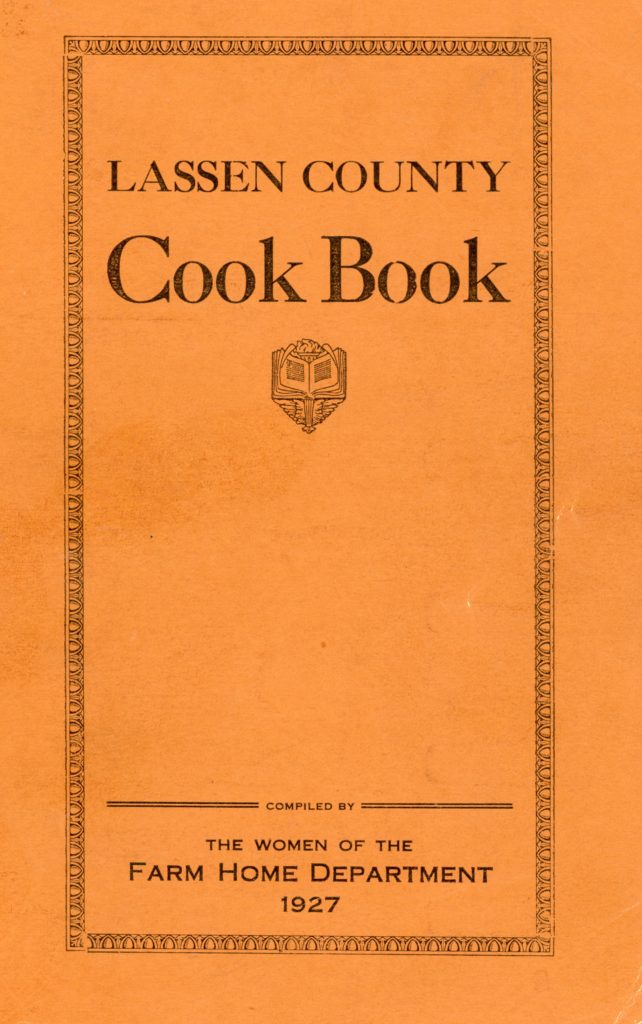
Lassen COUNTY FARM BUREAU COOKBOOK

The first local cookbook published was in 1915 by the Monticola Club which was very well received. The second one, I am not so sure of, since I have seen only one copy and I never come across references. In November 1927, the Lassen County Farm Bureau released a 144 page cookbook. The recipes cover most everything imaginable from that era. Those recipes were contributed by members of the farm bureau and every nook and cranny in the county was represented.

Never miss a story, click here to subscribe.

Old Barns

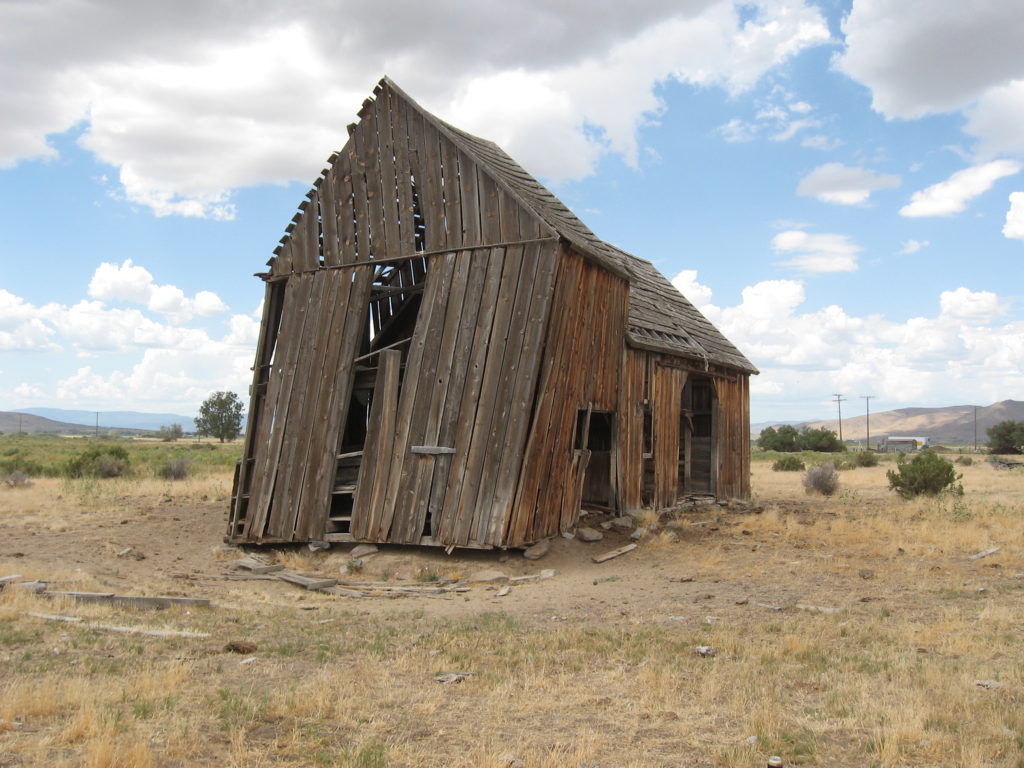
Hartson Barn, July 26, 2019

Times change, and what was once useful has served its purpose—old agricultural barns being one. Gone are days when hay bales were stacked in barns by hand—one summer of that was enough for me and went back out in the woods logging. Anyhow, with new equipment for haying and baling, also witnessed new metal barns eliminating the need of manual labor.

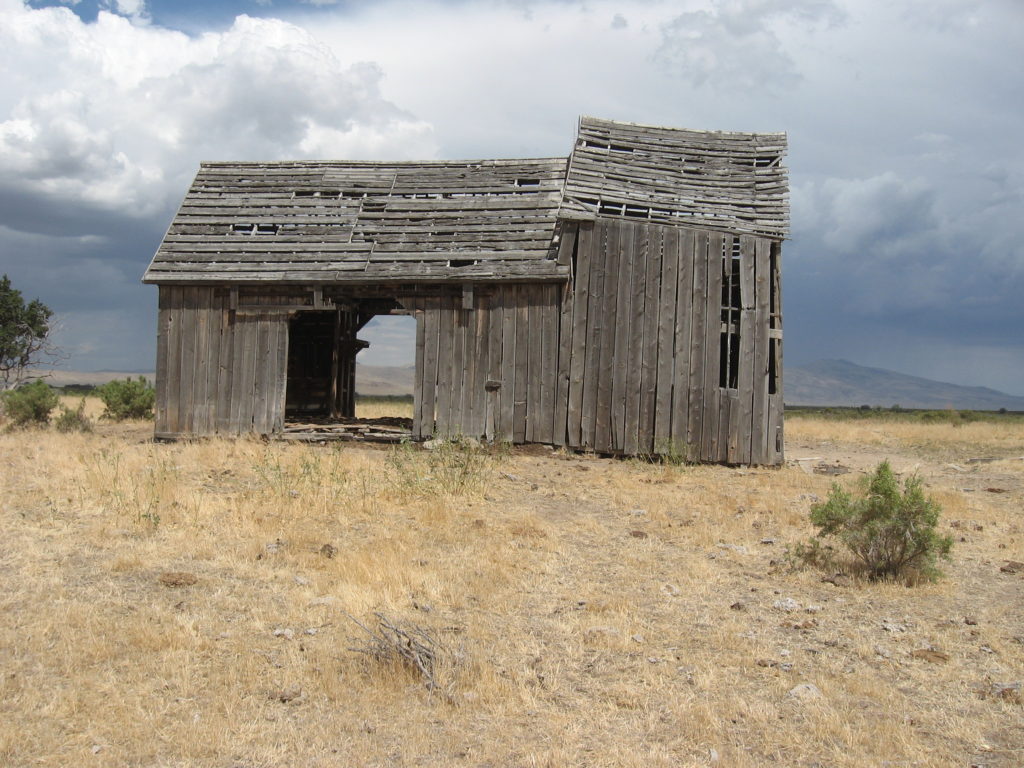
The Hartson barn depicted is adjacent to the Dakin Unit of the Honey Lake Wildlife Refuge. Built in the mid-1880s it is distinct from other barns with its breeze way. The southern end, whether it was an add on, is not known. What is interesting the lumber is twenty feet in length, no doubt came from the Cornelision sawmill at Janesville.

Hartson Barn, July 26, 2019

As one can see from this view, the foundation on the south side of the barn has eroded. It is just a matter of time when this relic of the past is no longer.

Never miss a story, click here to subscribe.

Fair Time in October!

Lassen County Fair, 1891. Courtesy of Carl Illig

Believe it or not the first Lassen County Fair was held in the third week of October in 1878. It was sponsored by the Lassen County Agricultural Society as a venue to promote a fair to showcase livestock and farm commodities. It was an impressive five-day exposition. It was considered a success, with $2,750 in premiums paid out and receipts that totaled $3,728. The first fairgrounds was located in the vicinity of Grand Avenue and First Streets.

Never miss a story, click here to subscribe.

The Tanner Slough Initiative

Colony Dam and the Baxter Creek Siphon, Susan River, 1938

In the never ending quest for search for water in the Honey Lake Valley for irrigation a multitude of avenues were explored. A late entry was that of the Tanner Slough Irrigation Association that was formed in the late 1930s. This association was composed of the ranchers of the Tule District, the lower end of the Susan River and the various sloughs before they empty into Honey Lake. Those ranches included—Theodore, Mapes, DeWitt, Bailey, Fleming, McClelland, Gibson, Tanner and Dill.

They were able to impound 2,600 acre feet of water in Willow Creek Valley, and also flood waters of Horse Lake. The spring floods of 1938 caused considerable damage throughout the region. The Colony Dam on the Susan River near Standish was a casualty. The Colony Dam did not impound a great deal of water. One of its key components was a point of diversion of water to downstream users.

On April 20, 1938 the Tanner Slough Irrigation Association sent a letter to the California Governor Merriam seeking funds to repair and reconstruction of the Colony Dam. The flood damaged some 10,000 acres of land belonging to members of the Association. Not only delayed getting crops planted, but when summer arrives they might not be able to divert irrigation due to the damage of the dam, and the sloughs. They sought $3,500. In their plea, they wrote, ”We know of no other place to make an appeal for aid and assistance. You are about our last hope.” Their request was denied.

Never miss a story, click here to subscribe.

Sunflower Silage

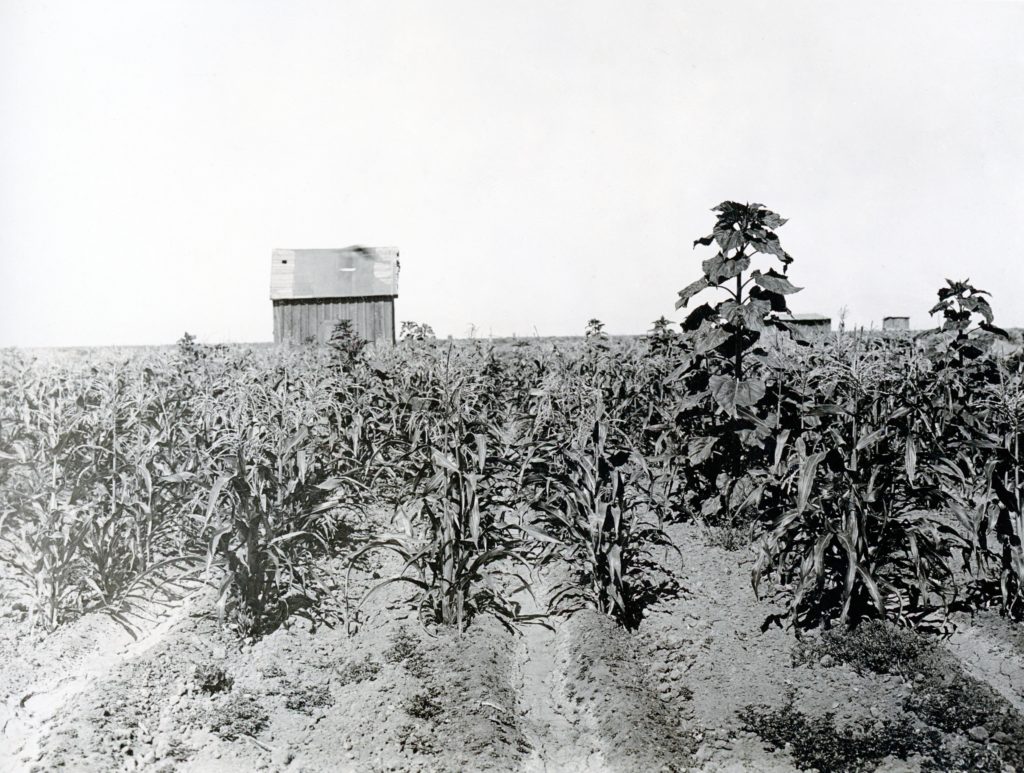
Sunflower demonstration on the A.F. Babcock Ranch, Bieber, 1923

In 1923, the Agricultural Extension office and Big Valley rancher, A.F. Babcock conducted an experiment for growing Russian sunflowers for silage. A thirty-acre plot was planted. It was the hope that the silage could be used for feeding dairy and beef cattle in Big Valley.

Test proved conclusively that it was a success. Twenty-eight tons were raised. The biggest challenge is getting the corn planted after the last chance of frost.

Support

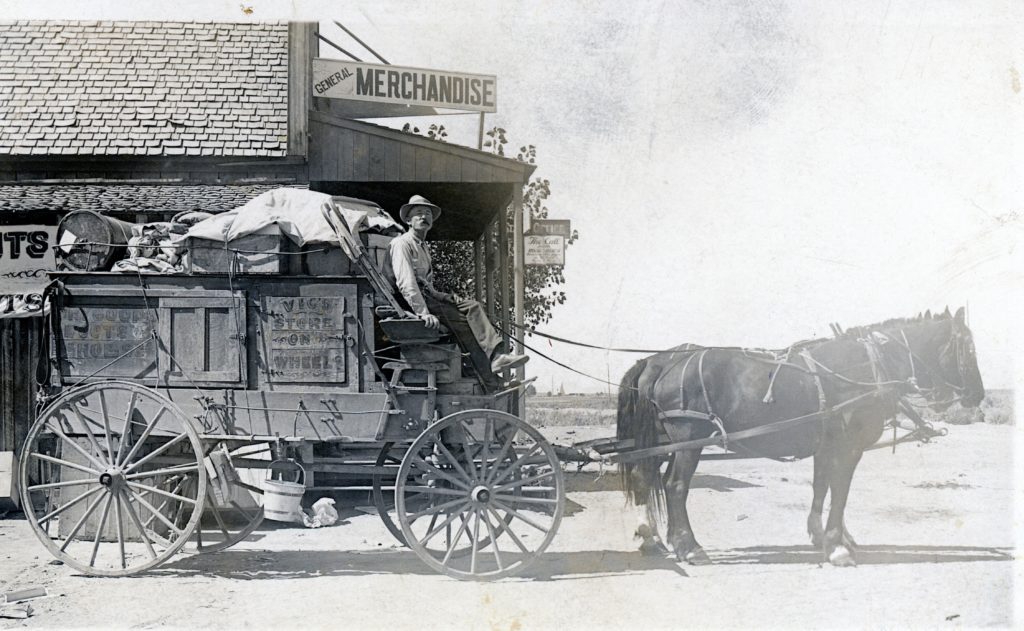
Vic Perry’s Store on Wheels

Vic Perry’s Store on Wheels, Standish, 1911. Courtesy of Alphozene Terril

In the early 1890s, Johnstonville resident, Vic Perry saw a need and put into motion his traveling store. In the summer, when hay season was in full swing, which should be noted then was very labor intensive, one did not have the luxury to travel to town for supplies. It was not unusual, for a farm to have a hay crew of twenty people. Perry would travel from ranch to ranch, making a circuit selling his wares. When Standish was founded in 1897, Perry opened a general mercantile store there, but each summer he was busy with his “store on wheels.”

Subscribe

Honey Lake Oranges

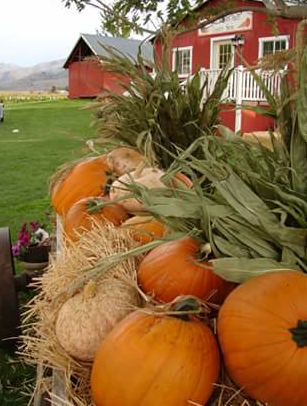
Wemple’s Pumpkin Patch

In the early 1890s, real estate promoters at Amedee proclaimed the region ideally suited for citrus trees. Of course, there were a lot of skeptics.

In 1911, Standish resident Frank McKay came up with a new marketing campaign to make one of this crops stand out from the others. McKay offered for sale Honey Lake oranges. As it turned out the large orange orbs he had for sale, were in fact the standard pumpkin.

This being the month of October, means Wemple’s Pumpkin Patch at Milford is open. So if you are out and about that way, it is worth the stop.

Subscribe

Dry Farming

The Caudle homestead, near Stacy, 1910.

In the early 1900s what some historians refer to as the Golden Age of Agricultural, the Dry Farming experience had taken hold. Dry farming is a method of growing crops without the benefit of or very limited irrigation. For some homesteaders they initialy turned to this system, while waiting for a variety of irrigation projects in Lassen County to be completed. By coincidence, everything went fairly well since between 1900 to 1916 was an extremely wet weather cycle. Then beginning in 1917 witnessed the beginning of a twenty year drought, and many a homesteader abandoned their property.

Subscribe

The Island

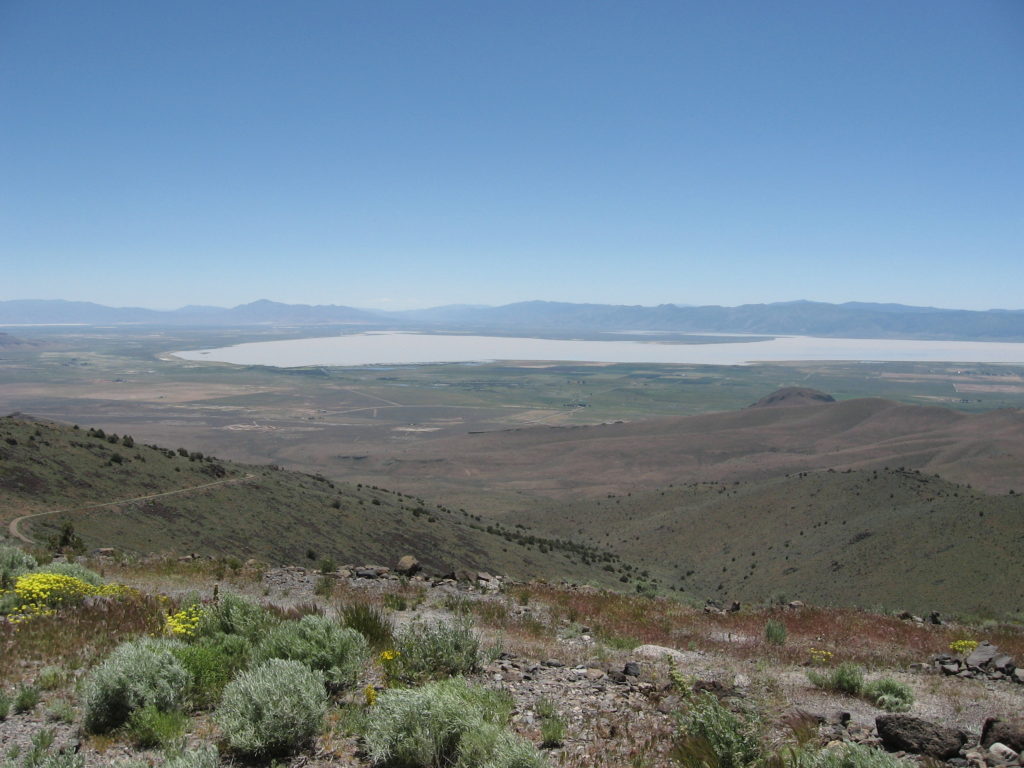
A view of Honey Lake and the “Island.” June 13, 2018

Actually, it is somewhat of a misnomer, as it is actually more like a peninsula. What I am referring to is a large area that encompasses approximately 13,000 acres that is surrounded on three sides by Honey Lake. Between 1905 through 1919, there were numerous homesteads there. In 1911, the Honey Lake Irrigation Company constructed a water pumping plant and several miles of irrigation ditches on the east side of the Island to reclaim the sagebrush lands using water from Honey Lake. The project failed for several reasons. There was a federal court injunction that prohibited the Company from using governmenrt lands as right-of-ways to convey the water. This was a matter that first had to be resolved at the State level. California law had never addressed this issue—how water from a lake with no outlet could be appropriated for irrigation. It took the State two years to render a decision. By the time the legal issues had been settled, interest in the project had waned. Additionally, in 1917, Honey Lake went completely dry.

Donate