Category Archives: History

Abraham Farris, Richmond Road Merchant

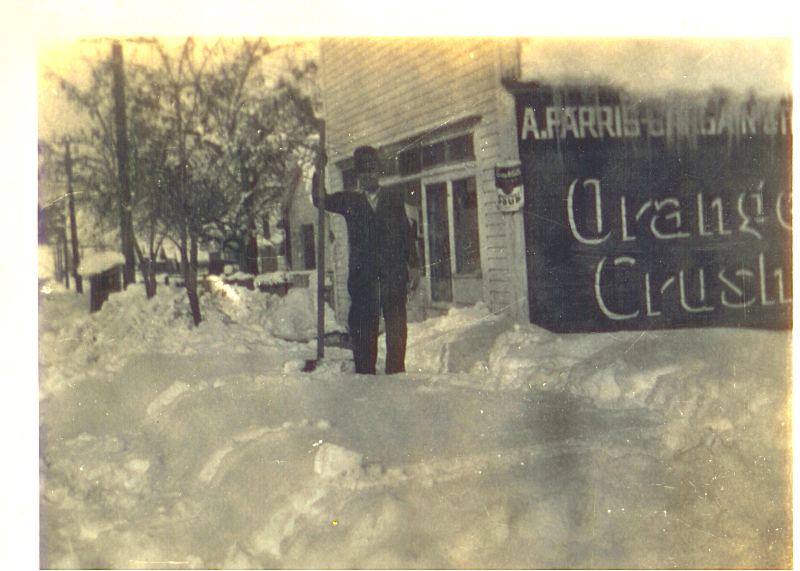
Abraham Farris in front of his store, 1937. Courtesy of Calvin Farris

While many may have fond memories of Borghi’s store on Richmond Road, there was another store near there and before Borghi’s. The store I am referring to was operated by Lassen County’s best-known Syrian, Abraham Farris.

In September 1912, Farris, who was operating a store in Clio, Plumas County, paid Susanville a visit to relocate. He liked what he saw and made arrangements to move. The Lassen Advocate duly noted, “Mr. Farris impresses us as a man of enterprise and business ability, and as one who will do his share in the up building of Susanville.”

Farris, set up shop on the southeast corner of Main and Roop Streets. All went well in the beginning until the owner of the property, O.M. Doyle evicted him. Doyle made arrangements to have a two-story brick building on the lot, that seasoned Susanville residents will know as the Del Mar.

The business district was booming with the advent of the railroad, and Farris could not find a suitable location. He opted to purchase property in the Lassen Townsite on Richmond Road. Yet, this was problematic. Lassen Townsite was owned by several influential Susanville businessmen. They limited commercial development near the depot and it would be kept to a minimum, mainly for businesses affiliated with rail services. To get around this predicament, Farris hired contractor Louis Dimon to build him a house large enough for his family, but with enough space to carry a large stock of merchandise. The store operated until his death in April 1940. In 1942, the store front was remodeled. The building it should be noted burned down in 2013.
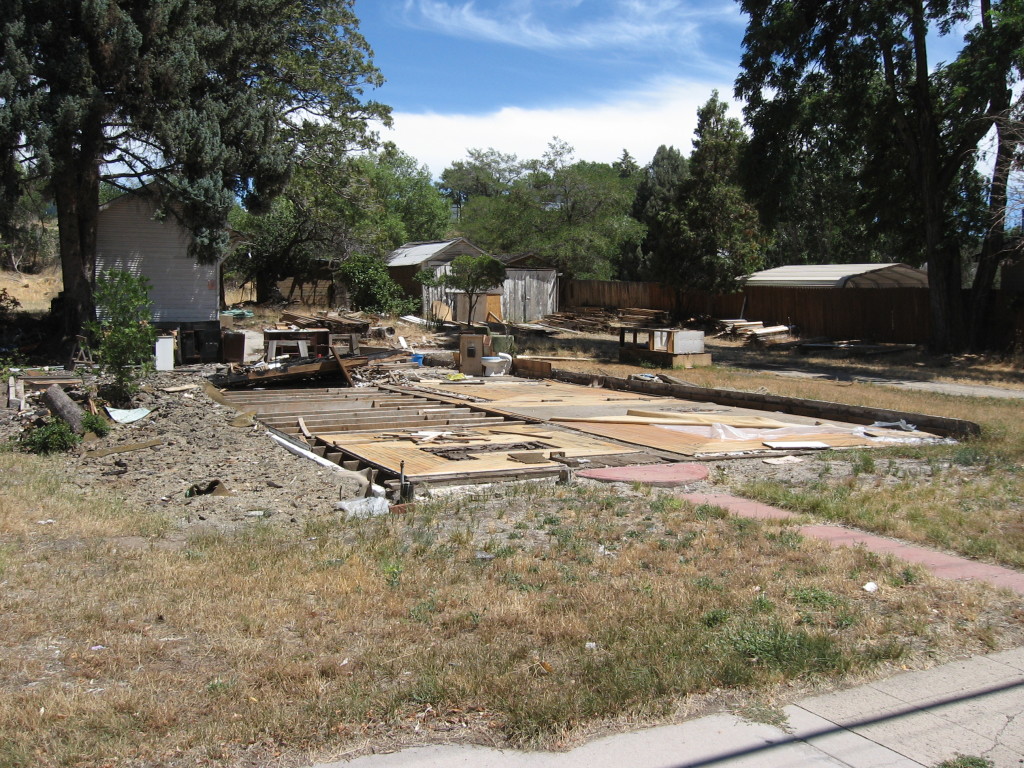
Remnants of the Farris building, June 20, 2015

Never miss a story, click here.

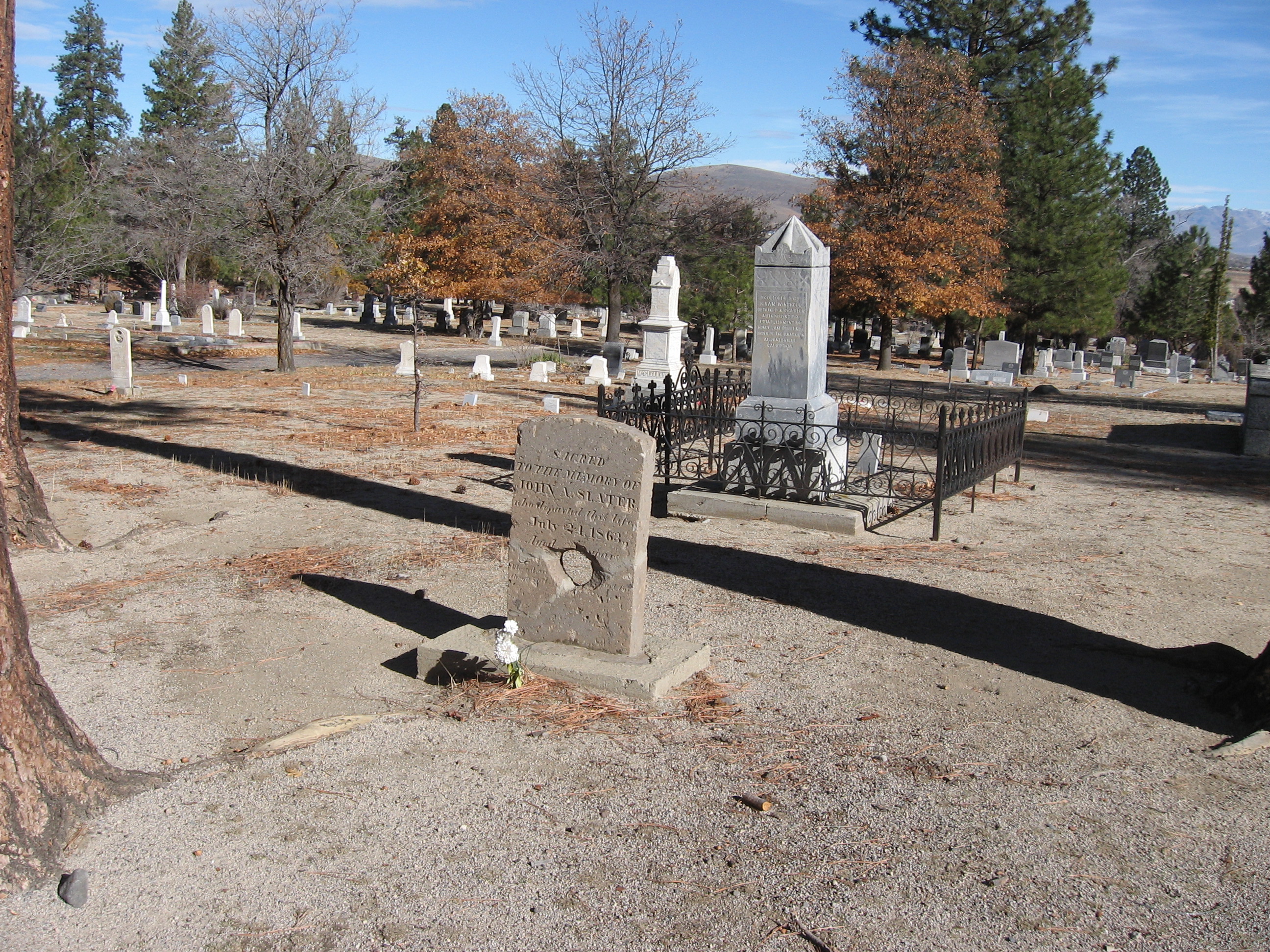
Janesville Cemetery – The Slater Graves

John A. Slater's grave. November 19, 2015
John A. Slater’s grave. November 19, 2015

When Dr. John A. Slater died on July 24, 1863 at Janesville, there was no cemetery. He was buried at the foot of pine tree on the Sloss Ranch, known in later years as the Jim Peterson place.

In 1865, Slater’s two sons, Henry Hunt, age 11 and John Allen age 7, died a day apart from each, respectively on May 5 and May 6. They were buried next to their father.

There was a lot of speculation as to the cause of their deaths, some attributed to it spotted fever and others said it was poison from eating wild parsnips. What was later revealed the boys had played around the house all day and never ventured away from home. Henry was taken ill with a pain in his heal in the afternoon, and died that night. On the same evening, John was reported to have a pain in his next week and died the following morning.

In the summer of 1915, John S. Partridge, a grandson of Dr. Slater, contacted local historian Granville Pullen to move the graves to the Janesville Cemetery, which Pullen obliged.

Never miss a story, click here.

Susan River’s Hartson Slough

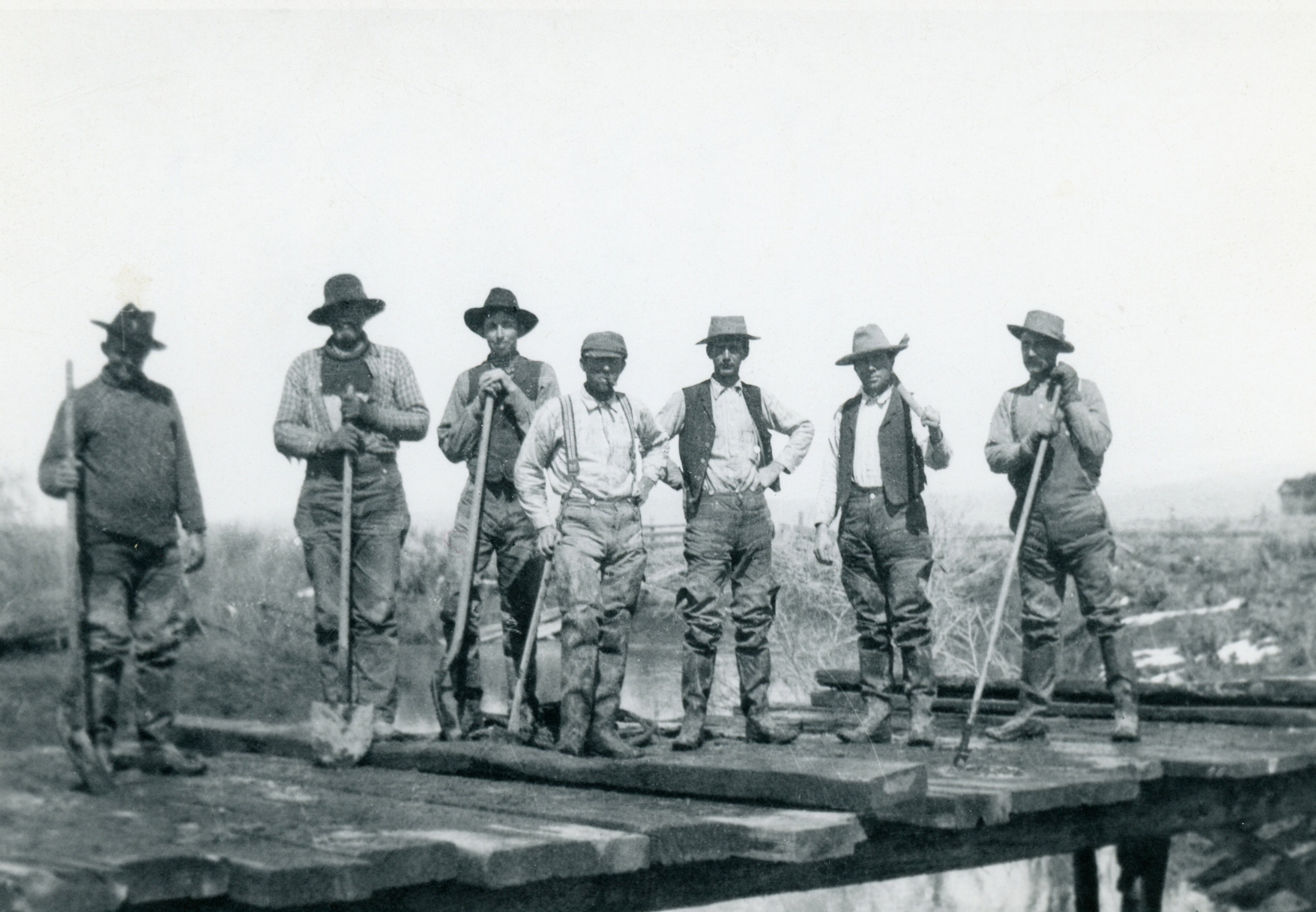
The annual chore of cleaning the slough. Left to Right: George Hartson, Curtis Winslow, Colin Whitehead, Mr. Zumwalt, Will Hartson, John Theodore, Will Spoon. Courtesy of John H. Theodore

Once Susan River flows past Standish, it starts breaking into various sloughs before it reaches Honey Lake. Some of these sloughs are natural, and some man made.

The Hartson Slough is man made, named after Charles Hartson.  In 1881, Hartson filed on 160 acres of sagebrush land near Honey Lake, in the Tule District. However, Hartson needed more water to not only reclaim this parcel but to expand.  In 1889, Hartson worked as the construction superintendent of the Ward Lakes Reservoir. Hartson made a deal with the Balls Canyon Reservoir Company, the company behind the project,  that, for a portion of his services, they would give him a share of water rights to Willow Creek. This gave Hartson the water he sought to reclaim his land. He built the slough to convey the water to his ranch. By 1901, Hartson owned 1,500 acres of land, half of which was planted in alfalfa. In that same year, Hartson & Sons ranch was one of the first in Lassen County to incorporate. In 1910, Charles Hartson retired and moved to Susanville. He turned the ranch over to his son, Frank Hartson.

A view of the old Hartson Ranch.

Never miss a story, click here.


Spalding/Arnold Residence

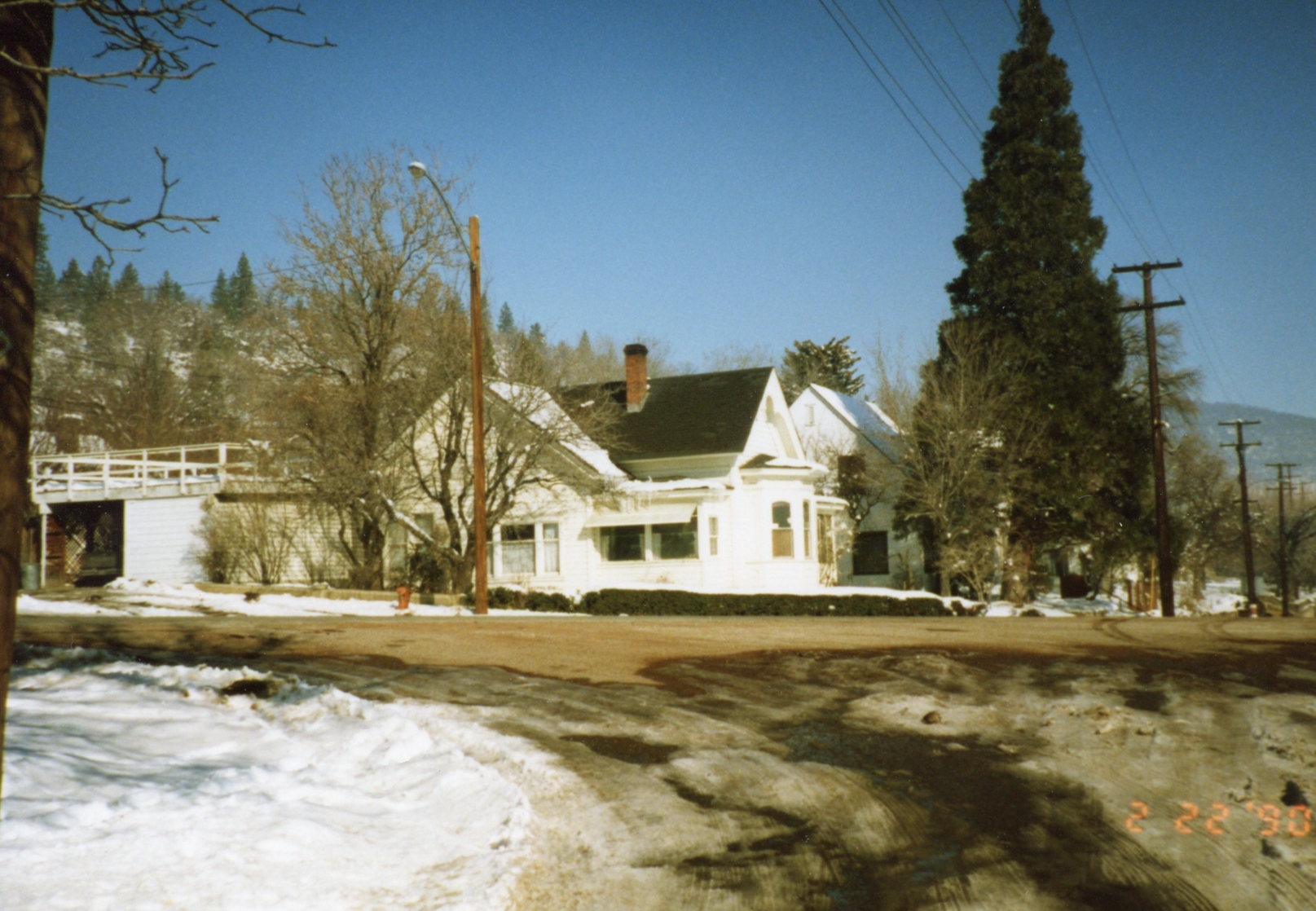
The Spalding/Arnold residence in 1991.

In June 1887, John B. Spalding, his wife Nell, and two small children, Blanche and Wright moved into their new home at 80 S. Pine Street, Susanville. The Spaldings had two more children, Wright and Zella, who were born in the home. In 1938, Zella with her husband, Med Arnold moved into the family residence and it remained in the family until it was sold in 1974.

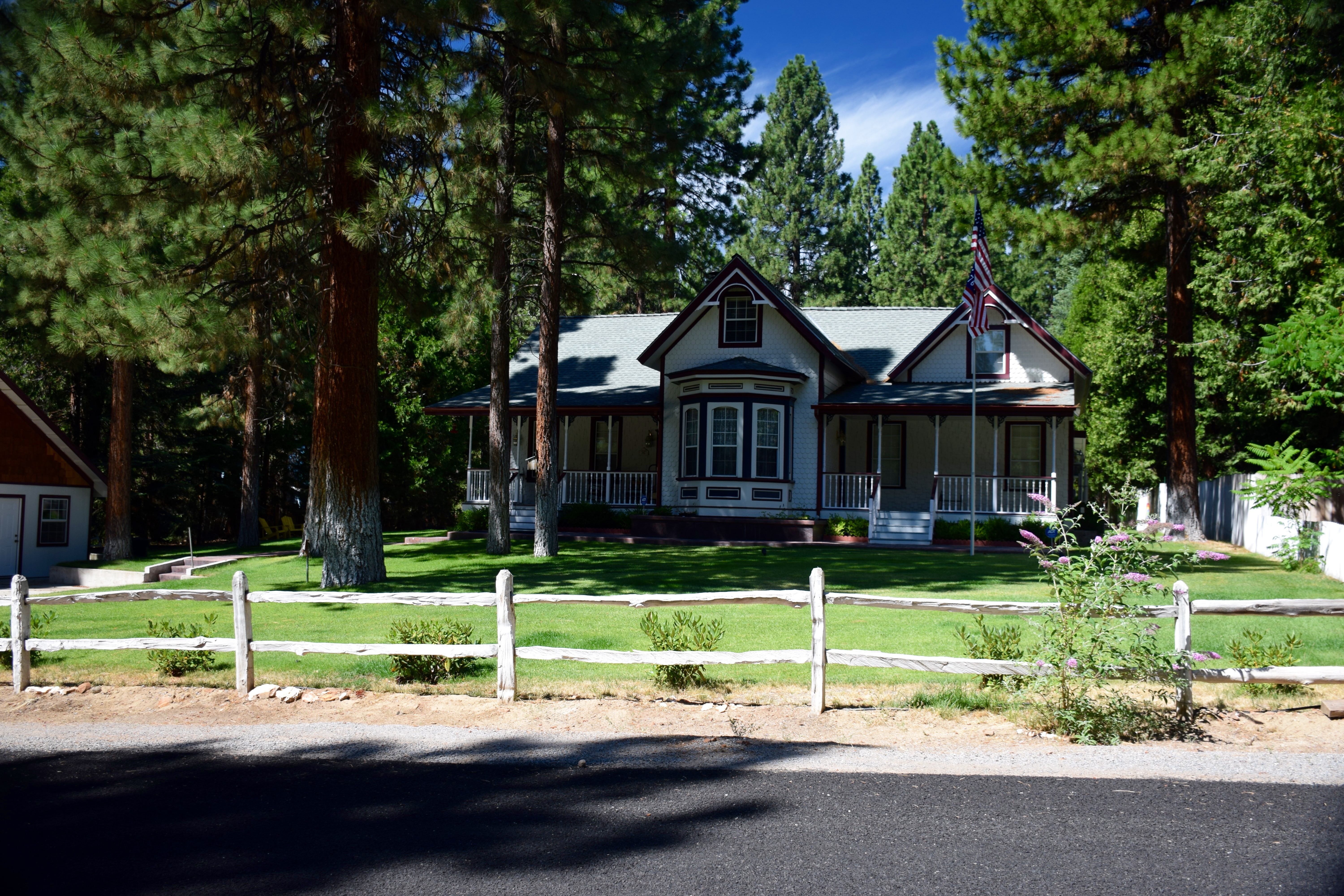
The house as it appears in 2015.  Courtesy of Annie Henriques Blank
The house as it appears in 2015. Courtesy of Annie Henriques Blank

In 1992, the home was moved to Lake Forest Estates to make way the realignment of the highway curve into Susanville.

Never miss a story, click here.

Hayden Hill School

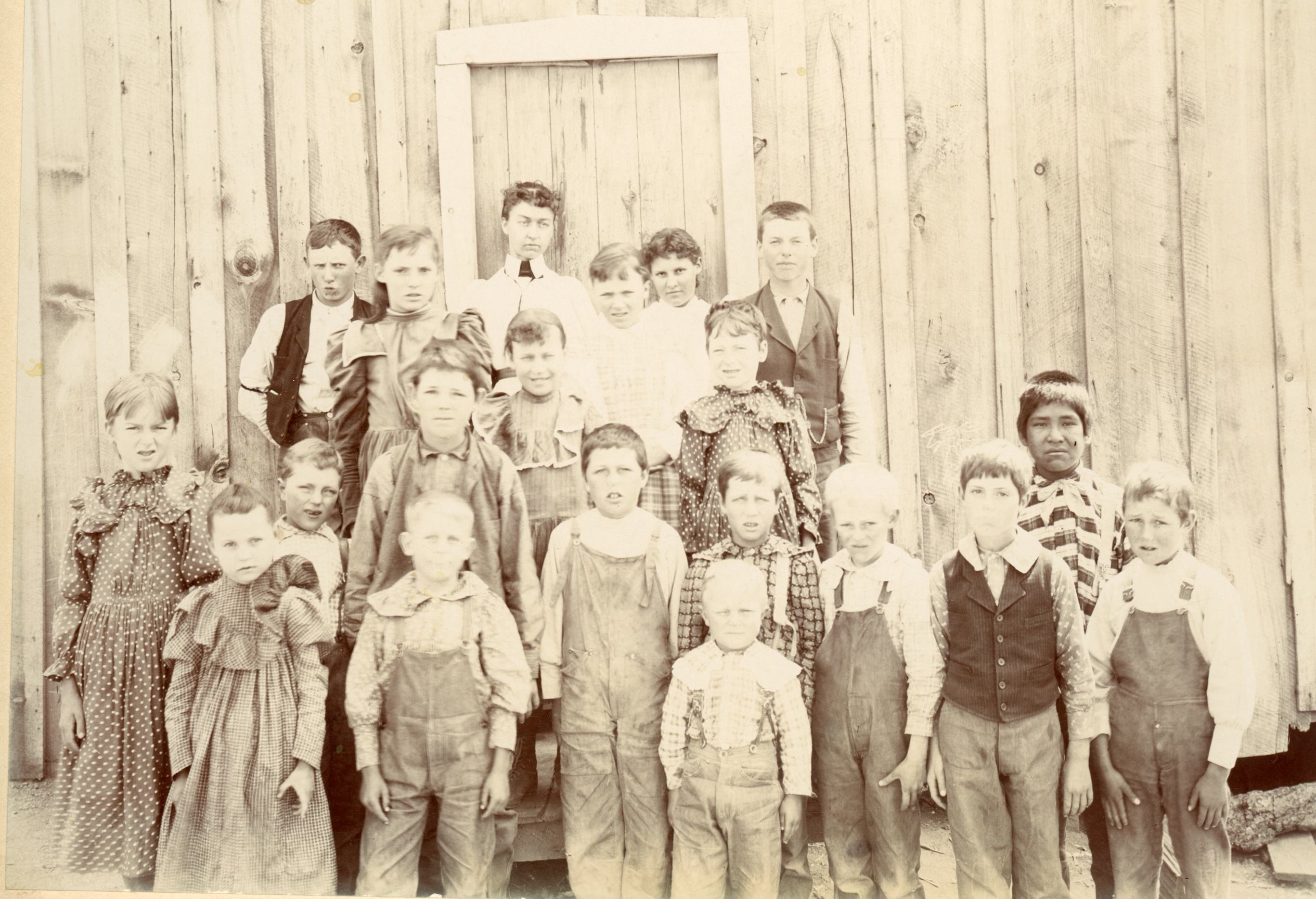
Hayden Hill School, 1894. Courtesy of Del & Diane Poole

Providing service’s to Lassen County’s largest mining community had its challenges. There were, of course, the boom and bust cycles, so its population was always in state of fluctuation. Due to its elevation and harsh winter conditions, many residents sought refuge elsewhere in the winter months.

Those factors influenced educational opportunities at Hayden Hill. In 1872, Perry Edris opened a private school on the Hill. It was not until 1878 that the public school was created. The school opened in the fall of 1878, with Ida Spalding as the teacher of fifteen students. The school remained in operation until 1925, when it closed for lack of students.

On June 1, 1931, the Board of Supervisors offered the schoolhouse for sale. Fred Bunselmeier and Lloyd Walsh purchased the two-story building for approximately $125.

Never miss a story, click here.

Standish Water Company

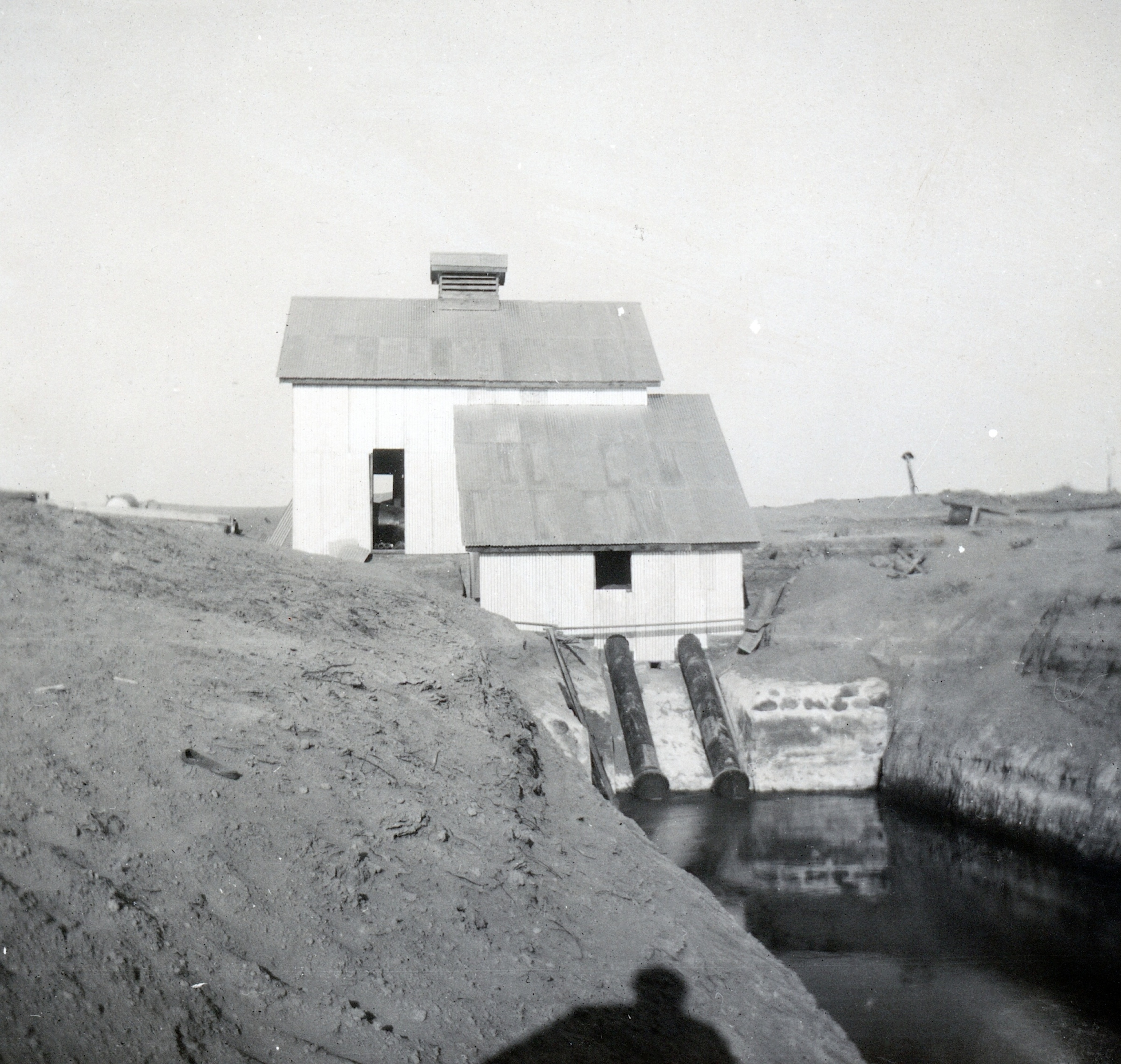
Standish Water Company's pumping plant. C.R. Caudle collection
Standish Water Company’s pumping plant. C.R. Caudle collection

When Honey Lake is full it is an impressive body of water. There have been those over the years who thought it could be put towards a beneficial use. In 1878, Captain Charles Merrill came up with the first proposal to use water from the lake to irrigate the sagebrush lands on the lake’s eastern shore. Others, too, looked at lake’s potential for irrigation, but nothing materialized.

In the Standish district, two families who were joined by marriage—Hartson and Holmes—made plans to utilize the lake’s water for irrigation. In 1909, they formed the Standish Water Company. The Company was successful in attracting investors, one of whom was Carl Caudle. Caudle was a civil engineer, who had a homestead at Stacy on the east side of Honey Lake. Not only was Caudle instrumental in designing the project, he also invested $22,000.

In April 1910, construction began on a pumping plant on the east shore of Honey Lake, about two miles south of Amedee. A 150 horsepower Fairbanks Morse engine with a 24-inch centrifugal pump powered the pump house. Eleven miles of canals were constructed in an effort to irrigate 4,000 acres.

On October 4, 1910, on one of those beautiful falls days the region is noted for, set the mood for the inauguration of the pumping plant. During the morning people began arriving from around the Honey Lake Valley to partake in the festivities. Of course, the customary local dignitaries were on hand to provide their accolades. Shortly after noon, the visitors were instructed to assemble along the banks of the main canal to anxiously watch awaited event of pumping water into the main canal. At one o’clock the whistle blew from the engine house, and within moments water burst through the pipes to fill the canal.

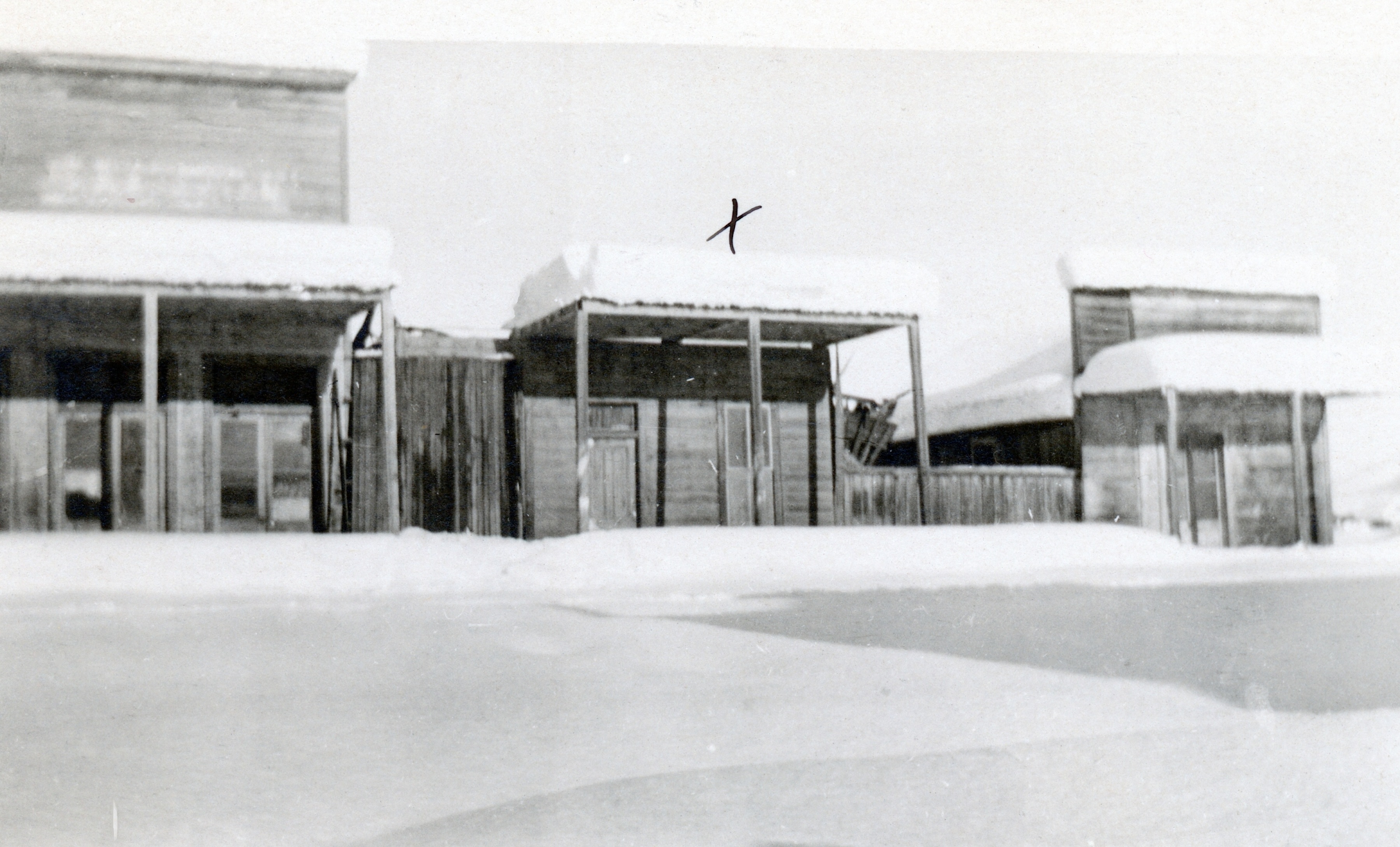
On the surface it appeared the Company was off to a successful start. In addition, Mother Nature contributed to their efforts, when a snowstorm in January 1911 dumped eight feet of snow there! Actually, the weather gods for the next several years were very kind to the east shore residents by providing higher than normal precipitation.

In the Company’s first year 1,000 acres had been planted with sugar beets, with a successful harvest. The following year was a success, too. This changed in 1913, in one of those bureaucratic snafus. The Standish Water Company sold water to individuals who were homesteading on federal lands. Once those individuals met the government’s requirements they could acquire the land for a nominal fee. Disputes occurred, usually from neighbors. In this particular instant, Thomas Philbin contested John Ramsey’s request for a final proof for his 160 acre homestead. The United States Government Land Office (GLO) investigated Philbin’s claim, which they dismissed. However, when it was learned Ramsey’s source of water supply was Honey Lake, it raised a concern.

To be continued.

Never miss a story. click here.

The Bacon Roberts Affair

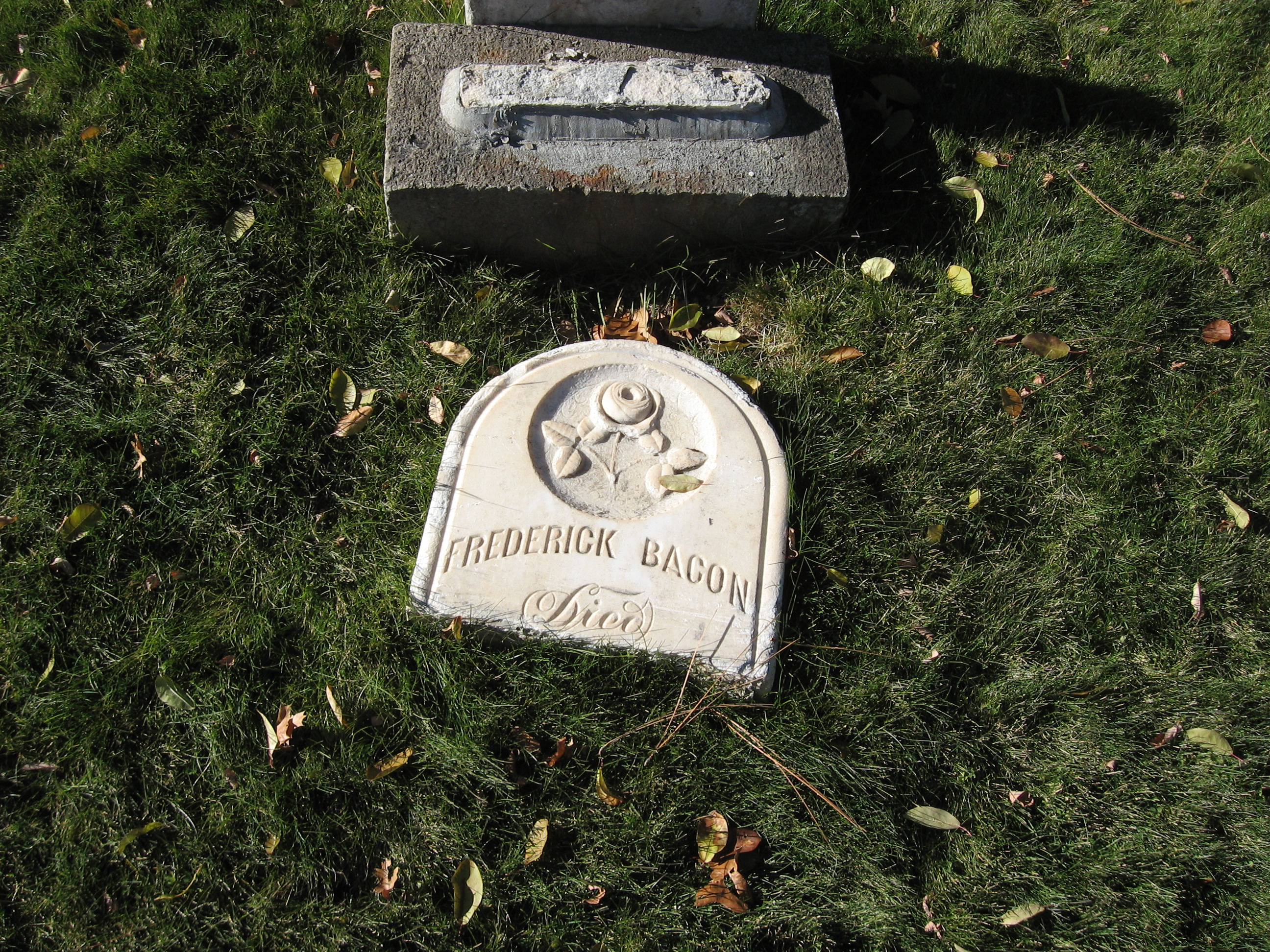
The vandalized headstone of Frederick Bacon, father of W.t. Bacon, Susanville Cemetery. November 21, 2015
The vandalized headstone of Frederick Bacon, father of W.T. Bacon, Susanville Cemetery. November 21, 2015

Since I had been writing a lot lately about the High Rock Ranch and Springs, I could not resist to pass along the following story. On September 16, 1883 the Susanville correspondent to the Reno Evening Gazette passed along this bit of news:

“That Susanville possesses many advantages, no one who has visited this pretty town will deny. Among those advantages, are the facility with which business is executed here, especially in the line of divorce and matrimony. To illustrate the above, I cite a case that came off here last Friday in the Superior Court. Until that day, one W.T. Bacon was possessed of a wife who had borne him two children, the youngest being a few months old. His residence was at a place called High Rock. Sometime last February, a little unpleasantness occurred which W.T. Bacon did not relish. It seems one J.B. Roberts, being smitten with the female side of Bacon, being qualified, committed adultery with the male Bacon’s wife. Last Friday W.T. Bacon applied for a divorce from his wife, on the grounds of adultery. The woman waived all forms of law, and went to trial immediately. The man—Roberts—came forward and swore to the fact committing the adultery, and the divorce was immediately granted in the afternoon. In the evening between 7 and 8 o’clock, J.B. Roberts and Mrs. Harriet Bacon were united in marriage, the ex-husband being present at the ceremony, keeping the baby quiet during the exercises. Taking it as a whole, it was the largest Bacon transaction here during the week, and causes considerable comment on change.”

Never miss a story, click here.

Spalding (Williams) Building

mmmmm
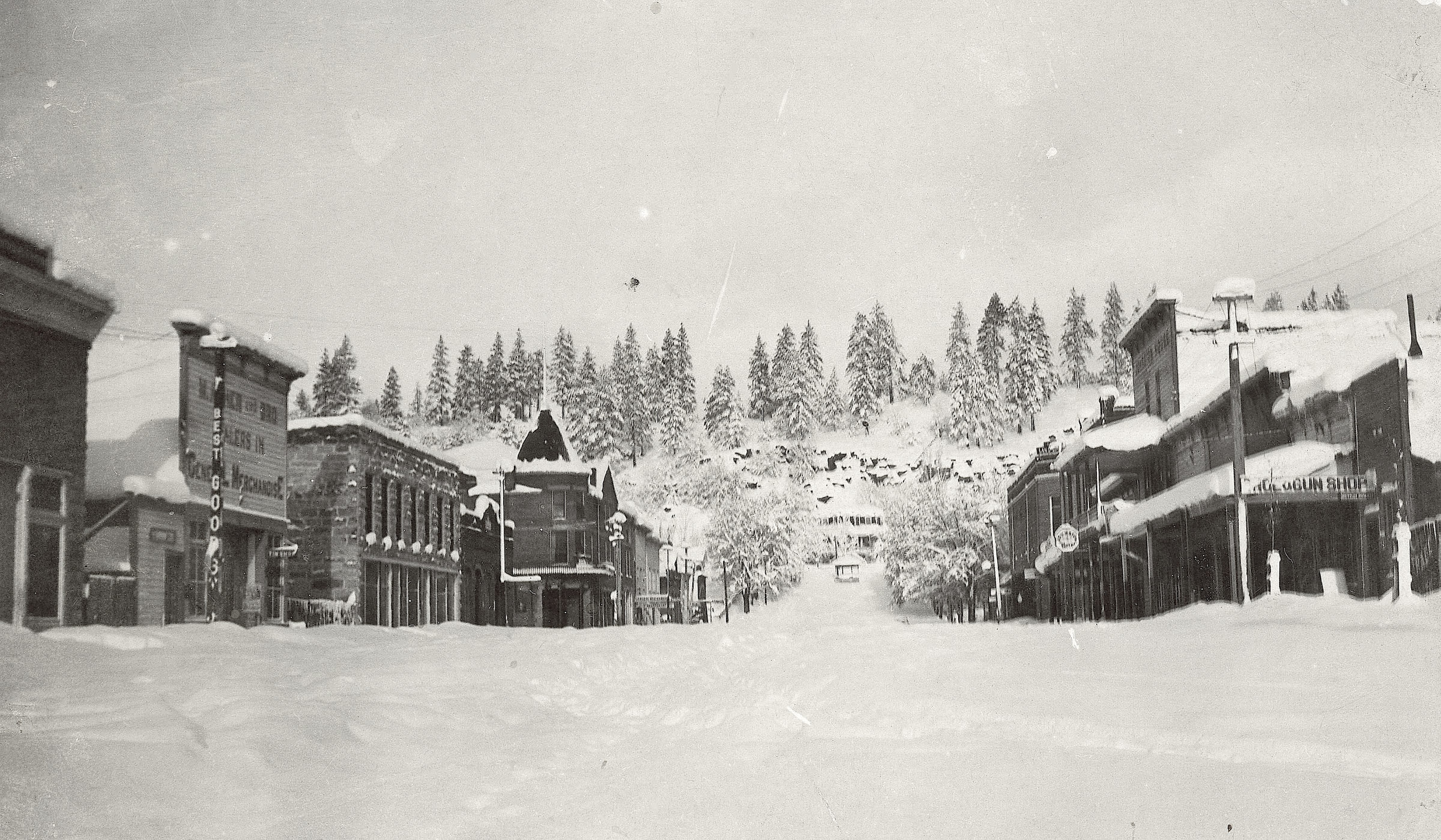
Main Street, Susanville, January 1907. To the left one can see the uncompleted Williams Spalding building.

In 1903, an ambitious young jeweler by the name of Joseph B. Williams arrived in Susanville and set up shop in the Emerson Hotel. Business was so good, that three years later, he decided to build a store of his own, just a few doors down from the Emerson in the 700 block. In March 1906, Andy Buchler started hauling stones from the local quarry. A month later, there was a change of plans. Local druggist, John B. Spalding bought the vacant lot on the west side of Williams. By summer, a new set of plans had been drawn for one large stone buildings for the Williams and Spalding properties.  By October, the second story had been completed and work was at a frantic place to put a roof before the winter storms set in.

It was not until the spring of 1907, when the structure was completed and was commonly known as the Williams Building. After Williams departure in 1910, it gradually became known as the Spalding Building, home to the Spalding Drug Company that operated there until 1967, when after a century of business in Susanville closed its doors.

Never miss a story, click here.

The Winter of 1861-62

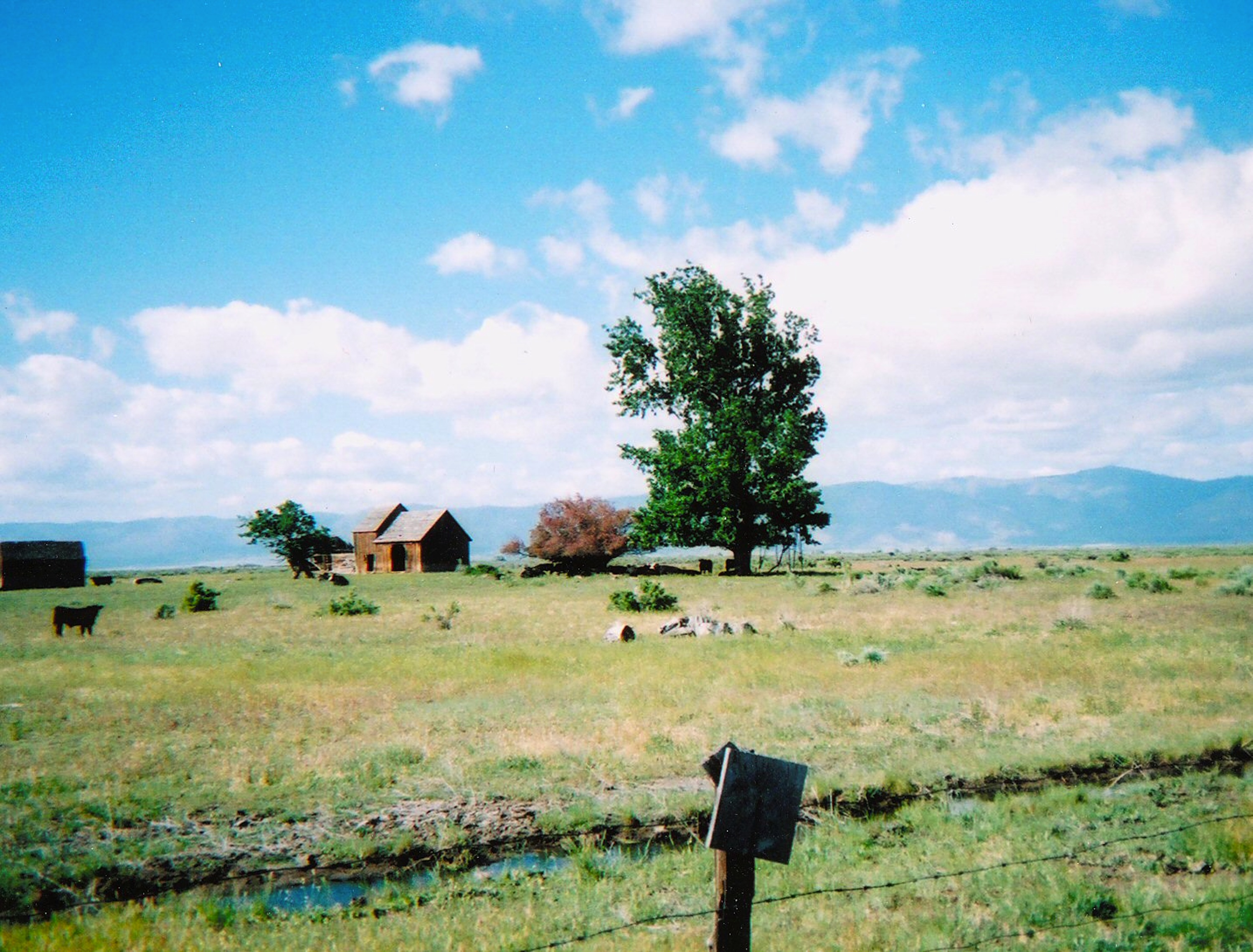
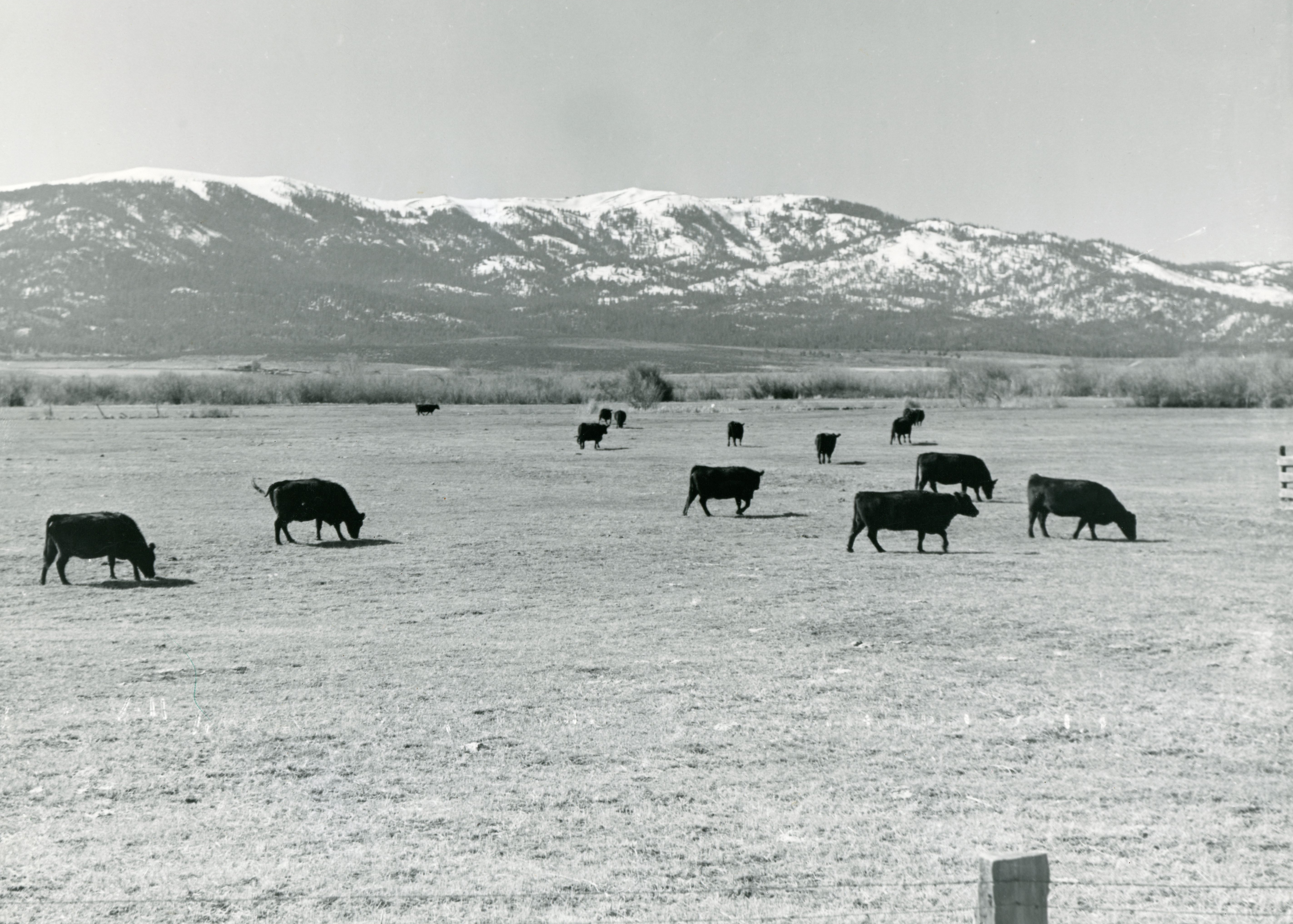
Can you imagine this pastoral scene between Susanville and Johnstonville, was once flooded with over three feet of water.
Can you imagine this pastoral scene between Susanville and Johnstonville, was once flooded with over  three feet of water.

The winter of 1861-62, is one for the record books. Thankfully, the A.L. Tunison diaries provide a glimpse of what happened locally and elsewhere.

The previous two winters had been dry. By the end of November 1861 there was a foot of snow in the Honey Lake Valley. Then on December 8 and 9, heavy rains. On December 18, Tunison receives news of flood damage elsewhere and writes, “Good flood in Sacramento Valley. Water 15 feet deep in Sacramento City. Boats run on Main Street in Marysville. Great many cattle lost. Slide on Sierra Nevada Mountain at Washoe covered up a quartz mill, injured two men, killed another. Two bridges gone on the Truckee River.” Continue reading The Winter of 1861-62