Tag Archives: Ranching

Diamond Mountain Forest Reserve

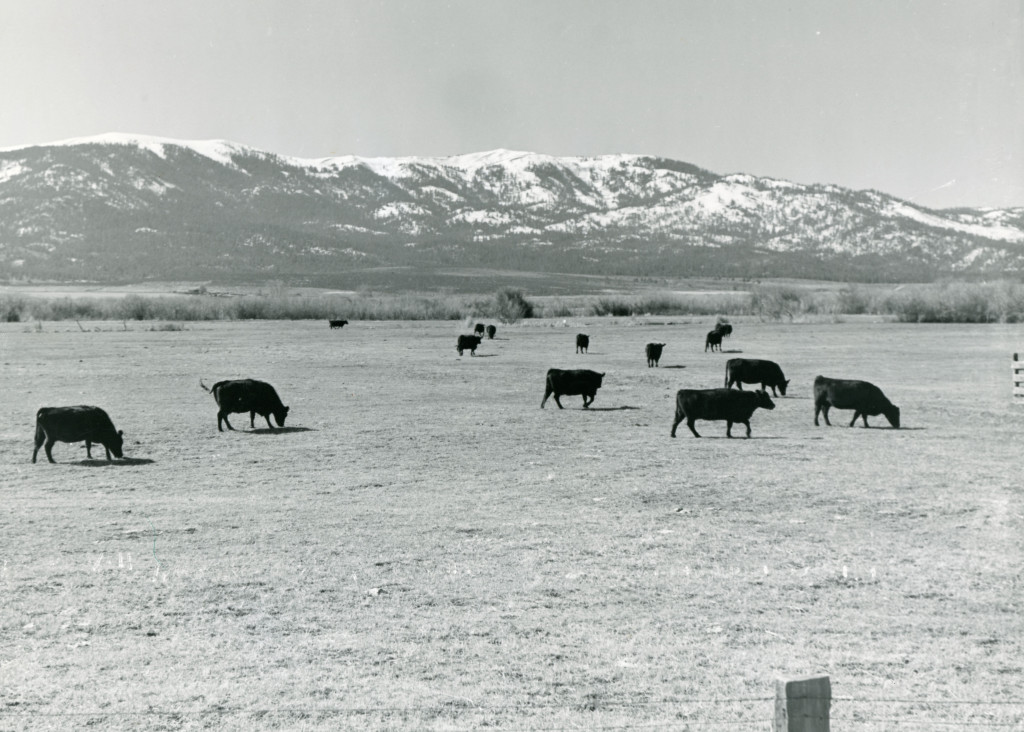
Diamond Mountain, 1950s.

In 1891, Congress made revisions to land acts, one of which was the foundation for the creation of national forests. It would take considerable time before it had a ripple effect locally. In 1905 witnessed the creation of the Diamond Mountain Forest Reserve by Congress. Initially, it had little impact on the region, as the government was still tweaking the process. In time, the first two biggest impacts were (1) forest lands were removed from the federal land patent process and (2) the agricultural community, i.e., livestock operators were in for a rude awakening when not only grazing permits were implemented, but fees too! In an interesting turn of events, it was the livestock operators from Tehama County, that fell the brunt of the forest reserve, since these properties they had used for years for summer grazing, that found mutual ground. In a co-operative effort the forest reserve and Tehama stockmen, help build a telephone line. This aided the stockmen who could connect with their tenders, and for the forest reserve it was their earliest method for fire reporting.

A footnote: In 1907, the Diamond Mountain Forest Reserve, with boundary changes became the Lassen National Forest.  The headquaters was located at Red Bluff.

Subscribe

Where are we – Murrer Ranch

Remains of the 1934 fire that destroyed the ranch house.

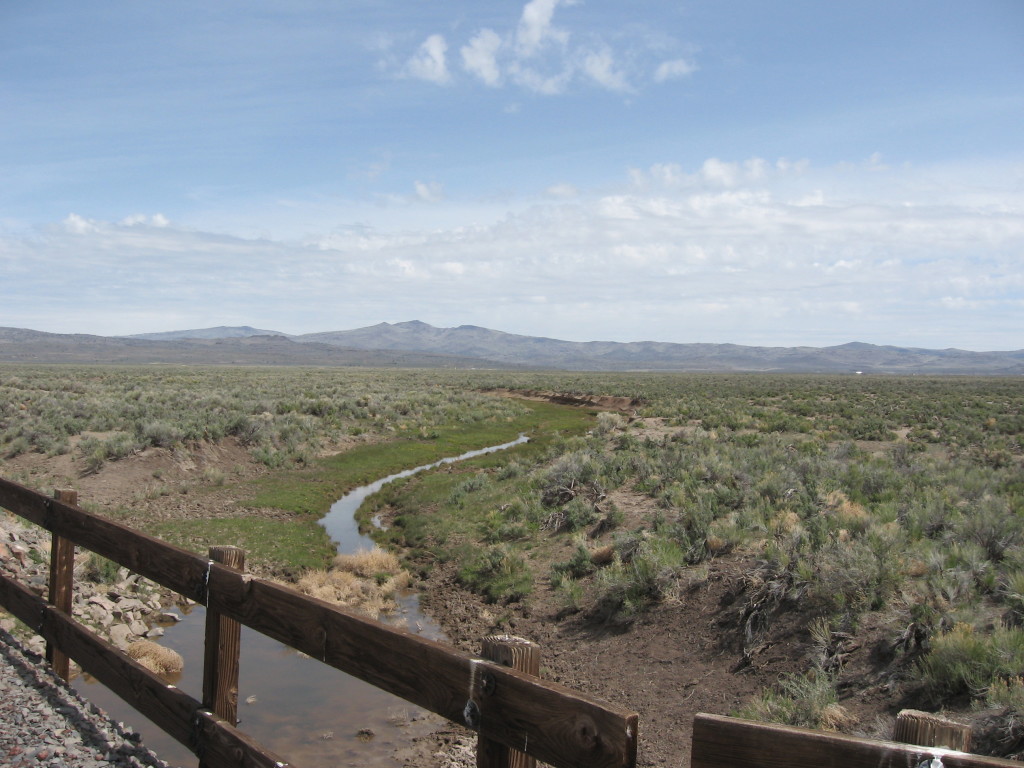
Located in the Willow Creek Valley, north of Susanville, the Murrer Ranch dates back to 1865.  1870, when gold was discovered at Hayden Hill, causing an influx of travel to the north, it became an impromptu stage-stop. The ranch played an early role in the development of Leon Bly’s Eagle Lake project, since the tunnel outlet adjoined Murrer’s Upper Ranch. Like so many family enterprises it had its moments. There was a moment that it did not seem that the it would not make it past the third generation, which is always a major hurdle.

Subscribe

Taylor Grazing Act

Huffords
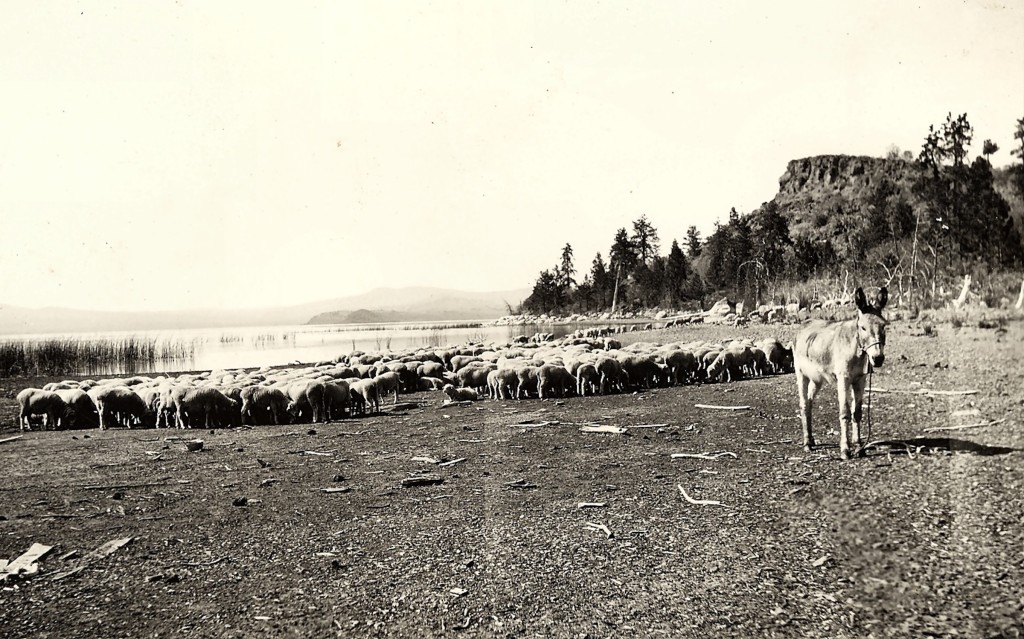
Hufford’s Sheep Camp, Eagle Lake, 1921.

Back in August I wrote about the Laxalt family and that Dominique was a tramp/itinerant sheepman. In 1934, the Taylor Grazing Act eliminated that practice.  The Act changed grazing practices on federal lands wherein no policy was in place. This basically pertained the sagebrush lands of the intermountain west. It should be noted that federal lands administered by the national forest service had implemented their own grazing policy. In 1946, the Government Land Office and the Taylor Grazing Service were merged to form the Bureau of Land Management.

Subscribe

Where are we – Cone Lake

June 27, 2018

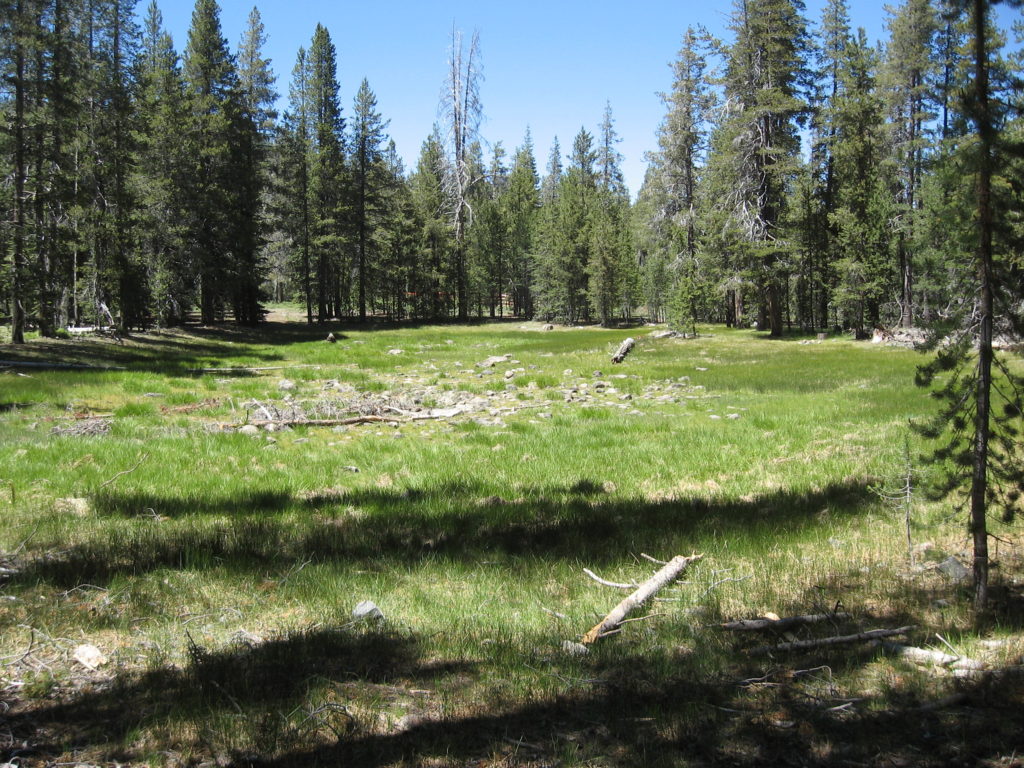
Cone Lake is situated in far western Lassen County, next to the Caribou Wilderness. In 1850, Joseph Spencer Cone (1822-1894), a native of Ohio, came to California, arriving in Tehama County in 1857. Originally, Cone was a cattle rancher who sold beef to the Nome Lacke Indian Reservation. When that enterprise failed, Cone turned to raising sheep and continued with that endeavor for the remainder of his life.  In the early 1870s, Cone, like of many Tehama outfits, incorporated western Lassen County for grazing stock during the summer.  It took nine days for the Cone outfit to herd some 20,000 head of sheep from Paynes Creek, Tehama County to Harvey Valley, Lassen County.  At the time of his death, Cone owned nearly 100,000 acres of land—4,636 of these acres were located in Lassen County. The Lassen County property remained in family ownership until November 10, 1934, when Marie Cone sold to the Lyon Cattle Company.  Marie Cone had disposed of some parcels earlier to the Red River Lumber Company. One of Cone’s legacies was his impact on the geographical names of western Lassen County.  Cone’s many sheep herders filed rights to strategic springs and grazing lands—Logan Mountain, Pat Morris Spring, Norvell Flat and Puls Camp, to name a few.

Donate

Susanville – 710 Mill Street

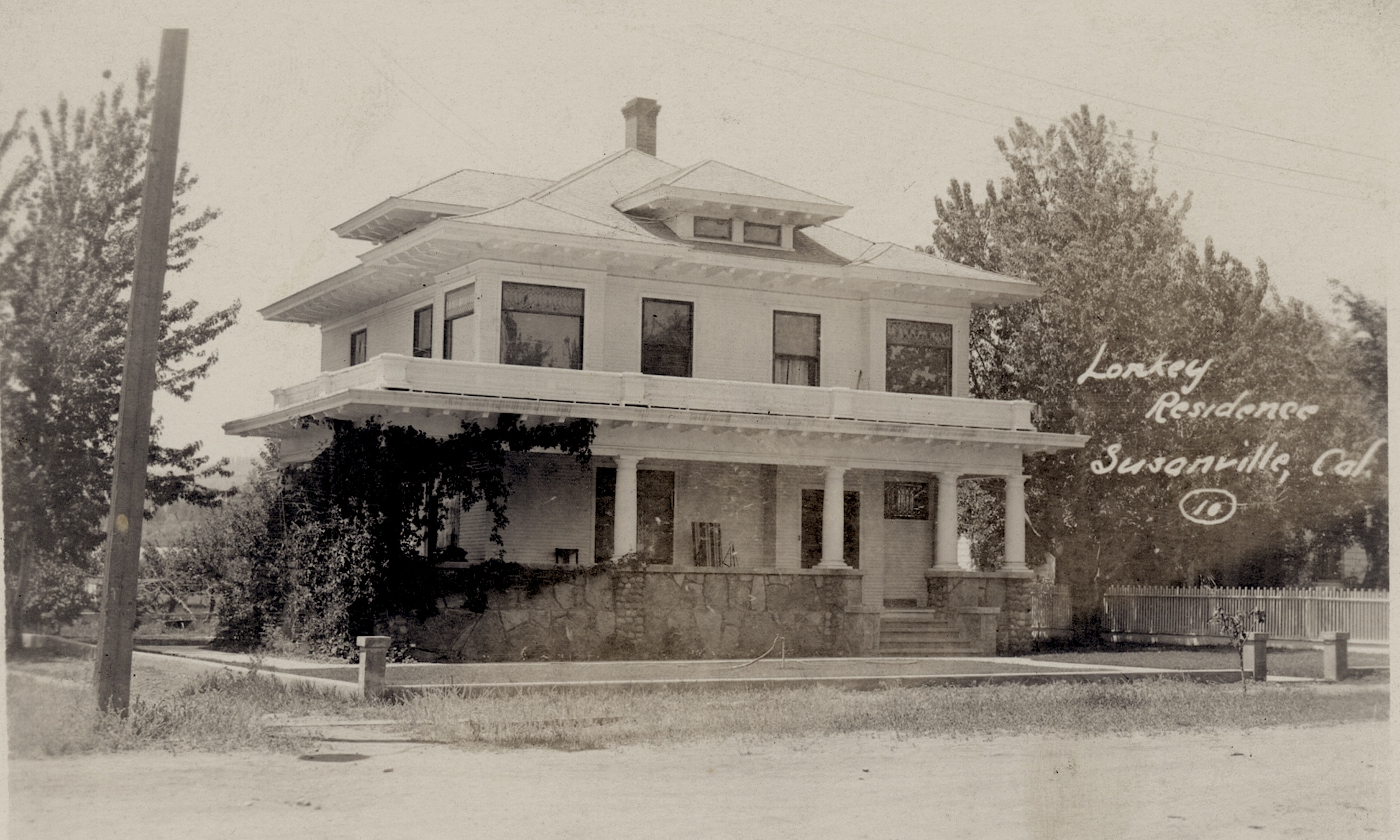
The Lonkey residence, circa 1915. B.R. Zimmerman collection

In 1908, residents of Lassen County were surprised with the formation of the Hill Lonkey Land & Livestock. Two of the key figures were Nevada residents Thomas Hill and Camille Lonkey. They purchased the San Francisco Ranch (now Five Dot) and the Folsom Ranch (now Fish & Game) in the Willow Creek Valley. The partnership was brief and they dissolved the company two years later. Hill took possession of the Folsom place, and Lonkey the San Francisco Ranch. Continue reading Susanville – 710 Mill Street

Secret Valley Munitions Depot?

Secret Valley, as seen from the lower end of the valley.

In the mid-1920s the U.S. government sought to establish a munitions depot in the west. The two main criteria, that it be a sparsely populated region and have railroad access. In 1927,the Lassen County Chamber of Commerce, along with the Lassen County Board of Supervisors petitioned Congressman Harry Engelbright to consider Secret Valley. It had rail access and only five families lived within thirteen miles of the proposed site. In the end the government selected Hawthorne, Nevada.

Subscribe!

Sheep Camps

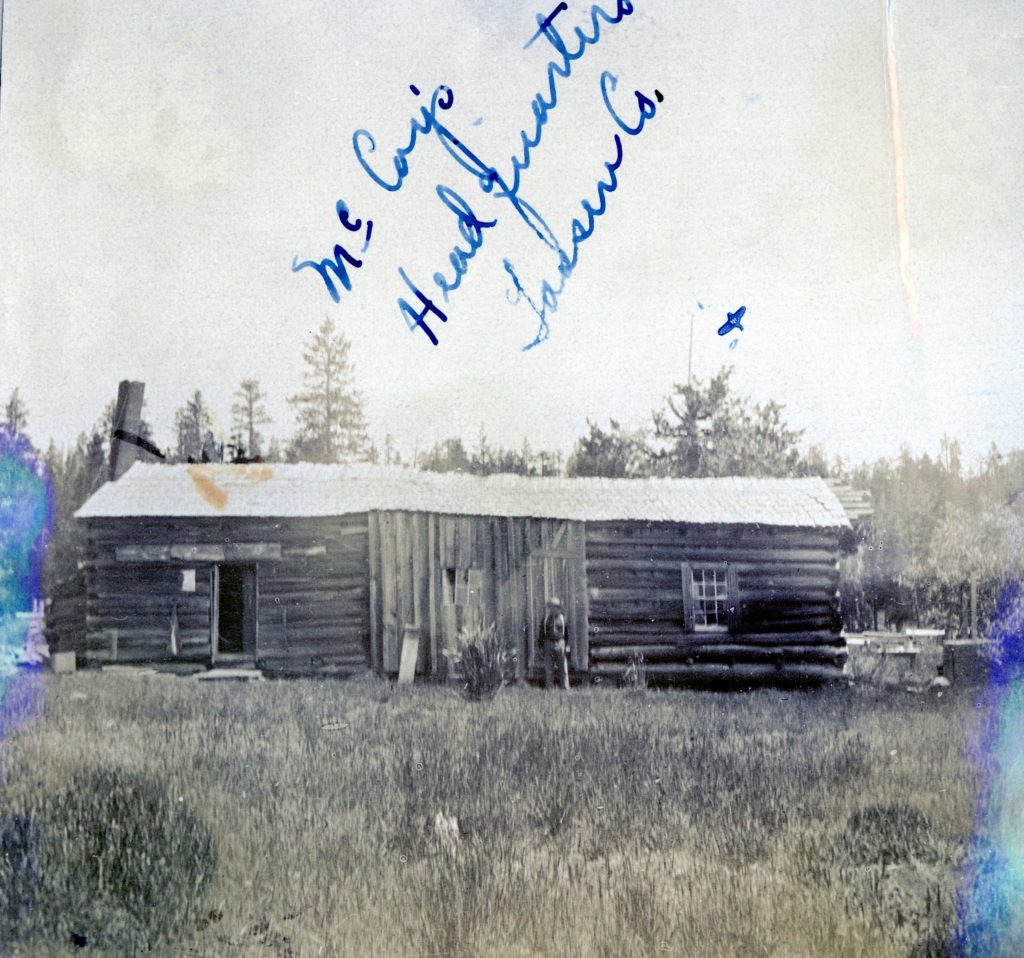
McCoy headquarters at Bridge Creek, circa 1906. Courtesy of the Worley/Crum family.

As mentioned about the story of the Worley Ranch, how the sheep industry played a prominent role in Lassen County. Many of these outfits used the region for summer range, returning to lower elevations for the winter. Many of these camps were rather primitive, usually just a log cabin. As shown above was the camp of Galen Clark McCoy whose headquarters was at Bridge Creek and for whom the nearby McCoy Flat Reservoir is named for. Stanford University had two sheep camps along Pine Creek, north of Camp 10, which was unusual. The majority of these camps were abandoned in the 1920s, and nature has reclaimed the sites.

Donate!

The origins of Five Dot Ranch

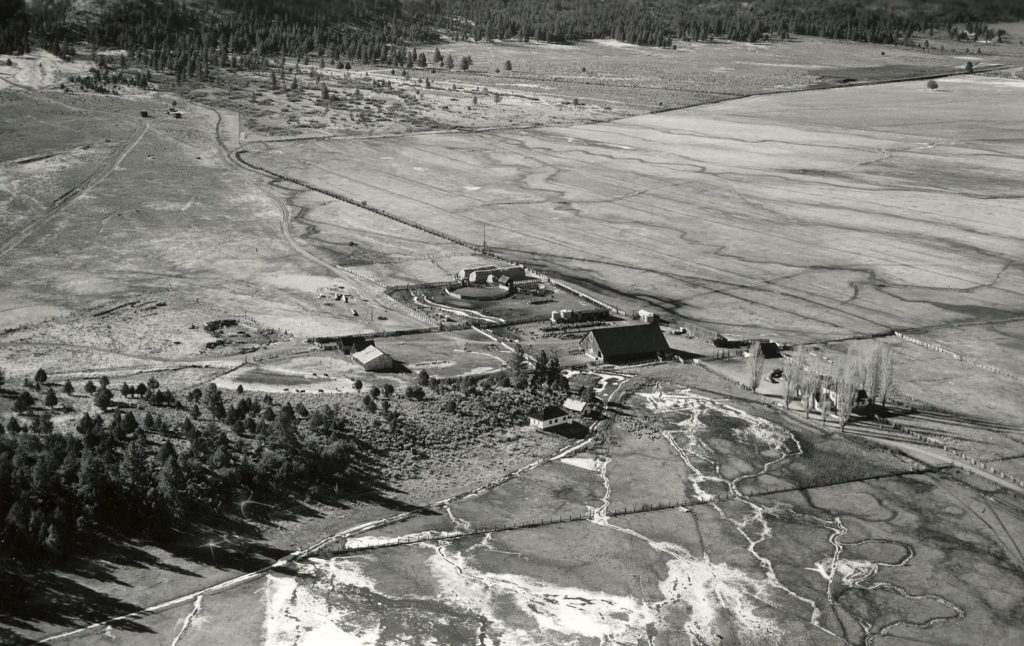
Five Dot Ranch, Willow Creek Valley, 1958. Courtesy of Wendell Loughead
For whatever reasons, Erich was not satisfied with the ranch, and the place was once again on the market. In the spring of 1949, two cousins, Ben Dyer and Arlyn Hughes from Gridley, California purchased what was commonly known as the Lonkey Ranch in Willow Creek Valley from W.J. Erich. The two men needed financial assistance and brought in three partners: Marvin Kirk, Jack Hughes, and B.B. Hughes. They named their new enterprise the Five Dot Land & Cattle Company, with Arlyn Hughes operating the ranch. The partnership was brief and the ranch was placed on the market in 1958. In 1959, the Swickard Brothers, Jack and Tom, from San Jose purchased Five Dot.

Subscribe!

Worley Ranch – Lassen County

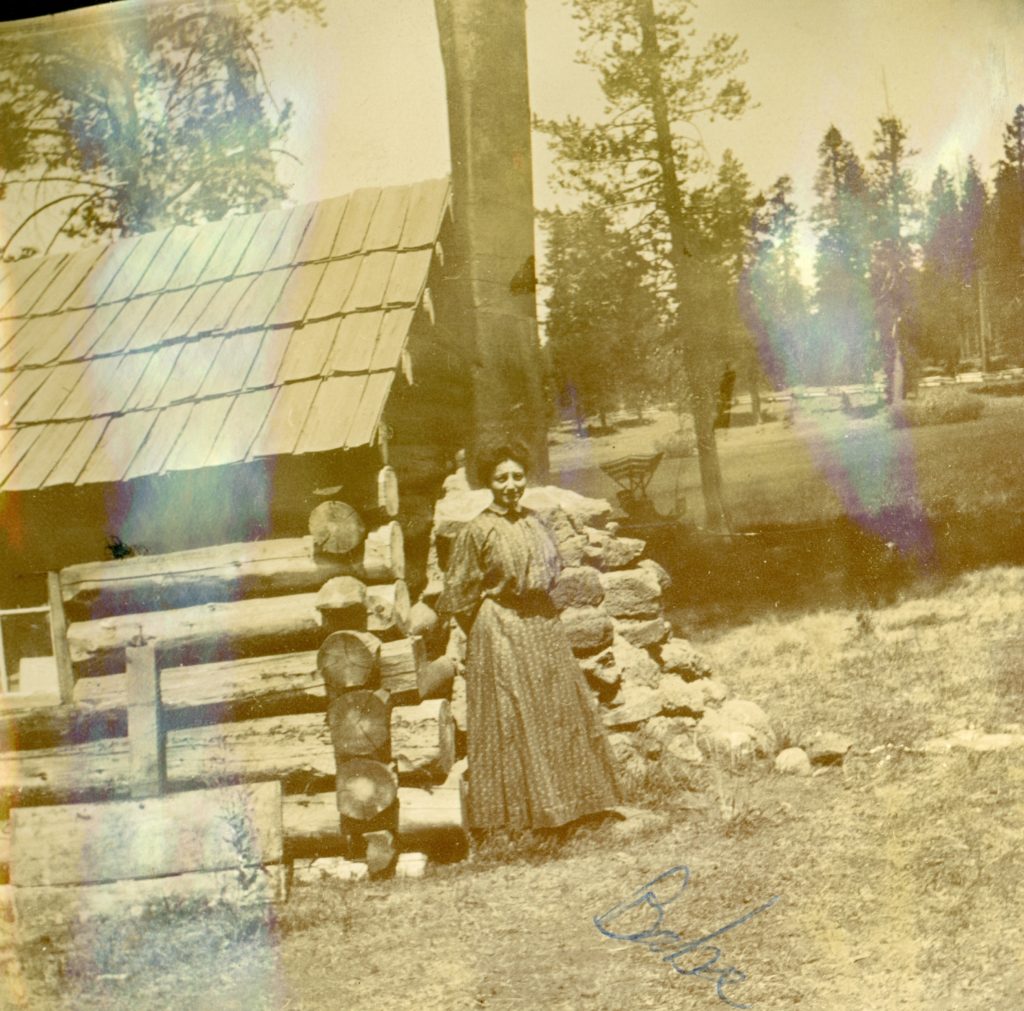
Jeanette Worley at the summer headquarters. Courtesy of the Worley/Crum family.
In the late 1800s and into the early 1900s the sheep industry played a major role in Lassen County’s economy. In 1906, Lassen County officials estimated 200,000 head of sheep were brought into the county for summer grazing. Many of these outfits came from nearby Tehama County. On February 25, 1902, Adam Crim Worley of Tehama County, purchased 481 acres from John Sites, and established his summer stock range about ten miles west of Susanville on the western base of the mountain, that would become known as Worley Mountain. (This is the mountain one crosses to travel to the south shore of Eagle Lake.) Worley’s son, Jesse C. Worley continued with the family sheep business for some time. In 1909, Jesse married Jeanette Alexander and in 1911, he became associated with his father-in-law’s, Jules Alexander, general store in Susanville. 1942 was a monumental year for Jesse Worley as closed the store in Susanville. On August 17, 1942, he sold the ranch to Bill and Zella Ahern for $3,000.

Subscribe!

Grasshopper Valley – Lassen County

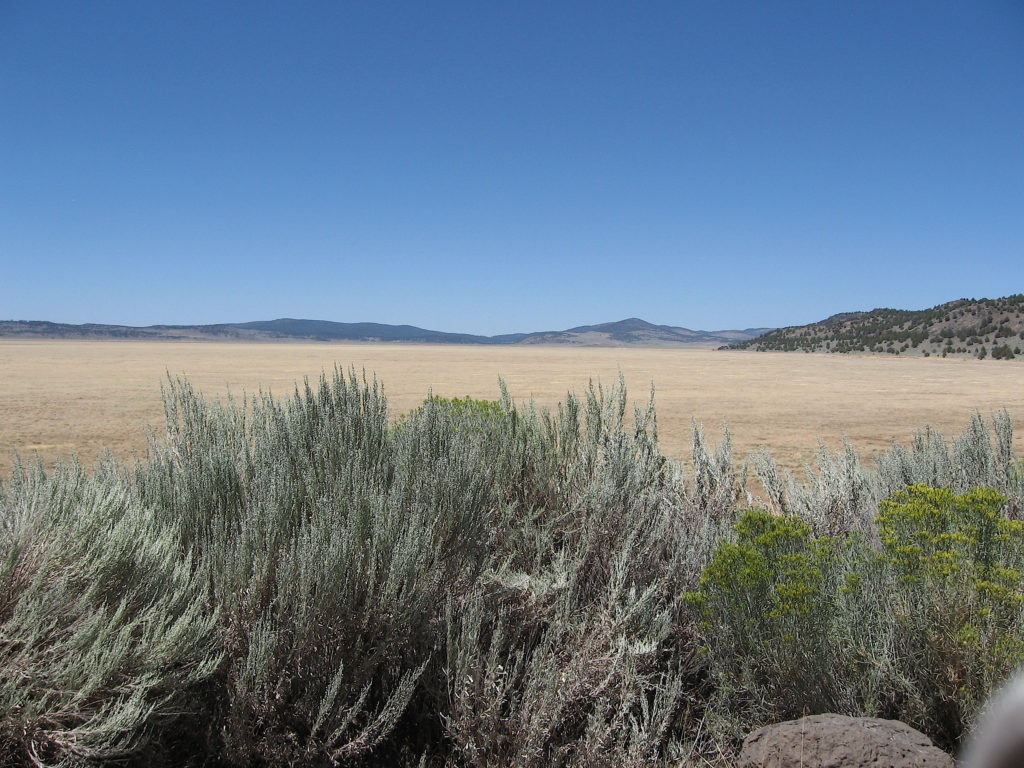
A view from the southern end of Grasshopper Valley, August 4, 2016.
The following is a brief account compiled years ago by Lina Goumaz Brownell Barclay (1883-1972) when her father Philip Goumaz operated a ranch at Grasshopper Valley.

The Philip Goumaz ranch was located five miles north of the J.C. York place in Grasshopper Valley. He bought it from Charles McClelland and moved his family from Susanville to here in the spring of 1888.
At the foot of the hill, in back of the house was a fine cold spring. The mail and passenger stage went from Susanville to Bieber in one day and back the next. In later years the change of stage horses were kept at the Goumaz ranch and the driver and passengers ate the noon meal there.
One year the grasshoppers were so thick, a person would kill several taking one step. They ate the leaves off the willows along the creek. When they began eating the standing hay, my father cut it earlier than usual. They ate quite a lot of the hay, so we found out why the valley was named Grasshopper.
There were several other ranches located in the valley. About one mile north from us was the Shanklin ranch. In later years, it was sold to Antone Gerig. Adjoining the Shanklin ranch was the Frank Loveland place. Philip Goumaz sold his place to Bailey, DeWitt and Theodore of the Honey Lake Valley in 1905 and returned to Susanville.

Subscribe!