Tag Archives: Plumas County

Red River’s Almanor Line

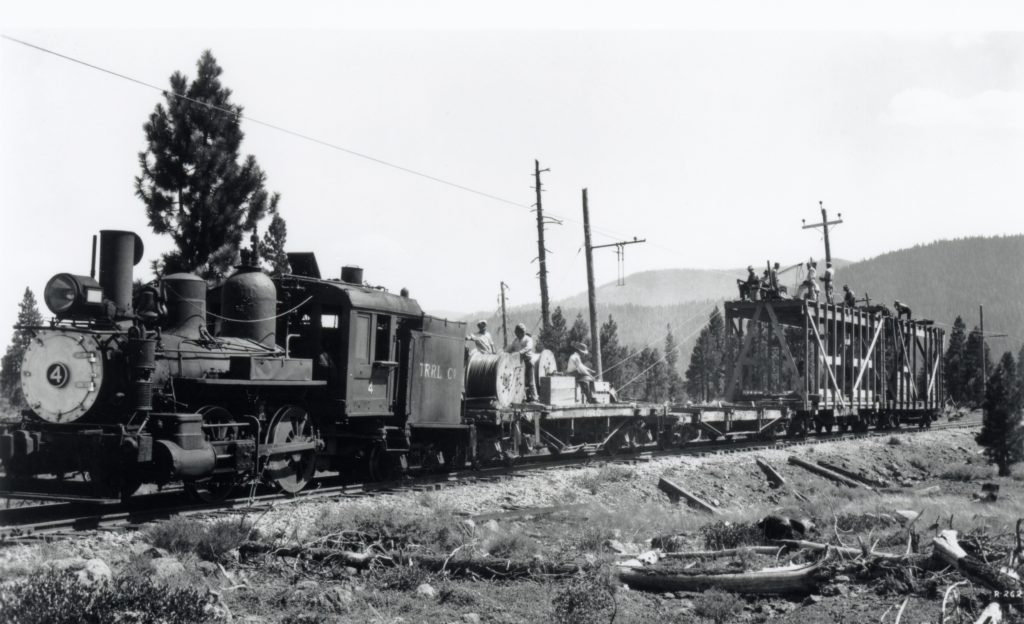
The Almanor branch, 1924. Courtesy of Minnesota Historical Society

In 1921, the Red River Lumber Company needed to expand its logging operations having logged over most of the surrounding territory around Westwood and the northeastern section of Lake Almanor.  A second main line would be constructed from Red River Junction (Clear Creek) running to the west to Chester. One of the biggest obstacles to build the nine-mile segment was the crossing at Bailey Creek. There a wooden trestle of some 550 feet in length and fifty feet high required nearly 300,000 board feet of timbers, that took nearly a year to complete.

Over time this line extended way past Chester to Deer Creek. Like, Red River’s other main line that extended along the east shore of Lake Almanor, led to speculation and rumors.  Would Red River extend its line down Deer Creek to connect with the Sacramento Valley, was a question on a lot of minds. By the time the logging line reached Deer Creek, Red River was faced with so many financial issues, that it was not feasible.
Subscribe

Doyle versus Portola

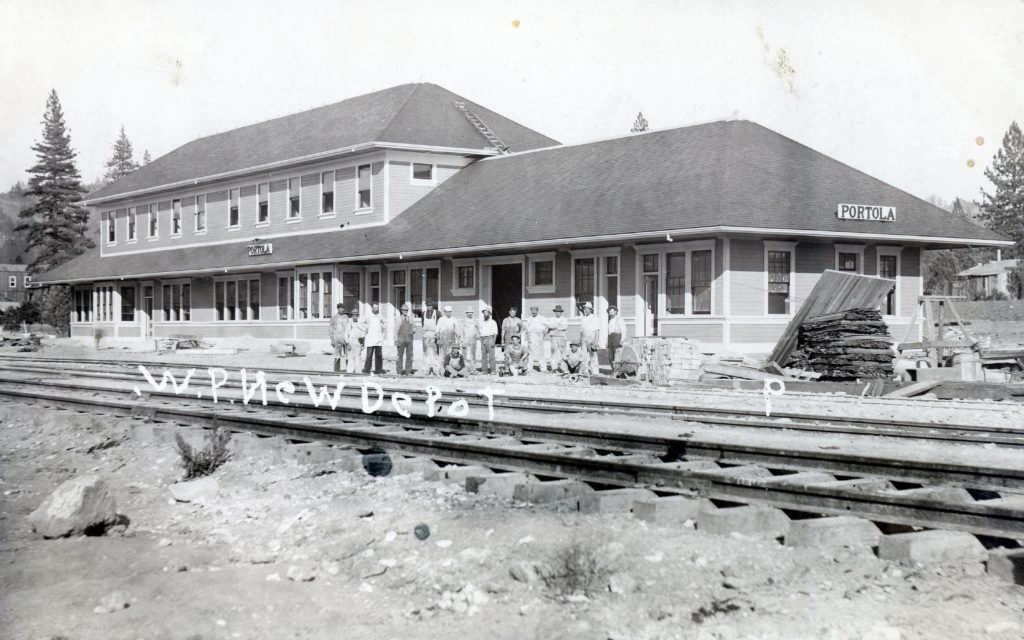
The Portola Depot. Notice the rails had been recently laid, no ballast.

During the construction of the Western Pacific Railroad, and with the rails reaching California, the big question was where the division point would be. There were two small stations, that sought that destination—Rayl, now the site of Herlong and Omira, just a short distance south of Doyle. While those two places were never serious contenders the battle was between Doyle and Portola. Each had their unique assets, but it was Portola that would claim victor.

Subscribe

The Founder of Drakesbad

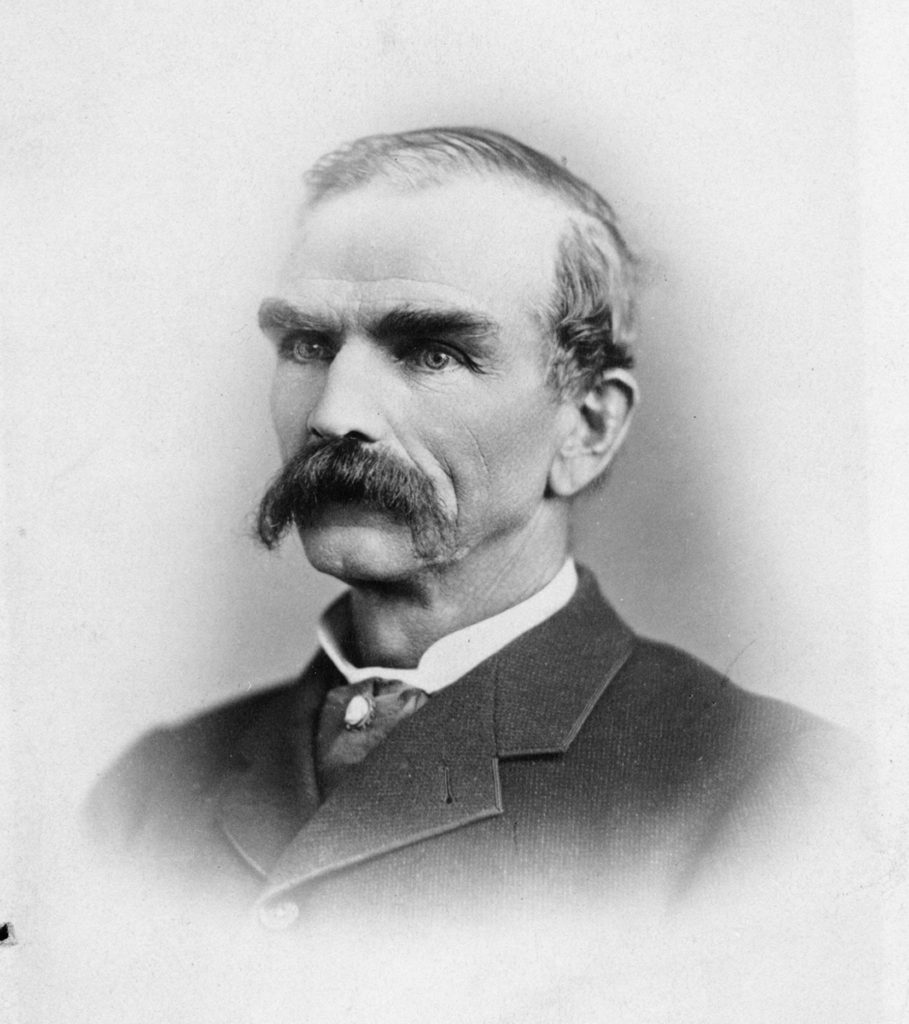
E.R. Drake

A native of Maine, Edward Russell Drake came to California in 1850. After nearly a decade roaming around the Golden State he located in northern Plumas County where he spent his time prospecting and trapping.  In the spring of 1884, Drake was overcome with health problems and spent an extended stay at Gilroy Hot Springs.  In 1885, when he returned he relocated at Thomas Malgin’s abandoned homestead at the far end of Warner Valley, which included Hot Springs Creek.  Over time he assembled ownership of 400 acres. Drake made many improvements to the property and the place became commonly known as Drake’s Springs. In 1890, with the assistance of Russell Whitcomb, built the the first lodge, that stood until it was crushed in the heavy snows of 1937-38. In 1900, Drake sold out to Susanville school teacher for Alex Sifford for $6,000. In 1914, the place was renamed Drakesbad. Drake, it should be noted passed away in 1904 at Chico, California at the age of 73.

Subscribe

Malgin’s Sheep Camp

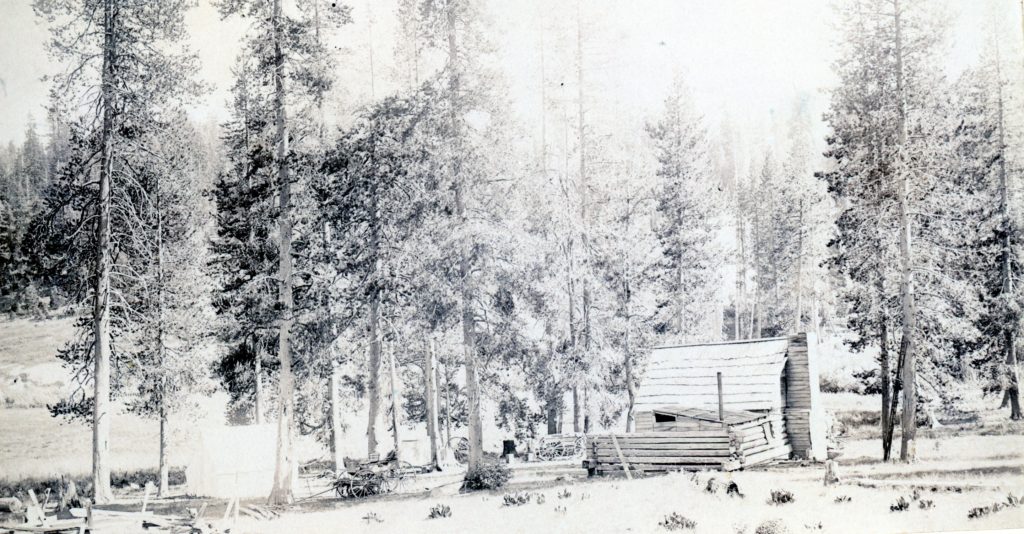
Malgin’s cabin in 1887. Sifford Collection

It amazes me at times, how early some remote places were settled. Take for instance the Drakesbad Guest Ranch in Lassen Volcanic National Park. In 1874, a sheepman, Thomas Malgin located there to establish a summer camp. The following year, by taking advantage of Hot Springs Creekm he built a bathhouse.  While it was rather primitive, it was available free to the public. When time permitted Malgin provided guide service to nearby points of interest. In 1880, Malgin abandoned the property.  In 1885, E.R. Drake took possession of Malgin’s claim.  Drake was not aware, that back property taxes were due and in 1887 Quincy resident F.B. Whiting bought the eighty acres there in a delinquent tax sale for $8.11.  The following year, Drake purchased it from Whiting for $50 and the foundation was in place for the development of the property.

Subscribe

Lake Almanor Enlargement

Lake Almanor

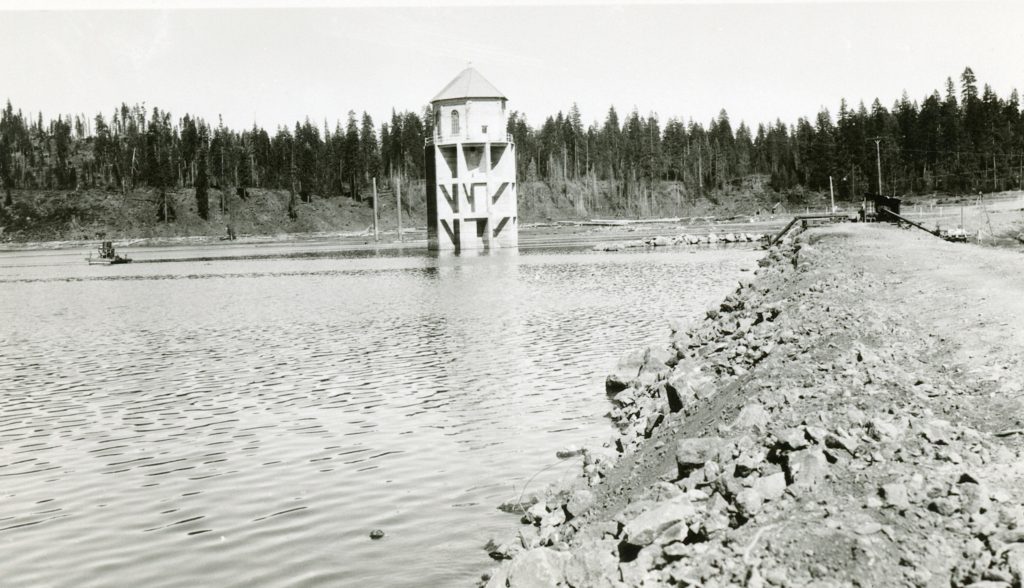
Well, I am stuck in the 1924 drought era. The drought placed a severe strain on Great Western Power’s  hydro-electric operations, though company officials assured its customers there would be no power outages. To maximize the water flow out of Lake Almanor, it was necessary to dredge channels in the lake to its outtake.

In December 1924 Great Western Power announced its intentions to raise the dam at Lake Almanor by forty-five feet. This would double the size of the lake, wherein once completed would be one of the largest reservoirs in North America at that time. The enlargement was necessary not only to protect it from future droughts, but to facilitate additional powerhouses.

Subscribe

Drakesbad

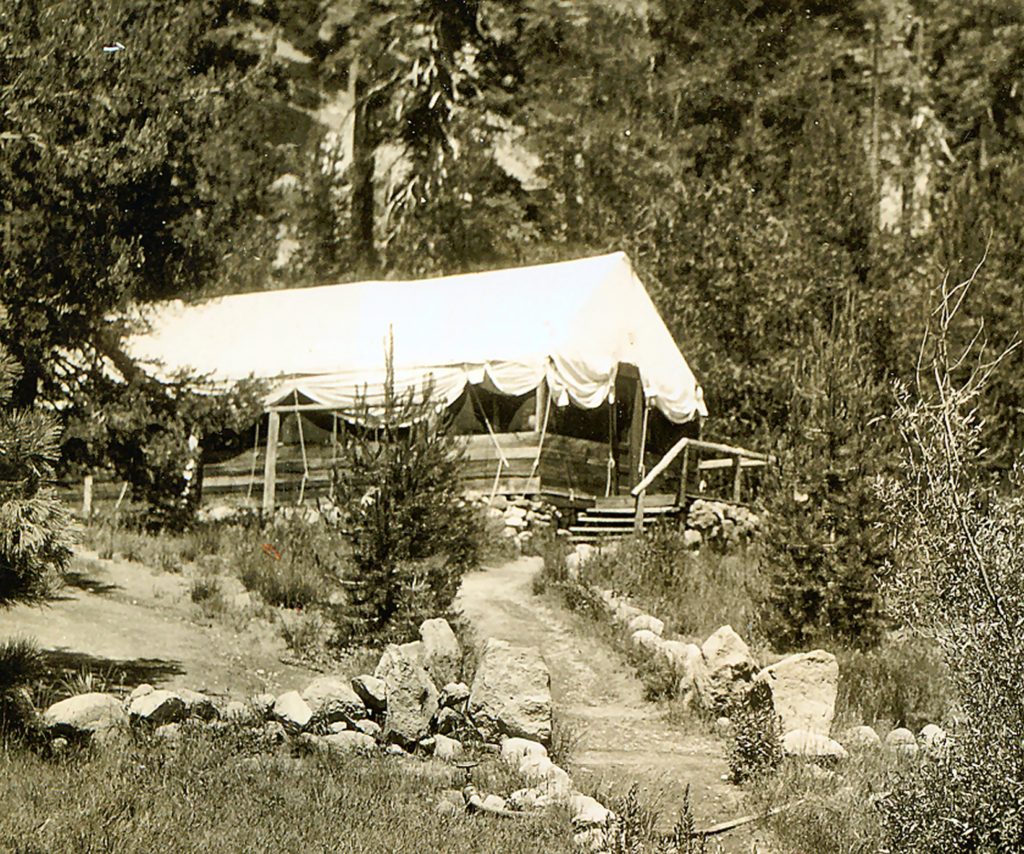
The original dining hall at Drakesbad. Courtesy of the Sifford Collection

In keeping with the Go Exploring theme, a trip to the Drakesbad Guest Ranch in Lassen Volcanic National Park, should be on your list. People have been going to this place since the 1870s, and there is plenty of hydra-thermal sites nearby such as Boiling Springs Lake and Devils Kitchen. If you want to dine there, you will need to call ahead, and they even make sack lunches for your hiking pleasure.

Subscribe

Lake Earl versus Lake Almanor

Lake Almanor

The 1902 plans for a reservoir to flood Big Meadows, now Lake Almanor gave it a designation as Lake Earl, after one of the investors of the Great Western Power Company. Over the years, the name was abandoned. When newly created reservoir began to fill up it was christened Lake Almanor, after Guy Earl’s three daughters. One of the daughters, Alice Wilder recalled the origin of the name: “Mr. Julius Howells [the engineer] was a welcome guest in our home who said children call me Uncle Julius. He asked my father to name the new lake. My father and mother spent many hours finding a name they liked. It had to have a name pleasing to the ear, it had to be readily pronounced, spelled and easily read. They did not want a foreign name and were not fond of surnames. They wanted to name it after their four children. Alice, Martha, Elsinore and Guy. Many combinations to these names were attempted. It was hard to get Guy in. Finally my father settled for a name that was simple and musical and of which three of the four children would be part-and also in the right order-eldest, next eldest and youngest. The lake was named Almanor.  The AL for Alice, MA forth Martha and The NOR for Elsinore.”

Subscribe

Lake Almanor’s Hamilton Branch

Hamilton Branch postcard, circa 1910

Lake Almanor’s Hamilton Branch was named for John Hamilton one of the first Anglo settlers there. However, during his time there was no Lake Almanor, which was not created in 1914. Located there is Big Springs, and a popular spot then and now.  In the 1920s, the place started to flourish when the cabins from Red River Lumber Company’s Camp 32 were retrofitted  to be included in Hamilton Park, which would eventually evolve into Lassen View Resort.

Donate or Subscribe

Lake Almanor Cloud Seeding

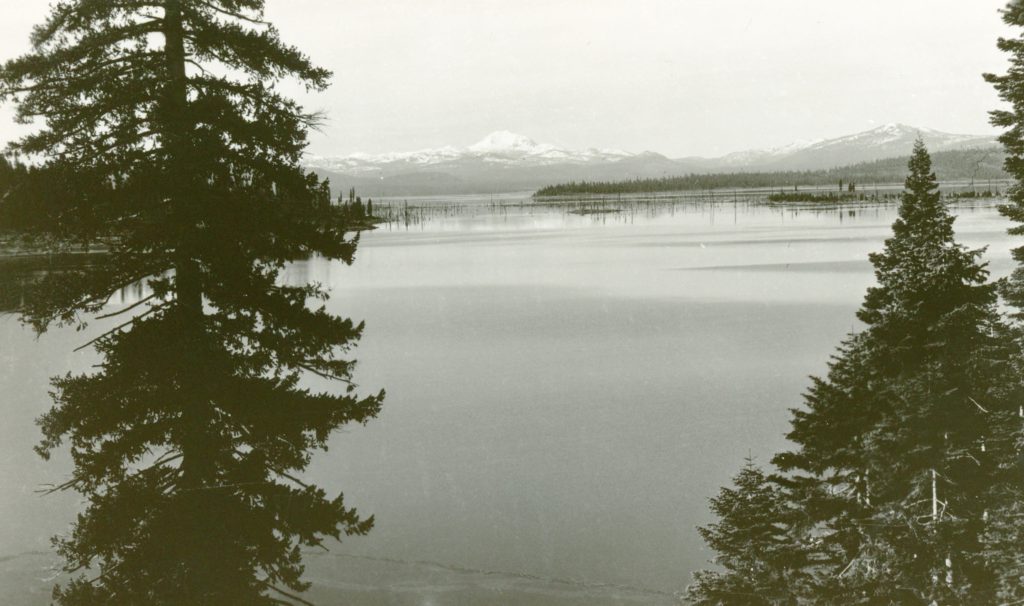
Lake Almanor, 1926.
From time to time discussions have been held whether the cloud seeding in the Lake Almanor Basin area by Pacific Gas & Electric Company affects the areas to the east. In 1979, Lassen County officials thought the cloud seeding was part of the drought problem in southern Lassen County. In October 1979, Henry LaPlante of PG&E stated that the company has been treating selected storm systems for more than 25 years. He said the intent of the seeding was to increase the high elevation snowpack. Furthermore, LaPlatnte wrote, “There is no scientific evidence which indicates that cloud seeding activities in our Almanor area reduces the amount of precipitation in any other area.

Donate!

Drakesbad

Dbad
The original Drakesbad Lodge. It was destroyed in the winter of 1937-38.

For those that have never been there, this is a hidden gem inside Lassen Volcanic National Park. It was Susanville resident, Alexander Sifford (1861-1957) who was key figure into transforming the place into a resort. However, in 1874, Thomas Malgin first settled in the upper end of the Warner Valley, and built a bath house to take advantage of Hot Springs Creek. Malgin focused more on raising sheep, than operating a remote tourist attraction.

Malgin was succeeded by Edward Drake, who in 1890 built the first lodge. His operation was simply known as Drake’s Spring. In June 1900, Susanville school teacher Alex Sifford arrived with his family as friends suggested the springs might help his ailments. Sifford was so taken away, that he negotiated to buy the place from Drake for $6,000. In 1914, for marketing purposes, the name was changed to Drakesbad. The Sifford family continued with operations until the 1950s when the last of their holdings was sold to Lassen Volcanic National Park. You can learn more by reading Roy Sifford’s memoirs  Sixty Years of Siffords: Darkesbad directly from this site.

Support this site, Subscribe today.