Tag Archives: Honey Lake Valley

Coulthurst Hill

The Belfast District, with Coulthurst Hill in the foreground.. Courtesy of Bernard McCallister

Yesterday’s topic concerning Shaffer Mountain, spills over today concerning a natural feature on its western flank.

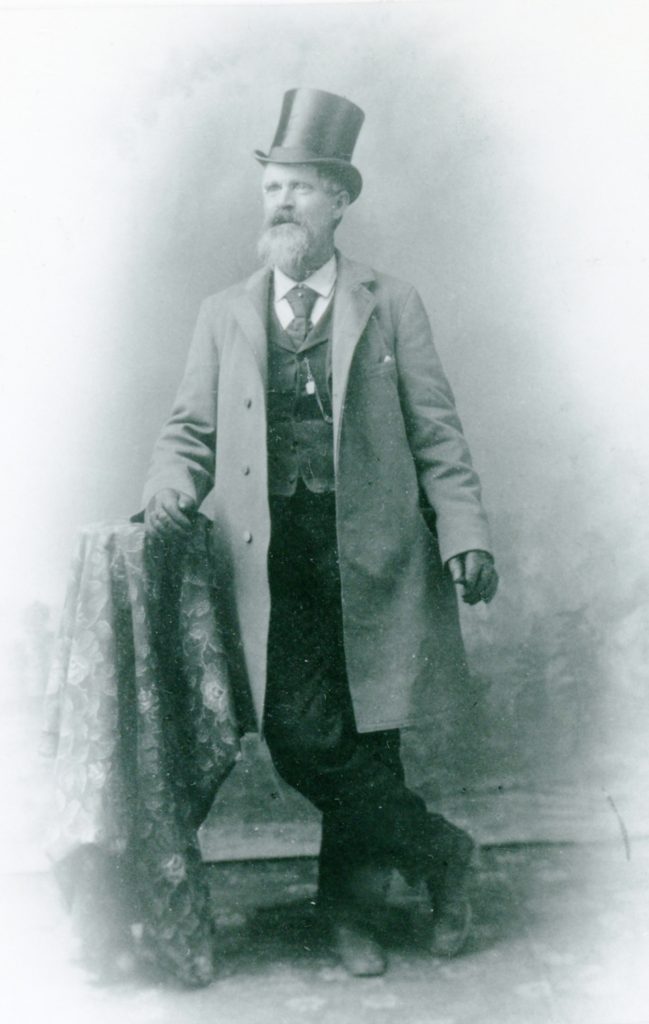
Every region has its cast of colorful, eccentric or bizarre characters. Isaac Coulthurst would make an interesting case study. He arrived in the Honey Lake Valley in the spring of 1857 and settled in what would later become the Belfast District. Among his firsts, was on September 23, 1857 he married Mary Jane Duvall, the first Anglo wedding in the Honey Lake Valley.

In 1873 Coulthurst stated that the Lord commanded him to go to the top of this hill.  Coulthurst held communion with the Lord in a cave there.  He spent a portion of the winter in that cave. Coulthurst stated it was warmed by supernatural heat, but the cave became unbearably hot in the summer.  It was then that he discarded his name of Coulthurst and changed his name to the “Second Coming of Christ.”  His wife, Mary, had him declared insane.  Twice he was placed in mental institutions, each time he spent only a few months.  In 1881, a third examination was held on his competency.  The courts two examining physicians stated he was fine in all aspects, especially keen in business dealings.  They admitted to his religious peculiarity but did not think he would derive any benefit from being institutionalized. After that court hearing, the court proceeded with the divorce proceedings that had been filed by his wife and the court approved it.  Coulthurst agreed to the divorce and to pay alimony, but would not divide the property with her.  Coulthurst’s refusal to divide the ranch property was based on his belief that it would be the site of a new Jerusalem.  Coulthurst contended that a large city would be built there, the streets paved with gold.  In 1893, Coulthurst transferred the ranch to his son, Henry, with the provision that his son clothe, feed, maintain, and support him during his natural life. Coulthurst signed the deed “Christ the Lord.”

Some attribute Coulthurst’s odd behavior from his discovery and recovery of the drowned body of the frenchman Harry Gordier in 1858. In 2020, there are people who are still intrigued of the story of Gordier and his gold. That aside, Coulthurst died in 1919, at the age of 95 and was the first person buried in the Lassen Cemetery. Even with all their marital strife, his wife, Mary was buried next to him.

Spread the word, and encourage a friend to subscribe.

Who Was Herlong?

Herlong Post Chapel. Courtesy of Cindy LoBuglio

In 1942, the U.S. War Department changed the Western Pacific Railroad’s station from Hackstaff to Herlong, the location of its new Sierra Ordnance Depot. It was done so to honor the first ordnance officer to lose his life in World War II. In 1943, Lt. Col. E.A. Cryne commanding officer at Sierra Ordnance Depot supplied the following information to G.I. Martin, Western Pacific’s agent at Reno as to who was Herlong.

“Capt. Henry W. Herlong, Ordnance Department was born in Florida, August 27, 1911. He graduated from the U.S. Military Academy at West Point in 1933, at which time he was commissioned a second lieutenant. In September 1936, he was transferred from infantry to field artillery and was detailed to the ordnance department December 27, 1939.

“After pursuing a four months’ course in aviation ordnance at Aberdeen Proving Ground, Maryland early in 1940, Capt. Herlong was assigned as a student to the 51st Ordnance Proving Ground at Langley Filed, Virginia, where he remained until October 1940. At this time he was transferred to Savannah, Georgia for duty with the 5th Air Base Group.

“While stationed at Savannah, Captain Herlong was killed in the line duty at LaGrange, Georgia, June 22, 1941.”

Support

A Carcass of Another Kind

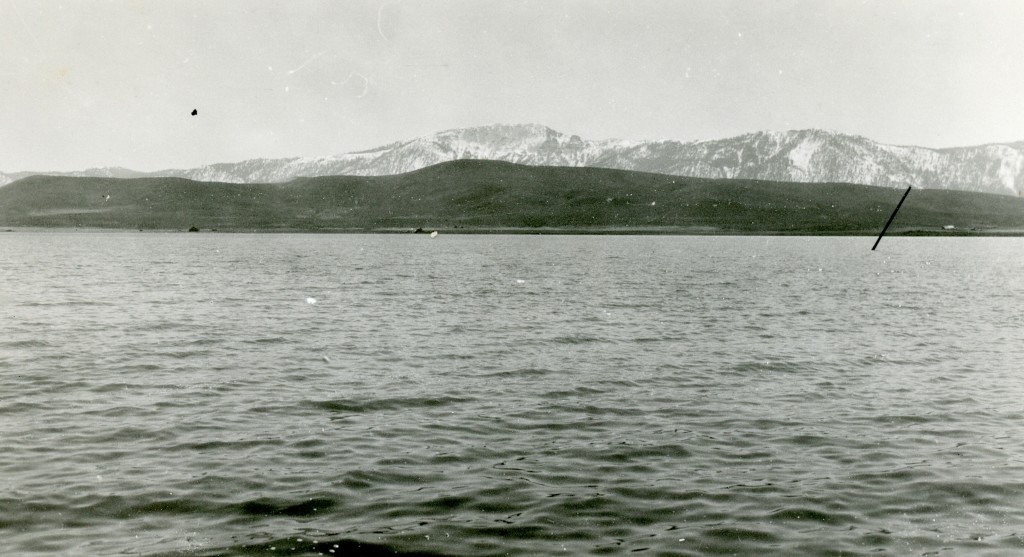
Remains of E.C. Brown’s tugboat used on Honey Lake, circa 1940. Courtesy of Margaret Nye

Recently, some one inquired what happened to the commercial boats that were on Honey Lake. It should be duly noted that were two major commercial boats on the lake. The first one, was built in 1895 by Jake Yanner and George Clark. They based their operation at the Joe Decious ranch near Milford. The boat was first built with a propellor, but did not function properly. They modified it into a side wheeler. The boat was 60 feet in length  and had a load capacity of 30,000 pounds. It was used primarily to transport lumber and freight between Amedee and Milford. By 1902, the lake was too shallow for boating and in 1903, the lake went dry. The vessel remained docked at the Decious place for many years. During the winter of 1937-38 the high waters of Honey Lake washed it away from its moorings. The boat drifted down shore for about 175 yards where it fell apart.

In 1907, Spoonville resident, E.C. Brown landed a contract to supply one million board feet of mining timbers to Goldfield, Nevada. As the timber and sawmills were on the west side of the Honey Lake Valley and the railroad on the east side, he needed to resolve the transportation problem. Brown purchased a tugboat that the U.S. Customs used on the San Francisco Bay. Brown had a special barge made for hauling the mining timbers across the lake. A year later, the contracts fulfilled the boat was docked at Barham’s near the mouth of Baxter Creek. In 1912, Brown sold the boat to Nevada millionaire, George Wingfield who converted into a pleasure craft. In 1915, it was docked for the last time near Baxter Creek. During the 1930s, unknown parties removed the engine for scrap metal. Remains of the hull were still there in 1987 when I participated in an informal sailing regatta held near there.

Subscribe

The Doyle Revival

Doyle, 1949- Eastman Collection, UC Davis

Doyle was the biggest beneficiary when the Sierra Ordnance Depot was established in the early 1940s. It was a much needed boost as the town struggled during the 1930s, like so many rural communities.

There was a tremendous amount business activity for the small community could boast of three grocery stores, along with other such amenities as two bars that also had restaurants, however, it should be noted after prohibition, a requirement for bars was to provide food service.

Another aspect of the Depot’s effect on the region, was with highway improvements, it created the area’s first commuters. The Janesville and Milford vicinities were popular for Depot employees to make their homes there and make the commute to Herlong.

Subscribe

Calneva Post Office

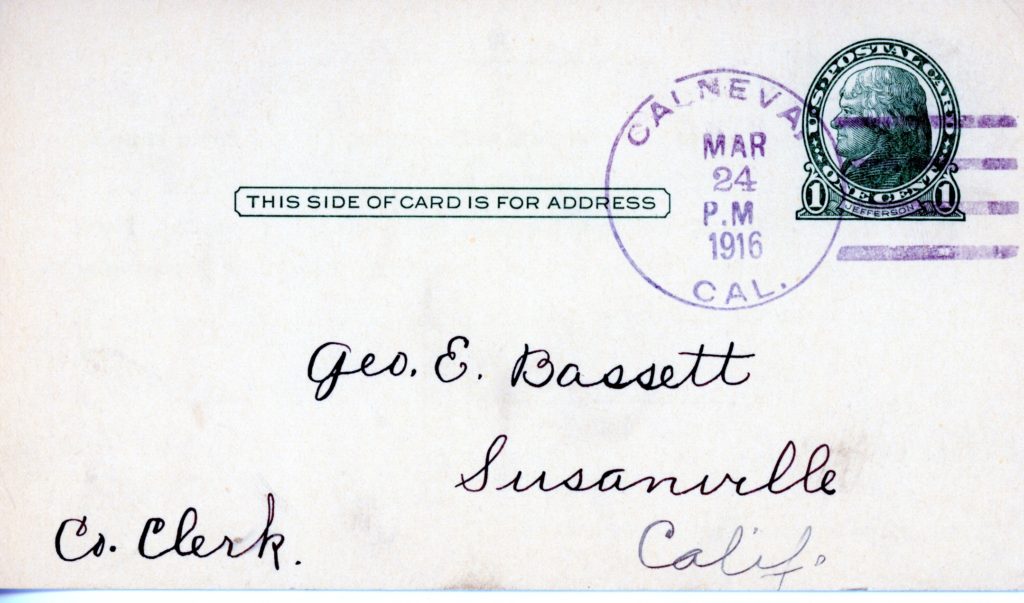
A Calneva postal cancel

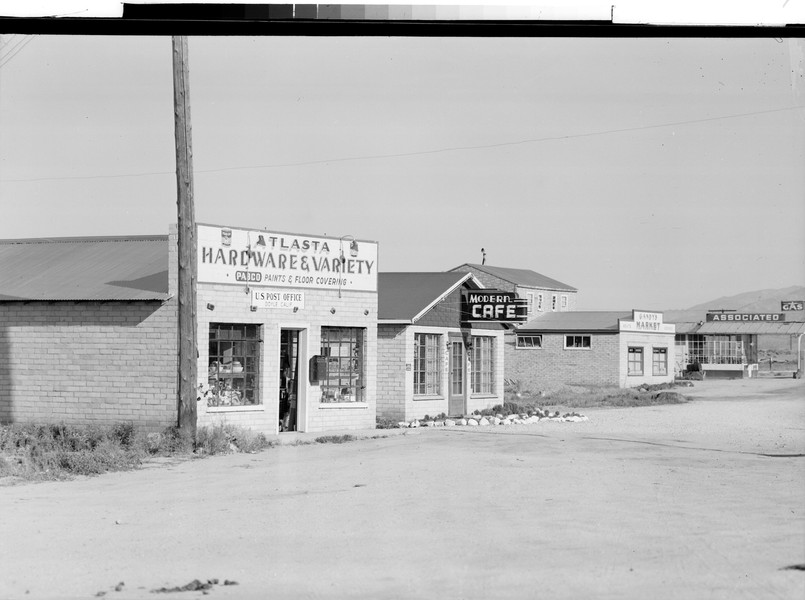
Calneva located in eastern Honey Lake Valley near the state borderline, was a small station on the Western Pacific Railroad. The station operated from 1910-1921. The Calneva Post Office was established on July 8, 1911, with Charles Ammons, as first postmaster. The post office closed briefly during 1919-20. On November 30, 1933, it was discontinued, its operations moved to Flanigan, Nevada. It is interesting to note that Calneva was located six miles east of Herlong and six miles south of Flanigan. However, when the post office closed it would be several years before Herlong was established.

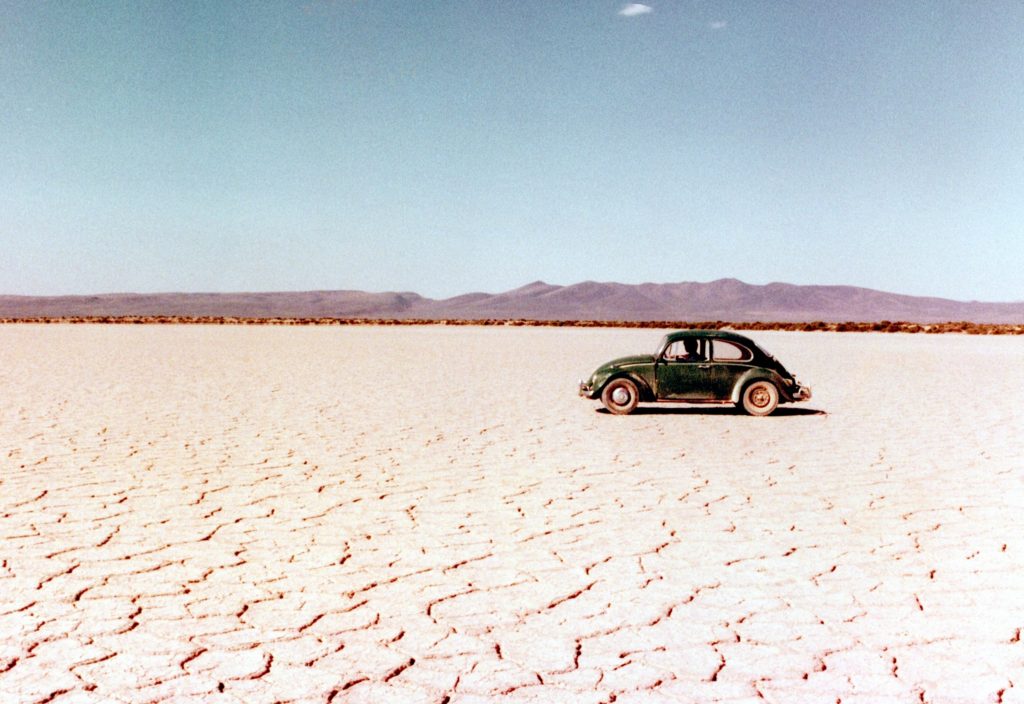
The 1982 expedition in search of Nowhere at Calneva Lake.

Support

Sierra Shangri-La—Sierra Ordnance Depot

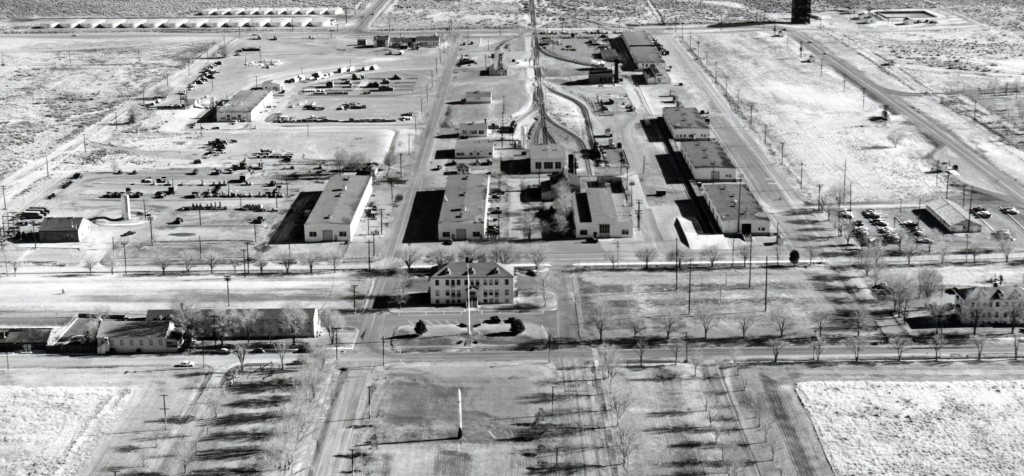
Sierra Army Depot. Courtesy of Donna Perez

This is an excerpt of Harold Gilliam’s small booklet Sierra Shangri-La. This is a quite unique observation that one does not normally see in print. Gilliam noted that there was some anxiety/hostility towards the new residents of Herlong when the Depot was established in 1942.

“One Lassen controversy which for a time threatened to erupt into an intra-county feud has to a large extent been resolved by diligent effort on the part of community leaders.

“Out beyond Honey Lake in the southeastern corner of the county are long rows of concrete ‘igloos’ stretching for miles across the gently rolling plain—storage places for the big Sierra Ordnance Depot. In the nearby government housing which comprises the war-born town of Herlong live depot employees and their families, some 4000-5000 people altogether.

“Herlong is a complete community in itself, second only to Susanville in population, with 40 business establishments, churches, clubs, schools, a library, a weekly newspaper, a well-equipped hospital and a movie theater. The depot has storage facilities for all types of ordnance equipment, including anything from cotter pins to complete vehicles and from .22 ammunition to blockblusters.

“The sudden mushrooming of a town of such size in a county less than 20,000 could not avoid having considerable impact. The big political question which arose was whether or Herlong’s people, living on a government reservation and paying no county taxes, were to be considered an integral part of the county, with the right to vote and participate in county affairs.

“Legal authorities ultimately ruled that Herlong people could vote in the county and considerable heat was generated in the 1950 election, in which Herlong’s candidate was chosen as one of the County Supervisors.

“Since that time, due partly to an astute public relations program carried on by the depot’s former commanding officer, Colonel H.E. Hopping, the dispute has subsided and the people are no longer regarded as ‘foreigners’ by most Lassenites.”

Subscribe

Breakfast of Champions

Benjamin Hanson Leavitt – Courtesy of Betty Barry Deal

In what seems like another life time, when I began my research, I interviewed many people on a regular basis. When I look back, there were quite a few individuals who were born in the 1880s. One of those was Alphozene Perry Terril, a granddaughter of Ben Leavitt (1835-1915). Leavitt is considered the father of the Susan River Irrigation System, best known today as Lassen Irrigation District. It began, in 1875, when Leavitt constructed a small reservoir, east of Johnstonville, known today as Leavitt Lake. One of the interesting anecdotes Alphozene relayed to me about her grandfather, was on occasion she made him breakfast—it consisted of two raw eggs put in a glass of rock & rye whiskey.

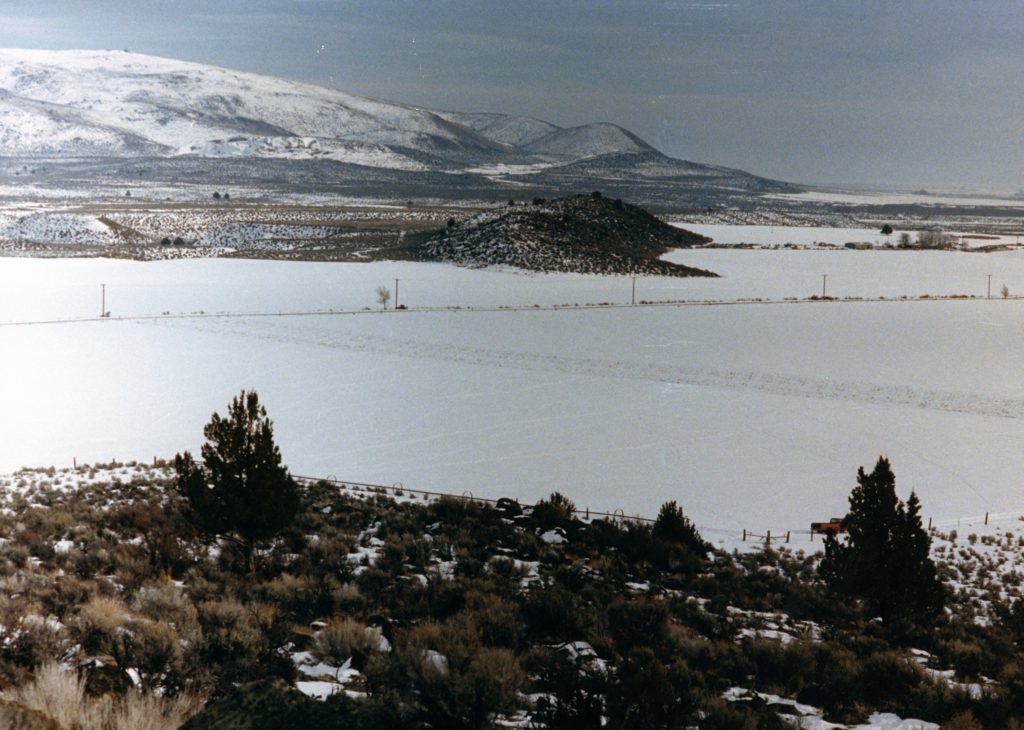
Leavitt Lake
Leavitt Lake, 1938

Never miss a story, click here to subscribe.

Whitehead Slough

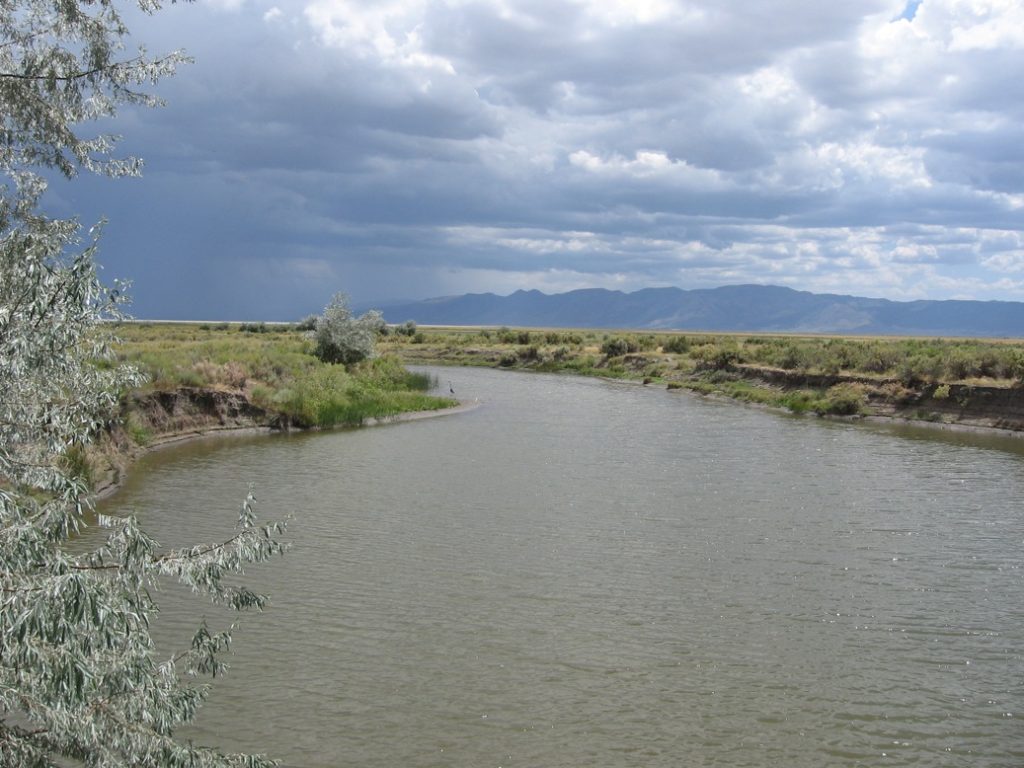
Whitehead Slough, with Honey Lake in the background, July 26, 2019

After the Susan River passes near Standish it breaks up into sloughs, some are natural and others man-made like Hartson Slough. The Whitehead Slough was named for John Wesley Whitehead (1845-1939) who relocated from Pyramid Lake in 1886, and settled along the banks of this slough, which is located between the Dakin and Fleming Wildlife Units. In 1920, he retired to Pacific Grove, California, which was also known as Honey Lake Heaven, since so many people from the Honey Lake Valley retired there in the early 1900s.

Never miss a story, click here to subscribe.

Herlong Junction–Then & Now

Herlong Junction, April 2016. Courtesy of Oliver Grosz

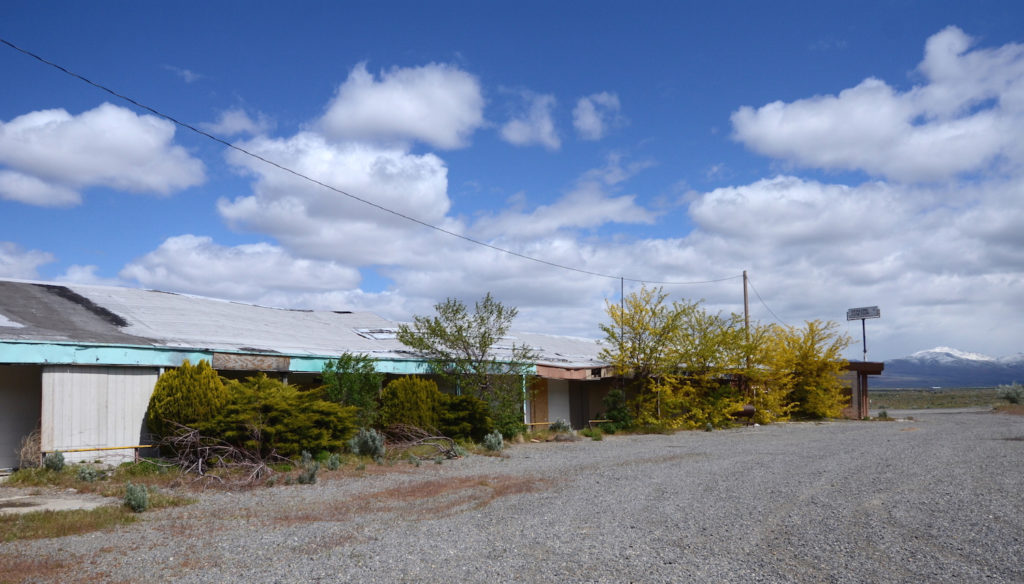
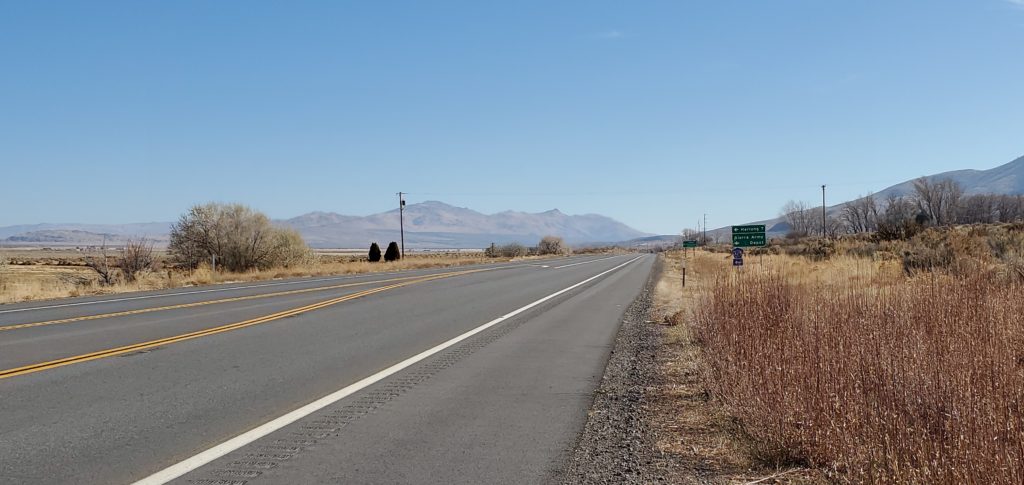
One of the lessons, I learned from my ‘fall from grace,” is that I do need to get out more, than my familiar customary outings in the back country of this region. Prior to the accident, I had not been to Reno since June 2017, when I boarded Amtrak with a destination to the Bay area to attend a special 95th birthday luncheon for Art Mathews. To my surprise on my return to Susanville from Reno last month, that in the preceding two years the abandoned building known as Herlong Junction had been demolished.

Herlong Junction,, November 16, 2019

Peter Lassen’s Belated Funeral

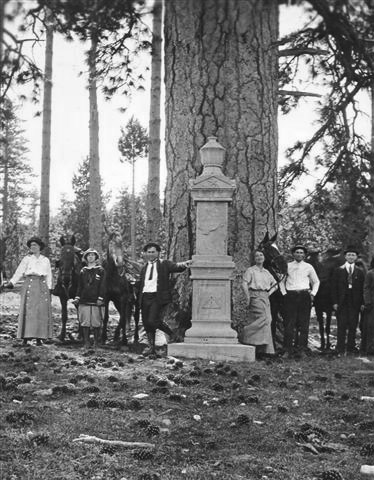
Lassen’s grave has been a popular gathering spot over the years.

It was 160 years ago on this date that a belated funeral service for Peter Lassen was held. It should be duly noted that Lassen met an untimely death on April 25, 1859 in the Black Rock Desert some 125 miles east of Susanville. In November his remains were brought back for burial in the Honey Lake Valley and placed near the majestic Ponderosa pine tree where he camped there in 1855.

Lassen’s funeral was chronicled in the Territorial Enterprise newspaper of Virginia City. The paper noted: “The remains of Peter Lassen, the old pioneer, were buried with Masonic honors, Sunday November 27, on his own ranch at Honey Lake. The attendance upon that occasion, was a very large one for that place.”

Support